2026 Online Health Informatics Bachelor's Degree Programs Under $10,000

Co-Founder and Chief Data Scientist
Many working professionals seek to shift into health informatics but hesitate due to high tuition costs and limited program flexibility. An online health informatics bachelor's degree under $10,000 presents a practical solution-combining affordability with remote access. The demand for such degrees is growing, with enrollment in low-cost online health informatics programs increasing by 35% over the past three years. This surge reflects industry growth and the rising need for skilled informatics specialists.
This article explores affordable, accredited online programs that offer flexibility and value, helping readers make informed decisions to successfully transition into the health informatics field.
Key Things to Know About Online Health Informatics Bachelor's Degree Programs Under $10,000
- Online health informatics bachelor's degree programs under $10,000 reduce student debt significantly by offering affordable tuition and maximizing financial aid options.
- Graduates often experience strong return on investment with median entry-level salaries exceeding $60,000 annually, especially in military-friendly institutions.
- Flexible course schedules and credit transfer policies accommodate working adults and career changers, allowing expedited completion without sacrificing quality.
What Are the Most Affordable Accredited Online Health Informatics Bachelor's Degree Programs Under $10,000?
Programs priced "under $10,000 total" for an online bachelor's degree in health informatics typically refer to the cumulative tuition cost for the entire degree, excluding additional fees or materials. This pricing model offers exceptional affordability compared to national averages but demands careful attention to accreditation. Accreditation ensures the program maintains rigorous academic standards, facilitates credit transfer, and qualifies graduates for essential industry certifications and licenses-making it a non-negotiable baseline for any budget-conscious student.
Several accredited institutions provide online health informatics degrees or closely related fields with total tuition well below $10,000. These programs often hold regional accreditation from recognized bodies like the Higher Learning Commission (HLC), Southern Association of Colleges and Schools Commission on Colleges (SACSCOC), or the Middle States Commission on Higher Education (MSCHE). While not all possess programmatic accreditation from the Commission on Accreditation for Health Informatics and Information Management Education (CAHIIM), their regional accreditation attests to their academic quality.
- Western Governors University: Competency-based structure with a flat tuition of about $3,920 per six-month term, requiring 120 credits to graduate.
- Fort Hays State University: Charges around $218 per credit hour, totaling under $8,000 for 120 credits in its online Bachelor of Science in Health Care Informatics.
- Columbia Southern University: Offers an online health care administration degree relevant to health informatics at approximately $235 per credit hour over 120 credits, keeping tuition just under $9,000.
- American Public University: Tuition near $285 per credit hour for 120 credits in their Bachelor of Science in Health Informatics, totaling slightly below $9,000 with generous transfer credit policies.
- Granite State College: Provides an online health informatics degree with tuition around $250 per credit hour for 120 credits and regional accreditation.
- Eastern New Mexico University: Offers a Bachelor of Science in Health Information Management online at an affordable $90 per credit hour for 120 credits-well below $9,000 total.
These affordable accredited online health informatics bachelor's degrees stand apart from mid-range options by employing streamlined curricula and serving larger online cohorts, which can limit personalized support. However, many maximize value through extensive transfer credit acceptances and prior learning assessments that shorten time to degree and reduce overall costs. Graduate salaries commonly range from $50,000 to $65,000 annually, varying with location and experience. For those exploring entry pathways in healthcare education, resources like the easiest nursing program to get into can offer additional perspectives on accessible career advancement routes.
How Do Tuition Costs for Online Health Informatics Bachelor's Programs Under $10,000 Compare Across Public and Private Universities?
Online health informatics bachelor's degree tuition comparison reveals notable contrasts between public and private nonprofit universities offering programs under $10,000. These distinctions largely stem from differences in tuition structures, program formats, and institutional funding.
- Tuition Rates: Public universities typically charge lower per-credit fees, especially for in-state students, ranging from $200 to $350 per credit. This subsidy helps keep total tuition costs within budget for residents. Private nonprofit institutions usually have higher per-credit fees ranging between $300 and $500 but sometimes offer flat-rate pricing or scholarships that reduce total costs.
- Total Program Costs: Public programs often require about 120 credits, ensuring overall expenses remain manageable for in-state learners. Private nonprofit schools may offset higher per-credit fees by accepting more transfer credits or offering accelerated and competency-based formats, which can shorten time-to-degree and decrease costs. As a result, some private nonprofit programs can be as affordable or even less expensive than out-of-state public options for online health informatics bachelor's programs.
- State Subsidies and Residency: State funding significantly lowers tuition for public university residents while raising costs for nonresidents. Private nonprofits generally charge a uniform tuition rate regardless of residency and provide greater access nationwide without extra fees.
- Enrollment and Program Delivery: Larger public universities benefit from economies of scale with sizeable online cohorts, lowering costs per student. In contrast, private nonprofits often prioritize personalized support and flexible, self-paced course formats.
- Financial Aid and Credit Policies: Both sectors offer financial aid, but private nonprofits tend to provide more institutional scholarships targeting working adults or career changers. Transfer credit flexibility and prior learning assessments vary widely and can affect completion time and expenses.
Career changers and first-generation students seeking affordable health informatics bachelor's programs should examine these factors closely. For example, some schools offer pathways without entrance exams. To explore more options, consider looking into no entrance exam nursing schools as similar flexible programs may exist in health informatics.
What Is the Typical Duration of an Online Health Informatics Bachelor's Degree Under $10,000, and How Can Students Graduate Faster?
Most bachelor's degree programs in health informatics follow a standard 120-credit curriculum, typically requiring about four years of full-time study. However, programs priced under $10,000 often modify their schedules to keep tuition affordable while offering flexibility. Many use accelerated formats such as eight-week courses instead of traditional semester lengths, allowing students to take more classes annually and graduate sooner. Year-round enrollment without lengthy breaks further speeds up progress. Additionally, some schools provide competency-based education-a self-paced model where learners advance by demonstrating subject mastery rather than spending fixed hours in class. This approach can shorten the time to completion and lower total costs.
Institutions like Western Governors University and Southern New Hampshire University deliver affordable health informatics degrees with these accelerated options. Western Governors University's competency-based system often results in an average finish time of about three years, depending on prior credits and course load. Southern New Hampshire University's continuous eight-week terms enable fast-tracked enrollment throughout the year. Graduating faster not only reduces the overall tuition paid but also minimizes opportunity costs, like lost wages from extended schooling. This flexibility is especially valuable for adults balancing work, family, and education.
- Standard Credit Load: A bachelor's degree generally requires 120 credits, typically completed over four years full-time.
- Shorter Terms: Eight-week course formats let students take more classes annually to accelerate graduation.
- Year-Round Enrollment: Continuous terms without long breaks speed up degree completion beyond traditional calendars.
- Competency-Based Education: Self-paced learning allows progression through mastery, potentially shortening degree duration substantially.
- Institution Examples: Western Governors University and Southern New Hampshire University offer sub-$10,000 health informatics degrees with flexible, accelerated schedules.
- Cost Savings: Faster completion lowers tuition expenses and reduces opportunity costs, benefitting working or budget-conscious students.
Reflecting on his experience, a professional who pursued the online health informatics bachelor's degree under $10,000 described juggling multiple responsibilities while adjusting to self-paced learning. He explained that early challenges included mastering time management and staying motivated without in-person class structure. "At first, it was hard to balance everything," he shared, "but having the ability to complete courses on my own schedule made a huge difference." He found competency-based models empowering because he could accelerate through topics where he already had knowledge, enabling quicker progress. Though demanding, the flexible program was crucial for him transitioning to a civilian career after military service, providing both affordability and timely degree completion.
Which Online Health Informatics Bachelor's Programs Under $10,000 Offer the Best Earning Potential After Graduation?
Choosing the right concentration within sub-$10,000 online health informatics bachelor's programs critically shapes earning potential after graduation. Data from the Bureau of Labor Statistics (BLS) Occupational Outlook Handbook reveal notable salary differences tied to specialization and job roles commonly pursued by graduates.
Health Data Analytics: Graduates with this focus leverage analytical skills to enhance healthcare outcomes and efficiency. BLS reports show median salaries often exceed $80,000 annually. Employers prize the statistical expertise and technical knowledge this track develops.
Clinical Informatics: Targeting roles that bridge patient care and technology, this track leads to jobs such as clinical informatics specialists. PayScale data note median wages generally range from $75,000 to $85,000. Employment trends indicate steady demand as healthcare IT advances.
Health Information Management (HIM): Frequently resulting in certification as Health Information Managers, graduates in HIM command median wages near $100,000 per BLS figures. This track emphasizes medical coding, regulatory compliance, and data stewardship-key areas for health organizations.
Public Health Informatics: Blending informatics with public health priorities, this concentration usually offers median earnings between $65,000 and $75,000. Positions in government and nonprofit sectors provide stable opportunities with growth potential.
Programs that allow transfer credits and prior learning assessments accelerate degree completion, improving value. Accreditation such as CAHIIM enhances career prospects. Students seeking the best-paying online health informatics degrees under $10,000 in the United States should weigh these factors carefully and consider exploring accelerated degree programs to maximize return on investment.
What Financial Aid and Scholarship Opportunities Can Reduce an Online Health Informatics Bachelor's Degree Cost Below $10,000?
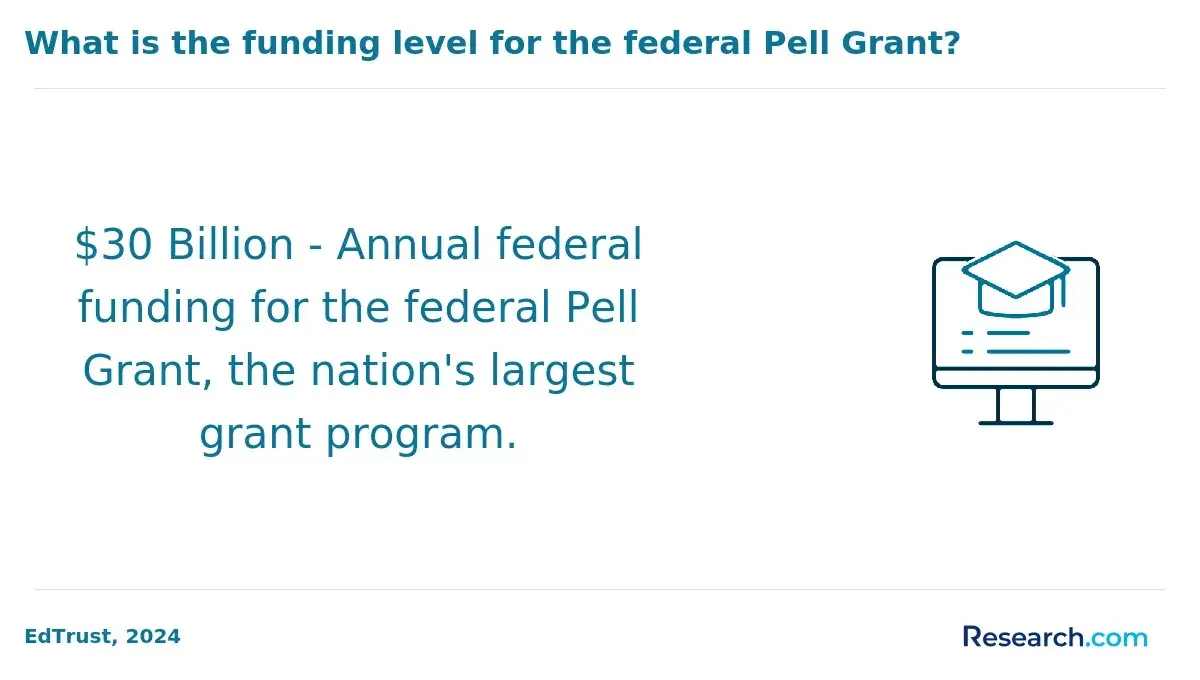
Federal Pell Grants: These grants are awarded to undergraduate students with demonstrated financial need through the FAFSA. They do not require repayment and can significantly offset tuition costs for low- to moderate-income students enrolled in online health informatics programs.
Subsidized Federal Loans: Offering lower interest rates and deferred interest while enrolled at least half-time, these loans provide a manageable borrowing option when scholarships and grants do not fully cover education expenses.
State-Based Grants: Many states allocate funds especially for residents pursuing degrees online or entering health-related fields. Checking with the state higher education office helps students identify eligibility and deadlines for these grants.
Institutional Scholarships: Colleges frequently award scholarships based on merit or financial need specifically designed for online learners. These may be combined with federal and state aid to reduce net costs further.
Professional Association Scholarships: Field-specific organizations, such as the American Health Information Management Association and the Healthcare Information and Management Systems Society, offer targeted scholarships for students dedicated to health informatics careers.
Securing aid typically begins with submitting the FAFSA early each academic cycle, ensuring access to federal and state funds. After maximizing free assistance through grants and scholarships, students can consider subsidized loans if needed. Strategic stacking of these resources can reduce total tuition expenses to well below $10,000 even in accredited online programs.
One professional who completed an affordable online health informatics degree shared that juggling military duties with financial paperwork was overwhelming initially. She emphasized how vital early FAFSA completion was and how institutional advisors helped navigate overlapping benefits and scholarships. "It felt like solving a complex puzzle at first," she recalled, "but knowing which funds combined without reducing each other's value made a huge difference. That guidance kept my costs down and allowed me to focus on learning and career growth." Her experience underscores the importance of proactive planning and assistance in making a health informatics degree both financially and academically achievable.
How Many Transfer Credits Do Online Health Informatics Bachelor's Programs Under $10,000 Accept, and How Does This Reduce Total Cost?
Programs offering online health informatics bachelor's degrees under $10,000 often rely heavily on flexible transfer credit policies to reduce overall costs. Recognizing prior college coursework, professional certifications, and standardized exams enables these schools to lower tuition fees by allowing students to complete fewer credit hours through their institution. For instance, if a program requires 120 credits for graduation but accepts 60 transfer credits, students only pay for half the credits, effectively halving tuition. This approach accelerates degree completion and eases financial burdens.
Many universities also award credits for exams like CLEP (College Level Examination Program) and DSST (DANTES Subject Standardized Tests), further expanding ways to shorten time and cost. Military training credits are often recognized as well, providing additional pathways for veterans to save money and reduce coursework.
Before applying, prospective students should carefully evaluate their prior learning-including college courses, exam results, and military records-to identify how many credits might transfer. Such an audit helps target programs that maximize credit acceptance, boosting both savings and academic progress.
- Western Governors University: Accepts up to 90 transfer credits encompassing college coursework, CLEP and DSST exams, plus military training.
- Southern New Hampshire University: Transfers up to 90 credits and grants credit for qualifying workplace learning and professional certifications.
- American Public University: Offers transfer credit for as many as 90 semester hours, including military and exam-based credits.
- Fort Hays State University: Accepts up to 90 credits, including those from standardized exams and military training specific to health informatics courses.
Such generous transfer policies are crucial for keeping tuition below $10,000 while ensuring students can finish their degrees fully online and affordably. Evaluating the extent of credit acceptance should be a primary factor when comparing health informatics programs.
What Accreditation Should an Online Health Informatics Bachelor's Program Under $10,000 Have to Ensure Quality and Employer Recognition?
Accreditation plays a vital role in selecting affordable online Health Informatics bachelor's degree programs under $10,000. Regional accreditation is the most respected type, recognized by employers and graduate schools for maintaining broad academic standards. This contrasts with national accreditation, which often receives less recognition and can limit credit transfer and employment opportunities.
Key regional accrediting bodies include:
- Higher Learning Commission (HLC): Covers institutions mainly in the central United States.
- Southern Association of Colleges and Schools Commission on Colleges (SACSCOC): Oversees colleges in the southern region.
- New England Commission of Higher Education (NECHE): Accredits schools in the northeastern U.S.
Many affordable Health Informatics programs also hold programmatic accreditation from field-specific organizations, which validates specialized curriculum quality. However, regional accreditation remains the fundamental qualification that ensures employer and academic acceptance.
Choosing nationally accredited-only or non-accredited programs poses risks such as difficulty transferring credits and skepticism from employers regarding degree credibility. While cost concerns are legitimate, students should weigh the long-term impact on career mobility carefully.
Before enrolling, verify program accreditation through the U.S. Department of Education's accreditation database to confirm authenticity and quality. According to recent labor market data, jobs in the Health Informatics field are projected to grow over 20% through 2030-highlighting the importance of selecting well-recognized accredited programs that prepare students for this expanding workforce.
What Are the Admission Requirements for Online Health Informatics Bachelor's Programs Priced Under $10,000?
Admission requirements for online health informatics bachelor's degree programs priced under $10,000 vary based on each institution's selectivity and enrollment policies. Most affordable programs mandate a high school diploma or GED for eligibility, while minimum GPA thresholds typically range from 2.0 to 2.5 on a 4.0 scale at more selective schools. Many low-cost programs adopt open-admission or rolling-admission policies that ease entry for non-traditional and returning adult students. These policies reduce barriers, making affordable online health informatics bachelor's degree admission criteria under 10000 more accessible to a diverse range of learners.
Standardized test scores such as the SAT or ACT are often optional or waived entirely, especially if the applicant has prior college credit, professional experience, or certifications. This approach aligns with efforts to broaden access for working adults and career changers. Some programs may require prerequisite courses in biology, computer science, or statistics, but many allow these to be completed alongside the degree coursework, increasing flexibility.
Selective programs generally demand higher GPAs and more rigorous evaluation but offer stronger academic support and are often viewed more favorably by employers. On the other hand, open-admission institutions provide career-focused curricula and flexible scheduling suited for busy adult learners. Applicants who do not meet admission standards can strengthen applications by completing community college courses, acquiring relevant work experience, or submitting compelling letters of recommendation and personal statements.
As part of a broader strategy to identify affordable degree options, students may also explore programs linked with practical credentials like the online asn.
- High School or GED: Most programs require a verified high school diploma or GED as the basic entry credential.
- Minimum GPA: Requirements vary from none at open-admission schools up to about 2.0-2.5 at selective institutions.
- Standardized Tests: SAT/ACT scores are frequently optional or waived, especially for applicants with college credits or relevant experience.
- Prerequisite Courses: Some programs ask for prior coursework in biology, computer science, or math, while others allow completion during the degree.
- Admission Policies: Open or rolling admissions enhance accessibility for working adults and career changers; selective admissions prioritize academic readiness and student support.
- Application Strengthening: Additional college coursework, practical work experience, and strong references can compensate for weaker academic records.
How Do Online Health Informatics Bachelor's Programs Under $10,000 Support Student Success Through Advising and Career Services?
Online health informatics bachelor's programs with dedicated advising services under $10,000 provide essential support tailored to working adults, first-generation college students, and career changers. These affordable offerings typically include personalized academic advising that assists students in degree planning, course selections, and transfer credit evaluations to minimize delays and extra costs.
- Comprehensive Academic Advising: Many budget-friendly programs assign dedicated advisors who guide students through degree requirements, course selection, and transfer credit evaluations. This personalized guidance helps reduce mistakes that could delay graduation and increase overall costs.
- Accessible Tutoring and Mentorship: Tutors and peer mentors assist students with challenging health informatics concepts and technical skills. This support encourages better understanding and retention, ultimately improving academic performance and confidence.
- Mental Health and Well-being Resources: Recognizing the pressures of online learning, especially for working adults, reputable programs offer counseling services or wellness resources. These help students manage stress and maintain motivation throughout their studies.
- Strong Internship and Job Placement Supports: Even at lower tuition levels, some programs coordinate internships with healthcare providers and maintain job boards tailored to health informatics careers. Career coaches and alumni networks further enhance students' ability to find relevant employment after graduation.
- Positive Student Satisfaction and Graduation Rates: Data from sources like NSSE confirm that programs with strong advising and career services often yield higher on-time graduation rates. Timely graduation reduces the total cost of education and accelerates entry into the workforce, a critical factor for cost-conscious students.
These comprehensive supports make a substantial difference in career readiness and academic success, particularly when combined with financial aid options, transfer credit flexibility, and prior learning assessments-key features in programs designed for affordability. For those interested in health-related fields, exploring pathways such as an online kinesiology degree may also provide complementary career options.
What Concentrations or Specializations Are Available Within Online Health Informatics Bachelor's Programs Under $10,000?
Online health informatics bachelor's programs under $10,000 typically feature several focused tracks designed to meet specific career objectives and market demands. These specializations equip students with targeted skills aligned with job growth and salary expectations reported by the Bureau of Labor Statistics (BLS).
- Clinical Informatics: Centers on applying informatics in clinical environments to enhance patient safety and care quality. Careers here include clinical informatics specialists and health IT coordinators, with median salaries around $90,000 and projected faster-than-average employment growth.
- Health Data Analytics: Emphasizes analyzing healthcare data to guide organizational decisions and policy. Roles like health data analysts and informatics consultants are common, with strong job outlooks and median earnings near $80,000 due to the expanding use of big data.
- Health Information Management: Focuses on patient record management, coding, and compliance. Graduates often pursue RHIA certification, which may require extra fees beyond tuition. Salary ranges typically fall between $60,000 and $70,000, with steady job growth.
- Public Health Informatics: Combines informatics with public health strategies aimed at improving community health outcomes. Positions in government and nonprofit sectors offer starting salaries usually between $50,000 and $65,000 and solid growth potential.
Prospective students should factor in possible certification costs when choosing a path to keep total expenses within budget. Balancing personal interest with labor market viability will support long-term career satisfaction and financial stability in health informatics.
What Technology and Learning Platforms Do Online Health Informatics Bachelor's Programs Under $10,000 Use?
Affordable online health informatics bachelor's programs often use learning management systems such as Canvas, Blackboard, and Moodle to deliver course content, facilitate discussions, and organize assignments. The effectiveness and reliability of these platforms are crucial for maintaining student engagement, especially when balancing affordability with quality.
Students can expect to work with specialized software, including electronic health record (EHR) simulators and data analysis tools that provide practical experience in health informatics tasks. While many programs include access to these virtual labs in tuition, some may impose additional fees for premium simulation software, potentially raising costs beyond $10,000.
Programs often optimize content to support students with limited internet speed or older devices, offering downloadable materials for offline use. This approach ensures that technological disparities do not hinder learning.
To fully participate, students typically need a stable broadband connection, an up-to-date web browser, and a computer capable of handling multimedia lessons smoothly. Additional equipment like a webcam or headset may be required for interactive activities or remote proctoring.
- Canvas, Blackboard, Moodle: These platforms form the core of online course delivery, enabling interactive learning and assessment management essential to affordable health informatics programs.
- Simulation Software: Hands-on practice with EHR systems and analytics tools is common; verify if these resources are included or come with extra fees.
- Accessibility: Content is often tailored to suit low-bandwidth environments and older devices, enhancing access equity.
- Technical Setup: Reliable internet, modern browsers, and capable computers are necessary to engage fully with program requirements.
What Graduates Say About Their Online Health Informatics Bachelor's Degree Programs Under $10,000
- Noah: "Choosing the online health informatics bachelor's degree program under $10,000 was a strategic decision for me given my tight budget and full-time job. The affordability allowed me to pursue my education without accumulating massive debt-something I truly appreciate now. This program not only equipped me with essential skills but also opened doors to new career opportunities in healthcare IT that I hadn't imagined before."
- Lucas: "Reflecting on my journey, I'm grateful that the online health informatics bachelor's degree program under $10,000 was both accessible and flexible for a working professional like me. The cost was surprisingly reasonable, which made a huge difference in my decision to enroll and complete the degree on my own timeline. Professionally, this degree strengthened my expertise and positioned me to contribute more effectively in interdisciplinary healthcare teams."
- Owen: "What stood out the most to me about this health informatics bachelor's degree program under $10,000 was how it balanced cost and quality. I was skeptical at first about whether such an affordable program could deliver real value, but it exceeded my expectations. The skills I gained helped me advance in my career swiftly-demonstrating that investing in an economical program can still lead to meaningful professional growth."
Other Things You Should Know About Health Informatics Degrees
The cost per credit hour for online health informatics bachelor's programs under $10,000 is significantly lower than the national average. While many traditional programs charge between $300 and $500 per credit, these affordable options typically range from $100 to $250 per credit. This savings can make a substantial difference for students seeking to minimize debt while obtaining a valuable degree.
Yes, several fully online health informatics bachelor's programs offer flat tuition rates regardless of residency. These programs waive out-of-state tuition fees, making them accessible and affordable for students nationwide. It is important to verify this policy with each institution since fee structures can vary.
In 2026, some online health informatics programs under $10,000 provide career services to enhance graduates' job prospects. Services often include resume workshops, networking events, and internship placements, which can enhance the chances of securing roles in hospitals, insurance firms, and healthcare IT companies.
Many online health informatics programs accept credit from CLEP, DSST, and prior learning assessments to reduce time and costs toward degree completion. This flexibility allows students to leverage existing knowledge and work experience, often lowering total tuition expenses. Prospective students should check each school's credit transfer policies to maximize savings.
References
- Top 10 Online Health Informatics Bachelor’s Degree Programs 2016-2017 https://www.healthinformaticsdegrees.org/online-health-informatics-bachelors-degree-programs/
- Healthcare Management & Informatics Certificate | St. Thomas Aquinas College https://stac.edu/program/healthcare-management-informatics-certificate/
- Online Health Informatics Degrees: In-Depth Program Info https://www.edumed.org/online-schools/health-informatics-degrees/
- Health Information Management - CAHIIM https://www.cahiim.org/accreditation/health-information-management/
- Best Online Health Informatics Bachelor's Degree Programs, Jobs, and Salaries https://careerkarma.com/blog/best-online-health-informatics-bachelors-degrees/
- Accreditation and Endorsement | FEDIP https://www.fedip.org/educators
- 2025 Most Affordable Online Healthcare Informatics Degrees https://www.onlineu.com/most-affordable-colleges/healthcare-informatics-degrees
- Online Healthcare Informatics Master's Degrees - Part-Time Programs https://www.mhaonline.com/faq/part-time-healthcare-informatics-programs
- Accredited Online MHI / MSHI Degree Programs https://www.medicaltechnologyschools.com/health-informatics/online-mhi-degree
- The Importance of CAHIIM Accreditation for Health Informatics Programs https://www.usfhealthonline.com/resources/health-informatics/the-importance-of-cahiim-accreditation-for-health-informatics-programs/