2027 National University vs. Purdue Global: Comparing Paralegal Studies and Legal Support Bachelor's Programs

Co-Founder and Chief Data Scientist
National University and Purdue Global both offer bachelor's-level routes into legal support, but their degrees have different names and may serve different goals. If you are choosing between them, the important questions go beyond whether you can study online: you need to know which courses develop paralegal skills, how prior credits apply, what attendance is required, and what you will actually pay. This comparison separates those decisions from broader claims about school reputation so you can identify the better fit and know what to confirm before enrolling.
Key Things You Should Know
- National University's Bachelor of Science in Paralegal Studies is the more explicitly paralegal-labeled option; Purdue Global's Bachelor of Science in Legal Support and Services calls for a closer look at the legal-support courses you would take.
- Compare written transfer evaluations and complete 2026-27 cost estimates, not advertised tuition alone. Online delivery also does not necessarily mean that every activity is self-paced.
- The Bureau of Labor Statistics reports $62,890 in median annual pay for paralegals and legal assistants in May 2025, with 0% projected growth for 2025-2035. Neither degree promises that pay or a job.
How do National University and Purdue Global's legal support bachelor's programs compare?
Choose based on the work you want to learn, not the university name alone. National University identifies its degree as a Bachelor of Science in Paralegal Studies. Purdue Global identifies its degree as a Bachelor of Science in Legal Support and Services. Both are undergraduate degrees, not law degrees that authorize graduates to practice law.
The distinctions below frame the decision. Catalog requirements and available course options can change, so use your intended start term when checking each school's details.
| Decision point | National University | Purdue Global |
| Degree | Bachelor of Science in Paralegal Studies | Bachelor of Science in Legal Support and Services |
| Starting question | Does its paralegal curriculum match the research, writing, and procedure skills you need? | Which legal-support courses will be part of your individual degree plan? |
| Schedule question | Which courses have required meetings, live participation, or practical work? | What weekly deadlines and scheduled activities apply in each term? |
| Value question | What will remain after your transfer credits are evaluated? | What will remain after your transfer credits are evaluated? |
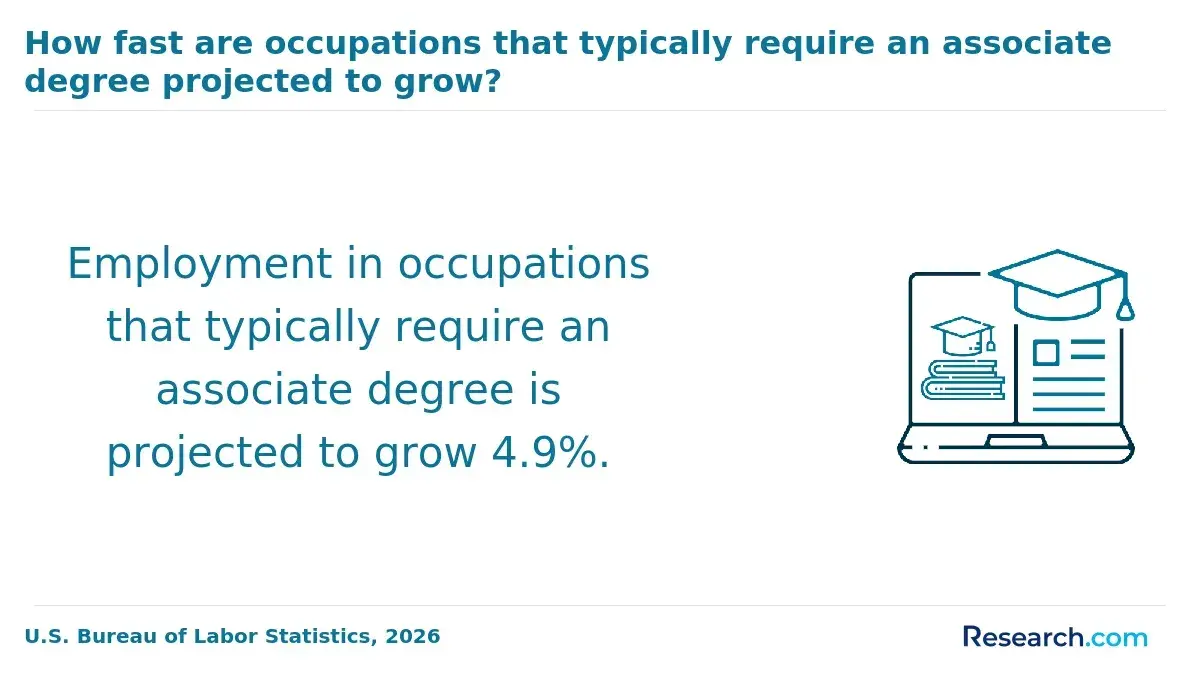
If you do not yet need a bachelor's degree, paralegal education at the associate degree level may offer a shorter starting route. First check whether employers you hope to work for accept that credential and whether its credits could later apply to a bachelor's degree.
Which school offers the stronger accreditation and paralegal program approval?
Neither school wins this comparison simply because its university is accredited. National University holds institutional accreditation from the WASC Senior College and University Commission; Purdue Global holds institutional accreditation from the Higher Learning Commission. Institutional accreditation concerns the university. American Bar Association (ABA) approval, when applicable, concerns a specific paralegal education program and is a separate distinction.
Before treating ABA approval as a deciding factor, check the ABA's current approved-program directory for the exact bachelor's program you intend to enter. Confirm with the school that your proposed courses and delivery format fall within that program's approval. Do not assume approval carries over from another credential at the same institution, or describe a graduate as an "ABA-certified paralegal": the ABA does not certify individuals.
Some employers value ABA-approved education, while others focus more on skills and experience. If a prospective employer expressly prefers it, verification matters more than a general statement about institutional prestige.
What are the admission requirements for each bachelor's program?
For either school, expect to document eligibility for undergraduate admission and submit records of prior education. Applicants with college coursework should ask which transcripts are required and whether admission to the university also completes admission to the intended degree program. Do not mistake a recommended background in law or office work for a required prerequisite.
The most useful admissions question differs by starting point. A first-time college student should request the complete general-education and major-course sequence. A transfer applicant should request an evaluation showing which prior courses satisfy specific requirements, rather than only how many credits the university will accept. Ask each admissions office about its current documentation, English-language requirements if relevant, and any program-specific conditions before paying an application fee.
How do the online and campus-based learning formats differ?
Both universities serve online students, but "online" does not establish that classes are asynchronous, self-paced, or free of live participation. National University is associated with a concentrated course format; Purdue Global uses an online term-based format. The practical difference is how many subjects you manage at once and how deadlines fall around work - not a blanket guarantee that one schedule is easier.
Ask for the schedule of the legal specialty courses, meaning courses devoted to substantive law or paralegal practice, rather than relying on a general online-program description. Confirm live-session requirements, time zones, exam arrangements, and whether a required practical experience can be completed near home. If campus attendance or an internship placement is necessary for your particular degree plan, obtain the location, frequency, and placement responsibilities in writing before enrolling.
What courses and legal skills does each program teach?
For a prospective paralegal, the most useful curriculum comparison is not the number of course titles containing "law." Look for legal research, citation, document drafting, civil procedure, ethics, and assignments that require students to apply those skills. National University's paralegal-specific degree title makes that comparison straightforward to start; for Purdue Global, inspect the courses in your proposed legal support and services degree plan rather than assuming the title describes every required class.
Request current syllabi or sample assignments from both schools. A research course that requires a written memorandum, for example, offers different evidence of practice than a survey course that primarily tests terminology. Ask what legal research platforms students can access and whether coursework requires hands-on use; mention of a tool is not proof of proficiency or preparation for an external credential.
If your goal is workplace policy or employment-related compliance rather than paralegal work, compare the actual electives available with HR law study options within legal studies degrees. A few relevant electives are not necessarily a formal concentration.
How long do the programs take and how much do they cost?
There is no responsible single price or completion time for every applicant. Remaining credits, accepted transfer work, enrollment pace, course availability, and required fees can change both. A per-credit tuition quote is not a total-program quote, and prices stated in quarter credits must not be compared directly with semester-credit prices without accounting for the different units.
Request a 2026-27 written estimate from each university using the same assumed start date and enrollment pace. It should identify remaining required credits, tuition, mandatory fees, books or materials, technology needs, and any travel or placement expenses. Ask financial aid staff to distinguish grants from loans and to explain eligibility for your particular enrollment plan; aid can reduce the amount due now without reducing the underlying tuition.
If you already have a bachelor's degree and want legal knowledge rather than another undergraduate credential, compare affordable online legal studies graduate programs as a separate option. Those non-JD degrees have different admissions requirements and do not qualify graduates to practice law.
Which transfer-credit and prior-learning options can reduce degree requirements?
Transfer credit is likely to have the greatest effect on cost for applicants who already completed general education or introductory legal coursework. Both schools should evaluate prior study under their current policies, but credit accepted by a university is not automatically credit applied to the paralegal or legal-support major. The receiving school determines equivalencies, residency requirements, and how prior learning counts.
Send each school the same transcripts and request an itemized degree audit. Compare accepted credits, remaining major requirements, and the order in which required courses are offered. Ask separately whether documented work experience, military training, or examinations can earn applicable credit, what an assessment costs, and whether any required legal specialty work must still be completed through the program.
For applicants building on an associate degree, compare legal studies transfer pathways after an associate degree before assuming an existing credential will remove two years of bachelor's study.
What careers can graduates pursue after completing either program?
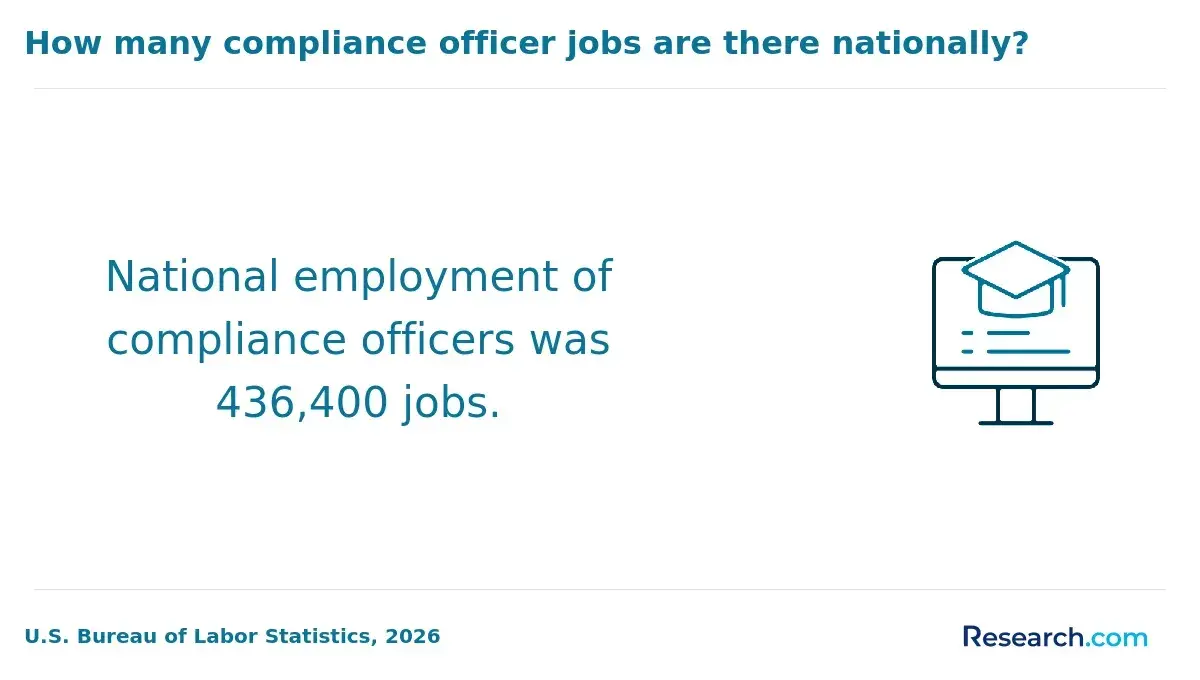
Both degrees can support applications for paralegal and legal assistant positions, where work may include organizing case files, researching legal questions, preparing draft documents, and assisting attorneys. Depending on experience and employer needs, graduates may also pursue legal operations, contracts support, or compliance-related positions. A bachelor's degree is preparation for these roles, not authorization to represent clients or give independent legal advice.
For a first legal job, compare which program helps you produce credible writing samples and obtain supervised experience. For a career changer, administrative organization, records management, or industry knowledge may transfer, but legal research, procedure, and professional ethics still require attention. If you already hold a bachelor's degree and are aiming for a non-attorney policy or compliance role, compare shorter online legal studies graduate programs before committing to a second bachelor's degree. Neither route guarantees advancement.
What salaries and job outlook can paralegal graduates expect?
The U.S. Bureau of Labor Statistics reports median annual pay of $62,890 in May 2025 for paralegals and legal assistants. That is a national occupational midpoint, not a starting salary or an earnings estimate for graduates of either university. Location, employer, experience, and responsibilities can substantially change an individual offer.
BLS projects 0% growth for 2025-2035 in that occupation, alongside about 40,800 openings per year, largely as workers leave or change occupations. Little net growth does not mean no hiring, but it makes practical skills and a realistic local job search important parts of the education decision. Neither school's degree should be evaluated as though the national median were a promised return on tuition.
Do graduates need paralegal certification or state licensing to work?
There is no single nationwide paralegal license or professional certification required for every job. Employer preferences and state rules vary, so check requirements where you plan to work. A paralegal education certificate records completion of a course of study; professional certification is a separate credential awarded under a certifying organization's rules. Completing either bachelor's degree does not automatically award professional certification.
Before enrolling, review local job postings for degree and certification preferences, then check any credential you are considering with its issuing organization. If a state regulates a particular legal-service activity, consult that state's current rules rather than assuming a general paralegal degree grants permission to perform it. Paralegals work under applicable supervision and cannot use these degrees as substitutes for attorney licensure.
Other Things You Should Know About Law & Paralegal
Generally, an accredited bachelor's degree can meet the undergraduate-degree component of law school admission, but each law school sets its own requirements. Neither program is a Juris Doctor degree or a shortcut to attorney licensure.
Some employers request one, particularly for research- or litigation-heavy roles. Keep a polished assignment you are permitted to share, remove confidential information, and be ready to explain your research and editing process.
Not necessarily. Introductory research, writing, and procedure skills apply across practice areas. Explore specialty courses and local job postings before paying extra for a narrow path you may not use.
Do not publish employer or client materials without permission. Use an original academic assignment or create a fictional, clearly labeled sample instead; confidentiality obligations continue outside the workplace.
References
- Admission Requirements | HESC - NY. Gov https://hesc.ny.gov/dictionary/tap-coach/term/admission-requirements
- Price of Attending an Undergraduate Institution - COE https://nces.ed.gov/programs/coe/indicator/cua/price-of-attending-an-undergraduate-institution
- Military Training Evaluation Program (MTEP) | dantes.mil https://www.dantes.mil/credit4training/
- Application Requirements | Columbia University School of Professional Studies https://sps.columbia.edu/admissions/certificate-certification-applicants/application-requirements
- Eligibility Requirements | fitnyc.edu https://www.fitnyc.edu/admissions/undergraduate-applicants/apply/eligibility.php
- Online Career Training and Personal Development Courses | Talladega College https://www.talladega.edu/online-programs/ges2034-certified-paralegal/
- Credit Hours and Time Equivalencies | Office of the Provost https://provost.wvu.edu/curriculum-development-and-review/course-proposals/credit-hours-and-time-equivalencies/
- 2026-2027 Undergraduate Tuition & Fees | maine.edu https://usm.maine.edu/student-financial-services/undergraduate-tuition-fees/
- Understanding The Different Paralegal Credentials | Washington Technical Institute https://www.washingtontech.edu/understanding-the-different-paralegal-credentials/
- Cost of Attendance - Texas One Stop https://onestop.utexas.edu/managing-costs/cost-tuition-rates/cost-of-attendance/