2027 MLIS Programs for IT Professionals Moving Into Library Technology

Co-Founder and Chief Data Scientist
Moving from IT into library technology means deciding whether your existing skills are enough - or whether an MLIS will open the roles you want. The distinction matters: the U.S. Bureau of Labor Statistics projects 2.6% employment growth for librarians and media collections specialists from 2025 to 2035, a modest outlook that rewards careful program selection. This guide shows IT professionals how to match MLIS coursework and applied experience to library systems, digital collections, and other technology roles while weighing accreditation, cost, and alternatives to another degree.
Key Things You Should Know
- Choose an MLIS for roles that combine technical work with professional librarian responsibilities; many software, systems, and vendor jobs may accept other qualifications.
- Check the specific master's program in the ALA accreditation directory, then verify relevant electives, scheduling, and applied projects separately.
- The May 2025 median annual pay for librarians and media collections specialists was $68,270; that occupational figure is not a starting salary or a forecast for library technology specialists.
What are MLIS programs for IT professionals entering library technology?
An MLIS is a graduate degree in library and information science. For an IT professional, its value is learning how technology serves discovery, access, preservation, privacy, and the people who use library collections. Depending on the institution, a related degree may be called an MLS, a Master of Science in Library Science, or a Master of Information; the name alone does not establish its curriculum or accreditation.
Library technology work can involve maintaining a library management system, improving a search interface, managing repository content, or making digital collections usable across platforms. An MLIS helps connect that work to metadata, information organization, accessibility, and library service. It is most compelling when your target postings require or prefer a library science master's degree, rather than simply asking for software or infrastructure expertise.
Do not assume a program advertises a formal "library technology" concentration. Look for documented electives and opportunities to complete a relevant project, then ask when those courses will next run. An online library masters value comparison can help start a shortlist, but a low price or short timeline does not confirm that the curriculum fits your intended job.
Why is ALA accreditation important for library technology careers?
ALA accreditation applies to a specific master's program, not automatically to every degree at an accredited university. It matters because some professional librarian employers require or prefer a degree from an ALA-accredited program. If you may pursue librarian positions later, checking this before enrollment can preserve options.
Find the exact program and its current status in the ALA directory, particularly if a university offers several similarly named information degrees. Accreditation does not verify that a technology elective, internship, online format, or particular course schedule is available. Confirm those features in the current catalog and with the program.
If your goal is primarily software engineering, cybersecurity, or enterprise IT at a library or library vendor, compare job postings before paying for an MLIS. Employers may value your technical degree and experience more than a library credential for those positions.
What career paths can IT professionals pursue with an MLIS degree?
The strongest transition usually builds on work you already know. The table distinguishes library-facing roles from adjacent technical jobs; titles and degree requirements vary by employer, so use actual postings to test which pathway fits.
| Pathway | Typical work | How an MLIS may help |
| Library systems or discovery librarian | Configure library platforms, troubleshoot access, improve search, and coordinate with vendors and staff. | Often relevant when the position combines systems work with professional librarian duties. |
| Digital collections or repository specialist | Manage digital objects, metadata, access workflows, and preservation handoffs. | Supports collection stewardship and description; requirements depend on whether the role is classified as a librarian position. |
| Metadata librarian | Improve records and identifiers so materials can be found and shared across systems. | Can provide a foundation in cataloging standards and knowledge organization. |
| Library software or vendor technologist | Build, support, or implement products used by libraries. | May add domain knowledge, but software experience or another technical qualification may be sufficient. |
Review the required qualifications and daily duties, not just the title. A systems librarian may be expected to train colleagues and shape access policies, while a developer at the same institution may concentrate on code. For an initial transition, a library IT project, repository migration, or collaboration with metadata staff can demonstrate domain experience even before an MLIS is complete.
Which courses prepare MLIS students for library technology roles?
Start with the job you want, then inspect the degree plan for both LIS foundations and technical application. Course titles differ, and a course appearing in a catalog may not be offered during your enrollment.
For systems and discovery work, prioritize information organization, database concepts, user experience, accessibility, and privacy. For digital collections, look for metadata, digital preservation, repository workflows, and copyright or information policy. MARC and RDA concern bibliographic description; Dublin Core is a metadata schema often used with digital resources. BIBFRAME and linked data are worth investigating when a role involves sharing and connecting bibliographic data across systems.
Applied work matters as much as a promising elective list. Ask whether you can build an accessible discovery prototype, map metadata between systems, or document a preservation workflow through a practicum, capstone, or independent project. Confirm supervision, approval rules, and whether the opportunity is open to students in your chosen format. A relevant project can show how you apply technical skills to library needs without implying that it guarantees a job.
Are online or campus-based MLIS programs better for IT professionals?
Neither format is inherently better. Online study can suit an employed professional who needs to remain in a current role, while campus study may make local collaboration and in-person placements easier. The useful comparison is whether you can complete the courses and projects you need on a workable schedule.
Check whether classes are asynchronous or require live attendance, when technology electives run, and whether projects depend on campus equipment or local partner institutions. Ask whether a practicum can be completed at your workplace or remotely; online coursework alone does not establish that it can. A flexible librarian degree for employees is worth evaluating against your work hours, time zone, and the program's actual course rotation rather than its online label.
What are the admission requirements for MLIS programs?
Applicants generally need a bachelor's degree and must meet the institution's graduate admission requirements. Programs may request transcripts, a statement of purpose, recommendations, a résumé, or other materials; policies and deadlines vary. IT experience can strengthen an application, but it does not automatically replace a stated degree requirement.
Use your statement to connect specific technical work to a library problem you want to solve. For example, explain how experience with search, identity management, or accessible interfaces would inform your work with library users. If you have prior graduate study, ask whether eligible graduate-level credits can transfer and count toward this particular MLIS; undergraduate credits are not interchangeable with graduate transfer credits. A library science degree for transfer students can provide comparison points, but obtain a written evaluation before relying on a shorter completion plan.
How long do MLIS programs take and how much do they cost?
Time and total cost depend on required credits, enrollment pace, course sequencing, and the tuition and fees that apply to you. Without a specific program and current tuition schedule, there is no reliable single price for an MLIS. An accelerated plan may also be impractical if a needed elective is not offered in the term you expect.
For each program on your shortlist, build a cost estimate from its published requirements and your intended enrollment pattern. The following categories help distinguish advertised tuition from what you may actually pay.
| Cost category | What to verify |
| Tuition | Required credits multiplied by the rate applicable to your residency, format, and enrollment period. |
| Mandatory fees | University, program, and technology charges, including whether they apply each term or per credit. |
| Other expenses | Books, software, equipment, campus travel, and any placement-related costs. |
| Funding and borrowing | Confirmed employer support, grants, scholarships, and the aid or loan terms for which you personally qualify. |
Compare gross program cost with your likely out-of-pocket cost and any amount you would borrow. If speed is important, use a short term librarian masters comparison to identify possibilities, then request a term-by-term plan showing when your chosen electives are available. Weigh the expense against your current earnings and target job requirements; a faster degree does not necessarily produce a better financial outcome.
What technical skills do library technology employers seek?
Requirements depend on the role, but employers often need people who can make systems reliable and information findable without overlooking users. Your IT background may already cover scripting, databases, APIs, troubleshooting, security, or vendor management. The gap to assess is whether you can apply those skills to library data, workflows, and service expectations.
For a systems role, demonstrate how you diagnosed an access problem and worked with nontechnical colleagues to resolve it. For a metadata or repository role, show a documented data-cleanup or schema-mapping project that explains the effect on discovery. Accessibility testing, privacy-conscious handling of user data, and clear documentation strengthen either example. Where AI-assisted discovery tools are involved, employers also need staff who can assess output quality, explain limitations, and protect user privacy - not just operate the tool.
Read several postings for the same target title and separate recurring requirements from unfamiliar tools that one employer happens to use. That exercise will tell you whether you need an MLIS course, a supervised library project, or a narrower technical skill upgrade.
What salaries and job outlook can MLIS graduates expect?
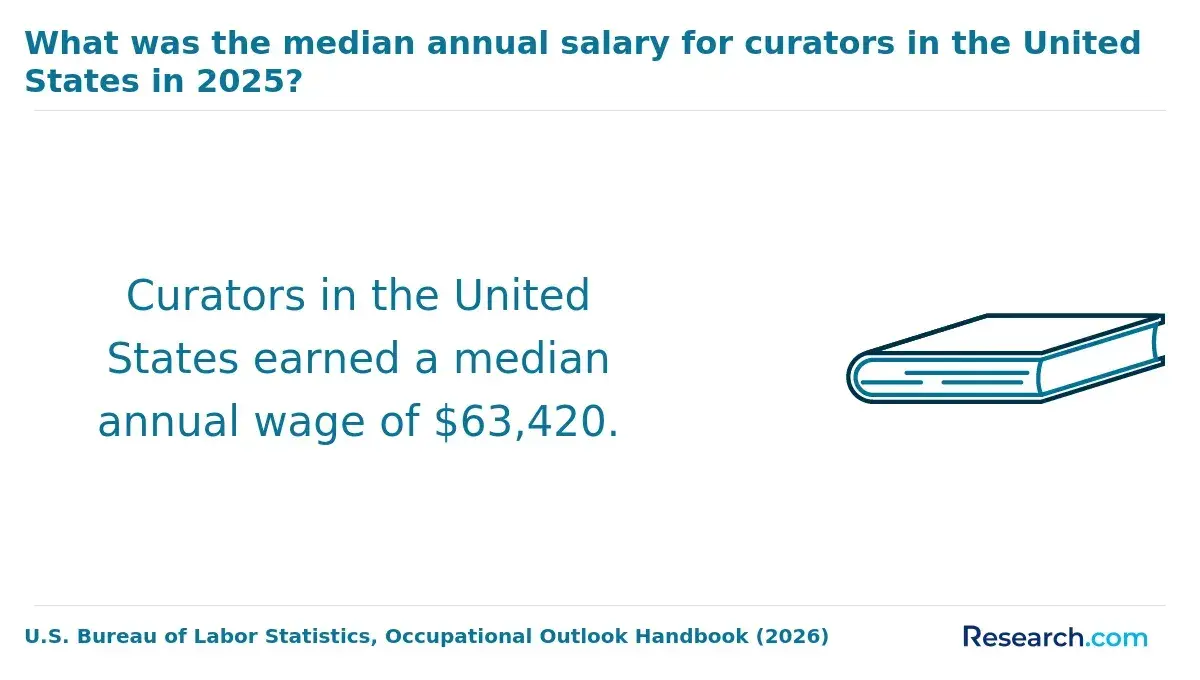
The BLS reports a May 2025 median annual salary of $68,270 for librarians and media collections specialists. This is an occupational midpoint across positions and experience levels, not an MLIS graduate starting salary or a library systems salary. Compare it with pay ranges in postings for your target role and location, particularly if you would be leaving a higher-paid IT position.
BLS projects 2.6% employment growth for that occupation from 2025 to 2035. This broad projection does not isolate technology-focused openings. For decisions about a career switch, a library technology jobs salary comparison can suggest roles to investigate, but current local postings and their qualification requirements are better guides to the opportunities available to you.
Do library technology careers require licenses or professional certifications?
There is no single license required for all library technology roles. An employer may ask for an ALA-accredited master's degree for a professional librarian position, while a systems administrator, developer, or vendor specialist may qualify through technical education and experience. Optional technology credentials can support a particular job application, but they are not a universal substitute for an MLIS.
School library roles are a separate case: state educator licensure, certification, or endorsement requirements may apply even when an applicant holds an MLIS or completed an online program. Check the relevant state education authority and the program's preparation pathway before enrolling. For other specialized settings, read the exact posting rather than assuming that a preference for subject expertise or another credential is a legal requirement.
Other Things You Should Know About Library Science
Yes. Public documentation, sample datasets, and open-source tools can help you learn workflows. Describe practice projects honestly on your résumé; do not present a simulated deployment as production library experience.
Contact a local library's systems or digital services team, attend relevant professional events, or ask a prospective MLIS program about mentoring opportunities. A focused request about a specific role is easier to answer than a general request for career advice.
Use public or synthetic data unless you have permission to share institutional material. Remove patron information, credentials, and sensitive operational details, and explain your methods without exposing protected records.
Translate technical accomplishments into service outcomes: improved access, fewer interruptions, clearer documentation, or a more usable interface. Be specific about your contribution and avoid assuming reviewers will know your former employer's tools.
References
- Independent Study And Online Learning | Veterans Affairs https://www.va.gov/education/about-gi-bill-benefits/how-to-use-benefits/online-distance-learning/
- Semester Course Load and Student Performance - PMC - NIH https://pmc.ncbi.nlm.nih.gov/articles/PMC7568764/
- Credit for Prior Learning, Credit by Examination, and Transfer Credit | University of Vermont Catalogue https://catalogue.uvm.edu/graduate/academicenrollment/transfercredit/
- Full-time vs. Part-time Student: Making the Right College Schedule Choice | University of the Potomac https://potomac.edu/full-time-vs-part-time-student/
- MLIS Career Pathways - SJSU - School of Information https://ischool.sjsu.edu/mlis-career-pathways
- Master of Library and Information Studies - URI Online https://web.uri.edu/online/programs/graduate/master-of-library-and-information-studies/
- UNC Charlotte Academic Policy: Credit for Prior Learning and Graduate Transfer Credit - Office of the Provost https://provost.charlotte.edu/unc-charlotte-academic-policy-credit-for-prior-learning-graduate-transfer-credit/
- Master's Degree (MSLS) in Library & Information Science | University of Kentucky https://online.uky.edu/masters/library-information-science/msls
- Master of Library and Information Science (MS) | Simmons University https://www.simmons.edu/academics/programs/library-and-information-science-ms
- Internships | Minnesota State University, Mankato https://library.mnsu.edu/about/information/jobs/internships/