
2027 MLIS vs. an Archival Studies Master's for Special Collections

Co-Founder and Chief Data Scientist
Choosing between an MLIS and an archival studies master's depends on whether you want to lead library services, manage archival collections, or do both. The distinction matters as institutions expand digital access while still caring for physical materials.
The U.S. Bureau of Labor Statistics projects archivist employment to grow 3.4% from 2025 to 2035, but that occupation covers more than special collections jobs. This guide compares credentials, training, costs, and career paths so you can choose a program that fits the work you actually want to do.
Key Things You Should Know
- Choose an MLIS with archival coursework if you want to remain eligible for librarian roles while preparing for archives work; choose an archival studies master's if archival practice is your primary goal.
- Compare actual courses and supervised collection work, not degree titles alone. A single archives elective does not establish a specialization or guarantee preparation for rare books, manuscripts, and digital collections.
- For pay context, BLS reports May 2025 median annual wages of $68,270 for librarians and media collections specialists and $64,550 for archivists. These are occupation-wide figures, not special collections starting salaries.
What is the difference between an MLIS and a master's in archival studies?
An MLIS is a broad professional library and information science degree. An archival studies master's focuses more directly on selecting, organizing, describing, preserving, and providing access to records and archival collections. Degree names vary: an MLS, Master of Science in Library Science, or Master of Information may cover similar ground, but the curriculum and accreditation status must be checked program by program. For a broader explanation of LIS credentials, see this MLIS degree overview.
The comparison below describes typical emphases, not requirements shared by every program. It shows why the better degree depends on the position you hope to hold.
| Decision factor | MLIS or related LIS master's | Archival studies master's |
| Primary scope | Library services, information organization, technology, management, and possible archives electives | Archival records, collections, preservation, and access |
| Likely strength for special collections | Fits jobs combining librarian duties with distinctive collections | Fits jobs centered on archival collections and records |
| Important limitation | Archives training may be limited unless deliberately built into the degree | May not meet an employer's stated preference or requirement for an ALA-accredited LIS master's |
An archive can sit inside a library's special collections department, but the terms are not interchangeable. Special collections may also include rare books and other distinctive materials whose acquisition, description, teaching, and use draw on both library and archival skills.
Which degree is better for working in special collections?
For special collections librarian jobs, an MLIS with substantial hands-on archives or rare-books preparation is often the more flexible choice. For a role devoted primarily to appraisal, arrangement, archival description, and preservation, a focused archival studies master's may be a better fit. Neither degree substitutes for experience with collections.
Start with job descriptions for the positions you would actually accept. A reference and instruction librarian may teach students to use primary sources, answer research questions, and manage access policies. An archivist may appraise incoming records, process collections, create finding aids, and coordinate digital preservation. In a small institution, one employee may do all of these.
If you are undecided, compare the credentials employers request across both types of opening, then look for a program that lets you build evidence of both public-facing and collections work. If your interests might instead move toward general public-library roles such as children and youth services, that breadth makes an MLIS worth considering; an archival studies degree is the more specialized commitment.
What degree do special collections librarians and archivists need?
Requirements vary by employer and job title. Professional librarian postings may require or prefer an ALA-accredited LIS master's; archivist postings may accept graduate preparation in archival studies, history, LIS, or a related field alongside relevant experience. A title alone does not establish eligibility: read the required qualifications separately from the preferred ones.
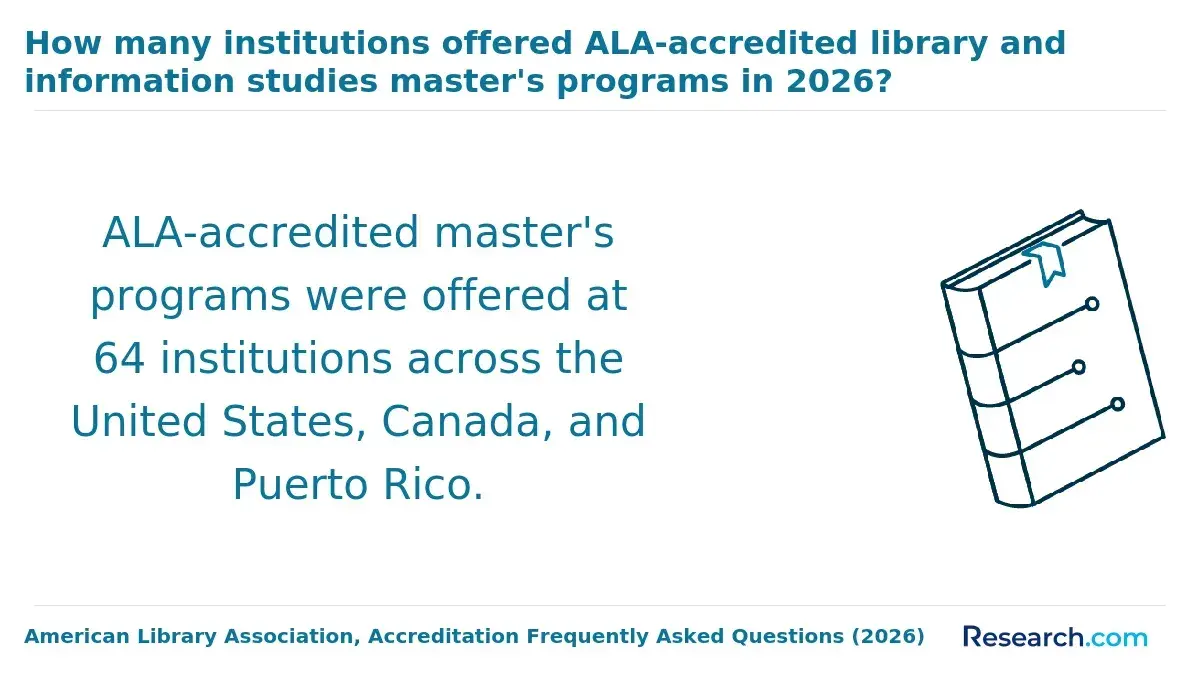
An ALA-accredited master's is a program-level designation, not a property of every degree awarded by an institution. An archival studies master's is not automatically ALA-accredited because its university is accredited or because another program at that university holds ALA accreditation. Conversely, an ALA-accredited LIS degree does not automatically include substantial archives training.
Some positions, particularly those involving rare books or subject-specific research collections, also seek language skills or expertise in a historical period or subject. Those are position-specific expectations, not universal degree requirements. Technician and assistant roles can offer an entry point for gaining experience and do not necessarily require either master's degree.
How do MLIS and archival studies curricula compare?
Compare required courses before comparing elective lists. An LIS core commonly addresses information organization, access, users, and management; archives-focused study should give sustained attention to appraisal, arrangement, description, preservation, and ethical access. For special collections, useful overlap includes cataloging or metadata, reference and instruction, digitization, and copyright.
Digital collections make this comparison especially important. An archivist may create a finding aid that explains a collection's contents and structure, while a librarian may create item-level catalog records or teach patrons how to discover and use the materials. Both may need to understand how descriptive information moves between discovery systems and how digital files remain usable over time.
Check whether relevant courses are required, electives, or merely listed as possible offerings. Then ask when each elective last ran and whether it fits your expected schedule. A formal concentration is more than a relevant course; an independent project can build expertise without being a named concentration. If you are weighing special collections against other paths, a guide to children and youth services MLIS options can help clarify how different your prospective course plans would be.
Are online or campus programs better for special collections careers?
Neither format is inherently better. Online coursework can make graduate study possible without relocating, while campus study may make it easier to use nearby collections and meet local practitioners. The decisive issue is whether you can obtain supervised experience with the materials and systems relevant to your goals.
Before enrolling online, confirm where practica can be completed, who arranges placements, whether any visits are required, and whether archives electives are offered in a format you can attend. Online delivery does not necessarily mean asynchronous classes or a remotely completable internship. An online librarian master's comparison can provide a starting shortlist, but verify each program's current archives offerings directly.
A local historical society, university archive, or museum collection may provide useful experience alongside either format. Favor a placement with defined supervision and substantive tasks over one described only as general exposure.
How do you choose an accredited special collections graduate program?
First, decide whether your target jobs call for an ALA-accredited LIS master's. If so, confirm the specific program in the current ALA accreditation directory. Institutional accreditation is a separate check, and neither form of accreditation verifies that a particular elective, concentration, or internship is available.
For each shortlisted program, collect answers to these questions. They distinguish a workable training path from an appealing course catalog.
- Which archives, rare-books, metadata, and preservation courses are required, and when are the electives expected to run?
- What supervised work can students do with physical collections, digital collections, or both, and who secures the placement?
- What will the complete degree cost under my residency, enrollment pace, and delivery format?
- Can graduates show employers a finding aid, cataloging or metadata project, exhibit, or other reviewed work?
If a program advertises a self-directed online library master's format, ask how independently paced study interacts with scheduled electives and supervised fieldwork. Flexibility in core coursework does not establish flexibility throughout the degree.
What are the admission requirements for MLIS and archival studies programs?
Applicants typically need a bachelor's degree and must follow each program's published application instructions. Materials may include transcripts, a statement of purpose, recommendations, and a résumé; policies on tests, minimum grades, writing samples, and prior experience differ. Do not assume that archives employment replaces a stated academic requirement.
Use the statement of purpose to connect your intended work to specific training rather than relying on a general love of books or history. Relevant experience can include assisting researchers, organizing community records, creating descriptions, or working with digital collections. Applicants changing careers can explain transferable skills, such as records management or teaching, without claiming they are equivalent to archival training.
If your academic record or qualifications are unusual, ask admissions staff for an individual review and request the applicable policy in writing. Before paying an application fee, also confirm whether the program and degree title meet any credential requirement in your target job postings.
How long do these master's programs take and cost?
Completion time depends on required credits, enrollment pace, elective sequencing, and any practicum. A faster advertised route is useful only if the courses and field experience you need fit within it. When considering short accelerated library science master's options, check whether archives electives and a suitable placement can actually be completed on that schedule.
Calculate gross program cost using the tuition rate that applies to you multiplied by required credits, then add mandatory fees, materials, and any travel or practicum expenses. Confirm whether an extra term would add costs. An online label does not establish a universal tuition rate, and published tuition alone is not the total cost of attendance.
Next, distinguish gross cost from your own out-of-pocket cost after confirmed grants or employer support, and from any amount you would borrow. Ask the financial aid office about aid eligibility and current borrowing rules for your enrollment period rather than relying on an older estimate. Compare that commitment with your current earnings and the qualifications in jobs you want; occupational salary medians cannot establish an individual return on the degree.
What careers and salaries can each degree lead to?
Either degree can support an archives career if its coursework and experience match the employer's requirements. An MLIS may also preserve access to a wider range of professional librarian postings. Relevant titles include special collections librarian, archivist, digital collections librarian, manuscript curator, and metadata librarian, but responsibilities - and acceptable degrees - vary substantially within each title.
The BLS figures below provide U.S. occupation-wide context, not pay forecasts for new graduates or special collections staff. Compare them with the location, experience level, and requirements of real openings.
| BLS occupation | Median annual wage, May 2025 | Projected employment change, 2025-2035 |
| Librarians and media collections specialists | $68,270 | +2.6% |
| Archivists | $64,550 | +3.4% |
| Curators | $63,420 | +4.9% |
| Library technicians | $44,580 | −6.4% |
For a first position, documented work may matter as much as the degree label: a processed collection with a usable finding aid, a digitization project with clear metadata, or experience helping researchers use primary sources shows what you can do. Curatorial and digital collections roles may also favor subject expertise or technical experience beyond either degree. Technician work can build experience, but its occupation-wide outlook is not a forecast for a particular local opening.
What certifications and professional standards apply to special collections work?
Professional standards guide the work, but they are not interchangeable with degree accreditation or employer requirements. Archivists may use Describing Archives: A Content Standard to produce consistent archival descriptions and encoded finding aids to make them searchable online. Rare-book work may require specialized description practices; digital preservation requires documented processes for managing files over time. Look for opportunities to apply the standards relevant to your intended role, not just recognize their names.
Optional professional credentials may help demonstrate expertise, but do not assume that certification is legally required for an archivist or special collections librarian job. Check postings before paying for an additional credential. If a position also includes school librarian duties, verify the applicable state education authority's licensure or endorsement rules separately; an online or ALA-accredited degree alone does not establish eligibility in every state.
Other Things You Should Know About Library Science
Not necessarily. Check each graduate program's prerequisites. Historical research skills can help, but applicants from other disciplines can bring useful experience in technology, languages, community work, or records management.
No. Depending on the position, work may involve answering research requests, teaching, description, rights review, digitization, donor communication, or managing digital files as well as handling originals.
Some institutions offer volunteer opportunities, subject to their staffing and collection policies. Ask for a defined task and supervision so you can learn what the work involves; volunteering is not a substitute for a paid opportunity you need to support yourself.
Only some roles call for particular language skills. Collections focused on a region, period, or community may require them, while other positions prioritize description, teaching, preservation, or technical skills. Check the specific postings that interest you.
References
- Practicum - School of Information | Pratt Institute https://www.pratt.edu/information/experiential-learning-opportunities/78-2/
- What Is an Archivist? Role, Skills & Career Guide | Syracuse University https://ischool.syracuse.edu/what-is-an-archivist/
- Archival Studies (MLIS) | missouri.edu https://cehd.missouri.edu/degree/archival-studies-mlis/
- MLIS - Archival Studies Online - The University of Alabama https://online.ua.edu/degrees/mlis-master-of-library-and-information-studies-concentration-in-archival-studies/
- MLIS Career Outcomes | College of Information Science https://infosci.arizona.edu/ma-library-information-science/career-outcomes
- Archiving, Special Collections, Records Management | University of Washington https://ischool.uw.edu/programs/mlis/careers/archiving
- What Can You Do With a Library Science Degree? | Syracuse University Online Master's Programs https://onlinegrad.syracuse.edu/information-science/mslis/library-science-careers/
- Guidelines for Choosing a Master's Program in Library and Information Studies | ALA https://www.ala.org/educationcareers/accreditedprograms/guidelines-choosing-masters-program-library-and-information-studies
- MLIS vs MAS: Librarian or Archivist Career Path? [2026] | mastersinlibraryscience.org https://www.mastersinlibraryscience.org/articles/mlis-vs-mas/
- Educating and Training Special Collections Librarians | acrl.org https://rbml.acrl.org/index.php/rbml/article/viewFile/123/123


