2027 MLIS Programs for Community Learning Program Design

Co-Founder and Chief Data Scientist
Choosing an MLIS for community learning means looking beyond a program's name: you need coursework and field experience that prepare you to turn local needs into accessible, useful learning opportunities. The U.S. Bureau of Labor Statistics reports a May 2025 median annual salary of $68,270 for librarians and media collections specialists, but that occupation-wide figure cannot predict an individual graduate's earnings.
This guide helps prospective public librarians and career changers compare curricula, accreditation, formats, costs, and career requirements before committing to a degree.
Key Things You Should Know
- Look for evidence of community assessment, instructional design, outreach, accessibility, and program evaluation - not just a course labeled "public libraries."
- Verify ALA accreditation for the specific master's program and confirm that relevant electives and field placements will be available when you need them.
- Employment for librarians and media collections specialists is projected to grow 2.6% from 2025 to 2035; build practical experience rather than treating the degree alone as a job guarantee.
What are MLIS programs for community learning program design?
These are library and information science master's programs that students can use to prepare for planning, delivering, and evaluating learning opportunities with a community. The work might involve digital-skills workshops, family literacy activities, job-search instruction, or programs developed with local organizations. It requires more than selecting a topic: practitioners identify an audience's needs, remove participation barriers, teach or coordinate instruction, and assess whether the program met its goals.
"Community learning program design" is a career focus, not necessarily an official concentration. A university might offer a relevant public librarianship track, individual electives, or a supervised project without using that exact label. An MLIS, MLS, or institution-specific Master of Information may provide a suitable route, but degree titles alone do not establish equivalent curricula or accreditation. If you are comparing broader information science degree pathways, examine the actual courses and credential requirements for the jobs you want.
Why is ALA accreditation important for community learning careers?
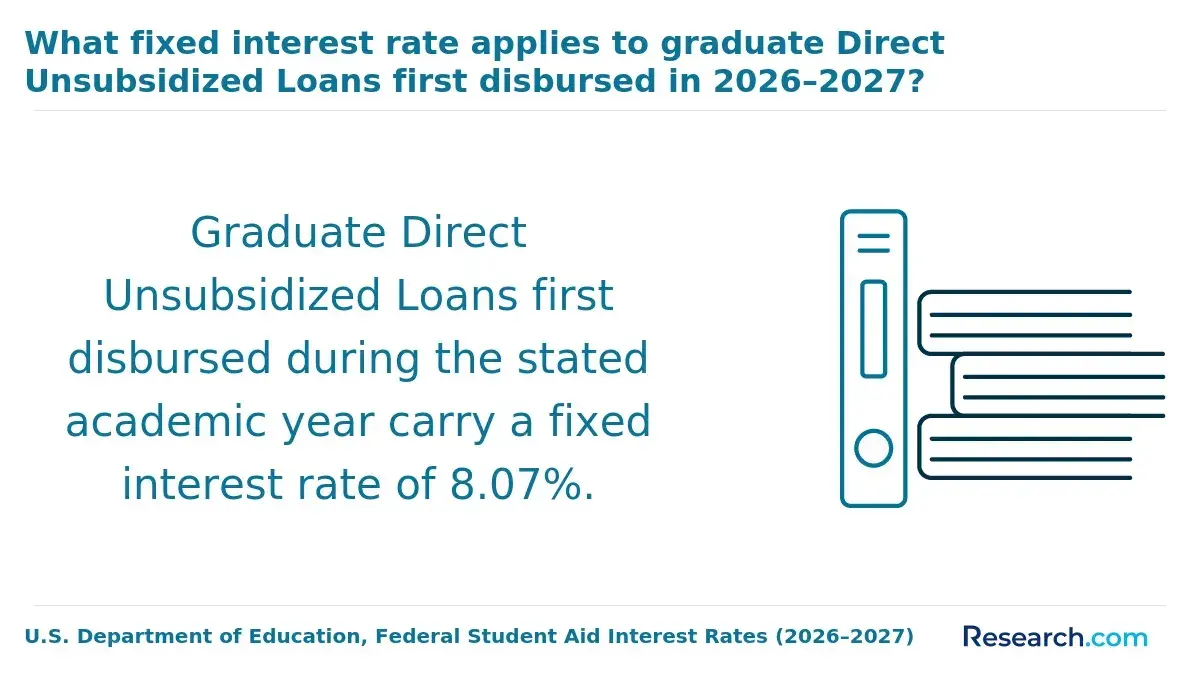
American Library Association accreditation evaluates a library and information studies master's program, not a university as a whole or a particular elective. It matters because some professional librarian employers specify an ALA-accredited master's degree. Institutional accreditation is separate; having one does not establish the other.
Check the current ALA directory for the specific degree program before applying, particularly if a university offers several information-related degrees. Then check the university's catalog separately for community-focused courses and applied opportunities. ALA accreditation does not mean that a named concentration exists, that an elective runs every term, or that a placement is guaranteed.
If your goal is a school library rather than a public library, also consult the relevant state education authority. Graduate program accreditation and eligibility for a state school librarian license or endorsement answer different questions.
What careers can an MLIS prepare you for in community learning?
The closest fit is often a public library role combining reference service, outreach, and programming. Job titles differ among employers, so read duties and qualification requirements rather than searching only for "community learning designer." The table distinguishes several possible destinations.
| Role and setting | Community learning work | Credential consideration |
| Public services or outreach librarian, public library | Plans workshops, develops partnerships, teaches information skills, and evaluates participation. | Professional librarian postings may require or prefer an ALA-accredited master's degree. |
| Youth services librarian, public library | Develops age-appropriate learning activities and works with families, schools, and community groups. | Check each posting for degree and youth-services experience requirements. |
| Instruction or engagement specialist, nonprofit or community organization | Designs workshops and coordinates learning across partner organizations. | An MLIS can be relevant, but education, nonprofit, or instructional-design experience may also qualify. |
| Library assistant or technician, public library | Supports events, technology help, and day-to-day patron services. | These are distinct from professional librarian positions and may not require an MLIS. |
For applicants changing careers, volunteer work or a paraprofessional role can provide a way to test the work and document results. If your main goal is instruction in a nonlibrary setting, compare an MLIS with education or instructional-design study before assuming the library degree is necessary.
What courses teach community learning and library program design?
A useful curriculum combines foundational library practice with opportunities to design and test learning experiences. Course names vary, and a catalog listing does not establish that an elective will be offered during your enrollment. Look for coverage in these areas:
- Community assessment and public librarianship: identifying local priorities and building relationships without assuming current library users represent everyone.
- Instruction and information literacy: setting learning objectives, teaching adults or young people, and adapting instruction to different levels of experience.
- Outreach, accessibility, and inclusive service: reducing language, disability, transportation, and technology barriers to participation.
- Program evaluation: collecting appropriate feedback and distinguishing attendance from evidence that participants learned something.
- Management and partnerships: working within budgets, coordinating staff or volunteers, and collaborating with community organizations.
A supervised practicum, capstone, or portfolio project can connect those skills: for example, a student might assess interest in a digital-skills series, develop an accessible lesson, and revise it using participant feedback. Ask whether a proposed placement can be completed in your local community and who is responsible for securing it. If completion speed matters, compare course sequencing - not just advertised program length - when researching the fastest route to an MLIS.
What are the admission requirements for community-focused MLIS programs?
Applicants generally need a bachelor's degree and must meet the institution's graduate admission requirements. Programs may request transcripts, a statement of purpose, recommendations, and a résumé; policies on GPA thresholds, tests, and prerequisite experience vary. Do not assume community-service experience replaces a formal admission requirement.
Use the statement of purpose to connect a specific population or learning need to the program's documented offerings. Experience facilitating a workshop, helping patrons use technology, teaching, or coordinating volunteers can make that explanation concrete, but prior library employment is not universally required. If your academic history or eligibility is unusual, ask admissions staff for an individual review and confirm which documents they require.
How do online and campus-based MLIS programs compare?
Both formats can support community-learning preparation; the better fit depends on how you will take courses and gain local experience. "Online" does not necessarily mean self-paced, and neither format automatically provides a suitable practicum. These distinctions are worth checking before enrollment.
| Format | Potential advantage | Constraint to verify |
| Online asynchronous | Coursework may fit around variable work hours. | Deadlines, group work, fieldwork, and any campus visits may still be scheduled. |
| Online synchronous | Live discussion can support collaborative planning and feedback. | Meeting times may conflict with work, caregiving, or time-zone needs. |
| Campus-based | In-person classes may make local networking and partnerships easier. | Commuting and fixed meeting times add practical costs. |
If you need a library science program for busy adults, request a sample course schedule. Ask whether required courses run in the terms you can attend, how field placements are arranged, and whether any in-person attendance is compulsory.
How long do MLIS programs take and how much do they cost?
Completion time depends on required credits, enrollment pace, course sequencing, and any practicum or capstone. A shorter advertised timeline may require a course load that is difficult to combine with work. Compare programs using their published degree requirements and a term-by-term plan for your intended start date.
For cost, calculate required credits multiplied by the tuition rate that applies to you, then add mandatory fees, books and equipment, and any travel or placement expenses. Published tuition is not the full cost of attendance; online enrollment also does not automatically qualify an out-of-state student for an in-state rate. When comparing cheapest accelerated MLIS programs, use the same cost categories and check whether the accelerated schedule changes your ability to earn while studying.
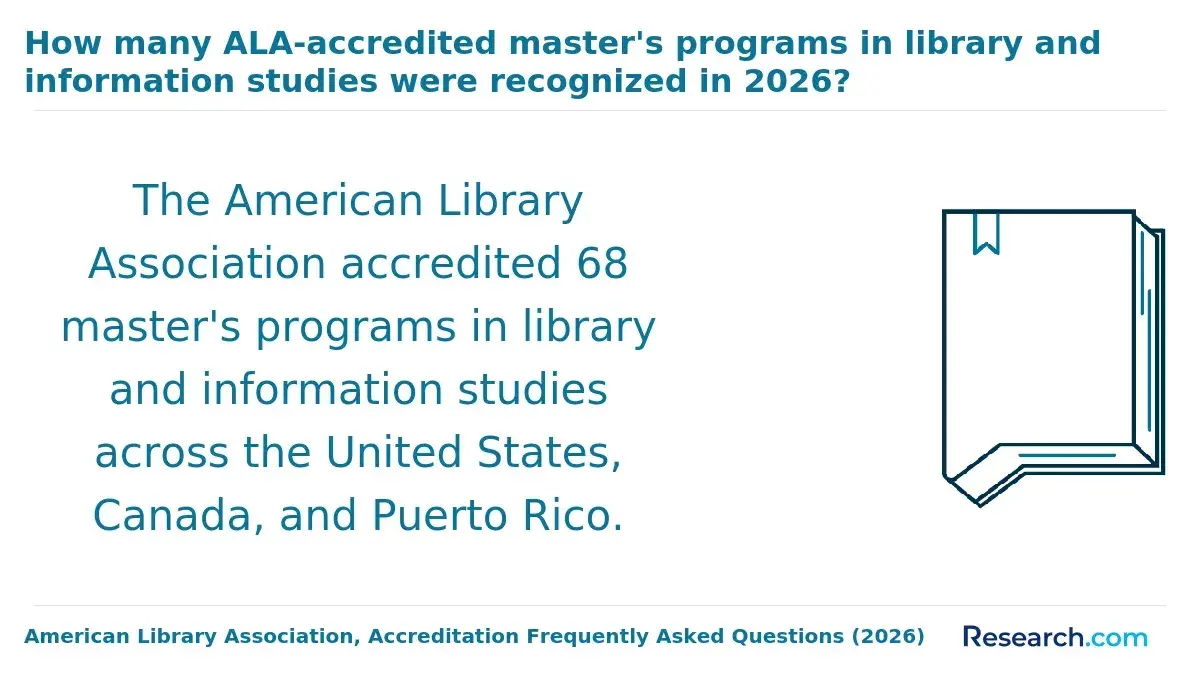
Distinguish the program's gross cost from what you would pay after confirmed grants or employer support, and from what you would finance through loans. Ask the school's financial aid office which assistance applies to your enrollment period before relying on a borrowing estimate.
What salaries and job outlooks can MLIS graduates expect?
The U.S. Bureau of Labor Statistics reports a May 2025 median annual salary of $68,270 for librarians and media collections specialists and projects 2.6% employment growth from 2025 to 2035. Those figures describe an occupation across employers and experience levels; they are not starting salaries or outcomes for graduates of a particular MLIS program.
Role choice matters. BLS reports a May 2025 median of $44,580 for library technicians, a separate occupation with different typical qualifications. When weighing degree cost against prospective earnings, compare actual job postings in your target location, their credential requirements, and your current income. A position that builds relevant experience may be worthwhile, but an MLIS should not be justified using an occupation-wide median alone.
Do community learning professionals need licenses or certifications?
There is no single license for designing community learning programs in public libraries. Employers set their own qualifications for librarian and programming roles, which may include an ALA-accredited master's degree, teaching experience, or experience with a particular community. Optional training can strengthen a skill set without becoming a universal legal requirement.
School librarian jobs are different: states establish their own certification, licensure, or endorsement rules. Before selecting a degree for that goal, ask the program how it supports preparation for your intended state and verify the answer with that state's education authority. Do not assume that an online MLIS - or ALA accreditation alone - establishes eligibility.
How should you choose an MLIS program for community learning?
Start with the job you want and work backward. A public librarian applicant may need a qualifying master's degree plus outreach experience; someone seeking only to deliver occasional nonprofit workshops may be better served by targeted training and experience. For an MLIS, compare evidence rather than labels: current accreditation status, required courses, relevant electives, realistic access to those electives, applied work, format, and total cost.
Before accepting an offer, ask the program which recent courses address community assessment and instructional design, when those courses are expected to run, and whether you can complete a local project with a public library or partner organization. Ask a prospective supervisor what evidence of programming ability they value. A portfolio containing a needs assessment, accessible lesson plan, and evaluation summary can demonstrate your approach without disclosing patron information.
Finally, compare your actual funding options. Scholarships and employer reimbursement can change the decision, but neither should be assumed available. Review financial aid for online library programs alongside each school's current aid terms, and choose a program whose schedule and cost you can sustain - not merely one with an appealing specialization name.
Other Things You Should Know About Library Science
Combine conversations with residents and community partners with available local information, then test a small program idea. Seek input beyond existing library users so the loudest or most frequent visitors do not define everyone's needs.
Not necessarily. Attendance shows reach, while a short activity, participant reflection, or follow-up question may tell you more about what people learned. Choose a measure that matches the program's stated goal.
Collect only information needed to run or assess the program, follow the host organization's retention rules, and obtain appropriate permission before sharing identifiable stories or images. Keep identifying details out of public portfolio samples.
Review its timing, location, promotion, accessibility, and relevance before concluding that the topic lacks interest. Ask intended participants and community partners what would make the next version more useful.
References
- Community Partnerships - Institute of Education Sciences https://ies.ed.gov/rel-northwest/2025/01/community-partnerships
- Teaching at the Intersection of Community Engagement and Program Evaluation - PMC https://pmc.ncbi.nlm.nih.gov/articles/PMC12151495/
- Community Colleges | dol.gov https://www.dol.gov/agencies/odep/program-areas/individuals/youth/community-colleges
- Culturally Responsive Instruction through Technology | nysed.gov https://www.nysed.gov/edtech/culturally-responsive-instruction-through-technology-0
- Learning Outcome Types and Recommended Assessment Methods | Center for Teaching Innovation https://teaching.cornell.edu/teaching-resources/assessing-student-learning/learning-outcome-types-and-recommended-assessment
- MLIS Curriculum, Specialties & Courses | University of Arizona College of Information Science https://infosci.arizona.edu/ma-library-information-science/curriculum-specialties-courses
- Library and Information Science, M.L.I.S. | University of South Carolina https://academicbulletins.sc.edu/graduate/information-communications/library-information-science/library-information-science-mlis/
- Library and Information Science, MLIS (Online) | Southern Connecticut State University https://www.southernct.edu/academics/programs/library-and-information-science-mlis
- Learning Design & Development | missouri.edu https://online.missouri.edu/degrees-programs/mu/education/learning-design-development/mlis
- A Handbook for Community Partnerships: Internship | High Tech High Graduate School of Education https://hthgse.edu/a-handbook-for-community-partnerships-internship/