
2027 Is Legal Services a Hard Major? What Students Should Know

Co-Founder and Chief Data Scientist
Legal services as a major is often perceived as highly demanding due to its intensive focus on critical thinking and detailed analysis. According to the American Bar Association, nearly 65% of students in legal studies programs cite substantial coursework as a significant challenge, reflecting the major's rigorous nature compared to other social science fields.
This article will explore the course rigor, typical workload, essential skills such as research and argumentation, and the factors affecting how challenging legal services appears to various students. Understanding these elements can help prospective majors make informed decisions about their academic and career paths.
Key Benefits of Legal Services as a Major
- Legal services majors gain critical thinking and analytical skills, fostering confidence in managing complex legal concepts, which benefits diverse learners including career changers and full-time workers.
- Programs accommodate non-traditional students with flexible schedules and practical coursework, supporting both academic progress and career transitions effectively.
- Students develop specialized knowledge applicable to various legal environments, enhancing professional growth opportunities and preparing undergraduates for specialized roles within the legal sector.
Where Does Legal Services Rank Among the Hardest College Majors?
Legal services is generally seen as a moderately challenging major in national rankings that consider factors like workload, technical demands, and practical components. For instance, criminal justice-a related field-often reports an average GPA around 3.1 with students dedicating about 12 hours weekly to study.
This level of commitment is notably lower than what students in engineering, computer science, or pre-med majors experience, where study hours and GPA expectations tend to be higher. Many programs focus on practical skills such as research, writing, and occasionally involve practicum or fieldwork, adding some variability to the workload depending on the institution.
The difficulty of legal services can differ widely based on school curriculum and individual aptitude. Students who excel in analytical thinking and communication often find it more manageable, while those less comfortable with dense texts or extensive writing might face challenges.
Compared to highly technical fields like engineering or intensive pre-med courses, legal services usually demands less in terms of lab work and specialized knowledge. However, it tends to be more demanding than many arts or humanities majors. Ultimately, how hard the major feels depends on a student's personal skills and preparation rather than fixed ranking lists alone.
What Factors Make Legal Services a Hard Major?
Several academic and skill-related demands contribute to legal services being a challenging major for many students. Balancing rigorous coursework with practical skills development requires dedication and strong analytical abilities.
- Academic rigor: Programs demand mastery of both substantive and procedural law, often requiring completion of comprehensive credit hours and writing-intensive courses. Institutions like Loyola University Chicago emphasize advanced legal analysis and argumentation skills beyond simple recall.
- Heavy time commitment: Students manage a full course load alongside frequent writing assignments and experiential learning that replicates real-world legal practice. The intensity necessitates excellent time management, focus, and resilience over several years.
- Technical and analytical complexity: Success depends on critical thinking, logical reasoning, and the ability to synthesize dense legal texts. Students must apply statutes and case law creatively, a challenge reflected in typically lower average GPAs, especially when considering LSAT scores and GPA requirements for law school.
- Field-specific demands: Curricula embed strict ethical standards, promote professional identity formation, and highlight diversity and bias awareness, preparing students for the multifaceted nature of legal practice.
For those exploring accelerated pathways, reviewing options such as 1 year masters programs can offer insights into different program structures while considering these challenges.
Who Is a Good Fit for a Legal Services Major?
Identifying the ideal student profile is essential to succeed in a legal services major because it demands a particular set of skills and personality traits. Understanding who thrives here helps students align their strengths with the program's rigorous requirements and workload.
- Analytical Thinkers: Students who enjoy dissecting complex problems and developing logical arguments excel, as legal services coursework requires strong critical thinking skills and evaluating multiple solutions.
- Effective Communicators: Those skilled in both written and oral communication find the emphasis on legal writing and research aligns well with their abilities, enabling them to draft clear documents and persuasive arguments.
- Organized and Detail-Oriented: The ability to manage deadlines, organize information, and multitask supports success in handling the program's heavy workload and collaborative projects.
- Ethically Minded and Emotionally Resilient: Students with strong interpersonal skills and ethical judgment navigate teamwork, client interactions, and ethical dilemmas more effectively.
- Independent and Adaptable: Ideal personality traits for legal services majors include adaptability and the ability to work with minimal supervision, helping students meet academic demands with confidence.
National GPA data shows legal services majors maintain averages around 3.2-3.3, reflecting the moderate to high academic challenge of the major. For those exploring educational options, programs listed under the easiest online masters degree category may offer relevant comparisons.
Students often find a legal services major demanding due to the volume of complex reading and tight deadlines, but using targeted approaches can ease the workload significantly. Applying effective strategies helps manage the complexity and maintain steady progress throughout the program.
- Establish effective study routines: Regularly briefing cases and summarizing key points in short, focused sessions improves retention and lessens last-minute pressure.
- Utilize time management tools: Breaking assignments into smaller tasks with scheduled deadlines prevents backlog and supports consistent productivity.
- Build core skills early: Gaining proficiency in legal research, academic writing, and legal terminology during initial semesters lessens future challenges and enhances classroom participation.
- Leverage academic support: Taking advantage of resources like writing centers, legal librarians, study groups, and professor office hours provides valuable assistance on difficult topics.
- Engage in continuous self-evaluation: Reviewing feedback on coursework helps identify weaknesses and adapt study methods, fostering steady improvement.
When I spoke with a graduate who majored in legal services about making this major easier, she reflected on her first semester struggles with the dense reading load and unfamiliar jargon. She shared how initially overwhelmed, she started scheduling brief daily review sessions instead of long, infrequent study hours. "That shift from cramming to consistent review was a game changer," she noted. She also mentioned how seeking help from a peer study group and regularly visiting professors during office hours "kept me on track and clarified confusing topics." Over time, she adapted her approach by carefully tracking assignments and asking for feedback, which gradually reduced her stress. "It wasn't easy," she admitted, "but finding what worked for me made the coursework manageable and even rewarding."
Admissions to legal services programs, especially law schools, are very competitive due to high applicant numbers and limited spaces. The recent rise in applications-about 33% more than the previous year-has intensified this trend. Overall acceptance rates hover around 41%, but top-tier schools like Yale, Stanford, and Harvard admit fewer than 13%, with some below 7%, making entry especially difficult for many applicants.
Selectivity depends heavily on academic performance and additional qualifications. Leading programs often require a median GPA above 3.9 and high LSAT scores, generally over 170. Beyond grades and tests, relevant work or volunteer experience can strengthen applications. Many candidates also dedicate time after earning their undergraduate degrees to build resumes, reflecting growing competition driven by an increasing pool of highly qualified applicants.
A professional with a legal services background shared his admission experience, describing it as both challenging and rewarding. He recalled how meticulous preparation was essential, noting, "I had to balance intensive studying with gaining practical experience to stand out." Applying to multiple programs meant managing stress while staying focused, but ultimately, the process deepened his commitment to the field. "It felt like more than just tests and grades; it was about proving my dedication," he reflected.
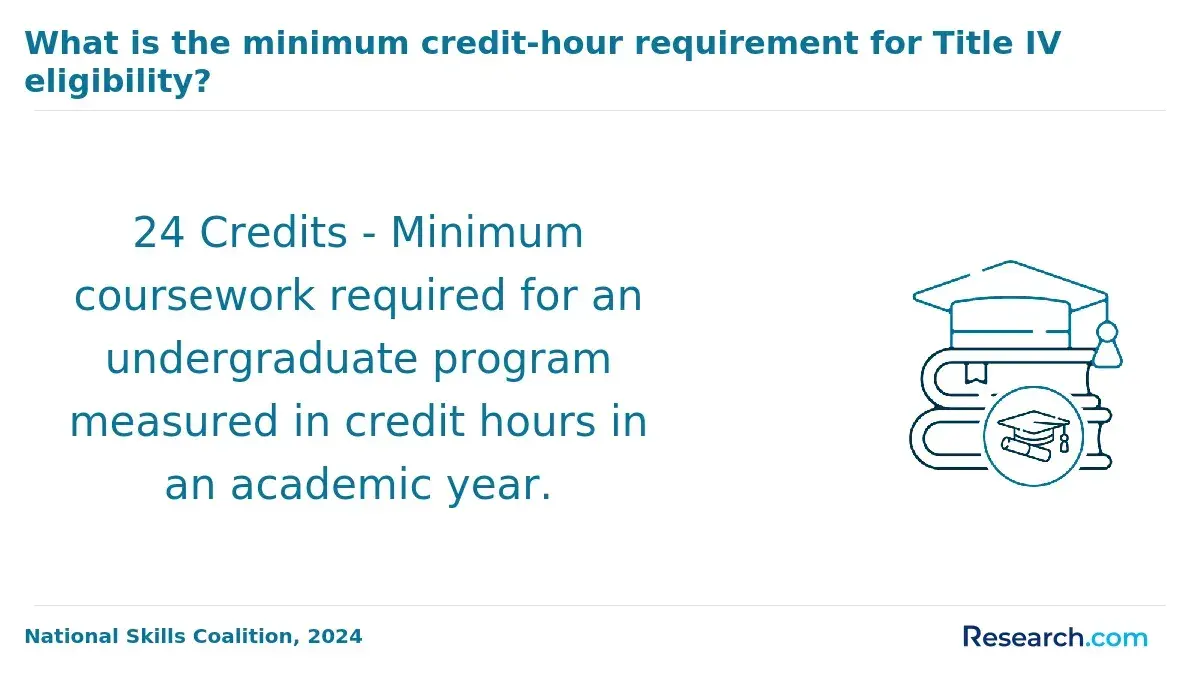
Online legal services degree programs are not generally harder or easier than on-campus programs, but each presents distinct challenges and advantages depending on student circumstances. Both formats maintain similar academic standards, yet the learning experience varies notably.
The following points highlight key differences between online and on-campus legal services majors, focusing on workload, interaction, and learning environments:
- Academic expectations: Accredited programs ensure that curriculum, reading assignments, and exams are largely equivalent regardless of format, supporting consistent learning outcomes.
- Workload and pacing: Online legal services degree flexibility allows students to work at their own pace, which demands strong time management. In contrast, on-campus students follow fixed schedules that provide structure and steady progress.
- Interaction and support: On-campus students benefit from face-to-face access to professors and peers, fostering immediate feedback and a community atmosphere. Online students often rely on virtual tools, which can feel isolating for those who prefer direct engagement.
- Learning environment challenges: Online learners may encounter technical difficulties like unstable internet or device limitations that impact participation. Conversely, on-campus students face challenges such as commuting and rigid class times, reflecting the challenges of on-campus legal services major studies.
Those considering an online legal services degree program may also explore shortest masters programs online to find flexible options that match their lifestyle and learning preferences.
Accelerated legal services programs are generally harder than traditional formats due to condensed timelines, faster course pacing, and increased workload intensity. This intensity shapes the student experience by demanding exceptional time-management skills and prioritization to handle the rapid academic progression. Below is a comparison highlighting key differences in the workload in accelerated Legal Services degrees versus traditional formats.
- Course Pacing and Content Density: Accelerated programs cover the same core curriculum as traditional ones but require students to absorb material at a much faster rate, leaving less time for review and deeper reflection.
- Workload Management: Students in accelerated Legal Services programs must dedicate significant weekly study hours-up to 55 hours for some tracks-limiting opportunities for part-time work and extracurricular activities.
- Academic Expectations and Skill Demands: The fast-paced environment demands strong self-discipline and superior study skills, favoring students who are prepared to work intensely and independently.
- Learning Retention and Stress Levels: The compressed schedule often increases stress and reduces downtime, which can impact long-term retention and mental health more than the traditional approach.
- Flexibility and Scheduling: Traditional formats offer more breaks and a steadier workload, providing flexibility for students who need time to absorb concepts and balance commitments.
For students with developed study skills and a clear career direction, accelerated programs can simulate the demands of legal practice and allow earlier entry into the field. Those interested in condensed academic options might also explore 1 year online doctorate programs for comparison on intensively structured degrees.
Managing a part-time job while majoring in legal services is feasible but depends largely on factors like course rigor, weekly study hours, and schedule flexibility. Students often face a demanding workload, including dense reading, technical assignments, and sometimes labs or practicums, which require 15 to 20 hours weekly outside of class. Those with strong time management skills and adaptable study habits are more likely to succeed in balancing work and academics effectively. However, the intensity of the program and inflexible deadlines can make this challenging for some.
Students typically accommodate part-time employment by selecting jobs with flexible hours, such as remote administrative positions or roles on campus. Adjusting credit loads to reduce semester demands also helps maintain balance. The nature of legal services programs-characterized by heavy reading, complex projects, and cyclical deadlines-can intensify pressures, making time management essential. Access to academic resources like tutoring or online support further aids in handling coursework alongside work. While some thrive with these strategies, those facing unpredictable assignments or heavy lab commitments may find juggling both more difficult.
Career paths for legal services majors vary widely in difficulty, responsibility, and required skills. While some roles match the rigor of the degree itself, others tend to be less demanding or challenging in different ways.
- Paralegal or Legal Assistant: Paralegals perform legal research, draft documents, and assist attorneys with trial preparation. This role requires strong attention to detail and knowledge of legal procedures, making it rigorous in practice but generally less academically demanding than the degree coursework.
- Compliance Officer: Compliance officers ensure organizations adhere to laws and regulations, demanding strong analytical skills and the ability to interpret complex rules. This position can be as challenging as the major, shifting focus from academic theory to practical oversight and application.
- Court Clerk: Court clerks handle legal documents, schedule hearings, and support judges administratively. The job emphasizes organization and accuracy, and while important, it usually involves fewer intellectual demands than the legal services degree.
- Human Resources Specialist: Graduates in HR use their employment law knowledge to manage contracts, workplace policies, and employee relations. This role is often challenging in interpersonal and regulatory terms but does not require the in-depth legal analysis involved in the degree.
- Law Enforcement Officer: Some legal services majors become police officers or investigators, applying legal knowledge to enforcement and investigations. This role demands quick decision-making and public safety focus rather than academic legal research.
The average GPA for law and legal studies majors is around 3.1, reflecting a moderate to high academic workload. For individuals exploring the highest paying legal jobs in the US or interested in various legal services degree career paths, job difficulty after graduation depends greatly on the chosen direction and personal aptitude. For more details about diverse opportunities, explore careers in trade school.
Legal services graduates do not inherently earn more because their major is more difficult. Although these programs require strong analytical writing, extensive reading, and critical thinking, salary increases are more directly linked to the development of specialized skills and employer demand than to academic challenge alone. Advanced abilities in reasoning, negotiation, and legal research tend to attract higher pay, especially in sought-after fields like corporate law or intellectual property. Therefore, the rigor of coursework is only one of many factors influencing income, rather than a sole determinant.
Salary outcomes for legal services graduates depend largely on the industry, location, and experience. For instance, attorneys in corporate law or major cities such as New York and Washington D.C. may earn between $160,000 and $225,000, while those in public interest roles typically receive $60,000-$85,000. Entry-level positions in large law firms often start with salaries over $200,000, contrasting sharply with solo practitioners making around $65,000. These variations underscore the importance of market demand and career path over the major's difficulty in shaping earnings.
What Graduates Say About Legal Services as Their Major
- Jase: "Pursuing legal services was definitely challenging, but each obstacle was a valuable learning experience that strengthened my critical thinking skills. The cost, which averaged around $20,000 per year, was a bit steep, but the career opportunities since graduating have made it worth every penny. I'm now confident in handling complex legal issues thanks to my studies."
- Kyro: "Studying legal services was a rigorous journey that required dedication and discipline, especially with the average tuition fees adding financial pressure. Reflecting back, the major's difficulty helped me grow both professionally and personally, equipping me with the tools to navigate the legal field effectively. It was a worthwhile investment in my future."
- Aaron: "Legal services was a tough major that demanded a lot of hard work, but it offered insightful perspectives into the legal system that I hadn't considered before. Even though the cost of attendance was significant, it was manageable and justified by the meaningful career path it opened for me. The experience was intense, yet incredibly rewarding."
Other Things You Should Know About Legal Services Degrees
Most legal services programs require coursework in legal research, writing, ethics, civil procedure, criminal law, and office technology. Many associate degrees take about 60 credit hours, and students often complete an internship or practicum before graduation.
In 2027, internships and practical experiences are crucial for legal services students. They provide firsthand exposure to the field, develop practical skills, and enhance employability after graduation. Many programs require or strongly recommend internships as part of their curriculum to ensure students are well-prepared for real-world challenges.
- 4 Major Challenges Legal Professionals Should Be Preparing for Within the Next Five Years | LEGAL SUITE https://www.legal-suite.com/articles/major-challenges-legal-professionals-should-be-preparing-within-next-five-years-1555.htm
- Will Online Law Degrees Ever Be The New Norm? https://elearningindustry.com/will-online-law-degrees-ever-be-the-new-norm
- The Top 10 Accelerated JD Programs | Leland https://www.joinleland.com/library/a/the-top-10-accelerated-jd-programs
- Careers in law and legal services https://info.lse.ac.uk/current-students/careers/information-and-resources/employment-sectors/law-and-legal-services
- Can You Go to Law School Part Time? - St Francis School of Law https://stfrancislaw.com/blog/can-you-go-to-law-school-part-time/
- What Can You Do With a Degree in Legal Studies? https://mwcc.edu/blog/legal-studies-faqs/
- Student Legal Services Education Center - SWPS University https://english.swps.pl/science-and-research/discover-our-potential/research-centers/956-faculties-and-departments/faculty-of-law-in-warsaw/departments/3125-student-legal-services
- Online Law School Vs. Traditional Law School: What You Need to Know https://alu.edu/alublog/online-law-school-vs-traditional-law-school-what-you-need-to-know-about-your-investment/
- Four reasons why a career in law is leading the way https://www.law.ac.uk/about/press-releases/four-reasons-why-a-career-in-law-is-leading-the-way/
- Six-Figure Salaries or Six-Figure Debt? New Data Questions if Law School is Worth It - FindLaw https://www.findlaw.com/legalblogs/practice-of-law/six-figure-salaries-or-six-figure-debt-new-data-questions-if-law-school-is-worth-it/


