2027 How to Compare Legal Services Degree Programs Effectively

Co-Founder and Chief Data Scientist
Choosing the right legal services degree program can be overwhelming, especially when applicants face varied curricula, certification requirements, and differing access to internships. One recent study shows that employment in legal support roles is projected to grow by 7% through 2032, underscoring the importance of selecting a program aligned with labor market demands.
Prospective students risk investing time and money in programs that may not prepare them adequately for evolving job roles. This article will explore key factors to consider when comparing legal services degree programs, helping students make informed decisions that match their career goals and personal circumstances.
Key Benefits of Comparing Legal Services Degree Programs Effectively
- Verify accreditation to ensure program credibility; ABA approval often influences career licensing and employer trust.
- Assess curriculum alignment with your specialization interests, focusing on courses that enhance relevant legal and technical skills.
- Consider total cost against projected career outcomes; graduates in legal support roles see a median salary near $52,000 annually, influencing return on investment.
What Types of Accreditation Should a Legal Services Degree Program Have?
Accreditation helps prospective students compare the quality, credibility, and long-term value of legal services degree programs by confirming that the education meets established standards. Graduates from accredited institutions are significantly more likely to be employed within six months, underscoring the value employers place on recognized credentials. Below are essential types of accreditation to consider when evaluating programs.
- Regional Accreditation: This covers an entire institution and is the most widely recognized form. It ensures rigorous academic standards, facilitates credit transfer between colleges, and is generally required for federal financial aid eligibility.
- Specialized Accreditation: This focuses on specific programs within an institution, verifying that the curriculum meets industry standards. For legal services, it is often granted by organizations specializing in paralegal or legal assistant education.
For students comparing regional and national accreditation bodies for legal services education, checking accreditation status through official databases is key. Accreditation affects not only credit transfer and financial aid but also employer recognition and, in some cases, licensure. Working professionals and career changers benefit from attending accredited programs, given the assurance of quality and industry relevance.
Students should also consider options that balance affordability and flexibility, such as the cheapest online MBA programs, which can offer insights into accessible paths in higher education.
What Specializations Are Offered in Legal Services Degree Programs?
Specializations within legal services degree programs guide students in tailoring their education to specific career goals and industry demands, enabling better comparison of programs based on academic focus and professional outcomes.
The U.S. Bureau of Labor Statistics projects a 12% growth in employment for paralegals and legal assistants through 2032, reflecting increasing demand in specialized legal support roles. Below are some common specializations available across various programs.
- Paralegal Studies: Focuses on legal research, case management, and document preparation, equipping students with essential skills to support attorneys across many legal fields and increase workplace readiness.
- Compliance and Regulatory Affairs: Emphasizes knowledge of laws and regulations affecting multiple industries, preparing graduates for roles that ensure organizations meet legal and ethical standards in complex regulatory environments.
- Legal Technology: Covers software and technology used in legal settings, fostering proficiency with digital tools and systems critical to efficiency and accuracy in contemporary legal offices.
- Criminal Justice: Concentrates on law enforcement procedures and criminal law principles, ideal for careers related to public safety, criminal courts, and correctional systems.
For those seeking flexibility, many online legal services specialization options provide accessible pathways to gain expertise while balancing work or life commitments. Students interested in the broader counseling and compliance fields might explore related training through CACREP accredited programs that complement legal services education in regulatory contexts.
How Can You Compare Courses Across Legal Services Degree Programs?
Comparing courses across legal services degree programs is crucial for prospective students to gauge academic quality, skill development, and alignment with career objectives.
Research indicates that programs with deeper, comprehensive curricula have a 20% higher course completion rate, signaling stronger student success and engagement. To conduct the best legal services degree program comparisons, consider the following practical strategies:
- Review Course Descriptions: Detailed syllabi reveal the scope of topics and teaching methods, helping to assess curriculum depth and relevance to current industry needs.
- Assess Elective Flexibility: Knowing the balance between required and elective courses highlights specialization options and adaptability to your career focus.
- Examine Skill-Building: Prioritize courses that emphasize practical skills such as client communication or document drafting, which enhance employability.
- Check Credit Hours: Higher credit allocations per course may indicate a more intensive workload and greater learning commitment.
- Investigate Faculty Expertise: Courses led by experienced professionals or experts in the field often provide insightful, up-to-date perspectives.
- Compare Course Sequences: Logical progression within the curriculum ensures foundational knowledge supports advanced topics, improving knowledge retention and application.
Effective legal services course curriculum evaluation criteria also include program accreditation and scheduling flexibility to align with personal and professional needs. For students interested in related fields, exploring options like a well-regarded library science degree online can expand career pathways.
Flexible scheduling plays a crucial role for students comparing legal services degree programs, as it determines how well they can juggle education alongside work and personal commitments. Various formats accommodate different lifestyles and learning preferences, making it easier to find a suitable path. Common scheduling options include:
- Full-Time: Typically requires a standard course load during daytime hours, allowing students to complete their program at a traditional pace. This option suits those who can dedicate significant time to their studies without extensive outside obligations.
- Part-Time: Designed for students balancing jobs or family responsibilities, part-time enrollment reduces the weekly hours spent in class and extends the overall duration of the program. It offers a manageable workload that fits into busy schedules.
- Evening and Weekend Classes: Scheduled outside typical working hours, these sessions offer alternatives for those unable to attend daytime courses. They provide flexibility by accommodating employed students or others with daytime commitments.
- Online and Hybrid Formats: These options offer remote learning opportunities that allow students to access lectures and complete assignments from any location. They are ideal for individuals needing self-paced study or living far from campus.
- Accelerated Tracks: Some programs offer faster completion options through intensive course schedules. This option appeals to motivated students looking to enter the workforce quickly.
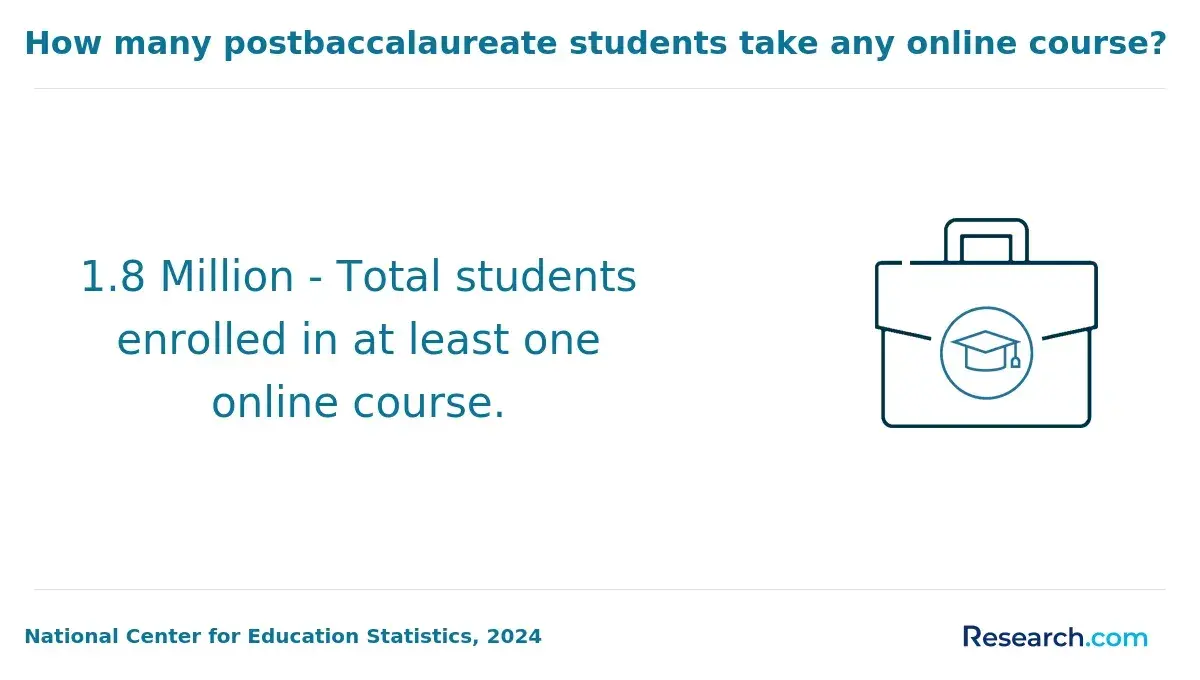
Choosing the right delivery format for legal services degrees shapes your educational experience and future opportunities. With nearly 33% of U.S. college students taking at least one online course, understanding these formats is essential for making an informed decision. Here's a detailed comparison of online and campus-based programs.
Online Legal Services Degrees
- Flexibility: Online programs let you study on your own schedule, which is ideal if you balance work or family responsibilities. This format eliminates commuting, saving time and reducing related expenses.
- Network Limitations: Being remote can reduce face-to-face interaction with peers and instructors, making it harder to build strong professional connections and mentorships critical to legal careers.
- Accessibility: You can access programs nationwide regardless of your location, expanding your choices beyond local institutions.
Campus-Based Legal Services Degrees
- Structured Learning: On-campus programs offer direct interaction, fostering active participation, discussions, and hands-on experiences which often enhance understanding and skill development.
- Networking Opportunities: In-person settings encourage relationships with classmates, faculty, and legal professionals, boosting career prospects through internships and extracurricular activities.
- Time and Cost: These programs may be less adaptable to individual schedules and incur additional costs like commuting and housing, which can impact your budget and time management.
When I asked a graduate who completed an online legal services degree about his decision process, he said, "Comparing programs was overwhelming because I had to weigh convenience against career goals. Balancing my job and family made online learning the only practical option, though I worried about missing in-person networking."
He emphasized how important it was to research each program's support services and to actively seek virtual networking opportunities. He admitted that at times, it felt isolating but remained confident that his online degree prepared him well for his career path.
GPA requirements often serve as a key criterion for prospective students comparing legal services degree programs, as they can influence admission chances and eligibility. Below are some important aspects to consider regarding how these requirements vary.
- Minimum GPA Thresholds: Many programs establish clear cutoffs, usually between 2.5 and 3.0 on a 4.0 scale, to set a baseline for applicants. This standard helps programs maintain academic quality but can differ significantly depending on the institution's selectivity.
- Holistic Admissions: Several programs evaluate candidates beyond GPA alone, incorporating letters of recommendation, personal essays, relevant job or volunteer experience, and standardized test results. This approach allows candidates with lower GPAs but strong overall profiles to remain competitive.
- Applicant Type Variations: GPA expectations may shift depending on whether the applicant is a transfer student, returning after a break, or entering through non-traditional pathways. Some programs tailor requirements to better reflect diverse educational backgrounds and experiences.
- Conditional Acceptance Options: Some institutions offer provisional admission to candidates who fall below the minimum GPA requirements but demonstrate potential through other academic or professional achievements. This flexibility supports a broader range of students.
- Program Format Differences: Graduate certificates and part-time legal services programs often have less rigid GPA standards than full-time degree tracks, accommodating working professionals and those balancing other commitments.
Evaluating these factors helps applicants identify programs that align with their academic records and career objectives without relying solely on numerical GPA cutoffs. A comprehensive review of admissions policies ensures better-informed decisions when selecting a legal services degree program.
Comparing tuition for legal services degree programs is vital for students who want to make informed financial decisions and avoid excessive debt. In 2021, the average undergraduate student accumulated over $28,000 in loans, underscoring the importance of evaluating costs carefully. Here are key factors prospective students should consider:
- Total Program Cost: Look beyond tuition alone and factor in mandatory fees, materials, and technology charges, as these can significantly increase overall expenses.
- Cost Per Credit Hour: This metric provides a more accurate comparison across programs with different credit requirements or durations, helping gauge true affordability.
- Additional Fees: Some programs may require extra payments for supplies, exams, or online access, so verify these fees early to avoid surprises.
- Financial Aid Availability: Scholarship, grant, and loan options vary widely. Understanding what aid is accessible can substantially lower out-of-pocket costs.
- Employer Tuition Assistance: For working students, employer-sponsored tuition reimbursement can reduce financial strain and should be factored into comparisons.
- Long-Term Value: Consider how a program's reputation, networking opportunities, and career placement support impact future earning potential and return on investment.
When I spoke with a graduate who completed a legal services degree, she reflected on her experience evaluating tuition options. "I remember feeling overwhelmed by numbers and fine print," she said. "What really helped was creating a detailed spreadsheet outlining total costs, potential aid, and my work schedule flexibility." This process allowed her to identify a program that minimized debt while fitting her life.
She emphasized the importance of patience and thorough research, noting, "It wasn't just about the cheapest price-it was about balancing cost with quality and what made sense for my long-term goals." Her story highlights how thoughtful comparison can ease the financial burden and improve confidence in selecting the right program.
Aligning a legal services degree with licensure requirements is essential for students aiming for regulated professions or career changes, as many fields demand official certification. About 70% of regulated occupations in the U.S. require specific education and licensing to practice legally. Key factors to evaluate when comparing programs include:
- Curriculum Alignment: Programs should cover the necessary state-mandated topics to prepare students for licensing exams and meet eligibility standards.
- Accreditation Standards: Degrees from regionally accredited schools or those endorsed by recognized legal organizations generally support smoother licensure pathways compared to unaccredited programs.
- State-Specific Requirements: Licensure criteria often vary by state, with some demanding supervised practical training or externships integrated into the program.
- Supervised Experience: Inclusion of clinical hours or hands-on supervision can be crucial, as many certification boards require documented practical experience.
- Exam Eligibility: Verify if the program explicitly prepares graduates to take professional certification exams accepted by relevant state licensing boards to prevent obstacles after graduation.
Career placement rates provide crucial insight into how well a legal services degree program prepares students for the workforce. For instance, recent data from the National Association of Legal Professionals shows that some programs report graduate employment rates exceeding 85% within six months of graduation. Key aspects to consider when evaluating programs include:
- Employer Partnerships: The strength and diversity of employer connections reveal how effectively a program can link students with relevant job opportunities in the legal sector. Strong partnerships often result in exclusive job openings and hiring preferences for graduates.
- Internship Pipelines: Established internship opportunities enable students to gain hands-on experience and build professional networks essential for career advancement. Programs with well-developed internship pipelines typically see higher placement rates due to the practical skills students acquire.
- Alumni Outcomes: Reviewing graduation surveys and institutional employment reports sheds light on long-term career trajectories of alumni. Understanding these outcomes helps prospective students identify the best legal services degree programs with top career placement aligned to their ambitions.
- Program Support Services: Comprehensive career counseling, resume workshops, and interview preparation enhance student readiness for the job market. Robust support services often correlate with better employment outcomes in the highly competitive legal services field.
Prospective students should also weigh options like program affordability and flexibility, including study paths such as a doctorate in organizational leadership online, which can complement legal services degrees for career advancement.
Careful evaluation of these criteria enables students to select the best legal services schools for employment outcomes, ensuring their educational investment translates into successful professional futures.
Post-graduation salary outcomes are a crucial metric for comparing legal services degree programs, as they reflect graduates' success in aligning education with market demand. On average, legal services degree holders earn between $45,000 and $75,000 annually, offering a practical benchmark for prospective students evaluating options. Below are key factors influencing these salary outcomes:
- Role Differences: Graduates working as paralegals or legal assistants tend to earn salaries on the lower end of the spectrum, while those in compliance, contract management, or court administration roles generally receive higher compensation due to increased responsibilities.
- Industry Impact: Alumni employed by corporate legal departments or government agencies typically report stronger salary results than those in nonprofit organizations or smaller law firms, reflecting industry budget variations and resource availability.
- Geographic Location: Earnings vary significantly by region, with metropolitan areas like New York or Washington, D.C. offering greater wages to offset higher living costs. This regional variance is an important consideration when comparing average earnings of legal services program alumni by region.
- Experience Level: Entry-level graduates often start near the median salary, estimated at around $48,000, but those with five or more years of experience can expect steady increases, moving toward a mid-career range of approximately $65,000 or more, with top metropolitan roles exceeding $85,000.
For students balancing work and study, researching the easiest online college degrees can provide flexible pathways to degree completion without sacrificing career advancement. This is particularly relevant for those pursuing a legal services degree alongside professional commitments, as highlighted by resources on online college degrees.
What Graduates Say About Comparing Legal Services Degree Programs Effectively
- Wilson: "Before enrolling in the Legal Services degree program, I was weighing expensive traditional law degrees against more affordable options. The cost was a huge concern since the average attendance fees for a traditional route were overwhelming, but Legal Services offered the right balance of quality and affordability. Completing the program not only boosted my confidence but also opened doors to practical opportunities in the legal field that I hadn't imagined before. "
- Rick: "I spent a lot of time reflecting on whether to pursue a legal education and always felt deterred by the high costs involved in most law programs. The Legal Services degree program's reasonable pricing made it accessible without compromising on essential skills and knowledge. Since graduation, I have noticed clear career advancement and an increased ability to navigate complex legal environments effectively."
- Connor: "Comparing different educational paths, what stood out to me about the Legal Services degree was its affordability combined with its robust curriculum. The financial savings meant I could graduate with less debt, which was crucial in starting my career on solid footing. Professionally, having this qualification has made a significant difference in how employers perceive my readiness to contribute immediately."
Other Things You Should Know About Legal Services Degrees
Internships and practical experiences are crucial in legal services degree programs. They provide hands-on training, bridging classroom theory with real-world applications. In 2027, programs offering robust internship partnerships with law firms and organizations enhance graduates' employability and practical skills, making them better prepared for the legal workforce.
Check the curriculum against your state’s paralegal rules and confirm that the program includes the required semester credit hours, legal specialty courses, and supervised practice. Also verify whether the program is approved by a recognized body such as the American Bar Association or a state paralegal association.
- Pros and Cons of Getting a Legal Degree Online https://onlinemasteroflegalstudies.com/mls-degrees/pros-and-cons-of-online-legal-degrees/
- What is a Competitive GPA for Law School https://www.princetonreview.com/law-school-advice/gpa-for-law-school
- How to Become a Paralegal in South Carolina - SC | Paralegal Certification | Legal Assistant Job Description https://www.paralegaledu.org/south-carolina/
- 2026 Law School Rankings - Lowest GPA (High to Low) https://www.ilrg.com/rankings/law/index/1/desc/GPALow
- Starting Salaries: Information for Prospective Law School Applicants https://www.nalp.org/startingsalaries_prospective_students
- 2024 Graduate Job Outcomes, Aggregated and by School | LawHub https://www.lawhub.org/trends/job-outcomes-vs-schools
- Comprehensive Guide on Choosing a Legal Practice Area https://turcolegal.com/choosing-practice-area/
- Online Bachelor's Degree: Legal Studies https://www.umgc.edu/online-degrees/bachelors/legal-studies
- How to Become a Lawyer in California https://www.purduegloballawschool.edu/blog/news/how-to-become-lawyer-california
- Legal Studies, BS https://laverne.edu/programs/legal-studies/