2027 Legal Services Degree vs. Certificate: Which Should You Choose?

Co-Founder and Chief Data Scientist
Today's students and professionals face important decisions when choosing between earning a degree or a certificate in legal services. Both educational paths offer valuable opportunities to advance a career, yet they differ in duration, depth of study, and potential job roles. Understanding these differences is key to making an informed choice that fits one's ambitions and lifestyle.
A legal services degree typically involves comprehensive coursework and can lead to higher earning potential, with many graduates qualifying for paralegal or legal assistant positions. Certificates, often shorter and more focused, may appeal to those seeking quick entry or specialization in areas like litigation or compliance. This article compares their key differences to help readers select the right path.
Key Points About Legal Services Degree vs. Certificate Programs
- Degree programs offer broader legal knowledge and higher salary potential, with graduates earning approximately 15% more than certificate holders, enhancing long-term career growth opportunities.
- Certificates focus on specific skills and faster completion times, ideal for professionals seeking immediate entry or specialization in legal services roles.
- Degrees often require more investment but provide comprehensive training, while certificates maximize flexibility, suiting diverse learning preferences and professional schedules.
What Are the Differences Between Legal Services Degree and Certificate Programs?
Both legal services degree programs and certificate courses provide pathways to careers in the legal field, but they differ in several key factors. Knowing these distinctions can help students select the educational path that best aligns with their career goals and available time for study. Below is a comparison highlighting the main differences between these options.
Key differences between legal services degrees and certificate programs include:
- Career Advancement: Degrees typically offer a broader foundation and are better suited for individuals aiming for long-term growth or roles requiring comprehensive legal knowledge. Certificates are ideal for those seeking quick entry into specialized tasks or supportive legal roles.
- Depth of Learning: Degree programs cover a wider range of legal concepts and develop critical thinking and research skills, benefiting learners wanting a thorough understanding. Certificates focus on specific skills or areas, catering to those looking for targeted expertise.
- Time Commitment: Degrees require a longer duration of study, appealing to students prepared for an in-depth educational experience. Certificates are shorter and more flexible, fitting individuals who need to balance education with other responsibilities.
- Professional Recognition: A degree often carries more weight with employers and can open doors to advanced positions. Certificates demonstrate specialized ability but may limit eligibility for certain roles.
How Long Does It Take to Complete a Legal Services Degree vs. a Certificate Program?
Completion time is one of the most important factors for students deciding between a legal services degree vs. certificate program. Understanding the typical length and flexibility of each option helps to identify which path best fits individual goals and schedules.
- Typical Duration: A legal services associate degree, such as an Associate of Applied Science in Paralegal Studies, generally requires 60 to 70 credit hours, with full-time students completing it in about two years. By contrast, how long to get a legal services certificate is much shorter, often as little as 15 weeks when taken full-time, making certificates a quicker path into the field.
- Flexibility: Both programs offer pacing options including full-time, part-time, and online formats. Certificate programs typically focus exclusively on core legal skills, allowing completion on an accelerated timeline. Degree programs might allow more flexible schedules but usually take longer due to a broader curriculum.
- Factors Affecting Timeline: Program structure plays a key role; degrees require general education classes and more credits, extending duration, while certificates are more specialized. Additionally, transfer credits or prior experience can help shorten degree completion time, though certificates rarely accommodate this.
Students looking for an accelerated route can consider certificate programs, while those wanting a more comprehensive education may opt for a degree. For more details on flexible and accelerated options, refer to the fastest online bachelor degree programs for working adults.
Can You Complete a Legal Services Degree or Certificate Entirely Online?
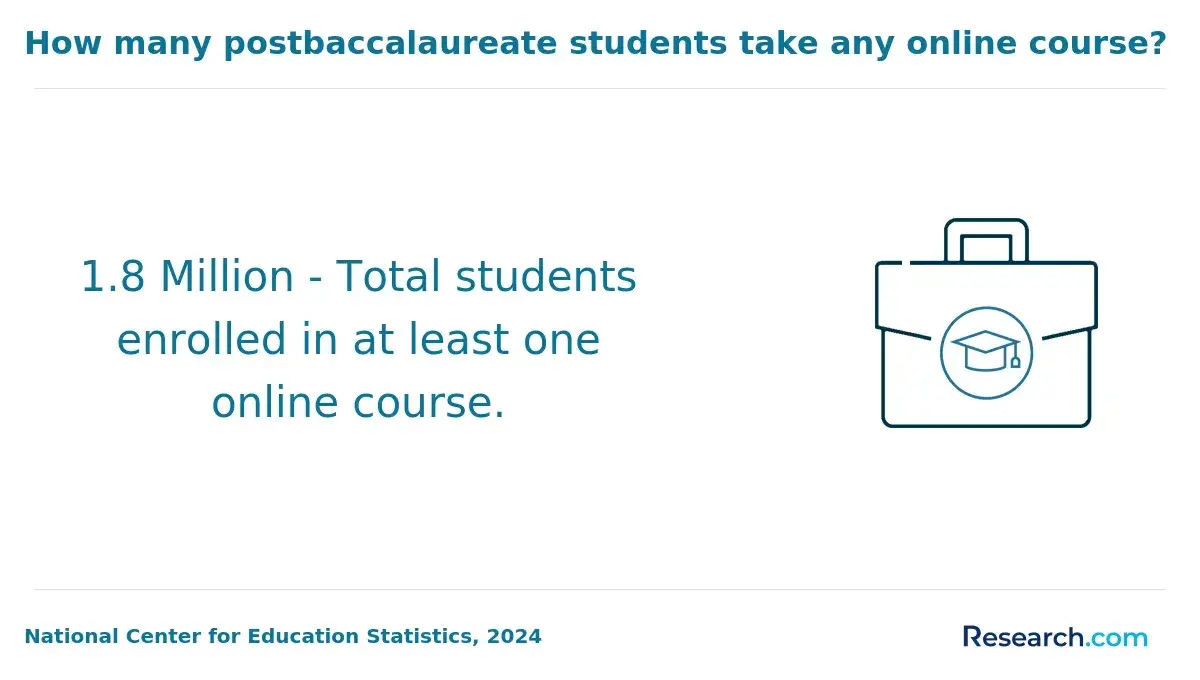
Online education in legal services has expanded rapidly, providing flexible pathways for students nationwide. Many accredited universities, including Purdue Global and Texas Tech University, offer legal services degree online programs that allow students to complete coursework fully online. Likewise, online legal services certificate options are widely available from institutions such as Liberty University and SUNY Canton, which provide fully remote programs tailored to working professionals. These programs enable students to study remotely without attending campus, supporting those who seek adaptable schedules and career-focused training. For those exploring graduate options, resources like easiest masters programs to get into also highlight accessible online offerings across diverse fields, including legal studies.
While many degree programs are designed for full online completion, some still incorporate hybrid elements such as internships or capstone projects requiring in-person participation or local placement to develop practical skills. Similarly, certificate programs tend to be more flexible but often encourage or require hands-on experience, especially for paralegal certification preparation. Students should review state licensure requirements and program specifics carefully. Choosing between an online legal services degree or certificate hinges on individual career goals, the need for practical training versus theoretical study, and desired program flexibility to ensure the best fit for professional advancement.
The admission requirements are a crucial consideration for students deciding between a legal services degree versus a certificate program, as they impact eligibility and the timeline for starting studies. Understanding these requirements helps applicants choose the right educational pathway based on their background and career objectives. Below is a side-by-side comparison of typical admission requirements for both program types.
Admission Requirements for Legal Services Degree Programs
- Educational Background: A high school diploma is the minimum for associate and bachelor's degrees, while law school admission requires a bachelor's degree.
- Standardized Tests: Law degrees such as the Juris Doctor (JD) require the LSAT or GRE. Some undergraduate programs accept optional ACT/SAT scores, though these are not always mandatory.
- Transcripts: Official transcripts must show completion of pre-college curriculum or prior degrees from all previous schools.
- GPA Requirements: Undergraduate programs may require a minimum GPA (e.g., 1.49 on a 4.0 scale), and law schools closely review undergraduate GPA as a key indicator.
- Personal Statement: Most law degree programs require a personal statement to evaluate writing skills and motivation.
- Letters of Recommendation: Law school applicants usually submit letters from professors or professionals attesting to academic ability and character.
- Additional Requirements: Some programs may request a resume or proof of extracurricular or professional experience.
Admission Requirements for Legal Services Certificate Programs
- Educational Background: Most certificate programs require only a high school diploma or equivalent, with college experience potentially allowing streamlined admission.
- Testing: Some use basic aptitude exams such as the Wonderlic Scholastic Level Exam to assess readiness, especially if the applicant lacks a college degree.
- Consultation: Personal interviews or consultations with admissions representatives are often part of the certificate admissions process.
- Experience: Prior legal or business experience may be favored or help applicants test into the program more easily.
Generally, legal services degree admission requirements are more rigorous and selective, reflecting the academic intensity of these programs, while certificate programs emphasize accessibility and practical readiness. Prospective students should weigh these factors alongside their career goals and academic preparation, especially when considering the advantages of higher education tracks such as some of the highest paying 4 year degrees.
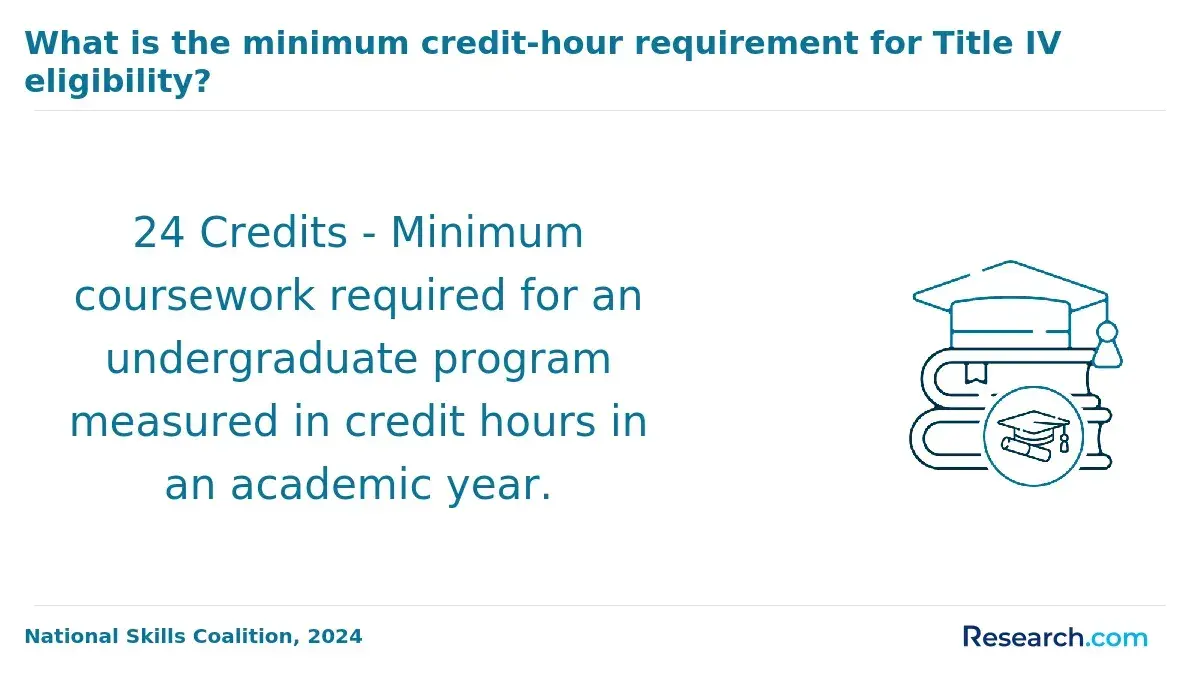
Knowing the number of credits needed for legal services programs is crucial for effective academic planning and managing your timeline. Understanding these requirements helps you decide the scope of study you'll commit to before entering the workforce.
Here's a straightforward comparison of credit expectations for degrees versus certificates in legal services:
- Bachelor's degree: Typically requires around 120 semester credit hours, including general education, core legal studies, and electives over several years.
- Juris Doctor (JD) degree: Usually involves 87 to 90 credit hours focused specifically on law courses beyond the bachelor's level.
- Certificate program: Generally demands 15 to 30 credit hours, designed for faster completion and targeted legal knowledge suitable for roles like paralegals or legal assistants.
When I spoke with a student pursuing a legal services certificate program, he shared how the shorter credit load made balancing work, family, and study more manageable. "It was intense but doable," he said, describing the focused coursework as a "clear path" that quickly equipped him with practical skills. Despite initial doubts about skipping a full degree, he found value in the targeted learning and faster entry into his career. The experience, he noted, was rewarding because it minimized the typical academic overload, allowing him to apply his knowledge in the workplace sooner and with confidence.
Tuition costs are a crucial factor for many prospective students deciding between pursuing a legal services degree or enrolling in a certificate program. The financial commitment affects not only affordability but also the potential return on investment. Below is a detailed comparison of average tuition ranges for each educational path.
Understanding these differences can help you make a well-informed choice aligned with your budget and career goals.
Average Tuition for Legal Services Degree Programs
- Tuition Range: Undergraduate legal studies degrees at public universities usually cost between $10,774 (in-state) and $30,357 (out-of-state) per year.
- Program Length: Bachelor's degrees typically take four years, with total tuition for out-of-state students reaching approximately $120,000 versus about $43,000 for in-state students.
- Institution Type: Private institutions charge significantly more, often over $50,000 annually, and some prestigious programs can exceed $85,000 per year.
- Online vs. On-Campus: Online bachelor's degrees in legal services may offer lower tuition costs, though most published averages apply to traditional, on-campus formats.
- Additional Fees: Tuition estimates generally exclude fees, textbooks, and living expenses that can add thousands to the total cost.
Average Tuition for Legal Services Certificate Programs
- Tuition Range: Certificate programs range from about $1,000 to $7,000 in total tuition, making them considerably more affordable than degree programs.
- Program Length: These programs often last several months up to one year, leading to much lower overall costs compared to degrees.
- Institution Type: Community colleges and public schools tend to offer the most affordable certificate options, while private schools may charge higher fees.
- Online vs. On-Campus: Online certificates are common and usually cost less than their on-campus alternatives.
- Additional Fees: Some certificates require extra fees for materials, applications, or exams, but total expenses remain far lower than degree programs.
For those interested in average tuition for a legal services degree program but seeking quicker certification options, exploring short degree programs that pay well may provide additional affordability without extensive time commitments. Similarly, understanding the cost of a paralegal certificate program can clarify the financial advantages of certificates as an accessible pathway within legal services education.
Yes, credits earned from a legal services certificate program can often be transferred toward a degree in the same field, but this depends greatly on the institution's policies, accreditation status, and how closely the certificate courses align with the degree curriculum. Generally, accredited programs, especially those approved by recognized legal bodies, have higher chances of credit acceptance. Transferability usually requires that the coursework be relevant and comparable to the degree requirements. However, each college's rules differ, so transfer approval is not guaranteed and may require faculty or administrative review.
Key considerations include the maximum number of credits allowed for transfer, which may be limited to a small portion of the degree, and maintaining minimum grade standards for those credits. Institutions often impose caps on transferable credits to preserve the integrity of their degree programs. It's crucial for prospective students to confirm transfer policies with both their current certificate program and the intended degree-granting institution before enrolling. Doing so ensures a smoother academic path and better return on their educational investment.
One student who transitioned from a legal services certificate to a related degree shared that the process was unexpectedly complex but ultimately rewarding. She recalled feeling anxious about whether her hard-earned credits would count, especially after learning her program allowed only a few specific courses to transfer. "I had to submit detailed syllabi and meet with advisors to clarify what would apply," she said. Her persistence paid off when she discovered that up to nine graduate credits were accepted, easing her path toward completing her master's degree. Reflecting on her experience, she advised future students to "start conversations early and document everything clearly" to avoid surprises later on.
Certificate programs in legal services are not accredited in the same way as degree programs like Juris Doctor (JD) or Master of Legal Studies (MLS) degrees. Degree programs typically pursue specialized accreditation, such as from the American Bar Association (ABA), which involves comprehensive review processes covering curriculum, faculty, and admissions standards. Legal services certificate programs, including paralegal certificates, are usually offered by regionally accredited institutions but seldom hold ABA accreditation themselves. These certificate programs may prepare students for industry certifications-like the Certified Paralegal credential-but the programs themselves rarely undergo the rigorous accreditation review applied to degree programs.
Accreditation matters because it assures academic quality, helps with credit transfer, and is important for employer recognition and federal aid eligibility. For aspiring lawyers, graduation from an ABA-accredited law school is generally required to be eligible for the bar exam in most states. Certificate holders should look for programs offered by regionally accredited schools and those that align with respected industry certification bodies. Students should verify accreditation status through recognized accrediting agencies and confirm that the program meets professional standards before enrolling.
Both legal services degrees and certificates create pathways into the legal field but often prepare graduates for distinct roles and levels of responsibility. While certificates usually allow for quicker entry or skill enhancement, degrees typically offer deeper legal knowledge for more advanced positions. Below is a comparison of potential career options for each credential.
Jobs You Can Get with a Legal Services Degree
- Senior paralegal: Oversees complex legal tasks and supports attorneys in various legal environments, often taking on supervisory duties.
- Compliance officer: Ensures organizations adhere to legal regulations and company policies, working primarily in corporate legal departments or government agencies.
- Legal analyst: Reviews laws and regulations to assist with case preparation or policy development, commonly found in law firms or consulting firms.
- Legal researcher: Conducts in-depth legal research to support litigation or regulatory matters, typically within firms or government bodies.
- Regulatory affairs specialist: Manages compliance with industry-specific regulations, often employed in regulated industries or corporate settings.
Jobs You Can Get with a Legal Services Certificate
- Paralegal: Supports attorneys by preparing documents and assisting with case management in law offices or agencies.
- Legal assistant: Handles administrative and clerical tasks to aid legal teams, usually within law firms or corporate legal departments.
- Legal secretary: Manages scheduling, correspondence, and record-keeping for legal professionals in various workplaces.
- Legal file clerk: Organizes and maintains legal records and documents, providing essential support in legal environments.
Salary potential often varies significantly between legal services certificate holders and graduates with a degree. Understanding these differences can help prospective students make informed decisions about their educational paths.
Here is a side-by-side comparison of the average starting salary ranges and key factors influencing pay for each group.
- Typical Salary Range: The average starting salary for paralegal certificate holders generally falls between $40,000 and $42,000 per year, while those with a legal services degree commonly begin closer to $45,000-$49,000 annually.
- Education Level Impact: Higher degrees tend to increase earnings. For example, obtaining a master's degree in paralegal studies can boost starting salaries by up to $6,000 compared to a certificate or associate degree.
- Experience and Industry: Entry-level salaries reflect recent graduates, but prior legal support experience may lead to higher pay. Working in sectors like federal government, insurance, or finance typically offers better compensation than local government or standard legal services roles.
- Location Influence: Metropolitan areas such as New York, Washington D.C., and Denver often provide higher starting salaries, sometimes exceeding $60,000 annually for both certificate and degree holders.
- Career Outlook: The legal services degree salary comparison shows that while certificates offer quicker entry into the workforce, degrees usually translate into stronger long-term earning potential and advancement opportunities. The paralegal and legal services field is projected to grow 14% through 2031, much faster than average.
For students exploring options, researching online schools with national accreditation can also be a critical step in choosing quality programs that align with career goals and salary expectations.
Here's What Graduates of Legal Services Programs Say About Their Degree or Certificate
- Jase: "Choosing the legal services certificate program was a smart move for me because it was quicker and more affordable, costing much less than a full degree. The focused curriculum allowed me to gain practical skills rapidly, which helped me secure a job in just a few months. For anyone weighing options, I'd say the certificate is ideal for fast entry into the field."
- Kyro: "Pursuing the legal services degree was a transformative experience that deepened my understanding beyond just practical skills. The longer pace allowed me to explore various law topics, which felt more enriching and prepared me for diverse career paths. Although it was more costly, I viewed it as a valuable investment in my future. Anyone looking for comprehensive knowledge should consider the degree."
- Aaron: "Having completed both the certificate and the degree in legal services, I can confidently say each served a distinct purpose. The certificate gave me a quick foundation and helped me test my interest in the field, while the degree provided the in-depth education and credentials needed for advancement. Balancing cost and time was crucial, but the combination maximized my career opportunities and growth."
Other Things You Should Know About Legal Services Degrees
Legal services certificate programs are generally recognized by employers as providing focused practical skills relevant to the legal field. While they may not carry the same weight as a degree, certificates can demonstrate a candidate's commitment to specialized training, particularly for entry-level or support roles like legal assistants or paralegals. Employers often view certificates as valuable when combined with work experience.
Transfer of credits from a legal services certificate to a degree program in 2027 varies by institution. Many schools may allow some credits, but this depends on the program's accreditation and the university's policies. It's essential to check individual school policies for credit transfer options.
In 2027, a legal services degree typically offers broader career advancement opportunities compared to a certificate. Degree holders may qualify for roles such as paralegals, legal analysts, or managerial positions, which often require more comprehensive education. Certificates might be suitable for entry-level support roles but may limit long-term career growth.
No, most legal services certificates do not require an internship or practicum, while associate or bachelor’s degrees often include a supervised externship or capstone. Some programs make fieldwork optional, and the requirement is usually set by the school’s curriculum, not a licensing body.
- Legal Studies Degree Programs | Salary & Career Guide https://legalcareerpath.com/legal-studies/
- Paralegal Certificate vs Degree: Key Differences https://www.paralegalinst.com/paralegal-certificate-and-degree-programs
- Should I Get a Paralegal Certificate or Two-Year Degree? https://www.online-paralegal-degree.org/certificate-or-two-year-degree/
- Paralegal Certificate vs. Degree Programs | Fremont University https://fremont.edu/everything-need-know-different-paralegal-certificate-degree-programs/
- Paralegal Certificate vs Degree: Understanding Your Legal Education Options https://masteroflegalstudies.com/programs/paralegal-certificate-vs-degree/
- Paralegal Credentials Explained: Certificate Programs vs. State Certification - Lawyers Mutual Insurance NC https://lawyersmutualnc.com/article/paralegal-credentials-explained-certificate-programs-vs-state-certification/
- costs of qualifying https://www.lawsociety.org.uk/en/career-advice/becoming-a-solicitor/costs-of-qualifying
- Transfer of Credit https://paralegal.edu/transfer-of-credit/
- Transfer Credits - School of Law https://law.northeastern.edu/academics/programs/jd/transfer-credits/
- Transfer Credit Policy | Legal Studies https://www.cod.edu/academics/programs/legal-studies/transfer-credit-policy.html