2027 Which Schools Offer Flexible Start-Anytime Enrollment for a Legal Services Program?

Co-Founder and Chief Data Scientist
Many prospective students aiming to enter legal services struggle to balance education with work and family commitments, causing delays or missed opportunities. Studies show that nearly 45% of adult learners in legal-related programs prioritize flexible scheduling to accommodate their responsibilities. This demand highlights the need for enrollment options that don't rigidly adhere to traditional academic calendars.
This article explores the benefits and availability of flexible start-anytime enrollment in legal services programs. It aims to guide working adults and career changers on how such options can provide timely access to education, helping them progress without interrupting their personal or professional lives.
Key Benefits of Flexible Start-Anytime Enrollment for a Legal Services Program
- Flexible start-anytime enrollment allows students to begin legal services programs monthly or quarterly, bypassing traditional semester schedules and enabling faster progression.
- Unlike rigid academic terms, these programs offer modular courses designed for continuous intake, enhancing accessibility and personalized pacing.
- Such flexibility supports working adults and career changers, aligning with the 22% annual rise in online legal services education demand reported in recent studies.
What Does "Start Anytime" Mean in a Legal Services Program?
Start-anytime enrollment in legal services programs allows students to begin courses throughout the year rather than following traditional fixed academic calendars with set start and end dates. This flexible enrollment option for legal services courses benefits working adults and career changers by accommodating personal and professional commitments.
Typically, students gain immediate access to all learning materials upon enrollment, enabling self-paced or accelerated study paths guided by deadlines to maintain progress. Unlike traditional courses that release content according to semester schedules, start-anytime formats provide continuous access, supporting learners who need adaptable pacing to fit their unique situations.
Student progression in start-anytime legal services programs requires proactive advising focused on individualized planning to ensure steady advancement and timely completion. This approach offers enhanced flexibility, reducing delays in starting legal studies and adapting to changing life circumstances.
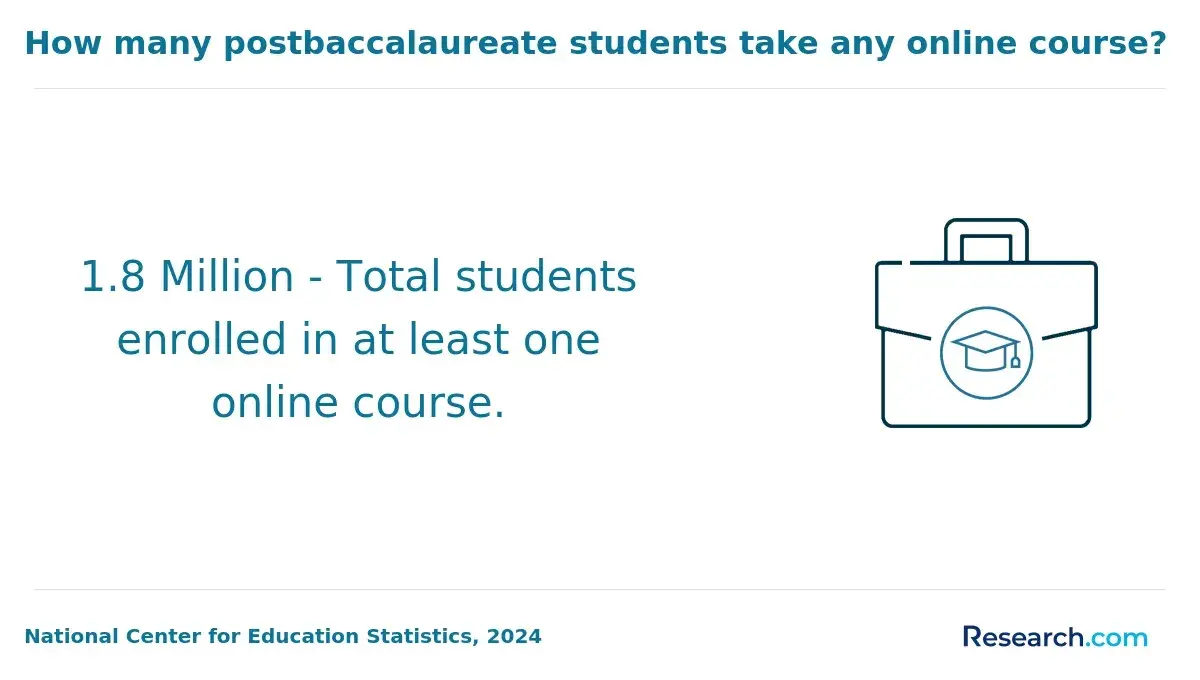
Studies show a growing demand for such flexible enrollment models, with about 40% of adult learners prioritizing programs that allow for variable start dates. For those interested in career development within legal services, this format complements other flexible education options such as BCBA online masters programs, which similarly emphasize accessibility and convenience for adult learners balancing multiple responsibilities.
What Are the Admission Requirements for Start-Anytime Legal Services Programs?
Working adults, career changers, and other nontraditional learners benefit from understanding the admission requirements for flexible start legal services program entry. These programs typically offer multiple start dates throughout the year, allowing students to enroll when it best fits their personal and professional schedules.
- Prior Education: Most programs require a high school diploma or equivalent. Applicants often need to submit transcripts to verify their academic history and preparedness.
- GPA Requirements: A minimum GPA between 2.0 and 2.5 is common, though specific programs may have slightly different standards.
- Standardized Tests: Unlike traditional degree tracks, many start-anytime enrollment legal services programs do not require SAT or ACT scores, making them more accessible to diverse learners.
- Professional Experience: While generally not mandatory, relevant work experience can enhance an application in competitive admissions processes.
- Documentation: Identification and proof of residency are usually required for enrollment to confirm student eligibility.
According to the National Center for Education Statistics, over 60% of adult learners prefer programs offering modular start dates, reflecting workforce demand for flexible, accelerated learning options in legal support fields. Those interested in accelerated options might also explore a fast track psychology degree online as an alternative pathway to advance their careers.
Can Transfer Students Enroll Immediately in Start-Anytime Legal Services Programs?
Flexible start dates are designed to help students begin their legal studies without delay, but transfer students often face unique hurdles that can affect immediate enrollment. Recognizing these challenges is essential for adult learners aiming for a smooth transition.
- Credit Evaluation: Transfer applicants must have their previous coursework reviewed to confirm transferability. This verification typically involves close scrutiny of course content and grades, which can prolong enrollment decisions well beyond initial expectations.
- Prerequisite Alignment: It's necessary for transfers to meet core course requirements before progressing. Programs may enforce strict sequencing that prevents starting advanced courses without completing foundational ones, potentially delaying start dates.
- Application Timing: Even with rolling admissions, submitting required documentation ahead of time is crucial. Without full application review, schools cannot guarantee immediate program entry comparable to new students.
- Enrollment Eligibility: Transfer students might face additional administrative steps compared to first-time enrollees. These steps ensure academic consistency but can reduce the flexibility of start-anytime models for transfers.
When discussing with a recent graduate who transferred into a legal services degree program, she expressed that the process felt slower than expected. "Although they promoted flexible start dates, my transfer credits needed detailed evaluation, which took a few weeks," she shared. She appreciated the thoroughness but noted that "the sequence of required courses meant I couldn't jump in immediately like first-year students." Still, she found the staff helpful and the overall experience manageable, saying, "Understanding the process upfront made it easier to plan my schedule without surprises." This account highlights that immediate enrollment is rarely straightforward for transfer students in start-anytime programs, but with patience and preparation, the transition can be successful.
Flexible enrollment options are increasingly important for students pursuing legal services education, especially for those balancing busy schedules. The availability of start-anytime programs varies significantly depending on whether courses are offered online or on campus, affecting accessibility and pace.
- Online availability: Most start-anytime legal services programs are offered online, enabling students to begin courses at various points throughout the year. This model supports rolling admissions and often provides asynchronous coursework, allowing learners to study on their own time without fixed class meetings.
- On-campus limitations: Traditional on-campus legal services programs usually adhere to fixed semester or quarter start dates, limiting the flexibility of enrollment. While some schools have started offering hybrid formats or short-term certificates with staggered admissions, these options remain less common.
- Scheduling and pacing differences: Online formats facilitate self-paced learning, which benefits those balancing jobs, family, and other commitments. In contrast, on-campus programs require attendance at set times, which can be challenging for commuters and working adults.
- Geographic and lifestyle considerations: Online programs provide broader access regardless of location, reducing travel and logistical barriers. On-campus attendance demands physical presence, which may not suit all students' personal or professional lifestyles.
- Emerging hybrid models: Some institutions are exploring hybrid programs that blend online and in-person elements to increase flexibility. These models are expanding but currently represent a smaller portion of flexible-start legal services education options.
For students aiming to balance education with work or personal commitments, understanding the structure of start-anytime legal services programs is essential. These programs offer flexible enrollment options and adaptable pacing designed to meet diverse needs.
- Term Schedules: Instead of fixed semesters, academic terms are divided into shorter modules, typically lasting 4 to 8 weeks. This allows students to begin courses throughout the year without waiting for traditional start dates.
- Modular Course Design: Core courses are broken into focused units that build on one another. Students may take these modules consecutively or occasionally at the same time, promoting continuous learning without rigid timelines.
- Pacing Options: Learners can adjust study speed to fit their lifestyle, with choices to accelerate or extend coursework depending on individual circumstances and workload.
- Progression Model: Many programs use competency-based assessments, enabling students to advance after demonstrating mastery rather than completing fixed time periods, fostering personalized academic growth.
According to NCES data, such flexible scheduling in online legal services education has expanded notably since 2018, reflecting increased demand from nontraditional students.
Understanding tuition payment options is essential for prospective students exploring start-anytime enrollment programs in legal services. These flexible programs cater to adult learners by offering adaptable financial arrangements that align with individual schedules and cash flow.
- Per-term or per-module billing: Tuition is often charged on a per-term or per-module basis rather than a fixed academic calendar. This system allows students to pay based on their specific enrollment date, accommodating the flexibility of start-anytime enrollment.
- Installment plans: Many programs offer installment plans to divide overall tuition into manageable payments throughout a module or term. This approach benefits working adults and career changers by easing the financial burden and aligning payments with income.
- Payment deadlines: Deadlines are usually set in relation to each module's start date instead of fixed semester dates. This ensures students meet payment requirements corresponding directly to when they begin their courses.
- Flexible tuition schedules: Institutions must maintain adaptable financial systems to support varied start dates. Over 65% of legal services programs with flexible enrollment now provide prorated billing options based on when students actually enroll, enhancing affordability.
- Financial planning advantages: These flexible tuition schedules for legal services programs let students invest incrementally without paying for future terms upfront. Students can pause or accelerate their studies while managing costs effectively.
- Additional resource: For those considering broader flexible programs, exploring online executive MBA options may provide insights into innovative tuition payment models.
For students seeking flexibility through start-anytime enrollment in legal services programs, knowing how transfer credits are handled is crucial. This is especially true for adult learners returning to study after a break or those switching from another program, as transfer credits can significantly impact their educational timeline.
- Evaluation Process: Programs generally require a thorough review of previous coursework to determine eligibility for transfer credits. This assessment often focuses on course relevance, grades earned, and the accreditation status of the prior institution.
- Credit Limits: Most programs impose a cap on the number of credits that can be transferred, typically ranging from 25% to 50% of the total credits required for completion. This ensures that students earn a substantial portion of their degree within the new program.
- Prerequisite Requirements: Transfer acceptance often depends on whether foundational courses meet program standards. Failing to meet these prerequisites may delay enrollment or alter the student's progress through the curriculum.
- Program Progression and Start Dates: While start-anytime programs offer flexible enrollment, transfer credits can affect when students begin or advance through their studies. Institutions with rolling admissions usually handle transfers on a case-by-case basis to maintain academic quality.
When discussing this topic with a student who transitioned to a start-anytime legal services program after changing from another course of study, he shared that the transfer process was both hopeful and frustrating. He noted that while some of his previous credits were accepted, others were not because they didn't align perfectly with program requirements. This meant additional coursework and a slight delay in his planned start date. Despite this, he appreciated the program's flexibility, which allowed him to enroll quickly once the transfer evaluation was completed. The student emphasized that clear communication and patience were essential throughout his transfer experience.
Accreditation plays a crucial role for students considering flexible start-anytime legal services degree programs, as it guarantees that the program adheres to quality standards recognized by educational authorities. This assurance is especially valuable for those balancing education with work or personal commitments. Proper accreditation can impact credit transferability, licensure eligibility, and employer recognition, making it a key factor in program selection.
There are two primary types of accreditation relevant to legal services programs: regional accreditation, which applies to the institution as a whole, and programmatic accreditation, which focuses specifically on the legal services curriculum. Regional accreditation is generally preferred by employers and institutions for credit transfer, while programmatic recognition can enhance a program's standing within the profession.
Although the American Bar Association does not accredit paralegal or legal services programs, endorsements from organizations like the National Association for Legal Professionals can provide additional credibility. For adult learners and career changers, choosing an accredited program increases the likelihood that their coursework will be accepted by other institutions and viewed favorably by employers, especially where certification or state licensure requirements apply.
Employer recognition is a crucial factor for prospective legal services students, especially those considering start-anytime degrees that offer flexible enrollment. As demand grows for adaptable education options, understanding how employers perceive these programs helps learners make informed decisions. According to a survey by the National Association for Legal Professionals, over 65% of legal employers value candidates from flexible online or hybrid programs, reflecting a positive trend in employer acceptance of flexible enrollment Legal Services programs.
- Accreditation status: Employers place significant importance on whether a legal services degree comes from an accredited institution. Recognition by respected bodies such as the American Bar Association (ABA) or regional accreditors assures employers of program quality and rigor, often influencing hiring decisions regardless of when a student begins.
- Industry standards and curriculum rigor: Flexible start-anytime programs that uphold the same academic standards and professional competencies as traditional degrees tend to be respected. Employers look for programs that thoroughly cover legal research, writing, and procedural law, ensuring candidates have relevant and practical skills assessed through real-world experience.
- Skills development and verification: Verified competencies demonstrated through assessments and practical training bolster the credibility of flexible programs. These competencies include critical legal skills that employers expect, which help graduates perform effectively in legal roles from day one.
- Professional reputation of the field: The legal services industry increasingly supports flexible scheduling, recognizing its alignment with modern workforce needs. Many employers appreciate candidates who have balanced their education with career or personal responsibilities, seeing this adaptability as a strength in today's diverse legal workforce.
Prospective students seeking flexible Legal Services education options may explore online master's programs for an efficient pathway that fits their schedules without compromising quality. Understanding the employer acceptance of start anytime Legal Services degrees can help adult learners and career changers confidently pursue their goals.
Choosing the right start-anytime legal services program is essential for working adults and career changers who require flexibility. Evaluating multiple factors ensures the program fits individual schedules and professional goals while maintaining quality and credibility.
- Accreditation and credential recognition: Programs accredited by recognized agencies guarantee quality education and are more widely accepted by employers. Confirming national or regional accreditation helps avoid challenges with transfer credits and professional recognition.
- Program format and pacing flexibility: Many start anytime legal studies admissions offer asynchronous, self-paced formats ideal for balancing work and study. This approach supports flexible enrollment legal services programs favored by 35% of adult learners, according to NCES data.
- Credit transfer and prior learning assessment: Clear policies regarding credit transfers and recognition of relevant work experience can shorten program duration and reduce costs. This transparency prevents redundant coursework and optimizes educational investment.
- Cost and financial aid availability: Fees may vary in flexible start programs, so understanding tuition alongside financial aid options is key. Scholarships, employer tuition assistance, and other funding sources can significantly ease financial burdens, as noted by CHEA.
- Employer and industry recognition: Programs aligned with industry standards and legal career requirements typically offer better job prospects. Verifying that credentials meet the expectations of potential employers enhances program value.
- Alignment with specific career objectives: Whether aiming for paralegal certification, legal administration, or compliance specialization, the chosen program should support targeted professional growth. Matching curriculum to career goals ensures relevant skills and qualifications.
For those interested in expanding qualifications, exploring online certification programs related to legal services can also provide valuable credentials that pay well and complement start-anytime enrollment options.
What Graduates Say About Flexible Start-Anytime Enrollment for a Legal Services Program
- Dora: "I decided to enroll in a legal services degree program because I needed the flexibility to start whenever it suited me, and the start-anytime enrollment dates were perfect for my schedule. The cost was reasonable, especially considering the average attendance fees are often much higher elsewhere. Since graduating, I've seen a significant boost in my career opportunities, and I feel more confident handling legal tasks professionally."
- Kyros: "Choosing a legal services program with start-anytime enrollment gave me the freedom to manage my education alongside my job. The affordability really stood out to me; with average costs being moderate, it was a smart investment in my future. This degree has opened doors I hadn't expected and deepened my understanding of legal processes in a practical way."
- Alyana: "From a professional standpoint, the flexibility of a legal services degree program that offers start-anytime enrollment dates was crucial for my career advancement. The cost aligned well with budget expectations, reflecting great value without sacrificing quality. Earning this degree provided tangible impact-I now handle complex legal matters with greater expertise and confidence."
Other Things You Should Know About Legal Services Degrees
Yes. Programs should be approved by the school’s institutional accreditor, and many legal services or paralegal pathways also seek voluntary approval from the American Bar Association. In some states, legal support roles require programs that meet specific state education rules before graduates can qualify for certification or employment.
Yes, flexible start-anytime legal services programs are designed to accommodate students who balance education with full-time employment. These programs allow learners to begin courses according to their own timelines and often feature asynchronous classes that can be accessed outside regular business hours. This flexibility helps working adults manage academic commitments alongside professional responsibilities.
Flexible start-anytime programs allow students to progress at their own pace, potentially leading to faster completion if they manage their time well. In contrast, traditional programs follow a fixed schedule, leading to more predictable graduation timelines but less flexibility.
Many flexible start-anytime legal services programs encourage or require internships or practical experience, but the availability and scheduling options may differ from traditional programs. Schools often coordinate with legal firms or organizations that can offer part-time, remote, or flexible internship placements. It is important for students to confirm these opportunities and deadlines with their program advisors early in their studies.
- PVT School for Legal Practice (Attendance) - Candidate Legal Practitioner https://www.lssalead.org.za/course/practical-vocational-training-law-school/
- Admission Information for Transfer Students https://www.uoguelph.ca/admission/undergraduate/transfer/
- Apply Now | Start Your SQE Journey Today https://www.collegalpractice.com/our-programmes/apply
- Transfer Policies Law Schools 26-50 | Spivey Consulting https://www.spiveyconsulting.com/blog-post/transfer-policies-law-school-26-50
- PG Law Programme Year Planner September https://www.qmul.ac.uk/law/postgraduate/programmes/llm-dip-year-planner-sept/
- JFK School of Law: Online Juris Doctor Program | NU https://law.nu.edu/
- Prospective Candidates - Law Practice Program at Toronto Metropolitan University https://lpp.torontomu.ca/prospective-candidates/
- SQE1 Preparation Course https://www.law.ac.uk/study/postgraduate/law/sqe-1-preparation-course/
- Online Paralegal Course https://www.elms.edu/online-paralegal-course/
- Five reasons to work for a flexible legal services provider - Interim Legal https://interimlegal.ch/five-reasons-to-work-for-a-flexible-legal-services-provider/