2027 Credit Requirements for a Legal Services Degree Explained

Co-Founder and Chief Data Scientist
Many students pursuing a legal services degree struggle to meet credit requirements, delaying graduation and entry into the workforce. According to the National Center for Education Statistics, only 58% of students in legal-related associate programs complete their degrees within three years. This gap often results from unclear transfer policies and inadequate academic planning specific to legal services education. The complexity of credit allocation can impede timely progress and increase financial burdens.
This article will clarify credit requirements, explore transfer options, and offer strategies for efficient academic planning to help students graduate on schedule and advance their careers in legal services.
Key Things to Know About Credit Requirements for Legal Services Degrees
- Legal services degree programs generally require a comprehensive accumulation of credits spanning several years, shaping the typical duration and depth of academic study.
- Transfer credits or recognition of prior learning can significantly shorten required coursework, facilitating faster progression and reducing educational costs.
- Credit structures influence students' academic planning, impacting tuition expenses and graduation timelines, with efficient credit management enhancing workforce readiness in a competitive legal market.
How Many Credits Are Required for a Legal Services Degree?
Accurately estimating credit requirements is essential for effective academic planning and timely completion of a legal services degree. This knowledge allows students to allocate their time and resources efficiently while avoiding unnecessary delays. Below is a breakdown of typical credit expectations by degree level.
- Associate Degree: Typically requires between 60 and 70 credits. These credits combine general education courses, foundational legal studies, and specialized legal services coursework to create a well-rounded curriculum that builds essential skills.
- Bachelor's Degree: Generally comprises about 120 to 130 credits. This total includes extensive general education in subjects such as English, communication, and social sciences alongside core legal services classes and electives to deepen legal expertise, reflecting the broader scope of undergraduate studies.
- Graduate Degree: Usually demands around 30 to 40 credits beyond the bachelor's level. These advanced programs prioritize specialized coursework, research components, and often completion of a capstone or thesis, focusing on professional development in legal services or related fields.
Prospective students considering credit requirements for their legal services degrees might also explore pathways to complement their education, such as programs related to bcba certification online, which can enhance professional qualifications in related domains. Understanding legal services degree credit hour requirements is a foundational step toward academic success and career preparation.
How Many Core and Elective Credits Are Required for a Legal Services Degree?
Balancing core and elective credits is key to effective academic planning and building specialized expertise within a Legal Services degree. Recent data shows that students who carefully align their electives with career goals tend to achieve higher employment rates, emphasizing the strategic value of course selection.
Below is an outline of typical credit distributions to guide students in managing their degree requirements:
- Core courses: These usually constitute about 60% to 75% of total credits, often ranging between 30 and 45 credits in a 60-credit associate or bachelor's program. Core course credit requirements for legal services degrees focus on foundational topics such as legal research, civil litigation, contract law, and legal writing. Mastering these subjects develops essential skills required for entry-level legal roles.
- Electives: Elective credits typically range from 15 to 30, allowing students flexibility to tailor their education. Elective credits vs core credits in legal services programs offer opportunities to study areas like family law, real estate law, intellectual property, or ethics. This customization helps students develop specialized knowledge aligned with their professional interests and goals.
For students seeking flexibility in balancing specialized studies with foundational requirements, exploring options like cacrep accredited online counseling programs can offer insights into how varied course structures support career readiness across disciplines.
Do Online Legal Services Programs Require the Same Number of Credits?
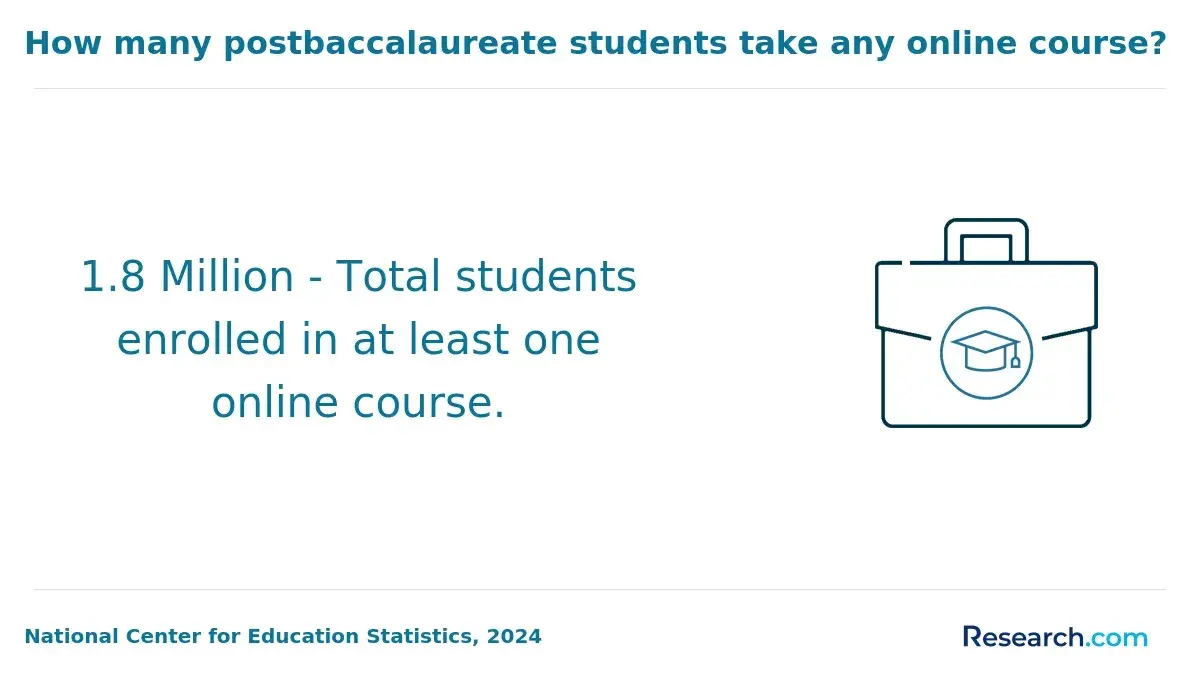
Knowing how credit requirements compare between online and on-campus legal services programs helps students plan their education effectively and weigh program options accurately. This understanding also ensures transfer credits and course loads support timely graduation. Enrollment in online legal services courses has increased by more than 20% over the last five years, showing growing demand for flexible learning.
Several factors shape how credit requirements align across delivery methods:
- Credit load consistency: Most online legal services degrees require between 60 and 120 credit hours, matching traditional program credit expectations regardless of format.
- Course flexibility: Online programs often deliver classes asynchronously, allowing students to manage schedules more independently while covering the same core material as on-campus versions.
- Pacing and progression: Students can often adjust the pace of their studies online, accommodating personal responsibilities without changing the total credits necessary for graduation.
- Alignment with professional standards: Credits are structured to ensure mastery of essential legal skills and knowledge needed for workplace readiness and credentialing.
When I spoke with a graduate of an online legal services degree about whether online and on-campus programs require the same credits, he confirmed the parity in credit demands but emphasized the advantages of the online format. He shared that, "balancing work and study was tough, but the asynchronous courses let me complete required credits on my own timeline. The program's structure made it straightforward to track progress toward graduation." He also appreciated that despite the flexible delivery, the academic rigor remained "just as challenging and comprehensive" as traditional classes, fully preparing him for his career.
Students aiming to complete accelerated legal services programs must carefully consider credit requirements to ensure timely graduation while meeting academic standards. Proper planning around credits helps manage the demanding pace and heavier workload inherent to these programs.
Key points about credit expectations in accelerated programs include:
- Credit Range: Students typically need between 30 and 60 credits to graduate, varying by degree level. Accelerated undergraduate tracks generally require fewer credits, while graduate or professional programs often demand higher credit totals due to advanced curriculum.
- Course Composition: Credits consist of core legal subjects that build essential knowledge and electives that offer specialization opportunities. This blend provides a comprehensive education tailored to a student's specific career goals.
- Program Intensity: The compressed schedule intensifies weekly coursework, often requiring students to maintain a full course load every term. This heightened pace limits outside commitments and necessitates focused study habits.
- Transfer Credit Options: Many programs allow transfer credits, helping reduce the remaining credit load. Verifying these policies early enables students to leverage prior coursework effectively in their accelerated pathway.
Knowing how many transfer credits are accepted can significantly impact a student's timeline and expenses when pursuing a legal services degree. With nearly 40% of students in these programs entering as transfer students, understanding credit policies is vital for effective academic planning. The following outlines typical credit transfer acceptance across degree levels.
- Associate degrees: These programs generally accept up to 50-70% of total credits from other institutions. Most transferred credits apply to general education and electives, while core legal services courses often have stricter limits.
- Bachelor's degrees: Transfer limits typically range from 60-75%, with greater flexibility for elective credits. Major-specific courses, particularly those tied closely to legal services content, may see more restrictions.
- Master's and professional degrees: These advanced programs usually allow 25-50% transfer credits, focusing on alignment with their academic standards. Transferred coursework must closely match core subject matter to qualify.
- Doctoral programs: Transfer credits are rarely accepted because of the emphasis on original research and specialized study. Most coursework must be completed within the matriculating institution.
- Accelerated programs: These typically have stringent transfer policies due to compressed timelines, often accepting fewer credits to maintain program integrity.
When I spoke with a recent graduate of a legal services degree about her transfer credit experience, she recalled feeling anxious but motivated. "Navigating transfer evaluations was complex," she shared, "especially ensuring core classes matched curriculum requirements." She explained that while some credits transferred smoothly, others required extra documentation and patience. Ultimately, careful early planning helped her maximize credit acceptance, shortening her path to graduation. She noted, "It was rewarding to see previous efforts recognized, which saved both time and tuition." Her experience highlights how persistence and clear communication can make transfer credit policies work in a student's favor.
Prior learning assessment (PLA), or credit for experience, allows students to earn academic credits toward a legal services degree by verifying relevant professional work experience. Typically, this includes employment involving direct application of legal knowledge, such as paralegal roles or positions requiring legal research and client communication. Below is a summary of common qualifying work experience and how institutions handle credit transfer for legal services degree programs.
- Paralegal and Legal Assistant Experience: Universities often accept experience where students have performed tasks like drafting documents or conducting legal research. Documentation such as employer letters and work samples helps verify these skills.
- Legal Research and Policy Analysis: Roles involving in-depth legal research or analysis in law firms, corporate departments, or government agencies are considered. Students may need to complete exams or interviews to confirm proficiency.
- Documentation and Verification: Schools require detailed portfolios or employer verification to assess the relevance and depth of experience. This ensures the credibility of credit awarded via PLA.
- Credit Limits and Academic Balance: Many institutions cap prior learning credits, commonly allowing up to 25-30% of total degree credits, to maintain academic rigor across a student's studies.
- Impact on Time and Cost: Applying work experience credits can reduce both time to degree completion and tuition expenses, offering a flexible option for those balancing work with education.
Prospective students should weigh transfer credits for legal services degree programs carefully since policies vary and preparation for PLA submission is crucial. Both online and campus programs may offer these options, catering to diverse needs. For students seeking related educational pathways with affordable tuition, consider exploring affordable online mft programs as an alternative in the broader legal and human services field.
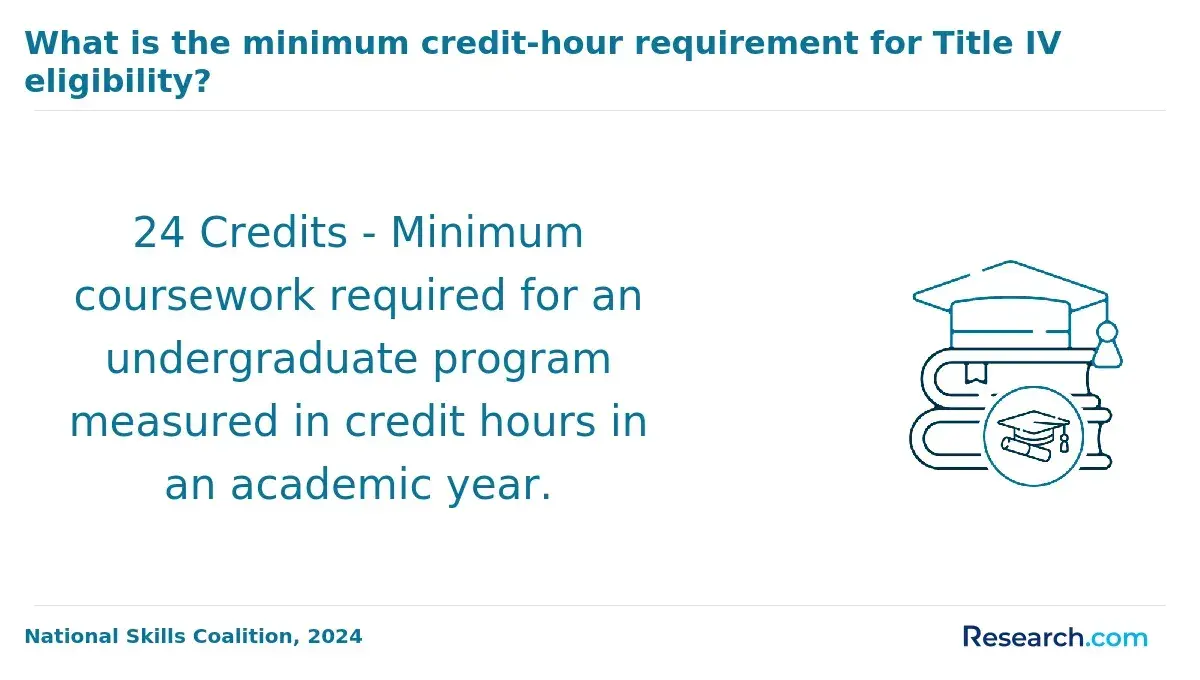
Breakdown of All 2-Year Online Title IV Institutions

Licensure requirements often influence credit hour requirements for legal services licensure by mandating specific coursework, clinical hours, or practical experiences. Many states and licensing boards impose these standards to ensure graduates are ready for the demands of professional practice. Consequently, legal services degree programs may require additional credits beyond the general curriculum to comply with these prerequisites. Accreditation closely ties into this relationship, as accredited programs must align their courses and hands-on training components-such as internships or supervised practicums-with licensure rules. These necessary additions can extend time-to-degree completion and potentially increase tuition costs as students invest extra semesters fulfilling these requirements.
Both online and campus-based legal services programs navigate these licensure and accreditation challenges, though online programs might provide more scheduling flexibility for practical components. Variations by state or licensing board mean prospective students should closely review local requirements to ensure credits earned apply toward licensure goals. Aligning degree credits with licensure benefits students by smoothing the transition to professional work and avoiding gaps in training, but it also introduces challenges like increased academic workload and less curriculum flexibility. Students seeking to complete their legal services degree efficiently should incorporate these factors into academic planning and consider options such as cheap online degrees that balance cost and licensure demands.
- Credit hour requirements for legal services licensure
- Impact of licensure on legal services degree credits
A credit hour measures the amount of academic work assigned to a course, typically representing one hour of classroom instruction plus two hours of outside study per week during a semester. Understanding credit calculations is crucial for students planning a legal services degree to meet graduation requirements and manage credit transfers effectively.
- Lectures: Standard lecture courses usually award one credit hour per weekly classroom hour. These accumulate as the core of most legal services programs and contribute significantly to total graduation credits.
- Labs and Clinical Courses: These involve practical or supervised experiences, often granting one credit hour for every two to three hours spent in the lab or clinic. They emphasize skill development and applied learning in legal services.
- Practicums and Capstone Projects: Focused on applied skills and research, these courses assign credits based on hours dedicated to guided work and final deliverables, reflecting hands-on proficiency.
Credit hour requirements for legal services degree programs vary between undergraduate and graduate levels. Graduate courses often require more intensive work per credit but award fewer credits per hour, reflecting their rigorous nature. Online and on-campus formats calculate credits similarly, although online programs may emphasize virtual engagement and assignments over physical attendance.
Universities use specific university credit calculation methods for legal studies to maintain consistent academic standards. Accreditation agencies regulate these methods, ensuring transferability and quality. Students exploring flexible learning may consider online colleges that accept fafsa to find affordable options for earning credits.
The total credit requirement for a legal services degree is a crucial element that determines how long it takes students to graduate. Programs generally mandate between 60 and 90 credits, covering essential coursework, electives, and practical training. Below are key factors that influence how credit requirements impact graduation timelines:
- Required core credits: These fundamental courses are compulsory and often follow a specific sequence. Scheduling or availability challenges can result in longer completion times if students cannot enroll as planned.
- Elective requirements: Electives offer some flexibility, but inefficient selection or inability to complete them promptly may delay overall progress.
- Transfer credits: Transferring previously earned credits from other institutions can reduce the number of required credits, potentially accelerating graduation, subject to the institution's policies.
- Accelerated program formats: Some schools provide intensive or accelerated classes that enable faster accumulation of credits, which helps shorten the time to degree both online and on campus.
- Prior learning assessments: Demonstrating existing knowledge or skills through exams or portfolios can convert into credit, allowing students to skip certain courses and finish sooner.
These elements affect the pace at which students complete their degree whether attending classes in person or remotely. Strategic academic planning, as well as understanding institutional credit policies, allows students to manage their coursework effectively to graduate on time.
Earning extra academic credits beyond the standard requirements can enhance career advancement, leadership opportunities, and qualification for specialized or higher-paying roles in specific legal industries. However, the benefits depend largely on the relevance and application of those additional credits within the job market.
- Advanced concentrations: Specialized coursework in areas like compliance or legal technology can prepare graduates for niche sectors and elevate salary prospects.
- Licensure preparation: Extra credits that support certification or licensing requirements make candidates eligible for accredited professional roles.
- Technical skill development: Additional training in research methods or legal software enhances employability in competitive markets.
- Leadership readiness: Deeper academic focus may signal the expertise needed for supervisory or managerial positions.
- Lack of specialization: Credits earned without clear professional relevance may not improve earnings or job opportunities.
- Excess coursework: Employers may view an overabundance of credits outside core requirements as inefficient or unnecessary.
- Focus on entry-level roles: For positions emphasizing practical support, completing required credits swiftly is often more valuable than accumulating extras.
- Academic versus professional priorities: Academic degrees emphasize electives and research, while professional programs focus on hands-on skills, influencing how additional credits impact careers.
Labor market demands increasingly reward candidates with relevant, specialized knowledge over those with simply a higher total of credits. Employers tend to prioritize the quality and applicability of coursework rather than volume, favoring graduates who demonstrate targeted skills aligned with industry needs. Considering career goals and program structure is essential when deciding to pursue additional credits in legal services programs.
What Graduates Say About The Credit Requirements for Their Legal Services Degree
- Jesse: "The flexibility of the online legal services degree program allowed me to complete credits at my own pace, which was crucial while managing a full-time job. With credits costing less than traditional programs, it was a financially smart choice. Earning extra credits not only expanded my knowledge but also opened doors to higher positions in my firm."
- Harriet: "Reflecting on my journey, the legal services degree program's cost per credit was much more manageable compared to in-person institutions. The ability to fulfill credits online gave me the freedom to balance family and study without rushing. These extra credits enriched my expertise, making a tangible difference in my career progression."
- Alex: "The online legal services degree offered a professional approach to completing program credits with clear cost benefits, averaging well below traditional tuition rates. Taking additional credits online enhanced my critical skills, contributing directly to my advancement in the legal sector. The program's design truly respects a working professional's schedule and budget. "
Other Things You Should Know About Legal Services Degrees
In 2027, to earn a legal services degree, students typically must complete around 90-120 semester credits, including core courses in legal writing, ethics, and specialized legal service topics. Accreditation bodies and universities may specify exact numbers and course lists, so referring to your specific institution's catalog is essential.
Part-time legal services students typically follow the same total credit requirements as full-time students but spread their coursework over more semesters. Institutions often allow flexible scheduling to facilitate balancing work and study, and part-time students may have different deadlines or milestones to complete the required credits. This approach ensures access while maintaining academic rigor.
A legal services degree program should be accredited by a recognized agency approved by the U.S. Department of Education or CHEA, and it should meet the school’s stated credit-hour structure. Many programs require 60 credits for an associate degree or 120 credits for a bachelor’s degree.
- Bachelor of Legal Services https://www.vu.edu.au/courses/bachelor-of-legal-services-lbls
- Accelerated Law Admissions Program https://www.law.pitt.edu/admissions/accelerated-law-admissions-program
- Bachelor of Science Legal Studies https://europe.umgc.edu/online-degrees/bachelors/legal-studies
- Online Bachelor's Degree: Legal Studies https://www.umgc.edu/online-degrees/bachelors/legal-studies
- Qualifying Work Experience (QWE) - SQE requirements https://sqe.sra.org.uk/about/what-is-sqe/qualifying-work-experience
- M101 LLB Law Accelerated Programme 7254 (2 years) | University of Southampton https://www.southampton.ac.uk/courses/law-accelerated-programme-degree-llb
- J.D. Programs https://www.brooklaw.edu/academics/jd-program/
- Transfer of Credit https://paralegal.edu/transfer-of-credit/
- What Do You Need to Study to Become a Lawyer? | MWCC https://mwcc.edu/blog/what-to-study-to-become-a-lawyer/
- Transfer Credit Policy | Legal Studies https://www.cod.edu/academics/programs/legal-studies/transfer-credit-policy.html