2027 Is a 2-Year Legal Services Degree Worth It: Accelerated Bachelor's ROI & Time Trade-Offs

Co-Founder and Chief Data Scientist
Prospective students often face uncertainty when weighing the value of a two-year legal services degree, especially through accelerated bachelor's programs. With 35% of legal support roles expected to grow by 2028, time efficiency and return on investment (ROI) are crucial considerations. Many wonder if the shortened duration compromises knowledge or job prospects. This article examines the actual ROI of accelerated legal services degrees, analyzing salary outcomes, job placement rates, and time trade-offs. It provides data-driven insights to help readers determine if this educational pathway meets their professional ambitions and financial expectations in today's competitive legal job market.
Key Benefits of a 2-Year Legal Services Degree
- Accelerated legal services degrees reduce time to workforce entry by nearly 50%, allowing quicker salary earnings and decreased student debt accumulation.
- Graduates often see a positive ROI within three years, with entry-level salaries averaging 15% above community college norms.
- The focused curriculum emphasizes practical skills, enhancing employability in paralegal and legal assistant roles amid steady industry growth.
How Do 2-Year Legal Services Programs Work?
A two-year legal services degree program offers an accelerated route for students aiming to enter legal support roles more quickly than traditional four-year programs. Understanding this streamlined structure is key for prospective students weighing the demands and benefits of faster completion. Below is a breakdown of how 2-year legal services degree program structure typically functions.
- Accelerated pacing: These programs condense four years of coursework into approximately 24 months by running classes continuously throughout the year, including summer and winter sessions.
- Year-round enrollment: Enrollment is maintained across all calendar seasons, allowing students to progress without extended breaks and complete the program faster.
- Condensed course terms: Each semester or term is shorter and more intensive, requiring students to absorb material at a quicker rate than in standard programs.
- Credit load expectations: Students often carry heavier credit loads per term, typically 12 to 15 credits, to meet graduation requirements within the compressed timeframe.
- Instructional format: A combination of online and in-person classes is used to enhance flexibility, supporting working adults balancing education with other responsibilities.
- Assessment methods: Evaluations include quizzes, project-based assignments, mock trials, and cumulative exams focusing on applied legal knowledge over theory.
- Curriculum progression: Prerequisite courses ensure foundational legal concepts are mastered early, allowing a logical advancement into specialized subjects.
Considering accelerated legal services coursework and workload, students should plan for a demanding but efficient study experience. The National Center for Education Statistics notes these programs reduce time-to-degree by nearly half, which can lead to cost savings and earlier workforce entry. Paralegal and legal assistant roles, common for graduates, offer a median annual wage near $56,000 with positive job growth projections according to the U.S. Bureau of Labor Statistics. Students also might compare options with other accelerated programs; for example, the cheapest online pharmacy school highlights how affordability and pace vary across fields.
What Are the Admission Requirements for a 2-Year Legal Services Degree?
Carefully reviewing admission requirements is crucial for students weighing the benefits of accelerated legal services education, especially when considering an accelerated bachelor's in Legal Services. These criteria shape eligibility and inform prospective students about academic and preparatory expectations. Below is a detailed breakdown of typical admission components to help guide your decision-making process.
- Prior Education: Most 2-year legal services degree programs require a high school diploma or equivalent, like a GED. Some accelerated options may expect an associate degree or a certain number of college credits, but many accept applicants directly from secondary education.
- GPA Expectations: Minimum GPA standards often range between 2.0 and 2.5 on a 4.0 scale. Meeting these benchmarks demonstrates readiness for college-level coursework and improves admission chances.
- Standardized Tests: SAT or ACT scores are less frequently mandated for community college-based programs, though some institutions may consider them during their evaluation process.
- Prerequisite Courses: Coursework in English composition, basic computer proficiency, or introductory legal studies may be required or recommended to ensure students can meet program demands effectively.
- Work Experience: While legal or administrative work experience is typically not mandatory, having relevant background can benefit applicants in competitive admissions.
Admission criteria for 2-year legal services degree programs vary, but understanding these elements helps applicants align their preparation. Additionally, students exploring requirements to enroll in accelerated legal services program tracks should consider the time and financial savings, as accelerated programs can shorten degree completion significantly. According to the National Center for Education Statistics, these programs may reduce degree time by up to two years, supporting earlier entry into legal services careers.
Prospective students interested in streamlined paths might also explore easy DNP programs as another example of accelerated degree options with defined admission processes.
What Does a Typical Week Look Like in a 2-Year Legal Services Program?
Knowing the weekly demands and structure of a 2-year accelerated legal services program helps students gauge if they can keep up with the intensity while balancing other responsibilities. This understanding also reveals how time commitments translate into skill-building opportunities. What follows is an overview of the typical components shaping each week for learners in this fast-track path.
- Class sessions and lectures: Students attend daily or near-daily classes that blend theory with practical applications. These sessions cover essentials like legal research, writing, ethics, and courtroom skills to build a strong foundation.
- Assignments and assessments: Weekly tasks include drafting documents, completing case studies, and preparing for quizzes or exams. These activities reinforce learning and ensure mastery of material.
- Collaborative group work: Team projects simulate professional legal environments. Participants engage in peer reviews, joint research, or role-playing client interactions to enhance communication and problem-solving.
- Independent study: Substantial out-of-class hours are devoted to reading, brief preparation, and studying. Given the program's accelerated pace, managing this time efficiently is critical to prevent falling behind.
- Instructor interaction: Access to instructors occurs through office hours, forums, or one-on-one meetings. This support helps clarify complex topics and guides students through challenging content.
- Time management demands: Balancing coursework, group responsibilities, and self-study requires discipline and organization. The accelerated format intensifies these expectations, pushing students to develop strong planning skills.
When asked about his experience, a professional who earned a bachelor's degree in legal services within two years reflected on the demanding rhythm: "It felt like juggling multiple priorities constantly. Some nights, preparing for a mock client interaction and reviewing case law went late into the evening." He emphasized how vital it was to carve out strict schedules and stick to them. "Without a plan, the workload felt overwhelming, but breaking tasks into smaller chunks made it manageable." His account illustrates that success in such programs depends not only on academic ability but also on adaptability and perseverance.
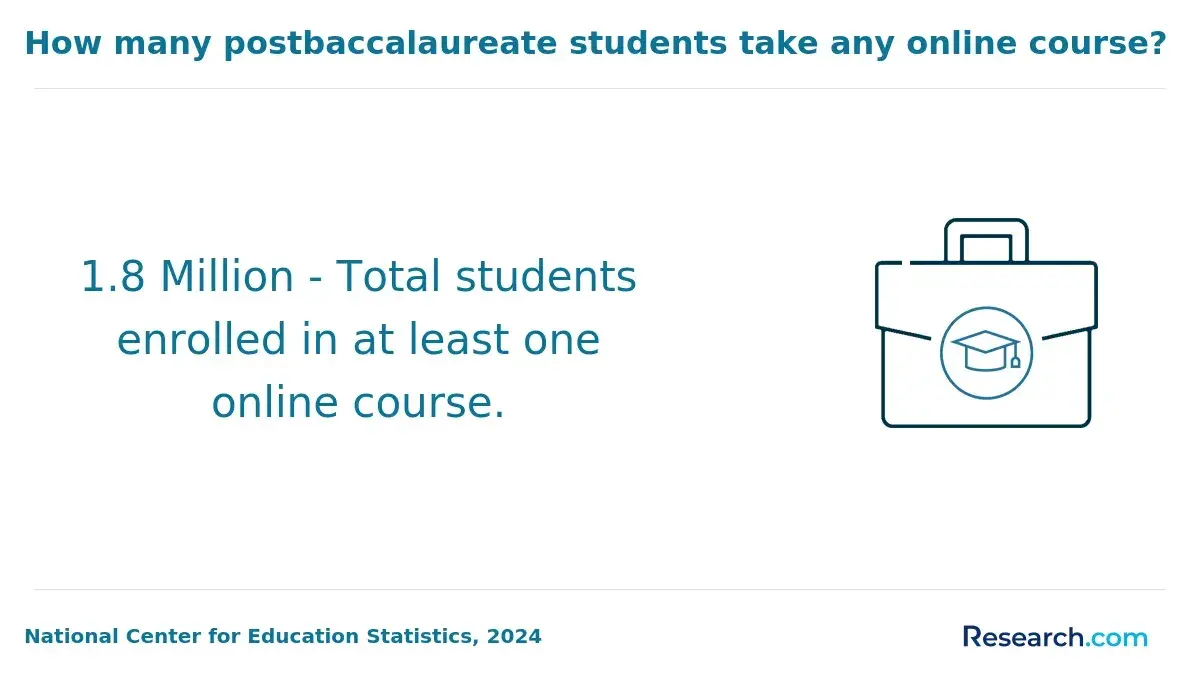
Choosing an online delivery format is crucial for students pursuing an accelerated legal services degree, as it directly affects flexibility, access, and how they manage their time. These elements are especially important for those balancing work, family, or other commitments. Below is an overview of the common features found in two-year online legal services programs.
- Fully online vs. hybrid: Programs may be entirely online or combine remote learning with occasional in-person sessions, giving students options that fit their schedules and learning preferences.
- Asynchronous and synchronous learning: Self-paced coursework allows learners to study on their own time, while live classes provide real-time interaction, fostering engagement but requiring set schedules.
- Technology needs: Students typically need reliable internet, a webcam-equipped computer, and familiarity with digital platforms to participate effectively in online coursework.
- Student support services: Comprehensive virtual assistance like tutoring, career guidance, and technical help supports student success across the accelerated timeline.
- Impact on pacing and engagement: Online formats often enable faster completion compared to traditional programs, though coordinating synchronous sessions can challenge students across time zones.
Evaluating the total cost of a 2-year legal services degree is critical for assessing the return on investment of an accelerated program. Beyond tuition, other expenses such as fees, learning materials, and technology costs contribute to the overall financial commitment. A careful look at these factors helps students align their educational choices with career and financial goals, especially when comparing accelerated to traditional timelines.
- Tuition structure: Accelerated legal services programs often charge tuition per credit or term. Because students complete their degrees faster, total tuition may be lower compared to a traditional four-year program, which impacts the cost of accelerated legal services degree.
- Mandatory fees: Students should expect registration, activity, and technology fees that may vary by school. These fees add to the total expense and can differ significantly from one institution to another.
- Textbooks and learning materials: Up-to-date legal texts, case studies, and access to online legal databases are essential for this field. These materials represent an ongoing cost throughout the duration of the program.
- Technology or lab costs: Some courses require simulation software or virtual labs, which may increase expenses. Understanding these fees before enrollment can impact budget planning.
- Comparison to traditional programs: Accelerated degrees condense study time, saving 1 to 2 years of tuition and living expenses according to data from the National Center for Education Statistics. However, the intensive schedule might limit part-time work opportunities, influencing financial decisions.
For those exploring related fields, resources such as programs for a health administration degree online may offer comparable insights into cost and accelerated education models.
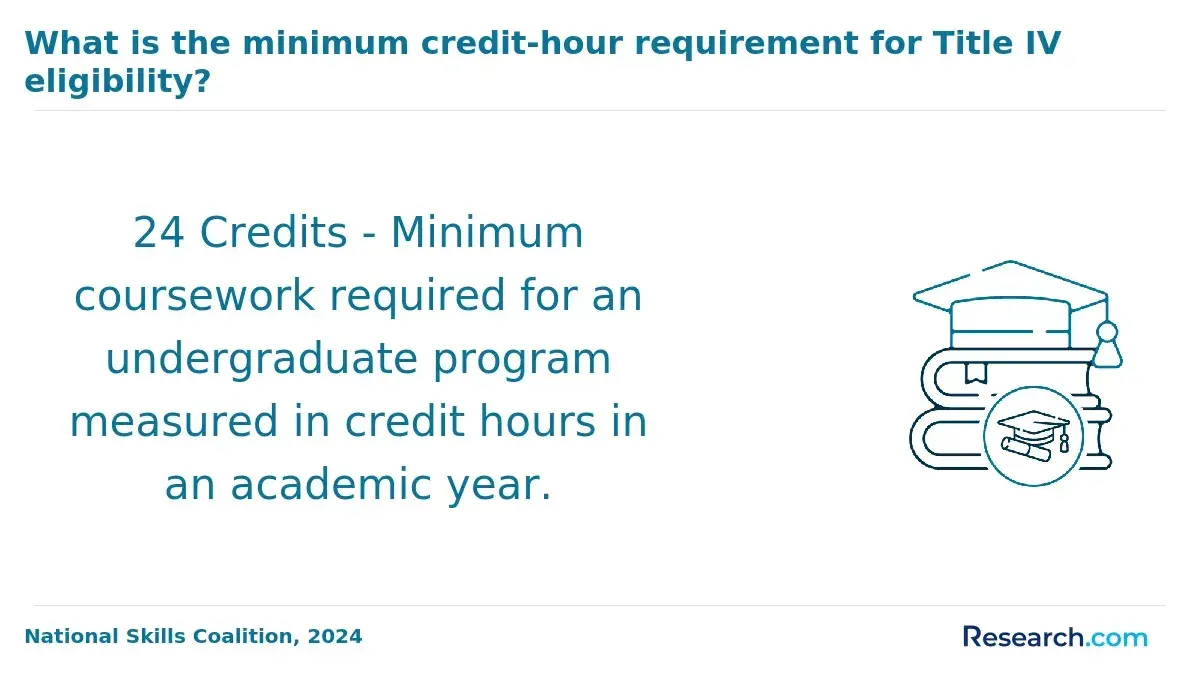
Financial aid availability is a crucial factor for students assessing accelerated legal services degrees, as these programs often require a significant upfront time and financial commitment. Understanding the types of funding accessible-and how the accelerated format influences aid distribution-can help students plan effectively. Below are key points outlining common financial aid options and considerations.
- Federal Student Aid Eligibility: Most 2-year legal services programs qualify for federal financial aid under Title IV, making students eligible for Pell Grants, Direct Subsidized and Unsubsidized Loans, and work-study. However, because courses are condensed into shorter terms, disbursement schedules and enrollment status may differ from traditional programs, affecting the timing and amount of aid received.
- Scholarships and Grants: Specialized scholarships targeting legal or paralegal studies are available from various organizations committed to supporting legal career paths. These awards do not require repayment and can substantially reduce tuition costs if secured.
- Employer Tuition Assistance: For working adults, employer-sponsored tuition programs can provide valuable financial help, especially if their job relates to legal services. This benefit often supports both part-time and full-time students balancing work and study.
- Payment Plans: Many institutions offer payment plans that allow students to spread out tuition fees over time. This flexibility can make managing the upfront costs of accelerated programs easier, even though the course load is intense.
- Impact of Accelerated Pacing: The accelerated nature often means faster completion but may require rearranging financial aid budgets. Students should be aware that aid may come in larger sums for shorter terms, or that eligibility requirements might vary compared to traditional four-year tracks.
When I spoke with a professional who completed her bachelor's in legal services in two years, she shared how navigating financial aid was both a challenge and a necessity. "Managing aid on an accelerated timeline meant juggling larger payments with compressed semesters," she explained. Despite this, she found that scholarships targeted to legal studies helped ease financial pressure early on. She also utilized employer tuition assistance, which made balancing work and coursework more feasible. "Filing FAFSA early and staying on top of deadlines was critical," she added. Reflecting on the journey, she noted that financial aid, while complex, was instrumental in allowing her to achieve her degree efficiently and confidently.
Evaluating the career outcomes of an accelerated legal services bachelor's degree is crucial for prospective students who want to ensure their time investment leads to meaningful job prospects. Knowing the typical roles and industries accessible with a 2-year legal services degree helps align educational choices with long-term career goals. Below is an overview of some common positions and how this degree format supports workforce readiness and advancement.
- Legal assistants and paralegals: Graduates often fill these entry-level roles, performing essential tasks like drafting legal documents, conducting research, and managing case files. These positions are available in law firms, corporate legal departments, government agencies, and nonprofit organizations.
- Court clerks and title examiners: These roles focus on administrative and investigative functions that support court systems and real estate transactions. The training provides a solid foundation in legal terminology and procedures, preparing graduates for these responsibilities.
- Compliance aides: Many graduates assist organizations in adhering to legal and regulatory standards. Understanding ethical codes and legal research gained in the program is critical to these roles, which are increasingly important across multiple industries.
- Accelerated workforce entry: The 2-year degree structure allows students to enter the workforce sooner than traditional four-year degrees, enabling faster skill application and early career progression. This efficiency can be a key factor for those seeking prompt immersion into legal support roles.
The career opportunities with accelerated legal services degree programs reflect growing demand for cost-effective legal support, shown in projections of employment growth for paralegals and legal assistants. For individuals evaluating their options for affordable education and career advancement, exploring complementary fields such as healthcare management may also be relevant. For example, the cheapest online healthcare management degree offers another accelerated path worth considering for those interested in related administrative and compliance careers.
Salary outcomes are a crucial consideration when evaluating the return on investment (ROI) between accelerated 2-year legal services degrees and traditional bachelor's degrees. Understanding these differences helps prospective students weigh the benefits of completing education sooner against potential longer-term earning gains. Below is a detailed comparison of typical salary trajectories to guide these decisions.
- Early-career earnings: Graduates with a 2-year legal services degree often start with salaries ranging from $40,000 to $55,000 annually, based on U.S. Bureau of Labor Statistics (BLS) data for paralegals and legal assistants. In contrast, those holding traditional bachelor's degrees in legal or related fields generally earn between $50,000 and $65,000 initially.
- Long-term earning potential: Bachelor's degree holders tend to see career advancement opportunities that increase earnings beyond $70,000 over time. Roles in management or specialized legal consulting are more accessible with a bachelor's degree, leading to higher median wages after several years.
- Employer perception and promotion: Employers often view traditional bachelor's degrees as more versatile credentials providing broader skills, which can enhance hiring and promotion prospects compared to associate-level credentials in legal services.
- Faster workforce entry: Completing a 2-year legal services degree allows graduates to enter the workforce approximately two years earlier, potentially earning wages during that time. This accelerated timeline may offset some salary disparities when considering total lifetime earnings.
- Growth and education costs: The legal services field is expected to grow steadily by 7% through 2032, supporting demand for associate-level professionals. Accelerated bachelor's programs in legal services can reduce education duration by 1 to 2 years compared to traditional four-year degrees, affecting both costs and lost income during study.
For students evaluating options, also consider tuition and program efficiency by exploring alternatives like the cheapest DNP online program to understand financial commitments across similar accelerated educational paths.
For students considering accelerated legal services degrees, evaluating return on investment (ROI) is essential to ensure their time and money yield meaningful career and financial benefits. Since these programs condense education into a shorter timeframe, understanding the various elements that drive ROI helps prospective students make informed decisions. Below is an overview of the most influential factors impacting the value of accelerated legal services degrees.
- Time-to-completion savings: Accelerated programs typically reduce degree length by one to two years compared to traditional routes, allowing students to enter the workforce sooner and start earning earlier.
- Tuition and overall cost: Because course schedules are compressed, students often pay less in total tuition and incur fewer living expenses, which lowers the overall financial burden of education.
- Opportunity cost reduction: By finishing faster, students spend less time out of full-time employment, minimizing income lost during schooling and improving the financial return.
- Employment prospects: Careers in legal support, such as paralegals and legal assistants, have steady demand with competitive median wages and favorable job growth projections, enhancing timely employment chances.
- Salary growth potential: Early entry into the job market due to accelerated completion can lead to compounded earnings over a career, improving lifetime income prospects.
- Transferability of skills: The competencies gained-legal research, writing, and administrative abilities-are versatile and applicable across fields like compliance and government, increasing job security and career flexibility.
Choosing a 2-year legal services degree requires assessing your personal learning preferences, time constraints, and career timeline. These programs move at a faster pace than typical degree tracks, so being comfortable with accelerated study is essential.
Consider whether you can balance coursework alongside job or family responsibilities. If entering the workforce quickly is a priority, the reduced time frame-often cutting two years compared to four-year programs-can be beneficial. Your readiness to commit intensely during this shorter period plays a major role in success.
From a practical standpoint, a 2-year degree generally involves lower tuition costs, but evaluating total expenses against potential earnings is important. Data from the U.S. Bureau of Labor Statistics shows paralegals and legal assistants earn a median annual income near $56,000, with steady job growth expected.
Some employers prefer candidates with bachelor's degrees, while others accept associate-level credentials, influencing your hiring prospects. Keep in mind, the shorter degree may limit opportunities for advanced education or certain promotions, so aligning goals with credential options is vital before deciding.
What Graduates Say About Their 2-Year Legal Services Degree
- Jase: "Choosing the 2-year accelerated legal services program was a game-changer for me because I wanted to enter the workforce quickly without sacrificing quality education. The intense schedule required excellent time management, but balancing studies and part-time work sharpened my discipline. Graduating has already opened doors to opportunities as a paralegal, and the investment was well worth it considering the average cost of attendance was reasonable."
- Kyro: "I reflected deeply before enrolling in the 2-year legal services program, knowing it would be rigorous and demanding. To handle the fast pace, I developed a strict study routine and leaned on peers for support during challenging weeks. This degree gave me both confidence and credibility in the legal field, accelerating my career in ways a traditional timeline wouldn't have allowed. It truly was an efficient path with manageable costs."
- Aaron: "The professional structure of the 2-year legal services degree fit perfectly with my goal to advance quickly in my law office career. Although the workload was intense, staying organized and focused helped me succeed. This program's affordability combined with its comprehensive curriculum strengthened my practical skills and has positioned me for promotions. I recommend it to anyone serious about making a smart, timely career move."
Other Things You Should Know About Legal Services Degrees
In 2027, the time saved through an accelerated bachelor's degree can lead to quicker entry into the workforce, potentially accelerating career advancement. Graduates can start gaining practical experience and progressing in their careers sooner, enhancing their employability and skill set.
Career advancement for graduates with an accelerated bachelor's degree in legal services in 2027 depends on several factors, including networking opportunities, the reputation of the institution, job market conditions, industry connections, and individual skill acquisition during the program.
Yes, but only some credits transfer, and acceptance is decided by the receiving school. ABA-approved paralegal programs typically require prior transcripts, a minimum GPA, and course-by-course review. General education and legal research courses transfer most often, while internship or practicum credits may not.
- New Lawyers Program https://www.legalaid.vic.gov.au/new-lawyers-program
- M102 LLB Law Accelerated Programme JD Pathway 7254 (2 years) | University of Southampton https://www.southampton.ac.uk/courses/law-accelerated-programme-jd-pathway-degree-llb
- Assessing your employability | University of Law https://www.law.ac.uk/employability/programmes/legal-careers-guide/assessing-your-employability/
- Funding and support during your studies: internships, scholarships and sponsors https://www.lawsociety.org.uk/en/career-advice/becoming-a-solicitor/funding-and-support-during-your-studies-internships-scholarships-and-sponsors
- SCALE Two-Year J.D. Program https://www.swlaw.edu/SCALE
- LPC Funding: How to Pay For Your LPC https://www.thelawyerportal.com/solicitor/lpc-legal-practice-course/lpc-funding-how-to-pay-for-your-lpc/
- Associate Degree in Paralegal Studies: Is it Worth it? https://www.mildred-elley.edu/associate-degree-in-paralegal-studies/
- Two-year Degree Courses in the UK | GoStudyIn https://gostudyin.com/study-in-uk/study-options/two-year-degree/
- Law (2-year accelerated programme) LLB (Hons) https://www.bangor.ac.uk/courses/undergraduate/m101-law-2-year-accelerated-programme-llb-hons
- 2-Year Accelerated Schedule | Cooley Law School http://cooley.edu/admissions/schedule-options/2-year-accelerated-program