2027 Part-Time vs. Full-Time Legal Services Degree Programs

Co-Founder and Chief Data Scientist
Choosing between part-time and full-time legal services degree programs can be challenging for students juggling work, finances, and academic goals. With nearly 40% of legal services students opting for flexible learning formats, many struggle to balance the demanding workload of full-time study against the extended timeline and reduced income potential of part-time programs.
This article clarifies critical differences between part-time and full-time legal services studies, detailing how each impacts career progression, financial planning, and personal commitments. Understanding these distinctions will help students select the program that best aligns with their unique circumstances and professional objectives.
Key Benefits of Part-Time vs. Full-Time Legal Services Degree Programs
- Part-time programs enable students to balance employment and study, promoting steady career advancement while acquiring legal services knowledge without interrupting income streams.
- They offer greater financial flexibility, allowing students to spread tuition costs over time, reducing debt burdens compared to full-time enrollment.
- Part-time study supports better work-life balance, accommodating family or personal commitments that full-time programs may not accommodate as effectively.
How Are Part-Time Legal Services Programs Structured Compared to Full-Time Programs?
Choosing between part-time and full-time legal services degree programs requires understanding differences in program structure, as these affect scheduling, learning pace, and the overall academic experience. The varying course loads and availability of online options play key roles in balancing education with other commitments.
Part-Time Program
- Reduced Course Load: Students typically take two to three classes per semester, lessening academic pressure.
- Weekly Time Commitment: About 12 to 15 hours per week are required, allowing time for work or personal activities.
- Scheduling Flexibility: Evening, weekend, or hybrid classes are common to accommodate working professionals.
- Online Availability: More than 60% of part-time programs offer online courses, enhancing access without compromising quality.
Full-Time Program
- Intensive Course Load: Often 15 or more credit hours per semester demand a heavier academic workload.
- Weekly Time Commitment: Students may dedicate 30 or more hours weekly to classes and study.
- Fixed Schedule: Primarily daytime, on-campus classes foster immersive academic engagement.
- Community Building: The structured timetable supports quick immersion and stronger peer connections.
The differences in part-time versus full-time legal services program formats often influence student choices based on lifestyle and career goals. For those seeking a flexible approach, part-time study aligns well with professional responsibilities, while full-time study suits those wanting faster immersion in the legal field. You can also explore accelerated options such as a fast track bachelor's degree online to further customize your educational path.
How Long Does It Take to Earn a Part-Time vs Full-Time Legal Services Degree?
Understanding the completion time for a legal services degree is essential for students planning their academic and career timelines. Duration varies notably between formats, influencing how quickly individuals can enter the workforce or advance their qualifications.
- Full-time: Typically requires two to three years to complete. Programs involve a heavier course load each semester, allowing faster graduation depending on the institution and curriculum.
- Part-time: Generally spans three to five years. Designed for working professionals, it offers a reduced credit load per term to balance study with other responsibilities.
- Program Structure: Some schools offer accelerated courses that can shorten duration for both full-time and part-time students, enhancing flexibility and pacing.
- Transfer Credits: Relevant prior coursework can reduce completion time, especially in full-time legal services program completion time, by allowing earlier progress.
Choosing the right format depends on individual circumstances, and considering options such as transfer credits and program flexibility is crucial. For those uncertain about educational pathways, resources like the easiest bachelor degree to get can offer additional guidance.
The part-time legal services degree duration and full-time legal services program completion time differ, but both formats provide viable routes tailored to diverse student needs and goals.

Are Admission Requirements Different for Part-Time vs Full-Time Legal Services Programs?
Generally, the core criteria overlap, but subtle differences reflect the distinct demands of each format and the typical student profile.
- Academic Credentials: Both part-time and full-time programs usually require a minimum GPA between 2.5 and 3.0 on a 4.0 scale. Full-time programs may emphasize higher academic performance due to their intensive schedules.
- Prerequisite Coursework: Foundational classes in English, writing, or legal studies are common prerequisites. Part-time programs often allow more flexibility, sometimes accepting relevant professional experience as an alternative.
- Professional Experience: Part-time applicants typically need or benefit from prior work experience, as many students balance employment. Full-time programs tend to prioritize academic readiness and may weigh work experience less heavily.
- Standardized Tests: While most legal services associate degree programs do not require standardized tests such as the LSAT, some full-time options might require placement exams or writing assessments to verify skills.
- Supporting Documents: Letters of recommendation, personal statements, and resumes are standard for both. Part-time candidates often emphasize career objectives and schedule management to support their application.
Recent analyses from the American Bar Association and the National Association for Legal Professionals show that admission requirements have evolved to better accommodate working professionals enrolling in part-time legal services programs without compromising academic quality. Prospective students looking for flexible scheduling alongside academic rigor may also explore affordable online masters as a complementary pathway.
Those considering admission requirements for part-time legal services programs versus full-time legal services program entry criteria should weigh these variables carefully to select the option that best suits their career goals and lifestyle.
Tuition for part-time and full-time legal services programs varies primarily because of enrollment intensity and billing models. Full-time students often pay more upfront due to heavier course loads, yet their per-credit cost tends to be lower than part-time students. Part-time learners usually face higher per-credit fees and extended program durations, which can increase overall expenses and affect how students plan their finances.
- Per-credit tuition: Full-time students generally pay $400 to $600 per credit, while part-time rates range from $450 to $700, reflecting the premium for flexible scheduling and fewer credits per semester.
- Total program cost: Full-time studies typically cost between $30,000 and $50,000 overall. Part-time paths often add 10% to 25% extra expenses due to longer enrollment periods and additional administrative fees.
- Financial aid options: Full-time students tend to have wider access to scholarships, grants, and federal aid, reducing net costs. Part-time students may have limited aid but often leverage employer tuition support.
- Additional fees: Technology, library, and registration fees can accumulate more for part-time students because of semester-by-semester billing and prolonged program length.
Part-time legal services degree programs generally provide more online and hybrid course options than full-time programs. These formats prioritize flexibility, making them ideal for students balancing work or other responsibilities. Below is a summary of how each format usually differs in course delivery and the factors that shape these differences.
- Online and hybrid availability: Part-time programs often feature a higher percentage of online and hybrid classes-about 75% include hybrid options-to accommodate students' schedules. Full-time programs tend to offer fewer hybrid choices, focusing more on traditional, in-person instruction.
- Program design and flexibility: Part-time formats emphasize adaptable scheduling with evening, weekend, or asynchronous courses, catering to older students or working professionals. Full-time formats generally involve rigorous, campus-based timetables, more suitable for recent high school graduates.
- Institutional policies: Many universities concentrate on robust online platforms for part-time learners while reserving on-campus resources primarily for full-time students. This distinction influences access to facilities and course formats.
- Student demographics: Part-time students tend to be older and require more convenience, influencing program structures to prioritize accessibility over traditional campus experiences common in full-time tracks.
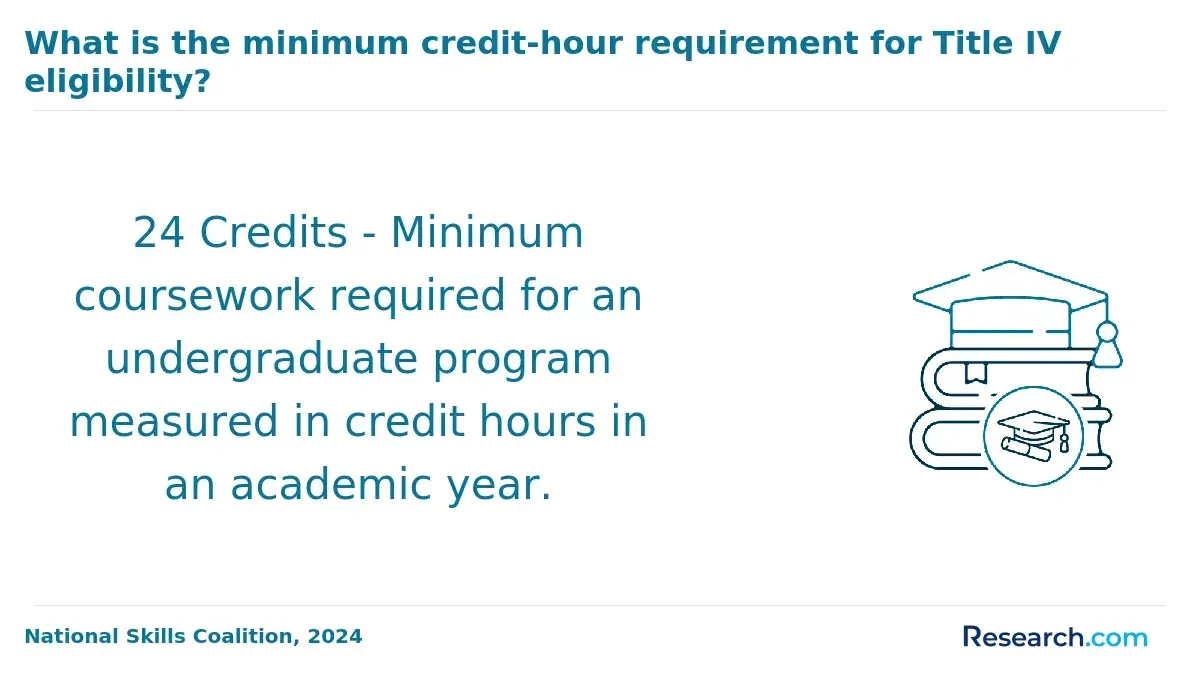
Most students in legal services programs can switch between part-time and full-time enrollment, though this usually requires adhering to specific institutional policies. Schools often have guidelines to ensure students meet academic standards before allowing enrollment changes. Students should consider factors like program requirements and how the switch fits their personal and professional circumstances. Changing status is generally possible but not automatic, and approval from the school is typically needed. Flexibility depends on the institution and available resources.
Key limitations often include maintaining a satisfactory GPA, securing approval from academic advisors, and understanding how financial aid might shift with enrollment status. Course scheduling may also restrict the timing of the switch, as some classes are offered only in certain terms or formats. This transition can affect graduation expectations, since full-time study usually shortens the time to degree completion compared to part-time attendance.
Delivery format greatly influences students' learning experiences in legal education, with flexibility levels differing between part-time and full-time study. Choosing among online, hybrid, and campus formats can affect how students balance academic, personal, and professional responsibilities.
- Scheduling flexibility: Online legal services degree programs provide substantial scheduling freedom, especially benefiting part-time students who juggle work or family commitments. Hybrid formats offer a mix of fixed campus sessions and online classes, while full-time campus students often face rigid schedules.
- Workload management: Full-time campus learners typically manage 35-40 hours per week on intensive study, whereas part-time online students usually spend 20-25 hours weekly. Hybrid students experience a balanced workload with concentrated campus sessions and self-paced online study to better distribute demands throughout the semester.
- Accessibility and resources: On-campus programs provide direct access to faculty and physical campus resources, which advantages full-time students. Conversely, online learners rely on digital libraries and virtual advising, with some reports indicating limited interaction quality in comparison, as noted by the Council of Legal Education.
- Learning pace and retention: Part-time students in online and hybrid legal services degree programs often enjoy improved information retention due to extended study periods but may take longer to complete their programs. Full-time campus students progress faster but face higher burnout risks due to their intense schedules.
- Student support systems: Full-time on-campus students benefit from immediate access to counseling and career advising, while part-time online students access asynchronous support that offers flexibility but may delay responses, according to the National Association for Legal Career Professionals.
For those interested in accelerated options, exploring 1 year online doctorate programs can provide insights into efficient pathways in legal education formats.
Employers often show a preference for full-time legal services degrees due to the perceived rigor and accelerated pace of these programs. Full-time study signals strong time management skills and the ability to handle intense workloads, qualities that many hiring managers value. Indeed, a 2023 survey by the National Association for Legal Professionals found that 68% of hiring managers associated full-time completion with "dedicated focus" on studies.
The preference is tied to the understanding that faster graduation through a full-time program often reflects a high level of commitment and academic discipline. However, professional experience gained during part-time study can also be a crucial factor in employer decisions.
Industry-specific preferences shape views about part-time versus full-time legal services degrees, with some public sector employers favoring the broader experience part-time candidates often bring. Large law firms tend to value the traditional full-time path as a benchmark for commitment, but trends show growing acceptance of flexible and part-time learning models, especially as more professionals return to school.
Part-time degrees demonstrate career readiness by blending education with real-world work experience, showing adaptability and practical skills. For students considering time investment and career goals, exploring certifications you can get online that pay well can also supplement their legal services credentials effectively.
Return on investment (ROI) is a vital factor when deciding between part-time and full-time legal services degree programs. It involves balancing tuition expenses, program length, and income lost during study against expected career rewards. Evaluating these elements helps students choose a path aligned with their financial and professional goals.
Full-time and part-time options differ in costs and time commitments, impacting immediate finances and future earnings. Understanding how each format affects tuition, opportunity cost, and career growth can clarify which offers better value over time.
- Total program cost: Full-time programs often have higher annual tuition but shorter duration, potentially lowering overall expenses. Part-time options may extend tuition payments over more years, increasing total costs.
- Opportunity cost: Full-time students usually reduce or pause employment, facing lost wages during study. Part-time students maintain income by working while studying, minimizing this cost.
- Salary potential: Both formats can lead to comparable starting salaries, although full-time graduates may see faster increases due to intensive study and networking.
- Career advancement: Full-time programs might speed promotion and professional growth, while part-time students balance steady employment with gradual progress.
- Long-term benefits: Full-time study may offer quicker financial returns, but part-time allows managing current finances without major income disruption.
Choosing the appropriate legal services degree format is essential to harmonize your academic ambitions, career plans, and life responsibilities. The decision influences how effectively you can progress without overwhelming your schedule or finances.
Key factors to weigh include:
- Time availability: Full-time study requires a concentrated commitment, typically finishing in two years, while part-time spans three to four years, fitting better with work or family obligations.
- Financial resources: Part-time programs allow you to earn while learning, easing immediate costs but potentially increasing total tuition duration.
- Career goals: Full-time suits those eager to enter the legal field quickly; part-time supports steady development alongside current employment.
- Learning style: Immersive full-time courses promote deeper engagement, whereas part-time pacing favors students who absorb material gradually.
- Program flexibility: Evening and weekend class options are often available for part-time students, enhancing accessibility for diverse schedules.
What Graduates Say About Their Part-Time vs. Full-Time Legal Services Degree
- Jace: "Pursuing my full-time legal services degree was an enriching challenge that deepened my understanding of the law. Although the average cost of attendance was a concern, the comprehensive learning experience and strong career support made it worth every penny. Now, I'm confidently advancing my career in legal consulting. "
- Kyro: "The part-time legal services program is perfectly balanced with my job and personal life, allowing me to learn at my own pace without overwhelming financial stress. Considering the affordable tuition compared to full-time studies, it truly was a smart investment that opened new doors for me in the legal field. "
- Aaron: "Enrolling full-time in legal services required a significant financial and time commitment, but the professional knowledge and network I gained have proven invaluable. Reflecting on the cost, it was a calculated decision that led to measurable growth in my legal career opportunities and personal development."
Other Things You Should Know About Legal Services Degrees
In 2027, part-time legal services students often have access to similar academic resources as their full-time counterparts, such as online libraries, discussion forums, and faculty support. However, their time management constraints may limit participation in study groups or workshops typically held during regular daytime hours.
Internships and practical experiences are generally available to both part-time and full-time legal services students, but part-time students may need to plan more strategically due to their class schedules. Full-time students often complete internships during summer or regular semesters, while part-time students might take longer to fulfill these requirements. Institutions usually provide flexible opportunities to meet experiential learning needs for all students.
Part-time legal services students usually take 6 to 9 credits per term, while full-time students take 12 to 15 credits. Many programs cap part-time enrollment at 9 credits to keep students eligible for evening schedules and extended completion timelines.
- Online Hybrid JD https://www.vermontlaw.edu/onlinejd
- Should You Attend Law School Part-Time? | BARBRI Resources - Barbri - Barbri Portal https://www.barbri.com/resources/should-i-attend-law-school-part-time
- Cost of Law School Tuition & Fees - New England Law | Boston https://www.nesl.edu/admissions-aid/tuition-aid/tuition-fees
- Cost of Attendance https://www.swlaw.edu/admissions-financial-aid/tuition-fees/cost-attendance
- Online Hybrid J.D. Student and Alumni Spotlights https://udayton.edu/law/jd-programs/online-hybrid/student-spotlights.php
- Online vs. On-Campus: Which Mode of Learning Is Best for You? https://www.onlinemastersdegrees.org/student-resources/which-mode-of-learning-is-best/
- School of Law Tuition https://www.stjohns.edu/admission/tuition-and-financial-aid/tuition/school-law-tuition
- Part-time and Full-time Options https://law.lclark.edu/offices/admissions/who_we_are/evening_division/
- Choosing between a Full or Part-Time Law Program - The Girl's Guide to Law School® https://thegirlsguidetolawschool.com/05/choosing-between-a-full-or-part-time-law-program/
- Tuition & Cost of Attendance https://www.law.georgetown.edu/admissions-aid/financial-aid/tuition-cost-of-attendance/