2027 Legal Services Degree Coursework Explained: What Classes Can You Expect to Take?

Co-Founder and Chief Data Scientist
Prospective students often struggle to understand what classes a legal services degree entails and whether the curriculum aligns with their career goals. According to the American Bar Association, 65% of legal services graduates report that coursework focusing on legal research, writing, and ethics is critical to their job readiness.
This demand for practical skills reflects the evolving needs of the legal workforce. This article will clarify the typical classes in a legal services degree, highlighting how each course equips students with essential knowledge and skills to succeed in both academic and professional settings.
Key Benefits of Legal Services Degree Coursework
- Legal services coursework sharpens analytical thinking through case studies and legal research, crucial for effective problem-solving in diverse professional settings.
- Students gain strong communication skills by drafting documents and engaging in negotiations, enhancing workplace collaboration and client interactions.
- The curriculum's practical focus boosts employment prospects, with graduates often earning 15%-25% higher salaries compared to non-degree holders in related administrative roles.
What Types of Class Do You Take in a Legal Services Degree?
Legal services degree coursework typically follows a structured curriculum designed to equip students with both academic knowledge and practical skills. Over 70% of students participate in hands-on learning experiences, highlighting the program's focus on real-world application.
The curriculum covers a range of classes that build a foundation and prepare students for various career opportunities. Below are the primary categories of courses you can expect to take in a legal services program.
- Core Foundational Classes: These courses establish key legal concepts, terminology, and procedures. They develop essential critical thinking and analytical skills needed for interpreting laws and legal documents.
- Specialization or Elective Courses: Students can focus on specific areas within legal services such as litigation support, compliance, or intellectual property, deepening career-relevant expertise.
- Research and Methods Coursework: This training enhances abilities in legal research, including the use of tools and techniques to locate and assess legal sources, while also improving writing and information organization.
- Practicum, Internship, or Capstone Experiences: Practical placements or projects allow students to apply classroom knowledge in professional settings, fostering communication skills and readiness for the workforce.
For students planning advanced study options, some explore online doctorate of education programs focused on education leadership and policy. The legal services classes and career skills gained in these degree programs prepare learners for diverse roles in the legal support field.
What Are the Core Courses in a Legal Services Degree Program?
Core classes in a legal services degree program are designed to equip students with foundational knowledge and practical skills essential for success in the legal environment. These courses emphasize legal theory, research techniques, and professional ethics to build a well-rounded academic base.
Prospective students often seek clarity on the key classes in a legal services program that prepare them for both academic challenges and career readiness. Here are typical core courses that form the backbone of a legal services degree curriculum:
- Introduction to Law: Covers foundational legal principles and the structure of legal systems, helping students understand how laws operate and influence society.
- Legal Research and Writing: Focuses on developing effective techniques for locating and interpreting legal information and crafting clear, concise legal documents.
- Professional Ethics: Addresses the standards and responsibilities essential for maintaining integrity and professionalism within legal practice.
- Litigation Procedures: Teaches the processes involved in court cases, emphasizing case handling and trial preparation skills.
- Legal Office Management: Develops administrative capabilities necessary for organizing case files, managing client relations, and ensuring efficient office operations.
Students pursuing a legal services degree will build competencies in areas such as legal research methodologies, case management, and professional conduct. This comprehensive approach ensures graduates are ready to support attorneys and assist clients effectively within legal settings.
For those exploring broader educational options, an online engineering degree is also a popular pathway for students interested in other fields.

What Elective Classes Can You Take in a Legal Services Degree?
Elective courses in a legal services degree give students the flexibility to focus on areas that align with their career ambitions or personal interests. Recent data shows that programs with diverse elective options have experienced a 25% rise in student satisfaction, highlighting the growing importance of customized learning paths.
Below are some common electives that enable specialization within the legal field.
- Family Law: This course addresses key issues like divorce, child custody, and adoption, equipping students with skills essential for work in family courts, mediation, or legal aid organizations.
- Real Estate Law: Covering property transactions, zoning laws, and land use regulations, this elective prepares students for roles within real estate agencies, title companies, or municipal legal departments.
- Criminal Law and Procedure: Focused on the criminal justice system and courtroom processes, this course is valuable for those aiming to become prosecutors, defense attorneys, or support staff in criminal litigation.
- Contract Law: Students learn contract drafting, analysis, and negotiation techniques, which are fundamental skills for corporate legal assistants, paralegals, and compliance roles.
- Alternative Dispute Resolution: This elective explores methods such as mediation and arbitration, helping students develop conflict resolution skills applicable outside traditional court settings.
When asked about his elective choices, a professional who completed a legal services degree shared how selecting courses beyond core requirements was both challenging and rewarding. "Deciding which electives to take was overwhelming at first because each offered different career pathways," he explained.
He emphasized that balancing coursework while assessing how each class aligned with his goals required careful planning. "I realized these classes weren't just academic. They shaped how I approach legal problems in real life and helped build confidence for my current role." His experience highlights how electives can be instrumental in honing practical abilities and clarifying professional direction.
Practical experiences like internships and practicums play a crucial role in legal services programs by connecting classroom learning with real-world legal work. These hands-on opportunities enable students to apply theoretical knowledge in professional settings, enhancing their understanding and skills.
Around 70% of programs require such experiences for graduation, underscoring their importance in legal education. The following points outline key features of these practical components.
- Program Requirements: Many legal services programs mandate completion of an internship or practicum, making these experiences essential for earning a degree.
- Duration and Hours: Placements typically last several weeks to a semester, with students completing between 100 and 200 hours working in relevant environments.
- Experience Settings: Students often work under legal professionals in diverse venues, including law offices, courts, and nonprofit organizations, gaining a broad perspective on legal processes.
- Skill Development: These opportunities help students build critical skills such as client communication, case management, legal research, and ethical decision-making, which are vital for their professional growth.
Capstone projects and theses serve as key components in legal services degree programs to showcase both academic understanding and practical skills. Around 60% of these programs require a culminating project, highlighting the value placed on mastery demonstrated through applied or research-based work.
Below is a detailed look at how these options function within such programs.
- Nature of the Project: A capstone typically involves a hands-on assignment such as drafting legal documents or developing case strategies. In contrast, a thesis centers on in-depth research of a specific legal issue, culminating in a formal paper that explores complex legal questions.
- Skills and Focus: Capstones emphasize practical legal skills and professional readiness, preparing students directly for legal assistant roles. Theses cultivate strong research, critical thinking, and academic writing abilities, often aligning with interests in advanced study or specialized research careers.
- Time and Effort: Capstone projects are generally shorter and more focused on practical application, whereas theses require extended periods of research, sometimes spanning an entire semester or more.
- Program Requirements: Most legal services degree programs offer either a capstone or a thesis, but rarely both, as each serves distinct educational and career objectives within the curriculum.
- Career Impact: Choosing a capstone can ease the transition into workforce roles that demand immediate practical competence, while a thesis supports pathways that lean toward academic or specialized legal fields.
When I spoke with a professional who completed a legal services degree, she reflected on her decision to pursue the capstone option. "It was challenging to manage the project alongside my job, especially coordinating interviews and drafting documents that felt very real," she shared. "Yet, this experience gave me confidence in applying legal concepts beyond textbooks and prepared me for the fast pace of legal work."
She described the process as rewarding and practical, highlighting how the chance to engage directly with client-based scenarios helped sharpen her problem-solving skills. Her story illustrates that while the choice between a capstone and thesis depends on personal and career goals, the experience gained through either path is invaluable in shaping a capable legal services professional.
Legal services coursework largely remains consistent whether delivered online or on campus, with similar curriculum, learning goals, and academic standards. Both formats aim to equip students with the core knowledge and skills necessary for the profession.
The primary content, assignments, and expectations typically do not differ significantly between the two. This ensures that graduates from either mode have comparable academic preparation. Differences are mainly in how instruction and engagement are facilitated rather than what is taught.
Online legal services programs provide more scheduling flexibility, allowing students to study lectures and access materials at any time. Communication often occurs via forums, video calls, and emails, which lacks the immediacy of face-to-face classroom interactions.
Practical elements like internships or labs are often adapted through virtual simulations or collaborative tools. Assessments may include open-book or timed exams to uphold integrity online. While physical campus resources are less accessible, institutions commonly offer digital libraries and support services to bridge this gap.
Legal services classes typically require most students to dedicate between 10 and 20 hours per week. This time includes attending lectures, completing readings, working on assignments, participating in group projects, and engaging in applied learning activities.
The weekly workload generally divides into 3 to 5 hours of lectures or live instruction, 4 to 7 hours of reading case law and other materials, 2 to 4 hours of written assignments or research, plus additional hours for group collaboration and practical exercises.
Key factors influence the average study hours for legal services degree students. These elements shape how much time learners must invest weekly:
- Enrollment Status: Full-time students naturally face greater weekly demands than part-time peers, given the larger course loads and expectations involved.
- Course Level: Introductory classes tend to require less time than advanced or specialized courses, which expect deeper legal analysis and more project work.
- Mode of Instruction: Online students often spend more self-directed time on readings and assignments, while on-campus learners have more structured in-person sessions.
- Credit Load: The number of credits taken each term correlates strongly with total weekly hours, as higher credit loads demand increased effort.
- Practicum and Project Classes: These hands-on components can substantially raise weekly time commitments due to their intensive focus on real-world skills.
Students interested in exploratory pathways might also compare workload demands with other fields, such as a psychology degree online, to find a balanced fit for their academic and career goals.
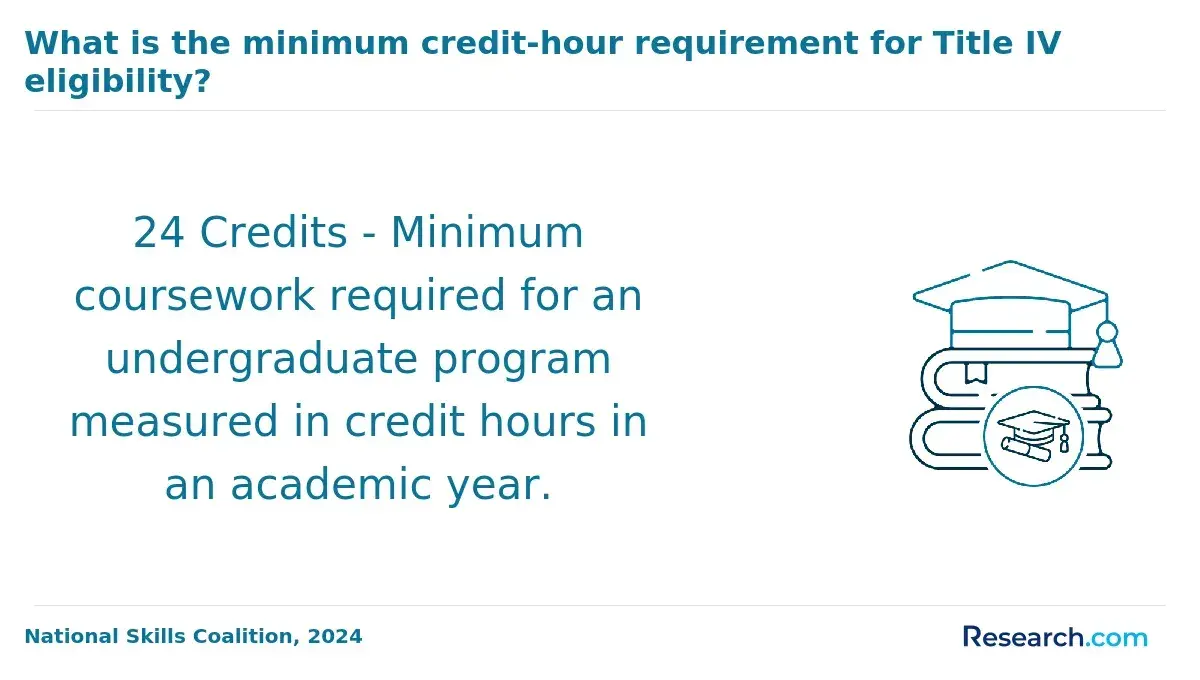
Total credit hour requirements are essential factors that affect the length of legal services programs, the weekly workload, and students' overall graduation planning. These requirements vary depending on whether the program is at the associate, bachelor's, or graduate level, as well as according to the institution's structure.
Being aware of typical credit hour demands helps students allocate their time and efforts effectively throughout their studies. Credit hours in legal services degree programs generally fall into several key categories:
- Core coursework: For associate degrees, core courses usually make up the majority of 60 to 70 credit hours, while bachelor's programs require roughly 120 to 130 credit hours with a substantial core component. Graduate programs often assign 30 to 45 credit hours to advanced core topics and applied practice.
- Electives: Students can choose specialized areas like criminal law or family law, tailoring their degree to personal or career interests. Electives typically represent a smaller but significant portion of total credit hours, allowing flexibility within program frameworks at all degree levels.
- Experiential requirements: These consist of practicums, internships, capstone projects, or theses that provide practical, hands-on experience. Graduate legal services degrees place a stronger emphasis on experiential learning to prepare students for applied roles, often dedicating a significant portion of credit hours to these activities.
Undergraduate legal services degree credit hour requirements emphasize broad foundational knowledge, while graduate programs focus on advanced topics and applied skills. Those weighing the decision to pursue a degree should consider program length and credit load in relation to their career goals and personal schedule.
For students interested in efficient paths to rewarding fields, exploring the easiest college majors with high pay may also provide useful insights.
Legal services coursework develops the skills and knowledge essential for professional readiness by blending theoretical understanding with applied learning experiences. These programs equip students with practical competencies that directly translate to workplace demands in the legal support field.
Employment in legal support occupations is expected to grow 6% from 2022 to 2032, indicating steady demand for well-prepared professionals.
- Skill development: Coursework strengthens legal research, writing, and critical thinking abilities. These foundational skills empower students to analyze complex information and communicate effectively in real-world legal contexts, supporting career success.
- Applied projects: Hands-on case studies and practical assignments simulate workplace scenarios. This approach not only reinforces theoretical concepts but also builds confidence in problem-solving and decision-making under realistic conditions.
- Industry tools and technologies: Training includes use of contemporary legal software and databases, preparing students for the technological demands of modern office environments. Familiarity with these tools enhances efficiency and adaptability in professional settings.
- Professional networking: Internships and workshops connect students with industry professionals and peers, fostering relationships valuable for career advancement. Such opportunities help bridge academic learning with the job market and industry expectations.
Integrating legal services coursework career skills development ensures students graduate ready to meet employer needs and navigate evolving legal professions. Understanding how legal services degrees prepare for jobs helps students choose programs aligned with their vocational goals and the labor market.
When considering these programs, it is beneficial to explore financial options like tuition assistance. Many prospective students research resources such as the cheapest online college to balance educational costs with career advancement opportunities.
Completing coursework in legal services helps build expertise that aligns with employer demands and can increase salary potential after graduation. Data from the U.S. Bureau of Labor Statistics shows that legal assistants and paralegals with specialized or advanced training earn roughly 10% more than those without. This reflects how targeted education supports wage growth and better job opportunities.
The following points highlight key ways coursework impacts earning potential in the legal services field:
- Development of In-Demand Skills: Courses focus on essential abilities such as legal research, document drafting, and client interaction, equipping graduates with qualifications that employers highly value and often reward with higher pay.
- Specialized or Advanced Coursework: Classes centered on areas like litigation support or corporate law enable students to gain niche expertise, which enhances their competitiveness and can lead to increased salaries.
- Applied Experiences and Practicums: Hands-on opportunities such as practicums or capstone projects allow students to work on real-world legal issues, building practical skills that improve confidence and job readiness, often resulting in faster career advancement.
- Leadership and Management Training: Coursework addressing leadership or legal office management sharpens skills that prepare students for supervisory roles, which usually come with elevated compensation.
- Preparation for Certifications: Programs guiding students toward credentials like Certified Paralegal help signal professionalism to employers, frequently prompting offers of higher starting wages and better long-term pay.
- Training in Legal Technology: Familiarity with case management software and e-discovery tools gained through coursework makes graduates more attractive to modern law firms, increasing their job prospects and earning potential.
What Graduates Say About Their Legal Services Degree Coursework
- Theo: "As a professional in the field, the investment in legal services coursework was well worth it; the tuition was quite reasonable compared to other specialized degrees. Opting for the online format gave me flexibility without compromising the rigor of the curriculum. The knowledge and skills I gained have been integral to my day-to-day effectiveness and promotion at work. "
- Ivy: "Reflecting on my time studying legal services, the relatively low cost made a significant difference for me as a student managing tight finances. The on-campus experience was enriching, providing direct interaction with professors and peers that deepened my understanding. Ultimately, the coursework has been instrumental in advancing my career, giving me the confidence to handle complex legal documentation more effectively."
- Diana: "The legal services degree program was surprisingly affordable, given the quality of education I received, with the coursework costing less than many other professional degrees. Taking classes online allowed me to balance work and study seamlessly, which was a huge advantage. This program truly equipped me to excel in my legal administrative role and opened doors I hadn't expected. "
Other Things You Should Know About Legal Services Degrees
In 2027, legal services programs emphasize persuasive writing, case briefs, and memorandums. These courses develop the ability to clearly and effectively communicate legal arguments, which is crucial for engaging with clients, courts, and other legal professionals.
Yes, ethics and professional responsibility are integral to legal services coursework in 2027. Students learn about maintaining professional integrity, understanding client confidentiality, and the ethical considerations essential for legal practitioners. These topics ensure graduates can uphold ethical standards in their professional roles.
Students usually learn Westlaw, Lexis, and legal citation software, along with library databases and case-finding methods. Many programs require a legal research course with 2 to 4 credits, covering statutes, regulations, case law, and source verification used in paralegal and legal support work.
- How to Land Your First Legal Internship (Even Without Top Grades) | CEB: Continuing Education of the Bar https://www.ceb.com/how-to-land-your-first-legal-internship-even-without-top-grades/
- 5 Benefits of Pursuing an LL.M Degree in U.S. Legal Studies https://www.wsulaw.edu/academic-resources/5-benefits-of-pursuing-an-ll-m-degree-in-u-s-legal-studies/
- What Careers Can You Pursue at the Intersection of Law and Government? https://online.usc.edu/news/government-law-jobs-careers-for-graduates/
- Career Paths https://www.utoledo.edu/law/career-services/careerpaths.html
- What Career Paths Can You Achieve With an MLS? https://onlinelaw.wcl.american.edu/legal-studies/career-path/