2027 Best Legal Services Degrees for Working Adults

Co-Founder and Chief Data Scientist
Balancing a full-time job with pursuing a legal services degree can be daunting, especially when many programs demand rigid schedules. Yet, the legal services field is growing steadily, with Bureau of Labor Statistics data projecting a 7% employment increase from 2022 to 2032, faster than average. This trend highlights expanding opportunities for qualified professionals.
Adult learners often struggle to find flexible, accredited programs that accommodate work commitments while advancing their careers. This article explores the best legal services degrees designed for working adults, focusing on flexibility, accreditation, and career advancement potential to guide informed educational decisions.
Key Things to Know About Legal Services Degrees for Working Adults
- Many programs offer flexible scheduling, including evening and weekend classes, enabling working adults to balance study with professional and personal commitments effectively.
- Online or hybrid formats are increasingly common, providing accessibility and convenience without compromising academic rigor, with some reporting 40% enrollment growth in flexible legal services courses.
- Accelerated pacing and dedicated support services, such as career counseling and tutoring, enhance completion rates and improve job placement for working professionals.
What Are the Best Legal Services Degrees for Working Adults?
The best legal services degree programs for working adults vary depending on factors like schedule flexibility, alignment with career goals, and return on investment. A key trend expanding options for adult learners is the rise of online education platforms, which enable part-time study without interrupting full-time employment. These developments are especially beneficial for professionals seeking top accredited legal services degrees for professionals while balancing other responsibilities.
Several degree options cater well to employed students seeking practical, flexible learning environments:
- Legal Studies or Paralegal Studies: Often available fully online with flexible pacing, these programs focus on practical legal knowledge applicable in law firms, corporate legal departments, or government agencies, making them ideal for busy adults.
- Legal Administration: Combining business and legal skills, these degrees prepare students for office management within legal settings, frequently offering asynchronous courses that fit a working professional's schedule.
- Compliance and Regulatory Affairs: Targeted at careers in regulated industries, these programs emphasize current laws and policies with many online options allowing learners to progress at their own pace.
- Criminal Justice with Legal Emphasis: Blending criminal justice topics with legal coursework, this option suits public safety professionals seeking flexible, career-focused education.
Exploring related fields, some prospective students might also consider AI degrees online as complementary skills that enhance their legal services expertise and career opportunities.
What Are the Admission Requirements for Working Adults in Legal Services Degree Programs?
Admission requirements for working adults pursuing Legal Services degree programs often differ from those designed for traditional full-time students. This variation acknowledges the need to balance education with full-time jobs and family obligations. Part-time enrollment in graduate programs is growing, with nearly 40% of students choosing flexible formats that support their work commitments.
Key considerations for admission in Legal Services degree eligibility criteria for professionals typically include the following:
- Prior Work Experience: Many programs prioritize relevant professional experience in the legal or related fields. This experience can sometimes substitute academic prerequisites, recognizing the value of practical knowledge in legal services.
- GPA Expectations: While a minimum GPA is often standard, some programs offer flexibility depending on an applicant's professional achievements or other strengths.
- Standardized Test Waivers: Working adults frequently benefit from GRE or LSAT waivers, simplifying the application process and encouraging broader access to legal services education.
- Professional Recommendations: Letters from employers or supervisors that emphasize skills, work ethic, and professionalism are often a critical part of the application.
- Flexible Learning Options: Programs commonly provide part-time, evening, or online courses to accommodate working professionals, with some even modeled after accelerated MSW programs in terms of flexibility and pace.
What Coursework Is Required in Legal Services Degree Programs for Working Adults?
Legal services degree coursework for working adults is carefully structured to balance career relevance, practical skills, and flexible learning formats. This approach allows students to maintain full-time employment while pursuing their education. Recent studies show that over 60% of students enrolled in legal services programs are adults seeking career advancement or a career change, highlighting the need for adaptable and accessible programs.
Common coursework areas focus on core legal knowledge and practical skills designed to support professional goals. Essential classes in legal services programs include the following:
- Legal Research and Writing: Emphasizes crafting clear and effective legal documents such as contracts, motions, and briefs, a critical skill for working professionals involved in drafting and reviewing legal materials.
- Introduction to the Legal System: Provides an overview of court structures and procedures, helping students understand how laws operate in real-world settings and improving workplace decision-making.
- Contract Law: Focuses on the principles of agreements and obligations, vital for professionals in business, real estate, or corporate environments seeking to understand legal commitments.
- Ethics in Legal Services: Covers professional responsibility and adherence to ethical standards, which boosts credibility and trust in legal careers.
- Technology in Legal Practice: Introduces current software and tools used in modern law offices, improving efficiency and facilitating remote or hybrid working models.
For adult learners balancing work and study, programs similar to those in legal services share many characteristics with flexible offerings like a library degree. These similarities include a focus on practical coursework and accommodating schedules, ensuring that career-oriented students can succeed without sacrificing their employment commitments.
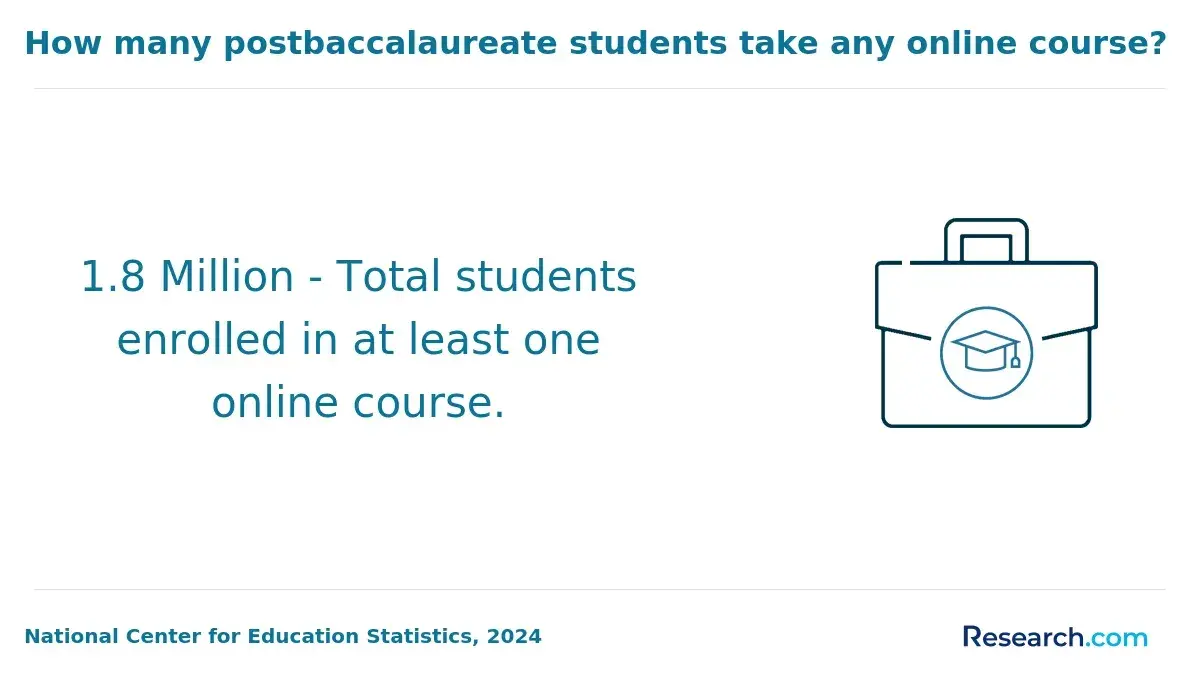
Breakdown of All Fully Online Title IV Institutions

The duration for completing a legal services degree while balancing work responsibilities can vary significantly depending on several personal and academic factors. On average, part-time students pursuing legal services degrees finish in about three and a half years, reflecting the need for flexibility among working adults managing multiple obligations.
Key elements affect how long it may take to complete the degree:
- Program Format: Online and hybrid degree programs tend to provide greater flexibility, enabling students to set their pace. This often results in quicker completion compared to conventional on-campus studies.
- Course Load: Students managing full-time jobs might take fewer courses each term to avoid burnout, extending the timeline. Conversely, those who can handle a heavier load might finish sooner.
- Prior Credits: Any credit transfers or previous coursework related to the field can shorten the overall time by removing certain requirements.
- Work Schedule: Jobs with unpredictable hours or shift work can slow academic progress, whereas more stable schedules support steadier advancement.
- Accelerated Options: Some programs offer fast-track or intensive sessions designed to help motivated learners wrap up their studies more rapidly.
A professional who completed an online legal services degree while working shared that balancing job duties and school was challenging, especially during peak periods at work. He mentioned often studying late at night or early mornings, saying, "It was tough, but the flexibility of the online program made it manageable."
He also reflected on the importance of careful time management and noted that having access to recorded lectures was "a lifesaver" when unexpected work demands arose. His experience highlights that while completion times vary, dedication and adaptable programs can help working adults succeed.
For working adults balancing employment and education, the expense of pursuing a legal services degree requires careful planning. Recent statistics show a 15% rise in part-time enrollment among adult learners in legal services programs over the past five years, reflecting a growing demand for affordable educational choices. Below are key elements that impact the overall financial commitment.
- Tuition per Credit: Tuition is typically the biggest financial factor, with prices varying greatly between public and private schools. Part-time students may face higher per-credit charges than full-time enrollees.
- Program Length: The duration and total credits needed affect total costs; accelerated tracks can shorten completion time but sometimes come with increased rates per credit.
- Fees and Materials: Enrollment fees, technology charges, and study resources like textbooks contribute additional costs each term and should be budgeted for accordingly.
- Online Versus On-Campus: Online legal services programs often reduce overhead expenses associated with commuting and campus access fees, offering financial advantages for working students.
- Cost-Saving Strategies: Financial aid from employers, scholarships, and grants can help lower out-of-pocket expenses, making degree completion more feasible for adult learners.
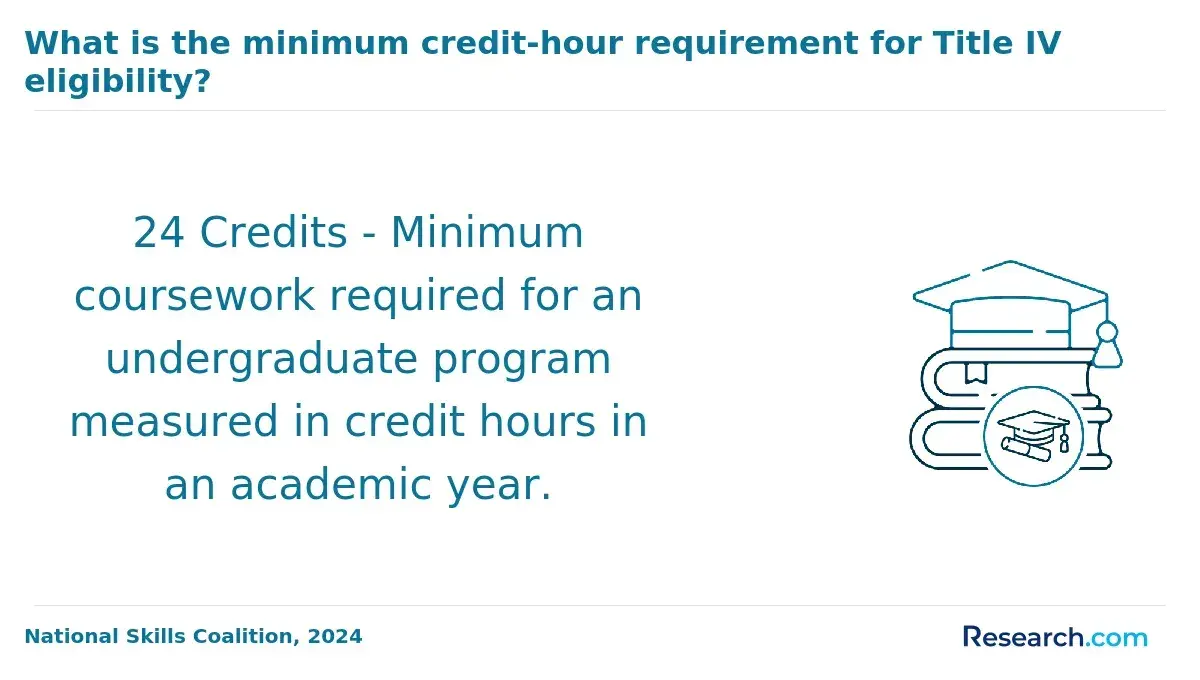
Balancing full-time work, family duties, and education makes financial aid especially vital for adults pursuing legal services degrees. Without extra support, covering tuition while managing these commitments can become a significant burden. Below are some of the most accessible financial aid options for working students in legal services programs.
- Federal Financial Aid: This includes grants, loans, and work-study opportunities managed by the government to help reduce educational expenses. Qualification often depends on financial need and enrollment status, providing support through low-interest loans or need-based grants.
- Employer Tuition Assistance: Many employers encourage further education by offering tuition reimbursement or support programs. Eligibility typically requires maintaining satisfactory grades and continuous employment with the sponsoring company.
- Scholarships for Adult Learners: Various scholarships specifically target adults returning to school, often based on merit or financial need. These can substantially lower out-of-pocket costs for continuing education.
- Grants: Grants provide funding that does not need to be repaid and are offered based on income levels or demographic qualifications. Adult students should explore federal, state, and private grant options available to them.
- Payment Plans and Tax Benefits: Schools may offer flexible payment schedules to ease upfront tuition costs, and tax credits like the Lifetime Learning Credit can offer financial relief for qualified educational expenses.
When I spoke with a professional who earned her legal services degree while working full-time, she shared how crucial financial aid was in her journey. She described juggling late-night studying with family responsibilities and a demanding job, and how the employer tuition assistance plan made a huge difference by reimbursing a significant portion of her fees. "It took a lot of discipline to keep up with deadlines and coursework after hours," she recalled, "but knowing that part of my tuition was covered motivated me to keep pushing forward."
She also mentioned that having access to a flexible payment plan helped her manage monthly expenses without added stress. Her experience highlights how combining different aid resources can ease the financial and emotional load for working adults pursuing education in legal services.
Working adults pursuing a legal services degree often face the complex challenge of managing coursework alongside full-time jobs and personal obligations. Institutional support services play a crucial role in helping these students maintain progress and balance their academic and life commitments effectively.
- Flexible Scheduling: Classes offered during evenings, weekends, or through asynchronous online formats enable students to complete coursework on their own time. This flexibility helps learners accommodate work shifts and family duties without sacrificing academic progress.
- Academic Advising: Personalized guidance from advisors assists students in creating achievable academic plans tailored to their goals. Advisors provide support in course selection and navigating degree requirements, ensuring steady advancement toward graduation.
- Online Learning Support: Access to technical help and digital resources ensures students can efficiently engage with virtual classrooms. This support minimizes obstacles related to technology, helping learners stay focused and connected to their studies.
- Career Services: Assistance with resume development, job searches, and professional networking aligns educational efforts with career advancement. Career services help students transition their academic achievements into practical workforce opportunities.
- Mental Health Resources: Programs offering counseling and stress management promote emotional well-being. Maintaining mental health is essential for sustaining motivation and academic focus amid a demanding schedule.
Accreditation verifies that legal services programs meet established standards of academic quality, faculty expertise, and student support tailored for working adults. This validation assures professionals that their investment yields a reputable credential recognized by employers. Accredited programs also influence eligibility for federal and state financial aid, a critical factor for many adult learners balancing education with full-time jobs.
Notably, nearly 40% of postsecondary students today are adult learners, reflecting the rising need for accredited programs that accommodate flexible schedules. Holding a degree from an accredited legal services program boosts its long-term value by ensuring credits can transfer between institutions, which supports continued education or program changes.
Accreditation also opens doors to professional certifications or paralegal licensure where required, enhancing career prospects for adults pursuing advancement. Employers tend to regard credentials from accredited schools as more credible, which can improve job opportunities and promotion potential over time.
Salary growth is a key motivator for working professionals pursuing a legal services degree, with median annual earnings typically ranging from $45,000 to $75,000 depending on job role and location. This potential increase makes a legal services degree attractive for career advancement and financial improvement.
- Industry Demand: Different sectors such as corporate, government, and private legal services vary widely in salary scales. Regional economic conditions also influence demand and thus compensation, affecting how much a legal services degree translates into higher earnings.
- Role Advancement: Earning a degree often qualifies individuals for higher-level legal roles like paralegals, legal analysts, or compliance officers. These positions generally offer increased pay and expanded career growth opportunities for working adults.
- Employer Policies: Some organizations incentivize advanced education through salary raises or bonuses. Professionals with formal legal services education may benefit from these policies, which enhance total compensation beyond base salary.
- Years of Experience: Experience combines with a legal services degree to create upward salary mobility. The longer a professional remains in the field, the more they can leverage their credentials and skills for improved pay.
- Specialization: Focusing on niche areas such as real estate law, intellectual property, or healthcare compliance can unlock higher salary potential. Specialized knowledge tends to be valued in legal services, distinguishing candidates in competitive job markets.
Working adults considering the impact of a legal services degree on career growth will find it important to assess these factors carefully. For those seeking options that fit full-time employment while enhancing career prospects, researching accredited and flexible programs is vital.
This degree can be a strategic step for career changers and adult learners aiming to increase their earning power. For insight into comparable degrees with strong salary outcomes, reviewing the best bachelor degrees can provide additional direction.
A legal services degree enables working adults to qualify for higher-level roles that emphasize specialization, leadership, and strategic responsibilities instead of just entry-level positions. For those with professional experience, this degree strengthens qualifications needed to assume positions requiring deeper legal knowledge and advanced management skills.
Below are common upward-mobility job opportunities pursued by experienced professionals with a legal services degree:
- Paralegal Specialist: This advanced role involves handling intricate legal research, managing cases, and drafting specialized documents. The degree equips professionals with the expertise necessary to support complex cases and collaborate closely with attorneys, reflecting an elevation from basic paralegal duties.
- Compliance Officer: Charged with ensuring that organizations comply with relevant laws and regulations, this position requires a robust understanding of legal frameworks. Legal services education prepares individuals for these strategic oversight functions that influence organizational policy.
- Legal Team Supervisor: Supervisors oversee junior legal staff and coordinate project workloads, combining leadership with legal expertise. A legal services degree fosters the blend of skills needed to manage teams and legal operations effectively.
- Contracts Analyst: Specialists in this role draft, analyze, and negotiate contracts, applying analytical and procedural knowledge. This career path often leads to greater responsibility and remuneration, supported by the skills gained through legal services study.
- Legal Consultant: Consultants provide tailored legal advice to businesses or individuals, leveraging their education and experience to offer specialized insights. This position illustrates significant professional growth and advanced application of legal knowledge.
Working adults seeking job opportunities with a legal services degree should consider programs that accommodate full-time employment and support flexible learning schedules. For those exploring options, fast online degrees can offer accredited pathways to strengthen careers in legal services careers for working adults.
What Graduates Say About Their Legal Services Degrees for Working Adults
- Jesse: "Choosing to enroll in an online legal services degree program was the best decision I made while balancing a full-time job. The affordability, especially with tuition averaging around $10,000, made it accessible without sacrificing financial stability. Completing the program not only advanced my knowledge but also opened doors to new roles within my company."
- Kurt: "Pursuing a part-time legal services degree while working was a challenging yet rewarding journey. The cost was manageable, considering many programs offer payment plans and financial aid, which made it easier to invest in my future. Since graduating, I've gained credibility and confidence that have significantly impacted my professional trajectory. "
- Arianne: "As someone who needed flexibility, enrolling in an online legal services degree program was a strategic move. Understanding that the average cost aligns with the value I received reassured me it was a smart investment. The completion of this degree enhanced my skill set and directly contributed to a promotion within months."
Other Things You Should Know About Legal Services Degrees
Working adults can balance a legal services degree program with a full-time job in 2027 by opting for flexible online courses, utilizing efficient time management practices, and seeking support from employers for educational advancement. Many programs offer part-time options to accommodate professional commitments.
Online legal services degree programs offered by regionally accredited institutions are generally respected by employers and professional organizations. The key factor is accreditation rather than delivery format. Many schools now provide hybrid or fully online options specifically designed for working adults to ensure flexibility without compromising academic standards.
Most programs require a high school diploma or GED for an associate degree and a prior bachelor’s degree for a paralegal certificate or master’s track. Schools may also ask for transcripts, a minimum GPA, and proof of English or computer proficiency before enrollment.
- Bachelor's Legal Studies Degree Online | Stevenson University https://www.stevenson.edu/online/academics/online-undergraduate-programs/legal-studies/
- Frequently Asked Questions https://www.monroecc.edu/depts/law/paralegal-studies/faq/
- What to Do With a Law Degree: 10 Exciting & High-Paying Career Options https://nbi-sems.com/blogs/news/what-to-do-with-a-law-degree-10-cool-jobs-for-law-grads
- Main navigation https://careersportal.ie/sectors/courses3.php
- Legal Office Services Program - Moore Norman Technology Center https://www.mntc.edu/long-term-programs/business-financial-services/legal-office-services
- Top 24 legal jobs https://www.bpp.com/law/top-24-legal-jobs
- Legal Studies A.A.S. - Career Degree - College of Lake County https://www.clcillinois.edu/programs/bssdv/legal-studies/legal-studies-aas-career-degree
- Law Courses https://www.thelawyerportal.com/study-law/law-courses/
- Typical Law School Requirements/Prerequisites |ONU https://law.onu.edu/news/law-school-admissions-101-typical-law-school-requirements-prerequisites
- Becoming a solicitor as a mature student or career changer https://www.lawsociety.org.uk/en/career-advice/becoming-a-solicitor/mature-students-and-career-changers