2027 How to Verify Accreditation for Legal Services Degree Programs

Co-Founder and Chief Data Scientist
Many prospective students find themselves enrolling in legal services degree programs without verifying accreditation, risking wasted time and money. Almost 40% of legal services graduates report difficulties obtaining employment due to unrecognized qualifications. Without proper accreditation, students may also lose access to federal financial aid, creating financial burdens.
This issue is critical as the demand for qualified legal services professionals grows steadily across the U.S. In this article, we'll discuss how to verify accreditation status, ensuring that students choose reputable programs that offer academic credibility, financial benefits, and better career prospects in the legal services field.
Key Benefits of Accredited Legal Services Degree Programs
- Accreditation ensures academic quality, verifying that legal services degree programs meet rigorous educational standards established by recognized agencies.
- Only accredited programs qualify students for federal financial aid, which supports access and affordability in pursuing legal services education.
- Employers and licensing boards often require graduation from accredited legal services programs, enhancing graduates' career prospects and professional credibility.
What Does Accreditation Mean for Legal Services Degree Programs?
Accreditation in higher education represents a formal process through which an independent body evaluates whether a legal services degree program meets established quality standards. For Legal Services programs, accrediting bodies such as the American Bar Association or regional accreditation agencies oversee aspects like curriculum relevance, faculty qualifications, and institutional resources.
Approximately 70% of students enroll in accredited programs, signaling the widespread acceptance and reliability of such credentials. Recognizing the importance of accreditation for legal services degree programs helps students identify programs that maintain academic rigor and legitimacy.
The practical implications of accreditation extend to ensuring a consistent level of educational quality and ongoing program improvement, which benefits students throughout their studies. Accreditation affects legal services, academic quality, and career readiness by supporting access to knowledgeable instructors and up-to-date course materials, thus fostering a credible learning environment.
Students seeking trusted programs may also explore options such as online BCBA programs as part of their broader educational planning. Ultimately, accreditation guides learners toward degree programs that meet essential professional and academic standards within the legal services field.
What Types of Accreditation Should a Legal Services Degree Program Have?
Evaluating different accreditation types is essential to confirm the quality and legitimacy of legal services degree programs, as it impacts academic credibility, financial aid eligibility, and career opportunities. Below are key accreditation distinctions to consider when researching accredited legal services degree programs in the United States:
- Institutional Accreditation: This type ensures that the entire college or university complies with broad academic standards. Institutional accreditation facilitates credit transferability and access to federal financial aid, which is vital for students seeking flexible educational pathways and funding options.
- Programmatic or Specialized Accreditation: Focused specifically on legal services or paralegal programs, this accreditation verifies the curriculum, faculty qualifications, and resources meet industry-specific quality benchmarks. It helps ensure the program prepares students effectively for legal careers and employer expectations.
- Regional vs. National Accreditation: Regional accreditation is generally considered more prestigious and indicates stronger academic rigor compared to national accreditation. This distinction can influence employer recognition and is often preferred by graduate schools for admission, enhancing post-graduate options.
- Accreditation Linked to Licensure: Certain accreditations are directly connected to meeting state or national licensure or certification requirements. Graduates from such programs are better positioned to fulfill professional practice criteria, ensuring smoother entry into the legal services workforce.
When comparing programs, students should also explore options related to online counseling programs and other fields that may complement their legal education and career goals. Researching recognized accrediting bodies for legal services education thoroughly can protect educational investments and support positive student outcomes.
How Can You Verify If a Legal Services Degree Program Is Accredited?
Confirming accreditation for a legal services degree program is crucial to guarantee a high-quality education, access to federal financial aid, and acceptance by employers or licensing authorities. Accreditation also ensures academic credits can be transferred and supports future career opportunities.
The following steps can help you verify if a program is properly accredited.
- U.S. Department of Education Database: Review the official federal database listing recognized institutional and programmatic accreditors. Search specifically for the institution and its legal services degree program to ensure it has valid accreditation acknowledged by government agencies.
- Council for Higher Education Accreditation (CHEA): Consult CHEA's comprehensive listings to identify legitimate accrediting organizations. CHEA helps distinguish between credible and unrecognized agencies, aiding in confirming recognized accrediting agencies for legal services degrees.
- Direct School Confirmation: Contact the admissions or registrar's office for official documentation proving the legal services program's current accreditation status. Schools can provide the most up-to-date accreditation verification for prospective students.
- Specialized Program Accreditation: Some programs obtain additional accreditation from specialized or professional bodies that enhance their reputation. Verify whether the legal services degree holds such programmatic accreditation to support career goals and licensure requirements.
For students seeking flexible study options, exploring an affordable online psychology masters program can offer insight into accredited online degrees and financial aid possibilities.
Identifying warning signs of unaccredited legal services programs is vital to safeguard academic integrity, ensure eligibility for federal aid, and support future employment or licensure. Being aware of common red flags helps students make informed decisions about their education.
- Claims of "Lifetime" Accreditation: Genuine accrediting agencies require regular reviews to uphold educational standards. Programs that advertise permanent accreditation without re-evaluation may be overstating their legitimacy or affiliated with unrecognized bodies.
- Unrecognized Accrediting Bodies: Accreditation should come from agencies acknowledged by the U.S. Department of Education (USDE) or the Council for Higher Education Accreditation (CHEA). References to unfamiliar or unverifiable accreditors can signal that a degree may not be accepted by employers or licensing authorities.
- Excessively Low Tuition: Tuition fees significantly below market rates may indicate compromised educational quality or inadequate resources. While affordability is appealing, extremely low costs warrant closer scrutiny.
- Misleading Program Details: Overly positive claims about career prospects or vague information about credit transfers reduce transparency. Clear, accurate descriptions of what the degree offers and its accreditation status are essential for making sound choices.
Online legal services degree programs can indeed hold accreditation, which plays a vital role in maintaining academic integrity, enabling access to federal financial aid, and ensuring acceptance by employers or credentialing agencies. Accreditation confirms that these programs adhere to rigorous standards in curriculum design, faculty expertise, and student achievement, comparable to traditional campus-based programs.
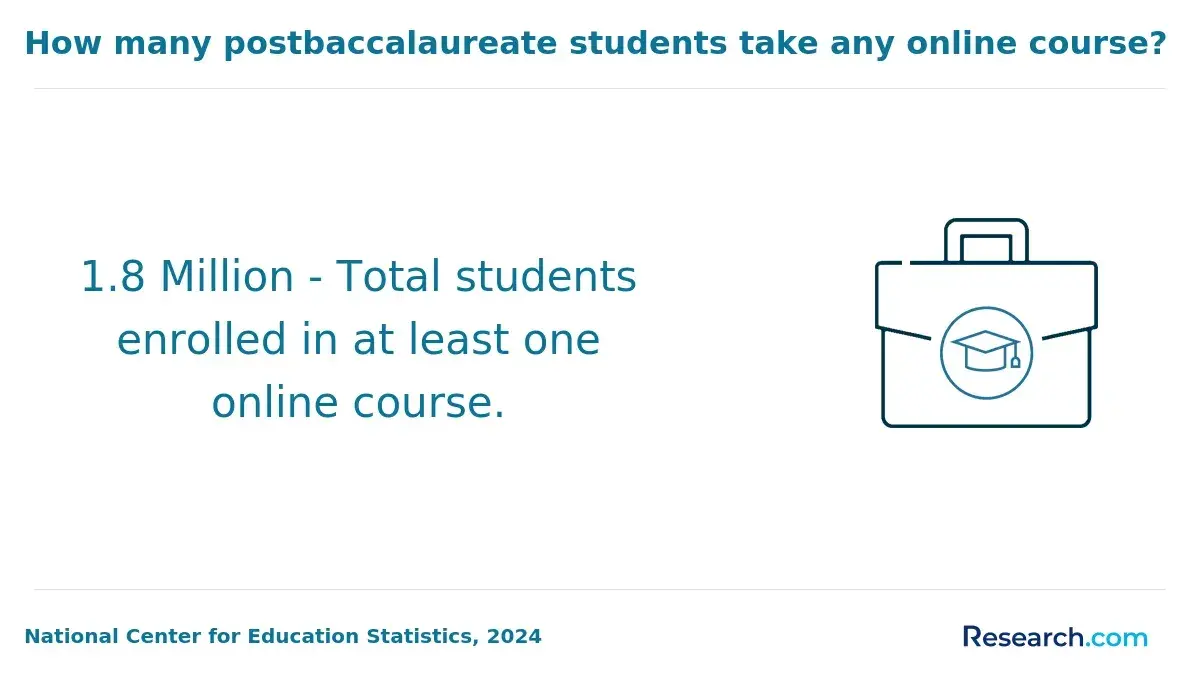
The National Center for Education Statistics reports that more than 75% of higher education students have participated in at least one online course recently, underscoring the importance of properly accredited online degrees.
Accreditation agencies recognized by the U.S. Department of Education or the Council for Higher Education Accreditation assess these programs for educational quality and institutional oversight, offering students assurance that their online degree will have value for career advancement and further education.
When I spoke with a graduate of an online legal services degree program about their experience, they shared how critical accreditation was to their peace of mind. They recalled initial concerns about whether an online program would be respected by employers or licensing boards, but the program's recognized accreditation helped alleviate these doubts.
"Knowing the program met national standards made the difficult moments of remote study more bearable," they said, highlighting the challenges of balancing coursework alongside personal responsibilities. The graduate also mentioned how the verified quality of the program opened doors for internships and job opportunities that might have been harder to access otherwise, reinforcing the practical benefits behind the accreditation process.
Accreditation is a vital factor for students pursuing licensed or regulated legal services careers, as it directly influences their eligibility for licensure and professional advancement. Understanding how accreditation aligns with licensure requirements highlights key considerations for selecting an appropriate program.
- Licensure Exam Eligibility: Graduating from an accredited legal services program is often mandatory for sitting professional licensure exams. Licensing boards typically mandate this to ensure candidates meet established educational standards before testing.
- Licensing Board Requirements: State and regional regulatory agencies rely on accreditation as proof of program quality. Without recognized accreditation, graduates may be disqualified from obtaining necessary licenses to practice.
- Employer and Regulatory Recognition: Accredited credentials carry greater weight with employers and regulators, who frequently require degrees from properly accredited programs for hiring or certification. Lack of accreditation can reduce job prospects and professional legitimacy.
- Limitations Without Accreditation: Students from unaccredited programs might struggle with limited access to federal financial aid, difficulty transferring credits, and barriers to pursuing advanced education. These challenges can hinder both academic and career growth within legal services fields.
Verifying program accreditation ensures that students maintain eligibility for licensure and access essential resources, supporting sustainable career development in legal services professions.
For students who may change schools, pursue advanced degrees, or relocate, transferring credits from an accredited legal services program can significantly impact their academic progress and reduce time to graduation.
Several key factors influence whether these credits will be accepted by another institution:
- Institutional Accreditation Type: Credits earned from programs accredited by recognized agencies are generally more likely to transfer. Regional accreditation is frequently favored over national accreditation, strongly shaping transfer acceptance decisions.
- Course Equivalency and Curriculum Alignment: The receiving institution evaluates whether completed courses align closely in content and rigor with their own curriculum. Even within accredited programs, variations in focus or depth can affect credit acceptance.
- Receiving School Transfer Policies: Each school has distinct policies concerning the transfer of credits, including limits on the number accepted and their applicability toward specific degrees, which directly influences the transfer process.
- Limits on Transfer Credits: Some institutions impose caps on transferable credits, regardless of accreditation status, to ensure students meet residency or graduation requirements. This can limit how many previously earned credits count toward the new program.
When I asked a graduate of a legal services degree program about her experience transferring credits, she shared that the process required careful planning and patience. "I had to supply detailed course descriptions and syllabi to the new school's admissions office," she recalled, "and I wasn't sure which credits would count until the evaluation was complete."
Though challenging, the transfer ultimately saved her a semester's worth of coursework. She emphasized how crucial it was to understand each school's expectations and work proactively with advisors to make informed decisions throughout her academic journey.
Accreditation plays a vital role in determining eligibility for federal, state, and institutional financial aid, with over 85% of students receiving federal support attending accredited programs. This eligibility impacts a student's ability to access various funding sources and manage education costs effectively.
The following points outline key considerations regarding accreditation and financial aid for legal services programs:
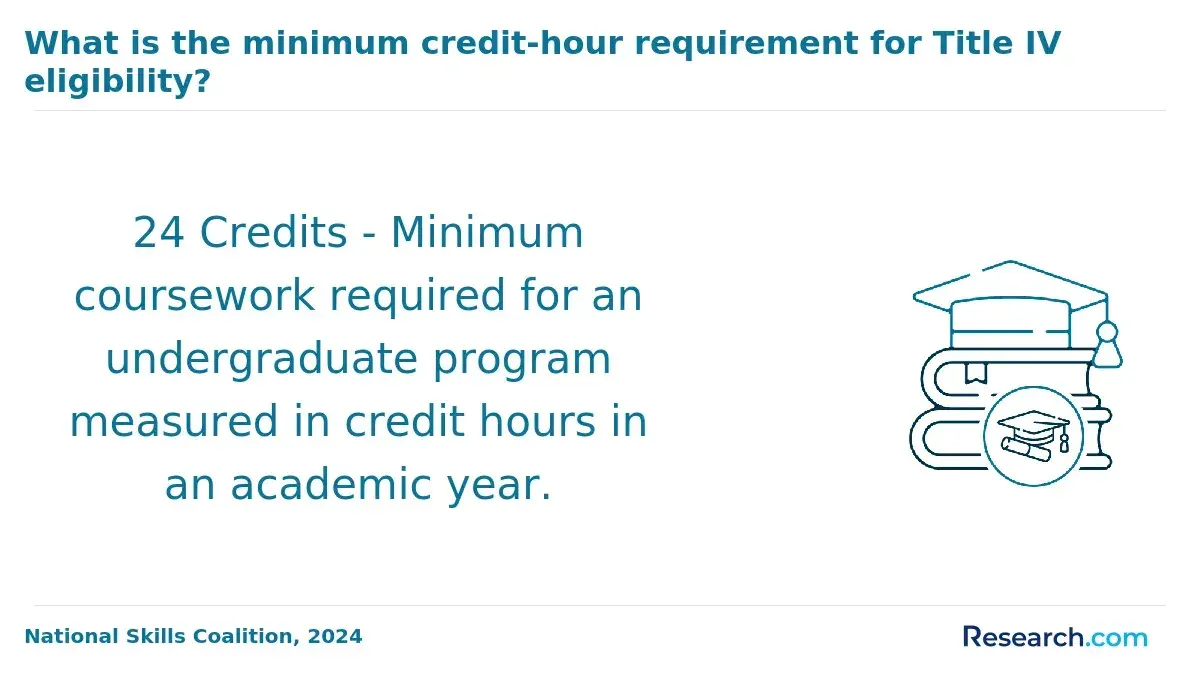
- Federal Aid Eligibility: To qualify for Title IV federal student aid-including Pell Grants and federal loans-a legal services program must be accredited by an agency recognized by the U.S. Department of Education. Without this accreditation, students typically cannot access these important federal financial assistance options.
- State and Military Benefits: Many state tuition assistance programs and military education benefits, such as GI Bill funding, require attendance at accredited institutions. Veterans and active-duty members often need this accreditation to ensure their benefits are applicable toward their legal services education.
- Institutional Scholarships: Colleges and universities frequently restrict scholarships and grants to students enrolled in accredited programs. This policy ensures that funding supports courses meeting defined quality standards and protects students from investing in programs lacking recognized credibility.
- Financial Impact: Without accreditation, students often face reduced access to affordable funding options, resulting in higher out-of-pocket expenses. This financial barrier can limit their ability to complete legal services studies or progress professionally.
Choosing an accredited program is a critical factor for students aiming to boost career prospects and job market credibility in the legal services field. Research shows that graduates from accredited legal studies programs have employment rates nearly 20% higher than those from non-accredited programs. These differences underscore the value of accreditation in enhancing employability.
Below are key ways accreditation influences career outcomes:
- Employer Recognition: Accreditation signals to employers that a candidate's education meets rigorous academic and practical standards. This recognition builds trust in graduates' knowledge and skill sets, often making them preferred hires in legal services roles.
- Professional Credibility: Programs with accreditation align curricula closely with industry expectations, ensuring that students are prepared for real-world legal challenges. This alignment strengthens graduates' credibility within the profession and supports their long-term success.
- Certification and Licensure Eligibility: Many advanced certifications and licensure requirements in legal services mandate that applicants have graduated from accredited programs. This requirement is essential for those seeking specialization and career advancement in focused legal roles.
- Job Market Competitiveness: Graduates from accredited programs tend to be more competitive, as employers view their education as a reliable foundation of core competencies. For students weighing options, this can be a deciding factor in choosing a program, especially when considering the benefits of attending accredited legal services degree programs.
Students should carefully verify a program's accreditation status to ensure their education aligns with employer demands and industry standards. For those exploring pathways that require a 4 year degree, accreditation can also impact eligibility for financial aid and quality of instruction, further reinforcing its importance in legal services education.
Accreditation can significantly affect earning potential for graduates from legal services programs by signaling rigorous academic and professional standards. On average, graduates of accredited legal services programs earn starting salaries between $45,000 and $55,000 annually, compared to $35,000 to $40,000 for those from non-accredited programs.
Several key factors explain this salary gap:
- Employer Preference: Many employers favor candidates from accredited programs because they are viewed as better prepared and more credible, which increases job opportunities and starting salaries.
- Eligibility for Advanced Roles: Accredited program graduates often qualify for higher-level positions that require formal credentials, which generally come with increased pay and responsibility.
- Industry Recognition: Accreditation is widely recognized within the legal field as a marker of quality, enhancing professional reputation and employability over time.
- Career Advancement Opportunities: Programs with accreditation typically offer stronger professional networks and resources, facilitating long-term salary growth and promotions in competitive legal markets.
For U.S. students researching legal services programs, confirming accreditation status is critical not only for financial aid eligibility but also for ensuring academic credibility and optimal career outcomes. Those seeking affordable options may consider exploring the cheapest online college programs that accept FAFSA, which can provide accredited pathways without excessive debt.
Understanding the impact of accreditation on legal services career earnings enables prospective students to make informed decisions that support both initial salary and long-term financial success.
What Graduates Say About Their Accredited Legal Services Degree
- Erin: "Discovering how crucial accreditation was for a legal services degree completely changed my approach to choosing a program. I thoroughly researched each institution's credentials and cross-checked them with official accrediting bodies. Graduating from an accredited program has opened doors in my career that I'm genuinely grateful for. "
- Kira: "I used to overlook accreditation's importance, but learning about its role in law-related fields made me more cautious. I carefully verified the legitimacy of several programs through online databases and spoke with alumni before enrolling. Completing my accredited legal services degree has given me confidence and credibility in my professional journey. "
- Rebecca: "From a professional standpoint, I recognized early on that accreditation was non-negotiable for my legal services degree. I took deliberate steps to confirm the institution's standing, including direct contact with accreditation agencies. This commitment to an accredited path has significantly enhanced my career opportunities and respect within the field. "
Other Things You Should Know About Legal Services Degrees
In 2027, students should receive an official letter or certificate of accreditation from the accrediting agency recognized by the U.S. Department of Education or the Council for Higher Education Accreditation (CHEA). This documentation confirms that the program meets established standards.
Non-regional accreditations may be valid, especially if they come from specialized, recognized agencies that focus on legal or paralegal education. However, regional accreditation is generally regarded as more widely accepted by employers and other institutions. Students should verify that the accrediting body is recognized by the U.S. Department of Education or the Council for Higher Education Accreditation.
A verified program should list a recognized institutional or programmatic accreditor approved by the U.S. Department of Education or CHEA. For legal-services training, check for regional accreditation plus any field-specific approval named in the school catalog, state board listing, or accreditation database.
- Law School Rankings by Median Salary https://www.ilrg.com/rankings/law/median
- Understanding ABA Law School Accreditation https://www.princetonreview.com/law-school-advice/law-school-accreditation
- Top 10 Highest Paying Legal Jobs & Careers 2025 (Inc Salaries) | Nexford University https://www.nexford.edu/insights/highest-paying-legal-jobs
- ABA approval: raising the bar https://www.becomeaparalegal.org/blog/what-is-an-aba-approved-program-do-you-really-need-one/
- State Bar of California Accreditation https://law.laverne.edu/accreditation/
- Accreditation Policy | Law Society of Ontario https://lso.ca/becoming-licensed/paralegal-licensing-process/paralegal-education-program-accreditation/accreditation-policy
- Financial Aid Eligibility https://www.lsac.org/choosing-law-school/paying-law-school/financial-aid-eligibility
- Should You Choose an Accredited Paralegal Program? | Fremont University https://fremont.edu/important-choose-accredited-paralegal-program/