2027 How to Become a Positive Psychologist: Education, Salary, and Job Outlook

Co-Founder and Chief Data Scientist
Becoming a positive psychologist is not simply a matter of studying happiness. It means learning how people build meaning, resilience, purpose, engagement, and well-being—and how those findings can be applied responsibly in therapy, education, workplaces, healthcare, coaching, and research.
The career can appeal to students who want to help people function better, not only recover from distress. However, the path is academically demanding. Positive psychology is usually a specialization within broader psychology training, and independent clinical practice requires the same level of graduate education, supervised experience, licensure, and ethical accountability expected of other psychologists.
This guide explains the credentials, skills, career paths, earning potential, internships, advancement strategies, work settings, challenges, and fit factors you should consider before committing to this field.
What are the benefits of becoming a positive psychologist?
- The positive psychology field is expanding, with a projected job growth of 12% by 2025, indicating increasing demand for expertise in mental well-being and resilience.
- Average annual salaries range from $60,000 to $90,000, reflecting variations by location, experience, and sector, which calls for careful financial consideration.
- Pursuing this career offers meaningful societal impact, yet requires critical evaluation of academic commitment and alternative mental health professions for long-term fit.
What credentials do you need to become a positive psychologist?
Positive psychology is a specialty area, not a separate license in most states. The credentials you need depend on whether you want to conduct research, teach, consult, coach, or provide licensed psychological services. If your goal is independent clinical practice, expect a long graduate pathway with supervised training and state licensure.
- Bachelor's Degree: Most students begin with a bachelor's degree in psychology or a closely related field. This stage builds the foundation in research methods, statistics, developmental psychology, abnormal psychology, counseling concepts, and human behavior. It is also the time to seek research assistant roles, volunteer experience, and faculty mentorship.
- Master's Degree (Optional): A master's degree can support roles in coaching, program development, organizational consulting, research coordination, or preparation for doctoral study. However, a master's degree alone usually does not qualify someone to call themselves a licensed psychologist or practice independently as one.
- Doctoral Degree (Ph.D. or PsyD): For students aiming for licensure as psychologists, a doctoral degree is the standard route. A Ph.D. is often more research-focused, while a PsyD usually emphasizes clinical practice. Students interested in positive psychology should look for faculty, labs, electives, practica, or dissertation opportunities related to well-being, resilience, strengths-based interventions, flourishing, motivation, or meaning. APA-accredited doctoral programs typically last five to seven years and include coursework, research, supervised clinical training, internships, and professional evaluation.
- Licensure: Independent practice as a psychologist requires licensure in all states. Requirements generally include a doctoral degree, supervised clinical hours, and passing a professional exam. State boards set the final rules, so students should check requirements early, especially if they plan to relocate or provide telehealth services across state lines.
- Continuing Education: Licensed psychologists must keep learning after graduation. Continuing education helps practitioners maintain licensure, follow ethical standards, evaluate new research, and avoid relying on outdated or unsupported well-being interventions.
Students who are still at the beginning of their education may compare entry-level pathways, including the best accelerated associate's degree online, before transferring into a psychology-focused bachelor's program.
What skills do you need to have as a positive psychologist?
Positive psychologists need more than optimism, encouragement, or an interest in personal growth. The work requires scientific judgment, ethical discipline, cultural awareness, and the ability to apply research without oversimplifying a person's struggles. A strengths-based approach should never ignore trauma, inequality, diagnosis, grief, or other serious concerns.
- Research and analysis: Positive psychology relies on evidence. Professionals must know how to read studies critically, evaluate intervention outcomes, understand research limitations, and avoid overstating what the science can prove.
- Therapeutic intervention design: Practitioners may use strategies related to gratitude, strengths, meaning, resilience, optimism, relationships, or goal-setting. Strong professionals know how to adapt these tools to the client's context rather than applying the same exercise to everyone.
- Clinical assessment: Licensed psychologists need to assess strengths, symptoms, risks, functioning, and growth areas. Positive psychology does not replace diagnosis or clinical judgment; it complements them when used appropriately.
- Communication: The role requires clear speaking, careful listening, precise documentation, and the ability to explain research-based ideas to clients, families, educators, executives, or healthcare teams.
- Empathy and compassion: Clients and organizations need to feel understood, not judged or pressured to “think positive.” Empathy helps professionals build trust and recognize when a well-being intervention may be premature or inappropriate.
- Boundary management: Positive psychology can overlap with coaching, leadership development, and personal growth work. Ethical practitioners maintain professional boundaries, protect confidentiality, and stay within their scope of training.
- Adaptability: A method that works well for one client, school, or workplace may fail in another setting. Positive psychologists must adjust interventions based on culture, age, goals, risk level, resources, and feedback.
- Cultural competence: Ideas about happiness, success, community, family, spirituality, and achievement differ across cultures. Effective practice requires humility and an awareness of bias, not one-size-fits-all assumptions about well-being.
- Time management: Professionals may balance clinical sessions, research, supervision, documentation, teaching, consulting, workshops, and program evaluation. Good organization protects both quality of care and personal sustainability.
What is the typical career progression for a positive psychologist?
Most positive psychologists build their careers in stages. They first develop broad competence in psychology, then specialize through research, supervised practice, consulting projects, or applied work in schools, clinics, organizations, or community programs. Because the field is still evolving, career progression is often less linear than in established specialties such as school psychology or neuropsychology.
- Undergraduate preparation: Students usually start with psychology coursework, statistics, research methods, and applied experiences such as lab work, peer mentoring, crisis line volunteering, or community mental health support.
- Graduate specialization: Students who want to become licensed psychologists typically pursue a doctoral degree in psychology with opportunities to study positive psychology, complete related research, and gain supervised clinical or applied experience.
- Internship and supervised practice: Doctoral students complete internships and supervised training. Those aiming for clinical work must meet state licensing requirements before practicing independently.
- Early-career roles: New professionals may work as research assistants, postdoctoral fellows, junior consultants, program evaluators, supervised clinicians, or staff members in wellness, education, or organizational development settings.
- Mid-level roles: With experience, professionals may move into roles such as life coaches, career counselors, mental health counselors, organizational consultants, or well-being program specialists. Some of these titles may require additional credentials, certifications, or licensure depending on the services provided.
- Senior roles: After 7-10 years and further specialization, professionals may become wellness program directors, academic faculty, private practice owners, executive consultants, research leaders, or organizational development specialists.
- Lateral career moves: Positive psychology skills can also support work in motivational speaking, executive or military coaching, nonprofit leadership, human resources, leadership development, and employee engagement.
The best career progression depends on whether you prefer direct client work, research, teaching, consulting, program design, or leadership. Students should choose placements and mentors that match the setting where they eventually want to work.
How much can you earn as a positive psychologist?
Positive psychologist salary data can be difficult to isolate because positive psychology is often practiced within broader roles such as clinical psychologist, counseling psychologist, organizational consultant, professor, researcher, coach, or wellness director. The most useful way to think about earnings is to compare the work setting, credential level, and whether the role involves licensed clinical practice, academic employment, private practice, or consulting.
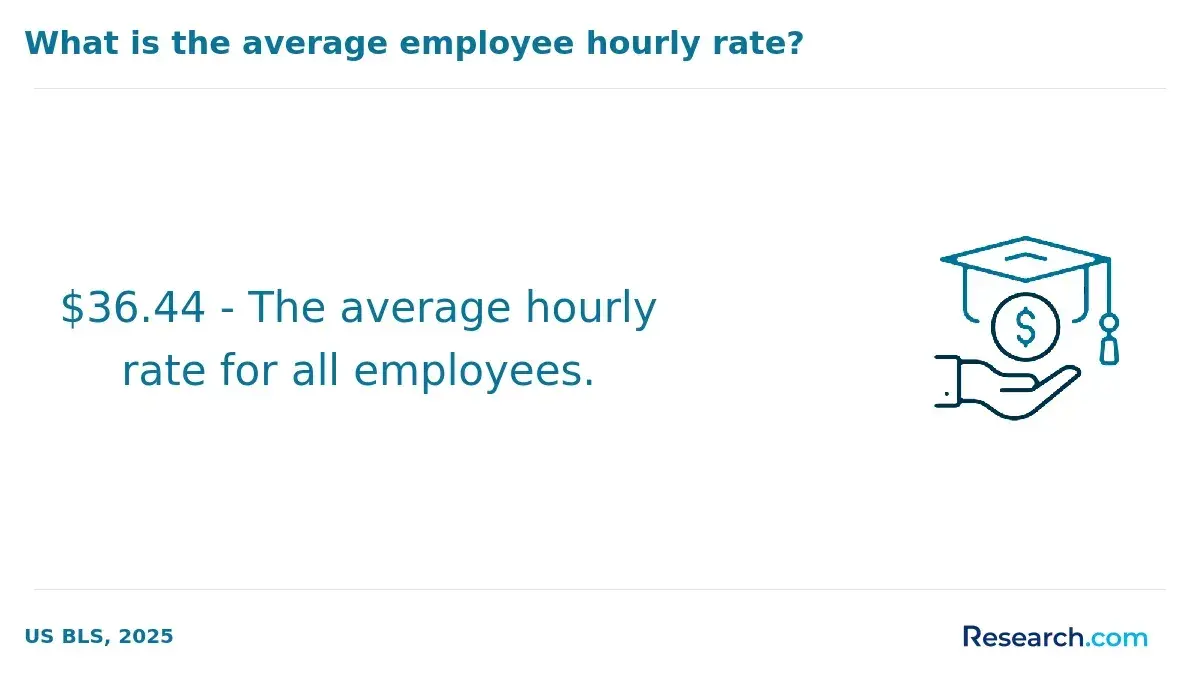
Data from the U.S. Bureau of Labor Statistics reports a median annual wage for psychologists at $94,310 in 2024. Entry-level salaries typically range from $50,000 to $70,000, while mid-career professionals can expect between $80,000 and $100,000. Seasoned psychologists often earn more than $110,000 annually, and those in high-demand specialties or successful private practices sometimes exceed $170,000.
Income may be lower for positive psychologists working mainly in academic or research settings unless they also earn income through consulting, grants, speaking, workshops, executive coaching, or private practice. On the other hand, corporate consulting and private practice can increase earning potential but may involve business development, variable client demand, administrative work, and less predictable income.
- Education level: A Ph.D. or Psy.D. is usually associated with broader clinical, academic, and leadership opportunities than a bachelor's or master's degree alone.
- Licensure: Licensed psychologists can provide services that non-licensed coaches or consultants cannot legally offer, depending on state law and scope of practice.
- Location: Metropolitan areas often offer higher pay than rural regions, though cost of living and competition may also be higher.
- Work setting: Universities, hospitals, schools, corporations, nonprofits, and private practices can have very different compensation structures.
- Specialization: Expertise in workplace well-being, resilience training, leadership development, trauma-informed strengths-based practice, or program evaluation can influence marketability.
For students comparing early degree options, reviewing the easiest bachelor's degrees to get may help clarify how different undergraduate paths can lead toward graduate study or related careers.
What internships can you apply for to gain experience as a positive psychologist?
Internships should help you test where positive psychology fits best: clinical care, research, education, community programs, or the workplace. The strongest experiences include supervision, measurable responsibilities, exposure to evidence-based methods, and opportunities to evaluate outcomes rather than simply observe.
- Corporations: Corporate internships may focus on employee well-being, resilience training, engagement, leadership development, burnout prevention, or workplace culture. Interns may help design surveys, analyze wellness data, support training programs, or evaluate whether interventions improve employee outcomes.
- Nonprofit organizations and government agencies: These placements often emphasize community well-being, youth development, prevention, outreach, public health, or mental health promotion. Students can gain experience working with diverse populations, facilitating groups, supporting grant-funded programs, and connecting research to policy or service delivery.
- Healthcare providers and schools: Hospitals, clinics, counseling centers, and school settings may offer experience with assessment, consultation, psychoeducation, group programming, and resilience-building. Healthcare settings may place more emphasis on clinical risk, diagnosis, and therapeutic coordination, while school-based roles often focus on prevention, student strengths, belonging, and systemic support.
When comparing internships, ask practical questions: Who supervises the work? What populations will you serve? Will you receive feedback? Are you allowed to collect or analyze data? Does the experience align with licensure requirements, graduate school goals, or your intended career setting?
Students planning graduate study may also compare affordable options such as cheap master degrees online to strengthen their preparation while managing education costs.
How can you advance your career as a positive psychologist?
Career advancement in positive psychology usually comes from combining credible training with visible results. Employers and clients want more than enthusiasm for well-being; they want someone who can design ethical interventions, measure outcomes, communicate clearly, and work across complex human systems.
- Continuing education: Workshops and advanced training in resilience, well-being science, assessment, mindfulness, strengths-based practice, trauma-informed care, or program evaluation can help professionals stay current. Choose training that is research-informed and relevant to the population you serve.
- Certification programs: Certifications in coaching, mindfulness, therapy methods, or organizational consulting may broaden your service offerings. However, not all certifications carry the same value. Before enrolling, review the program's admission standards, faculty qualifications, supervision model, evidence base, and recognition among employers or professional organizations.
- Networking: Conferences, research groups, professional associations such as the American Psychological Association (APA), and interdisciplinary events can lead to referrals, collaborations, speaking opportunities, and mentorship. Networking does not guarantee career success, but it increases the chance that others understand your expertise and know when to contact you.
- Mentorship: Mentors can help with dissertation direction, licensure planning, ethical decisions, publishing, consulting rates, private practice development, and career transitions. A useful mentor does not have to share your exact job title, but they should understand the standards and risks of the setting you want to enter.
- Outcome measurement: Professionals who can show whether a well-being program worked are more competitive. Learn how to define goals, select appropriate measures, gather feedback, and explain results honestly.
- Specialization: Advancement often requires a clear niche, such as workplace resilience, student flourishing, chronic illness support, leadership development, athlete performance, aging and meaning, or community well-being.
Where can you work as a positive psychologist?
Positive psychologists work wherever well-being, motivation, resilience, performance, relationships, and human development matter. The job title may not always be “positive psychologist,” so students should search broadly for roles in psychology, counseling, research, coaching, organizational development, wellness, education, and behavioral health.
- Major Corporations: Companies like Google and Amazon integrate positive psychology concepts into employee engagement, leadership development, well-being programs, and productivity initiatives. In these settings, psychologists may design surveys, advise leaders, evaluate interventions, or support culture change.
- Nonprofits: Organizations such as the National Alliance on Mental Illness (NAMI) may use positive psychology principles in community programs, peer support, prevention work, and resilience-building initiatives.
- Healthcare Systems: Hospitals and networks like the Mayo Clinic may apply positive psychology through patient support, staff well-being, stress reduction strategies, mindfulness initiatives, and integrated behavioral health programs.
- Educational Institutions: Schools and universities, including the University of Pennsylvania, may involve positive psychologists in research, curriculum design, student mental health programs, belonging initiatives, and faculty or staff well-being efforts.
- Government Agencies: Federal and state agencies may hire professionals to support public health, behavioral health initiatives, prevention programs, military resilience, workforce well-being, or community development.
- Consulting and Private Practice: Some positive psychologists work independently with individuals, teams, sports organizations, schools, agencies, or companies. This path offers autonomy but requires strong ethics, business skills, marketing ability, and clarity about licensure and scope of practice.
For students weighing cost and access, resources such as cheapest online universities that accept FAFSA can help identify degree options that may be eligible for financial aid.
What challenges will you encounter as a positive psychologist?
Positive psychology can be meaningful work, but it comes with professional, scientific, emotional, and business challenges. The field is sometimes misunderstood as simple positivity, so practitioners must be especially careful to communicate the seriousness of their training and the limits of their methods.
- Emotional and cognitive demands: Even strengths-based work may involve clients facing grief, trauma, depression, anxiety, burnout, illness, or major life transitions. Supporting growth while respecting suffering requires emotional stamina and strong clinical judgment.
- Shifts in the industry: AI-based therapy tools and digital wellness platforms are expanding access to low-cost support. Positive psychologists will need to show the value of human assessment, ethical reasoning, relationship-building, individualized care, and evidence-based interpretation.
- Regulatory and economic uncertainty: Healthcare policy changes, insurance limitations, funding cuts, and reimbursement issues can affect client access and job stability, especially for professionals serving economically vulnerable communities.
- Ongoing debates within the discipline: Some positive psychology theories and interventions have faced criticism about research quality, replication, cultural assumptions, or exaggerated claims. Serious professionals should engage with these debates instead of ignoring them.
- Business and practice management skills: Many psychology programs train students well in assessment and intervention but less thoroughly in marketing, billing, budgeting, contract negotiation, referral development, and practice operations.
- Role confusion: Positive psychology overlaps with coaching, counseling, organizational consulting, and wellness services. Professionals must explain what they are qualified to do, avoid misleading titles, and follow state laws on psychological practice.
- Burnout risk: Professionals who teach resilience can still experience stress, isolation, compassion fatigue, or overwork. Personal well-being practices are helpful, but they do not replace realistic workloads, supervision, consultation, and support.
What tips do you need to know to excel as a positive psychologist?
To excel in positive psychology, combine warmth with rigor. Clients and organizations need encouragement, but they also need honesty, evidence, boundaries, and interventions that match their actual circumstances.
- Build a strong psychology foundation first: Study assessment, ethics, statistics, psychopathology, counseling theory, development, and research methods before specializing too narrowly in well-being.
- Practice compassionate communication: Learn to validate pain without rushing clients toward gratitude, optimism, or meaning before they are ready. A strengths-based approach should feel supportive, not dismissive.
- Maintain clear professional limits: Know when you are acting as a psychologist, coach, consultant, educator, or researcher. Different roles carry different ethical and legal responsibilities.
- Keep learning: Advanced certifications and workshops can introduce methods such as mindfulness and specialized breathing techniques, but evaluate each training carefully for scientific quality and relevance.
- Consider personal therapy: Personal therapy can deepen empathy and self-awareness. It can help you understand the vulnerability of the client role, but it does not replace academic preparation, supervision, or licensure.
- Join professional communities: Participation in groups such as the American Psychological Association can provide mentorship, research updates, ethical guidance, and career connections.
- Seek varied supervised experience: Work across settings such as universities, clinics, schools, nonprofit programs, research labs, or private practices. Variety helps you understand which populations and environments fit your strengths.
- Measure impact: Whether you run therapy groups, employee well-being programs, or student resilience workshops, learn to assess outcomes and revise your approach based on evidence.
- Protect your own sustainability: Schedule consultation, supervision, rest, and peer support. A career centered on well-being should not be built on chronic overwork.
How do you know if becoming a positive psychologist is the right career choice for you?
Positive psychology may be a strong fit if you are interested in human strengths, scientific research, ethical helping relationships, and long-term professional training. It may be a poor fit if you want a quick credential, dislike research, struggle with emotional complexity, or prefer advice-giving over evidence-based practice.
- Personal qualities: Successful positive psychologists are often optimistic, empathetic, patient, curious, reflective, and able to maintain boundaries during difficult conversations.
- Educational commitment: The path usually requires a doctoral degree in psychology, specialized training in positive psychology, and 8-13 years including licensure and supervised hours. This is a major investment of time, money, and sustained academic effort.
- Work environment: Opportunities exist in universities, healthcare, research centers, schools, organizations, and private practice. However, the job market is still growing and may not be as clearly defined as more established psychology specialties.
- Salary expectations: Salary data is limited, but related counseling psychologists earn a median of around $85,000 annually, with experienced professionals making upwards of $124,000. Actual earnings depend heavily on credentials, setting, location, specialization, and business model.
- Emotional demands: The role requires resilience. You may focus on growth and well-being, but you will still encounter distress, setbacks, resistance, trauma histories, and systemic barriers.
- Career fit indicators: Enjoying psychology courses, research projects, counseling experiences, mentorship roles, or group facilitation can be a good sign. Positive feedback about empathy, professionalism, listening, and ethical judgment also matters.
- Potential red flags: Difficulty with ambiguity, discomfort with research, impatience with slow progress, or a desire to “fix” people quickly may signal the need to reconsider or gain more experience before committing.
- Alternative options: If you want faster workforce entry or fewer academic requirements, related paths such as life coaching, career counseling, human resources, wellness coordination, or training and development may be better aligned with your goals.
If you want a shorter career pathway with practical earning potential, you can also explore high paying job certifications that may connect with coaching, wellness, leadership, or human development work.
What Professionals Who Work as a Positive Psychologist Say About Their Careers
- : "Pursuing a career as a positive psychologist has given me remarkable job stability, especially as the demand for mental wellness experts continues to rise. The salary potential is quite promising, which adds to the appeal of this profession. I truly appreciate how this career balances meaningful work with financial security. — Sally"
- : "Working in positive psychology offers unique challenges, such as tailoring interventions to diverse populations, but these challenges have been incredibly rewarding. I've had the chance to innovate within the field and expand my skill set immensely. This dynamic environment keeps me deeply engaged and eager to grow. — Fred"
- : "The professional development opportunities in positive psychology are abundant, from specialized training programs to collaborative research initiatives. This field encourages continuous learning, which has greatly enhanced my expertise and career trajectory. I value how supportive the community is for fostering growth and advancement. — Valerie"
Other Things You Should Know About Becoming a Positive Psychologist
Yes, positive psychologists commonly work in various non-clinical environments such as corporate settings, educational institutions, and community programs. They apply principles of positive psychology to improve workplace culture, enhance learning outcomes, and promote overall well-being, showing flexibility beyond traditional therapy roles.
Research is fundamental to positive psychology, as the field relies heavily on empirical studies to validate interventions that promote mental health and happiness. Many positive psychologists engage in research to explore new theories, measure effectiveness, and contribute to the body of evidence supporting positive psychological practices.
Most positive psychology roles require a master’s or doctoral degree in psychology, counseling, or a related field. Doctoral programs usually take 4 to 7 years and often include research methods, statistics, and supervised practicum hours. Clinical practice may also require state licensure.
References
- Positive Psychology Techniques | Article | Therapist Aid https://www.therapistaid.com/therapy-guide/positive-psychology-techniques
- Top 10 Psychologist Skills You Must Have https://www.ollusa.edu/blog/psychologist-skills.html
- Positive Psychology | Psychology Today https://www.psychologytoday.com/us/basics/positive-psychology
- Grand Challenges for Positive Psychology: Future Perspectives and Opportunities - PMC https://pmc.ncbi.nlm.nih.gov/articles/PMC9196264/
- Frontiers | Grand Challenges for Positive Psychology: Future Perspectives and Opportunities https://www.frontiersin.org/journals/psychology/articles/10.3389/fpsyg.2022.833057/full
- Doctoral Internship Program https://www.kumc.edu/school-of-medicine/academics/departments/psychiatry-and-behavioral-sciences/psychology/doctoral-internship-program.html
- Professional Psychology Internship - The Institute of Clinical and Professional Training and Research https://www.devereux.org/site/SPageServer
- Personal Growth & Wellbeing: A Blueprint for Happiness https://positivepsychology.com/personal-growth/
- Career prospects Positive Psychology and Well-being | Tilburg University https://www.tilburguniversity.edu/education/masters-programs/positive-psychology-well-being/career
- Internships | Psychology https://psychology.arizona.edu/advising/research-internship-teaching-experiences/internships