2027 From Youth Program Worker to Public Health: Planning a Bachelor's Pathway

Co-Founder and Chief Data Scientist
Working with young people can reveal health challenges that individual programs cannot solve alone, from barriers to preventive care to gaps in community resources. If you want to address those patterns through program planning, outreach, or evaluation, a public health bachelor's degree may help. However, it is not the only route. This guide is for youth program workers considering that transition.
The guide connects your existing experience to realistic jobs, explains what a degree would add, and shows how to compare pathways before committing time and money. It's essential to consider your career goals and the specific requirements of the jobs you're interested in before choosing a degree path.
When comparing programs, consider factors such as curriculum, faculty expertise, cost, and networking opportunities. Look for programs that align with your career goals and offer practical, hands-on learning experiences. Additionally, consider the time and financial commitment required for each program, as well as any potential return on investment in terms of job prospects and salary potential.
Key Things You Should Know
- Youth program experience is relevant to community engagement and prevention, but public health roles may also require data, evaluation, or health education skills.
- A bachelor's degree can support entry into public health program and outreach roles; it does not by itself qualify you for clinical practice, epidemiologist positions, or management jobs.
- Compare a degree with targeted training and supervised experience, then obtain a written degree audit and total-cost estimate before enrolling.
What can you do with a bachelor's degree in public health?
A public health bachelor's degree can prepare you to help organizations prevent health problems across a population rather than provide clinical care to one person at a time. With youth program experience, plausible targets include public health program assistant, community outreach coordinator, prevention program staff member, and health education support roles. Titles vary: read the duties and minimum qualifications, not just the job name.
For example, a youth-serving nonprofit might need someone to coordinate family workshops, track participation, maintain referral partnerships, and summarize feedback for a grant report. Your experience with families and partner organizations helps; coursework in evaluation and health communication can make that experience easier to apply in a health-focused setting.
Some health education specialist positions accept a bachelor's degree, while others request particular coursework, credentials, or experience.
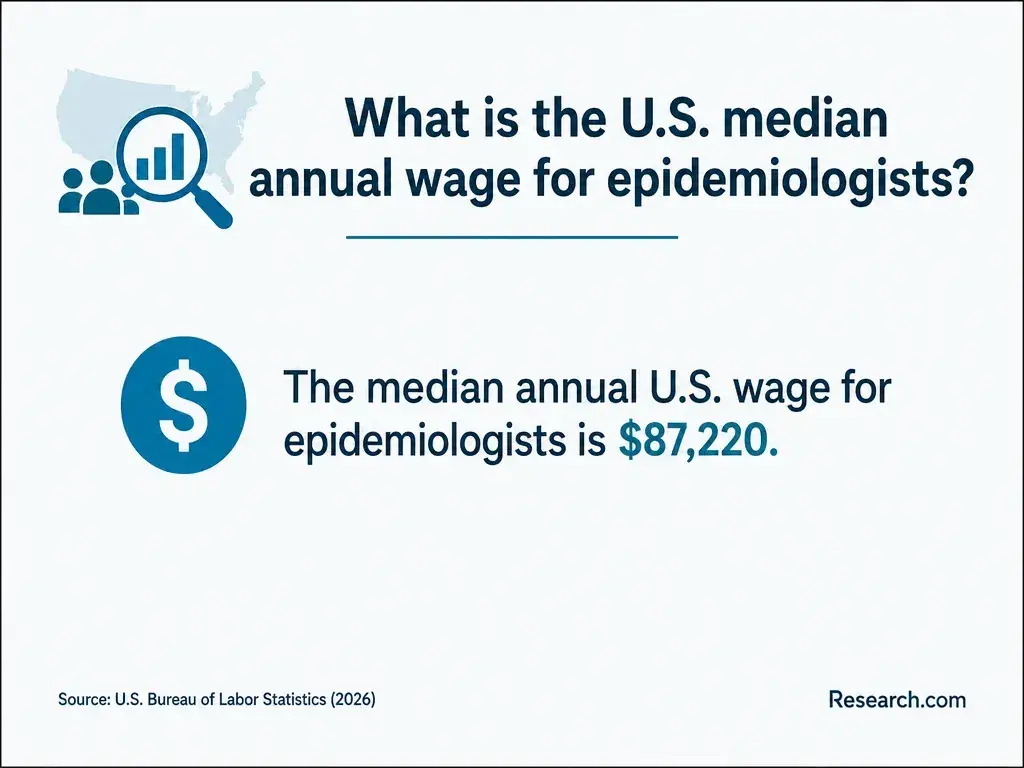
Do not treat every public health job as a bachelor's-entry role. Epidemiologist positions typically call for graduate education, and clinical roles require their own professional qualifications. If you are considering later study, public health master's salary outlook is a separate question from what you can expect immediately after a bachelor's degree.
How do you become a public health professional after working in youth programs?
Start by choosing a function, not just the broad label "public health." Outreach, program coordination, health education, and evaluation use different skills. A youth mentor who wants to improve attendance at preventive-health events needs a different preparation plan from someone who wants to analyze population-level data.
Use this sequence to test your target before committing to a degree:
- Collect job postings from local health departments, health systems, and youth-serving nonprofits; separate required qualifications from preferred ones.
- Translate your work into evidence: describe partnerships maintained, activities delivered, budgets handled, or reporting completed without disclosing young people's private information.
- Identify the missing skill most common in your target postings, such as spreadsheet analysis, program evaluation, or health communication, and seek training plus a supervised project.
- Compare those requirements with bachelor's curricula and request a transfer-credit evaluation if you have prior college study.
You may be able to move first into an outreach or program-support position while studying. If finishing school sooner matters, examine accelerated course planning for a public health degree, but check whether compressed courses and required fieldwork fit your work schedule.
Is a bachelor's degree in public health worth it for career advancement?
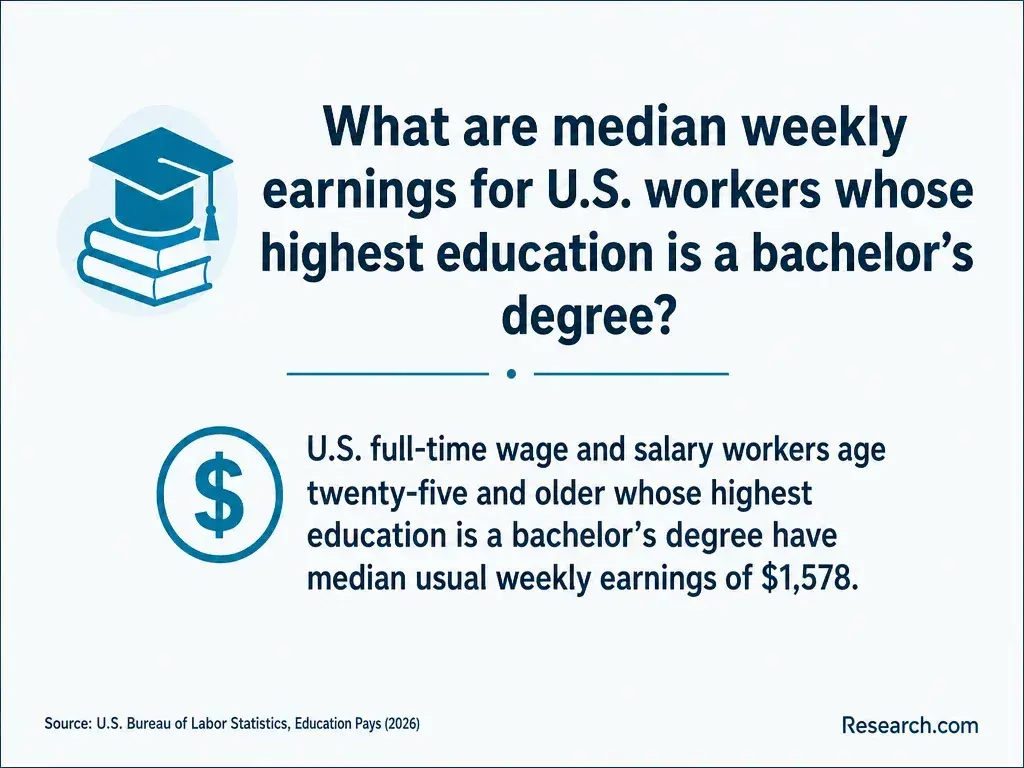
It may be worth it when the jobs you want require a bachelor's degree and you need a stronger foundation in population health, evaluation, and evidence-based program design. It is less compelling if your immediate goal is a promotion within youth programming that your employer bases chiefly on supervision or fundraising experience.
Compare the degree's remaining cost and time with the opportunities it would open in your local market. Include fees, books, commuting or technology, reduced work hours, and any unpaid fieldwork - not tuition alone. Ask your employer whether education assistance is available and whether the degree would change your eligibility for specific positions or pay bands; neither outcome should be assumed.
If your target role does not require a bachelor's degree, a course in evaluation, a relevant certificate, or a supervised project may be a better first investment. Comparing shorter public health education investments can help frame that choice, but verify each credential against actual job postings before paying for it.
The best route depends on how much college credit you already have and whether your intended job requires a particular major. The comparison below focuses on what each pathway adds to youth-serving experience; program names and requirements vary by school.
| Pathway | Potential fit | Main limitation to check |
| BA or BS in public health | Broad preparation for prevention, community health, and program work | Required science, statistics, fieldwork, and remaining credits |
| Community health or health education bachelor's | Closer fit for outreach and education-focused jobs | Whether coursework meets an employer's or credentialing body's requirements |
| Degree-completion or transfer pathway | Returning students with substantial prior coursework | Whether accepted credits actually satisfy major and graduation requirements |
| Targeted training while employed | Workers seeking a specific skill or adjacent role | Whether the desired job still requires a bachelor's degree |
An associate degree or previous coursework may help, but a school must determine which credits apply to the major, general education, and residency requirements. For a longer-term goal that explicitly requires graduate preparation, explore affordable online graduate MPH pathways only after checking their bachelor's-entry requirements; an MPH is not a substitute for completing an undergraduate degree.
Expect an introduction to population health: how social conditions, environments, behavior, and systems affect patterns of health. Common subjects include epidemiology, introductory statistics, health communication, policy, and program planning or evaluation. A program's actual depth depends on its curriculum, so compare required courses rather than relying on the degree title.
For a youth program worker, the most useful learning may be the shift from describing activities to assessing a program's purpose and results. You might learn to define whom an outreach effort serves, select appropriate measures, interpret participation data, and explain limitations without claiming that the program caused a health improvement. An internship or class project can provide evidence of those skills if the school offers appropriate supervision and the organization approves the work.
Introductory statistics does not make a graduate a specialist analyst. If data-intensive work becomes your goal, consider comparing online biostatistics graduate programs with the more immediate skills needed for an entry-level evaluation role.
Choose the format that lets you complete required courses and applied work reliably while keeping your job. Online classes can reduce commuting, but they may still include scheduled meetings, group projects, fixed deadlines, or in-person fieldwork. Campus study may offer easier access to local faculty and placement networks, while creating travel and scheduling costs.
Ask each program when required courses run, whether attendance is synchronous, how internships are approved, and whether you can use a project at your current workplace. Your employer's willingness to host a project is not the same as the school's approval.
If you expect to pursue further education later, comparing online public health doctoral formats illustrates why "online" should never be taken to mean fully self-paced or free of campus visits; judge the bachelor's program by its own published obligations.
Requirements depend on whether you apply as a first-year student, a transfer student, or a returning student. A school may admit you to the institution before you qualify for its public health major. It may also require specific grades or prerequisite courses before upper-level study. Youth program employment can strengthen an application where experience is considered, but it does not automatically replace academic requirements.
If you have attended college, submit official transcripts and request a written evaluation showing accepted credits, unmet prerequisites, remaining major courses, and graduation residency requirements. Ask when required courses are offered and who can approve a substitution or transfer appeal. Do this before assuming an associate degree will shorten the program by a particular amount.
Keep undergraduate and graduate admission rules separate. Public health master's provisional admission pathways may matter later, but they do not determine eligibility for a bachelor's program.
Full-time students commonly plan around a four-year bachelor's pathway, but your remaining time depends on accepted coursework, how it applies to requirements, enrollment pace, course availability, and any fieldwork. A part-time worker may need longer; a student with applicable transfer credit may need less time. Neither outcome is reliable until the school completes a degree audit.
Request a term-by-term estimate that separates tuition from mandatory fees, books, technology, travel, and fieldwork-related costs. Check whether your intended enrollment pace affects aid eligibility and whether summer or accelerated courses carry different charges.
Compare the remaining cost to graduate, not an advertised per-credit price in isolation. Online public health degrees for budget-conscious students can provide options to investigate, but obtain a school-specific cost estimate before deciding.
First, confirm that the university holds recognized institutional accreditation; this matters for the standing of the degree and can affect transfer and financial-aid considerations.
Then check whether the Council on Education for Public Health (CEPH) accredits the relevant school, unit, or standalone bachelor's program - and whether the particular degree you want falls within that scope. Accreditation of a university, a public health school, and an individual program are not interchangeable claims.
Ask admissions staff to identify the degree's accreditation status in writing and confirm it through the accreditor's current directory. If a future research doctorate is part of your plan, cost-conscious public health PhD planning requires a separate review of research fit and funding; a bachelor's accreditation decision cannot settle those questions.
What salaries and job outlook can public health graduates expect?
There is no single salary or growth rate for "public health graduates." The US Bureau of Labor Statistics reports by occupation, not by bachelor's major, and its categories can include workers with different degrees and levels of experience.
Community health worker and health education specialist are useful occupations to investigate for outreach or education goals, but their duties and employer requirements differ. Check the latest Occupational Outlook Handbook figures for your target occupation, then compare local postings for the pay and qualifications of roles you could actually enter.
For a youth program worker, the strongest near-term comparison may be between current earnings and a specific public health position - not an occupation-wide median that includes experienced workers. Consider advancement opportunities alongside pay: an outreach role may build evaluation or partnership experience even if it is not an immediate raise.
Likewise, online public health doctoral costs and professional opportunities should not be used to predict the return on an entry-level bachelor's transition.
Other Things You Should Know About Public Health
It can be relevant, especially when your duties involve prevention, community partnerships, outreach, or service access. Describe your actual responsibilities; a school or employer decides how that experience meets its requirements.
Yes, if your organization permits it and you remove confidential or identifying information. A sample outreach plan or deidentified reporting template can show your reasoning without exposing young people's records.
Not for every role. Some employers prefer or require a credential for particular positions. Check the job posting and the credentialing organization's eligibility rules before treating certification as part of your plan.
Speak with people hiring for your target roles and with an academic adviser who can review your coursework. Their answers can reveal whether your next step should be a degree, a specific skill, or relevant work experience.
- Types of Financial Aid: Grants, Work-Study, and Loans | studentaid.gov https://studentaid.gov/understand-aid/types
- The Evolution Toward Accreditation - PMC - NIH https://pmc.ncbi.nlm.nih.gov/articles/PMC4235277/
- Student Opportunities in Public Health | ny.gov https://www.health.ny.gov/prevention/public_health_works/student_opportunities.htm
- Planning and Conducting Health Education for Community Members | Community Engagement Playbook | ATSDR https://www.atsdr.cdc.gov/community-engagement-playbook/php/activities/health-education-for-community.html
- Entry Level - CDPH - CA.gov https://www.cdph.ca.gov/Programs/HRB/Pages/EntryLevel.aspx
- Cost of Attendance (Budget) | 2025-2026 Federal Student Aid Handbook https://fsapartners.ed.gov/knowledge-center/fsa-handbook/2025-2026/vol3/ch2-cost-attendance-budget
- Admission Requirements | The Graduate School https://grad.uconn.edu/admissions/requirements/
- Health Education Specialist: Requirements, Salary & Career Guide | Southwest Minnesota State University https://online.smsu.edu/resources/article/health-education-specialist-career-requirements-salary-growth/
- Undergraduate Experiential Learning | uiowa.edu https://www.public-health.uiowa.edu/experiential-learning-undergraduate/
- Admissions | Cal Poly Academic Catalog https://catalog.calpoly.edu/welcome/admissions/