2027 Public Health PhD Research Assistantships: Authorship and Data Access

Co-Founder and Chief Data Scientist
A funded public health PhD assistantship can provide research training without providing a dissertation dataset or a place on a paper. Those opportunities depend on the project, your contributions, data agreements, and your supervisor's plans.
This guide is for prospective doctoral students comparing offers and research groups. It explains how authorship and data access work, what NIH policies do - and do not - require, and which terms to clarify before enrolling. The aim is to help you choose an assistantship that supports both your finances and an achievable research agenda.
Key Things You Should Know
- An assistantship pays for assigned work; it does not automatically confer authorship, first-author status, or permission to use project data for a dissertation.
- Access depends on the data owner or steward, agreements, approved research purpose, security rules, and applicable ethics review - not just a supervisor's invitation.
- Before accepting, compare written funding terms with a feasible publication plan, dissertation data pathway, and backup plan if a grant or data approval changes.
What are public health PhD research assistantships?
A research assistantship is a paid assignment in which a doctoral student contributes to a faculty-led or partner-led project. In public health, work might include developing a survey, reviewing literature, cleaning surveillance data, conducting interviews, writing analysis code, or preparing a manuscript. The assignment may advance the student's research skills, but its immediate obligations are defined by the position and project.
An assistantship, a dissertation, and a publication are separate arrangements. A student might analyze grant data as an employee yet need additional approval to use it in a dissertation. Conversely, a dissertation may rely on data outside the paid project. When comparing online doctorate admission routes in public health, assess access to suitable research supervision and assistantships separately from the ease of admission.
How do authorship rights work for public health PhD research assistants?
Authorship is generally based on a substantive scholarly contribution, participation in drafting or critically revising the work, approval of the final version, and accountability for the published work - not on job title, payment, or hours worked alone. Journals and institutions may use different standards; many health journals follow International Committee of Medical Journal Editors criteria.
Data cleaning or recruitment can be essential work without, by itself, meeting every authorship criterion. Such work should still receive appropriate acknowledgment or another form of credit.
Discuss likely papers when joining a project, then revisit roles as the work evolves. A useful conversation identifies each proposed paper's question, who will lead analysis and writing, how contributions will be documented, and how disagreements or supervisor changes will be handled. First authorship should be discussed, not presumed: an early plan is not a guarantee if contributions or the project change.
Students considering an MPH before a PhD can use accessible admissions pathways for online MPH study to explore entry options. Admission to a master's program, however, says nothing about whether a particular research team will offer publication work or authorship.
Who controls research data in public health PhD assistantships?
The principal investigator manages many day-to-day decisions, but may not have sole authority to release or repurpose data. A health department, healthcare organization, tribal government, community partner, data repository, sponsor, or university may set conditions through law, consent, contracts, data-use agreements, and governance procedures. A student's ability to view a dataset does not establish ownership or permission to copy, publish, or retain it after leaving the project.
Public health data also differs in sensitivity. Public-use files may permit broad analysis; restricted or identifiable records can require an approved purpose, named users, secure computing, and limits on reporting small groups. "Deidentified" does not automatically mean unrestricted: contractual terms and reidentification risks still matter. Confirm who can authorize dissertation use, secondary analysis, code sharing, and access after graduation.
If a proposed dataset is unavailable, public-use data can sometimes support a different research question. Low-tuition online public health degree options may be worth considering for someone whose actual goal is learning to analyze such data rather than pursuing original doctoral research; lower tuition does not substitute for the supervision a PhD project requires.
Expect access sufficient for approved assistantship tasks, not unrestricted access to an entire study. Permissions may be limited by variable, participant group, project purpose, location, or time. An assistant working with a restricted epidemiologic dataset might receive an analysis extract in a secure environment but be unable to download row-level records or use them for a separate dissertation aim.
Before relying on a project for doctoral milestones, distinguish these access levels:
- Work access: Permission to perform assigned grant tasks.
- Dissertation access: Permission to pursue the student's approved research questions and report results.
- Continuing access: Permission to revise manuscripts, reproduce analyses, or answer journal questions after the assignment ends.
Ask about the approval authority, expected review time, storage environment, permitted outputs, and whether a student can retain analysis code without retaining restricted records. If access is uncertain, a methods-focused MPH using public data may be a more predictable near-term route; comparing online MPH tuition costs is relevant only after confirming that route meets the intended research goal.
Support can come from a research grant, institutional funds, a training award, or a combination of sources. An offer may include a stipend or wages, tuition coverage, fee support, and health insurance, but the terms vary. A department's statement that a PhD is "funded" does not, by itself, specify summer pay, insurance costs, required work hours, annual renewal, or what happens if a grant ends.
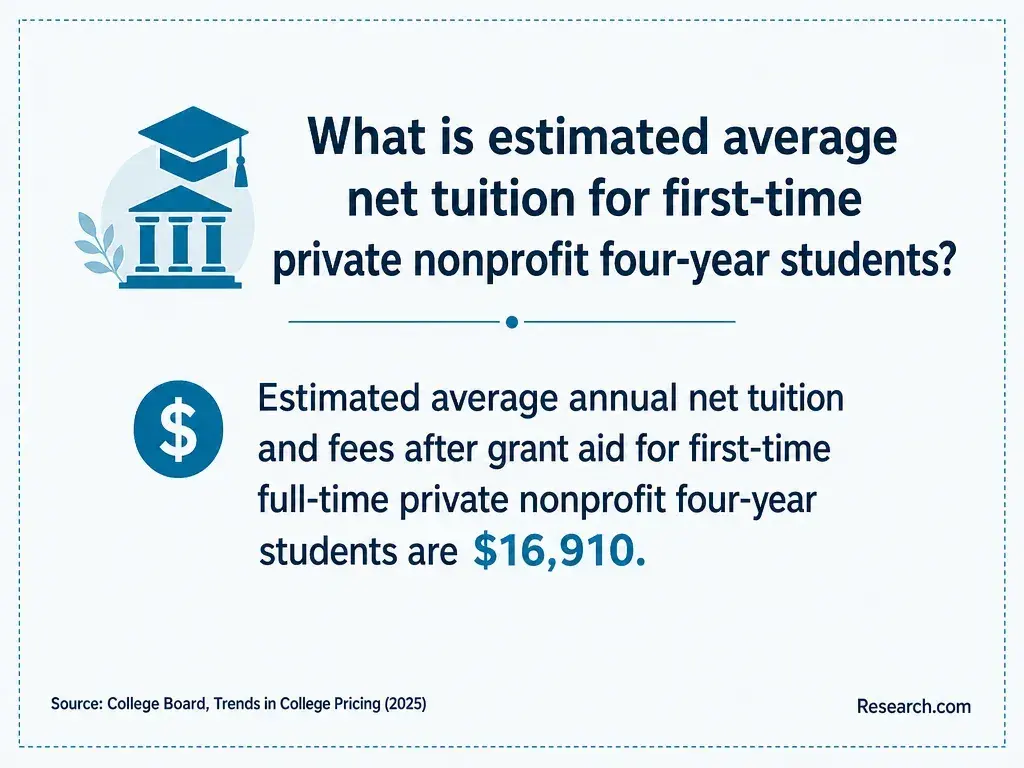
Compare offers using the written appointment and graduate funding policy. Identify the covered terms, whether tuition support depends on holding the assistantship, whether support is guaranteed or conditional, and whether the assignment leaves enough time for coursework and a dissertation. Public health doctorate expenses and salary prospects provide broader cost context, but a school-specific offer - not an advertised program price - determines the student's likely financial exposure.
Requirements follow the project and institution. An epidemiology assistantship may call for statistical programming and careful handling of missing data; community-engaged research may require interviewing, partner coordination, and training in confidentiality. Appointments can also have enrollment, satisfactory-progress, work-authorization, and availability conditions. No single software package, publication record, or prior public health degree is universally required.
Selection for a research role is distinct from admission to a PhD program. Applicants with uneven academic records should document relevant methods work and research reasoning rather than assume that low-GPA eligibility for public health graduate programs predicts eligibility for a particular doctoral assistantship. Ask the hiring faculty which skills are essential at appointment and which can be learned under supervision.
Request the appointment terms and relevant graduate policies, then speak with the prospective supervisor about a specific, feasible dissertation direction. The most useful questions test whether funding, supervision, publication opportunities, and data permissions fit together - not whether any one of them sounds attractive in isolation.
- Ask which terms of stipend, tuition, fees, insurance, and summer support are committed in writing, and what triggers renewal.
- Describe a possible dissertation question and ask who must approve the data, whether that use fits existing agreements, and what timeline is realistic.
- Ask which papers students may lead, how authorship decisions are revisited, and how contribution disputes are resolved under university policy.
- Identify a backup dataset, advisor, or research question if a grant, partner agreement, or access request falls through.
Compare the answers across programs. An unfunded route with clear public-use data may suit an independently financed student better than a grant-funded role whose data cannot support the dissertation; for most applicants, however, the full cost of that trade-off matters. Use affordable online public health PhD programs as a starting point for cost comparisons, then verify each program's actual funding and research arrangements.
Delivery format does not determine authorship standards or data rights. It does affect how readily a student can attend research meetings, use secure computing facilities, collaborate with community partners, and build a working relationship with an advisor. Some restricted data can be accessed remotely through approved systems; other projects require work on site. Online study also need not mean asynchronous research work.
Ask each program where research tasks occur, whether assistantships are available to students in that format and location, and whether required meetings or visits fit your schedule. If the primary goal is applied methods training rather than a dissertation and sustained publication work, an online public health master's value guide can help frame a less research-intensive alternative. Neither format alone establishes the value of a specific degree.
What careers follow public health PhD research assistantships?
Assistantship experience can support applications for academic research, epidemiology, biostatistics, health services research, government research, and evaluation roles when the student can demonstrate the methods those jobs require. Evidence matters more than the assistantship label: an independently explained analysis, reproducible workflow, responsible handling of sensitive data, presentation, or publication can show what the candidate actually did.
A PhD may be appropriate for someone aiming to lead an independent research agenda, but it is not necessary for every analyst or public health practice position. Compare target job postings with your existing experience before committing to doctoral study. For a master's-level alternative, the public health master's graduate pay guide offers career context; occupation-wide pay figures should not be treated as promised earnings from either degree or assistantship.
Other Things You Should Know About Public Health
Usually, you can describe your role and methods at an appropriate level, but confirm project and employer rules before naming partners, reporting unpublished results, or sharing code and materials.
Do not assume so. The graduate program must approve the dissertation, and the relevant data steward must permit the proposed use. Those are different decisions.
Review the program's advisor-change and funding policies promptly. Ask who can continue supervision and whether existing data agreements permit the work to continue under a different arrangement.
It depends on your goals and the rest of the offer. Seek a clear description of potential papers and mentoring, but evaluate whether the training, funding, and dissertation pathway remain worthwhile if no paper results.
- Authorship Resources | NIH Office of Intramural Research https://oir.nih.gov/sourcebook/ethical-conduct/authorship-guidelines-resources/authorship-resources
- Secondary Data Analysis: Ethical Issues and Challenges - PMC https://pmc.ncbi.nlm.nih.gov/articles/PMC4441947/
- Data ownership | ORI - The Office of Research Integrity https://ori.hhs.gov/content/Chapter-6-Data-Management-Practices-Data-ownership
- HIPAA and Research | hhs.gov https://www.hhs.gov/hipaa/for-professionals/special-topics/research/index.html
- Record Retention - OHSRP https://irbo.nih.gov/conducting-your-study/record-retention/
- Chapter 5: Research Data | duke.edu https://policies.provost.duke.edu/docs/chapter-5-research-data
- Retention of and Access to Research Data | DoResearch https://doresearch.stanford.edu/policies/research-policy-handbook/conduct-research/retention-and-access-research-data
- Guidance on Secondary Analysis of Existing Data Sets | University of Connecticut https://ovpr.uconn.edu/services/rics/irb/researcher-guide/secondary-analysis-of-data-sets/
- Secondary Use of Existing Data | virginia.edu https://hrpp.research.virginia.edu/teams/irb-sbs/researcher-guide-irb-sbs/secondary-use-existing-data
- Research Data Access and Ownership | University Policies and Standards https://policy.oregonstate.edu/policy/research-data-access-and-ownership