2027 Best Online Career Training Programs With Weekend Classes

Co-Founder and Chief Data Scientist
Choosing training around a full-time job, caregiving, or shift work means schedule flexibility matters as much as subject matter. The U.S. Bureau of Labor Statistics projects about 7.1 million job openings per year, on average, from 2023 to 2033, driven largely by replacement needs. Online career training with weekend classes can help adults build job-relevant skills without leaving work. This guide explains program types, live versus self-paced weekend formats, costs, accreditation, licensing limits, and the questions to ask before enrolling.
Key Things You Should Know
- Weekend online programs range from noncredit career training to credit-bearing certificates and associate degrees; confirm the exact credential before paying because transferability, aid eligibility, and employer recognition differ.
- Live Saturday or Sunday classes can suit working adults, but healthcare and skilled-trade programs often still require local labs, clinical rotations, externships, or supervised practical assessments.
- BLS projects roughly 7.1 million average annual U.S. job openings from 2023 to 2033; use local job postings and state licensing rules - not broad employment projections alone - to test whether a program matches your target role.
Top 10 Best Online Career Training Programs With Weekend Classes
Popular Trade School Programs
Online weekend trade training commonly covers HVAC fundamentals, electrical theory, welding safety, construction estimating, CAD, plumbing concepts, and industrial maintenance. A noncredit certificate can build introductory knowledge, while a credit-bearing certificate or associate degree may include general education and more structured lab work. Choose hybrid training when employers or licensing rules require hands-on competencies. Fully online study is usually best for estimating, drafting, safety, dispatch, or code theory - not for replacing supervised field practice. Ask whether tools, lab intensives, apprenticeships, and industry-exam preparation are included.
Healthcare Programs
Weekend-friendly online options include medical billing and coding, pharmacy technician theory, medical office administration, health information support, and some prerequisite coursework. Certificates are educational credentials; certifications such as CPC or CPhT are separate credentials awarded by certifying bodies under their own eligibility rules. Clinical occupations, including nursing, medical assisting, phlebotomy, and sonography, generally require in-person skills training and may require state approval or licensure. Verify clinical placement responsibility before enrolling, since an online course alone may not make a learner eligible for employment or a licensing examination.
Criminal Justice / Law Programs
Online weekend programs may offer certificates or associate degrees in criminal justice, legal studies, paralegal studies, cybersecurity foundations, corrections, and emergency management. These can suit adults seeking entry-level support roles or advancement in related public-service settings. Paralegal education does not authorize someone to practice law, and requirements vary by employer and state. For policing, corrections, or security work, separate background checks, academy training, physical standards, and agency hiring rules may apply. Compare curriculum with local employer requirements, especially for evidence handling, report writing, and legal research.
Arts & Design Programs
Weekend online programs in graphic design, UX/UI fundamentals, digital marketing design, web design, photography, video editing, and animation usually award a certificate, diploma, or associate degree. Portfolio quality often matters more than the credential title for creative entry-level work. Look for instructor feedback, current software access, rights to retain portfolio projects, and assignments resembling real client briefs. A short noncredit program can be useful for targeted software skills; a credit-bearing associate degree may make more sense for learners who want broader foundations and possible transfer options.
What Are Online Career Training Programs?
Online career training programs are structured courses designed to teach occupational skills for a specific job area or entry-level career pathway. Providers include community colleges, accredited colleges, workforce organizations, trade schools, and private training companies. They may award a noncredit completion certificate, a credit-bearing academic certificate, a diploma, or an associate degree.
The label matters. A certificate shows that a student completed a program of study; a professional certification is typically awarded by an independent organization after a qualifying exam and, in some fields, documented experience. If you need a fast, skills-focused route, compare these programs with 6 month programs, but check whether each option meets the hiring or licensing standard for your intended role.
This comparison clarifies the main credential choices and their practical trade-offs.
| Option | Typical provider | Best use | Key limitation |
| Noncredit career training | Private provider, workforce program, college continuing education | Fast skill-building or career exploration | Usually does not transfer for college credit |
| Academic certificate | Community college or college | Focused, credit-bearing career preparation | May still require separate certification or licensure |
| Associate degree | Community college or college | Broader technical preparation and possible transfer | Usually takes longer and costs more |
| Industry certification preparation | College or training provider | Preparation for a recognized external exam | Course completion is not the certification itself |
How Do Weekend Classes Work Online?
Weekend classes online usually use one of three models: live virtual meetings on Saturdays or Sundays, self-paced modules due weekly, or a hybrid schedule combining online instruction with occasional campus labs. "Online" does not automatically mean fully asynchronous, so obtain the course calendar before committing.
The format should fit both your work schedule and the skills being taught. The comparison below shows what to expect from common delivery models.
| Format | Schedule pattern | Works best for | Watch for |
| Live online weekend | Set video sessions, often mornings or afternoons | Learners who need routine and instructor access | Attendance rules and time-zone requirements |
| Asynchronous online | Recorded lessons and weekly deadlines | Shift workers and caregivers | Less immediate feedback and self-management demands |
| Hybrid weekend | Online coursework plus scheduled labs or intensives | Hands-on technical and healthcare pathways | Travel, equipment, and mandatory in-person dates |
Before enrolling, request a sample week. Count lecture hours, homework, proctored exams, lab travel, group meetings, and externship commitments. A program advertised as weekend-only may still require weekday daytime clinical hours, which can be a decisive constraint for employed learners.
Which Accreditations Matter Most?
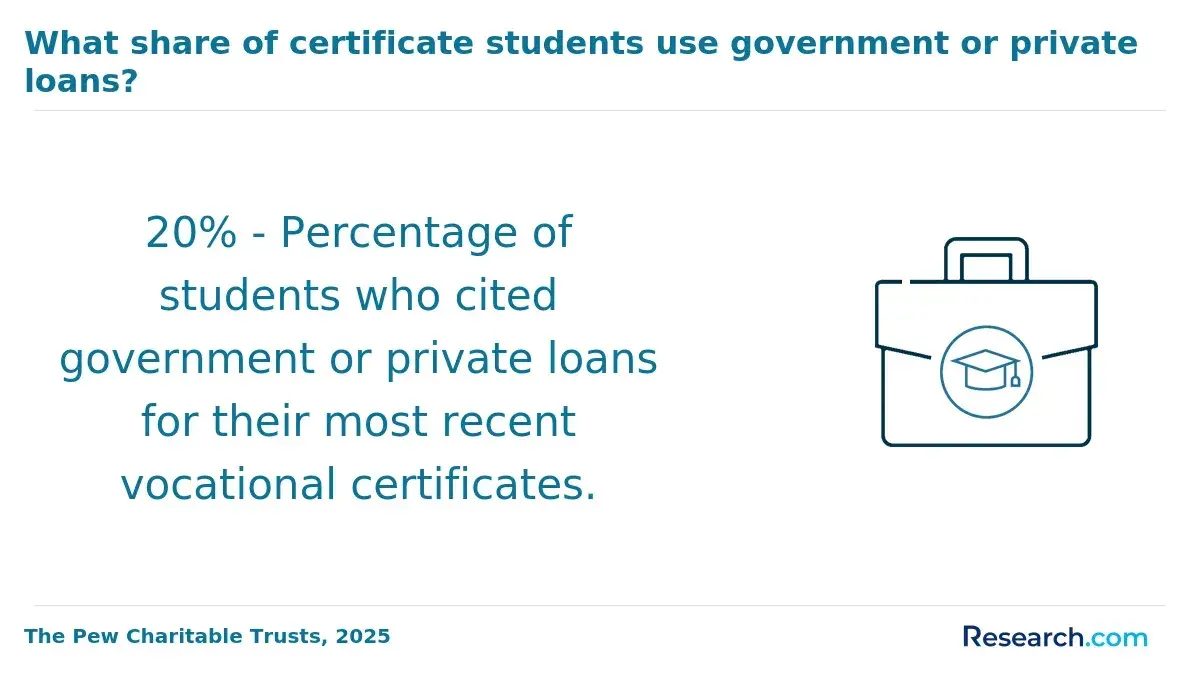
Accreditation matters most when a program awards college credit, participates in federal financial aid, supports transfer, or prepares students for regulated work. Institutional accreditation evaluates the college as a whole; programmatic accreditation evaluates a specific discipline and is especially important in fields such as nursing and allied health.
For noncredit training, institutional accreditation may not apply. In that case, focus on whether employers recognize the provider, whether the curriculum maps to a named certification exam, and whether the training organization clearly states its outcomes and refund policies.
Use this distinction to avoid a common mistake: assuming that an accredited school makes every online program license-qualifying. Confirm eligibility directly with the relevant state board or certifying organization before enrolling, particularly if you may work in a different state from the school.
What Careers Can These Programs Lead To?
Career outcomes depend on the curriculum, local employer demand, previous experience, required credentials, and the amount of hands-on practice a field requires. Training may help applicants qualify for entry-level support roles, but it does not guarantee a job, salary, license, or promotion.
For longer-term planning, compare an occupation's actual education expectations with options such as college degrees that pay well. A short program can be a sensible entry point, while a degree may be more appropriate for roles requiring broad academic preparation, advancement, or professional licensure.
The BLS Occupational Outlook Handbook is useful for checking typical entry education, projected demand, and national wage data for an occupation. National wage figures describe the occupation, not the earnings of every certificate or training-program completer, and local pay can differ substantially.
Programs are generally strongest for career changers when they include a clear job target, current tools, assessed projects or practical work, and support for building a résumé or portfolio. They are weaker investments when the advertised job title requires a degree, apprenticeship, license, or experience the program does not provide.
How Long Do Programs Take?
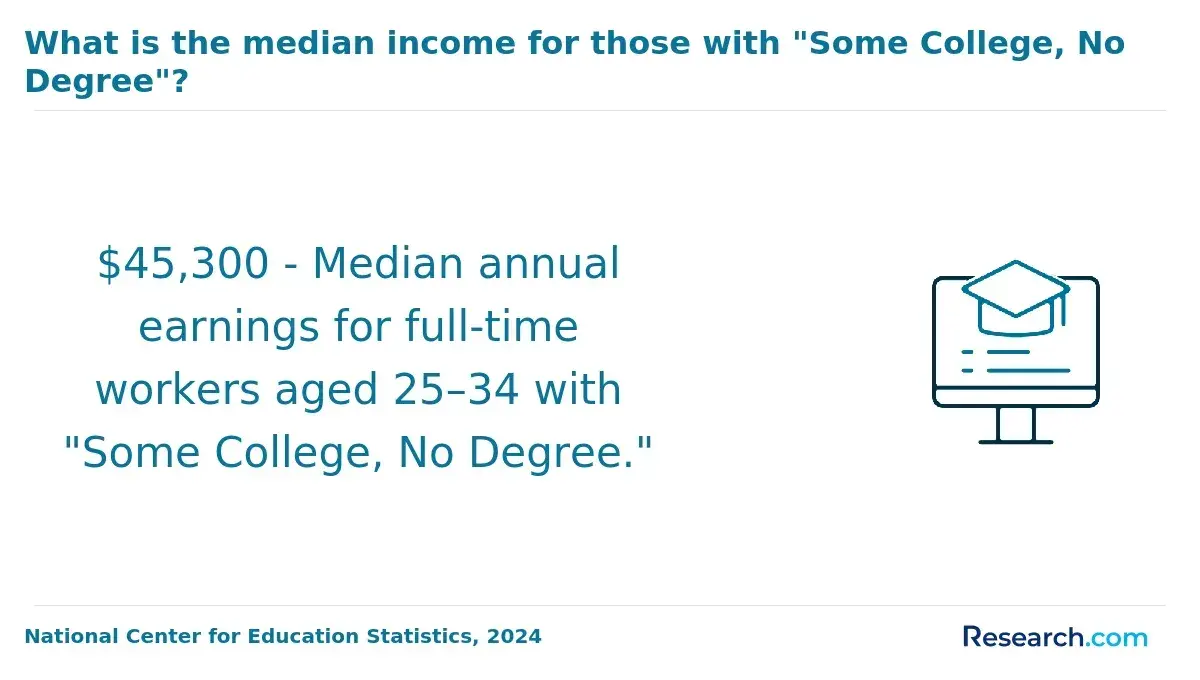
Completion time varies more by delivery design than by program label. A focused noncredit course may take weeks or months, a college certificate often takes several months to about a year part time, and an associate degree commonly requires about two years of full-time study, with longer timelines for weekend-only enrollment.
Do not choose solely by the shortest advertised timeline. Learners balancing work may finish more reliably with a lower course load and predictable weekend sessions. If your goal requires graduate-level preparation rather than entry-level training, review 1 year masters options separately; they have different admission standards, workloads, and career purposes.
Ask whether the published timeline includes prerequisites, school breaks, clinical placement wait times, certification-exam preparation, and retake policies. These factors can extend the real time from enrollment to job eligibility.
How Much Do Programs Cost?
Program cost is more than published tuition. The College Board reported average published tuition and fees of $4,050 for in-district students at public two-year colleges in 2024-25. That benchmark can help compare credit-bearing community-college options, but noncredit career training and private providers set their own prices and may package services differently.
Calculate total cost before comparing programs. The most useful estimate includes the following categories.
- Tuition or per-credit charges, including different in-district and out-of-district rates when applicable
- Registration, technology, proctoring, graduation, and payment-plan fees
- Books, software subscriptions, tools, uniforms, supplies, and background checks
- Certification-exam, licensing, fingerprinting, or renewal fees when required
- Travel, lodging, childcare, or lost work time for labs, clinicals, or weekend intensives
Credit-bearing college certificates may be eligible for federal or state aid when the institution and program meet applicable rules; many short noncredit courses are not. Ask the financial-aid office, not just an admissions representative, whether aid applies to the exact program and enrollment level. Employer tuition assistance, workforce grants, and payment plans can reduce upfront cost, but compare repayment terms carefully.
What Admission Requirements Apply?
Admission requirements depend on the provider and credential type. A self-paced noncredit course may require only payment and basic computer access. A college certificate or associate degree may require an application, proof of high school completion or equivalent, placement steps, prerequisite courses, and residency documentation. Selective healthcare programs can add immunizations, drug screening, background checks, entrance testing, and minimum grades in prerequisite science courses.
Apply only after confirming the requirements for your exact program, not the school generally. Ask whether prior learning, military training, industry credentials, or transfer credit can reduce time to completion - and get any evaluation in writing. Also verify whether enrollment is rolling or limited to a cohort with fixed weekend meeting times.
Do You Need Licensure Or Certification?
Some careers require a government license, while others value or require an industry certification. Neither requirement should be assumed from a program's marketing. Licensure is granted by a state or other government authority and may require approved education, supervised experience, examinations, and background clearance. Certification is awarded by a professional or industry organization under its own standards.
Medical coding, pharmacy technician, IT support, HVAC, electrical work, and paralegal studies illustrate why details matter: one employer may prefer certification, another may require it, and a regulated role may require state-specific approval. For clinical healthcare careers, contact the licensing board in the state where you intend to work. Confirm that the program's delivery format, clinical hours, and approval status meet current eligibility rules before spending money.
How Do You Choose A Reputable Program?
A reputable online weekend program clearly identifies the credential awarded, total cost, faculty or instructor qualifications, attendance expectations, practical-training requirements, and realistic career purpose. It should answer direct questions without promising guaranteed jobs, salaries, licenses, or certification outcomes.
Start by comparing established providers, including the most reputable online universities, when you need credit-bearing study or a pathway to further education. Then use the following screening steps to narrow the list.
- Name the target job and check several local job postings for required education, licenses, certifications, software, and experience.
- Verify whether the credential is noncredit, credit-bearing, stackable, or transferable before applying.
- Request the complete weekend calendar and identify all mandatory weekday, lab, clinical, externship, or proctored-exam obligations.
- Compare total cost, refund terms, equipment needs, exam fees, and financing terms rather than tuition alone.
- For regulated careers, confirm approval and eligibility directly with the state board or certifying organization.
- Ask how the provider measures completion, exam preparation, placement support, and employer relationships, and treat unsupported outcome claims as a red flag.
Walk away from providers that obscure the credential type, pressure you to sign immediately, cannot explain licensure limits, or market a fully online route to a role that legally requires supervised in-person training. The best choice is the one that fits your schedule while meeting the actual entry requirements for your intended career.
Other Things You Should Know About
Sometimes. Programs based on software, theory, office skills, or business processes may be fully online and weekend-friendly. Programs requiring labs, clinicals, apprenticeships, or supervised skills assessments often include fixed in-person or weekday requirements.
Employers usually care most about whether the training teaches relevant skills and meets any required licensing or certification standard. A recognized college, established training provider, portfolio, practical experience, and industry certification can all strengthen the value of a certificate.
No. A certificate is generally awarded after completing an educational program. A professional certification is typically awarded by an industry or professional organization after meeting its requirements, which may include an examination, continuing education, or work experience.
It may, but eligibility depends on the institution, program, credential type, and enrollment status. Credit-bearing programs at eligible schools are more likely to qualify than short noncredit courses. Confirm eligibility for the exact program with the financial-aid office.
References
- Online Career Training https://www.southeastmn.edu/continue_education/page.aspx
- CourseCareers https://coursecareers.com/blog-posts/7-best-online-career-training-programs-for-beginners
- The Difference Between "Fast Track" and Traditional Career Training Programs https://abctrainingcenter.com/difference-fast-track-traditional-career-training-programs/
- Advanced Career Training Programs Overview - /info/landing/online-career-training-program https://commed.smc.edu/info/landing/online-career-training-program
- Jessup Playbooks: Transitioning to a 7-Week Course Schedule: Why 7-Week Courses? https://libguides.pvcc.edu/7-week-course-schedule/why-7-week-courses
- Vocational Training NYC: Best Courses & Gift Cards https://coursehorse.com/nyc/classes/professional/vocational
- Job Training Programs | VA | FastForward https://fastforwardva.org/
- Course Completion Rate Benchmarks: Improve Yours (2026) | Ruzuku https://www.ruzuku.com/learn/articles/course-completion-rates
- Online Certificate Programs | Certifications Programs https://www.uscareerinstitute.edu/online-certificate-programs
- Job Training in New York City - New York City Employment and Training Coalition https://nycetc.org/membership/full-member-list/job-training-programs-in-new-york-city/