2027 Best Career Training Programs for Job Security

Co-Founder and Chief Data Scientist
Choosing training that leads to durable work matters more than choosing the shortest program. U.S. Bureau of Labor Statistics projections for 2024-2034 show especially strong demand in healthcare, skilled trades, clean-energy work, and data-focused occupations.
This guide is for career changers, recent graduates, and workers seeking a faster route into stable employment. It explains which programs fit different goals, what credentials employers recognize, what training can cost, and how to avoid enrolling in a program that does not meet licensing or hiring requirements.
Key Things You Should Know
- Healthcare and licensed skilled-trade pathways generally offer stronger job security because they address essential services, regulated work, infrastructure, and an aging population; BLS projects nurse practitioner employment to grow 40% from 2024 to 2034.
- A certificate is education completed through a school or provider, while a certification is a professional credential awarded by an industry body; many careers require both training and a separate exam or state license.
- For cost control, compare tuition, tools, exams, clinical placements, transportation, and lost work time; the average published in-district tuition and fees at public two-year colleges was $4,050 in 2024-2025, before living expenses.
Top 10 Best Career Training Programs for Job Security
Popular Trade School Programs
Trade programs prepare learners for hands-on, often regulated work. Electrician, HVAC/R, welding, plumbing, diesel technology, industrial maintenance, solar installation, and construction-management certificates are common options. Many are nondegree certificates lasting months to two years; associate degrees add general education and may support advancement. Apprenticeship-based electrician and plumbing paths combine paid work with classroom instruction and can be a better fit than paying for a private-school certificate. Confirm whether the curriculum meets state licensing, apprenticeship, or employer requirements before enrolling.
Healthcare Programs
Healthcare training ranges from short certificates for medical assisting, phlebotomy, pharmacy technology, and practical nursing to associate degrees in nursing, dental hygiene, radiography, and respiratory care. Clinical programs usually require background checks, immunizations, drug screening, CPR training, and supervised placements. A school certificate alone may not authorize practice: nursing, radiography, respiratory care, and dental hygiene commonly require graduation from an approved program plus a state license. Choose healthcare training when you can meet clinical schedules and local licensing rules, not simply because an online program is fast.
Criminal Justice / Law Programs
Criminal justice certificates and associate degrees can introduce policing, corrections, emergency management, homeland security, or private security. Legal studies and paralegal certificates focus on legal research, writing, litigation support, and document management. These programs can support entry-level administrative or support roles, but they do not make a graduate an attorney, police officer, or licensed investigator. Police agencies set separate fitness, background, academy, and age requirements. For paralegal work, employer preferences vary; a program approved by the American Bar Association can be a useful quality signal where available.
Arts & Design Programs
Graphic design, web design, UX/UI, digital media, animation, photography, and interior design certificates can build job-ready portfolios. Associate degrees provide more time for foundational design, software, critique, and client-work practice. Job security depends heavily on specialization, portfolio quality, local demand, and ability to use evolving tools responsibly. AI-assisted design has increased the value of creative direction, brand judgment, accessibility, and client communication rather than eliminating the need for designers. Before paying for training, review graduate portfolios and verify that software instruction matches current employer postings.
Which career training fields currently offer the strongest long-term job security?
The strongest long-term job security usually comes from work that is essential, difficult to automate fully, tied to licensing, or driven by demographic and infrastructure needs. Healthcare, electrical and mechanical trades, public safety support, and technical maintenance tend to meet more of those conditions than highly general office or creative training.
The comparison below helps separate occupations with structural demand from programs that merely promise quick entry. BLS projections are national estimates, so use local job postings and state requirements before making a final decision.
| Field | Job-security driver | Illustrative BLS 2024-2034 outlook | Training consideration |
| Nursing and allied health | Aging population, clinical care needs, licensure | Nurse practitioners: 40% growth | Clinical education and state approval are often essential |
| Renewable-energy trades | Energy infrastructure and installation demand | Wind turbine technicians: 50% growth | Travel, heights, and physical work may be required |
| Electrical and HVAC/R | Building systems, repairs, maintenance, replacement cycles | Electricians: 9% growth; HVAC/R technicians: 8% growth | Apprenticeship and licensing can matter more than a short course |
| Medical support | Outpatient care and administrative-clinical demand | Medical assistants: 12% growth | Certification may improve competitiveness but is not always legally required |
| Data and cybersecurity | Digital operations, risk management, technology adoption | Data scientists: 34% growth | Usually requires stronger math, technical skills, and often a degree beyond basic training |
Choose a field with a realistic match to your physical capacity, schedule, academic preparation, and local hiring market. A high national growth rate does not mean every program has strong placement results or that every region has openings.
How do accredited career training programs differ from non-accredited options?
Accreditation evaluates educational quality at the institutional or program level; it is not the same as an industry certification. An accredited college may offer credit-bearing certificates that can apply toward an associate degree, while a non-accredited private provider may offer useful skills training but limited transferability and no access to certain licensure pathways.
Accredited options make the most sense when you need federal financial aid eligibility, transferable academic credit, a regulated healthcare credential, or a degree pathway. Non-accredited training can make sense for software, portfolios, employer-specific tools, or short upskilling when employers value the provider and no license is involved.
Before enrolling, verify the school's institutional accreditation and then ask whether the specific program holds any required specialized approval. This is especially important for nursing, radiologic technology, respiratory care, dental hygiene, and other fields where graduation eligibility may depend on program approval. If flexibility is central to your search, compare recognized options among accredited online colleges and confirm that their practicum arrangements work in your state.
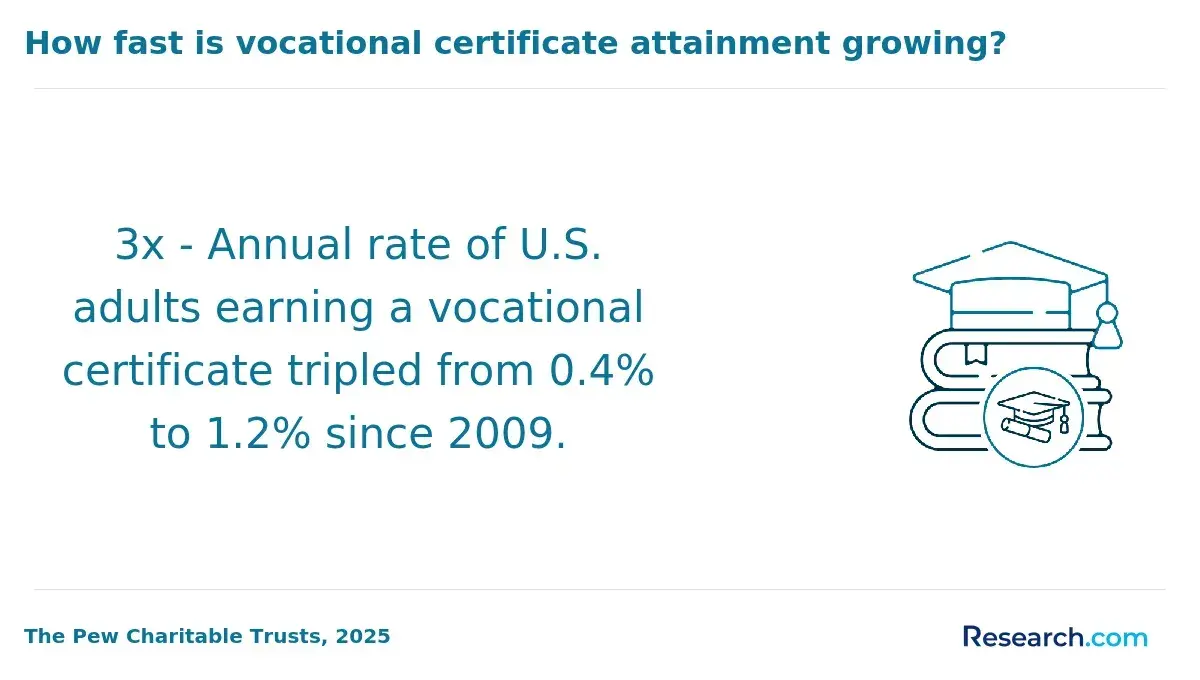
What should students compare when choosing between online and campus career training?
Online career training is often effective for theory-heavy subjects, but campus or hybrid delivery is usually safer for careers requiring equipment practice, labs, clinical hours, or direct skill observation. The right format depends on what an employer, licensing board, or certifying organization expects you to demonstrate.
Compare the following features before choosing a format. They reveal whether "online" means genuinely flexible training or simply self-paced coursework with important requirements shifted to the student.
| Comparison point | Online or hybrid may fit when | Campus-based training may fit when |
| Schedule | You need asynchronous lectures around work or caregiving | You benefit from fixed meeting times and immediate instructor access |
| Hands-on practice | The provider arranges approved local labs, externships, or simulations | You need regular access to labs, tools, shops, or clinical facilities |
| Licensure preparation | The school confirms eligibility in your state in writing | Your state requires in-person instruction or approved local clinical sites |
| Networking | You can build contacts through an employer, internship, or professional association | You want local employer visits, faculty referrals, and cohort relationships |
| Total cost | You can reduce commuting and relocation expenses | Equipment, labs, and placement support are included and materially improve readiness |
Do not assume a fully online program qualifies you for a hands-on occupation. Ask who secures placements, whether there are distance-learning fees, how practical competency is assessed, and whether students in your state have completed the required exam or licensing process.
What admission requirements and prerequisites do career training programs typically have?
Admission requirements depend on the credential and provider. Short noncredit training may require only a high school diploma or equivalent, while credit-bearing certificates and associate degrees often require an application, transcripts, and placement assessment. Competitive clinical programs can add prerequisite courses, minimum grades, health documentation, and entrance testing.
Applicants should separate school admission from admission to a limited-enrollment program. Being accepted by a college does not necessarily reserve a place in nursing, radiography, dental hygiene, or other selective cohorts.
Common requirements to verify include:
- High school diploma, GED, or equivalent documentation
- Prerequisite grades in math, English, anatomy, science, or technology courses
- Background check, drug screening, immunizations, CPR certification, or physical examination for clinical placements
- Age, driving record, physical fitness, or background standards for public-safety and transportation roles
- Tool, computer, software, uniform, or safety-equipment requirements that are not included in tuition
If you need a broader academic route before specialized training, reviewing the easiest bachelor degree to get options can help clarify whether a degree pathway fits your career target better than a short program. "Easiest" should never replace checking whether the curriculum satisfies employer or licensing expectations.
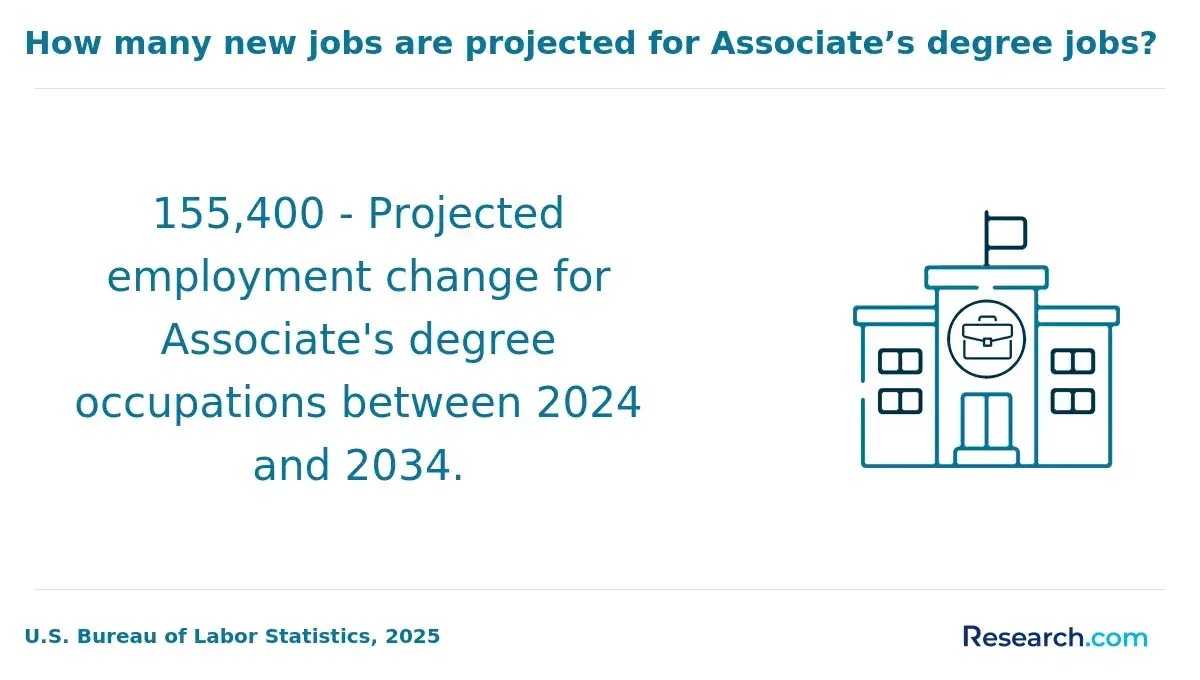
How long do career training programs take and what do they cost overall?
Career training can take from a few weeks for a narrow workforce credential to two years for an associate degree. Time-to-completion is affected by prerequisites, clinical rotations, apprenticeship hours, course availability, and whether you attend full time. A program advertised as six months may take longer if required externships or licensing steps occur after coursework ends.
Published tuition is only one part of the investment. College Board reported average published tuition and fees of $4,050 for in-district students at public two-year colleges in 2024-2025, but students should budget separately for books, tools, transportation, testing, uniforms, insurance, and living expenses.
This comparison shows why total cost and training structure should be evaluated together:
| Program type | Typical duration | Common cost components | Best use case |
| Short workforce certificate | Weeks to about one year | Tuition, exam fees, supplies, optional certification | Targeted entry-level skills or employer-required training |
| Credit-bearing certificate | About one semester to one year | Tuition, fees, books, labs, possible clinical costs | Students who may later stack credits into a degree |
| Associate degree | About two years full time | Tuition, general education, labs, clinicals, licensure costs | Regulated technical or healthcare careers and broader advancement options |
| Registered apprenticeship | Usually multiple years | Tools, related instruction, licensing expenses; wages may offset costs | Trades where supervised paid experience is valued |
Ask for a written estimate of the full program cost and compare completion schedules, not just monthly payment offers. Learners seeking an accelerated degree route can also examine 1 year associate degree programs while confirming transfer credit rules and whether accelerated pacing is realistic for required labs or clinical work.
What courses and skills are included in high-quality career training curricula?
High-quality career training teaches more than a software interface or a test-prep outline. It combines technical competency with safety, documentation, communication, problem solving, and supervised practice that resembles workplace conditions. In fields affected by AI and automation, programs should also teach learners how to verify outputs, protect sensitive information, and exercise professional judgment.
A strong curriculum usually includes the following components:
- Occupation-specific technical instruction aligned with current equipment, codes, workflows, or clinical standards
- Hands-on labs, simulations, projects, externships, apprenticeships, or portfolio work with documented feedback
- Safety, ethics, privacy, infection control, accessibility, or legal-compliance content relevant to the field
- Digital literacy, including appropriate use of industry software and AI-assisted tools
- Career preparation such as interviewing, résumé development, professional communication, and job-search support
- Preparation for a required certification exam or license only when the provider clearly identifies the relevant exam and eligibility rules
Review the course sequence and contact hours, then compare them with local job descriptions. For a broader view of occupations that may justify longer academic study, explore the best college majors alongside shorter career-training routes.
What entry-level and advanced job roles can career training graduates pursue?
Career training typically opens access to entry-level technician, assistant, trainee, or support roles. Advanced roles often require additional experience, a license, certification, an associate or bachelor's degree, or employer-sponsored advancement. The most reliable plan is to identify the first job a program can plausibly support and the next credential needed for advancement.
This progression map illustrates how training may connect to career ladders without implying that a certificate alone qualifies every graduate for a listed role:
| Training area | Possible entry-level roles | Potential advancement route |
| Electrical or HVAC/R | Helper, installer assistant, maintenance technician trainee | Apprentice, journeyperson, service technician, supervisor, contractor where licensed |
| Medical support | Medical assistant, phlebotomy technician, patient-care technician, pharmacy technician | Specialty certification, practical nursing, registered nursing, office management |
| Legal studies | Legal assistant, file clerk, intake specialist, paralegal assistant | Paralegal, litigation-support specialist, compliance coordinator |
| Design and digital media | Production artist, junior designer, content-production assistant | Designer, UX specialist, art director, freelance business owner |
| IT support | Help-desk technician, desktop-support technician, junior systems support | Network administrator, cybersecurity analyst, cloud-support specialist |
Job titles vary by employer. Read at least several local postings before enrolling and note whether employers ask for a specific license, portfolio, certification, degree, or amount of experience.
What salary ranges and earning potential do career training graduates usually see?
Earnings vary more by occupation, location, shift, union status, experience, licensure, and employer than by the name of a training program. Occupational wage data should be used as a market benchmark, not as a promise that certificate completers will earn the listed amount.
The U.S. Bureau of Labor Statistics reported these national median annual wages for selected occupations in May 2024. They show the range of potential markets connected to different training paths.
| Occupation | Median annual wage, May 2024 | Important qualification context |
| Electricians | $62,350 | Usually requires apprenticeship experience and state or local licensing |
| HVAC/R mechanics and installers | $59,810 | Employers may prefer EPA Section 608 certification for refrigerant work |
| Medical assistants | $44,200 | Certificate training can be relevant; requirements vary by employer and state |
| Registered nurses | $93,600 | Requires an approved nursing education pathway and RN licensure; a basic certificate alone is insufficient |
| Paralegals and legal assistants | $61,010 | Education expectations vary; attorney supervision remains required for legal work |
| Graphic designers | $61,300 | Portfolio quality and relevant experience strongly influence hiring |
To evaluate return on investment, compare your estimated total cost and foregone income with realistic local entry wages, not national medians alone. Ask each provider for outcome definitions, reporting period, number of graduates included, and whether reported pay is verified or self-reported.
Which licenses and industry certifications are required for career training careers?
Licenses and certifications are occupation-specific. A license is government permission to practice a regulated occupation; certification generally verifies that a professional met standards set by an independent certifying organization. Schools may provide education that prepares students for either requirement, but they do not issue most professional licenses.
Examples of requirements that frequently affect career-training decisions include:
- Electricians and plumbers may need state or local licenses after documented supervised work hours and an exam
- HVAC/R workers who handle refrigerants need EPA Section 608 certification
- Registered nurses, practical nurses, dental hygienists, respiratory therapists, and radiologic technologists generally need state authorization after completing approved education and passing relevant examinations
- Commercial drivers need a commercial driver's license and may need endorsements based on the vehicle or cargo
- Pharmacy technicians may face state registration requirements and employer-preferred national certification
- IT certifications such as CompTIA, Cisco, cloud-provider, and cybersecurity credentials are typically voluntary but can help document specific skills
Before paying a deposit, contact the relevant state board or agency and ask whether the exact program meets educational eligibility requirements. A major red flag is a provider that promises licensing eligibility but will not identify the approving body, examination, or state-specific limitations.
Other Things You Should Know About
The best choice depends on your strengths and local labor market, but licensed healthcare roles, electrical and HVAC/R trades, and maintenance-focused technical work often have durable demand. Choose a program only after confirming its connection to actual entry-level job requirements.
They can be worthwhile when they teach a clearly requested skill, lead to an employer-recognized certification, or stack into a longer credential. They are less useful when the target job requires a license, extensive clinical training, an apprenticeship, or a degree the certificate does not provide.
Many theory-based programs can be completed online, but clinical, trade, laboratory, and equipment-heavy pathways often require in-person labs, externships, or supervised work. Confirm practical-training and state-eligibility requirements before enrolling.
Verify the provider's accreditation or authorization when relevant, review total costs in writing, check program-specific approvals for licensed careers, ask about placement support, and compare the curriculum with local job postings. Avoid schools that guarantee employment, pressure you to sign immediately, or cannot explain licensing eligibility.
References
- Skills Employers Will Look for in 2026 | Mavenside Consulting https://mavenside.co/blog/skills-employers-look-for-2026-how-to-build-them
- Workforce Development: GOOD JOBS FOR COLORADANS | Phil Weiser for Colorado https://philforcolorado.com/workforce-development-good-jobs-for-coloradans/
- 37 Employee Training Statistics and Trends for 2026 | Devlin Peck https://www.devlinpeck.com/content/employee-training-statistics
- 5 Most Popular Job Training Sectors In The US https://coggno.com/blog/business-skills/5-most-popular-job-training-sectors-in-the-us/
- 6 Most Popular Job Training Sectors in the US https://www.paretolaw.com/resources/blogs/6-most-popular-job-training-sectors-in-the-us
- How development programs benefit both companies and employees https://sponsored.bostonglobe.com/rocklandtrust/employee-development-programs-benefits/
- Career Training Could Beat Traditional College https://www.trainingdirectusa.com/blog/why-career-training-beats-traditional-college/
- How Career Training Programs Help You Land a Job Faster | Year Up United https://www.yearup.org/about/resources/how-career-training-programs-help-you-land-a-job-faster
- 80+ Corporate Training Statistics that Matter for 2026 https://trainingorchestra.com/employee-training-trends/
- What Is a Typical Salary Increase When Switching Jobs? - Unmudl https://unmudl.com/blog/typical-salary-increase