2027 Free College for Seniors over 60: Student Guide to Costs, Aid, and Funding

Co-Founder and Chief Data Scientist
Paying for college after 60 can feel confusing because "free college" often means tuition is waived, not that every cost disappears. The decision matters more as more adults stay active in work, volunteering, and lifelong learning; a 2024 federal profile reported that the U. S. had 59.2 million adults age 65 and older.
This guide explains who qualifies, what programs cost, how aid works, and how to compare accredited options so you can enroll without overspending or choosing the wrong path.
Key Things You Should Know
- Free college for seniors usually means a tuition waiver at a public college, while registration fees, course materials, technology fees, parking, labs, and books may still apply.
- Most senior tuition programs start at age 60, 62, or 65, and many are space-available, state-resident, audit-only, or limited to specific public institutions.
- Federal student aid has no upper age limit, and eligible students may use options such as the FAFSA, a Pell Grant of up to $7,395 for 2025-26, federal loans, and the Lifetime Learning Credit of up to $2,000 per tax return.
What free and reduced-cost college options exist for seniors over 60 in the U.S.?
Free and reduced-cost college options for adults over 60 fall into several categories. The best choice depends on whether you want personal enrichment, a career credential, a degree, or a low-cost way to test college before committing.
The table below compares the main options older adults encounter. Use it to separate programs that waive tuition from programs that reduce the overall price but still require careful budgeting.
| Option | How it usually works | Best fit | Main limitation |
| State senior tuition waiver | Public colleges waive all or part of tuition for eligible residents, often on a space-available basis. | Adults who want the lowest tuition price at a public institution. | Fees and course access rules vary by state and school. |
| Audit-only senior program | Students attend classes without earning academic credit or a grade. | Lifelong learners who want knowledge, not a credential. | Audited courses usually do not count toward a degree or certificate. |
| Reduced senior tuition | Colleges charge a discounted per-credit rate or waive part of tuition. | Students who want credit-bearing courses but do not qualify for a full waiver. | Discounts may exclude high-demand, online, graduate, or professional courses. |
| Community college program | Older adults take workforce, certificate, associate degree, or continuing education courses at lower public two-year college rates. | Career changers, retirees seeking practical skills, and students testing college affordability. | Noncredit courses may not qualify for federal financial aid. |
| University lifelong learning institute | Membership-based programs offer lectures, discussion groups, and enrichment courses. | Retirees prioritizing community and intellectual engagement. | These programs are typically noncredit and not designed for employment credentials. |
| Online certificate or degree | Students complete coursework remotely through an accredited college or approved provider. | Adults balancing caregiving, part-time work, mobility needs, or rural access issues. | Not every online course is eligible for senior waivers or financial aid. |
For many seniors, the most affordable path is not a single program but a combination: a state tuition waiver for credit-bearing courses, a community college certificate for workforce skills, and low-cost noncredit courses for personal learning. The key is to ask whether the program produces the outcome you actually need, because a free audited class may be valuable for learning but unsuitable if you need a transcript, license prerequisite, or employer-recognized credential.
Who qualifies as an older adult for tuition waivers and senior college programs?
Colleges do not use one national definition of "senior student." In practice, eligibility is usually based on age, state residency, course availability, and whether the student is taking the class for credit or audit.
Most senior waiver programs use one of three age thresholds. Age 60 is common in state policies designed for older residents, age 62 appears in several public university systems, and age 65 is often used for senior citizen audit privileges or reduced tuition programs. Some schools also require that students meet normal admissions standards if they want academic credit.
Before applying, confirm the specific eligibility rules because small details can change the real value of the waiver. Schools commonly ask for the following items when reviewing senior tuition benefits:
- Proof of age, such as a driver's license, state ID, passport, or birth certificate.
- Proof of state residency, especially for public colleges funded by state taxpayers.
- A completed admissions, nondegree, continuing education, or senior audit application.
- Confirmation that seats remain after tuition-paying students register, if the program is space-available.
- Department approval for courses with prerequisites, labs, clinical placements, or professional accreditation requirements.
Eligibility can also depend on income. For example, some state senior programs waive tuition only for residents below a stated income level, while others waive tuition regardless of income but still charge fees. If you are pursuing a degree, you should also ask whether your credits will count toward graduation requirements; some senior programs are generous for auditing but restrictive for degree completion.
How much do senior-focused college programs typically cost, and what hidden fees apply?
Senior college programs can be very inexpensive, but "free" rarely means zero cost. Tuition is only one part of the bill, and older students should evaluate the total cost of attendance before enrolling.
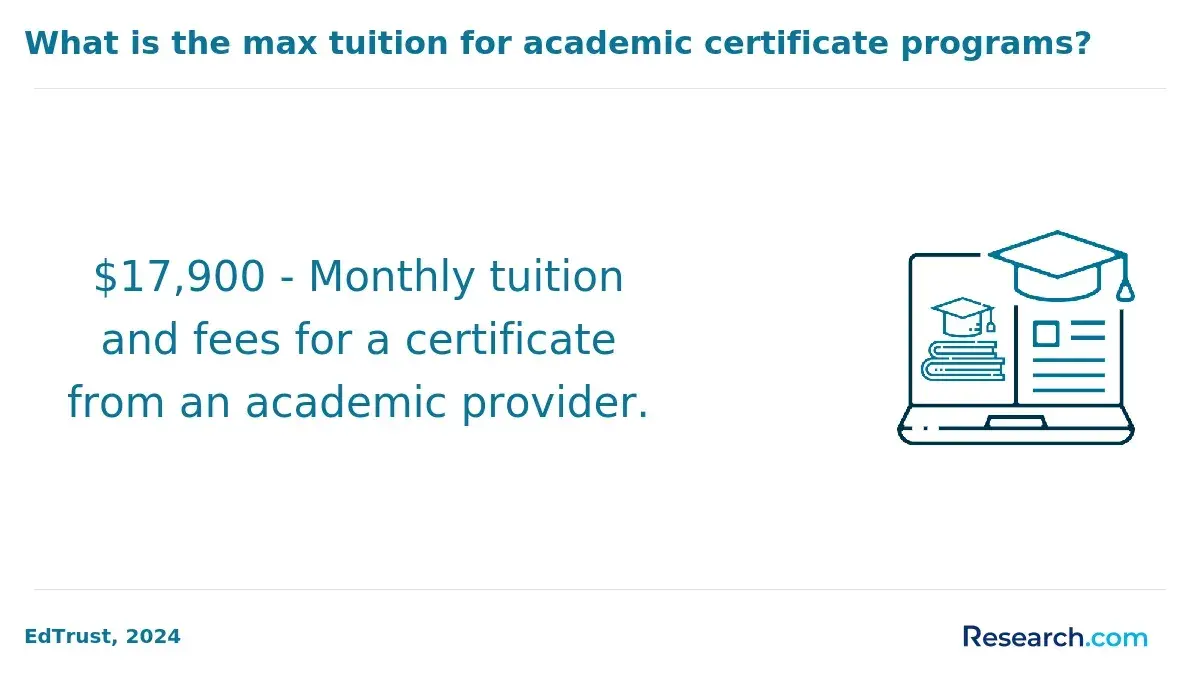
College Board's 2024 pricing data shows why tuition waivers can be valuable: average published tuition and fees for 2024-25 were $4,050 at public two-year colleges for in-district students, $11,610 at public four-year colleges for in-state students, and $43,350 at private nonprofit four-year colleges. A tuition waiver can therefore remove a major expense, but it may not remove the full financial commitment.
The table below summarizes common cost categories. It is most useful when you compare programs that advertise "free tuition" against programs with low posted prices but fewer restrictions.
| Cost category | What seniors may pay | Why it matters |
| Tuition | May be waived, discounted, or charged at the regular rate. | This is usually the largest cost and the focus of senior waiver programs. |
| Mandatory fees | Registration, student activity, health, technology, online learning, facilities, or campus service fees. | Fees may remain even when tuition is waived. |
| Course materials | Books, software, access codes, art supplies, tools, or uniforms. | These costs can make a "free" course expensive, especially in lab or technical programs. |
| Program-specific fees | Lab, clinical, testing, background check, insurance, or certification exam fees. | Common in healthcare, education, trades, and public safety programs. |
| Transportation and parking | Gas, transit, parking permits, rideshare, or accessibility transportation. | Campus-based study can cost more than expected for commuters. |
| Technology | Laptop, webcam, internet, assistive technology, or software subscriptions. | Online and hybrid courses often require reliable digital access. |
To avoid surprises, ask the school for a written estimate before registering. The most common hidden costs for senior students include:
- Nonwaivable application, registration, or late-payment fees.
- Online course fees that apply even when tuition is waived.
- Lab, studio, clinical, or equipment fees in hands-on programs.
- Textbook access codes that cannot be bought used.
- Certification exam, licensure, fingerprinting, or background check charges.
- Transcript evaluation fees if you want old credits reviewed.
The smartest financial approach is to compare total out-of-pocket cost per completed outcome. A free audited course may be perfect for enrichment, while a low-cost certificate with fees may be the better value if it leads to a specific job, volunteer role, or professional requirement.
What federal, state, and institutional financial aid is available to students over 60?
Students over 60 can use many of the same financial aid tools as younger students, as long as they meet program, citizenship, enrollment, and satisfactory academic progress requirements. Age alone does not disqualify a student from federal financial aid.
The FAFSA is the starting point for federal grants, loans, and some state or institutional aid. For 2025-26, the maximum Pell Grant is $7,395, which can be especially useful for eligible low-income seniors pursuing an approved degree or certificate rather than auditing classes.
The table below explains major aid categories and how they typically apply to older learners. It can help you decide which options are worth pursuing before you spend time on applications.
| Aid source | Can seniors use it? | Important limitation |
| Federal Pell Grant | Yes, if financially eligible and enrolled in an eligible undergraduate program. | Usually not available for audit-only, noncredit, or graduate study. |
| Federal Direct Loans | Yes, if the student meets federal eligibility rules. | Loans must be repaid, so seniors should be cautious about borrowing near or during retirement. |
| Federal Work-Study | Possibly, depending on financial need and campus job availability. | Positions may be limited and may not fit every student's schedule or physical needs. |
| State grants | Sometimes, depending on residency, income, program type, and state rules. | Some state grants prioritize recent high school graduates or full-time students. |
| Institutional scholarships | Yes, if the school allows older, part-time, transfer, or nontraditional students to apply. | Deadlines and eligibility rules vary widely. |
| Tax credits | Possibly, if the student or taxpayer meets IRS requirements. | The Lifetime Learning Credit is worth up to $2,000 per tax return, not per student. |
Graduate and professional study can be different because Pell Grants do not apply to most graduate programs. If you are considering an online master's degree, compare tuition, employer reimbursement, scholarships, and loan repayment risk before assuming a waiver or grant will cover the program.
Older adults should be especially careful with student loans. Borrowing can make sense if the credential supports a realistic employment plan, but it may be risky if fixed retirement income will make repayment difficult. Ask the financial aid office to estimate your net cost after grants and scholarships before you accept any loan funds.
How do tuition waivers, scholarships, and employer benefits work specifically for seniors?
Tuition waivers, scholarships, and employer benefits can reduce costs in different ways. Understanding the mechanics matters because each benefit has its own timing, tax treatment, and academic restrictions.
Tuition waivers usually reduce the amount the school charges; they are not cash paid to the student. Many senior waivers are applied only after regular students have registered, which means popular classes may fill before senior students can enroll. Scholarships are different because they are awarded by schools, foundations, community organizations, professional associations, or donors and may cover tuition, fees, books, or a broader cost category.
Employer benefits can also help older adults who are still working. The IRS educational assistance exclusion allows eligible employer-provided education benefits up to $5,250 per year to be excluded from taxable income, subject to plan rules. That can be useful for employees updating digital, management, accounting, healthcare, or compliance skills without drawing down retirement savings.
A practical way to coordinate benefits is to check them in the right order. Follow these steps before you register:
- Ask the admissions or registrar's office whether your age, residency, enrollment status, and course type qualify for a senior waiver.
- Ask the bursar for a written estimate that separates tuition from mandatory fees and course-specific fees.
- Submit the FAFSA if you are pursuing an eligible credit-bearing degree or certificate and want to be considered for federal, state, or institutional aid.
- Search the college scholarship portal for awards open to adult, transfer, part-time, veteran, caregiver, or returning students.
- If you are employed, ask human resources whether tuition assistance, professional development funds, or certification reimbursement applies before you pay out of pocket.
- Confirm whether any benefit requires a minimum grade, continued employment, repayment agreement, or completion deadline.
The most common mistake is assuming benefits stack automatically. A school may reduce institutional scholarships after a tuition waiver, an employer may reimburse only after course completion, and a senior audit waiver may be unavailable for online or graduate courses. Always confirm the order in which aid is applied.
Which accredited colleges and universities offer free or low-cost programs for seniors?
Many accredited public colleges and universities offer free or low-cost opportunities for older adults, but the rules are highly local. The safest approach is to start with your state's public higher education system, then compare community colleges, regional universities, and online public options.
The examples below show how varied senior college programs can be across the U.S. They are not a substitute for checking the current catalog or registrar's policy, but they illustrate the types of benefits seniors may find.
| State or institution type | Typical senior benefit | Credit status | What to verify |
| Alabama public two-year colleges | Tuition waiver opportunities for eligible adults age 60 and older. | Often credit-bearing if admissions and course rules are met. | Fees, program exclusions, and seat availability. |
| University System of Georgia | Tuition-free enrollment options for eligible Georgia residents age 62 and older. | May allow credit study if admitted and space is available. | Admissions category, graduate rules, and mandatory fees. |
| Florida public colleges and universities | Senior audit opportunities for eligible residents age 60 and older. | Typically audit-only. | No-credit rules, online availability, and registration timing. |
| Connecticut public higher education institutions | Tuition waiver options for eligible residents age 62 and older. | Can vary by institution and course type. | Fees, degree applicability, and space-available limits. |
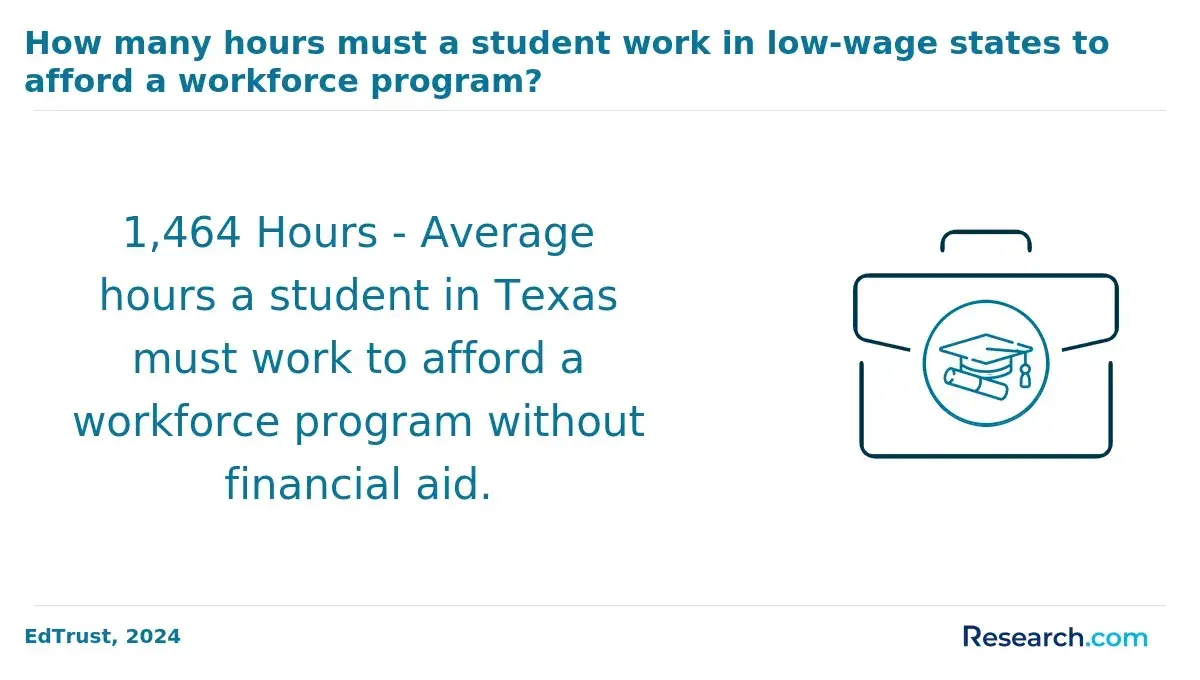
| Texas public colleges and universities | Limited tuition benefits for eligible older residents, often tied to credit-hour caps. | May include credit-bearing study within limits. | Age threshold, credit maximums, and institution-specific procedures. |
| Community colleges nationwide | Lower baseline tuition, senior discounts, workforce grants, and continuing education options. | Credit and noncredit options available. | Whether the course is aid-eligible and transcripted. |
Accreditation is essential. Look for institutions accredited by agencies recognized by the U.S. Department of Education, and be cautious with unaccredited "life experience degree" offers. Veterans, military spouses, and retirees should also compare benefits, transfer-credit policies, and support services at military-friendly online colleges if military education benefits or prior service credits are part of the plan.
If you are comparing schools, call the registrar rather than relying only on marketing pages. Ask whether the senior benefit applies to your exact course, whether you must apply as degree-seeking or nondegree, and whether online sections are treated differently from campus sections.
What degrees, certificates, and noncredit courses can older adults pursue through these programs?
Older adults can pursue almost every level of postsecondary learning, but not every option has the same cost, timeline, or payoff. The right choice depends on whether your goal is enjoyment, employability, volunteer preparation, business ownership, or formal degree completion.
The table below compares common academic paths. It is designed to help you match the credential level to the outcome you want, not just the lowest advertised price.
| Program type | Typical purpose | Common timeline | Best for |
| Noncredit enrichment course | Personal learning, social connection, hobbies, history, arts, languages, or wellness. | A few sessions to one term. | Retirees who want learning without grades or exams. |
| Audited college course | College-level learning without earning credit. | One academic term. | Students exploring a subject before committing to a degree. |
| Workforce certificate | Job-specific skills in areas such as healthcare support, bookkeeping, IT, project coordination, or digital marketing. | A few months to one year. | Adults seeking practical skills for part-time, encore, or contract work. |
| Undergraduate certificate | Transcripted credit that may stack into an associate or bachelor's degree. | One to three terms in many programs. | Students who want a credential but are not ready for a full degree. |
| Associate degree | Career preparation or transfer to a bachelor's program. | About two years full time, longer part time. | Adults seeking a structured, affordable academic pathway. |
| Bachelor's completion program | Completing an unfinished degree using transfer credits. | Varies based on accepted credits. | Students with prior college coursework who want a full undergraduate credential. |
| Graduate certificate or master's degree | Advanced professional knowledge or career pivot. | Several months to two or more years. | Experienced adults with a clear professional goal and a plan for cost control. |
Certificates are often the most practical choice for seniors who want a focused skill without taking general education requirements. For flexible short programs, compare accredited college certificates with reputable online courses with certificates, but verify whether employers in your field value the credential and whether it carries academic credit.
Degree programs make more sense when the credential is required for a role, licensure path, promotion, or long-standing personal goal. For example, a bachelor's completion program can be worthwhile if you already have many transferable credits, while a noncredit course may be a better fit if you simply want to study literature, history, music, or technology for personal growth.
How do online options compare with campus-based programs for senior learners?
Online programs can make college more accessible for seniors, but they are not automatically cheaper or easier. The best format depends on learning style, health needs, technology comfort, course availability, and whether hands-on practice is required.
The comparison below highlights the major trade-offs. Use it to decide whether online, campus-based, or hybrid study fits your goals and constraints.
| Format | Strengths | Trade-offs | Best fit |
| Online asynchronous | Flexible schedule, no commute, useful for caregivers or part-time workers. | Requires self-discipline, reliable internet, and comfort with learning platforms. | Independent learners and students with transportation or mobility constraints. |
| Online live | Real-time interaction without campus travel. | Scheduled meeting times may be inconvenient across time zones or caregiving duties. | Students who want structure and discussion but cannot commute. |
| Campus-based | Face-to-face support, labs, campus libraries, social connection, and easier access to advisors. | Commuting, parking, and physical accessibility can add cost or inconvenience. | Learners who benefit from in-person instruction or hands-on practice. |
| Hybrid | Combines online flexibility with in-person labs, workshops, or exams. | Still requires periodic travel and careful scheduling. | Healthcare, technical, art, science, and applied programs. |
Online learning is increasingly shaped by digital tools, including learning management systems, video conferencing, online tutoring, and AI-assisted study tools. Seniors do not need to be technology experts, but they should be willing to learn basic file sharing, email etiquette, video meetings, and academic integrity rules around AI use.
If your goal is flexible employment, choose programs that build remote-friendly skills such as data organization, communication, bookkeeping, customer support, writing, project coordination, cybersecurity basics, or digital marketing. Comparing work-from-home degrees can help you identify fields where online study and remote work expectations align.
Before enrolling online, ask for a demo of the learning platform, confirm whether senior tuition waivers apply to online sections, and check whether exams require proctoring fees or campus visits. A low tuition rate can lose its advantage if technology, proctoring, or course-material costs are high.
What career, volunteering, and encore work pathways can seniors pursue after completing programs?
College after 60 can support many outcomes besides a traditional full-time job. Seniors often use education for encore careers, part-time work, consulting, business ownership, volunteering, civic leadership, caregiving-related skills, or personal fulfillment.
Career value depends on the field and the credential. BLS 2024 wage data reported a U.S. median annual wage of $49,500 across all occupations, which is a useful benchmark when weighing program cost against possible paid work; however, many seniors prioritize flexibility, purpose, and manageable hours over maximum earnings.
The table below outlines realistic pathways after completing a course, certificate, or degree. It focuses on how the education may be used, not on promising a specific employment outcome.
| Pathway | Relevant education | Typical use | Important consideration |
| Part-time administrative or bookkeeping work | Accounting, office technology, Excel, payroll, or small-business certificate. | Support local businesses, nonprofits, schools, or remote teams. | Software familiarity may matter as much as the credential. |
| Healthcare support or community health | Community health, medical terminology, patient navigation, or allied health coursework. | Work or volunteer in clinics, senior services, public health, or patient advocacy. | Some roles require background checks, immunizations, or state-specific training. |
| Education, tutoring, or literacy work | Teaching assistant, adult education, ESL, child development, or subject-specific courses. | Tutor, mentor, substitute, or volunteer with schools and libraries. | Public school roles may require state clearances or substitute permits. |
| Nonprofit and civic leadership | Grant writing, nonprofit management, public administration, communications, or social services. | Serve on boards, coordinate programs, or manage community initiatives. | Experience and local relationships often carry significant weight. |
| Technology support and digital services | IT support, cybersecurity basics, digital marketing, web tools, or data skills. | Help small organizations, consult, freelance, or support community tech access. | Portfolio projects can strengthen credibility. |
| Creative entrepreneurship | Art, writing, design, music, photography, business, or e-commerce courses. | Sell services, teach workshops, publish, or build a small venture. | Business planning and marketing skills are crucial. |
For seniors seeking a lower-cost credential with practical employment value, community college programs and easy associate degrees that pay well may be worth comparing, especially when prior credits can reduce completion time.
A good outcome plan starts before enrollment. Identify whether you want paid work, volunteer service, personal enrichment, or a credential for credibility. Then choose courses that build evidence of skill, such as projects, internships, practicum experience, portfolios, supervised volunteer hours, or certifications recognized in your local labor market.
How can seniors evaluate and choose reputable, accredited programs that fit their goals?
Choosing a reputable senior-friendly college program requires more than finding the lowest price. The program should be accredited, affordable after all fees, realistic for your schedule, and aligned with your intended outcome.
Start with accreditation. For degree or credit-bearing certificate programs, confirm that the institution is accredited by an agency recognized by the U.S. Department of Education. If the program leads to licensure, such as nursing, counseling, teaching, real estate, or certain allied health roles, also confirm that it meets state board or professional requirements where you plan to work.
Use a structured review process before you apply. The steps below can help you avoid common mistakes:
- Define your goal in one sentence, such as "I want a noncredit history course," "I want a bookkeeping certificate," or "I want to finish my bachelor's degree."
- Confirm whether you need credit, noncredit, audit, continuing education, or a formal degree program.
- Check accreditation and, if relevant, programmatic approval or licensure alignment.
- Ask whether the senior discount or waiver applies to your exact course format, term, and enrollment status.
- Request total cost in writing, including fees, books, technology, exams, parking, and materials.
- Ask how prior college credits, military training, professional certifications, or work experience may transfer.
- Review student support services, including tutoring, library access, disability accommodations, technology help, advising, and career services.
- Compare at least three options before enrolling, including one community college, one public university, and one online or hybrid option if flexibility matters.
Red flags deserve attention because seniors can be targeted by misleading education marketing. Be cautious if a school pressures you to enroll immediately, promises job placement or guaranteed earnings, avoids accreditation questions, offers a degree based mainly on "life experience," or will not provide a clear fee breakdown.
The most common mistake is choosing a program because it is free without checking whether it fits the goal. A free audited course is a poor substitute for a credit-bearing prerequisite, while an expensive degree may be unnecessary if a short certificate, volunteer training program, or continuing education course meets your needs.
Other Things You Should Know About
Yes, but usually through tuition waivers rather than completely free attendance. Many programs still charge fees, books, supplies, technology costs, parking, or exam fees, and some apply only to audit or space-available courses.
If you want federal grants, federal loans, or aid tied to a degree or eligible certificate, you should file the FAFSA. If you only want to audit a class or take noncredit enrichment courses, FAFSA aid usually will not apply.
No. Federal student aid does not have an upper age limit, but eligibility depends on factors such as financial need, program type, enrollment status, citizenship or eligible noncitizen status, and satisfactory academic progress.
Choose credit courses if you need a transcript, degree progress, licensure prerequisites, transfer credits, or an employer-recognized academic record. Choose audit courses if your goal is learning, social engagement, or personal enrichment without grades or credential requirements.
References
- Online vs. Traditional Education: Which One Is Right For You? https://online.champlain.edu/blog/online-vs-traditional-education-which-one-is-right-for-you
- Free Online College Courses for Seniors in the US [2024] https://www.onlinecolleges.net/resources/online-colleges-senior-citizens/
- Cost of Online Education vs. Traditional Education [2025]: Comparison https://educationdata.org/cost-of-online-education-vs-traditional-education
- Free (or Cheap) College for Seniors and Retirees in All 50 States https://www.kiplinger.com/slideshow/retirement/t065-s001-free-or-cheap-college-for-retirees-in-all-50-state/index.html
- Aid for Non-Traditional Students - Finaid https://finaid.org/otheraid/nontraditional/
- 25 Great Ways Volunteering Is Good for Older Adults | United Way Worldwide https://www.unitedway.org/news/25-great-ways-volunteering-is-good-for-older-adults
- Senior Education Programs https://www.rosewood-nursing.com/post/senior-education-programs
- States Offer Free or Low-Cost Classes for Older Adults https://www.aarp.org/work/careers/free-college-classes/
- Employee tuition reimbursement guide | Higginbotham https://www.higginbotham.com/blog/employee-tuition-reimbursement-benefits/