2027 Joe Biden Student Loans: Student Guide to Costs, Aid, and Funding

Co-Founder and Chief Data Scientist
Student loans are often the largest financial decision attached to college, and the rules have changed quickly. Federal Student Aid reports a federal student loan portfolio of roughly $1.6 trillion, which shows why repayment plans, forgiveness rules, and borrowing limits matter before you enroll.
This guide is for undergraduate, graduate, online, and returning students who want to understand federal loans, Biden-era relief changes, grants, repayment options, and lower-cost funding strategies. You will learn how to estimate real costs and choose borrowing decisions that fit your income goals.
Key Things You Should Know
- For 2025-26 federal loans, fixed interest rates are 6.39% for undergraduate Direct Subsidized and Unsubsidized Loans, 7.94% for graduate Direct Unsubsidized Loans, and 8.94% for Direct PLUS Loans.
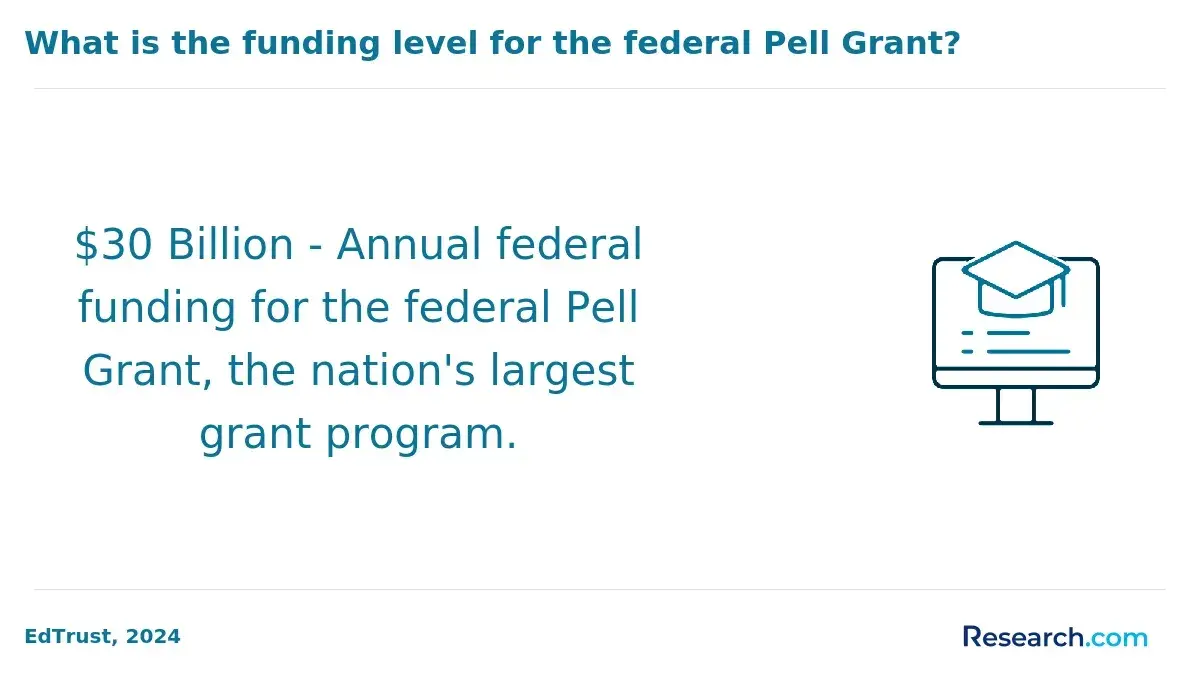
- The maximum Federal Pell Grant remains $7,395 for 2025-26, so eligible students should complete the FAFSA before assuming loans are the only way to pay.
- Biden-era student loan changes focused on targeted forgiveness, income-driven repayment reforms, PSLF fixes, and default relief, but broad cancellation was blocked and several repayment rules remain subject to legal or policy changes.
How do federal student loans work for undergraduate, graduate, and professional students?
Federal student loans are education loans made or guaranteed by the U.S. Department of Education. They are different from private loans because they usually include fixed rates, standardized borrower protections, income-driven repayment options, deferment or forbearance options, and access to certain forgiveness programs.
The type of federal loan you can use depends on your degree level, dependency status, cost of attendance, and remaining financial need. Undergraduate students generally start with Direct Subsidized and Direct Unsubsidized Loans, while graduate and professional students usually use Direct Unsubsidized Loans and, if needed, Grad PLUS Loans.
This table summarizes the core federal loan types so you can see which loans fit different students and where the biggest trade-offs appear.
| Loan type | Who can use it | Interest while in school | Main decision point |
| Direct Subsidized Loan | Undergraduate students with demonstrated financial need | The government generally pays interest during eligible in-school, grace, and deferment periods | Usually the best federal loan to accept first because the subsidy can reduce total cost |
| Direct Unsubsidized Loan | Undergraduate, graduate, and professional students | Interest begins accruing when the loan is disbursed | Useful after grants and subsidized loans, but unpaid interest can increase long-term cost |
| Direct PLUS Loan | Graduate or professional students and parents of dependent undergraduates | Interest begins accruing when the loan is disbursed | Can cover remaining cost of attendance, but has higher rates and fees |
| Consolidation Loan | Borrowers combining eligible federal loans | Based on the weighted average of loans consolidated | May simplify repayment or help access certain plans, but can reset some progress depending on rules |
Federal loans are capped. Dependent undergraduates can generally borrow up to $31,000 in Direct Loans for an undergraduate degree, while independent undergraduates can generally borrow up to $57,500. Graduate and professional students can typically borrow up to $20,500 per year in Direct Unsubsidized Loans, with PLUS Loans available up to the school-certified cost of attendance minus other aid.
The practical rule is simple: borrow federal subsidized loans first, then unsubsidized federal loans, and consider PLUS or private loans only after comparing total cost, school outcomes, and expected earnings. Loan availability does not automatically mean the program is affordable.
What student loan changes and forgiveness programs has the Biden administration introduced?
"Joe Biden student loans" usually refers to student loan policies introduced or expanded during the Biden administration, not a separate loan product. The biggest themes were targeted debt relief, more generous income-driven repayment proposals, fixes for existing forgiveness programs, and new consumer protections for borrowers harmed by school misconduct.
The Biden administration's broad one-time cancellation plan was blocked by the Supreme Court, so borrowers should not base enrollment or repayment decisions on broad cancellation. The more durable changes have been targeted programs, such as improvements to Public Service Loan Forgiveness processing, borrower defense discharges, total and permanent disability discharges, closed school relief, and temporary default relief programs.
The following comparison helps separate policy headlines from practical borrower actions.
| Biden-era change | What it was meant to do | What students should do now |
| SAVE repayment plan | Lower payments for many income-driven repayment borrowers and reduce unpaid interest growth | Check current availability before enrolling or switching plans because litigation and policy changes have affected implementation |
| PSLF fixes and account adjustments | Help public service borrowers receive credit for more qualifying repayment history | Submit employer certification regularly and keep your own payment and employment records |
| Targeted discharge approvals | Cancel loans for eligible borrowers affected by disability, school closure, or institutional misconduct | Confirm eligibility through official federal channels and avoid paid "debt relief" intermediaries |
| Fresh Start for defaulted loans | Temporarily help borrowers move eligible defaulted loans back into good standing | If you are in default, contact your loan servicer or the federal default resolution system quickly because temporary windows can expire |
A major trend is that repayment policy is increasingly tied to legal challenges and administrative updates. That means students should make decisions using the loan terms they sign today, not headlines about proposed forgiveness. If a repayment option improves later, treat it as an upside rather than the foundation of your college budget.
How can I apply for federal student aid and maximize grants before borrowing loans?
The FAFSA is the gateway to federal grants, work-study, and loans. It also helps many states and colleges award their own aid, so completing it early can increase your chance of receiving limited institutional or state funds.
Before borrowing, your goal is to reduce the gap between total cost of attendance and gift aid. Use this sequence to maximize aid that does not need to be repaid.
- Create or confirm your StudentAid.gov account and gather tax, income, and asset information for yourself and any required contributors.
- Submit the FAFSA as early as possible and list every school you are seriously considering so each can prepare an aid offer.
- Compare financial aid offers by separating grants, scholarships, work-study, and loans instead of looking only at the total aid number.
- Ask each school whether it has department scholarships, transfer awards, emergency grants, or need-based institutional aid that requires a separate application.
- Accept grants and scholarships first, consider work-study if it fits your schedule, then borrow only the amount still needed for direct and realistic living costs.
The maximum Federal Pell Grant is $7,395 for 2025-26, but the amount you receive depends on financial need, enrollment intensity, program cost, and other eligibility rules. For lower-income students, this can meaningfully reduce borrowing, especially at community colleges, public universities, and lower-cost online programs.
If your goal is speed and affordability, compare program length, transfer credit, and job relevance before choosing the cheapest-looking option. Some students can reduce debt by selecting online degrees that pay well, but the better choice is the program that matches your career goal, accreditation needs, and realistic completion timeline.
What are the current interest rates, fees, and true long-term costs of student loans?
Interest rate, loan fee, repayment term, and time in school all affect the true cost of student debt. A loan with a manageable monthly payment can still become expensive if interest accrues for years before repayment or if the borrower uses a long repayment plan.
For loans first disbursed during the 2025-26 award year, federal student loan rates are fixed for the life of the loan. The table below shows the current rate structure students are most likely to compare.
| Federal loan category | 2025-26 fixed interest rate | Typical borrower | Cost concern |
| Direct Subsidized and Unsubsidized Loans for undergraduates | 6.39% | Bachelor's and associate degree students | Unsubsidized interest can accrue while enrolled |
| Direct Unsubsidized Loans for graduate students | 7.94% | Master's, doctoral, and professional students | Higher balances are common because graduate borrowing limits are larger |
| Direct PLUS Loans | 8.94% | Graduate students and parents of dependent undergraduates | Higher rate plus higher origination fee can increase total cost |
Federal loan fees also matter because they are deducted from the amount disbursed. A Direct Loan fee of 1.057% means you receive slightly less than you borrow, while the PLUS Loan fee of 4.228% makes PLUS borrowing noticeably more expensive before interest is added.
To estimate true long-term cost, do not stop at tuition. Add fees, books, equipment, commuting, rent, health insurance, childcare, and the income you may give up if you study full time. Then test whether your expected monthly payment fits your likely starting income, not your best-case future salary.
How do income-driven repayment, Public Service Loan Forgiveness, and other Biden-era plans compare?
Income-driven repayment, Public Service Loan Forgiveness, and standard repayment solve different problems. The right choice depends on income stability, family size, career sector, total debt, and whether you expect to work for a qualifying government or nonprofit employer.
Use this table as a decision framework, not a guarantee. Repayment plan availability and formulas can change, and borrowers should verify current rules before switching plans.
| Repayment or forgiveness path | Best fit | Main advantage | Main risk or limitation |
| Standard 10-year repayment | Borrowers with manageable debt and stable income | Usually pays loans off faster and reduces total interest compared with longer plans | Monthly payment may be too high for low starting salaries |
| Income-driven repayment | Borrowers whose federal loan payment is high relative to income | Payment is based partly on income and family size rather than only balance | Longer repayment can increase total interest unless forgiveness applies |
| Public Service Loan Forgiveness | Full-time qualifying government or nonprofit employees with eligible federal loans | Remaining eligible balance may be forgiven after 120 qualifying payments | Requires strict employment, loan, repayment, and certification documentation |
| Teacher, disability, closed school, or borrower defense discharge | Borrowers meeting specific program criteria | Can provide targeted cancellation for eligible circumstances | Rules are narrow and documentation matters |
PSLF is most valuable when your career goal already fits public service. It is risky to choose an expensive program solely because you expect forgiveness; job changes, employer eligibility, repayment plan rules, and documentation problems can affect the outcome.
For graduate students, income-driven repayment can make high-debt fields more manageable, but it should be evaluated alongside program ROI. Students considering advanced degrees should compare debt against occupational demand and alternatives, including the most in demand master's degrees, before assuming a higher credential will automatically justify a larger loan balance.
What funding options exist for online vs. campus programs, and do loans cover both formats?
Federal loans can cover eligible online and campus programs as long as the school participates in federal student aid and the program itself is aid-eligible. The format matters less than accreditation, program eligibility, cost of attendance, completion support, and whether the credential meets employer or licensure expectations.
Online programs can reduce commuting or relocation costs, but they are not always cheaper. Some charge technology fees, require short campus residencies, or limit access to certain campus-based aid. Campus programs may cost more in housing and transportation, but they can offer labs, clinical placements, networking, and structured support that some students need to finish.
This comparison can help you decide which format fits your budget and learning style.
| Factor | Online program | Campus program | Best choice when |
| Schedule | Often more flexible for working adults | More structured class times | Online fits students balancing work or caregiving; campus fits students who need routine |
| Living costs | May allow students to avoid relocation | May require housing, commuting, or meal costs | Online can lower total cost if tuition and fees are also reasonable |
| Hands-on requirements | May require local placements, labs, or residencies | Often easier to coordinate in-person requirements | Campus may be stronger for lab-heavy or licensure-focused fields |
| Networking | Depends on virtual career services and cohort design | Often easier to access in-person events and faculty | Campus may help students who rely on face-to-face professional connections |
Loans can cover both formats, but the smartest funding decision is based on total cost and career fit. If your goal is flexible work after graduation, compare programs with strong digital skills, internships, and career services; some students may also explore degrees for remote jobs when online learning aligns with their target career.
How can I use loans alongside scholarships, employer tuition benefits, and tax credits to pay less?
The cheapest loan is the one you do not have to borrow. Scholarships, employer tuition assistance, transfer credits, tax credits, and part-time work can reduce principal before interest begins.
A good funding plan stacks sources in the right order. Use grants and scholarships first, then employer or tax benefits where available, and use loans only for the remaining cost that is necessary to complete the program.
- Apply for institutional scholarships every year, not only before freshman year, because departments may reserve awards for continuing students in specific majors.
- Ask your employer whether tuition assistance requires a minimum grade, continued employment period, approved major, or repayment agreement if you leave the company.
- Check whether the American Opportunity Tax Credit or Lifetime Learning Credit may apply to your situation, and confirm details with a qualified tax professional if needed.
- Use community college, CLEP exams, prior learning assessment, or transfer credits only when the receiving school confirms the credits will apply to your degree requirements.
- Recalculate your borrowing each term instead of accepting the full annual loan amount automatically.
Career-focused alternatives can also reduce borrowing. For students who need a faster route into the workforce, certificate programs that pay well may make sense when the credential is recognized by employers and does not block later transfer into a degree.
How do I estimate borrowing needs based on tuition, living expenses, and program length?
Estimating borrowing needs starts with the school's cost of attendance, but you should adjust it to your real life. Schools estimate tuition, fees, books, housing, meals, transportation, and personal expenses, yet your actual cost may be higher or lower depending on location, family support, work schedule, and program requirements.
Use this step-by-step process before accepting loans. It helps you avoid both underborrowing, which can interrupt enrollment, and overborrowing, which increases interest.
- List direct costs billed by the school, including tuition, mandatory fees, course fees, and required insurance if applicable.
- Estimate indirect costs, including rent, food, transportation, books, software, exam fees, uniforms, equipment, childcare, and internet access.
- Subtract grants, scholarships, tuition waivers, employer benefits, savings, and realistic work income.
- Divide the remaining gap by term and borrow only what you need for that term if the school allows partial acceptance.
- Project the total debt at graduation by multiplying annual borrowing by the number of years you expect to remain enrolled.
- Compare the projected monthly payment with expected entry-level pay in your target field and location.
Program length is one of the most overlooked debt drivers. An associate degree that transfers cleanly into a bachelor's program may lower cost, while excess credits or changed majors can add semesters and debt. Students comparing two-year pathways can review options such as the easiest associates degree, but transferability and career relevance should matter more than perceived difficulty.
A common mistake is borrowing for lifestyle upgrades because the refund check feels like extra income. It is still debt. If you use loans for living expenses, keep a separate budget and treat every extra borrowed amount as future monthly payment pressure.
How do student loans affect my future salary, career choices, and financial stability?
Student loans affect more than monthly bills. They can shape where you live, whether you can take a lower-paid entry-level job, how quickly you build emergency savings, and whether you can pursue graduate school, entrepreneurship, or public service comfortably.
Debt is not automatically bad if it helps you complete a credential with strong labor-market value at a reasonable cost. The risk rises when borrowing is high, completion odds are low, the school has weak outcomes, or the target career does not require the credential.
The Bureau of Labor Statistics reported that the median weekly earnings of full-time wage and salary workers with a bachelor's degree were higher than those with only a high school diploma in 2024. That gap supports the long-term value of education for many workers, but it does not mean every program or loan amount is worth it.
Use this decision lens before borrowing heavily for any credential.
- Borrow less if your target field has modest entry-level pay, unpaid training requirements, or regional wage limits.
- Consider borrowing more cautiously for careers that require graduate school, because undergraduate debt can reduce flexibility later.
- Prioritize accredited, career-aligned programs with strong completion support if you need the credential for licensure or advancement.
- Choose lower-cost pathways when employers in your field value skills, portfolios, apprenticeships, or certifications as much as degrees.
- Avoid assuming future forgiveness, promotions, or salary jumps will solve an unaffordable borrowing plan.
Students who want a practical balance between cost and outcomes may compare easiest online degrees that pay well with more traditional programs, but the best option is the one that leads to a credible career path without forcing debt beyond likely repayment capacity.
How can I avoid predatory lending and choose accredited, eligible schools for federal loans?
Predatory lending and low-value programs often target students who need flexibility, fast enrollment, or second-chance education. Red flags include pressure to enroll immediately, vague job placement claims, unclear accreditation, promises of guaranteed forgiveness, and reluctance to explain total cost.
Federal aid eligibility is an important quality screen, but it is not enough by itself. You should verify accreditation, program-level approvals, licensure alignment, transfer policies, graduation outcomes, and complaint history before signing an enrollment agreement.
Ask schools direct questions and require written answers. These questions are especially important for online, career, graduate, and professional programs.
- Is the institution accredited by an agency recognized by the U.S. Department of Education, and does the specific program have any required programmatic accreditation?
- Is this exact program eligible for federal student aid, and are there any enrollment intensity requirements to keep aid?
- What is the total cost to complete the credential, including fees, books, equipment, exam costs, and repeated courses?
- Will credits transfer to specific partner schools, and can the school show current articulation agreements?
- Does the program meet licensure or certification requirements in my state, if my career requires licensing?
- What percentage of students complete the program, and what career services are available before and after graduation?
Be cautious with private student loans that require immediate repayment, variable rates, or a cosigner without clear release terms. Private loans can be useful for some borrowers, but they usually lack federal income-driven repayment and federal forgiveness options, so compare them only after exhausting grants, scholarships, and appropriate federal loans.
Other Things You Should Know About
No. "Biden student loans" usually refers to federal student loan policies and forgiveness changes introduced during the Biden administration. The loans themselves are still federal Direct Loans, PLUS Loans, or other existing federal loan types.
No. Choose a school and loan amount based on current written terms, not possible future forgiveness. Targeted forgiveness may help eligible borrowers, but broad cancellation has faced major legal barriers.
Yes, if the school participates in federal student aid and the specific online program is aid-eligible. Always confirm accreditation, program eligibility, and state licensure alignment before enrolling.
Borrow only what you need after grants, scholarships, work income, savings, and employer benefits. A practical benchmark is to keep total debt within a level your likely early-career income can support without relying on future forgiveness.
References
- Student Loan Debt and Career Paths: Making Informed Decisions | McCarthy Law https://mccarthylawyer.com/2024/08/12/how-student-loan-debt-impacts-different-career-paths/
- Income-Based Repayment - Finaid https://finaid.org/loans/ibr/
- Living Expense Calculator | How Do Banks Calculate It? https://www.homeloanexperts.com.au/mortgage-calculators/living-expenses-calculator/
- How to Get Your Employer to Pay for College With Tuition Assistance Programs https://www.umassglobal.edu/blog-news/get-your-employer-pay-college-tuition-assistance-programs
- Understanding the student loan landscape | Brookings https://www.brookings.edu/collection/understanding-the-student-loan-landscape/
- Borrower Defense for Private Student Loans — Project on Predatory Student Lending https://www.ppsl.org/privateloans
- How to Maximize Financial Aid for College | ELFI https://www.elfi.com/how-to-get-more-financial-aid/
- How to Get the Most Financial Aid? Tips to Maximize College Funding | NSHSS | National Society of High School Scholars https://www.nshss.org/resources/blog/blog-posts/how-to-get-the-most-financial-aid-7-tips-to-maximize-college-funding/
- The Long-Term Impact of Student Debt on Career Choices and Social Mobility of Low-Income Students https://www.paradigmpress.org/rae/article/view/1134
- How do student loans work? | Student loans 101 | Fidelity https://www.fidelity.com/learning-center/smart-money/how-do-student-loans-work