2027 Heb Scholarship: Eligibility, Deadlines, and Application Tips

Co-Founder and Chief Data Scientist
Choosing whether to apply for a HEB scholarship is really a question about reducing college costs without missing other aid. College Board reported average published tuition and fees of $11,610 for in-state public four-year colleges in 2024-25, so even a local or employer-connected award can meaningfully lower borrowing. This guide is for H-E-B Partners, dependents, high school seniors, transfer students, and returning learners who want clear eligibility, deadline, document, renewal, and strategy guidance before they apply.
Key Things You Should Know
- HEB scholarship eligibility usually depends on the specific H-E-B-affiliated program, such as Partner status, dependent status, community eligibility, enrollment plans, residency, service history, or school type.
- Applicants should prepare transcripts, proof of enrollment or admission, FAFSA-related information, recommendation details, activities, work history, and any essay responses before the portal deadline.
- HEB scholarship funds should be treated as part of a broader aid plan because the 2024-25 maximum Federal Pell Grant is $7,395, while published in-state public four-year tuition and fees average $11,610.
What is a HEB scholarship and who qualifies?
A HEB scholarship is an education award connected to H-E-B, the Texas-based grocery company, or to H-E-B-supported community, employee, or education initiatives. The exact rules can vary by program year and administrator, so applicants should treat the current scholarship portal, school counselor notice, or H-E-B Partner communication as the controlling source.
In practical terms, HEB scholarship funds are usually designed to help students pay for approved postsecondary education costs. That may include tuition, required fees, books, and other school-certified expenses, depending on the award terms. Some awards may be limited to H-E-B Partners or their dependents, while others may be tied to community service, academic performance, financial need, leadership, or a specific school or region.
The table below summarizes common eligibility categories readers may encounter. It is not a substitute for the current application, but it helps you understand which version of the scholarship may fit your situation.
| Applicant type | What eligibility often depends on | Best fit |
| H-E-B Partner | Employment status, length of service, academic plans, and continued enrollment | Current employees pursuing college, trade, certificate, or degree programs |
| Dependent of a Partner | Parent or guardian employment status, student enrollment, academic standing, and required documentation | High school seniors or college students with a qualifying H-E-B family connection |
| Community applicant | Local program rules, school nomination, service, leadership, residency, or financial need | Students in areas where H-E-B or a partner organization sponsors awards |
| Returning or transfer student | Prior credits, current admission status, satisfactory academic progress, and program eligibility | Students restarting college or changing schools who can show a clear education plan |
Because H-E-B-related scholarship opportunities are not always identical across locations, the safest first step is to identify the exact scholarship name, administrator, award year, and applicant category before investing time in essays or recommendations.
What documents are needed to apply for HEB scholarship funds?
Most HEB scholarship applications ask for documents that verify who you are, where you plan to study, and whether you meet the program's academic, employment, financial, or community criteria. Gathering these materials early reduces the risk of uploading incomplete files close to the deadline.
Use this checklist to prepare before you start the online form or submit through a school or scholarship administrator.
- Official or unofficial transcript showing grades, completed courses, credits, and current academic standing.
- Proof of admission, enrollment, or intent to enroll at an eligible college, university, community college, or vocational school.
- Student identification details, contact information, and applicant category, such as Partner, dependent, senior, transfer student, or returning student.
- FAFSA-related information or financial need documentation if the scholarship considers need-based factors.
- Resume or activities list covering work experience, school leadership, volunteering, caregiving responsibilities, honors, and community involvement.
- Essay responses, personal statement, or short-answer prompts explaining goals, financial need, leadership, persistence, or connection to H-E-B values.
- Recommendation contact information or letters if required by the specific scholarship program.
- Proof of H-E-B employment relationship, dependent status, or service history when applying through a Partner-related scholarship track.
If your transcript is not as strong as you hoped, do not assume college is off the table. Some students pair scholarship planning with admissions research into online colleges that accept 2.0 GPA, especially when they are rebuilding academic momentum after work, family obligations, or an earlier stop-out.
Before submitting, compare file names, dates, and document versions against the application instructions. A transcript with the wrong student name, an unreadable scan, or a missing essay page can create avoidable delays or disqualification.
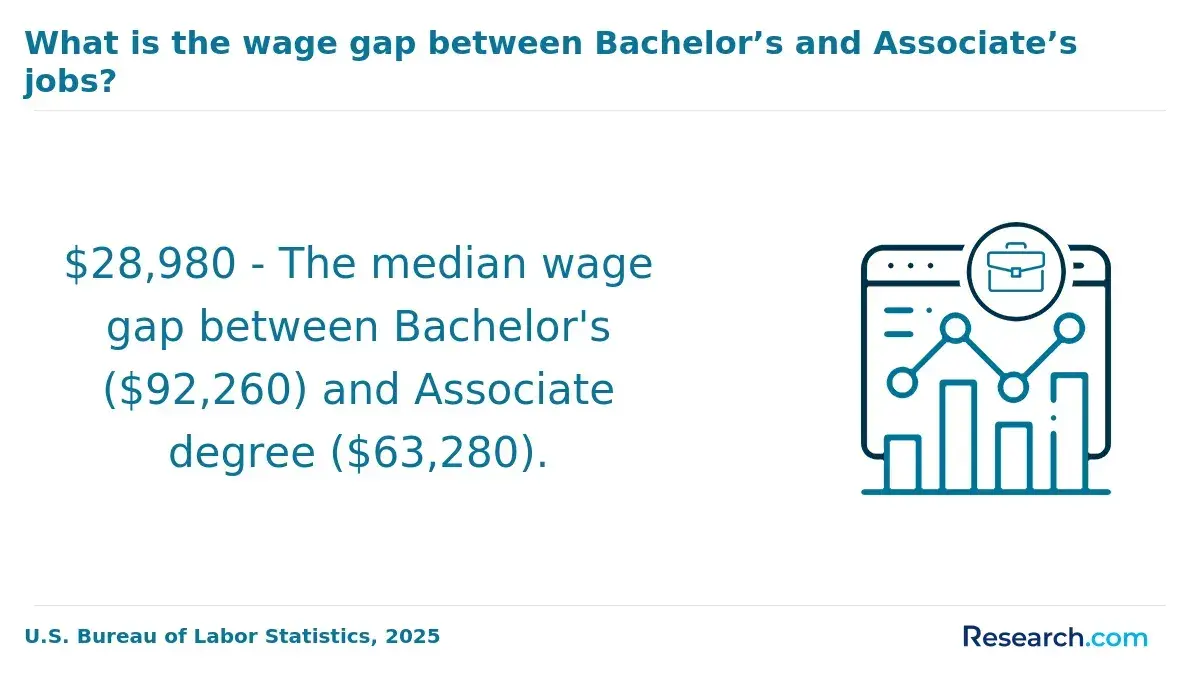
When are HEB scholarship deadlines and how do you submit?
HEB scholarship deadlines vary by program, award cycle, and administrator. Many scholarships for the following academic year open during the fall or winter and close before spring or early summer, but applicants should confirm the current deadline directly through the official application portal, school counselor, H-E-B communication, or scholarship administrator.
The timeline below shows the typical order of scholarship tasks. It helps you plan backward from the deadline instead of trying to complete everything during the final week.
| Stage | What usually happens | Why it matters |
| Program opens | Eligibility rules, award details, and application questions become available | This is when you confirm whether the award fits your applicant category |
| Preparation period | Students request transcripts, draft essays, and identify recommenders | Most delays happen here, especially with records and letters |
| Final submission window | Applicants upload documents and submit the completed form | Late or incomplete applications are commonly not reviewed |
| Review period | The administrator evaluates eligibility, academics, need, essays, and supporting materials | Students may need to monitor email for corrections or verification requests |
| Award notification | Selected recipients receive instructions on acceptance, enrollment verification, or payment processing | Missing post-award steps can delay funds reaching the school |
If you are trying to start school quickly, match the scholarship cycle to your academic calendar. Students considering an accelerated associate degree online should ask whether the award applies to shorter terms, modular calendars, or nontraditional start dates.
Follow these steps once the application opens.
- Read the eligibility rules first and stop if your applicant category, school type, or enrollment status does not qualify.
- Create a deadline calendar that includes transcript requests, recommendation requests, essay drafts, FAFSA completion, and final submission.
- Use the same legal name, email address, and school information across the application, FAFSA, transcript, and enrollment documents.
- Upload documents in the required format and check that every file opens clearly before submitting.
- Save confirmation emails, screenshots, or submission receipts in case the administrator needs proof that your application was received.
Do not wait until the deadline day to submit. Scholarship portals can slow down, recommenders may miss requests, and schools may take several business days to process transcripts.
How much funding does the HEB scholarship provide?
The amount of HEB scholarship funding depends on the specific award, available funds, applicant category, and whether the scholarship is one-time or renewable. Some H-E-B-related awards may be modest gap-closing scholarships, while others may provide larger support for selected recipients. Applicants should verify the current award amount in the official scholarship listing before making enrollment or borrowing decisions.
To understand the value of any scholarship, compare it with your actual cost of attendance rather than tuition alone. College Board reported average published tuition and fees of $4,050 for public two-year in-district students in 2024-25, which means even a smaller award can cover a meaningful share of community college tuition but may cover less at a four-year institution.
The table below shows how a HEB scholarship may function within a broader college funding plan. It focuses on decision context, not guaranteed award amounts.
| Cost category | How scholarship funds may help | What to verify |
| Tuition and required fees | May reduce the balance billed by the school | Whether the scholarship is paid to the school or to the student |
| Books and supplies | May help with course materials if allowed by the award rules | Whether receipts or school-certified costs are required |
| Online program costs | May offset tuition, technology fees, or required course charges | Whether the program and institution are eligible |
| Remaining balance | May reduce the need for loans or payment plans | Whether the award affects other aid in the financial aid package |
Students in flexible online formats should also compare total program cost, not just term tuition. Some competency-based programs charge by subscription period, so finishing faster can sometimes lower total cost if the student can handle the pace.
When estimating affordability, combine scholarship funds with other aid in this order.
- Use gift aid first, including scholarships, grants, employer education benefits, and state aid that does not need to be repaid.
- Apply savings, payment plans, or part-time income only after confirming the school's billing schedule.
- Borrow federal student loans before private loans if borrowing is necessary, because federal loans usually offer stronger borrower protections.
- Recalculate the plan each term if your enrollment level, housing, job schedule, or family contribution changes.
Is the HEB scholarship renewable each academic year?
Some HEB scholarships may be renewable, while others are one-time awards. Renewal is never something applicants should assume. The current award terms should state whether recipients must reapply, maintain a minimum GPA, complete a certain number of credits, remain enrolled in an eligible program, or submit updated documents each year.
Renewability matters because it changes how much risk you take on when choosing a school. A one-time scholarship can help with the first year, but a renewable award can support a multi-year plan if you continue meeting the rules.
Common renewal conditions may include the following.
- Maintaining satisfactory academic progress as defined by the college or scholarship administrator.
- Completing a minimum number of credits or remaining enrolled at least part time or full time, depending on the award.
- Submitting updated transcripts, enrollment verification, or financial information by an annual deadline.
- Continuing to meet H-E-B Partner, dependent, residency, or program-specific eligibility requirements if those rules apply.
- Avoiding academic probation, unresolved disciplinary issues, or unpaid school balances that could block enrollment verification.
If you plan to move beyond an undergraduate credential, ask whether the scholarship is limited to first-time undergraduate study. Students comparing future graduate options, including a 1-year masters, should not assume an undergraduate scholarship will transfer to a new credential level.
The most practical approach is to build two budgets: one assuming the award renews and one assuming it does not. If the second budget is unaffordable, you may need a lower-cost school, more grant aid, employer reimbursement, part-time enrollment, or a different program timeline.
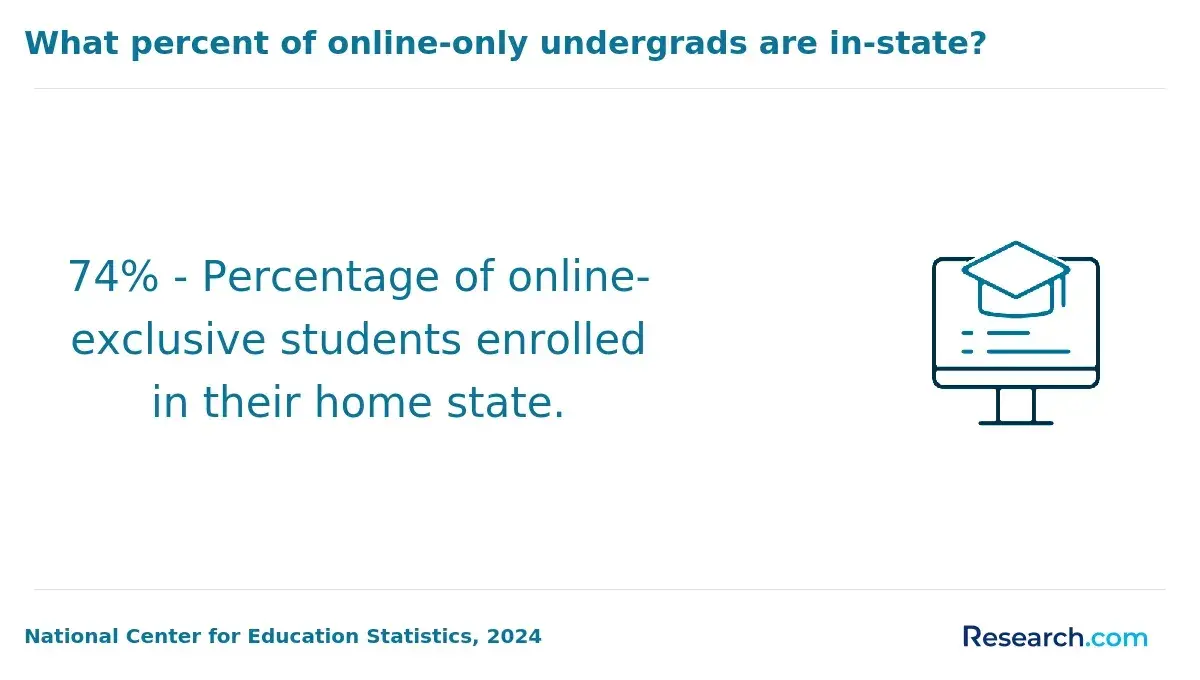
What academic requirements must HEB scholarship applicants meet?
Academic requirements for HEB scholarship applicants vary by program. Some awards may require a minimum GPA, high school graduation, good academic standing, college enrollment, or satisfactory academic progress. Others may weigh academics alongside financial need, work experience, leadership, community service, or personal circumstances.
The table below explains common academic criteria and how applicants should interpret them before applying.
| Requirement | What it usually shows | Important limitation |
| Minimum GPA | Whether the student meets the baseline academic threshold | A higher GPA may help, but it does not guarantee selection |
| Transcript | Course rigor, completed credits, and academic trend | Reviewers may consider improvement, not only cumulative GPA |
| Enrollment status | Whether the student is pursuing an eligible credential | Some awards may exclude non-credit courses or unapproved programs |
| Satisfactory academic progress | Whether the student remains eligible for continued aid | Each school defines progress through its own policy |
If you are worried about meeting the academic threshold, focus on evidence that explains your readiness. A strong upward grade trend, completed dual-credit coursework, consistent work experience, or a clear plan for tutoring and advising can make your application more complete.
Students can strengthen the academic side of the application by taking these steps.
- Request your transcript early and check it for missing grades, incorrect course titles, or unresolved transfer credits.
- Use the essay to explain academic obstacles briefly, then spend more space showing what changed and how you will succeed now.
- Ask a recommender who can speak specifically about your reliability, improvement, leadership, or work ethic.
- Choose an eligible program that matches your current academic preparation rather than selecting a school only because it sounds prestigious.
Can adult learners or returning students apply for HEB scholarships?
Adult learners and returning students may be able to apply for HEB scholarships if the specific program allows nontraditional, transfer, part-time, or continuing students. The key is not age alone; it is whether the applicant meets the award's enrollment, academic, employment, dependent, residency, and program requirements.
Returning students should pay close attention to how the scholarship defines eligible education. Some programs may support associate degrees, bachelor's degrees, technical certificates, or vocational training, while others may be narrower. If you are restarting with a shorter credential, researching what is the easiest associate degree to get can help you compare manageable options, but the best choice should still match your career goal and transfer plans.
The table below highlights common adult learner situations and the scholarship questions that matter most.
| Adult learner situation | Key scholarship question | Planning concern |
| Working full time | Does the award allow part-time enrollment? | Course load may affect renewal or payment timing |
| Returning after a break | Does the program require recent academic records? | Old transcripts may take longer to retrieve |
| Changing careers | Is the new credential eligible for funding? | Short-term certificates may not qualify for every award |
| Supporting a family | Does financial need documentation reflect current circumstances? | FAFSA and school aid forms may not capture every hardship |
Adult applicants should use the essay strategically. Instead of apologizing for a nontraditional path, explain how work experience, caregiving, military service, or community responsibilities have clarified your goals and prepared you to persist in school.
How do HEB scholarships compare with other financial aid options?
HEB scholarships are usually most valuable when combined with federal, state, institutional, employer, and local aid. They are generally preferable to loans because scholarship funds usually do not need to be repaid if the recipient follows the award rules. However, they may be competitive, limited in amount, or restricted to certain students.
The comparison below helps you decide where a HEB scholarship fits in your full college funding plan.
| Aid option | Repayment required? | Best use | Main caution |
| HEB scholarship | Usually no | Reducing tuition, fees, or school-certified expenses for eligible applicants | Rules, deadlines, and award amounts vary by program |
| Federal Pell Grant | No in most cases | Need-based undergraduate aid for eligible students | Eligibility depends on FAFSA results and enrollment status |
| State grants | Usually no | Residents attending eligible in-state schools | Deadlines can be earlier than college deadlines |
| Institutional scholarships | Usually no | Merit, need, talent, major, or transfer-based aid from the college | May require separate applications or renewal criteria |
| Federal student loans | Yes | Covering remaining costs after gift aid is exhausted | Interest and repayment obligations increase total cost |
Federal loan costs are a major reason to prioritize scholarships and grants. For undergraduate Direct Subsidized and Unsubsidized Loans first disbursed during the 2024-25 federal aid year, the fixed interest rate is 6.53%, according to Federal Student Aid. That rate does not mean borrowing is always wrong, but it does mean every scholarship dollar can reduce future interest exposure.
A smart aid strategy starts with free money, then lower-cost payment options, then borrowing only what is necessary. If two schools offer similar academic quality, the stronger financial aid package may be the better decision even if the sticker price looks higher.
What mistakes can disqualify a HEB scholarship application?
Many scholarship denials happen not because the student is unqualified, but because the application is late, incomplete, inconsistent, or submitted under the wrong eligibility category. HEB scholarship applicants should treat the instructions as rules, not suggestions.
Watch for these common mistakes before you submit.
- Applying for the wrong scholarship track, such as using a dependent application when the program requires current Partner status.
- Missing the deadline because a transcript, recommendation, or enrollment document was requested too late.
- Uploading unreadable scans, screenshots with cut-off information, expired documents, or files in the wrong format.
- Writing an essay that is generic, overly AI-generated, or disconnected from the prompt and selection criteria.
- Reporting school, GPA, employment, or family information that conflicts with supporting documents.
- Assuming the scholarship applies to any school, certificate, online program, or enrollment level without checking the eligibility rules.
- Ignoring follow-up emails from the administrator after submission, especially requests for verification or missing information.
One current trend applicants should take seriously is the rise of online scholarship portals and automated document checks. These systems may flag missing fields, mismatched names, or incomplete uploads before a human reviewer ever reads the essay. Use technology to proofread and organize your materials, but make sure your final answers sound personal, accurate, and specific to your goals.
The best prevention strategy is a final review session at least two days before the deadline. Open every attachment, reread every prompt, confirm contact information, and make sure your essay directly answers what the scholarship asks.
How can you improve your chances of getting the HEB scholarship?
You cannot control the applicant pool, the number of awards, or the final review decision. You can control how clearly your application shows eligibility, preparation, financial need, academic readiness, service, leadership, and fit with the scholarship's purpose.
Use the steps below to build a stronger application without exaggerating or overcomplicating your story.
- Confirm eligibility first by matching your applicant category, school type, enrollment plan, and deadline against the current scholarship rules.
- Build a one-page profile of your academics, work history, volunteering, leadership, family responsibilities, awards, and education goal before writing essays.
- Write essays with specific evidence, such as a challenge you handled, a responsibility you sustained, or a goal connected to your program of study.
- Choose recommenders who know your reliability and character, then give them the deadline, prompt, resume, and submission instructions early.
- Show financial responsibility by explaining how the scholarship fits with FAFSA aid, school grants, savings, work, or a realistic payment plan.
- Proofread for clarity and accuracy, but avoid submitting an essay that sounds like a template or does not reflect your actual experience.
- Submit early and monitor email until awards are announced because some administrators request corrections or additional verification.
A strong HEB scholarship application is specific, consistent, and easy to verify. Reviewers should be able to see not only that you need funding, but also that you have a realistic plan to use the award well.
Other Things You Should Know About
Not always. Some H-E-B-related scholarships may be limited to Partners or dependents, while others may be community-based or school-based. Check the current scholarship's eligibility rules before applying.
It depends on the award terms. Some scholarships allow accredited online programs if the school and credential are eligible, while others may limit funding to certain institutions or enrollment types.
It can. Colleges usually include outside scholarships in the financial aid package, which may reduce unmet need, work-study, or loans before reducing grants. Ask the school's financial aid office how it will apply the award.
Contact the scholarship administrator only if the instructions allow late corrections, but expect strict deadlines. Then look for school scholarships, state grants, local awards, employer tuition assistance, and the next HEB scholarship cycle.
References
- Know the Difference: Compare The Types of College Financial Aid https://www.iowastudentloan.org/articles/students/know-the-difference-types-of-aid.aspx
- Awarding Opportunities: HEB Scholarship Benefits and Details - Gossip Rush https://bico.mlga.ek.gov.ng/awarding-opportunities-heb-scholarship-benefits-and-details.html
- Grants vs. Loans vs. Scholarships: A Guide to Financial Aid https://www.straighterline.com/blog/grants-vs-loans-vs-scholarships-understanding-college-financial-aid
- Comparing College Offers | FAFSA: The How-To Guide for High School Students https://understandingfafsa.org/comparing-college-offers/
- Definition of WHAT https://www.merriam-webster.com/dictionary/what
- Application Form - CLOSED - Dave Campbell's Texas Sports https://sportsinaction.com/scholarship/application-form/
- Open WhatsApp https://wa.me/
- Apply for a Scholarship — Texas FCCLA https://www.texasfccla.org/applyforascholarship
- Comparing Financial Aid Award Offers | SCHEV's Level Up https://www.levelupvirginia.org/decide/comparing-award-offers
- Gain new skills on your own terms with tuition-free education. https://www.guildeducation.com/heb