2027 Free Colleges in the U.S.: Student Guide to Costs, Aid, and Funding

Co-Founder and Chief Data Scientist
"Free college" can cut tuition to $0, but it rarely removes every cost. College Board's 2024 data lists average published tuition and fees at $11,610 for in-state public four-year students and $4,050 for public two-year students, before housing, food, books, and transportation. This guide is for first-time students, adults, transfers, and families comparing tuition-free colleges, promise programs, employer-paid education, and online options. You will learn who qualifies, what costs remain, how to check quality, and how to choose the path with the best fit and lowest financial risk.
Key Things You Should Know
- Free college usually means free tuition, not a free total cost: students may still pay housing, meals, fees, books, transportation, health insurance, and lost wages.
- The largest federal grant can cover a major share of low-cost tuition: the maximum Pell Grant is $7,395 for the 2025-26 award year, but eligibility depends on FAFSA results, enrollment intensity, and program rules.
- The strongest options are accredited and transparent: prioritize regionally accredited colleges, recognized public promise programs, service academies, work colleges, and employer-paid programs with clear transfer and completion policies.
What does "free college" mean in the United States, and who qualifies?
In the United States, "free college" most often means tuition-free or last-dollar tuition coverage. A tuition-free college waives tuition upfront or replaces it with institutional scholarships, work requirements, service obligations, or public funding. A last-dollar program covers remaining tuition after Pell Grants, state grants, and other gift aid are applied. That distinction matters because last-dollar aid may leave students with fewer grant funds available for rent, food, books, or transportation.
Who qualifies depends on the program. Some options are open only to in-state residents, recent high school graduates, students below an income ceiling, members of specific regions, employees of partner companies, or students willing to work on campus or complete public service. Many programs also require full-time enrollment, satisfactory academic progress, a minimum GPA, FAFSA completion, and enrollment at an approved institution.
The table below compares the main meanings of "free college" so readers can quickly see which option may fit their circumstances and where hidden costs can appear.
| Free college model | How it usually works | Best fit | Main limitation |
| Tuition-free institution | The school replaces tuition with institutional scholarships, work-study, endowment funding, or a service model. | Students who can meet selective admissions, work, residency, or service conditions. | Housing, fees, books, and personal expenses may remain significant. |
| State promise program | A state covers some or all community college or public college tuition for eligible residents. | In-state students seeking an associate degree, transfer pathway, or workforce credential. | Eligibility rules vary and may not cover living costs. |
| Need-based grant pathway | Pell Grants, state grants, and institutional aid combine to cover tuition and sometimes more. | Lower-income students at lower-cost public or private nonprofit colleges with strong aid. | Aid can change if income, enrollment, or academic status changes. |
| Employer-paid college | An employer pays tuition directly or reimburses approved programs. | Working adults who can balance job and study requirements. | Program choice may be limited, and benefits can depend on continued employment. |
| Service academy or service obligation program | Tuition is covered in exchange for military or public service commitments. | Students committed to service, leadership training, and structured environments. | Leaving early or failing to complete service can create financial or legal obligations. |
Use "free" as a starting point, not a conclusion. A program is only truly affordable if the total cost of attendance, academic fit, time to completion, and career value all make sense for your situation.
Which U.S. colleges and programs currently offer tuition-free degrees?
Several U.S. colleges and public programs currently offer tuition-free or free-tuition pathways, but they are not interchangeable. Some are full residential colleges with highly specific missions, while others are state-funded community college programs, military academies, or scholarship-based models.
The options below are useful comparison points because they represent different types of tuition-free pathways rather than one single model.
| Institution or program type | Examples | Typical credential | Key condition to check |
| Tuition-free work college | Berea College, College of the Ozarks | Bachelor's degree | Work requirements, campus participation, admissions selectivity, and remaining room-and-board costs. |
| Regional tuition guarantee college | Alice Lloyd College | Bachelor's degree | Service-area eligibility, work obligations, and whether the student lives in the covered region. |
| Specialized tuition-free institution | Webb Institute, Curtis Institute of Music | Bachelor's degree or professional arts training | Highly specialized majors, auditions or competitive admissions, and limited program choice. |
| Service academy | U.S. Military Academy, U.S. Naval Academy, U.S. Air Force Academy, U.S. Coast Guard Academy, U.S. Merchant Marine Academy | Bachelor's degree | Nomination rules, physical standards, service commitment, and military lifestyle fit. |
| State promise or free community college program | Tennessee Promise, New Mexico Opportunity Scholarship, Michigan Reconnect, Oregon Promise, New York Excelsior Scholarship | Certificate, associate degree, transfer pathway, or bachelor's degree depending on state rules | Residency, income limits, enrollment level, approved schools, and whether aid is first-dollar or last-dollar. |
| Employer-paid online or hybrid pathway | Approved programs through major employer education benefits | Certificate, associate, bachelor's, or selected graduate programs | Employment status, eligible majors, reimbursement rules, and what happens if you leave the job. |
A practical way to compare these programs is to ask what the school is trading for tuition coverage. The trade-off may be work, public service, military service, geographic restriction, academic selectivity, or limited program choice.
Students should also confirm whether a program covers tuition before or after other grants. A first-dollar scholarship can leave Pell or state grants available for non-tuition expenses; a last-dollar scholarship may reduce tuition to $0 but leave the student responsible for most living costs.
How do students cover living expenses and hidden costs at free colleges?
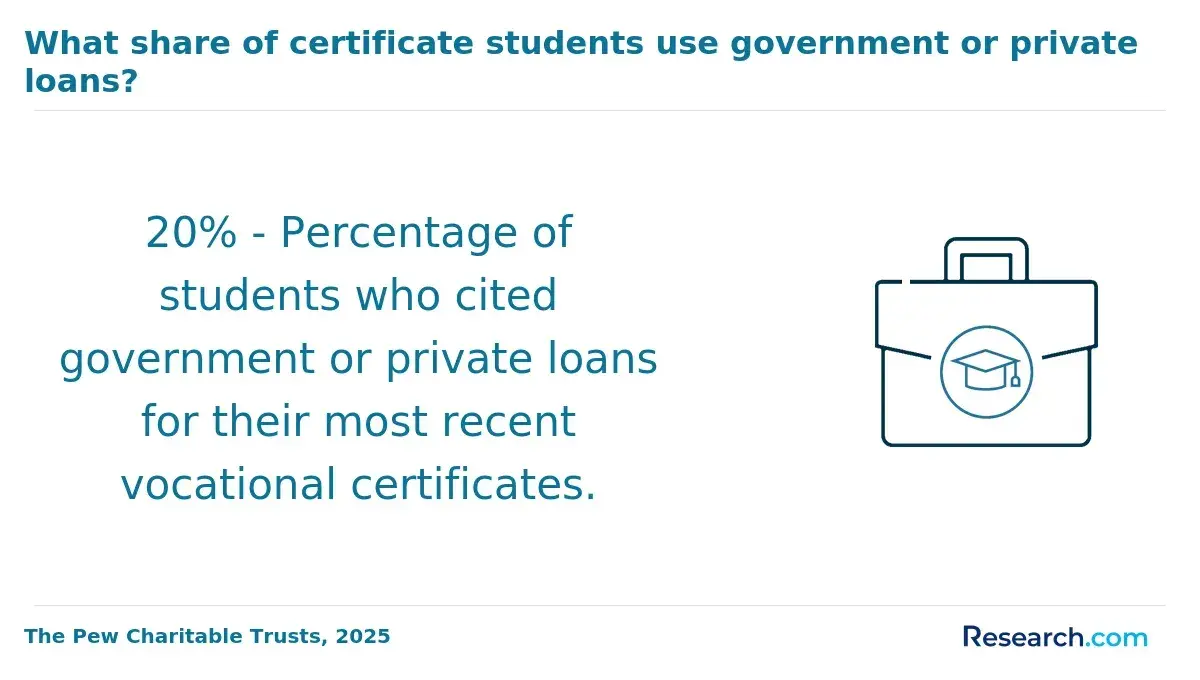
Living expenses are the biggest reason a "free college" offer may still require savings, work income, family support, grants, or loans. Tuition is only one part of cost of attendance, and many tuition-free programs do not automatically cover housing, meals, books, laptops, course materials, transportation, child care, or health costs.
College Board's 2024 pricing data shows that published tuition and fees are much lower at public two-year colleges than at four-year institutions, but commuting, food, technology, and lost work time still affect the real bill. For students with limited savings, a low-tuition program far from home may be more expensive than a local college with modest tuition but lower living costs.
The table below breaks down common non-tuition costs so students can build a realistic budget before accepting an offer.
| Cost category | Why it matters at free colleges | How to compare it |
| Housing and meals | Residential colleges may waive tuition but still charge room and board. | Compare on-campus charges with local rent, commuting costs, and meal access. |
| Mandatory fees | Technology, student activity, lab, health, or course fees may not be covered. | Ask whether the tuition-free award includes required fees or only tuition. |
| Books and supplies | STEM, health, art, music, and technical programs can require specialized materials. | Review the net price calculator and department-level cost estimates. |
| Transportation | Commuters may spend heavily on gas, parking, transit, or car maintenance. | Estimate weekly travel costs and compare with housing options. |
| Child care and caregiving | Adult learners may need paid care to attend classes or clinical placements. | Check campus child care, local subsidies, and online or evening formats. |
| Lost wages | Full-time study can reduce work hours, especially in cohort or clinical programs. | Compare part-time and full-time completion timelines against income needs. |
To reduce these costs, students should build a funding stack rather than relying on one award. The most common approach combines gift aid, work income, low-cost housing choices, transfer credits, and careful course planning.
- Run the school's net price calculator and include housing, meals, transportation, books, and fees, not just tuition.
- Ask the financial aid office whether grants can be applied to non-tuition expenses after tuition is covered.
- Choose a course load that preserves aid eligibility while staying realistic for work and family responsibilities.
- Use open educational resources, library reserves, used books, and course-material grants when available.
- Avoid private loans until you understand federal loan options, repayment terms, and whether the degree is required for your target career.
The common mistake is assuming tuition-free means debt-free. A better approach is to calculate the full cost of attendance for every option and compare the remaining gap after grants and scholarships.
What types of financial aid, grants, and scholarships can make college free?
Financial aid can make college free when grants and scholarships cover tuition and, in the best cases, part of living expenses. The strongest aid package usually starts with the FAFSA, because it determines eligibility for federal grants, many state grants, work-study, and institutional need-based aid.
The maximum Pell Grant is $7,395 for the 2025-26 award year. That amount can cover more than published tuition at many community colleges, but it may cover only a fraction of tuition at higher-cost universities and does not automatically pay for all living costs.
The table below shows common aid sources and how they can contribute to a free or nearly free college pathway.
| Aid type | How it helps | What to verify |
| Federal Pell Grant | Provides need-based gift aid that does not have to be repaid if enrollment rules are met. | Annual maximum, enrollment intensity, satisfactory academic progress, and lifetime eligibility limits. |
| State grants and promise programs | Can cover tuition at approved public colleges, especially community colleges. | Residency, deadlines, GPA rules, income limits, and whether aid is first-dollar or last-dollar. |
| Institutional need-based grants | Private nonprofit and public colleges may use their own funds to reduce net price. | Renewal criteria, income documentation, and whether aid changes after the first year. |
| Merit scholarships | Reward academic, artistic, leadership, athletic, or talent-based achievement. | GPA renewal rules, stackability with other aid, and major or participation requirements. |
| Work-study and campus employment | Provides part-time earnings that can help with living costs. | Whether a job is guaranteed, hourly pay, and schedule fit with classes. |
| Employer tuition assistance | May pay tuition directly or reimburse approved programs. | Eligible schools, grade requirements, annual caps, tax treatment, and job-continuation rules. |
Students comparing free-college pathways should also consider shorter credentials when the career goal does not require a full degree. In fields such as IT support, project coordination, medical billing, bookkeeping, and digital marketing, easy certifications to get online may provide a lower-cost first step before committing to a longer program.
Before accepting any aid package, review the award letter carefully. Grants and scholarships are preferable to loans, but a package can look generous while still leaving a large gap for housing and fees.
- Separate gift aid, earned aid, and loans so you know what is truly free.
- Check whether scholarships renew automatically or require a minimum GPA, major, or full-time status.
- Ask how outside scholarships affect institutional grants before assuming they reduce your remaining bill.
- Confirm deadlines for FAFSA, state aid, verification documents, and scholarship applications.
- Appeal if your household income changed, medical costs rose, or family circumstances are not reflected in the FAFSA.
How do online "free college" programs compare to campus-based options?
Online "free college" programs can be a strong option for working adults, parents, rural students, and learners who cannot relocate. They are usually free because an employer, state program, scholarship, or tuition-free institution covers tuition, not because online education has no cost.
Online programs often reduce commuting and housing costs, but they can add technology, proctoring, software, or clinical-placement expenses. They also require strong time management. A campus-based tuition-free college may offer more structure, advising, housing, and community, but it can be harder to fit around work or caregiving.
The table below compares online and campus-based free-college options across the factors that most affect completion and cost.
| Factor | Online free-college pathway | Campus-based tuition-free pathway |
| Schedule flexibility | Often better for working adults, part-time students, and caregivers. | Often better for students who want a structured daily routine. |
| Living costs | May allow students to stay at home and avoid relocation. | May require room, board, commuting, or relocation costs. |
| Student support | Varies widely; strong programs provide proactive advising, tutoring, and career services. | Often easier to access in-person advising, labs, faculty, and peer networks. |
| Hands-on requirements | Best for fields that can be completed online or with local placements. | Often better for lab-heavy, studio-based, clinical, music, or engineering programs. |
| Employer recognition | Generally strongest when the institution is properly accredited and the program has clear outcomes. | Generally strongest when the institution has recognized academic quality and employer connections. |
If tuition-free online options are limited in your state or through your employer, comparing an affordable online bachelor's degree can still be useful. A low net price with flexible scheduling may be more realistic than a highly selective tuition-free campus program that requires relocation.
Online programs make the most sense when the student is self-directed, the program is accredited, the degree matches the career goal, and required experiences can be completed locally. Campus-based free colleges may be better for students who need residential support, labs, mentoring, or a close-knit academic environment.
What accreditation and quality standards should free colleges and programs meet?
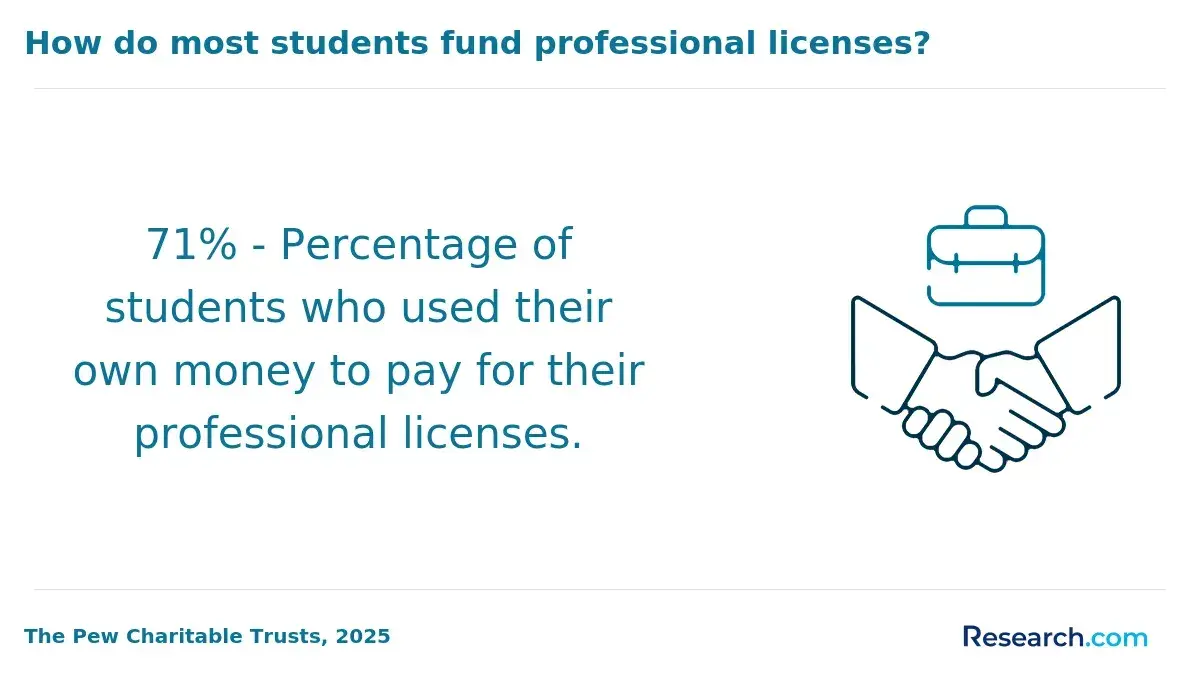
Accreditation is one of the most important quality checks for any free college or tuition-free program. A low price does not make a weak program a good deal. Students should confirm that the institution is recognized by an accreditor approved by the U.S. Department of Education or the Council for Higher Education Accreditation, and that any program-specific accreditation required in the field is also in place.
Institutional accreditation affects credit transfer, graduate school admission, employer recognition, and access to federal financial aid. Programmatic accreditation can be essential in fields such as nursing, education, counseling, social work, engineering, public health, and allied health, where licensure or certification may depend on graduating from an approved program.
The table below shows which quality checks matter most before enrolling in a tuition-free or free-tuition program.
| Quality check | Why it matters | What to look for |
| Institutional accreditation | Supports transferability, aid eligibility, and recognition by employers and graduate schools. | Current accreditation from a recognized institutional accreditor. |
| Programmatic accreditation | May be required for licensure, board exams, or professional practice. | Approval from the field-specific accreditor or state board when relevant. |
| State authorization | Online students may need the school to be authorized to serve their state. | Clear state authorization information for distance education. |
| Credit transfer policies | Free college can become expensive if credits do not transfer or apply to a degree. | Written transfer evaluations and articulation agreements. |
| Completion and career support | Low tuition is less valuable if students cannot finish or connect the degree to employment. | Advising, tutoring, career services, internships, and transparent outcomes. |
Red flags deserve special attention because "free" can be used as a marketing hook. Watch for programs that pressure you to enroll immediately, refuse to disclose total costs, lack recognized accreditation, make salary guarantees, or cannot explain whether credits transfer.
- Verify accreditation using official databases rather than relying only on marketing pages.
- Ask whether your intended major meets licensure requirements in your state.
- Request a written cost estimate that includes fees, books, housing, technology, and required materials.
- Review graduation, retention, transfer, and job-placement information when available.
- Speak with an advisor about what happens if you change majors, drop below full-time status, or take a semester off.
How do you apply to tuition-free and free-tuition programs, step by step?
Applying to tuition-free programs takes more planning than applying to a typical college because you may need to satisfy both admission requirements and separate funding rules. Missing a FAFSA, state-aid, nomination, residency, or scholarship deadline can turn a free option into a regular-priced one.
Use the following sequence to keep the process organized and reduce the chance of losing eligibility.
- Define your goal first: decide whether you need a certificate, associate degree, bachelor's degree, transfer pathway, or graduate credential for your target career.
- Build a list of eligible programs: include tuition-free colleges, state promise programs, community colleges, employer-paid options, and accredited online programs.
- Check admission fit: review GPA, test-optional policies, auditions, portfolios, service-area rules, work requirements, nominations, or employment conditions.
- File the FAFSA as early as possible: many free-tuition programs require it even if the award is not federal aid.
- Apply for state and institutional aid: submit separate applications if required and track priority deadlines.
- Compare full cost of attendance: include tuition, fees, housing, meals, transportation, books, technology, child care, and lost wages.
- Ask for written confirmation: verify what the free-tuition offer covers, how it renews, and what happens if your enrollment status changes.
- Evaluate transfer and completion plans: confirm whether credits apply to your intended degree and whether the program has the courses you need each term.
- Accept the option with the strongest total fit: choose based on net cost, accreditation, support, schedule, completion likelihood, and career relevance.
Adults considering graduate school should be especially careful about the word "free," because master's-level aid is less commonly grant-based than undergraduate aid. If your next step requires graduate education, compare tuition assistance, employer benefits, assistantships, and a quickest cheapest masters degree only after confirming the program is respected in your field.
A strong application strategy includes at least one financial safety option. Even if a tuition-free college is your first choice, apply to an affordable public or community college pathway in case funding, admission, or life circumstances change.
Which majors and degrees are most common at tuition-free institutions?
Tuition-free institutions often have focused academic missions, so major availability can be narrower than at large public universities. Work colleges may offer liberal arts, education, business, agriculture, natural sciences, and pre-professional tracks. Service academies emphasize engineering, cybersecurity, leadership, public policy, and military-relevant fields. Community college promise programs commonly support transfer associate degrees and workforce credentials in health care, business, IT, skilled trades, and public service.
The best major is not simply the one with the highest salary headline. It should match your strengths, completion likelihood, local labor market, transfer plan, and whether the credential is required for the role.
The table below summarizes common degree areas at tuition-free and free-tuition pathways and the student profiles they often serve well.
| Common area | Where it often appears | Good fit for | Important caution |
| Health care pathways | Community colleges, state programs, employer partnerships | Students seeking nursing, allied health, medical coding, or transfer preparation. | Clinical placements, licensure rules, and programmatic accreditation are critical. |
| Computer and information technology | Online programs, community colleges, employer-paid pathways, service academies | Students interested in support, cybersecurity, software, data, or systems roles. | Skills, projects, internships, and certifications can matter alongside the degree. |
| Education and public service | Public colleges, work colleges, community college transfer pathways | Students aiming for teaching, social services, nonprofit, or government roles. | State licensure requirements vary, especially for teachers. |
| Business and accounting | Community colleges, online programs, work colleges, public universities | Students seeking broad employment options in operations, finance, management, or entrepreneurship. | Internships and transfer planning can strongly affect outcomes. |
| Engineering and technical fields | Service academies, specialized colleges, community colleges, public universities | Students with strong math preparation and interest in applied problem-solving. | Lab access, ABET accreditation for some engineering paths, and course sequencing matter. |
| Arts and music | Specialized tuition-free institutions and selective conservatories | Highly prepared students with strong portfolios, auditions, or artistic focus. | Admissions can be extremely selective, and career paths may be portfolio-driven. |
Students who want a broader view of labor-market alignment can compare free-college major options with the best college degrees for the future. This can help you avoid choosing a tuition-free program that is affordable but poorly matched to your long-term goals.
A common mistake is picking the cheapest available major instead of the right credential for the target career. If your goal requires licensure, a portfolio, internships, clinical hours, or graduate study, confirm those requirements before enrolling.
What are the career outcomes, salaries, and job prospects for graduates of free colleges?
Career outcomes for graduates of free colleges vary by major, location, experience, internships, licensure, and the reputation of the specific program. Tuition-free education can improve return on investment by lowering debt, but it does not guarantee a job or salary.
BLS May 2024 wage data shows that the median annual wage for all U.S. occupations was $49,500. That benchmark is useful because students can compare target roles against the national labor market rather than relying on anecdotes or promotional claims.
The table below connects common free-college degree areas with example career directions and salary context from U.S. labor data. Use it as a starting point, then check local demand and employer requirements.
| Degree or pathway area | Example roles | Salary context | Outcome factor to check |
| Computer and IT | Computer support specialist, software developer, cybersecurity analyst | Many roles sit above the all-occupation median, but entry depends heavily on skills, projects, and experience. | Internships, certifications, portfolio projects, and employer partnerships. |
| Health care | Registered nurse, radiologic technologist, medical records specialist, health services support roles | Licensed clinical roles often offer stable demand, while nonclinical roles vary more by employer and location. | Licensure eligibility, clinical placement access, and board exam outcomes. |
| Business and accounting | Bookkeeper, accountant, operations coordinator, management trainee | Pay varies widely by credential level, internship history, industry, and advancement path. | Transfer plan, internships, software skills, and professional certifications. |
| Education and public service | Teacher, human services assistant, public administration assistant, nonprofit coordinator | Compensation varies by state, district, agency, and union or civil-service structure. | State licensure, student teaching, background checks, and local hiring needs. |
| Engineering and technical fields | Engineering technician, civil engineering pathway, marine engineering-focused roles | Technical roles can offer strong earnings when the program has recognized accreditation and employer connections. | Lab experience, ABET relevance, co-ops, and math readiness. |
Students should evaluate outcomes with a realistic lens. A free degree has stronger value when it leads to a credential employers recognize, builds marketable skills, and allows the student to finish without excessive debt or delay.
Career fit also matters. For students who prefer independent, analytical, or low-interruption work, comparing degree choices with high paying careers for introverts can clarify whether a major leads to work environments that match their strengths.
AI and automation are changing what employers expect. In many fields, employers increasingly value digital fluency, data literacy, communication skills, and evidence of applied work. Students in tuition-free programs should use projects, internships, research, campus work, and certifications to show they can apply what they learned.
How can adults, transfer students, and career changers access free college pathways?
Adults, transfer students, and career changers often have more free-college options than they realize, but the best pathway may look different from the traditional residential college route. State reconnect programs, employer tuition assistance, community college transfer agreements, prior learning assessment, and online public programs can reduce both tuition and time to completion.
Adults should start by identifying the shortest credible path to the target role. A certificate may be enough for some entry-level technology, health administration, logistics, or business support roles, while teaching, nursing, engineering, counseling, and many licensed professions require specific degrees and supervised experience.
The table below summarizes common adult-learner pathways and the trade-offs that affect cost and completion.
| Pathway | Best for | Cost advantage | Main trade-off |
| Community college to public university transfer | Students seeking a lower-cost route to a bachelor's degree. | Lower first- and second-year tuition, especially with state promise aid. | Credits must be planned carefully to avoid excess coursework. |
| Employer-paid degree | Working adults whose employer supports approved programs. | Can reduce or eliminate tuition while keeping income. | Program choice and pace may be limited by employer rules. |
| Prior learning or credit for experience | Adults with military, workplace, certification, or exam-based learning. | Can shorten time to degree and reduce tuition. | Not all credits apply to major requirements. |
| State adult learner or reconnect program | Residents returning to complete a certificate, associate, or bachelor's pathway. | May cover tuition at approved public institutions. | Age, residency, income, enrollment, and school rules vary. |
| Online public or nonprofit program | Students needing flexibility around work, caregiving, or location. | Can reduce relocation and commuting costs. | Requires self-discipline and careful accreditation checks. |
Transfer students should request a degree audit before enrolling, not after. A tuition-free program can become costly if many credits transfer only as electives or do not count toward the major.
- Ask for an official transfer evaluation that shows exactly which credits apply to general education, major, and elective requirements.
- Compare total remaining credits, not just tuition per credit.
- Check whether scholarships are available to transfer and part-time students.
- Confirm whether online, evening, or weekend courses are offered often enough to finish on schedule.
- Keep copies of syllabi, military transcripts, certifications, and workplace training records for prior learning review.
The biggest adult-learner mistake is choosing a program based only on convenience. Convenience matters, but the program also needs recognized accreditation, clear transfer policies, career relevance, and a schedule that supports completion.
Other Things You Should Know About
Sometimes tuition can be $0, but total college costs are rarely $0. Students may still pay fees, housing, meals, books, transportation, technology, and personal expenses.
Eligibility varies by state and institution. Some state and campus programs support undocumented or DACA students, while federal aid rules are more restrictive. Students should check state financial aid agencies and college aid offices directly.
Yes, some tuition-free institutions and service academies offer bachelor's degrees. Many state promise programs focus on community college, but some states also provide support for public four-year pathways under specific conditions.
Verify accreditation, calculate total cost of attendance, confirm what the award covers, review renewal rules, check transfer or licensure requirements, and compare career outcomes for your intended major.
References
- How does a college degree improve graduates’ employment and earnings potential? - APLU https://www.aplu.org/our-work/4-policy-and-advocacy/publicuvalues/employment-earnings/
- Career earnings by college major - The Hamilton Project https://www.hamiltonproject.org/data/career-earnings-by-college-major/
- 8 Strategies to Go to College for Free - OnToCollege https://www.ontocollege.com/go-to-college-for-free/
- FAFSA and the Free College Movement https://tcf.org/content/report/fafsa-free-college-movement/
- Tuition-Free Universities in Poland https://academgo.com/universities-in-poland/tuition-free-universities-in-poland
- The Missing Link: Adult Learners and the Transfer Process https://www.cael.org/resouces/pathways-blog/the-missing-link-adult-learners-and-the-transfer-process
- How to Pay for College https://www.savingforcollege.com/article/how-to-pay-for-college
- Free Study Abroad: Complete List of Countries with No Tuition Fees for International Students - Spain Internship https://spain-internship.com/blog/list-country-free-study-abroad/
- Which Colleges Offer Free Tuition — and Who Actually Qualifies https://www.road2college.com/free-tuition-colleges/
- Planning for College? Don’t Forget These Hidden Costs - Crane Credit Union https://www.cranecu.org/resources/blog/planning-for-college-dont-forget-these-hidden-costs/