2027 Wvu Tuition: Student Guide to Costs, Aid, and Funding

Co-Founder and Chief Data Scientist
Choosing WVU means comparing more than one tuition number. Undergraduate costs can vary widely by residency, campus, major, housing choice, aid eligibility, and program format. Recent federal data shows that bachelor's degree holders had median weekly earnings of $1,543 in 2024, compared with $930 for workers with only a high school diploma, but that payoff depends on borrowing wisely.
This guide helps students, parents, transfers, and online learners estimate WVU costs, compare funding options, avoid common mistakes, and decide whether the investment fits their goals.
Key Things You Should Know
- Recent WVU undergraduate cost estimates place tuition and university fees at roughly the low five figures for West Virginia residents and close to the high five figures for nonresidents before housing, food, books, travel, and personal expenses are added.
- Total cost of attendance matters more than sticker tuition because housing, meals, transportation, course fees, insurance, and personal expenses can add thousands to the yearly budget.
- Students can reduce net cost through FAFSA-based aid, WVU scholarships, state grants, transfer credits, tuition payment plans, employer benefits, and lower-cost program formats such as online or commuter enrollment.
How much does WVU tuition cost for in-state and out-of-state students?
WVU tuition depends first on residency. In general, West Virginia residents pay the lowest published undergraduate rate, while out-of-state students pay a higher nonresident rate. Some students may qualify for reciprocity, reduced tuition programs, military benefits, or institutional scholarships that change the final net price.
The figures below summarize how students should interpret WVU tuition categories. Exact amounts can change by academic year, college, program, credit load, and campus, so students should verify their personalized estimate through WVU before committing to a budget.
| Student type | How tuition is generally billed | Budgeting takeaway |
| West Virginia resident undergraduate | Resident tuition and university fees for full-time enrollment | Usually the lowest WVU sticker price, but living costs can still make the full yearly cost much higher than tuition alone |
| Out-of-state undergraduate | Nonresident tuition and university fees for full-time enrollment | Often the largest cost difference, making scholarships, reciprocity, and residency rules especially important |
| Graduate student | Program- and credit-based tuition, often separated by resident and nonresident status | Costs vary substantially by college, assistantship eligibility, and whether the program is online or campus-based |
| Part-time student | Usually charged by credit hour instead of a full-time flat estimate | Can reduce short-term bills but may increase total time to degree and delay full-time aid eligibility |
For most families, the key question is not "What is WVU tuition?" but "What will WVU cost after grants and scholarships?" A nonresident student with a strong merit award may pay less than another nonresident student with no award, while a resident student living at home may spend far less than one living on campus.
What additional fees and living expenses should WVU students budget for?
Tuition is only one part of WVU's cost of attendance. A realistic budget also includes mandatory fees, housing, meals, books, supplies, travel, personal costs, loan fees, and sometimes program-specific charges such as lab, clinical, technology, or course materials fees.
The table below shows the major non-tuition cost categories students should review before deciding whether WVU is affordable. These categories matter because financial aid packages are built around total cost of attendance, not just tuition.
| Cost category | What it covers | How to control the cost |
| University and college fees | Campus services, academic fees, technology fees, facilities, and program charges | Check whether your major has additional fees before comparing programs |
| Housing | Residence hall, apartment, or off-campus rent | Compare residence hall plans, shared housing, commuter options, and lease length |
| Food | Meal plans, groceries, dining, and daily living needs | Choose a meal plan based on actual eating habits, not convenience alone |
| Books and supplies | Textbooks, software, lab supplies, equipment, and course materials | Use rental, used, digital, library, and open educational resource options when allowed |
| Transportation | Travel to campus, parking, gas, rideshare, buses, or trips home | Budget more if you live far from Morgantown or plan frequent travel |
| Personal expenses | Phone, clothing, laundry, health needs, entertainment, and emergencies | Set a monthly cap and build a small emergency fund before borrowing extra |
A common mistake is comparing WVU with another school using only tuition. A cheaper tuition rate may not save money if housing is more expensive, transfer credits do not apply, or the student needs an extra semester to graduate.
How can students estimate their total cost of attendance at WVU?
Students can estimate total WVU cost by starting with the official cost of attendance, then replacing broad estimates with their own numbers. Cost of attendance is the school's estimate of what it costs to attend for one academic year, including both direct charges paid to WVU and indirect expenses paid elsewhere.
Use this sequence to build a practical WVU budget before making an enrollment decision.
- Identify your student category: resident, nonresident, transfer, graduate, online, part-time, or international.
- Confirm the campus, college, major, and credit load because tuition and fees can differ by program.
- Add direct charges such as tuition, required fees, housing, and meal plan if you will live on campus.
- Add indirect expenses such as books, transportation, personal spending, health insurance, and travel home.
- Subtract grants and scholarships first because they usually do not need to be repaid.
- Subtract savings, family contributions, employer benefits, military benefits, or outside scholarships.
- Estimate remaining gap funding through work-study, part-time work, payment plans, or loans.
- Divide the remaining yearly cost by months of enrollment to see whether the cash flow is realistic.
Major choice also affects cost because some programs require specialized supplies, clinical travel, studio materials, technology, or longer course sequences. If you are still comparing majors in college, include both career fit and program cost in the decision.
The most useful estimate is a "net cost" estimate: tuition and living expenses minus gift aid. If the remaining amount requires heavy borrowing, compare options such as commuting, transferring credits, choosing a lower-cost housing plan, or starting part time while working.
What financial aid options are available to WVU students, including grants and scholarships?
WVU students may use a combination of federal, state, institutional, private, and employer-supported aid. The most important first step is completing the FAFSA because it determines eligibility for many need-based programs, including federal grants, loans, and work-study.
The aid types below serve different purposes. Understanding the difference helps students avoid overborrowing and prioritize funding that does not need repayment.
| Aid type | Examples | Repayment requirement | Best use |
| Federal grants | Pell Grant and other need-based federal aid | Usually no repayment if enrollment rules are met | Reducing tuition and basic education costs |
| West Virginia state aid | State grants or scholarship programs for eligible residents | Usually no repayment if program conditions are met | Lowering resident student costs |
| WVU scholarships | Merit, need-based, college-specific, departmental, and donor-funded awards | Usually no repayment if renewal rules are met | Reducing net price, especially for strong academic applicants |
| Work-study or campus jobs | Federal work-study or hourly campus employment | No repayment because earnings are wages | Covering books, transportation, and personal costs |
| Federal student loans | Subsidized, unsubsidized, and PLUS loans | Repayment required with interest | Filling remaining gaps after lower-risk aid is used |
| Private scholarships | Community, employer, foundation, religious, and professional awards | Usually no repayment if terms are met | Reducing borrowing after institutional aid is applied |
The FAFSA process now uses the Student Aid Index rather than the older Expected Family Contribution framework. That change makes it especially important for families to review aid offers carefully, ask questions early, and appeal when financial circumstances have changed.
Students should prioritize aid in this order: grants, scholarships, earned income, subsidized loans, unsubsidized loans, and then private or parent borrowing only if the repayment plan is manageable. The red flag is accepting the maximum loan amount automatically without calculating monthly payments after graduation.
How does WVU tuition differ for online, hybrid, and on-campus degree programs?
WVU tuition can differ across online, hybrid, and on-campus programs because schools may price programs by credit hour, residency, delivery format, college, or professional program. Online programs may reduce housing and commuting costs, but they are not automatically cheaper once technology fees, course materials, and limited campus access are considered.
The table below compares common WVU enrollment formats from a budgeting perspective. It is useful for students deciding whether the traditional campus experience is worth the added living costs.
| Format | Cost pattern | Best fit | Potential trade-off |
| On-campus | Tuition plus campus fees, housing, meals, and transportation | Students who want residential life, labs, athletics, in-person advising, and campus networking | Often the highest total cost because living expenses are added to tuition |
| Hybrid | Mix of online and in-person costs, sometimes with travel or campus fees | Students who need flexibility but still require labs, clinicals, studios, or in-person sessions | Travel and scheduling can be harder for working adults |
| Fully online | Often credit-based, with possible online program fees and fewer housing costs | Working adults, transfers, commuters, military students, and students outside Morgantown | Requires strong self-management and may offer less spontaneous campus networking |
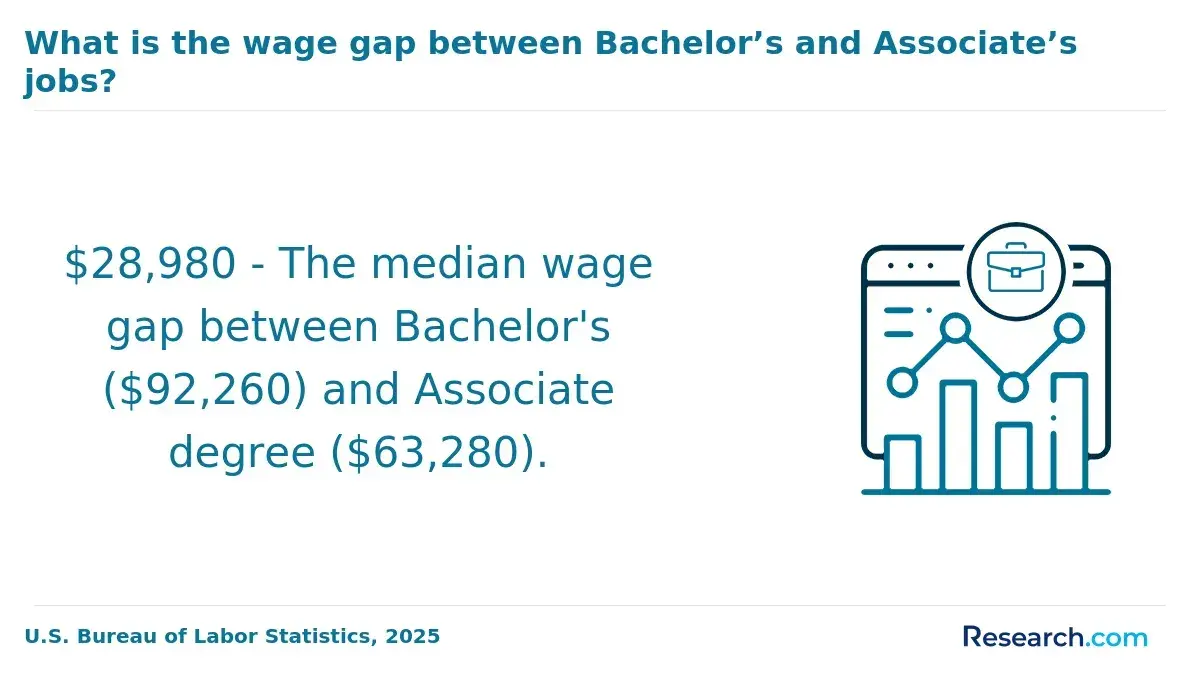
Online education is growing partly because adult learners want flexible schedules and lower relocation costs. Students comparing WVU online options with an online associate's degree pathway should check transfer policies first, because the lowest-cost route is often the one that applies the most credits toward the final bachelor's degree.
Licensure-focused fields require extra caution. Nursing, education, counseling, social work, engineering, and other regulated programs may have state-specific clinical, exam, or accreditation rules, so online convenience should never replace a licensure check.
What payment plans, tuition waivers, and employer tuition benefits does WVU accept?
WVU students who cannot pay the full semester balance at once may have several options to spread or reduce costs. These options do not replace financial aid, but they can reduce reliance on high-interest borrowing when used carefully.
The most common payment and benefit options include the following. Students should confirm deadlines and eligibility because missing a date can lead to late fees, registration holds, or lost benefits.
- Semester payment plans that divide eligible charges into scheduled installments instead of one lump-sum bill.
- Third-party billing arrangements for students sponsored by employers, government agencies, military programs, or scholarship organizations.
- Veterans education benefits, military tuition assistance, and related benefits for eligible service members, veterans, and dependents.
- Graduate assistantships or fellowships that may include stipends, tuition support, or fee reductions depending on the department.
- Employee tuition benefits for students whose employers reimburse or prepay approved coursework.
- Tuition waivers or reduced tuition programs for eligible groups, which may depend on state rules, employment status, age, military status, or academic program.
Employer tuition assistance can be valuable, but students should read the policy closely. Some employers reimburse only after a course is completed, require a minimum grade, limit annual benefits, or require employees to stay for a certain period after receiving funding.
The safest approach is to match the billing calendar to expected aid, wages, and reimbursement dates. If reimbursement arrives after WVU's payment deadline, the student may still need short-term cash flow or a payment plan.
How do WVU's tuition and costs compare with other public universities and regional schools?
WVU should be compared with other public universities using net price, graduation timeline, program strength, and career fit-not sticker price alone. Public universities often look affordable for residents but become more expensive for nonresidents unless scholarships or reciprocity reduce the price.
The comparison below shows how to evaluate WVU against other regional options. The point is not to rank schools universally, but to identify which school gives the best value for a specific student.
| Comparison factor | Why it matters | Question to ask |
| Net price after aid | The real cost can differ sharply from published tuition | What will I owe after grants and scholarships are applied? |
| Time to degree | An extra semester can erase savings from a lower tuition rate | Will my credits, prerequisites, and major sequence keep me on track? |
| Program outcomes | Some majors have stronger licensing, internship, or employer pipelines | What outcomes are reported for my specific college or major? |
| Living costs | Housing, transportation, and food can drive total cost | Can I commute, live with family, or choose lower-cost housing? |
| Flexibility | Working students may need online or evening options | Can I complete required courses while keeping my job? |
Graduate students should also compare program length. A shorter program may reduce opportunity cost, but accelerated formats can be intense and may not fit students who work full time; students considering a 6-month master's degree online should verify accreditation, workload, transfer limits, and employer recognition before assuming speed equals value.
A common red flag is choosing a school only because it has the lowest first-year cost. The better comparison is four-year or program-total cost, including the risk of changing majors, losing scholarships, or needing summer courses.
What are the typical admission requirements and deadlines that affect WVU tuition and aid?
Admission requirements and deadlines affect WVU tuition because scholarships, housing priority, FAFSA processing, and program admission can all depend on timing. Applying late does not always prevent admission, but it may reduce access to the best aid, preferred housing, or competitive programs.
Students should track the requirements below because each one can affect cost, scholarship eligibility, or time to graduation.
- Application submission: Apply early enough to be considered for merit scholarships, competitive programs, and housing preferences.
- High school transcript or college transcript: Strong academic records may improve scholarship opportunities and help with placement.
- Test scores if submitted or required by a specific program: Some programs or scholarships may have separate criteria even when general admission is flexible.
- FAFSA completion: File as early as possible so WVU can prepare an aid offer and request any missing documents.
- Scholarship deadlines: Departmental and private scholarships may close earlier than general admission timelines.
- Transfer credit evaluation: Transfers should confirm which credits apply to the degree, not just whether credits are accepted by the university.
- Program-specific requirements: Nursing, engineering, business, education, music, art, and health programs may have prerequisites, auditions, portfolios, clinical rules, or progression standards.
The biggest deadline-related mistake is waiting to compare aid offers until after committing emotionally to a school. Students should build a side-by-side cost sheet before paying deposits or signing housing contracts.
Transfers should be especially careful. Credits that transfer as electives may not reduce time to degree, which can make an apparently affordable pathway more expensive than expected.
How does WVU tuition relate to career outcomes, salary potential, and return on investment?
WVU tuition should be evaluated against likely career outcomes, but students should avoid treating salary data as a guarantee. Earnings vary by major, location, experience, internships, licensure, graduate education, and labor market conditions.
Federal labor data shows that education still correlates with earnings: in 2024, workers age 25 and older with a bachelor's degree had median weekly earnings of $1,543, compared with $930 for workers whose highest credential was a high school diploma. For WVU students, this means the degree can be financially worthwhile when borrowing is kept proportional to realistic career pathways.
The table below shows how different academic choices can affect ROI. Use it to think beyond the average value of a degree and focus on the match between cost, skills, and career demand.
| Academic path | ROI strength often depends on | Cost caution |
| Engineering, computer science, data, and technology fields | Internships, project portfolio, technical skills, and regional employer demand | Course sequencing can extend graduation if prerequisites are missed |
| Business, accounting, finance, and analytics | Internships, certifications, networking, and quantitative skills | Graduate school or licensure may add cost for some career goals |
| Health, nursing, and allied fields | Clinical placement, licensure eligibility, exam performance, and local workforce needs | Clinical fees, equipment, transportation, and progression rules can affect cost |
| Education and public service fields | Licensure, state requirements, field experience, and service-based loan options | Salaries may vary widely by district, state, and role |
| Liberal arts, communication, and social sciences | Writing, research, internships, digital skills, and clear career targeting | Students should pair the major with experience, portfolio work, or marketable minors |
Remote and hybrid work have also changed how students think about value. If flexibility is a major goal, compare WVU programs with the best degree for remote work and look for curricula that build digital collaboration, data literacy, writing, and project management skills.
A smart ROI test is simple: estimate total borrowing, research entry-level salaries for your target role, and ask whether the projected monthly loan payment leaves room for rent, transportation, savings, and emergencies.
What steps can prospective students take to reduce WVU tuition and avoid excessive debt?
Students can reduce WVU tuition pressure by making decisions before costs lock in. The best savings strategies usually happen before enrollment, before choosing housing, and before borrowing for the semester.
Use these steps to lower net cost and avoid excessive debt.
- Complete the FAFSA early and respond quickly to any verification or documentation requests.
- Apply for WVU scholarships, departmental awards, local scholarships, and renewal-based awards every year, not just before freshman year.
- Compare total cost of attendance across schools, including housing, food, fees, travel, and time to degree.
- Ask WVU how many transfer, dual-enrollment, Advanced Placement, or International Baccalaureate credits will apply to your specific degree plan.
- Choose housing and meal plans based on actual use, not the most convenient or most expensive option.
- Limit borrowing to the amount needed after grants, scholarships, savings, payment plans, work income, and family support are counted.
- Meet with an academic advisor before changing majors because a late switch can add semesters and increase total cost.
- Consider summer courses or community college transfer courses only after confirming they will apply to degree requirements.
- Track scholarship renewal rules, including GPA, credit completion, enrollment status, and residency requirements.
- Recalculate your budget every semester because aid, housing, course fees, and work hours can change.
Some students can also reduce cost by combining a degree with shorter skill credentials. If your target job rewards specific software, technical, business, or healthcare skills, compare WVU coursework with certificates I can get online before paying for extra electives that do not advance your goal.
The most expensive mistakes are avoidable: ignoring total cost, borrowing the full amount offered, missing aid deadlines, assuming all credits transfer, choosing a major without checking career requirements, and signing a lease before confirming the academic calendar and budget.
Other Things You Should Know About
Yes. WVU generally charges lower undergraduate tuition to West Virginia residents than to nonresidents. However, the final cost depends on housing, fees, scholarships, grants, and program-specific charges.
Yes. Out-of-state students may qualify for merit scholarships, departmental awards, private scholarships, and other aid. The best strategy is to apply early and compare the net price after scholarships, not just the published nonresident tuition.
Usually, yes. Financial aid is applied first to eligible university charges, and remaining aid may help cover approved education-related expenses such as housing, books, supplies, transportation, and personal costs within the cost of attendance.
WVU can be worth the cost when the student chooses a fitting major, controls living expenses, uses gift aid, graduates on time, and keeps borrowing aligned with realistic career earnings. Students should compare net price, program outcomes, and total debt before enrolling.
References
- Bridging Education and Opportunity: Exploring the ROI of Higher Education and Workforce Development — HCM Strategists https://hcmstrategists.com/resources/ucmfwg7ha7zzeug6nb3dlawh3poziz
- Does College Pay Off? A Comprehensive Return On Investment Analysis - FREOPP https://freopp.org/whitepapers/does-college-pay-off-a-comprehensive-return-on-investment-analysis/
- 4 Strategies for Avoiding Taking on Too Much Student Debt in College https://www.nbcwashington.com/news/business/money-report/4-strategies-for-avoiding-taking-on-too-much-student-debt-in-college/3339682/
- WVU’s Tuition and Room and Board Costs? https://empowerly.com/faq/wvus-tuition-and-room-and-board-costs/
- Financial Aid - Get Money for College - CFWV.com https://www.cfwv.com/financial-aid/
- Tuition & Fees | WVU Parkersburg https://www.wvup.edu/future-students/costs-scholarships-financial-aid/tuition-and-fees/
- West Virginia University Tuition | CollegeData https://www.collegedata.com/college-search/West-Virginia-University/money-matters
- Is College Worth it? | Return on Investment Analysis of College Degree https://educationdata.org/college-degree-roi
- Tips to Reduce (or Avoid) College Student Debt | FRCC Blog https://blog.frontrange.edu/2025/10/08/7-tips-to-reduce-or-avoid-college-student-debt/