2027 Fellowship vs Scholarship: Eligibility, Deadlines, and Application Tips

Co-Founder and Chief Data Scientist
Choosing between a fellowship and a scholarship can affect how much you pay, when you apply, and what obligations come with the award. The stakes are high: College Board reported average 2024-25 published tuition and fees of $11,610 for in-state public four-year colleges and $43,350 for private nonprofit four-year colleges. This guide is for undergraduates, graduate students, career changers, and parents who want to compare eligibility, deadlines, funding coverage, and application strategy so they can target the right awards sooner and avoid costly mistakes.
Key Things You Should Know
- Scholarships usually reduce education costs based on merit, need, identity, field, or enrollment status, while fellowships more often fund advanced study, research, professional development, or service with a defined purpose.
- For 2025-26, the federal Pell Grant maximum is $7,395, which makes stacking institutional scholarships, external awards, and need-based aid especially important for students with high unmet cost.
- BLS 2024 data show median weekly earnings of $1,840 for workers with a master's degree versus $1,543 for those with a bachelor's degree, so graduate fellowships can matter when they reduce debt for advanced credentials.
What is the difference between a fellowship and a scholarship in higher education?
A scholarship is generally an award that helps pay for college or graduate school. It may be based on grades, financial need, major, community service, athletic or artistic talent, military affiliation, first-generation status, or other criteria. Most scholarships are applied directly to tuition, fees, or other education-related costs and do not usually require employment-like duties.
A fellowship is usually a more specialized award tied to graduate study, research, teaching, public service, professional training, or a defined project. Fellowships may provide tuition support, a living stipend, travel funding, health insurance, or research funds. Some are "no-service" awards, while others require teaching, lab work, clinical placement, policy work, or a service commitment.
The table below shows the practical differences students should understand before choosing which awards to prioritize. The most important distinction is not the label itself, but the award's eligibility rules, covered costs, duties, and renewal conditions.
| Comparison point | Scholarship | Fellowship |
| Typical purpose | Reduce college costs for eligible students | Support advanced study, research, service, or professional development |
| Common academic level | Undergraduate and graduate | Graduate, doctoral, post-baccalaureate, or early-career professional |
| Selection focus | Merit, need, background, talent, major, or enrollment status | Research potential, leadership, field fit, project quality, or service mission |
| Funding format | Tuition discount, grant-like award, or direct education payment | Stipend, tuition remission, research allowance, travel support, or salary-like support |
| Obligations | Often GPA, enrollment, or renewal requirements | May include research, teaching, reports, service, placement, or project deliverables |
| Best fit | Students seeking help with direct college costs | Students pursuing specialized academic, research, or professional goals |
A simple way to decide is this: apply for scholarships broadly to reduce your cost of attendance, and apply for fellowships selectively when your academic plan, research interests, career field, or service goals closely match the award's mission.
Who is eligible for fellowships versus scholarships at U.S. colleges and universities?
Scholarship eligibility is usually broader than fellowship eligibility. High school seniors, transfer students, adult learners, associate degree students, bachelor's degree students, graduate students, part-time students, and online learners may all qualify for scholarships, depending on the sponsor. Eligibility may be based on FAFSA information, GPA, residency, intended major, community involvement, military status, employer partnership, or membership in a specific group.
Fellowship eligibility is usually narrower and more mission-driven. Many fellowships are designed for master's, doctoral, medical, law, public policy, STEM, education, health, social science, humanities, or arts students who can show strong preparation for a defined project or professional pathway. Some fellowships require U.S. citizenship or permanent residency, while others are open to international students, DACA recipients, or specific institutional populations.
Students in shorter or lower-cost programs should not assume funding is unavailable. For example, learners comparing an associate degree online can still look for institutional scholarships, workforce grants, employer tuition benefits, state aid, and community foundation awards, even if most traditional fellowships are aimed at graduate study.
Before applying, compare the eligibility language carefully. The following checklist covers the criteria that most often determine whether an award is realistic for you.
- Academic level: Confirm whether the award is for high school seniors, current undergraduates, transfer students, graduate students, doctoral candidates, postdoctoral researchers, or working professionals.
- Enrollment format: Check whether full-time enrollment is required and whether online, hybrid, evening, or part-time students qualify.
- Citizenship and residency: Review U.S. citizenship, permanent residency, state residency, county residency, tribal affiliation, or visa-status rules before spending time on the application.
- Field of study: Make sure your major, concentration, research topic, or career objective matches the sponsor's priority area.
- Financial need: If the award uses FAFSA or institutional need analysis, verify whether you must submit aid forms before the award deadline.
- Merit indicators: Look for minimum GPA, class rank, honors coursework, standardized test expectations, portfolio quality, research experience, or leadership record.
- Renewal rules: Confirm whether the award renews automatically, requires a new application, or depends on GPA, credits completed, satisfactory academic progress, or continued participation.
A common mistake is applying only to famous national awards. Competitive national fellowships can be valuable, but institutional, departmental, state, employer-sponsored, and local scholarships often have smaller applicant pools and better odds for students who meet a specific profile.
How do fellowship and scholarship application timelines and deadlines typically compare?
Scholarship deadlines often follow the admissions and financial aid cycle. Many open in the fall, peak from winter through early spring, and require FAFSA or institutional aid forms. Some scholarships have rolling deadlines, especially at community colleges, online programs, private scholarship platforms, local foundations, and employer tuition programs.
Fellowship timelines can start earlier because committees may need research proposals, faculty nominations, interviews, language evaluations, institutional endorsement, or placement matching. Prestigious fellowships may have campus deadlines weeks or months before the national deadline, so waiting until the public deadline can mean missing the internal review process.
The table below summarizes a typical U.S. planning calendar. Exact deadlines vary by school and sponsor, but this pattern helps students avoid the most common timing errors.
| Timeframe | Scholarship focus | Fellowship focus | Reader takeaway |
| 12-18 months before enrollment | Build a school list, estimate costs, identify merit and need-based awards | Identify research mentors, field-specific fellowships, and nomination requirements | Start early if the award requires faculty support or a proposal |
| Fall | Apply for admission and institutional scholarships | Prepare essays, proposals, CVs, writing samples, and endorsement materials | Campus deadlines may come before national deadlines |
| Winter | Submit FAFSA-related and priority aid applications | Complete interviews, revisions, and departmental funding applications | Missing a priority aid deadline can reduce available funding |
| Spring | Compare financial aid offers and external scholarship results | Review fellowship terms, stipend level, duties, and award restrictions | Compare net cost, not just award name or prestige |
| Summer | Finalize payment plans, appeals, and last-dollar scholarships | Complete onboarding, compliance, research approvals, or placement paperwork | Some awards require paperwork before funds are released |
To manage deadlines, build one spreadsheet with award name, amount, eligibility, required documents, recommender names, internal deadline, external deadline, notification date, renewal rules, and tax notes. Treat the internal deadline as the real deadline whenever a college endorsement is required.
What are the main types of fellowships and scholarships available to students?
Fellowships and scholarships come from colleges, departments, foundations, professional associations, employers, government agencies, nonprofits, and private donors. The best choice depends on your education level, field, financial need, academic record, and willingness to accept service or research obligations.
The table below groups common awards by purpose. Use it to identify where your profile is strongest instead of applying randomly to every award you find.
| Award type | Typical candidates | Common selection factors | Best use case |
| Merit scholarship | Undergraduate or graduate students | GPA, rigor, test scores if considered, leadership, achievements | Reducing tuition at colleges where your academic profile is strong |
| Need-based scholarship or grant | Students with demonstrated financial need | FAFSA, institutional need analysis, income, household circumstances | Closing affordability gaps after admission |
| Departmental scholarship | Students in a specific major or school | Major, faculty review, academic progress, portfolio, research interest | Funding students already committed to a field |
| Research fellowship | Graduate or advanced undergraduate students | Research proposal, faculty fit, publications, lab or field experience | Supporting thesis, dissertation, lab, archival, or fieldwork |
| Teaching fellowship or assistantship | Graduate students | Subject expertise, communication skills, academic record | Combining funding with teaching experience |
| Public service fellowship | Students pursuing civic, policy, education, health, or nonprofit work | Service record, leadership, mission fit, placement readiness | Funding tied to community impact or government service |
| Professional fellowship | Graduate students or early-career professionals | Career goals, work samples, interviews, field commitment | Building networks and specialized experience in a target profession |
| Identity- or affiliation-based scholarship | Students connected to a group, employer, community, or background | Membership, lived experience, service, essay fit | Finding awards with more specific applicant pools |
Students pursuing short, flexible, or career-focused credentials can still build a funding plan. If you are comparing easy online associate degrees, look for stackable aid such as state grants, institutional scholarships, workforce development funds, credit for prior learning, and employer reimbursement.
One red flag is an award that charges a required application fee, promises guaranteed funding, or asks for sensitive financial information outside a secure school or sponsor process. Legitimate scholarship searches may require time, essays, transcripts, and recommendations, but they should not require students to pay for a chance to receive aid.
How do funding amounts and covered costs differ between fellowships and scholarships?
Scholarships and fellowships can both reduce out-of-pocket cost, but they often cover different expense categories. Scholarships commonly offset tuition and fees. Fellowships may cover tuition plus a stipend, or they may provide living support while the student completes research, teaching, clinical training, or a service placement.
Cost context matters because award size can be misleading. College Board's 2024-25 tuition and fee averages show why a $5,000 scholarship has different value depending on the institution: it may cover a large share of tuition at a public two-year college but a smaller share at a private nonprofit four-year institution.
The table below explains how to compare award coverage. Focus on the gap between total cost of attendance and total gift aid, not just the headline award amount.
| Cost category | Scholarships commonly cover | Fellowships commonly cover | What to verify |
| Tuition and fees | Often yes | Often yes for graduate or research awards | Whether funds apply before or after other aid |
| Books and supplies | Sometimes | Sometimes, especially with research allowances | Whether reimbursement receipts are required |
| Housing and meals | Sometimes, if included in cost of attendance | Often indirectly through a stipend | Whether stipend timing matches rent and living expenses |
| Travel | Less common | Common for conference, fieldwork, archival, or placement-based awards | Whether travel requires preapproval |
| Health insurance | Less common | Sometimes included in graduate packages | Whether dependent coverage is included or excluded |
| Taxes | May be taxable depending on use | Stipends may be taxable depending on structure and use | Whether the school issues tax forms or requires self-reporting |
If affordability is your main concern, compare awards alongside tuition, fees, transfer credit, time to completion, residency rules, technology fees, and required travel. Students who need lower-cost options can start by reviewing cheapest online colleges, then ask each school how institutional scholarships stack with federal and state aid.
To evaluate a funding offer, follow a simple net-cost process before accepting the award.
- Calculate total cost of attendance, including tuition, fees, books, housing, transportation, health insurance, program fees, and required campus visits.
- Subtract grants, scholarships, tuition waivers, and fellowship support that does not need to be repaid.
- Separate renewable funding from one-time awards so you do not overestimate support in later terms.
- Check whether the award reduces loans first, work-study first, unmet need first, or institutional grants first.
- Ask whether outside scholarships can trigger aid adjustments, because some schools reduce other aid when outside awards arrive.
The strongest offer is not always the largest named award. A smaller award at a lower-cost accredited program may leave you with less debt than a prestigious award at a high-cost institution with limited renewal support.
What academic, test score, and recommendation requirements do competitive awards usually have?
Competitive scholarships and fellowships usually evaluate evidence of readiness, not just raw achievement. Committees want to know whether the applicant can succeed in the program, use the funding responsibly, and contribute to the award's mission. Requirements vary widely, but academic record, writing quality, recommendations, and fit are consistently important.
Standardized test requirements are changing. Many undergraduate scholarships no longer require SAT or ACT scores if the college is test-optional, but some merit awards, honors programs, state awards, and private sponsors may still consider them. Graduate fellowships may request GRE, GMAT, LSAT, MCAT, or other professional test scores only when the program or sponsor requires them. Always follow the award instructions rather than assuming test-optional admission means test-optional funding.
The table below summarizes common requirements and how committees usually interpret them. It can help you decide where to spend the most preparation time.
| Requirement | Common scholarship use | Common fellowship use | What strong evidence looks like |
| GPA and transcript | Shows academic consistency and course rigor | Shows preparation for advanced study or research | Strong grades in relevant courses, upward trends, and appropriate prerequisites |
| Test scores | Used when required for merit tiers or state programs | Used when required by graduate programs or sponsors | Scores that meet the sponsor's stated threshold or strengthen the academic profile |
| Essays or personal statements | Explains goals, need, leadership, and fit | Explains research, service, professional purpose, and feasibility | Specific examples, clear goals, and direct alignment with the award mission |
| Recommendation letters | Confirms character, achievement, and potential | Confirms research ability, independence, teaching, leadership, or field promise | Detailed letters from people who know your work well |
| Resume or CV | Shows leadership, employment, service, awards, and activities | Shows publications, presentations, projects, teaching, fieldwork, or professional experience | Evidence organized around the award's priorities |
| Portfolio or writing sample | Important for arts, design, journalism, and writing awards | Important for humanities, social science, policy, creative, or research fellowships | Polished work that demonstrates skill and relevance |
Recommendations are often the difference between a good application and a competitive one. Ask early, provide a resume and award description, explain what the committee values, and give your recommender examples of work they can discuss. A generic letter from a famous professor is usually weaker than a detailed letter from someone who has directly supervised your research, teaching, job performance, or service.
Common mistakes include recycling the same essay for every award, hiding academic setbacks without context, choosing recommenders who barely know you, ignoring word limits, and submitting materials that do not answer the prompt. If you have a lower GPA, use the application to show recent performance, relevant experience, strong writing, and a realistic plan.
How do online, hybrid, and campus-based programs affect fellowship and scholarship options?
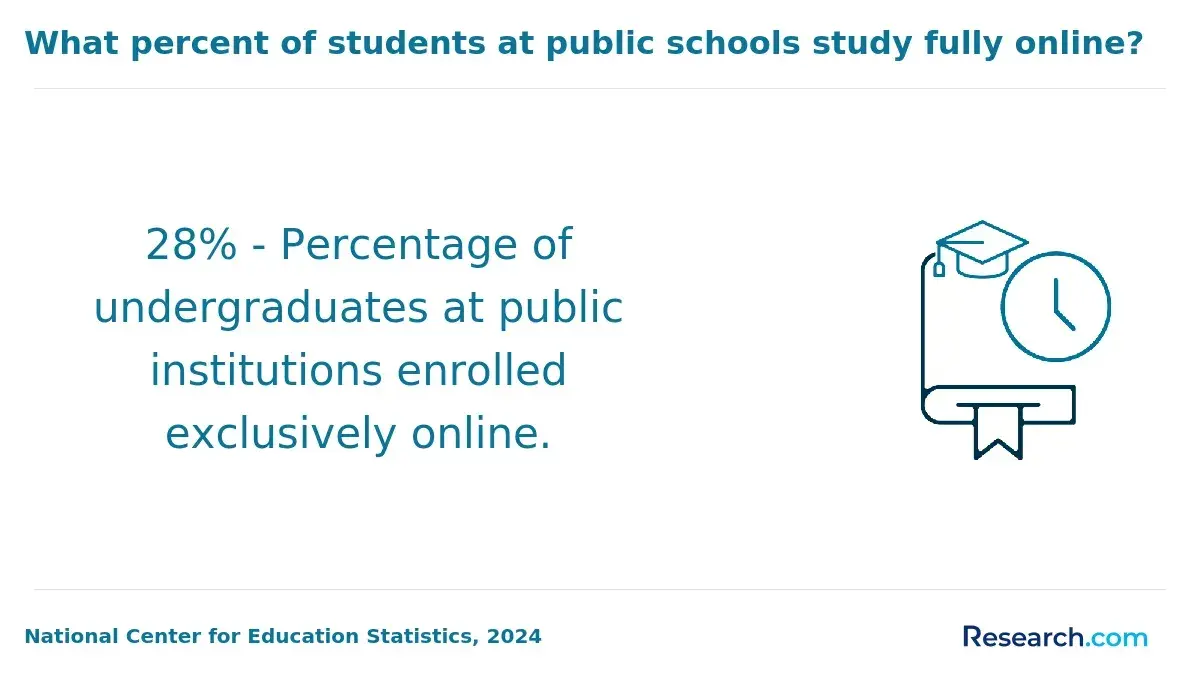
Online, hybrid, and campus-based students can all find scholarships, but eligibility depends on the sponsor's rules. Many institutional scholarships require degree-seeking status, minimum credits, satisfactory academic progress, and enrollment in an accredited program. Some awards exclude fully online students, while others are designed specifically for online learners, adult students, working professionals, or part-time students.
Fellowships are more format-sensitive because they may require lab access, teaching assignments, clinical hours, fieldwork, residency sessions, or close faculty supervision. A fully online student may qualify for a writing, policy, data, education, or professional fellowship, but may not qualify for a fellowship tied to on-campus teaching or laboratory research.
The table below compares how program format can affect funding access. Use it to ask better questions before enrolling rather than after aid decisions are made.
| Program format | Scholarship considerations | Fellowship considerations | Best fit |
| Fully online | May qualify if the program is accredited and degree-seeking; some campus awards may exclude online students | Best for awards that do not require physical labs, teaching sections, or campus residency | Working adults, military students, caregivers, and students needing location flexibility |
| Hybrid | Often eligible for broader institutional aid if enrollment status matches requirements | May work well for fellowships requiring occasional campus, clinical, or field experiences | Students who need flexibility but can attend scheduled in-person sessions |
| Campus-based | Usually eligible for the widest set of traditional campus scholarships | Often strongest fit for teaching, lab, studio, and residential fellowships | Students seeking immersive research, teaching, studio, or campus leadership opportunities |
Accelerated online graduate options may appeal to students trying to reduce opportunity cost. If you are comparing 1-year master's programs online, ask whether accelerated pacing affects scholarship renewal, assistantship eligibility, faculty mentorship, internship access, and the time available to prepare fellowship applications.
Before choosing a format, confirm these details with the financial aid office, department, and program director.
- Whether online and hybrid students qualify for the same institutional scholarships as campus students.
- Whether the award requires full-time enrollment, a minimum number of credits, or campus participation.
- Whether required residencies, practicums, labs, or clinical placements create extra travel or housing costs.
- Whether assistantships or fellowships are available to remote students and how supervision works.
- Whether the program's accreditation, state authorization, and licensure alignment meet your career goals.
A major red flag is choosing an online program because it appears cheaper without checking fees, practicum travel, technology requirements, state authorization, or whether the program's students are eligible for the awards you plan to use.
How can students strategically strengthen their applications for fellowships and scholarships?
The strongest applications are not built in the final week before a deadline. They are built through course choices, relationships, projects, work experience, service, and a clear story about why the award fits the student's next step. Strategy matters because committees often compare many qualified applicants with similar GPAs.
Start by matching awards to your evidence. A research fellowship needs research readiness. A leadership scholarship needs leadership with measurable impact. A need-based award needs timely financial aid forms. A professional fellowship needs a credible career plan and proof that you understand the field.
Use this sequence to build a stronger application package.
- Create an award map with local, institutional, departmental, state, employer, professional association, and national opportunities.
- Sort awards into high-fit, medium-fit, and low-fit categories based on eligibility, mission fit, evidence required, and deadline feasibility.
- Build a core resume or CV, then tailor it for each award so the most relevant evidence appears first.
- Draft essays around specific examples rather than broad claims about being hardworking, passionate, or deserving.
- Ask recommenders at least a month in advance and give them the prompt, deadline, resume, transcript, and key points to emphasize.
- Revise for alignment by checking whether every paragraph answers the sponsor's mission and selection criteria.
- Proofread the final application in a separate session, because small errors can weaken an otherwise strong file.
Students with nontraditional backgrounds should frame their experiences as strengths. Military service, caregiving, work history, justice-system involvement, interrupted enrollment, or career changes can show persistence, maturity, and purpose when explained thoughtfully. For students rebuilding educational options after a conviction, resources on the best degree for felons can help connect program choice with realistic admissions, licensing, and employment considerations.
Common mistakes include applying to awards you do not actually qualify for, using AI-generated essays without personal detail, missing FAFSA or institutional priority deadlines, listing activities without impact, and failing to explain why the award is essential to your next step. AI tools can help brainstorm or edit, but the final application should sound like you and include verifiable details.
If you are deciding where to focus your time, prioritize awards where you meet every eligibility rule, can show clear fit, have a strong recommender, and can submit polished materials before the internal deadline. A smaller high-fit award may be more realistic than a prestigious award with weak alignment.
How do fellowships and scholarships influence career pathways, salary potential, and job outlook?
Fellowships and scholarships can influence career outcomes by reducing debt, increasing access to selective programs, supporting unpaid or low-paid experiential learning, and helping students build networks. They do not guarantee a salary or job, but they can change the financial risk of pursuing a credential or career path.
Debt matters most when a student enters a field with modest starting wages, uncertain licensure timelines, or a long training path. A scholarship that lowers undergraduate borrowing may make graduate school more realistic. A fellowship that covers tuition and living costs may allow a doctoral, policy, education, research, or health student to complete training without taking on additional private debt.
BLS 2024 education-pay data show a wage premium associated with higher education: workers with a master's degree had median weekly earnings of $1,840, compared with $1,543 for workers with a bachelor's degree. This does not mean every graduate degree pays off, but it shows why reducing the cost of advanced study can improve the risk-reward balance for students entering fields that truly require graduate credentials.
The table below connects funding type to career effects. Use it to think about outcomes beyond the award amount.
| Funding experience | Career advantage | Possible limitation | Best-fit student |
| Undergraduate merit scholarship | May reduce debt and allow more time for internships, research, or leadership | May require GPA renewal that limits flexibility | Students with strong academic records comparing college costs |
| Need-based scholarship or grant | Can make enrollment possible without excessive borrowing | May change if household finances or enrollment status change | Students with financial need seeking lower net cost |
| Research fellowship | Builds research record, faculty mentorship, publications, and doctoral preparation | May be narrow if the student later changes fields | Students aiming for research, academia, labs, policy analysis, or advanced study |
| Teaching fellowship | Develops teaching, communication, mentoring, and classroom management experience | Teaching duties can slow coursework or research if workload is heavy | Graduate students considering academia, education, training, or public communication |
| Public service fellowship | Builds mission-driven experience, networks, and placement history | May include location, service, or post-award obligations | Students aiming for government, nonprofit, education, health, or civic leadership roles |
| Professional fellowship | Provides portfolio work, specialized training, and industry contacts | May be short term and require a transition plan | Students entering competitive fields where experience and networks matter |
Current labor-market trends also affect award strategy. Employers are placing greater value on demonstrable skills, portfolios, internships, data literacy, communication, and experience with AI-supported tools. Students should use fellowships and scholarships not only to pay for school, but also to create time for projects, clinical hours, research, certifications, and supervised experience that employers can evaluate.
The best career-focused funding decision is one that aligns cost, credential, experience, and job target. If an award requires a service commitment, make sure the commitment fits your long-term plans. If a scholarship requires a specific major, confirm that the major leads to the roles you actually want.
What should students look for to find reputable, accredited programs offering strong funding?
A strong funding offer is only valuable if the program is reputable, accredited, and aligned with your goals. Accreditation affects federal financial aid eligibility, transfer credit, graduate admissions, professional licensure, employer recognition, and the credibility of your credential. For career fields such as nursing, counseling, education, social work, accounting, engineering, and law, programmatic accreditation or state approval may also matter.
Start with institutional accreditation from an agency recognized by the U.S. Department of Education or the Council for Higher Education Accreditation. Then check whether your field requires additional programmatic accreditation, licensure approval, supervised hours, exam eligibility, or state-specific authorization.
The table below summarizes quality signals to compare across schools. These indicators help separate meaningful funding from offers that may still leave you with weak outcomes or unexpected costs.
| Quality signal | Why it matters | What to confirm |
| Recognized institutional accreditation | Supports federal aid eligibility and credential recognition | Accreditor status and current standing |
| Programmatic accreditation or approval | May affect licensure, certification, or employer acceptance | Whether the specific program and campus or format are covered |
| Transparent net price | Prevents surprises after enrollment | Total tuition, fees, books, travel, residency, and living costs |
| Renewable funding rules | Shows whether aid is stable beyond the first term | GPA, credits, major, enrollment status, and reapplication rules |
| Student outcomes | Helps evaluate whether the program supports completion and career goals | Completion rates, licensure pass rates where relevant, placement support, and alumni outcomes |
| Transfer and credit policies | Can reduce cost and time to degree | Transfer limits, prior learning credit, military credit, and residency requirements |
Before committing, ask admissions and financial aid staff direct questions and request answers in writing when possible.
- Is this program eligible for federal financial aid, institutional scholarships, state grants, and external scholarships?
- Does the scholarship or fellowship apply to online, hybrid, part-time, transfer, and returning students?
- What happens to my award if I change majors, reduce credits, pause enrollment, or fail to meet GPA renewal rules?
- Can outside scholarships reduce my institutional grant, loans, work-study, or unmet need?
- Does the program meet licensure or certification requirements in the state where I plan to work?
- What is the full cost of attendance after fees, travel, books, supplies, and required residencies?
- Who supervises fellowship work, and how many hours per week are expected?
Red flags include pressure to enroll immediately to "lock in" aid, vague accreditation claims, unclear fee schedules, scholarship offers that disappear after the first term, awards tied to unrealistic GPA requirements, and programs that cannot explain licensure alignment. A reputable school should be able to explain total cost, funding rules, accreditation, outcomes, and student support without evasive language.
Other Things You Should Know About
Yes. Many students combine scholarships, grants, fellowships, assistantships, employer benefits, and loans. However, schools may adjust aid when outside awards arrive, so ask how each award affects your total financial aid package.
Often, but not always. Fellowships are usually more specialized and may require proposals, interviews, faculty support, or advanced experience. Scholarships can also be highly competitive, especially large national merit awards.
Usually no, if you meet the award terms. Repayment may be required if you withdraw, fail to complete a service obligation, drop below required enrollment, or violate award conditions.
A fellowship is often better if it covers tuition and living costs while supporting research, teaching, or professional development. A scholarship may be better if you only need tuition help and want fewer work or service obligations.
References
- Scholarship Deadline Checker (2026 Guide) https://catchthatscholarship.com/scholarship-deadline-checker/
- Scholarship Application Timeline 2024-25 | SelfDriven https://selfdriven.careers/resources/scholarship-timeline
- How hybrid and online learning supports student accessibility and affordability - OI Digital Institute https://oidigitalinstitute.com/news/how-hybrid-and-online-learning-supports-student-accessibility-and-affordability/
- How Prospective Families Weigh Online and Hybrid College Options https://www.ruffalonl.com/blog/enrollment/how-prospective-families-weigh-online-and-hybrid-college-options/
- Account Suspended https://scholarshipmajor.com/online-and-hybrid-study-scholarships/
- Find Your Perfect University Program: A Guide for International Students https://www.studyusa.com/en/article/find-your-perfect-university-program-a-guide-for-international-students
- Mastering Scholarship Application Deadlines https://educationquest.org/blog/mastering-scholarship-application-deadlines/
- Application Process – Paul & Daisy Soros Fellowships for New Americans https://pdsoros.org/application-process/
- 17 Prestigious Awards for High Schoolers https://www.echelonscholars.com/17-prestigious-awards-for-high-schoolers
- Understanding Scholarship, Studentship, and Fellowship - GIIS Noida https://globalindianschool.org/noida/blog-details/what-is-the-difference-between-scholarship-studentship-and-fellowship/