2027 Colleges with Financial Aid: Student Guide to Costs, Aid, and Funding

Co-Founder and Chief Data Scientist
College is often affordable only after aid is applied, not at the sticker price. College Board's 2024 data shows average published tuition and fees of $11,610 for in-state public four-year colleges and $43,350 for private nonprofit four-year colleges, before grants and scholarships reduce costs.
This guide is for students, parents, adult learners, and transfer students comparing colleges with financial aid. You will learn how aid works, what to compare, which red flags to avoid, and how to choose a program that fits your budget, timeline, and career goal.
Key Things You Should Know
- For 2024-25, the maximum Federal Pell Grant is $7,395, making FAFSA completion one of the most important first steps for students with financial need.
- Published tuition varies widely: College Board reports 2024-25 averages of $4,050 at public two-year colleges, $11,610 for in-state public four-year colleges, and $43,350 at private nonprofit four-year colleges.
- The best financial aid college is not always the school with the lowest tuition; compare net price, accreditation, transfer credit, graduation outcomes, loan levels, and whether the program leads to your intended career.
What are colleges with financial aid options?
Colleges with financial aid options are accredited institutions that participate in federal, state, institutional, employer, or private funding programs that help students pay for tuition, fees, books, housing, transportation, and other education-related costs. The most common starting point is the FAFSA, which schools use to determine eligibility for federal grants, work-study, and Direct Loans.
Financial aid does not mean college is free. It means the school has systems that may reduce your out-of-pocket cost or allow you to spread the cost over time. Grants and scholarships generally do not need to be repaid, while loans must be repaid with interest. Work-study provides part-time employment funding, but availability depends on the school and your aid package.
Students usually compare colleges with aid because they are trying to answer a practical question: "Which school will get me to my goal with the least risky debt?" That decision depends on the credential, the program length, the labor market value of the degree, and how much gift aid you receive. Some learners also compare traditional degrees with quick degree programs if they need a faster path to employment.
The major types of colleges offering aid include public community colleges, public universities, private nonprofit colleges, and eligible private career schools. Institution type matters, but it should not be the only deciding factor. A public university can still be expensive for out-of-state students, while a private college may become competitive if it offers strong institutional grants.
How do you compare tuition, grants, and loans at colleges?
To compare colleges fairly, look past the advertised tuition and focus on net price: the estimated cost of attendance minus grants and scholarships. Net price is more useful than tuition because it reflects what you may actually need to pay through savings, income, loans, or payment plans.
The table below summarizes the major cost and aid terms students see in award letters. Understanding these categories helps you avoid choosing a school based on an incomplete or overly optimistic price estimate.
| Term | What it means | Why it matters |
| Cost of attendance | The school's full estimate of tuition, fees, housing, food, books, supplies, transportation, and personal expenses | It shows the total budget, not just tuition |
| Published tuition and fees | The listed academic charges before aid | It is useful for comparison but does not show your final cost |
| Grants and scholarships | Gift aid from federal, state, school, or private sources | It reduces your net price and usually does not require repayment |
| Net price | Cost of attendance minus grants and scholarships | It is the clearest estimate of what you must cover |
| Federal loans | Borrowed aid through the federal government | It can fill gaps but increases future repayment obligations |
| Work-study | Part-time job funding for eligible students | It helps with expenses but is not always guaranteed as cash up front |
When comparing award letters, separate free aid from borrowed aid. A college may appear generous because the total award is large, but the package may rely heavily on loans. Federal Direct Loan limits also cap how much dependent undergraduates can borrow annually, starting at $5,500 for first-year students, so a school that leaves a large gap may require parent borrowing, private loans, or additional income.
Use a consistent comparison process before you commit. This is especially important when comparing campus programs with online options, including lists of the most affordable online colleges.
- Request the full cost of attendance for your enrollment status, housing plan, and residency category.
- Subtract only grants and scholarships to estimate net price before loans.
- Identify how much of the package is federal loans, private loans, parent loans, or work-study.
- Check whether scholarships renew automatically or require a minimum GPA, full-time enrollment, or annual application.
- Compare the remaining gap with your realistic savings, earnings, family contribution, and expected post-graduation income.
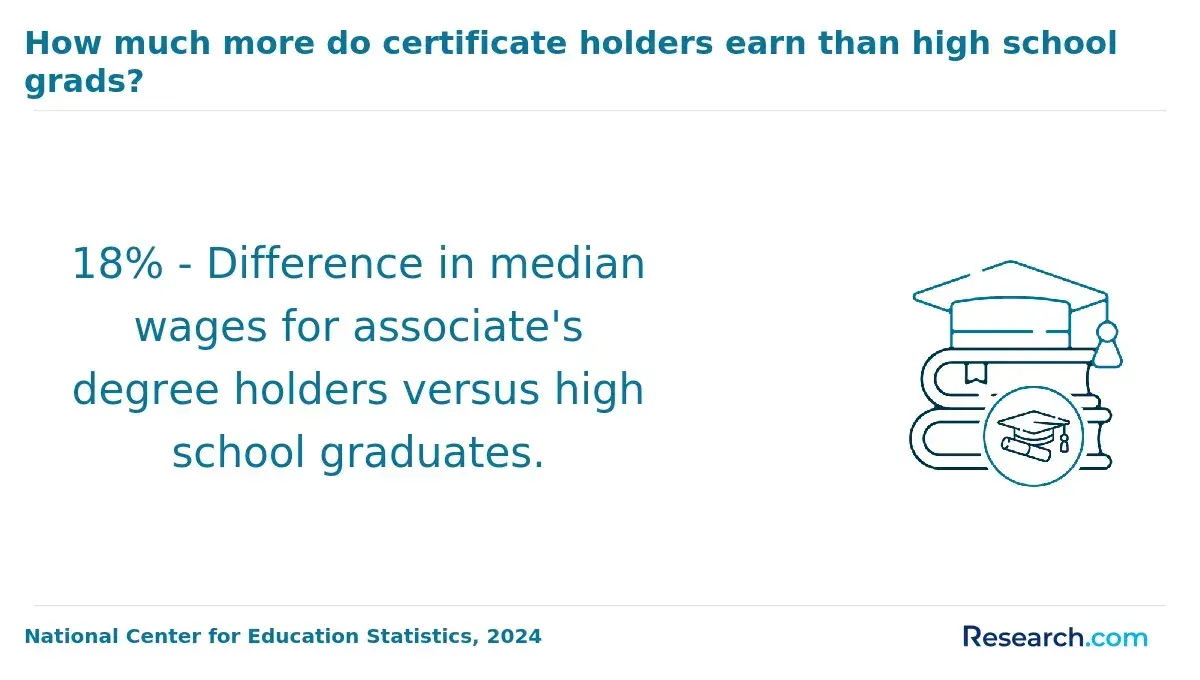
What financial aid can college students qualify for?
College students can qualify for several forms of financial aid, but eligibility depends on financial need, enrollment intensity, citizenship or eligible noncitizen status, academic progress, program eligibility, and school participation. The FAFSA is the main application for federal aid and is also used by many states and colleges to award their own funds.
The most common aid categories differ in how they are awarded and whether they must be repaid. The list below can help you prioritize aid sources from least risky to most debt-dependent.
- Federal Pell Grant: Need-based grant aid for eligible undergraduate students; the maximum award for 2024-25 is $7,395.
- Federal Supplemental Educational Opportunity Grant: Campus-based grant aid for students with exceptional financial need, available only at participating schools with limited funding.
- State grants: Need-based or merit-based aid that often depends on residency, deadlines, and enrollment at an eligible in-state institution.
- Institutional scholarships: School-funded awards based on academics, talent, financial need, major, transfer status, or other criteria.
- Federal Work-Study: Part-time employment funding that can help cover living expenses while enrolled.
- Federal Direct Loans: Student loans with federal borrower protections, annual limits, and repayment options.
- Private scholarships: Outside awards from employers, foundations, civic groups, professional associations, or community organizations.
Students in shorter programs should be especially careful. Not every certificate, bootcamp, or nondegree program qualifies for federal financial aid, even if it is offered online. If your goal is a fast employment credential, compare eligibility rules with alternatives such as easy certifications to get online, and ask whether the program is credit-bearing, accredited, and eligible for federal aid.
How do online and campus programs differ for financial aid?
Online and campus programs can both qualify for financial aid if the institution is accredited, participates in the relevant aid programs, and offers an eligible program. The bigger differences usually involve living costs, transportation, schedule flexibility, student fees, technology requirements, and access to campus-based services.
The table below compares common financial aid considerations for online and campus students. Use it to identify which format is likely to reduce total cost without weakening your academic or career preparation.
| Factor | Online programs | Campus programs |
| Tuition structure | May charge per credit, sometimes with flat online rates | May vary by residency, campus, and full-time status |
| Housing and commuting | Often lower if you study from home | Can be higher if you live on campus or commute daily |
| Schedule flexibility | Often better for working adults and caregivers | May be better for students who need fixed schedules and in-person support |
| Hands-on requirements | May require local placements, labs, practicums, or proctored exams | Often easier for lab, studio, clinical, or equipment-heavy programs |
| Student support | Depends heavily on virtual advising, tutoring, and career services | May offer easier access to in-person advising, labs, libraries, and clubs |
Online learning can reduce indirect costs, but it is not automatically cheaper. Some online programs charge technology fees, require clinical travel, or offer less institutional scholarship funding than campus programs. For students who need a shorter timeline, an accelerated associate degree may be appealing, but it should still be evaluated for accreditation, transferability, aid eligibility, and workload.
Choose online study when you need flexibility, have reliable technology, and can stay organized without daily in-person structure. Choose campus study when your field requires hands-on facilities, you benefit from face-to-face support, or campus networking is important for internships and early career opportunities.
What accreditation should a financial aid college have?
A reputable college with financial aid should be institutionally accredited by an accreditor recognized by the U.S. Department of Education or the Council for Higher Education Accreditation. Accreditation matters because it affects federal aid eligibility, transfer credit, graduate school admission, employer recognition, and licensure pathways in regulated fields.
There are two broad accreditation checks students should make. Institutional accreditation applies to the college as a whole, while programmatic accreditation applies to specific fields such as nursing, education, counseling, business, engineering, social work, and allied health.
Before enrolling, verify accreditation directly rather than relying only on marketing language. Use this process to reduce the risk of paying for credits that will not transfer or a credential that does not meet employer or licensing expectations.
- Search the college in the U.S. Department of Education's Database of Accredited Postsecondary Institutions and Programs.
- Confirm that the exact campus or online division you plan to attend is covered.
- Check whether your specific major needs programmatic accreditation for licensure, certification, or employer recognition.
- Ask transfer destinations or graduate programs whether they accept credits from the school.
- Get written confirmation if admissions staff make claims about licensure, transfer agreements, or professional eligibility.
Be cautious with schools that emphasize speed and financing but avoid clear accreditation details. A low monthly payment is not a good deal if the credential fails to qualify you for the job, license, or transfer pathway you want.
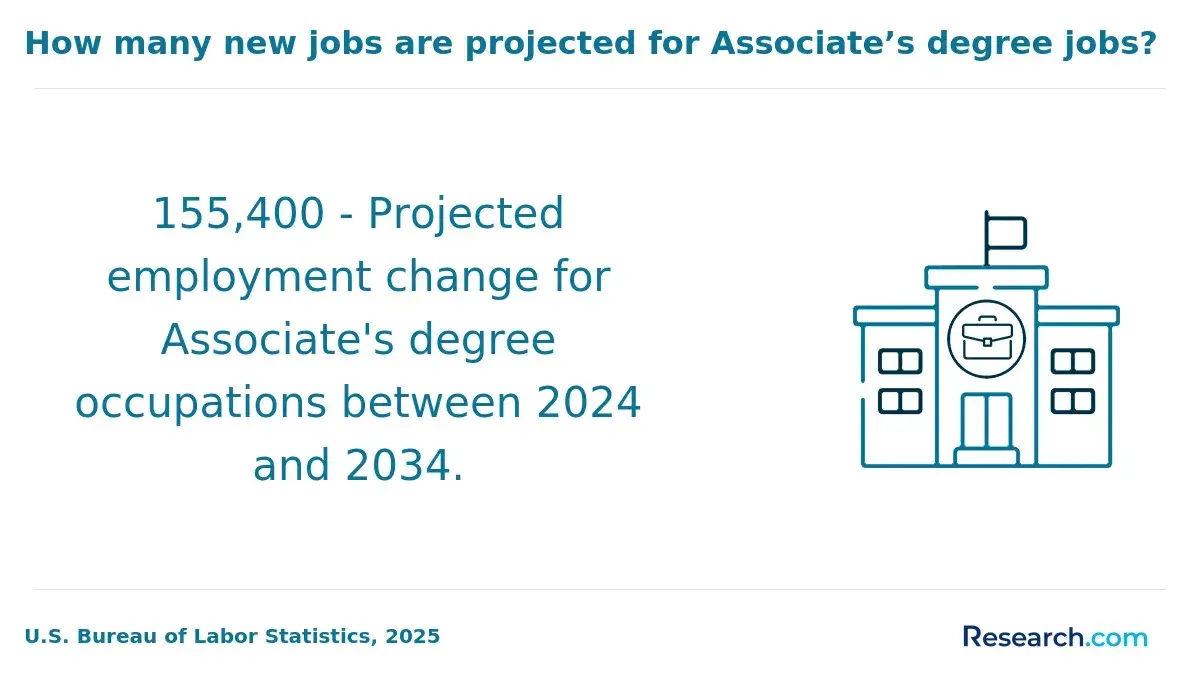
What admission requirements do colleges with aid usually ask for?
Admission requirements at colleges with financial aid vary by degree level, selectivity, and program. Open-admission community colleges may require only a high school diploma or equivalent, while competitive universities and selective majors may ask for transcripts, test scores, essays, recommendation letters, prerequisite courses, portfolios, or interviews.
The table below shows common requirements by program type. This can help you estimate how much preparation you need before applying and whether you should start with a certificate, associate degree, transfer pathway, or bachelor's program.
| Program type | Common admission requirements | Best fit |
| Certificate | High school diploma or equivalent; sometimes placement tests or program prerequisites | Students seeking a focused skill or entry-level credential |
| Associate degree | High school diploma or equivalent; placement, advising, and possible prerequisites | Students seeking lower-cost general education, transfer, or technical training |
| Bachelor's degree | Transcripts, application form, GPA review, possible essays, test scores, or recommendations | Students pursuing careers that commonly require a four-year degree |
| Transfer bachelor's pathway | College transcripts, minimum credits, GPA requirements, and major prerequisites | Students who want to reduce cost by starting at a community college |
| Graduate degree | Bachelor's degree, transcripts, résumé, essays, recommendations, and sometimes exams or licensure | Students pursuing advanced professional or leadership roles |
Some students also need to consider background checks, especially in fields such as healthcare, education, public safety, counseling, aviation, and finance. A criminal record does not automatically close the door to college, but it may affect clinical placements, internships, licensure, or employment depending on the field and state. Students evaluating options can review guidance on what can a felon go to college for before choosing a major with strict licensing barriers.
Financial aid requirements are separate from admission requirements. Even after admission, students must maintain satisfactory academic progress, meet enrollment rules, and complete required aid documents to keep funding.
How long do degree programs take and what do they cost?
Degree timelines and costs depend on credential level, enrollment pace, transfer credits, residency, housing choices, and whether the school charges flat-rate tuition or per-credit tuition. A full-time student can usually finish an associate degree in about two years and a bachelor's degree in about four years, but many working adults take longer because they attend part time.
The table below summarizes typical timelines and major cost drivers. Use it to compare realistic completion costs rather than assuming the shortest advertised timeline will apply to you.
| Credential | Typical full-time length | Major cost drivers | Cost-saving strategy |
| Certificate | Several months to one year | Program fees, supplies, exam fees, and whether the program is aid-eligible | Choose credit-bearing programs that stack into a degree when possible |
| Associate degree | About two years | Per-credit tuition, books, transportation, and course sequencing | Use community college transfer agreements and complete required prerequisites early |
| Bachelor's degree | About four years | Residency status, housing, major fees, transfer credit, and scholarship renewal rules | Compare net price and graduate on time by following a degree map |
| Graduate degree | One to three years or more | Professional program tuition, clinical placements, internships, and assistantship availability | Seek employer tuition support, assistantships, or public-service loan planning if relevant |
College Board's 2024-25 published-price data shows why program length matters: average tuition and fees are $4,050 at public two-year colleges and $11,610 for in-state students at public four-year institutions. Starting at a community college can reduce cost, but only if credits transfer cleanly into the bachelor's program you want.
To estimate total cost, multiply the per-credit price by the number of credits you still need, then add fees, books, travel, housing, and lost income if you reduce work hours. The cheapest option on paper may become expensive if courses are not offered when you need them or if the program does not accept your previous credits.
What careers can you pursue after graduating with financial aid?
Financial aid can support many college pathways, from short technical credentials to graduate degrees. The best career outcome depends less on receiving aid and more on choosing a program that matches employer requirements, licensure rules, and your strengths.
The table below connects common college-funded pathways with potential career directions. These are examples, not guarantees; hiring standards vary by employer, location, and economic conditions.
| Field | Common education path | Possible roles | Key considerations |
| Healthcare | Certificate, associate, bachelor's, or graduate degree | Medical assistant, radiologic technologist, registered nurse, healthcare administrator | Many roles require licensure, clinical placements, and accredited programs |
| Business | Associate, bachelor's, or MBA | Bookkeeper, accountant, analyst, operations manager, human resources specialist | Internships, software skills, and industry experience can affect competitiveness |
| Technology | Certificate, associate, bachelor's, or portfolio-based pathway | IT support specialist, web developer, cybersecurity analyst, software developer | Employers may value skills, projects, certifications, and experience alongside degrees |
| Education | Bachelor's or graduate degree | Teacher, instructional coordinator, school counselor, education administrator | Public school roles usually require state-approved preparation and licensure |
| Skilled and technical trades | Certificate, associate degree, apprenticeship, or industry credential | Electrician, HVAC technician, advanced manufacturing technician, aviation mechanic | Licensure, apprenticeships, tools, and safety training may be required |
AI and automation are also changing how students should evaluate programs. In business and technology fields, employers increasingly expect data literacy, software fluency, cybersecurity awareness, and the ability to work with AI-enabled tools. In healthcare and education, technology is expanding documentation, analytics, telehealth, and online learning systems, but human judgment and regulated credentials still matter.
A good program should help you build evidence of skill before graduation. Look for internships, clinicals, apprenticeships, capstone projects, portfolio work, employer partnerships, or career coaching, especially if you are borrowing to attend.
What salaries do graduates earn in these fields?
Salary outcomes vary by field, region, experience, employer, credential level, and licensure. Financial aid can reduce the cost of reaching a career, but it does not guarantee a specific income. Use salary data as one input when deciding how much debt is reasonable.
The table below uses U.S. Bureau of Labor Statistics May 2024 median annual wage data for selected occupations that commonly require postsecondary education. Median wage means half of workers in the occupation earned more and half earned less.
| Occupation | Common education path | May 2024 median annual wage | What to consider |
| Registered nurse | Associate or bachelor's degree plus licensure | $93,600 | Licensure, clinical quality, and regional demand strongly affect opportunities |
| Accountant or auditor | Bachelor's degree; CPA path may require additional credits | $81,680 | Internships and accounting software skills can improve early career options |
| Software developer | Bachelor's degree or strong skills-based pathway | $133,080 | Portfolio quality, technical interviews, and experience can matter as much as the degree name |
| Elementary school teacher | Bachelor's degree and state licensure for public schools | $63,670 | Licensure rules, district pay scales, and state funding affect pay |
| Medical and health services manager | Bachelor's or graduate degree plus healthcare experience | $117,960 | Many roles require prior clinical, administrative, or supervisory experience |
Compare expected earnings with your likely debt payment, not with tuition alone. A lower-paying public-service career may still be a strong choice if your debt is modest, grants cover much of the cost, or you qualify for employer support or loan forgiveness programs. A higher-paying career can still be risky if the program is overpriced, lacks accreditation, or does not help students reach entry-level jobs.
How do you choose a reputable college with financial aid?
Choosing a reputable college with financial aid requires more than finding a school that says "aid available." You need to confirm that the institution is legitimate, the program matches your career goal, the aid package is understandable, and the total debt is manageable.
Use the following steps before signing an enrollment agreement or accepting loans. They are designed to help you compare schools on cost, quality, and career fit.
- Verify institutional accreditation and, if needed, programmatic accreditation for your major.
- Complete the FAFSA early and meet state and college scholarship deadlines.
- Compare net price, not just tuition, and separate grants from loans.
- Ask whether scholarships renew and what GPA, credit load, or major requirements apply.
- Review transfer credit policies before enrolling, especially if you have prior college credits.
- Check graduation, retention, licensure exam, and job placement information when available.
- Ask how online students access tutoring, advising, disability services, library support, and career services.
- Estimate monthly loan payments before borrowing and compare them with realistic entry-level earnings.
Common mistakes can make college more expensive than necessary. Watch for these red flags before you commit.
- Focusing only on tuition: A school with low tuition can still be costly if fees, housing, books, or delayed graduation add up.
- Ignoring accreditation: Unrecognized accreditation can limit aid eligibility, transfer credit, licensure, and employer acceptance.
- Assuming all credits transfer: Transfer rules vary by school, major, grade, and course equivalency.
- Borrowing the full offered amount automatically: You can often accept less than the maximum loan amount.
- Choosing speed over fit: Accelerated programs can be useful, but they may be difficult for students balancing work, caregiving, or heavy prerequisite loads.
- Relying only on rankings: Rankings rarely show your personal net price, support needs, transfer situation, or local employment market.
The best choice is usually the accredited program that gets you to a specific goal at a cost you can explain clearly. If a school cannot provide a transparent aid letter, written accreditation information, and clear program outcomes, keep comparing.
Other Things You Should Know About
No. Many accredited colleges participate in federal financial aid programs, but not every school or program is eligible. Always confirm that both the institution and your specific program qualify before enrolling.
Usually, yes. Grants and scholarships generally do not need to be repaid, while loans must be repaid with interest. Compare aid letters by separating gift aid from borrowed aid.
Often, yes, if the online program is offered by an eligible accredited institution and meets federal aid rules. Costs and scholarship availability may still differ between online and campus formats.
Complete the FAFSA, compare net price calculators, prioritize accredited schools, review transfer options, and ask each college for a clear breakdown of grants, loans, fees, and remaining out-of-pocket costs.
References
- Do Online Colleges Accept FAFSA? | Ascent Funding https://www.ascentfunding.com/blog/do-online-colleges-accept-fafsa/
- Career earnings by college major - The Hamilton Project https://www.hamiltonproject.org/data/career-earnings-by-college-major/
- Your Guide for College Financial Aid - Finaid https://finaid.org/
- What Is a Certified College Financial Consultant (CCFC)? https://smartasset.com/financial-advisor/ccfc
- What Do Colleges Look For in Students? https://www.collegedata.com/resources/getting-in/what-do-colleges-look-for-in-students
- What are the best paying jobs for graduates? https://targetjobs.co.uk/careers-advice/career-ideas/what-are-best-paying-jobs-graduates
- Types of Aid https://atlanticcape.edu/one-stop/financial-aid/types-of-aid.php
- Top 25 Colleges with the Best Financial Aid Packages in 2025 https://www.edvisorly.com/student-guides/colleges-with-the-best-financial-aid
- What jobs can I get with a finance degree? | Distinct https://www.distinctrecruitment.com/uk/resources/blog/what-jobs-can-i-get-with-a-finance-degree/
- Comparing financial aid offers: How to choose the right college https://www.citizensbank.com/learning/financial-aid-offer.aspx