2027 FAFSA Form: Student Guide to Costs, Aid, and Funding

Co-Founder and Chief Data Scientist
Choosing a college without understanding FAFSA can mean missing grants, underestimating net cost, or borrowing more than necessary. The Free Application for Federal Student Aid is the gateway to federal grants, loans, work-study, and many state and school awards.
Federal Student Aid distributes more than $120 billion in aid each year, so filing correctly can materially change what college costs. This guide is for students, parents, adult learners, and online students who want to compare aid offers, avoid mistakes, and choose a program with clearer financial confidence.
Key Things You Should Know
- The FAFSA is free, required for most federal student aid, and can affect eligibility for Pell Grants, Direct Loans, work-study, state grants, and institutional scholarships.
- For recent award years, the maximum Federal Pell Grant has been $7,395, but the amount a student receives depends on Student Aid Index, enrollment level, school cost, and remaining lifetime eligibility.
- Financial aid should be compared by net price, not sticker price; College Board's 2024 pricing data shows published tuition, fees, housing, and food average about $24,920 at public four-year in-state institutions and about $58,600 at private nonprofit four-year institutions.
What is the FAFSA form and how does it affect college financial aid eligibility?
The FAFSA, or Free Application for Federal Student Aid, is the application the U.S. Department of Education uses to determine whether a student may receive federal grants, federal student loans, and Federal Work-Study. Many states, colleges, and scholarship programs also use FAFSA information to decide whether a student qualifies for need-based aid.
The form does not award money by itself. Instead, it collects identity, household, income, asset, tax, enrollment, and school-choice information. That information is processed into a Student Aid Index, often called SAI. A lower SAI generally signals greater financial need, but eligibility also depends on the school's cost of attendance, enrollment status, academic program, dependency status, citizenship or eligible noncitizen status, and satisfactory academic progress.
The FAFSA matters because it shifts the college decision from "What is the listed tuition?" to "What will this program cost me after grants, scholarships, work-study, and responsible borrowing?"
That distinction is especially important when comparing public universities, private nonprofit institutions, community colleges, certificate programs, and online degree options. A school with a higher sticker price may be more affordable after institutional grants, while a low-tuition program may still be expensive if fees, books, housing, technology, or lost work time are ignored.
Students should also understand that FAFSA eligibility is not the same as admission. You can be admitted to a program but receive limited aid, or you can qualify for aid but still need to meet school deadlines and program-specific requirements. Filing early is useful because some state and campus funds are limited and may be awarded on a first-come, first-served basis.
Who is eligible to complete the FAFSA and what information do you need to apply?
Most U.S. citizens and eligible noncitizens who plan to attend an eligible college, university, trade school, or career program can complete the FAFSA. Eligibility for specific aid types varies, but the application is broadly available to undergraduate students, graduate students, professional students, returning adults, transfer students, and many online learners.
Before you start the FAFSA, gather the information that affects identity verification, dependency status, income, assets, and school selection. Having these items ready reduces errors and makes it easier to meet school and state deadlines:
- StudentAid.gov account information for the student and, when required, parent or spouse contributors.
- Social Security number or eligible noncitizen documentation, if applicable.
- Federal tax information for the required tax year, usually transferred through the federal tax information consent process.
- Records of untaxed income, cash, savings, checking, investments, and business or farm assets when required.
- List of colleges or career schools where the student wants FAFSA information sent.
- Basic household and marital information for the student and any required contributors.
A "contributor" is someone whose information is required on the FAFSA, such as a parent, spouse, or stepparent. Being a contributor does not automatically make that person responsible for paying college costs. It only means their information is needed to calculate aid eligibility.
The table below summarizes common applicant situations. It is useful because FAFSA rules can feel confusing when a student is not following the traditional path from high school to a campus-based bachelor's program.
| Student situation | Can the student file FAFSA? | Important consideration |
| Recent high school graduate entering college | Usually yes | Parent contributor information is often required unless the student meets independent criteria. |
| Adult learner returning to school | Usually yes | Independent status is more common for older students, married students, parents, veterans, and graduate students. |
| Online degree student | Yes, if the school and program are eligible | The program must participate in federal student aid and meet enrollment rules. |
| Undocumented student | Generally not eligible for federal aid | State aid or institutional aid may be available depending on state and school policy. |
| Graduate or professional student | Usually yes | Federal grant options are limited, and borrowing rules differ from undergraduate rules. |
If you are unsure whether your program is aid-eligible, ask the school's financial aid office before enrolling. This matters for short-term certificates, noncredit training, coding bootcamps, and some continuing education programs because not all career-focused options qualify for federal aid.
How do you fill out the FAFSA step by step, including dependent and independent status?
The FAFSA is easier to complete when you treat it as a sequence rather than a single form. The most important early decision is whether you are considered dependent or independent for federal aid purposes because that determines whose financial information is required.
Follow these steps:
- Create or access your StudentAid.gov account, and make sure your legal name, date of birth, and Social Security information match official records.
- Start the correct FAFSA form for the academic year you plan to attend school, not necessarily the calendar year in which you are completing it.
- Invite required contributors, such as a parent or spouse, and make sure each contributor provides consent for federal tax information transfer when required.
- Answer dependency questions carefully, including questions about age, marital status, graduate enrollment, military service, dependents, homelessness, foster care, guardianship, and emancipation.
- Add every school you are seriously considering so each institution can receive your FAFSA data and prepare an aid offer.
- Review income, asset, household, and enrollment answers before signing, because small errors can delay aid offers or change eligibility.
- Submit the FAFSA and save the confirmation page, then watch for school follow-up requests, verification notices, or correction instructions.
For FAFSA purposes, a dependent student is not simply someone who lives at home or receives help from parents. Federal rules define dependency through specific questions. If you do not meet one of the independent criteria, parent information is usually required even if your parents do not plan to contribute financially.
Independent status is common for graduate students, married students, students with dependents of their own, veterans, active-duty service members, or students who meet certain legal or hardship criteria. Schools can also review unusual circumstances, such as abandonment or unsafe family situations, through a professional judgment process. That review is handled by the financial aid office and typically requires documentation.
Do not guess your status to get more aid. Instead, answer the FAFSA questions truthfully and contact the school if your circumstances do not fit neatly into the form. Financial aid administrators can explain dependency overrides, special circumstances, verification, and documentation standards, but they cannot approve changes without a valid basis.
What college costs does FAFSA-based aid typically cover, and what is the cost of attendance?
FAFSA-based aid is connected to a school's cost of attendance, often shortened to COA. COA is the school's estimate of what it costs to attend for an academic year, not just tuition. It helps determine financial need and sets the upper limit on how much total aid a student can receive.
The most important cost comparison is not tuition alone. College Board's 2024 pricing data shows that tuition, fees, housing, and food average about $24,920 for public four-year in-state students and about $58,600 for private nonprofit four-year students. That gap shows why students should compare net price after aid, not assume one sector is always affordable or unaffordable.
The table below shows common COA components. Use it to check whether a school's aid offer reflects the full cost of attending, especially if you are choosing between living on campus, commuting, studying online, or attending part time.
| Cost component | What it includes | Why it matters for FAFSA decisions |
| Tuition and required fees | Instructional charges and mandatory institutional fees | This is usually the largest direct academic cost and the easiest number to compare. |
| Books, supplies, and equipment | Textbooks, software, lab materials, computer needs, and program tools | Online and technical programs may have meaningful technology or equipment expenses. |
| Housing and food | On-campus housing, meal plans, off-campus rent, groceries, or commuter allowances | Living arrangements can change the real cost more than tuition differences do. |
| Transportation | Commuting, parking, public transit, fuel, or travel to campus requirements | Hybrid programs may still require travel even when most coursework is online. |
| Personal expenses | Reasonable allowances for basic personal costs | This helps estimate budget needs but should not be treated as free spending money. |
| Loan fees | Federal loan origination fees when borrowing | Fees reduce the amount received and should be included in borrowing decisions. |
FAFSA aid can often be used for education-related costs within the school's COA, including tuition, fees, books, supplies, housing, food, transportation, and dependent-care allowances when applicable. However, the school controls disbursement, applies aid first to institutional charges, and releases any eligible refund for remaining approved education costs.
Students trying to reduce time and cost may compare community college, transfer pathways, certificates, and accelerated online options. For example, someone exploring an associate degree in 6 months online free should still confirm accreditation, credit load, transferability, program eligibility for aid, and whether "free" refers to tuition after grants rather than total expenses.
What types of federal student aid can you receive through the FAFSA (grants, loans, work-study)?
FAFSA can open access to several aid types, but they are not financially equal. Grants and scholarships usually do not need to be repaid, work-study must be earned through eligible employment, and loans must be repaid with interest.
The table below compares the major federal aid categories. It can help you prioritize aid that reduces net cost before accepting debt.
| Aid type | Typical repayment requirement | Best use | Key limitation |
| Federal Pell Grant | Usually no repayment if eligibility rules are met | Need-based undergraduate aid | Amount depends on eligibility, enrollment intensity, cost of attendance, and lifetime limits. |
| Federal Supplemental Educational Opportunity Grant | Usually no repayment if eligibility rules are met | Additional aid for students with high need | Not available at every school, and campus funds can run out. |
| Federal Work-Study | No loan repayment because money is earned as wages | Part-time work connected to school funding | Receiving an offer does not guarantee a job, schedule, or enough hours. |
| Direct Subsidized Loan | Yes | Undergraduate borrowing for students with financial need | Annual and aggregate limits apply, and interest benefits depend on federal rules. |
| Direct Unsubsidized Loan | Yes | Undergraduate, graduate, and professional borrowing | Interest generally begins accruing when the loan is disbursed. |
| PLUS Loan | Yes | Parent or graduate/professional borrowing after other aid | Credit requirements, higher rates, and repayment obligations can increase risk. |
For recent federal award years, the maximum Pell Grant has been $7,395. This figure is useful as a planning benchmark, but it should not be treated as a guaranteed award because the actual amount depends on the FAFSA calculation and school enrollment details.
Federal loan terms also change by disbursement year. For loans first disbursed during the 2025-26 federal loan year, published fixed interest rates were 6.39% for undergraduate Direct Loans, 7.94% for graduate Direct Unsubsidized Loans, and 8.94% for Direct PLUS Loans. That rate difference matters because graduate and PLUS borrowing can become substantially more expensive over time.
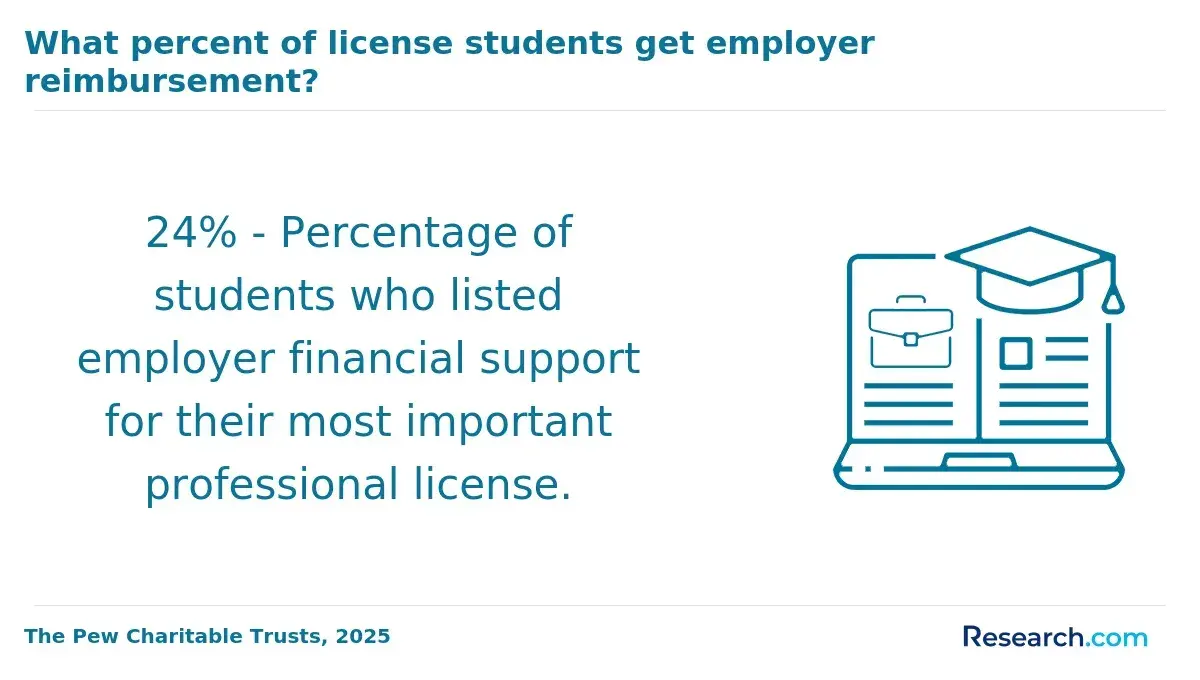
A practical acceptance order is usually: free aid first, then earned aid, then federal subsidized loans if needed, then unsubsidized loans, and then PLUS or private loans only after careful comparison. Private scholarships, employer tuition assistance, state grants, and payment plans can also reduce the amount you need to borrow.
How does FAFSA apply to online degree programs versus campus-based programs?
FAFSA can apply to online programs when the institution participates in federal student aid and the program itself is eligible. The delivery format is not the deciding factor. Accreditation, institutional eligibility, program approval, enrollment status, academic calendar, and satisfactory academic progress are what matter most.
Online programs can be financially attractive because students may avoid relocation, campus housing, parking, or lost income from leaving work. However, online students may still pay technology fees, proctoring fees, course materials, residency costs, or travel for clinicals, labs, practicums, or intensives. This is why the best comparison is total cost and schedule fit, not simply "online equals cheaper."
The table below compares online and campus-based FAFSA considerations. Use it when deciding whether format affects your aid, budget, and ability to finish.
| Factor | Online program | Campus-based program |
| FAFSA eligibility | Possible if the school and program are eligible | Possible if the school and program are eligible |
| Housing costs | Often lower if the student remains at home | Often higher for residential students |
| Schedule flexibility | Often stronger for working adults | May offer more fixed structure and in-person support |
| Hidden costs | Technology, online course, proctoring, or travel requirements | Parking, commuting, housing, meal plans, and campus fees |
| Student support | Varies widely by program design | May be easier to access in person, though quality still varies |
| Licensure or clinical requirements | Must be checked carefully by state and placement site | May have established local placement relationships |
Online learning can be especially useful for graduate students, military-connected students, parents, and full-time workers. If you are comparing online master's programs, ask whether the program is eligible for federal aid, whether accelerated pacing changes enrollment status, and whether tuition is charged per credit, per term, or by competency-based subscription.
Campus-based programs may make more sense when a student needs hands-on labs, studio access, athletics, residential support, campus employment, or a highly structured first-year environment. The right choice depends on completion likelihood as much as cost. A cheaper format is not a better deal if it reduces the chance that you finish the credential.
How do schools use FAFSA information to create financial aid offers and compare total program costs?
After a school receives your FAFSA data, it creates a financial aid offer based on your eligibility, the school's cost of attendance, available funds, enrollment plans, and packaging policies. The offer may include grants, scholarships, work-study, subsidized loans, unsubsidized loans, PLUS loans, or school-specific aid.
The key comparison is net price: total cost of attendance minus grants and scholarships. Loans reduce the amount due now, but they do not reduce the price of the program because they must be repaid.
The table below shows a practical way to compare aid offers. It separates true discounts from financing so you can see which option is actually less expensive.
| Comparison item | School A | School B | How to interpret it |
| Cost of attendance | Higher or lower listed annual cost | Higher or lower listed annual cost | Include tuition, fees, housing, food, books, transportation, and personal expenses. |
| Grants and scholarships | Free aid amount | Free aid amount | This directly lowers net price if renewal requirements are realistic. |
| Net price | COA minus grants and scholarships | COA minus grants and scholarships | This is the best first measure of affordability. |
| Work-study | Potential earned wages | Potential earned wages | This helps with expenses only if a job is secured and hours fit the schedule. |
| Federal student loans | Borrowed funds | Borrowed funds | This covers costs now but creates repayment obligations later. |
| Renewal rules | GPA, major, enrollment, or credit requirements | GPA, major, enrollment, or credit requirements | A strong first-year award may lose value if it is hard to renew. |
When comparing offers, ask the financial aid office whether grants are renewable, whether merit aid changes after the first year, whether tuition can increase, whether summer courses are covered, and whether changing from full time to part time will affect aid. These details are especially important for working adults who may need flexible pacing.
Students comparing graduate options should be even more cautious because grants are often less available and borrowing limits may be higher. If affordability is your main constraint, compare program length, employer reimbursement, transfer credits, and total credits required; guides to the most affordable online masters can be a useful starting point, but you should still confirm your own net cost with each school.
How does FAFSA impact borrowing decisions, student loan limits, and long-term repayment?
FAFSA determines access to federal student loans, but it does not mean you should borrow every amount offered. The better question is: "What is the least I need to borrow to complete a credential that supports my goals?"
Federal Direct Loan limits vary by year in school and dependency status. Dependent undergraduate students can generally borrow up to $5,500 in the first year, $6,500 in the second year, and $7,500 in later undergraduate years, with an aggregate undergraduate limit of $31,000. Independent undergraduate students usually have higher limits, but higher access to debt does not automatically make borrowing affordable.
Before accepting loans, use a simple decision sequence. The steps below help you reduce avoidable debt while protecting your ability to stay enrolled:
- Accept grants and scholarships first because they usually lower the actual cost of school.
- Estimate your remaining bill after free aid, including books, transportation, housing, and required fees.
- Use savings, current income, employer tuition assistance, payment plans, or family support if available and realistic.
- Borrow subsidized federal loans before unsubsidized loans when you are eligible.
- Borrow only the amount needed for the academic period, not the full amount automatically offered.
- Check projected monthly payments before taking additional loans for housing, graduate study, or a second credential.
Borrowing decisions should be connected to program completion and likely career path, not just first-year affordability. A smaller loan for a program you do not finish can be worse than a larger but carefully planned loan for a credential with strong completion support and relevant employment outcomes.
Some students should consider shorter credentials before committing to a full degree, especially if they need a fast employment boost or want to test a field. Researching quick certifications that pay well can help identify lower-cost alternatives, but students should verify employer recognition, licensing relevance, and whether the certificate is credit-bearing or aid-eligible.
Long-term repayment depends on total debt, interest rate, income, repayment plan, and whether the borrower qualifies for forgiveness or employer repayment benefits. Federal loans offer borrower protections that private loans may not, including income-driven repayment options and deferment or forbearance in certain situations. Still, interest can accumulate, and extended repayment can increase the total amount paid.
How can FAFSA data help you evaluate accredited schools, graduation outcomes, and career earnings?
FAFSA is primarily a financial aid tool, but the decision it supports is broader: whether a school and program are worth the time, cost, and risk. A strong aid offer is helpful only if the program is accredited, finishable, and aligned with a realistic academic or career goal.
Accreditation should be your first filter. Institutional accreditation affects federal aid eligibility and transferability, while programmatic accreditation may matter for fields such as nursing, teaching, counseling, social work, engineering, and allied health. Licensure requirements vary by state, so online students should confirm that a program meets the rules where they plan to work.
The table below summarizes the outcomes data students should review before committing. It helps separate affordability from overall value.
| Evidence to review | Why it matters | Where to verify |
| Institutional accreditation | Confirms the school meets recognized quality standards and can affect federal aid eligibility | U.S. Department of Education-recognized accreditation sources and the school's disclosures |
| Programmatic accreditation | May be required or preferred for licensure, certification, or professional practice | Program pages, accreditor databases, and state licensing boards |
| Graduation and retention rates | Shows whether students commonly persist and complete | College Scorecard, institutional research pages, and consumer disclosures |
| Net price by income | Shows what students with similar financial profiles may pay after grants and scholarships | College Scorecard and school net price calculators |
| Median debt | Shows how much borrowers typically leave with in a program or institution | College Scorecard and aid disclosures |
| Post-completion earnings context | Helps compare likely repayment capacity, though outcomes vary by region and occupation | College Scorecard, labor market data, and employer research |
Current hiring trends also matter. Employers are increasingly screening for demonstrable skills, internships, portfolios, certifications, and applied experience, especially in technology, business, healthcare support, and skilled trades. That does not make degrees irrelevant, but it does mean students should evaluate whether a program includes career services, experiential learning, industry tools, and credible outcomes data.
If a full degree is not necessary for your immediate goal, compare degree pathways with certifications that pay well. A certificate may be a smart bridge into employment, while a degree may be more appropriate for licensed professions, management tracks, graduate school, or roles where employers consistently require formal education.
Use FAFSA information alongside career data rather than separately. A low net price is attractive, but it should be weighed against completion likelihood, transfer options, licensure fit, debt level, and the earnings range associated with your target occupation. No dataset can predict an individual outcome, so treat earnings figures as context rather than a promise.
What common FAFSA mistakes should students avoid, and how do you correct an application?
FAFSA mistakes can delay aid, reduce eligibility, or create confusion when schools prepare financial aid offers. Most errors are fixable, but they can cost time during periods when state or institutional funds are limited.
The most common problems usually come from wrong-year filing, missing contributor steps, misunderstood dependency rules, and failure to respond to school requests. Review the issues below before and after submission:
- Filing the wrong FAFSA year for the term you plan to attend.
- Waiting too long and missing state, scholarship, or school priority deadlines.
- Entering a nickname, wrong date of birth, or inconsistent identifying information.
- Forgetting to add a school you are considering, which prevents that school from receiving your FAFSA data.
- Assuming parent refusal to pay automatically makes a student independent.
- Ignoring verification emails or document requests from the financial aid office.
- Accepting the full loan amount before calculating the true remaining gap.
- Comparing aid offers by total aid instead of net price and debt.
If you discover an error, correct it as soon as possible. The correction process depends on whether the issue is on the FAFSA itself or in the school's interpretation of your circumstances.
Take the following steps:
- Log in to your StudentAid.gov account and review the submitted FAFSA summary for incorrect or outdated answers.
- Make permitted corrections, such as adding schools or fixing demographic, household, or financial information when allowed.
- Submit the correction and keep the confirmation record for your files.
- Contact each school's financial aid office if the error affects your aid offer, deadline, dependency status, or enrollment plan.
- Ask about professional judgment if your family income has changed because of job loss, divorce, death, medical expenses, natural disaster, or another documented special circumstance.
- Respond quickly to verification requests with the exact documents the school asks for.
One major red flag is any service that charges a fee to "guarantee" FAFSA aid or claims it can get you special federal grants unavailable through the normal process. The FAFSA is free, and legitimate aid eligibility depends on federal rules, school policies, and documented financial circumstances.
Another common mistake is treating the first aid offer as final. If your financial situation has changed or a school's offer is unclear, ask for an explanation. A polite, documented appeal may lead to a revised review, but it is not guaranteed and should not be the only affordability plan.
Other Things You Should Know About Scholarship And Financial Aid
No. Students from many income levels should file because FAFSA can determine eligibility for federal loans, work-study, state aid, and some school scholarships. Even when grant eligibility is limited, filing may still be required for certain institutional funds.
No. Submitting the FAFSA does not require you to borrow. You can accept grants and scholarships, decline loans, or accept only part of a loan offer based on your remaining costs.
Yes, if the school participates in federal student aid and the online program is eligible. Always confirm program eligibility, accreditation, enrollment requirements, and any in-person components before enrolling.
Ask the school to explain the offer, check whether you can appeal due to changed financial circumstances, apply for scholarships, compare lower-cost programs, consider part-time work or employer tuition assistance, and borrow only after calculating repayment impact.
References
- FAFSA Requirements: A Complete Guide | Bankrate https://www.bankrate.com/loans/student-loans/fafsa-requirements/
- Glossary of Financial Aid Terms | King's College https://www.kings.edu/cost-aid/resources/glossary-of-terms.html
- Paying for college https://www.commonapp.org/plan/paying-for-college/
- Maximizing Your Aid Eligibility - Finaid https://finaid.org/financial-aid-applications/maximize/
- What FAFSA Covers: Cost of Attendance for Grad School Explained | SoFi https://www.sofi.com/learn/content/what-fafsa-covers-cost-of-attendance/
- FAFSA Assets https://www.collegedata.com/resources/pay-your-way/how-student-and-parent-assets-affect-your-financial-aid
- A comprehensive guide to types of financial aid for college students https://www.citizensbank.com/learning/types-of-federal-financial-aid.aspx
- How 6 Different Assets Can Affect Your FAFSA and Financial Aid Eligibility https://www.savingforcollege.com/article/how-7-different-assets-can-affect-your-financial-aid-eligibility
- New FAFSA earnings tool boosts transparency, but program costs and outcomes data still needed https://www.ihep.org/new-fafsa-earnings-tool-boosts-transparency-but-program-costs-and-outcomes-data-still-needed/