
Most Affordable Trade School & Training Programs - Leading Certification Courses in Harrisburg for 2026

Co-Founder and Chief Data Scientist
Choosing the right trade school in Harrisburg can feel overwhelming, but finding an affordable program with strong outcomes is key. This article introduces the most affordable trade schools in Harrisburg for 2026, based on a trade school programs ranking created by the Research.com team of data scientists. Their data-driven approach helps spotlight quality programs worth your consideration.
Whether you’re aiming for a diploma or certification, trade schools offer practical skills that open doors to rewarding careers. Keep reading to explore your options and take a confident step toward your future success.
Key benefits of finishing trade school programs trade school in Harrisburg
- Expected salary: Trade school graduates in Harrisburg can earn competitive wages, with HVAC technicians making around $52,384 per year and nursing graduates earning between $53,312 and $54,774 annually. Others, like sales reps and first-line supervisors, see median wages near $62,000.
- Popular career paths: Many graduates pursue fields such as electrical work, HVAC, automotive technology, and construction trades, benefiting from strong local demand and solid starting salaries.
- Online certification benefits: Earning a trade certification online offers flexibility and convenience, allowing students to balance work and study, often speeding up career entry compared to traditional programs.
- Most Affordable Trade School & Training Programs - Leading Certification Courses in Harrisburg for 2026
- What can I expect from trade school programs trade schools in Harrisburg?
- Where can I work after finishing trade school programs trade schools in Harrisburg?
What can I expect from trade school programs trade schools in Harrisburg?
The average cost of a trade school program in Harrisburg varies, typically ranging between $10,000 and $20,000 for a full course of study. Graduates from Dauphin County Technical School often highlight the value of their investment, noting that the blend of hands-on technical training and state-of-the-art equipment justifies the expense. These programs offer a structured path where students engage in real-world practice within fields like automotive technology, healthcare, and welding.
Students at Milton Hershey School emphasize the positive impact of internships and co-op opportunities included in their tuition, which frequently lead to certifications and job placements before graduation. The ability to earn dual enrollment college credits, available through partnerships with local institutions such as Harrisburg Area Community College, further increases the program's appeal and long-term value.
Trade school attendees benefit from experienced instructors and career-focused student organizations, creating an encouraging environment that supports leadership and skill development alongside technical education.
Where can I work after finishing trade school programs trade schools in Harrisburg?
Graduates from trade schools in Harrisburg often secure employment quickly due to high demand for skilled workers. Typical roles include HVAC technician, maintenance mechanic, heavy equipment mechanic, and construction foreman, with over 140 open positions reported as of August 2025. Many find work with local contractors, property management firms, or public organizations, benefiting from hands-on training that employers highly value.
Students completing programs at institutions like Dauphin County Technical School frequently report satisfaction entering jobs in advanced manufacturing, welding, or precision machining. These careers often place graduates in machine shops, fabrication companies, and industrial plants across the region. Others who study healthcare support, culinary arts, automotive technology, or cosmetology discover rewarding opportunities in hospitals, restaurants, auto repair shops, or salons.
Graduates consistently highlight that their education sharpened skills such as problem-solving, project management, and communication, making them competitive candidates. The ability to tailor studies toward in-demand careers in Harrisburg improves job prospects and boosts earning potential compared to non-technical fields. Such practical experiences build confidence for graduates stepping into these dynamic roles.
Graduates of trade school programs in Harrisburg typically see starting salaries ranging from $45,000 to $55,000 annually, depending on their chosen trade and local demand. For instance, many entering apprentices earn around $50,139 per year while continuing hands-on training. This pathway is popular among Harrisburg trade school graduates who appreciate earning while they learn, making the transition to the workforce financially smoother.
Specialized skills, such as those gained at well-known Harrisburg technical schools, can boost earnings noticeably. HVAC technicians often make about $52,384 yearly, reflecting the area's steady market for their expertise. Trades like plumbing can be especially lucrative, with some plumbers earning $48.07 per hour, which means potential yearly salaries exceeding $90,000 for full-time work-an exciting prospect for anyone aiming for financial stability post-graduation.
Other skilled trades, including electricians and welders, usually fall between $20 to $35 per hour depending on experience and certifications. Those who transition into teaching technical skills in Harrisburg earn approximately $51,602 annually, offering rewarding careers that give back to their communities. Many graduates from Harrisburg's trade schools report satisfaction from solid wages combined with strong job security, helping them confidently build their futures.
- Most trade school programs in Harrisburg require a high school diploma or GED for admission, with some healthcare and technical fields needing extra prerequisites.
- Program lengths vary, with many completing in under a year and some lasting up to two years for certification or licensure.
- The average yearly net cost for trade schools in Pennsylvania ranges from $6,700 to $9,000, covering training, equipment, and exam preparation.
- Financial aid options include federal grants, scholarships, and state-supported funding for those who qualify.
- Entry-level salaries for trade school graduates typically range from $38,000 to $48,000, with experienced workers earning $60,000 to $75,000 annually.
Trade school programs in Harrisburg typically take between 1 and 2 years to complete, offering a faster pathway than traditional four-year degrees. Graduates from Harrisburg Area Community College (HACC) often highlight the Electrical Technology Associate in Applied Science Degree, which can be finished in about 56 weeks. This program balances classroom learning with hands-on experience, enabling students to confidently start entry-level electrician roles shortly after graduation.
Certificate programs in Harrisburg usually require less than a year to 18 months, making them ideal for those wanting swift entry into trades like HVAC or welding. Many students appreciate how these shorter programs let them quickly apply their new skills in the workforce, often within months of starting school.
Some specialized technical programs, such as automotive or diesel technology, can be completed in as little as 45 to 51 weeks, a fact confirmed by several trade schools across Pennsylvania. The flexible semester or cohort models offered by these schools allow working adults to begin their training at multiple points throughout the year, supporting smoother transitions into new careers.
The key difference between online and on-campus trade school programs in Harrisburg is how and where students engage with their coursework. Graduates from Harrisburg Area Community College (HACC) often praise the flexibility of online programs, which let them study business or healthcare informatics at their own pace, fitting education around jobs or family life. These online courses use web-based platforms for interaction, enabling students to ask questions and get support without ever stepping on campus.
Conversely, on-campus programs require attending classes physically, offering hands-on training in labs or workshops, essential for skills in construction management or technical trades at places like Harrisburg University. Students highlight the immediate feedback and collaboration with instructors and peers as invaluable, creating a motivating learning environment.
Online students benefit from digital resources and personalized advising, while on-campus attendees enjoy direct access to equipment and face-to-face guidance. This dynamic suits working adults who value adaptability or those who thrive with structured schedules and personal interaction in Harrisburg's trade schools.
The average trade school cost in Harrisburg varies, typically ranging from under $1,000 for short certificate programs to over $30,000 for comprehensive, specialized training. Recent 2024-2025 data shows that trade schools in Harrisburg and across Pennsylvania average about $16,759 per year in tuition and fees for all students. This figure helps prospective students gauge their investment when exploring options in the city.
For instance, graduates from Harrisburg Area Community College (HACC) often highlight the affordability of the in-county tuition rate of $458 per credit. With a standard 12-credit semester costing roughly $5,496, the total for an academic year is about $10,992, not including materials and special fees. This structure allows many students to manage costs while gaining valuable hands-on training suited to local industry demands.
On the other hand, students pursuing degrees at Harrisburg University of Science and Technology encounter higher costs, with tuition fixed at approximately $23,900 annually. Although pricier, this offering attracts those seeking advanced technical skills and certifications. These differing costs illustrate how program length and specialization influence Harrisburg PA trade school tuition and fees.
Some students find value in short-term courses or certificate options that may cost as little as $59 per month, providing accessible pathways to entering the workforce quickly. Students looking for budget-friendly, practical options might also explore cheapest baking and pastry arts online programs to complement trade skills and reduce expenses.

Trade school students in Harrisburg benefit from multiple financial aid options, starting with the FAFSA, which unlocks federal, state, and local support. For instance, graduates from well-known Harrisburg community colleges often highlight receiving the Federal Pell Grant, which requires no repayment and varies by need and enrollment. Many found the timely submission of FAFSA crucial, as priority deadlines fall in spring before enrollment.
Additional federal help includes the FSEOG, granting up to $3,000 annually to students with the greatest financial need but limited by availability. State scholarships also bolster funding; veterans at local trade schools recall winning awards from organizations like The Foundation for Enhancing Communities, which demand FAFSA and extra essays yet relieve significant financial pressure.
Institutional aid is another pillar-some Harrisburg-area schools report nearly all their students receive some scholarship aid, covering anything from partial fees to full tuition. Graduates often appreciate the work-study programs that enable earning through part-time positions aligned with their studies, easing living costs.
While loans remain an option, many students stress starting early with FAFSA to maximize free aid and avoid debt.
Enrolling in a trade school program in Harrisburg typically requires several key prerequisites that applicants must meet to demonstrate readiness and commitment. For example, at Dauphin County Technical School (DCTS), students need to clearly express their interest in career and technical education through a concise written statement, allowing them to reflect on how the program fits their future goals.
Academic performance plays a crucial role. Trade schools review transcripts with emphasis on core subjects like English, math, science, and social studies. DCTS assigns point values to letter grades, so strong academic records enhance admission chances. Similarly, healthcare programs at Harrisburg Area Community College expect a minimum 2.5 GPA and completion of prerequisite science and math courses with a grade of at least "C."
Additional requirements often include:
- Teacher recommendations highlighting responsibility and work ethic
- Clean discipline records, especially regarding safety or substance-related issues
- Participation in interviews or information sessions, which help schools assess applicants more holistically
Adult learners and specialized program candidates, such as those at Penn State Harrisburg for individuals with developmental disabilities, must meet age and diploma requirements and demonstrate fundamental independence skills.
Graduates report that embracing these prerequisites with preparation and confidence enhances their admission outcomes and sets a positive foundation for success in Harrisburg trade schools.
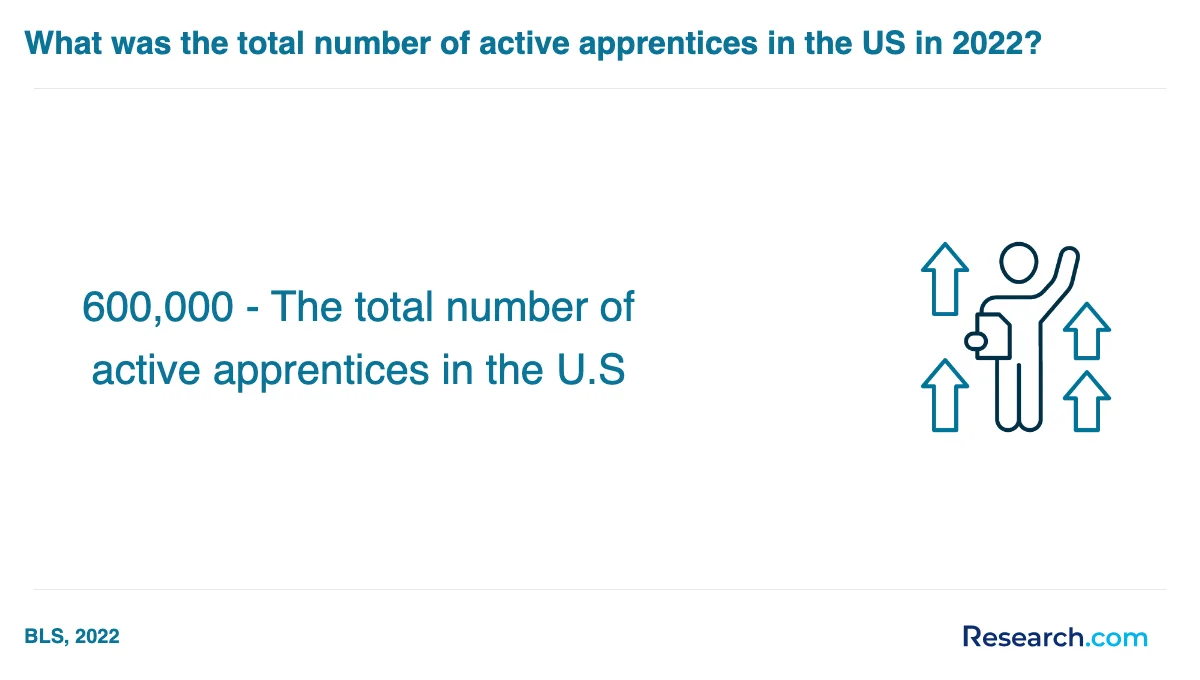
Trade school programs in Harrisburg cover a broad range of courses tailored to high-demand careers, combining theory with hands-on practice. Graduates from local schools often highlight how HVAC, electrical technology, and welding courses offered practical lab experiences simulating real work environments, which boosted their confidence entering the job market.
Healthcare programs are equally popular, featuring courses like medical assisting, medical coding, and dental assisting. Many students appreciate the accelerated pace, enabling them to quickly gain clinical skills and start working in patient care or administrative roles without lengthy wait times.
- IT-focused courses such as CompTIA A+ and ITF+ certifications prepare students for help desk and IT support careers through intensive bootcamps.
- Business support courses teach office administration, bookkeeping, and business technology, enhancing computer and organizational skills.
- Others include automotive technology, culinary arts, cosmetology, and construction trades like carpentry and mechatronics, appealing to diverse interests.
Trade schools in Harrisburg, including Dauphin County Technical School, provide flexible scheduling options-day, evening, or online-which students find crucial for balancing work, family, or other commitments. This adaptability, combined with a wide selection of more than 24 programs, has made Harrisburg trade schools a practical choice for career changers and first-time students alike.
Trade school programs in Harrisburg cover a broad spectrum of specializations designed to align with local industry demands and student career goals. Graduates from Dauphin County Technical School frequently report gaining practical skills in fields like Automotive Technology, Construction Trades, Communication Arts, and various Engineering Technologies. These hands-on experiences make them confident and job-ready.
Students pursuing technology-focused paths, such as the Technical Support Specialist program offered through collaborations with Harrisburg University, can earn valuable certifications and college credits before graduating high school. This program prepares juniors and seniors for immediate entry-level IT roles, creating a seamless transition to the workforce.
Healthcare pathways including Medical Assisting, Health Sciences, and Dental Assisting blend clinical experience with classroom learning, which local employers greatly value.
- Service and creative fields: Cosmetology, Culinary Arts, Digital Art and Design, Web Design
- Skilled trades: Plumbing, Electrical, Welding, HVAC
- Agriculture and environmental sciences: controlled environment agriculture training at the AgWorks lab
Many Harrisburg trade schools offer dual enrollment options, allowing students to earn college credits, boosting their postsecondary education opportunities. Those interested can explore top construction trade programs that provide excellent pathways into well-paid regional jobs.
Choosing among the best trade school programs in Harrisburg requires a focus on programs that offer hands-on training aligned with local industry demands. Graduates from popular Harrisburg institutions consistently report that practical experience and close ties with employers boosted their confidence and employability. For instance, students completing healthcare or IT certifications from well-known colleges in the city often secure jobs shortly after graduating, citing efficient career services and internship opportunities.
To effectively compare Harrisburg trade schools, verify each institution's accreditation and review graduation and job placement rates. Accredited schools meet rigorous standards and improve your chances of accessing federal financial aid. Recent data from Pennsylvania schools show graduation rates near 75%, reflecting strong academic support. Flexible scheduling options, including evening and hybrid classes, also matter for students balancing work or family.
Understanding which trades are most in demand can guide your choice. Exploring which trades are most in demand in Harrisburg helps tailor your education toward fields with sustained growth and opportunity.

Trade school graduates in Harrisburg find career opportunities for trade school graduates in Harrisburg across diverse fields such as skilled trades, healthcare, and technical roles. Programs at institutions like HACC and Dauphin County Technical School prepare graduates for hands-on jobs in HVAC, welding, woodworking, and remodeling-areas with strong local demand fueled by Harrisburg's active construction and manufacturing sectors. Graduates often share enthusiasm about quickly entering the workforce with practical skills that employers seek.
Healthcare remains a vibrant sector, with graduates entering medical assisting, billing and coding, and dental assisting roles in local clinics and hospitals. Many cite the satisfaction of helping community health while benefiting from steady job growth. Other technical pathways include architectural and civil engineering technicians, electronic and electrical technicians, offering structured advancement within Harrisburg's infrastructure projects.
Additional programs in automotive technology, agriculture, business management, and commercial driving deliver fast, industry-recognized credentials. Graduates appreciate programs designed for quick completion, allowing them to start earning sooner. For those seeking best paying 6 month certifications, these options meet demand while enhancing regional employment prospects.
These Harrisburg trade school programs and job outlook create a promising landscape where graduates build stable, rewarding careers aligned with local economic needs.
The job opportunities for trade school graduates in Harrisburg are robust and rapidly growing, fueled by a statewide shortage expecting more than 300,000 skilled trade workers by 2030. Employers actively seek graduates for roles such as HVAC technicians, maintenance mechanics, and equipment operators, with 148 skilled trade job postings recorded on August 19, 2025. Graduates from popular institutions like Dauphin County Technical School benefit from training in over 24 vocational fields, making them highly competitive candidates in sectors including healthcare and manufacturing.
Those entering the Harrisburg skilled trades employment outlook find employers offering strong compensation packages and benefits, including health insurance and tuition reimbursement. Many students share experiences of immediate job offers upon graduation and gaining skills that quickly translate into career advancement.
Challenges persist, as demand outpaces supply - over 2,200 people remain waitlisted for programs at Tec Centro. This high demand underscores the value of trade education in Harrisburg and encourages prospective students to explore options like the most affordable online freight broker trade school programs to enter the field efficiently.
Most Affordable Trade School & Training Programs - Leading Certification Courses in Harrisburg for 2026
# 1 position
Harrisburg Area Community College - Diagnostic Medical Sonography/Sonographer and Ultrasound Technician.
associateHarrisburg Area Community College offers a Diagnostic Medical Sonography/Sonographer and Ultrasound Technician program with a hybrid format, including some distance education options. The program prepares students to use medical ultrasound techniques for diagnosing various conditions under physician supervision. Coursework covers patient care, data collection, sonography equipment operation, and professional ethics. Annual in-state tuition is $7,373. Graduates earn a median salary of $62,227 one year after completion. The program is accredited by the Middle States Commission on Higher Education.
# 2 position
Harrisburg Area Community College - Computer and Information Systems Security/Auditing/Information Assurance.
associateHarrisburg Area Community College offers a fully online program in Computer and Information Systems Security/Auditing/Information Assurance. The curriculum covers security needs assessment, safeguard solutions, and management of security systems, including auditing and maintenance. Instruction includes computer architecture, programming, networking, cryptography, risk assessment, and applicable laws. The program is accredited by the Middle States Commission on Higher Education. Annual in-state tuition is $7,373, with median earnings of $41,699 one year after completion.
# 3 position
Harrisburg Area Community College - Legal Assistant/Paralegal.
associateThe Legal Assistant/Paralegal program at Harrisburg Area Community College offers a hybrid format with some distance education options. It prepares students for roles involving legal research, drafting, investigatory work, and administrative tasks under attorney supervision. The program includes instruction on legal research, document drafting, pleading, and courthouse procedures. Annual in-state tuition is $7,373. Median earnings one year after completion are $40,240. The program is accredited by the Middle States Commission on Higher Education.
# 4 position
Harrisburg Area Community College - Accounting Technology/Technician and Bookkeeping.
associateThe Accounting Technology/Technician and Bookkeeping program at Harrisburg Area Community College offers a hybrid format with some distance-education options. It prepares students to provide technical administrative support to accountants and financial personnel, covering transaction posting, record-keeping, accounting software, and principles. The in-state annual tuition is $7,373. Graduates earn a median income of $38,112 one year after completion. The program is accredited by the Middle States Commission on Higher Education.
# 5 position
Harrisburg Area Community College - Criminal Justice/Law Enforcement Administration.
associateThe Criminal Justice/Law Enforcement Administration program at Harrisburg Area Community College offers a hybrid format with some distance-education options. This program prepares students for leadership roles in public law enforcement agencies through courses on organization management, operational command, labor relations, budgeting, and legal responsibilities. The annual in-state tuition is $7,373. Graduates earn a median salary of $37,916 one year after completion. The program is accredited by the Middle States Commission on Higher Education.
# 6 position
Harrisburg Area Community College - Criminal Justice/Police Science.
associateHarrisburg Area Community College offers a hybrid Criminal Justice/Police Science program preparing students for duties in law enforcement, including patrol, investigations, traffic and crowd control, evidence management, and report preparation. The program is accredited by the Middle States Commission on Higher Education. Annual in-state tuition is $7,373. Graduates earn a median of $37,916 one year after completing the program.
# 7 position
Harrisburg Area Community College - Computer Science.
associateHarrisburg Area Community College offers a Computer Science program with a hybrid format, allowing some distance education. The program covers computer theory, problem-solving, and system design from a scientific perspective. Instruction includes computational science principles, programming, and applications for various end uses. The annual in-state tuition is $7,373. The program is accredited by the Middle States Commission on Higher Education.
# 8 position
Harrisburg Area Community College - Automobile/Automotive Mechanics Technology/Technician.
associateHarrisburg Area Community College offers a hybrid Automobile/Automotive Mechanics Technology/Technician program designed to prepare students in repairing, servicing, and maintaining various automobile systems. Coursework covers brake systems, electrical systems, engine performance and repair, suspension and steering, transmissions, and heating and air conditioning systems. The program's annual in-state tuition is $7,373. It is accredited by the Middle States Commission on Higher Education.
# 9 position
Harrisburg Area Community College - Business Administration and Management, General.
associateHarrisburg Area Community College offers a program in Business Administration and Management, General, designed to prepare individuals to plan, organize, direct, and control business functions. The curriculum covers management theory, human resources, accounting, purchasing, logistics, marketing, and business decision-making. The program is accredited by the Middle States Commission on Higher Education. Annual in-state tuition is $7,373, and median earnings one year after completion are $37,584.
# 10 position
Harrisburg Area Community College - Electrician.
associateHarrisburg Area Community College offers a Hybrid Electrician program that prepares students to install, operate, maintain, and repair electric apparatus and systems including residential, commercial, and industrial wiring. The curriculum covers electronics principles, electrical systems, wiring, power transmission, safety, and applicable codes. The annual in-state tuition is $7,373. Graduates earn a median salary of $36,532 one year after completing the program. The program is accredited by the Middle States Commission on Higher Education.
Frequently Asked Questions about trade school programs
After completing trade school in Harrisburg, preparing for the job market involves several key steps. First, it is important to obtain any required industry certifications or licenses, as many trades demand these credentials to ensure competence and safety. According to the Bureau of Labor Statistics, certified workers often earn higher wages and have lower unemployment rates.
Next, building a professional network is crucial. Local trade unions, apprenticeships, and job fairs in Harrisburg offer valuable opportunities to connect with employers. Additionally, crafting a clear, skills-focused resume tailored to trade jobs increases chances of securing interviews.
Harrisburg employers often seek candidates with hands-on experience; thus, internships or cooperative education during training can provide an advantage. Utilizing resources at the local American Job Center can also help graduates access job listings and career counseling tailored to trade professionals. Staying informed about regional market demands will guide graduates to in-demand trades, enhancing employability.
Employers in Harrisburg highly value technical skills specific to the trade, such as electrical work, plumbing, or HVAC expertise. According to recent data from the U.S. Bureau of Labor Statistics, hands-on proficiency and certification in these areas significantly increase job prospects for trade school graduates.
Beyond technical abilities, soft skills like communication, problem-solving, and teamwork are critical. The Harrisburg Regional Chamber cites these as top qualities sought, helping graduates adapt quickly in dynamic work environments.
Additionally, punctuality and a strong work ethic remain essential, as employers consistently report these traits contribute to long-term success in trade occupations locally.
Finding internships in Harrisburg relevant to your trade school program involves several strategic steps. Start by contacting your trade school's career services office, which often maintains partnerships with local businesses and can connect students with internship opportunities aligned to their field.
Local employers in Harrisburg frequently offer internships in industries such as construction, healthcare, and information technology, sectors that commonly align with trade programs. According to the U.S. Bureau of Labor Statistics, Pennsylvania's internship growth in skilled trades has risen by 5% over recent years, reflecting increasing opportunities.
Additionally, explore resources like the Pennsylvania Department of Labor & Industry's Apprenticeship and Training Program, which lists registered apprenticeships and internships across the state, including Harrisburg.
Networking at local job fairs and using online platforms targeting trade internships can also be effective. Engaging with local unions and trade associations may expose you to exclusive internship openings not broadly advertised.
In Harrisburg, earning a trade school diploma significantly enhances career mobility and advancement opportunities. Trade programs focus on practical skills needed in industries such as healthcare, construction, and manufacturing, all of which are growing locally. According to the Pennsylvania Department of Labor & Industry, skilled trade employment in the Harrisburg area is projected to grow by 8% through 2028, faster than many other sectors.
Graduates with diplomas often benefit from higher starting wages compared to those with only a high school diploma. Furthermore, employers in Harrisburg value certified vocational skills, which can lead to faster promotions and job stability. Trade diplomas also offer flexibility, allowing workers to shift between related industries more easily.
Local industry partnerships with trade schools help students gain relevant work experience, further supporting upward mobility. This practical focus aligns with national trends showing that 94% of trade school graduates find employment within six months of completing their programs (National Center for Education Statistics, 2023).
Part-time jobs in Harrisburg that complement trade school education often align with the skills students develop in their programs. For example, students in automotive technology can find opportunities as vehicle service assistants at local dealerships or repair shops. Those studying HVAC systems may work part-time as helpers or technicians with regional contractors. According to the U.S. Bureau of Labor Statistics, Harrisburg's part-time employment rate in construction-related fields is steadily growing, reflecting local economic demands.
Retail positions in hardware stores or customer service roles at home improvement centers also support students in construction trades. Healthcare trade students may find part-time work as medical assistants or phlebotomy aides in clinics around the city. These roles provide hands-on experience while accommodating class schedules, often offering hourly wages ranging between $12 and $18, based on local job market reports from the Harrisburg Chamber of Commerce.
If you are seeking affordable degree programs near Harrisburg, PA, there are several community colleges, state universities, and vocational schools you might consider. Harrisburg is home to the Harrisburg Area Community College, which offers a variety of associate degree and certificate programs at competitive tuition rates. By consulting resources like Research.com, you can explore programs "near me" and find options tailored to your educational goals and financial needs.
- DCTS - Home https://dcts.org/
- Client Challenge https://www.harrisburgdistrict41-2.org/o/high-school/page/career-center
- Williamson College of the Trades https://williamson.edu/
- Milton Hershey School - Career and Technical Education Program https://www.mhskids.org/beyond-mhs/mhs-career-technical-education-program/
- Career Studies Program | Penn State Harrisburg https://harrisburg.psu.edu/career-studies-program
- Tec Centro Capital Region https://www.teccentrocr.org/
- Experiential Learning | Harrisburg University https://www.harrisburgu.edu/academics/career-services-experiential-learning/
- Apprenticeship - SMART LU 19 https://www.smartlu19.org/apprenticeship/


