Most Affordable Trade School & Training Programs - Leading Certification Courses in Jasper for 2026

Co-Founder and Chief Data Scientist
Choosing the right trade school in Jasper can feel overwhelming. That’s why this article is here to guide you through the most affordable options for 2026.
Our featured trade school programs ranking was carefully crafted by the Research.com team of data scientists. It helps you see which programs offer the best value and opportunities, so you can make an informed decision with confidence.
Getting a trade school diploma or certification opens doors to rewarding careers. Exploring the best options can bring excitement and hope for your future.
Key benefits of finishing trade school programs trade school in Jasper
- Expected salary: Trade school graduates in Jasper can earn around $63,897 annually on average, with skilled trades like construction reaching up to $91,798 or even $100,207 per year, offering strong financial rewards.
- Popular career paths: Common jobs include construction laborers, heavy equipment operators, painters, and commercial roofers, all providing solid opportunities with competitive pay in the local market.
- Online certification benefits: Earning a trade school diploma online offers flexibility and convenience, allowing students to balance work and study while gaining the same valuable skills as on-campus programs.
- Most Affordable Trade School & Training Programs - Leading Certification Courses in Jasper for 2026
- What can I expect from trade school programs trade schools in Jasper?
- Where can I work after finishing trade school programs trade schools in Jasper?
What can I expect from trade school programs trade schools in Jasper?
The average cost of a trade school program in Jasper varies but generally remains affordable, especially when compared to traditional four-year colleges. Graduates from Bevill State Community College report that tuition costs are manageable, with many programs designed to be completed in under two years, reducing overall expenses and allowing quicker entry into the workforce.
Students often find that flexible scheduling options, such as evening and weekend classes, help balance costs by enabling them to work while studying. One graduate shared how the practical HVAC training at the Alabama Power HVAC Training Center not only enhanced hands-on skills but also provided access to industry-standard equipment without excessive fees.
Financial aid and scholarships are commonly available, further easing the cost burden. For students aiming to maximize value, programs emphasize certifications and internships that directly lead to employment, making the investment worthwhile both financially and professionally. Overall, Jasper's trade schools offer a cost-effective path with strong ties to local industries, favorable for students seeking practical, career-focused education.
Where can I work after finishing trade school programs trade schools in Jasper?
After completing a trade school program in Jasper, many graduates quickly find rewarding employment thanks to the city's robust demand for skilled workers. Electrical technology students often secure roles as electricians or electrical motor repairers, benefiting from median wages around $24.57 per hour. Those specializing in elevator installation report even higher earnings near $37.80 per hour, reflecting strong employer demand for certified professionals.
Trade school graduates from Jasper's well-known programs feel confident stepping into jobs in HVAC, welding, and general maintenance fields. For instance, recent listings show over 300 trade-related positions locally, from welding to installation technician roles, ideal for those trained in area schools. Graduates often describe the satisfaction of quickly applying their hands-on skills in diverse settings, from small businesses to larger industrial employers.
Public institutions in Jasper also provide accessible career paths, employing trained graduates as custodians, bus drivers, and medical records technicians. These jobs frequently value the practical training and certifications gained through local trade programs, making educational investments feel worthwhile. Many graduates appreciate knowing they can contribute directly to their community's vital services while working in stable, well-respected occupations.
After completing a trade school program in Jasper, many graduates find themselves earning between $45,000 and $65,000 annually right out of the gate. For instance, students from popular local trade schools training as electricians or plumbers often share stories of landing well-paying jobs that comfortably cover living expenses while allowing savings for future certifications.
Electricians typically earn around $60,240 a year nationally, but in Jasper, this number may be slightly lower due to regional demand and cost of living. Graduates in HVAC or trucking trades report median salaries near $49,000 to $51,000, with quick opportunities to boost income by gaining experience or specialized licenses.
One graduate recounted how starting as a wind turbine technician, a rapidly growing field with wages near $61,770, opened new doors in Jasper's energy sector. These success stories illustrate how focused training at Jasper's trade schools can translate directly into steady, rewarding income, proving that practical skills pay off in real terms.
- Admission usually requires a high school diploma or GED, with some apprenticeships needing applicants to be at least 18 and pass basic skills tests.
- Popular programs include automation and robotics, advanced manufacturing, construction trades, electrical, and plumbing.
- Plumbing apprenticeships typically last four years and cost between $1,725 and $3,450 per year, including books and fees.
- Electrical programs offer certificates, diplomas, or associate degrees, costing from about $3,000 to $15,000 depending on program length and type.
- Many programs provide paid internships or apprenticeships, helping students earn income while gaining experience.
- Entry-level salaries for graduates range from $38,000 to $45,000, with experienced workers earning up to $65,000 annually in growing fields.
Completing a trade school program in Jasper typically takes between six months and two years, depending on the field and format chosen. Graduates from programs like nail technology or aesthetics often celebrate finishing within five to eight months, quickly entering the workforce with new skills. Others pursuing technical trades such as welding or medical assisting often dedicate around nine to twelve months to their studies, striking a balance between depth and efficiency.
More comprehensive programs, for example in automotive technology offered at local schools, usually span thirteen to fourteen months, allowing students to gain hands-on experience while building confidence. Specialized tracks like practical nursing or HVAC require about a year, catering to those eager to start in healthcare or skilled trades swiftly.
For students attending the Vincennes University Jasper Center, the Advanced Manufacturing & Automation Technology program integrates classroom learning with paid internships, extending the timeline to two years but offering meaningful real-world experience. Apprenticeship pathways, like plumbing, take longer-around four years-but provide the invaluable benefit of earning while learning through flexible evening classes.
Whether attending full- or part-time, Jasper students appreciate the adaptability of local trade schools, which accommodate work schedules and prior experience, making the journey to certification as smooth and rewarding as possible.
Online and on-campus trade school programs in Jasper differ mainly in how students engage with their coursework. Graduates from online programs often praise the flexibility, sharing how they balanced jobs and family by studying at their own pace from home. For example, a Jasper-based healthcare student found completing certifications online allowed her to avoid relocating, saving both time and money. However, while online classes cover theory effectively, many online programs, including those popular in Jasper, require in-person labs or externships to master hands-on skills, essential in trades like welding or electrical work.
On the other hand, on-campus students often highlight the value of face-to-face instruction and immediate feedback in a structured environment. Jasper trade schools offering on-campus formats give students direct access to tools and real-time peer collaboration, which some say boosts their confidence and engagement. Many appreciate the practical, tactile training that online simulations can't fully replicate, cultivating skills that are crucial to their future careers in skilled trades.
The average trade school tuition in Jasper generally ranges from about $4,000 to $22,000 per year, reflecting a similar pattern to the broader Indiana market. Public institutions often offer programs on the lower end of that scale, typically costing between $4,000 and $9,000 annually, which makes them an attractive option for budget-conscious students. Conversely, private trade schools in Jasper might charge anywhere from $12,000 to $22,000, but many graduates report that the focused resources and smaller class sizes justify the investment. These tuition fees, however, do not cover all expenses.
When considering Jasper trade school total cost comparison, students need to account for materials, books, and any specialized equipment, which can add an extra $1,000 to $6,000 each year. For example, a graduate from a local construction program recalled budgeting carefully for tools that were essential for fieldwork but not included in tuition. Additionally, living expenses and transportation contribute to the overall cost, pushing total yearly expenses in public trade schools to about $10,000-$15,000, while private programs can reach $18,500-$28,500.
Financial aid programs play a crucial role in making these costs manageable. Many Jasper students have benefited from federal grants and state-specific options like the Indiana Workforce Ready Grant, significantly reducing their financial burden. Those aiming for high-demand careers often find that combining scholarships and grants with a clear budget plan leads to success. Prospective students looking for more cost-effective pathways sometimes explore affordable online construction management programs as alternatives that fit their financial and scheduling needs.
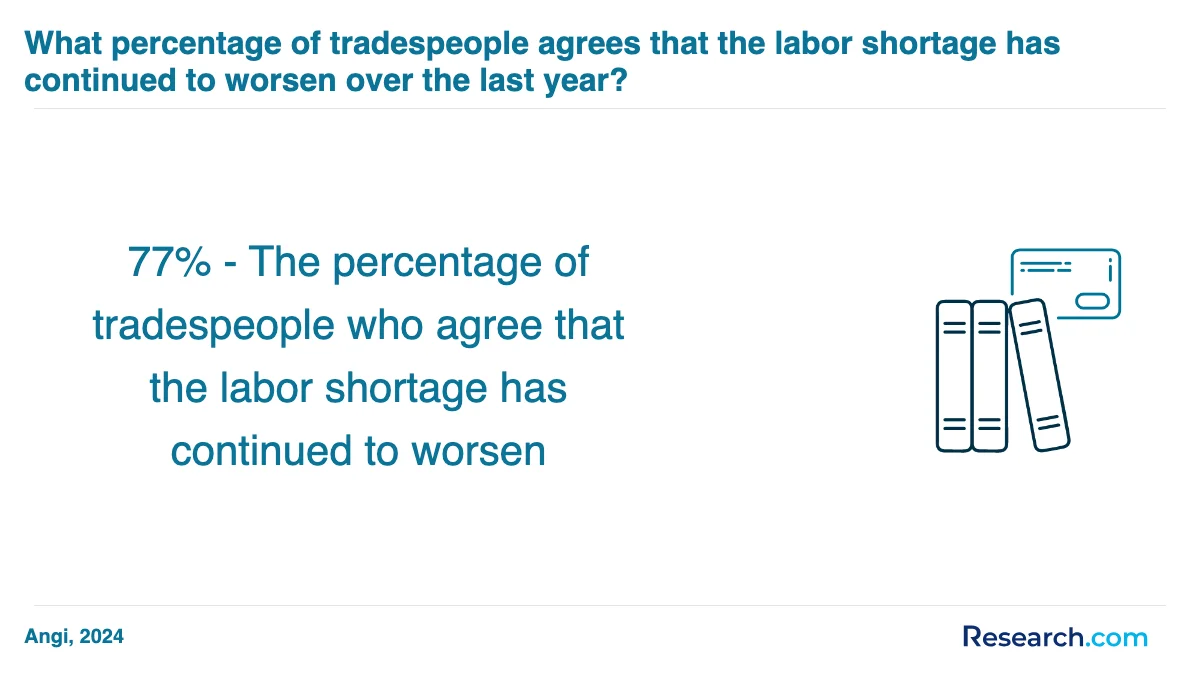
Trade school students in Jasper have multiple financial aid options to make their education more manageable. Many start by completing the Free Application for Federal Student Aid (FAFSA), which opens doors to federal grants and loans. For instance, graduates from popular Jasper trade schools recall how the Federal Pell Grant, offering up to $6,345 annually, was a game-changer in offsetting tuition without adding debt.
The Alabama Student Assistance Program (ASAP) is another vital resource, providing between $300 and $5,000 yearly, based on financial need. Students juggling work and studies appreciated how ASAP helped cover costs while maintaining at least six credit hours each semester, though they note the limited funds mean not all applicants receive the grant.
Federal student loans like the Direct Stafford Loan also support many, with favorable interest terms easing repayment worries. Work-Study programs offered hands-on campus jobs, allowing some Jasper trade students to earn extra income without sacrificing class time.
Scholarships from local schools and organizations often fill gaps, especially for program materials and supplies-graduates frequently mention the relief of scholarships tailored to trade skills. Veterans studying in Jasper also benefit from federal educational benefits, highlighting the diverse financial support systems in place.
Enrolling in a trade school program in Jasper typically begins with having a high school diploma or a GED. Many graduates recall that providing official transcripts was straightforward but essential for verification. For current high school students aiming for dual-enrollment programs, schools often require completion of around twelve total credits, including at least ten core credits in subjects like English and math by the end of their junior year.
Adult learners find that meeting the GED requirement and submitting transcripts are standard steps, but additional exams may apply. For instance, those pursuing Practical Nursing at the well-regarded Chattahoochee Technical College Jasper campus must pass the ATI TEAS test, which assesses skills in math, reading, grammar, and science. Many students describe this as a fair challenge that helped build confidence before starting the program.
Residency requirements sometimes come into play, as schools often prioritize applicants living within certain districts. Here are the principal prerequisites students have encountered:
- High school diploma or GED, with transcripts
- Completion of core academic credits for dual-enrollment
- Passing entrance exams such as ATI TEAS for nursing or technical fields
- Residency within designated school districts
- Submission of an online application, often requiring a program choice
Graduates frequently mention that while competitive programs can use lotteries or ranking by test scores, these processes encourage preparation and perseverance, making admission a rewarding accomplishment.

Trade school programs in Jasper focus on practical, career-ready courses that align closely with local job markets. Graduates from these programs often emphasize the hands-on training they received, which made stepping into the workforce much smoother.
Core technical courses frequently offered include:
- HVAC technology, with pathways for certifications like refrigerant recovery and NATE exams, particularly strong at the Alabama Power HVAC Training Center
- Electrical technology, covering residential to industrial systems, circuit principles, and troubleshooting via programs such as those at the Walker County Center of Technology
- Welding technology, providing foundational metalwork skills suited for various industries
Healthcare-related courses are also a major draw, where students appreciate flexible schedules geared to working adults. Popular programs include medical assisting, medical coding, and dental assisting, allowing fast entry into healthcare roles.
Additional options such as automotive technology, collision repair, cosmetology, drafting, and graphic design at institutions like Bevill State Community College give students the chance to explore creative and applied technology fields without lengthy degree commitments.
Many graduates recall feeling prepared and confident because these courses match Jasper's evolving workforce needs, combining local relevancy with robust certification preparation.
Trade school programs in Jasper offer diverse specializations tailored to local industry demands and student career goals. Graduates from Vincennes University Jasper Campus highlight hands-on training in manufacturing and industrial technology, where collaboration with area employers bridges classroom concepts and real-world practice. These programs are particularly valuable given the rising automation trend, further supported by Ivy Tech Community College's automation and robotics courses.
Healthcare remains a vital field in Jasper, with programs providing certifications and clinical experiences ideal for immediate employment. Graduates often praise the practical orientation of medical assisting and biomedical science tracks, which meet the pressing community need for healthcare professionals.
Other appealing options include business and information technology, where students develop essential management and tech skills valued in Jasper's economy. For those exploring creative or service sectors, programs also cover culinary arts, cosmetology, and transportation technology.
- Manufacturing and industrial technology
- Healthcare and biomedical science
- Business administration and information technology
- Agriculture and precision farming
- Public safety and law enforcement
- Culinary arts and cosmetology
For students seeking culinary expertise specifically, one graduate found inspiration in the cheapest baking and pastry arts program online, which complements Jasper's local offerings and career aspirations. Exploring such options can make your education both affordable and relevant.
Choosing the best trade school programs in Jasper starts with understanding the unique admission and age requirements each school enforces. Graduates from well-known Jasper trade schools often recall how meeting the minimum age of 17 or 18 and providing a high school diploma or GED helped smooth their application journey. For some, alternative pathways like placement exams opened doors when transcripts were hard to gather.
When deciding how to compare Jasper trade schools, consider how each program structures its application and curriculum. Many students appreciate the straightforward processes, but some emphasize the value of schools that request recommendation letters or essays, which allowed them to showcase their passion early on. Accreditation also plays a major role; graduates from accredited programs highlight better access to financial aid and higher employment rates after completion.
Cost and scheduling matter as well. Flexible class times and robust career support boosted confidence for many Jasper learners, enabling them to balance work and study. To explore the variety of paths you can take after enrollment, consider researching careers in the trades for clarity on real-world opportunities.
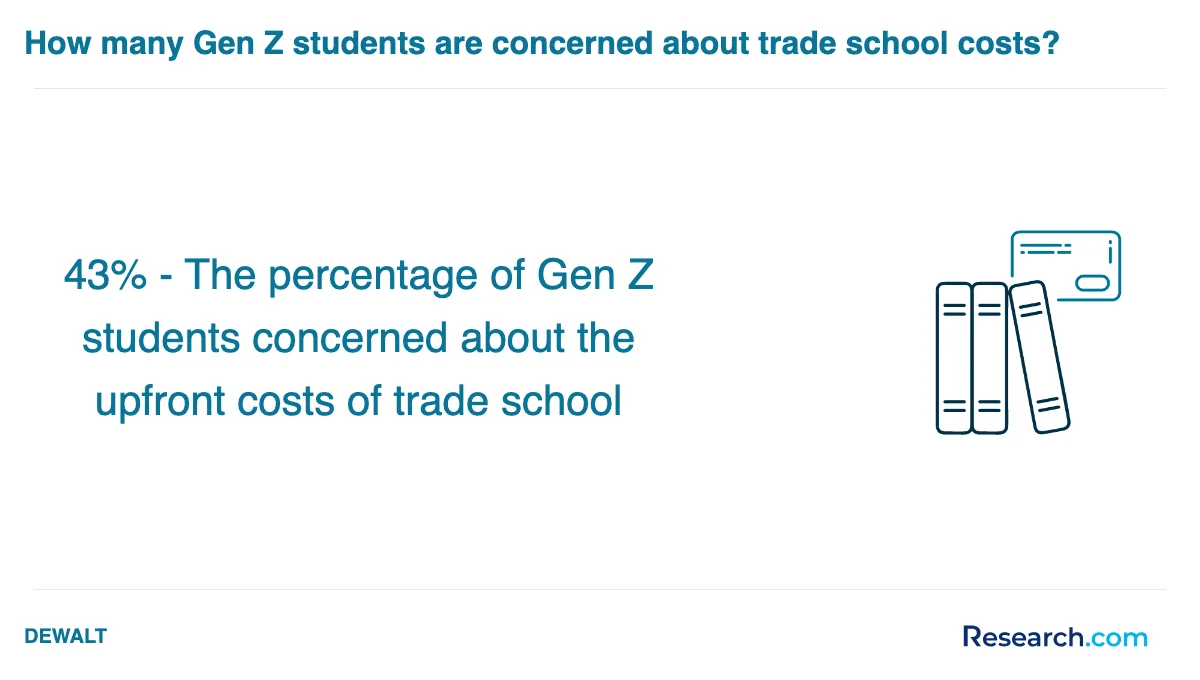
Trade school graduates in Jasper find diverse career opportunities often linked to the region's industrial and service needs. Programs at Bevill State Community College and the Alabama Power HVAC Training Center equip students with highly practical skills that translate directly into the workforce. Many graduates pursue roles in the construction and electrical sectors, where the demand for electricians and electrical motor repairers remains strong. Earning an hourly wage averaging $24.57, these graduates experience the financial benefits of some of the highest paying trade careers in Jasper.
Hands-on training at the HVAC Training Center prepares students for technical roles such as HVAC technicians and system installers, who can elevate their qualifications through certifications like EPA Section 608. Graduates have shared how this practical focus empowered them to quickly secure positions with local employers.
Other promising career paths include dental hygiene, pharmacy technician, hospitality management, and automotive repair, supported by apprenticeship opportunities in Jasper's vocational programs. Many students appreciate this direct alignment with employer needs that facilitates career advancement.
For those exploring educational options, the best online hvac certificate courses offer flexible alternatives that complement Jasper-based training.
The trade school job opportunities in Jasper demonstrate a strong market for graduates, particularly those who attend local programs like Vincennes University Jasper and participate in partnerships such as the Patoka Valley Career and Technical Cooperative. Graduates often share how paid work-based learning and state-recognized certifications helped them transition seamlessly into fields like automation, robotics, and construction trades. Many find themselves quickly employed, reflecting the direct alignment between these programs and employer demands.
Wages for entry positions in manufacturing and skilled trades range from $24.43 to $27.75 per hour, with benefits that often include signing bonuses and stock programs, which motivates many new workers. Graduates report feeling confident and optimistic about starting their careers due to hands-on experience obtained through initiatives like the State Earn and Learn (SEAL) program.
Those searching for Jasper Arkansas trade school graduate employment can expect opportunities in industries such as manufacturing, logistics, healthcare, and skilled trades, buoyed by regional growth in construction, welding, and electrical work. For potential students exploring their options, it's helpful to explore what is the best trade school to find programs that best suit their career goals.
Most Affordable Trade School & Training Programs - Leading Certification Courses in Jasper for 2026
# 1 position
Bevill State Community College - Welding Technology/Welder.
associateBevill State Community College offers a Welding Technology/Welder program with a hybrid format that includes some distance education. The curriculum covers arc welding, resistance welding, brazing, soldering, cutting, welding metallurgy, and safety, among other topics. The annual in-state tuition is $4,678. Graduates earn a median salary of $45,423 one year after completing the program. The program is accredited by the Southern Association of Colleges and Schools Commission on Colleges.
# 2 position
Bevill State Community College - Electrician.
associateBevill State Community College offers a hybrid Electrician program designed to teach technical skills for installing, operating, maintaining, and repairing electric systems and apparatus. The curriculum covers electronics, wiring, power transmission, safety, electrical testing, and relevant codes. The program’s annual in-state tuition is $4,678. Graduates typically earn a median salary of $39,314 one year after completion. The program is accredited by the Southern Association of Colleges and Schools Commission on Colleges.
# 3 position
Bevill State Community College - Industrial Mechanics and Maintenance Technology/Technician.
associateBevill State Community College offers a hybrid Industrial Mechanics and Maintenance Technology/Technician program designed to teach technical skills for repairing and maintaining industrial machinery, including cranes, pumps, engines, pneumatic tools, and conveyor systems. The program’s annual in-state tuition is $4,678. It is accredited by the Southern Association of Colleges and Schools Commission on Colleges and includes some distance-education options.
# 4 position
Bevill State Community College - Business Administration and Management, General.
associateBevill State Community College offers a program in Business Administration and Management, General, designed to prepare students to plan, organize, direct, and control organizational functions and processes. The curriculum covers management theory, human resources management, accounting, quantitative methods, purchasing, logistics, marketing, and business decision-making. Annual in-state tuition is $4,678. The program is accredited by the Southern Association of Colleges and Schools Commission on Colleges.
# 5 position
Bevill State Community College - Computer and Information Sciences, General.
associateBevill State Community College offers a hybrid program in Computer and Information Sciences, General, focusing on computing, computer science, and information systems. The annual in-state tuition is $4,678. Graduates earn a median income of $18,727 one year after completing the program. This program is accredited by the Southern Association of Colleges and Schools Commission on Colleges and provides some distance-education options.
# 6 position
Bevill State Community College - Welding Technology/Welder.
certificate or diplomaBevill State Community College offers a Welding Technology/Welder program with a hybrid format that includes some distance education. The program trains students in various welding techniques such as arc welding, resistance welding, and brazing, along with instruction on materials, metallurgy, safety, and codes. Annual in-state tuition is $4,678. Graduates typically earn a median income of $45,423 one year after completion. The program is accredited by the Southern Association of Colleges and Schools Commission on Colleges.
# 7 position
Bevill State Community College - Electrician.
certificate or diplomaThe Electrician program at Bevill State Community College offers a hybrid learning format, combining distance education with on-campus instruction. It prepares students to install, operate, maintain, and repair electrical systems in residential, commercial, and industrial settings. The curriculum covers electrical wiring, motors, controls, safety, inspection, and applicable codes. Annual in-state tuition is $4,678. Median earnings one year after completion are $39,314. The program is accredited by the Southern Association of Colleges and Schools Commission on Colleges.
# 8 position
Bevill State Community College - Industrial Mechanics and Maintenance Technology/Technician.
certificate or diplomaBevill State Community College offers a Hybrid Industrial Mechanics and Maintenance Technology/Technician program that prepares students to repair and maintain industrial machinery including cranes, pumps, engines, and conveyor systems. The program's annual in-state tuition is $4,678. It is accredited by the Southern Association of Colleges and Schools Commission on Colleges, ensuring recognized educational standards for students pursuing technical skills in industrial equipment maintenance.
Frequently Asked Questions about trade school programs
Preparing for the job market after completing a trade school in Jasper involves several key steps. First, graduates should focus on building professional resumes that clearly highlight their technical skills and certifications gained during training. According to the U.S. Bureau of Labor Statistics, approximately 80% of trade school graduates find employment within six months, emphasizing the importance of practical experience.
Networking is crucial. Many local employers in Jasper prefer candidates with connections to the community or prior internship experience. Trade schools often offer job placement services-students should utilize these resources actively.
Finally, obtaining industry-specific licenses or certifications-such as HVAC or electrical certifications-can significantly improve employability.
Employers in Jasper prioritize practical, job-ready skills when hiring trade school graduates. According to the U.S. Bureau of Labor Statistics, technical proficiency in fields like electrical work, HVAC, and welding is essential for success in local industries. Strong problem-solving abilities and attention to detail rank highly, as employers expect graduates to handle complex tasks with minimal supervision.
Communication skills are also critical. A 2023 survey by the National Association of Manufacturers found that 72% of employers value clear, effective communication, especially for teamwork and safety compliance. Time management and adaptability are sought-after soft skills that help graduates meet dynamic workplace demands.
Overall, a combination of hands-on expertise and strong interpersonal skills increases a trade graduate's competitiveness in Jasper's job market.
Finding internships in Jasper that align with your trade school program begins with leveraging local resources. Many trade schools have partnerships with nearby businesses and industries, which often offer internship opportunities. Contact your school's career services office early, as they can provide tailored guidance and connect you with employers looking for interns.
Additionally, Jasper has a growing presence in sectors such as manufacturing, automotive services, and construction, reflecting regional economic trends reported by the U.S. Bureau of Labor Statistics. Exploring local business directories and chambers of commerce websites can uncover companies that offer hands-on training relevant to your field.
Online job portals like Indeed and state workforce agencies regularly list internship openings specific to Jasper. Applying early and preparing a clear resume focused on your trade skills improves your chances of securing a position.
Obtaining a trade school diploma in Jasper can significantly enhance career mobility and advancement opportunities. According to the U.S. Bureau of Labor Statistics, skilled trades are among the fastest-growing job sectors nationwide, including Jasper's local economy. Many employers in Jasper value practical, hands-on skills that trade programs provide, often leading to quicker job placement compared to traditional four-year degrees.
Trade school graduates often start with competitive wages that can increase steadily with experience and certification upgrades. For example, local data from the Jasper Workforce Center shows a 12% employment growth in trades like electrical and HVAC over the past five years.
Furthermore, trade diplomas allow flexibility, enabling graduates to enter entrepreneurial ventures or specialized fields without extensive additional education.
In Jasper, part-time job opportunities that align well with trade school education include roles such as automotive technicians, HVAC assistants, and electricians' helpers. These positions provide hands-on experience directly related to many technical programs offered locally. According to the U.S. Bureau of Labor Statistics, part-time employment in skilled trades has grown by 9% over the past five years, reflecting increasing demand.
Jobs in retail hardware stores, construction sites, and maintenance services also allow students to develop relevant skills while earning income. Local employers often seek candidates with basic trade competencies, making part-time roles valuable for practical learning. The Jasper Workforce Development Board highlights these opportunities as supportive of career growth.
To choose the most affordable degree program near Jasper, AL, start by researching the tuition costs and financial aid options of colleges and universities in the area. Look for programs that offer scholarships, grants, and work-study opportunities that could reduce overall expenses. Additionally, consider using resources like Research.com to compare program offerings near me and assess which institution provides the best value for the financial investment.
- Off Campus Education Jasper Place School https://jasperplace.epsb.ca/programsandcourses/offcampuseducation/
- Trade Schools Overview | ACT https://www.act.org/content/act/en/students-and-parents/career-planning/career-planning-resources/trade-schools.html
- How do I get into the trades? - alis https://alis.alberta.ca/tools-and-resources/questions-and-answers/how-do-i-get-into-the-trades/
- Learning 101: What is a Trade School? - Embark https://www.embark.ca/learning-centre/what-is-trade-school
- Should I Go to Trade School? Benefits of Trade Schools - Ohio Business College https://obc.edu/should-i-go-to-trade-school-benefits-of-trade-schools/
- Trade school: A comprehensive guide https://www.collegeessayguy.com/blog/trade-school-guide
- Trade School: What Is It & What to Expect https://erieit.edu/what-to-expect-when-attending-trade-school/
- Career Technical Education (CTE) – Secondary Programs – Jasper County School District https://www.jcsd.net/apps/pages/index.jsp
- Career and Technical Education (CTAE) - Jasper County High School https://jchs.jasper.k12.ga.us/academics/career-and-technical-education-ctae
- Home - Academy for Career Excellence Beaufort/Jasper https://www.bjace.org/