Most Affordable Trade School & Training Programs - Leading Certification Courses in Flushing for 2026

Co-Founder and Chief Data Scientist
Choosing the right trade school in Flushing can feel overwhelming, but this article is here to help. We've gathered a comprehensive trade school programs ranking created by the Research.com team of data scientists, designed to guide you toward the best options.
Whether you're looking for certification or a diploma, finding an affordable and reputable program can open doors to rewarding careers. Reading this article will give you clear insights and confidence to make an informed decision that suits your goals and budget.
Start your journey to a brighter future today.
Key benefits of finishing trade school programs trade school in Flushing
- Strong earning potential: Trade school graduates in Flushing can expect competitive salaries, with averages around $70,068 per year and hourly wages near $33.69. Specialized fields like electrical work offer starting pay in the mid-$30s per hour, and top earners can make over $104,000 annually.
- Popular career paths: Graduates often pursue in-demand fields such as healthcare, automotive technology, HVAC, and information technology. These areas offer starting salaries between $50,000 and $80,000, with room to grow through experience and certifications.
- Flexible online education: Completing a trade school diploma online allows for greater scheduling flexibility and convenience, helping busy students balance learning with personal commitments while still earning valuable certifications recognized in Flushing's job market.
- Most Affordable Trade School & Training Programs - Leading Certification Courses in Flushing for 2026
- What can I expect from trade school programs trade schools in Flushing?
- Where can I work after finishing trade school programs trade schools in Flushing?
What can I expect from trade school programs trade schools in Flushing?
The average cost of a trade school program in Flushing typically ranges from a few thousand to around $15,000, depending on the length and specialization of the course. Graduates from well-known local schools like Apex Technical School often recall that their tuition was manageable when spread over several months, especially with available payment plans and occasional scholarships. Many find comfort in knowing financial aid options, such as federal and state assistance, are commonly offered to ease the burden.
Students frequently appreciate that the investment results in a certificate or diploma within months, not years, granting them quick access to entry-level positions. For instance, those completing medical assistant or HVAC programs describe a sense of accomplishment starting hands-on work shortly after finishing their courses. The practical, skill-based training helps them feel ready and confident, making the financial commitment feel worthwhile.
Flexible scheduling and shorter program durations often mean cost efficiency, allowing many to balance work, studies, and family life smoothly. Overall, the financial aspect aligns with the swift, focused career pathway trade schools in Flushing provide.
Where can I work after finishing trade school programs trade schools in Flushing?
Graduates from trade schools in Flushing often find themselves stepping directly into rewarding roles across healthcare, technical trades, and service industries. Many medical assistant or CNA graduates describe feeling a real sense of fulfillment working at well-known local hospitals like New York-Presbyterian Queens or Flushing Hospital Medical Center, where their hands-on training quickly turns into valuable patient care experience.
Others pursuing technical paths-such as HVAC technicians or machinists-frequently secure apprenticeships providing both income and skill advancement. One common story is of a recent graduate starting as a maintenance apprentice earning around $15 per hour and steadily rising toward $50 as proficiency grows.
For those new to the workforce, Flushing's bustling job market offers numerous entry-level apprenticeships with built-in training, helping graduates confidently transition from classroom to career. These opportunities support a variety of roles from facilities upkeep to transportation, making it clear that local employers value the practical expertise trade schools cultivate.
After finishing a trade school program in Flushing, many graduates find themselves stepping into careers with promising earning potential. For example, graduates from well-regarded local schools often start with salaries ranging from $28,000 to $52,000. One recent graduate who completed an HVAC technician course shared the excitement of securing a job paying around $45,000 within months of finishing their program.
As experience grows and additional certifications are attained, earnings can rise substantially. In Flushing and the surrounding Queens area, the average annual salary for trade school grads is about $70,068, with many advancing to make upwards of $85,000 or more. Graduates entering skilled trades such as electricians or dental hygienists have reported median salaries near $74,880, reflecting the strong demand for these professions locally.
Top performers, especially those moving into supervisory roles or specializing further, can reach salaries exceeding $130,000. This upward trajectory is common for many graduates who embrace ongoing training and adapt to Flushing's vibrant job market. Their stories often convey confidence and fulfillment rooted in tangible financial progress.
- Applicants usually need a high school diploma or GED and must be at least 17 years old, with parental consent required if under 18.
- Common programs include medical assisting, computer networking, web design, practical nursing, radiologic technology, plumbing, and electrical installation.
- Tuition and fees typically range from $5,000 to $20,000 for the entire program, with financial aid and payment plans often available.
- Many programs do not require prior experience, and advanced standing may be granted for relevant coursework or proficiency.
- Starting salaries range from $35,000 to $45,000 for medical and nursing graduates, and $40,000 to $55,000 for skilled trades, with experienced professionals earning over $70,000.
The time it takes to complete a trade school program in Flushing varies widely, depending on the field and credential. Many graduates remember the relief of finishing short-term certificate programs-some completed in under nine weeks at schools like the New York Medical Career Training Center. These fast-paced courses in areas like medical assisting or phlebotomy offer a clear path to starting work quickly, which brings a sense of accomplishment and renewed hope.
Others enrolled in diploma programs in trades such as HVAC or welding found themselves immersed in intensive six to twelve-month schedules. Schools like Apex Technical School and Lincoln Tech provided a balance of classroom learning and hands-on labs, which graduates often describe as both challenging and deeply rewarding-preparing them confidently for industry certifications and real jobs.
For those pursuing associate degrees, the journey extended to 18 to 24 months. Graduates recall this as a committed but enriching experience, mixing technical skills with general education. Flexible scheduling options, including evenings and weekends, allowed many working adults in Flushing to progress steadily at their own pace.
Ultimately, the duration feels manageable and tailored, encouraging students to envision their next steps with optimism and confidence.
The core difference between online and on-campus trade school programs in Flushing lies in how students experience their education. Online learners appreciate the freedom to study from home on their own schedules, which is a relief for those juggling jobs or family commitments. Graduates often recall how watching recorded lectures and revisiting virtual labs made challenging concepts easier to grasp. This flexibility allows access to programs that may not be available locally, broadening horizons beyond Queens.
Conversely, on-campus students attending schools like Lincoln Tech treasure the hands-on training and immediate interaction with instructors. They describe the satisfaction of working directly with tools in welding or automotive labs, gaining confidence through real-time feedback. The vibrant campus atmosphere fosters friendships and networking that feel invaluable when stepping into the workforce.
Some students find happiness in hybrid setups that blend online theory with in-person labs, balancing convenience with essential practical experience. Both paths offer respected credentials recognized in New York, but the choice often reflects personal learning styles and life circumstances.
The average trade school cost in Flushing NY generally aligns with New York state figures, with tuition and fees ranging roughly between $15,338 and $23,828 for popular institutions. Graduates often recall balancing the investment with a focused timeline, as most programs are structured to be completed within two years or less, providing a faster route to workforce entry. For many students attending trade schools in Flushing, this range feels manageable given the quality and hands-on nature of their training, especially in fields like healthcare, technology, and skilled trades.
Flushing NY trade school tuition and fees can vary significantly based on public or private status. Many local trade schools are privately operated, which nudges the cost toward the higher end of the average. Students who have experienced public trade schools note that these can offer more affordable tuition, often around $8,683 annually, making them a valuable option for cost-conscious individuals. Yet, even the somewhat higher tuition of private schools often comes with comprehensive support services and industry connections, making the leap worthwhile for many.
Beyond tuition, graduates emphasize budgeting for books, supplies, and certification exam fees. Financial aid is a large part of many students' journeys; completing the FAFSA is widely recommended to access grants and work-study opportunities. For those exploring quick career pathways, looking into the easiest trade jobs to study that pay the most can also clarify which programs balance cost with strong earnings potential.

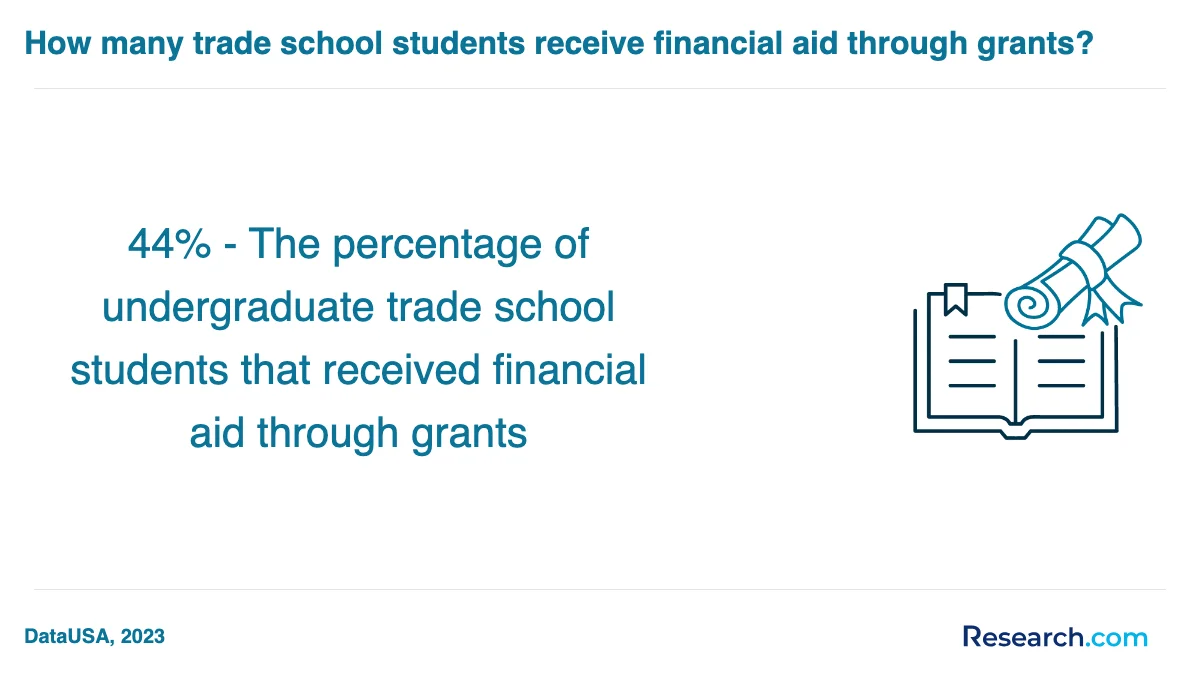
Trade school students in Flushing often find relief through a variety of financial aid sources that lighten the burden of tuition and related expenses. Many graduates recall how completing the FAFSA unlocked access to federal grants like the Pell Grant and direct loans, helping them cover tuition, books, and sometimes even living costs while studying at institutions such as LaGuardia Community College.
New York State programs also play a crucial role. The Tuition Assistance Program (TAP) now offers increased awards and higher income eligibility limits, which past students appreciated as it made technical education more attainable. The Excelsior Scholarship, covering tuition at SUNY and CUNY schools, was a game-changer for many, especially those juggling part-time studies in workforce credential programs.
Local support is often the final piece of the puzzle. Merit scholarships from community colleges and emergency aid have helped students through unexpected financial bumps. Additionally, union groups like CWA Local 1180 providing partial course reimbursements bring relief to working adults committed to advancing their skills without heavy debt.
Enrolling in a trade school program in Flushing typically requires a high school diploma or an equivalent credential like a GED. Graduates often recall that possessing these fundamental qualifications made their transition smoother, building confidence that they were fully prepared for the focused instruction ahead.
Many students appreciate that schools such as Apex Technical School offer options for advanced standing or transfer credits. For example, those with prior experience in fields like electrical work found themselves able to bypass initial courses by proving their skills through proficiency exams, saving time and tuition costs.
Here are the common prerequisites applicants encounter in Flushing trade schools:
- Proof of identity, often through government-issued IDs or social security numbers, ensuring eligibility
- Evidence of English proficiency for non-native speakers, like TOEFL or IELTS scores, to thrive in class discussions and technical reading
- Residency in New York City is generally required, but some programs offer special consideration for students facing financial hardships or those demonstrating strong commitment
Adults over 21 without a diploma can access tuition-free adult education programs, a vital opportunity many remember as a turning point toward achieving vocational goals while starting career and technical education classes concurrently.
Trade school programs in Flushing typically offer hands-on courses designed to launch careers quickly, reflecting the city's dynamic job market. Graduates often speak of the immediate impact their training had, entering roles with confidence and practical skills. Healthcare remains a standout area, with courses like Diagnostic Medical Sonography and Nurse Aide providing direct patient care experience-essential in New York City's bustling medical field.
Business and office administration classes equip students with valuable knowledge in medical billing and office technology, preparing them for roles in varied professional settings. Those interested in skilled trades find rich opportunities in HVAC, electrical technology, and welding, with nearby Lincoln Tech offering automotive training featuring 14 fully equipped bays for immersive learning.
Legal court reporting courses, though less common, merge technical and legal skills for students aiming at specialized roles. Evening and accelerated options make it possible for working adults to balance life and studies effectively.
- Healthcare programs emphasize practical patient care skills.
- Business courses focus on clerical, billing, and operational expertise.
- Skilled trades offer hands-on training with industry-grade tools.
- Flexible schedule options support diverse student lifestyles.
Flushing's trade school programs offer a rich variety of specializations that appeal to students eager to build practical skills with immediate job prospects. Many graduates speak highly of automotive technology programs, where hands-on training in engine diagnostics and repair prepares them for roles recognized by industry bodies, supported by nearby institutions like Lincoln Tech and NYADI. Those passionate about technology often choose electrical and electronic systems, mastering fiber-optic installations and commercial security setups, which reflect real-world demands.
Healthcare remains a hopeful path for many, with programs like the practical nursing certificate at LaGuardia Community College boasting a 100% NCLEX-PN pass rate. This reliability inspires confidence for those seeking swift entry into nursing careers.
Engineering technology and aviation fields also attract students at Vaughn College, where certificates in avionics and airport management translate into specialized career pathways.
For younger learners, Queens Technical High School offers foundational CTE majors that set the stage for further training or workforce entry.
Those interested in expanding their skills might explore the most affordable online carpentry classes, which complement these options.
Choosing the best trade school program in Flushing begins with confirming you meet the basic admission requirements, like a high school diploma or GED. Many graduates from local schools share how meeting these prerequisites eased their application process and allowed them to focus on what mattered most-the hands-on training that shaped their careers. When considering how to select a trade school in Flushing, it's crucial to investigate each program's accreditation and reputation; graduates often emphasize that attending an accredited program gave them confidence employers would recognize their credentials.
Financial considerations are also vital. Trade schools in Flushing may offer uniform tuition rates regardless of residency, and students with a high school diploma can usually access federal aid. Reflecting on positive alumni experiences, strong job placement rates frequently stem from schools offering career support and connections with local employers. To deepen your understanding, explore resources for the cheapest solar technician training online, which can illustrate cost-effective pathways that local students appreciate.
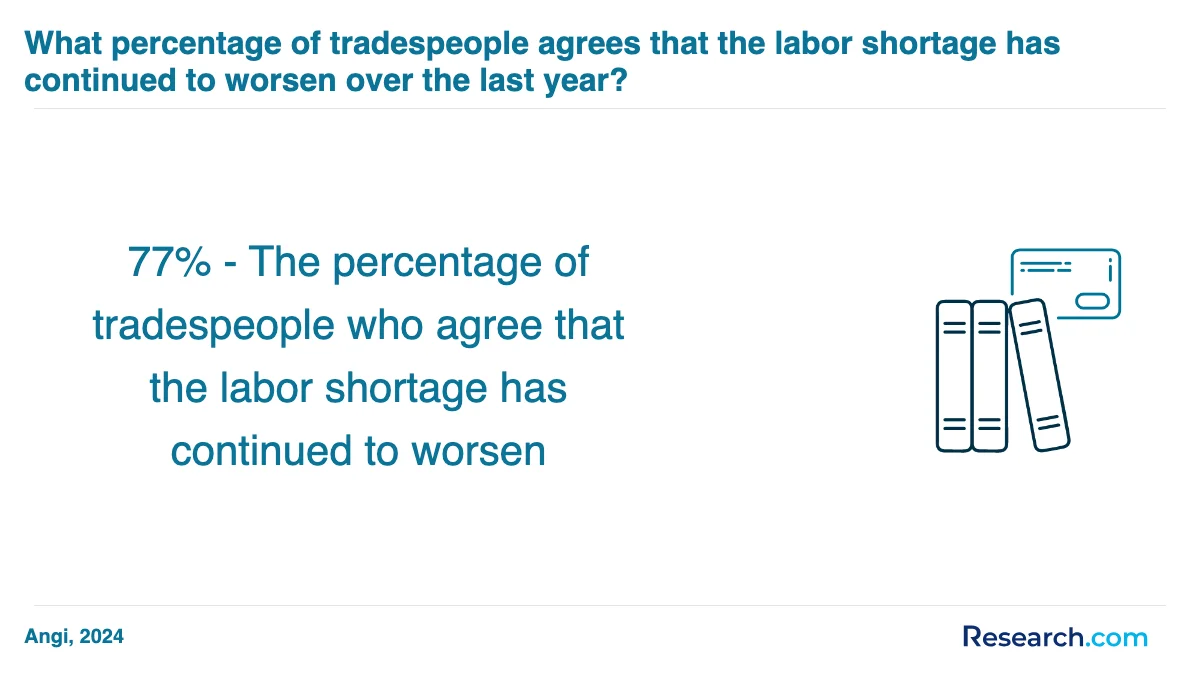
Trade school career opportunities in Flushing open doors to diverse and rewarding fields. Graduates from local programs often move into healthcare roles such as medical assistants, phlebotomy technicians, or nurse aides, where their hands-on skills meet urgent community needs. Many share how training at centers like the New York Medical Career Training Center directly led to fulfilling positions in bustling Queens clinics.
In-demand skilled trades Flushing NY also include automotive technology, where Lincoln Tech alumni find pride working as automotive service technicians and mechanics. The tangible satisfaction of fixing vehicles in local shops brings steady employment prospects supported by state projections of strong industry growth.
Other thriving paths emerge through apprenticeships in construction, electrical work, and specialized trades like locksmithing. Programs such as YouthBuild Queens empower students with certifications and real-world experience, enabling swift transitions into technical careers with competitive wages.
Food service and manufacturing offer additional options, often paired with paid internships, while programs certified by NYSED broaden choices to welding, accounting, or personal training. Those exploring the trade school highest paying jobs guide will find these local routes equally promising, rooted in practical skills that bring both job security and personal achievement.
The trade school job opportunities in Flushing are shaped by close connections between local programs and industries that truly value hands-on skills. Graduates from Lincoln Tech, located alongside the Greater New York Auto Dealers Association, regularly find themselves in high demand as automotive technicians, with the state expecting a need for 54,000 such professionals by 2030. Many of these graduates share how being trained where local dealers operate creates a smooth transition into meaningful employment.
Healthcare roles also dominate the scene. Graduates of programs at centers like the New York Medical Career Training Center often land roles as medical assistants or sonographers, experiencing the satisfaction of making a tangible impact amid growing healthcare demands. Their stories reveal a vibrant ecosystem where apprenticeship positions in electrical work, carpentry, and machine operation remain plentiful. Flushing apprenticeship programs and employment rates are bolstered by the New York State Department of Labor's ongoing approvals, ensuring that opportunities stay relevant.
Several graduates mention the supportive role of resources like the Virtual Workforce1 Career Center, which connects them to interviews and job openings across multiple sectors without cost. For anyone wondering about long-term career growth and steady income, insights on trade school graduate salary provide a hopeful perspective backed by current market trends.
Most Affordable Trade School & Training Programs - Leading Certification Courses in Flushing for 2026
# 1 position
Long Island Business Institute - Business Administration and Management, General.
associateLong Island Business Institute offers a hybrid Business Administration and Management, General program designed to prepare students to plan, organize, direct, and control business functions. The curriculum covers management theory, human resources, accounting, purchasing, logistics, marketing, and decision-making. Annual in-state tuition is $12,000. Graduates earn a median salary of $25,743 one year after completing the program.
# 2 position
Long Island Business Institute - Court Reporting and Captioning/Court Reporter.
associateThe Court Reporting and Captioning/Court Reporter program at Long Island Business Institute offers a hybrid format with some distance-education options. It prepares students to record and transcribe legal proceedings using print or electronic methods, covering legal terminology, transcription, shorthand, equipment operation, and professional ethics. The annual in-state tuition is $12,000. Median earnings one year after completion are approximately $24,285.
# 3 position
Long Island Business Institute - Accounting.
associateThe Accounting program at Long Island Business Institute offers a hybrid format with some distance-education options. It prepares students for the accounting profession through instruction in principles, financial and managerial accounting, tax, auditing, and business information systems. The program includes training in ethics, professional standards, and applications for various organizations. Annual in-state tuition is $12,000, and median earnings one year after completion are $20,711.
Frequently Asked Questions about trade school programs
After completing a trade school program in Flushing, preparing for the job market involves several key steps. First, students should leverage their school's career services for resume building and interview practice. Many trade schools in New York State report that over 70% of their graduates find relevant employment within six months, according to the New York State Department of Labor.
Networking is also crucial; attending local job fairs and joining trade-specific associations can connect graduates with employers. Obtaining industry certifications beyond initial training can improve job prospects. Finally, staying informed about Flushing's labor market trends, particularly in growing sectors like healthcare, construction, and technology, helps graduates target high-demand fields effectively.
Employers in Flushing highly value technical skills aligned with trade programs such as electrical work, HVAC repair, plumbing, and carpentry. According to the U.S. Bureau of Labor Statistics, proficiency in hands-on, industry-standard tools and machinery significantly improves job prospects for trade school graduates.
In addition to technical competency, communication skills rank as critical by 72% of Flushing employers surveyed by regional workforce boards. Clear communication helps workers collaborate safely and effectively on-site.
Problem-solving abilities and adaptability also stand out. The fluctuating demands of trades require workers who can troubleshoot equipment issues and adjust to new technologies or methods quickly.
Finally, employers emphasize dependability and punctuality as top soft skills, reflecting the need for reliability in project completion and team coordination within Flushing's competitive trade sectors.
Finding internships in Flushing related to your trade school program involves several strategic steps. First, consult your trade school's career services office, which often maintains partnerships with local businesses and can connect you to relevant opportunities.
Flushing hosts a variety of businesses in healthcare, technology, and construction, sectors commonly linked with trade skills. According to NYC Small Business Services, Flushing has over 5,000 registered businesses, offering diverse internship options. Networking at local job fairs and workshops can also increase your chances.
Additionally, online platforms like Handshake and local government websites list internships targeted toward students in vocational programs. Reaching out directly to companies in your field can sometimes uncover unadvertised internships as well.
A trade school diploma in Flushing can significantly enhance career mobility and advancement opportunities for many individuals. According to the National Center for Education Statistics, vocational and technical education often leads to quicker employment compared to traditional four-year degrees. In Flushing, trade schools focus on high-demand sectors like healthcare, construction, and automotive repair, which are crucial to the local economy.
Graduates with trade diplomas frequently experience salary increases ranging from 10% to 20% within the first few years, as reported by the U.S. Bureau of Labor Statistics. Moreover, employers in Flushing value practical skills and certifications, often promoting trade graduates faster than those without such credentials.
Trade diplomas also offer flexibility for career changes and continued education, improving long-term job security in fluctuating markets. This practical training aligns well with Flushing's growing industries, making trade school a strong option for upward mobility.
Flushing offers various part-time job opportunities that align well with trade school education. Students enrolled in fields like automotive technology, electrical work, or HVAC can find entry-level positions or apprenticeships locally. These roles provide hands-on experience crucial for skill development.
According to the U.S. Bureau of Labor Statistics, part-time jobs in construction and maintenance trades are expected to grow by 8% through 2030 in the New York metropolitan area, which includes Flushing.
Retail and customer service roles in Flushing's busy commercial districts also support students in hospitality or retail management programs offered by trade schools. These jobs help develop communication and organizational skills.
Healthcare-related trade students may locate part-time work as medical assistants or aides at nearby clinics, with the NYC Department of Labor noting steady demand in the healthcare sector.
Flushing, NY, home to a diverse population and vibrant community, offers several affordable degree programs for local and surrounding residents. Prospective students looking for cost-effective higher education can explore programs at various universities and colleges near Flushing, NY, which offer degrees in fields such as business, technology, and healthcare. To find the most budget-friendly options near me, students should investigate local institutions and consider financial aid opportunities provided by these schools, with Research.com serving as a helpful resource for program comparison.
- Lincoln Tech in Queens NY - Vocational School and Career Training https://www.lincolntech.edu/campus/queens-ny
- Learn A Trade - SUNY https://www.suny.edu/trades/
- Medical Billing Training, Nursing Assistant Training Queens, Manhattan, Flushing, Brooklyn, Bronx https://www.nymedtraining.com/
- Career Areas | New York State Education Department https://www.nysed.gov/career-technical-education/student-career-areas-trade-and-technical-education
- Participating Schools - CareerWise New York https://www.careerwisenewyork.org/en/students/participating-schools/
- Trade School Vs. College https://auto.edu/blog/trade-school-vs-college
- Benefits for attending a trade school | NSHSS | National Society of High School Scholars https://www.nshss.org/resources/blog/blog-posts/benefits-for-attending-a-trade-school/
- Exploring the World of Trade Schools: A Smart Alternative to College https://www.projectnext.org/exploring-the-world-of-trade-schools-a-smart-alternative-to-college
- What Is a Trade School? Benefits of Career-Focused Training https://intercoast.edu/articles/what-is-a-trade-school/