Most Affordable Associate Degree Programs - Leading Certification Courses in Birmingham for 2026

Co-Founder and Chief Data Scientist
Choosing the right associate degree program is an important step toward a brighter future. If you’re in Birmingham and looking for affordable options, you’ve come to the right place.
This article presents a carefully crafted associate degree programs ranking created by the Research.com team of data scientists. It aims to help you make an informed decision based on reliable data and real value.
Whether you want to boost your career or start a new path, exploring these programs can open doors to great opportunities and personal growth.
Key benefits of associate degrees in Birmingham
- Expected salary: Associate degree holders in Birmingham earn between $25,900 and $44,785 per year, depending on the career, with business development associates making around $40,695 annually.
- Popular career paths: Graduates pursue fields like business administration, healthcare, and technology, with local schools such as Herzing University reporting early career salaries near $44,785, showing strong opportunities.
- Online education benefits: Earning an online associate degree offers flexibility and convenience, enabling students to balance work and study-this has helped many Birmingham students succeed without sacrificing their lifestyle.
- Most Affordable Associate Degree Programs - Leading Certification Courses in Birmingham for 2026
- What can I expect from associate degree programs in Birmingham?
- Where can I work after finishing associate degree programs in Birmingham?
What can I expect from associate degree programs in Birmingham?
The average cost of obtaining an associate degree in Birmingham varies widely but generally remains affordable, especially at public institutions. Many students attending Jefferson State Community College or Lawson State Community College find in-state tuition rates manageable, often around $4,000 to $6,000 per year. Graduates from these schools frequently describe feeling relieved by the cost, as it allows them to focus on learning without overwhelming financial stress.
Students at private institutions like Herzing University or Faulkner University might encounter higher tuition costs, sometimes reaching $15,000 per year, yet appreciate flexible payment plans and online course offerings that fit their busy schedules. One graduate shared that evening and online classes made balancing work and family life possible, adding value beyond just the tuition fees.
With options spanning in-person, hybrid, and online classes, many learners report satisfaction with how programs adapt to real-life demands. Affordable tuition paired with personalized instructor support creates a practical pathway toward career advancement or further education in Birmingham's diverse academic landscape.
Where can I work after finishing associate degree programs in Birmingham?
Graduates of associate degree programs in Birmingham often secure rewarding roles across diverse industries, reflecting the city's dynamic job market. Many find themselves thriving in healthcare settings, becoming registered nurses or laboratory technicians at well-known local hospitals. One graduate shared how their nursing associate degree from a prominent Birmingham college opened the door to a steady, well-paying RN position, fueling pride and financial independence.
Others launch careers in business, stepping confidently into customer service or administrative roles at regional companies where their organizational skills make a real difference. Graduates from business programs often mention feeling empowered as they navigate entry-level sales or human resources positions that offer clear advancement paths.
Legal studies graduates tell stories of busy days as paralegals in Birmingham law firms, applying practical knowledge gained during their studies. Similarly, those coming from IT programs at community colleges describe exciting opportunities maintaining computer systems at growing tech firms, often impressed by how quickly their associate degree translated to hands-on expertise.
Skilled trades graduates frequently highlight fulfilling work as HVAC supervisors or biomed technicians, enjoying the tangible results of their technical training in Birmingham's manufacturing sector.
Graduates from associate degree programs in Birmingham often find their earnings notably higher than those with only a high school diploma. On average, they make about $49,500 annually as of May 2024, a figure that sparks excitement among those studying at popular local schools. Many share stories of stepping into well-paying roles shortly after graduation, feeling proud they chose this path.
Some graduates who specialized in technical fields like electrical engineering technologies at Birmingham's community colleges report median wages exceeding $120,000, a surprising boost compared to entry-level jobs. Others working as power distributors or dispatchers celebrate incomes over $130,000-proof that the right associate degree can open lucrative doors here.
Even those in less technical but steady roles, such as business development associates, earn around $40,695 annually, enough to feel financially secure early in their careers. Entry-level workers often describe their earnings starting between $12.45 and $15.39 per hour, which grows with experience and local opportunities.
For many students attending Birmingham's well-known associate degree schools, the prospect of better pay fuels motivation and confidence about their future, making the investment in education feel worthwhile and inspiring real hope.
- Jamal: Earning my Associate Degree in Automotive Technology at Birmingham's top trade school was a game-changer. The hands-on training and expert instructors prepared me for real-world challenges, and within months I landed a mechanic job I love. It's proof that trade schools set you up for success.
- Emily: Completing my Associate Degree in Nursing here in Birmingham gave me confidence and skills I never thought I'd have. The supportive environment and clinical experience made me ready to care for patients immediately. Now, working as an RN, I feel fulfilled and proud of how far I've come.
- Marcus: Studying graphic design at a Birmingham community college was inspiring and practical. The coursework blended creativity with job-ready skills. After graduating, I found a great position with a local marketing firm. Trade education truly opened doors and helped me turn my passion into a career.
- Most associate degree programs require a high school diploma or equivalent, with some demanding a minimum GPA of 2.5 and prerequisite science courses.
- Programs typically take about two years of full-time study and require 60-72 semester credit hours, combining general education and specialized courses.
- Accreditation by agencies like SACSCOC or ACEN is important for federal aid eligibility and credit transferability.
- Tuition costs vary widely, from below $10,000 at public community colleges to $20,000-$35,000 at private nonprofit universities for the entire program.
- Entry-level salaries for graduates usually range from $35,000 to $55,000 per year, especially in nursing, healthcare support, and technical trades.
Completing an associate degree program in Birmingham generally takes about two years of full-time study at community colleges or technical schools. Graduates from popular schools in the area often share how taking 15 credits each semester across fall and spring terms keeps the pace steady yet manageable. For example, those attending Jefferson State Community College might find themselves completing between 60 and 76 credit hours, depending on whether they enroll in career-focused technical programs.
Many students find balance by spreading courses over summer terms to reduce semester pressure, which fosters a sense of accomplishment without burnout. However, those juggling work or family responsibilities often take three years or more, echoing the experiences of part-time students who value flexibility and persistence. These stories reflect a hopeful journey where students navigate remedial courses or heavier workloads yet stay motivated toward graduation.
In Birmingham, the path to an associate degree is adaptable, allowing students to tailor their timelines while maintaining progress, often feeling proud and confident as they move forward.
Online and on-campus associate degree programs in Birmingham primarily differ in how and when learning happens. Graduates from popular local schools recall how online programs allowed them to balance work, family, and study with flexible, asynchronous classes. For example, one graduate described finishing assignments late at night after a full day at their job, appreciating the ability to learn on their schedule without commuting.
On the other hand, students choosing on-campus programs valued the energizing atmosphere of physical classrooms at Birmingham campuses, where face-to-face interactions with instructors and peers created a tight-knit community. One recent graduate reflected on the supportive vibe during study sessions in campus libraries and hands-on workshops that felt immediate and personal.
Tuition rates for both modes tend to be comparable at Birmingham's accredited institutions, but online learners often save time and money by avoiding travel and housing expenses. Both paths lead to the same credentials, making the choice about learning style and lifestyle demands. Digital support services bridge gaps for online students, ensuring a connected experience even from afar.
The average cost of associate degree in Birmingham largely depends on whether you attend a public community college like Lawson State Community College or Jefferson State Community College, and whether you qualify as an in-state resident. Graduates from these schools often share how paying between $129 and $184 per credit hour feels manageable because the total tuition for a typical 60-credit program ranges from about $7,740 to $11,040. This creates a tangible sense of opportunity, with many noting that this investment is a realistic step toward acquiring valuable skills without the overwhelming debt often associated with higher education.
Many students who take online associate degree programs in Birmingham appreciate that the tuition mirrors on-campus rates, especially with in-state pricing. For instance, Lawson State charges $129 per credit hour whether you study online or in person, which some graduates describe as flexibility paired with affordability. However, the overall Birmingham associate degree tuition and fees can increase when considering out-of-state rates or additional charges like technology and activity fees, which are typical but vary by institution.
Graduates frequently highlight how financial aid opportunities-such as federal grants and scholarships-lighten the financial burden. These supports often transform the raw numbers into achievable goals for students eager to pursue practical careers. For those wondering how to begin their journey, exploring resources like the best college degree to get can provide useful guidance alongside understanding the cost landscape in Birmingham's community colleges.
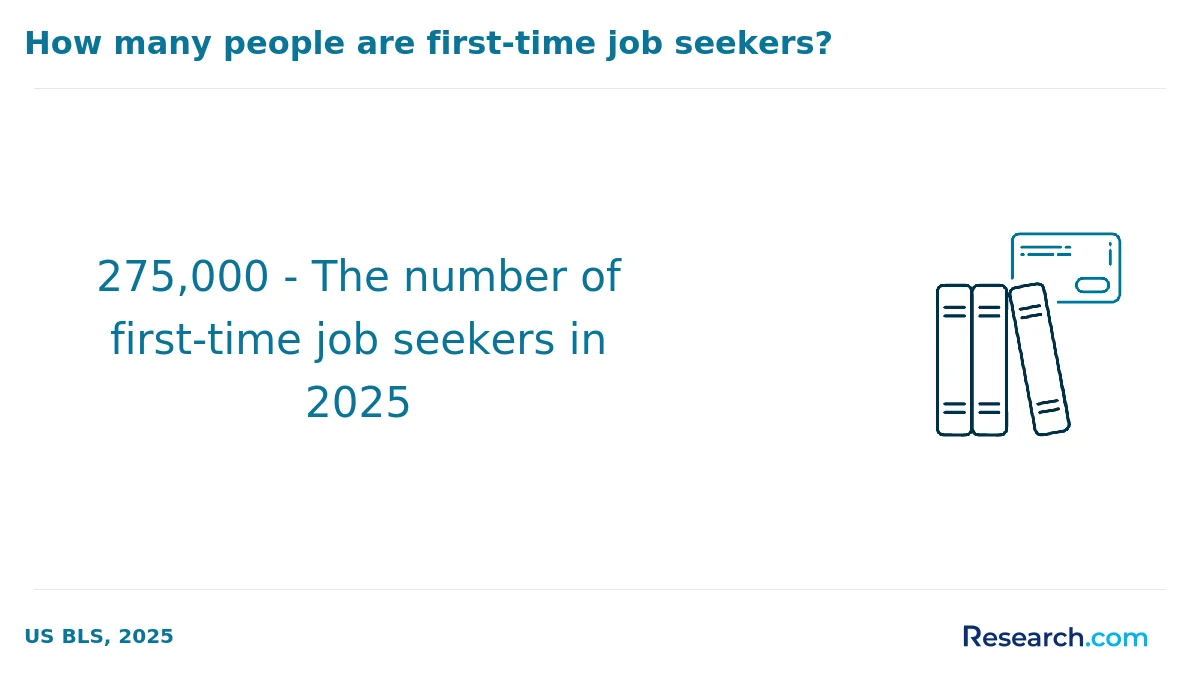
Students pursuing associate degrees in Birmingham often find financial aid options that significantly ease their educational journey. Completing the Free Application for Federal Student Aid (FAFSA) is usually the first step, unlocking access to federal grants such as the Pell Grant. Many graduates from Lawson State Community College have shared how Pell Grants, which may be up to $7,395 annually, covered a considerable portion of their tuition and fees, making education financially feasible.
Work-study opportunities on campus provide a flexible way for students to earn while they learn, with positions designed to fit around busy class schedules. At Faulkner University's Birmingham campus, several students have reported that work-study helped with daily expenses without overwhelming their studies.
Besides federal aid, scholarships from local institutions often reward academic merit or unique talents. Veterans and military families in Birmingham also benefit from dedicated educational benefits and state programs supporting dependents of disabled veterans, creating more avenues for affordable study.
To start an associate degree program in Birmingham, most students quickly learn that holding a high school diploma or an equivalent credential, like a GED or HSED, is essential. Graduates from popular schools in Birmingham often recall how securing official transcripts from high school or any prior colleges was a straightforward yet critical step in proving their readiness.
Beyond that, many programs set minimum GPA requirements that can vary widely. A common challenge shared by students pursuing healthcare tracks at well-known institutions is meeting a 2.5 GPA on prerequisite courses, a standard that motivates strong academic focus early on.
Standardized test scores, especially the ACT, frequently influence admissions in competitive programs. For instance, securing a minimum ACT composite score of 18 opens doors to specialized fields like Medical Radiologic Technology, where students describe this as a key milestone in their journey.
Students often find that completing program-specific foundational courses, such as English Composition or Anatomy & Physiology, before applying, can significantly boost their confidence and acceptance chances in Birmingham's associate programs.
- High school diploma or GED/HSED
- Official transcripts
- Minimum GPA requirements (program-dependent)
- Standardized test scores (like ACT for health-related fields)
- Completion of key prerequisite courses
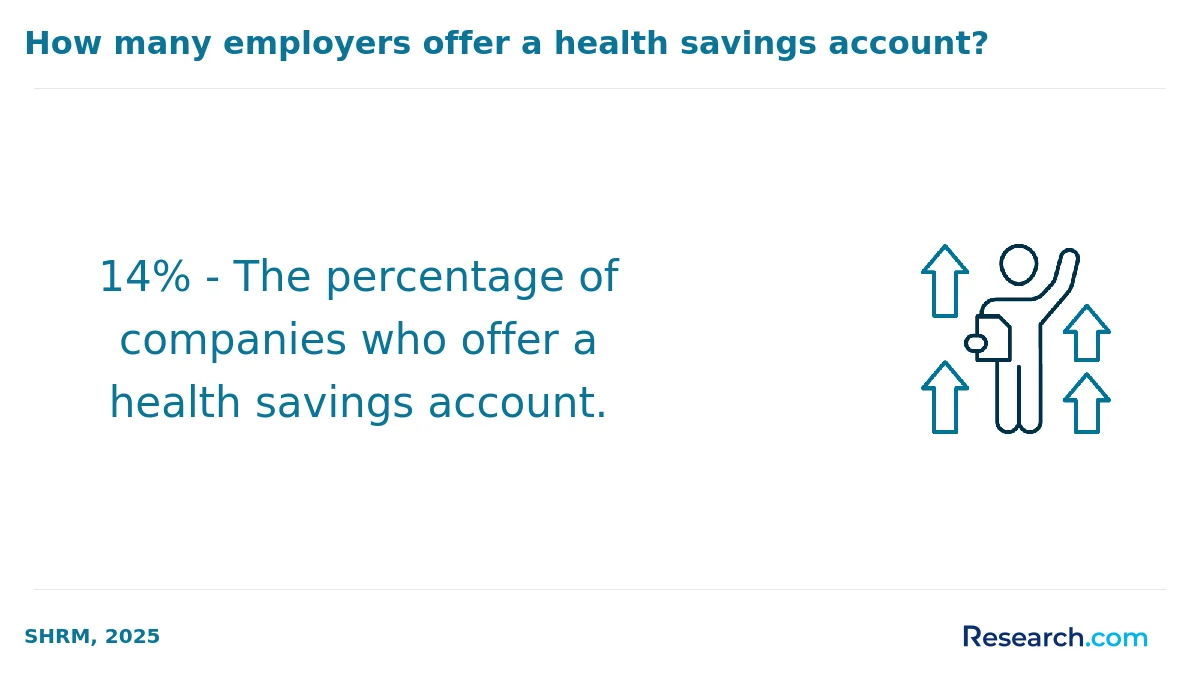
Typical classes in Birmingham associate programs focus on building a strong academic base combined with specialized skills tailored to students' career ambitions. Graduates from local community colleges often recall balancing core subjects like written composition, humanities, natural sciences, and social sciences. These foundational courses, common in almost every program, help students sharpen essential communication and critical thinking abilities while exploring a wide range of personal interests.
Students pursuing associate degree course requirements Birmingham also experience targeted learning paths, especially in career-oriented fields like business, healthcare, or legal studies. For example, graduates emphasize how hands-on courses in accounting or legal research gave them real confidence stepping into Birmingham's workforce. The inclusion of internships or practicum opportunities further enhances this practical experience, preparing students for immediate employment or seamless transfer to four-year universities.
- 6 credit hours in written English composition
- 12 credit hours in humanities and fine arts
- At least 11 credit hours in natural science and mathematics
- 12 credit hours in history, social, and behavioral sciences
Many students also benefit from electives that personalize their education, much like those offered at popular Birmingham associate degree schools. These choices make learning more engaging and relevant, fostering a sense of accomplishment. For individuals seeking flexible options, considering online universities with open admission could complement traditional Birmingham programs, broadening access to education.
Choosing the best associate degree program in Birmingham means starting with your personal career goals and interests. Graduates from popular Birmingham programs often share how aligning their studies-whether in Computer & Information Science or Legal Studies-with their passions made their college experience more rewarding and job-ready. Considering how to compare associate degree costs in Birmingham is just as crucial; many find relief in schools offering reasonable tuition and financial aid, making education less stressful and more accessible.
Flexibility also plays a big role. Students juggling work or family responsibilities at well-known Birmingham community colleges appreciate online or hybrid classes that fit their lives without compromising quality. Additionally, graduates frequently praise career placement and internship opportunities that gave them confidence and connections for smooth transitions into the workforce. For those seeking efficient paths forward, exploring options like shortest masters programs after completing their associate degree can be a smart next step to advance their careers efficiently.
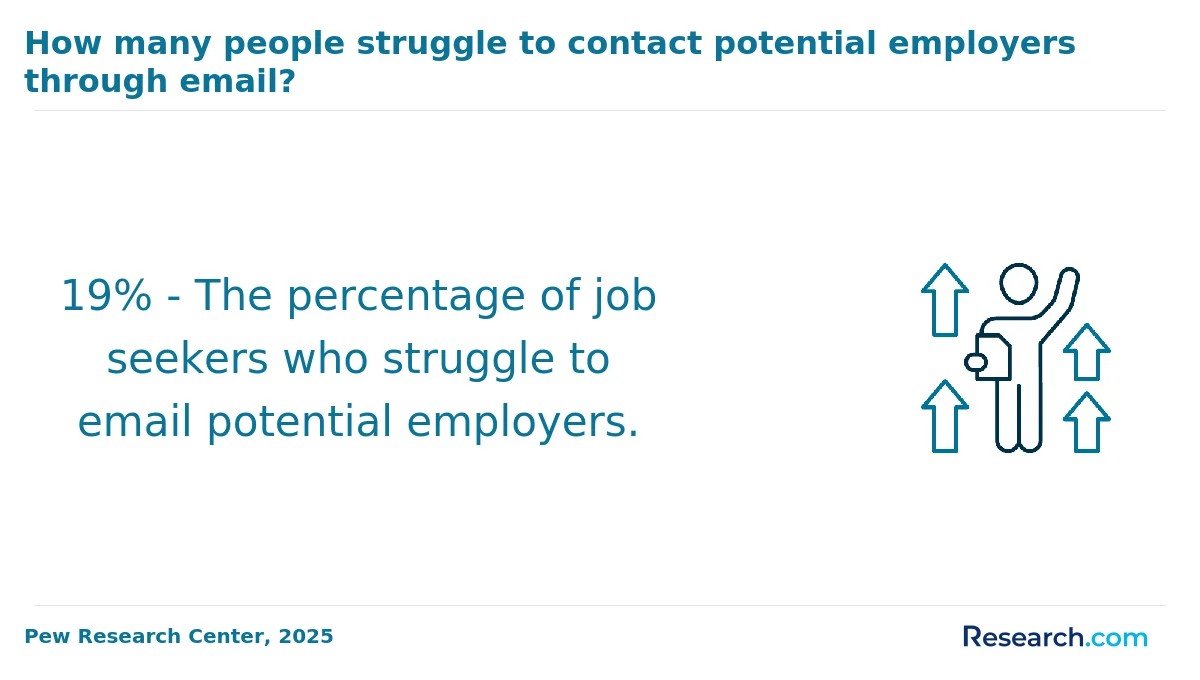
Healthcare jobs for associate degree graduates in Birmingham offer promising opportunities that many local graduates find both rewarding and stable. Graduates from well-known community colleges in Birmingham often share how their training led directly to roles such as registered nurses, radiologic technologists, or medical assistants within local hospitals and clinics. These positions not only offer competitive salaries but also personal fulfillment through helping others, making them an attractive path for those seeking a hands-on career.
Entry-level business careers Birmingham associate degree holders pursue include roles like healthcare business analysts and information systems specialists. Graduates frequently mention how programs at popular business and technical colleges prepare them to support operations and manage data effectively in growing companies. Many enjoy the blend of analytical tasks and team collaboration, which sets a foundation for advancement.
Associate degrees can also lead to legal and administrative careers, with jobs such as paralegals or property managers common in Birmingham's steady job market. Others find unique roles in emergency communications or biomed technology. For those eager to explore further education, many local programs provide pathways and even tuition assistance. Some students seeking quick schooling for good paying jobs find Birmingham's associate degree offerings an ideal springboard.
The job market for associate degree graduates in Birmingham is thriving, with numerous opportunities across healthcare, business, and technology sectors. Graduates from well-known local institutions often share stories of quickly landing roles such as registered nurses, medical billing specialists, or computer support specialists, all benefiting from Birmingham AL associate degree salaries that range broadly but offer strong entry points. For example, many healthcare roles start with salaries between $66,000 and $96,000 annually, reflecting the region's rising demand.
Students pursuing associate degrees in business administration or public services find that their qualifications open doors to positions like property manager or legal assistant, where hourly wages typically range from $22 to $27. The versatility of an associate degree is especially evident in Birmingham's competitive job market, where even entry-level retail or hospitality jobs offer enhanced pay and promotions for degree holders starting at $13 per hour.
Key advantages reported by local graduates include:
- Rapid access to healthcare jobs requiring specific certifications
- Strong demand for technical skills in IT and biomed fields
- Business roles with room for growth and salary increases
Those considering further education often explore a cheap online bachelor degree to maximize career opportunities while working in Birmingham's expanding job market for associate degree job opportunities in Birmingham.
Most Affordable Associate Degree Programs - Leading Certification Courses in Birmingham for 2026
# 1 position
Jefferson State Community College - Veterinary/Animal Health Technology/Technician and Veterinary Assistant.
associateJefferson State Community College offers a program in Veterinary/Animal Health Technology/Technician and Veterinary Assistant that trains students to assist veterinarians and animal health professionals in patient care and clinical procedures. The curriculum covers animal nursing, health, nutrition, clinical pathology, radiology, anesthesiology, dental prophylaxis, surgical assisting, laboratory procedures, office administration, and communication. The program’s annual in-state tuition is $5,040 and is accredited by the Southern Association of Colleges and Schools Commission on Colleges.
# 2 position
Jefferson State Community College - Criminal Justice/Police Science.
associateJefferson State Community College offers a Criminal Justice/Police Science program in a hybrid format with some distance education options. The program prepares students for duties such as patrol, investigative activities, traffic and crowd control, witness interviewing, evidence management, crime prevention, weapon operation, and report preparation. The annual in-state tuition is $5,040. The program is accredited by the Southern Association of Colleges and Schools Commission on Colleges.
# 3 position
Jefferson State Community College - Physical Therapy Assistant.
associateJefferson State Community College offers a Physical Therapy Assistant program with a hybrid format, combining in-person and distance education. The program prepares students to assist physical therapists in treatment care plans and patient training. Coursework covers anatomy, physiology, biomechanics, kinesiology, and clinical documentation. Annual in-state tuition is $5,040. Graduates earn a median salary of $47,796 one year after completion. The program is accredited by the Southern Association of Colleges and Schools Commission on Colleges.
# 4 position
Jefferson State Community College - Office Management and Supervision.
associateJefferson State Community College offers a program in Office Management and Supervision designed to prepare students for managing business office operations and personnel. The curriculum covers employee supervision, management, labor relations, budgeting, scheduling, office systems, records management, and public relations. The program is accredited by the Southern Association of Colleges and Schools Commission on Colleges. Annual in-state tuition is $5,040.
# 5 position
Jefferson State Community College - Accounting Technology/Technician and Bookkeeping.
associateJefferson State Community College offers a hybrid Accounting Technology/Technician and Bookkeeping program designed to prepare students for technical administrative roles supporting accountants and financial managers. The curriculum covers posting transactions, record-keeping systems, accounting software, and fundamental accounting principles and practices. The program’s annual in-state tuition is $5,040. It is accredited by the Southern Association of Colleges and Schools Commission on Colleges.
# 6 position
Jefferson State Community College - Computer and Information Sciences, General.
associateJefferson State Community College offers a program in Computer and Information Sciences, General, which covers computing, computer science, and information science and systems. The program focuses on broad foundational knowledge without specialization. Annual in-state tuition is $5,040. Median earnings of graduates one year after completion are $29,478. The program is accredited by the Southern Association of Colleges and Schools Commission on Colleges.
# 7 position
Lawson State Community College - Computer and Information Sciences, General.
associateLawson State Community College offers a hybrid program in Computer and Information Sciences, General, combining computing, computer science, and information science systems. The program is accredited by the Southern Association of Colleges and Schools Commission on Colleges. Annual in-state tuition is $4,980. This general program is designed to provide foundational knowledge without focusing on specific computer science or information science specializations.
# 8 position
Lawson State Community College - Criminal Justice/Police Science.
associateLawson State Community College offers a Criminal Justice/Police Science program with a hybrid format that includes some distance education options. The program trains students in essential law enforcement skills such as patrol, investigation, traffic and crowd control, evidence management, and report preparation. Annual in-state tuition is $4,980. This program is accredited by the Southern Association of Colleges and Schools Commission on Colleges.
# 9 position
Lawson State Community College - Dental Assisting/Assistant.
associateLawson State Community College offers a hybrid Dental Assisting/Assistant program that trains students to provide patient care, take dental radiographs, and assist in dental procedures under supervision. The curriculum covers medical record-keeping, office duties, equipment maintenance, sterilization, and chairside assisting. Annual in-state tuition is $4,980. The program is accredited by the Southern Association of Colleges and Schools Commission on Colleges.
# 10 position
Lawson State Community College - Diagnostic Medical Sonography/Sonographer and Ultrasound Technician.
associateLawson State Community College offers a Diagnostic Medical Sonography/Sonographer and Ultrasound Technician program with a hybrid format, including some distance-education options. The program trains students to use medical ultrasound technology for diagnosing various conditions under physician supervision. Coursework covers patient data integration, sonographic data processing, equipment operation, and professional ethics. Annual in-state tuition is $4,980. The program is accredited by the Southern Association of Colleges and Schools Commission on Colleges.
Frequently Asked Questions about associate degree programs
Preparing for the job market after completing an associate degree in Birmingham involves several key steps. Graduates should begin by building a strong resume highlighting relevant skills and internships gained during their studies. Employers often value practical experience, so consider local internships or part-time positions in your field while studying.
Networking is crucial. Birmingham has various career fairs and industry events that associate degree holders can attend to connect with potential employers. According to the Bureau of Labor Statistics, associate degree holders in Alabama see an average employment growth rate of 5% in technical fields.
Additionally, many community colleges in Birmingham offer career services, including job placement assistance and interview preparation. Taking advantage of these resources can improve your chances of finding employment quickly.
Employers in Birmingham highly value both technical and soft skills in associate degree graduates. According to the Alabama Department of Labor, practical skills in areas like healthcare, information technology, and advanced manufacturing are in strong demand. For example, medical coding and IT support proficiency often lead to quicker job placements.
Communication skills top the list of soft skills sought by employers. The National Association of Colleges and Employers (NACE) highlights that 91% of employers prioritize candidates with strong verbal and written communication abilities.
Problem-solving and teamwork are also critical. Birmingham employers frequently emphasize adaptability and collaboration as essential for workplace success, especially in rapidly evolving industries such as logistics and customer service.
Overall, a balance of specialized technical knowledge and interpersonal skills significantly improves employment prospects for associate degree holders in Birmingham.
Finding internships in Birmingham that complement your associate degree program starts with utilizing local resources. Many community colleges and technical schools in Birmingham offer career services that connect students to internships in industries like healthcare, IT, and business. According to the Alabama Department of Labor, Birmingham's strong presence in healthcare and manufacturing sectors means a steady number of internship openings annually.
Additionally, exploring partnerships between schools and local employers can be beneficial. Websites such as the Greater Birmingham Association of Home Builders and Birmingham Business Alliance often list internship opportunities. Networking through campus events and local job fairs also increases your chances of securing relevant positions.
Students should actively reach out to employers and leverage online platforms like Handshake, which many Birmingham schools use to post internships suitable for associate degree holders.
An associate degree in Birmingham can significantly impact career mobility and advancement by providing practical skills and recognized credentials. According to the U.S. Bureau of Labor Statistics, individuals with associate degrees generally earn about 18% more than those with only a high school diploma. In Birmingham's growing industries such as healthcare, manufacturing, and information technology, these degrees often serve as a stepping stone to higher-paying jobs and promotions. Local community colleges report many graduates find employment within six months of completion, highlighting strong employer demand. Additionally, credits from associate degrees can often be transferred toward bachelor's programs, facilitating further career growth.
In Birmingham, part-time job opportunities that complement associate degree education are diverse, often aligning with students' fields of study. For example, healthcare students can find roles as medical assistants or pharmacy technicians, positions experiencing steady growth locally due to Birmingham's sizeable medical sector.
Retail and customer service jobs remain common for associate degree students, especially in management-trainee or supervisory roles that build leadership skills applicable across industries. According to the U.S. Bureau of Labor Statistics, Birmingham's healthcare support and retail trade sectors grew by approximately 5% between 2021 and 2023.
Technical students may benefit from part-time positions in IT support or lab technician roles offered by local businesses and research facilities, facilitating hands-on experience. Many employers in Birmingham prefer candidates pursuing relevant education, making these jobs valuable complements to academic training.
To find the most affordable degree program near me in Birmingham, AL, you can start by researching local universities and community colleges that offer a variety of programs with differing tuition rates. Utilize resources like Research.com to compare these institutions and identify which ones fit your budget criteria best. Additionally, don't forget to consider scholarships, grants, and financial aid options that may be available to make education more affordable.
- Most Affordable Trade School & Training Programs - Leading Certification Courses in Statesboro for 2026
- Most Affordable Trade School & Training Programs - Leading Certification Courses in Ocala for 2026
- Most Affordable Trade School & Training Programs - Leading Certification Courses in Tulsa for 2026
- Most Affordable Trade School & Training Programs - Leading Certification Courses in Overland Park for 2026
- Most Affordable Trade School & Training Programs - Leading Certification Courses in Olathe for 2026
- What Are Employers Looking for When Reviewing College Students’ Resumes? https://www.naceweb.org/talent-acquisition/candidate-selection/what-are-employers-looking-for-when-reviewing-college-students-resumes
- 221 jobs in Birmingham | Page 1 | Find a job https://findajob.dwp.gov.uk/search
- Here’s How an Associate Degree Can Advance Your Career https://flex.wisconsin.edu/stories-news/heres-how-an-associate-degree-can-advance-your-career/
- Nursing Associate FdSc | Undergraduate | University College Birmingham https://www.ucb.ac.uk/study/courses/undergraduate/nursing-associate-fdsc/
- Average Employment Associate Salary in Birmingham - Reed.co.uk https://www.reed.co.uk/average-salary/average-employment-associate-salary-in-birmingham
- Academic Requirements - BCU International College https://bcuic.bcu.ac.uk/admission/academic-requirements/
- Learn the Top Six “Soft Skills” Employers Look for in College Graduates https://admissions.usf.edu/blog/learn-the-top-six-soft-skills-employers-look-for-in-college-graduates
- Highest-paying Jobs for People With 2-year Degrees in Birmingham | Stacker https://stacker.com/stories/alabama/birmingham/highest-paying-jobs-people-2-year-degrees-birmingham
- Embedded Associate Degrees Increase Retention | Insight Into Academia https://www.insightintodiversity.com/embedded-associate-degrees-increase-retention/
- Online vs Traditional School: A Look at the Pros and Cons https://www.uopeople.edu/blog/online-colleges-vs-traditional-colleges/