Best Trade School & Training Programs - Leading Certification Courses in Yakima for 2026

Co-Founder and Chief Data Scientist
Choosing the right trade school in Yakima is an important step toward building a rewarding career. This article introduces the best trade school programs in the area for 2026, carefully ranked by the Research.com team of data scientists. Their work helps students like you make informed decisions about which programs offer the most value and opportunity.
Whether you’re seeking a diploma or certification, exploring these top programs can open doors to skilled, well-paying jobs. Reading this guide empowers you to invest in your future with confidence and excitement.
Key benefits of finishing trade school programs trade school in Yakima
- Expected Salary: Trade school graduates in Yakima can earn from about $36,000 to $40,000 per year starting, with skilled roles like HVAC Technicians making up to $69,430 annually, and software developers averaging $92,000, showing strong earning potential.
- Popular Career Paths: Graduates often pursue jobs as HVAC Technicians, Custodians, welders, electricians, or medical technicians, all of which have good local demand and salary growth with experience.
- Online Learning Benefits: Earning a trade school diploma online offers flexibility and accessibility, allowing students to balance work and family while preparing for rewarding jobs in Yakima's growing skilled trades market.
- Best Trade School & Training Programs - Leading Certification Courses in Yakima for 2026
- What can I expect from trade school programs trade schools in Yakima?
- Where can I work after finishing trade school programs trade schools in Yakima?
What can I expect from trade school programs trade schools in Yakima?
Students considering trade school programs in Yakima can typically expect tuition costs to range between $5,000 and $15,000 for a full program lasting one to two years. Graduates from Perry Technical Institute often share that, despite the upfront investment, the focused training leads to quicker employment and an overall strong return on investment.
Many students find comfort in the financial aid options available locally, such as scholarships from the Yakima Rotary and the Washington State Opportunity Scholarship, which can reduce quarterly expenses by $2,000 to $3,500. This support eases the burden for those pursuing hands-on fields like automotive technology or nursing at YV-Tech.
One graduate described how combining financial aid with part-time internships offered through the school's industry partnerships made the program affordable without sacrificing valuable real-world experience. The tangible connection between training costs and immediate career opportunities often leaves students feeling confident and motivated throughout their studies.
Where can I work after finishing trade school programs trade schools in Yakima?
Graduates of trade schools in Yakima often find themselves stepping directly into rewarding roles within local industries that urgently need skilled workers. For example, those trained at Perry Technical Institute frequently secure positions as Maintenance Mechanics or Industrial Manufacturing Technicians, working at nearby manufacturing plants or food processing companies. These roles offer hands-on work where graduates can see the immediate impact of their skills every day, contributing to essential operations in the Yakima Valley.
Many graduates share how apprenticeship programs, such as those connected with AJAC, have opened doors to paid, on-the-job training. This practical experience often leads to full-time jobs as Logistics Specialists or Operations Specialists, roles that keep key supply chains moving efficiently in transportation hubs throughout the region.
Working in Yakima's skilled trades offers a sense of pride and stability, with local employers consistently valuing the specialized training trade school graduates bring. From maintaining complex machinery to managing production lines, these careers provide clear pathways for growth in vibrant, essential sectors.
After finishing a trade school program in Yakima, many graduates find themselves stepping confidently into well-paying careers. At Perry Technical Institute, for example, alumni report median earnings of $38,500 just two years after graduation, growing to $54,300 after six years. Some exciting success stories include graduates entering trades like HVAC, earning about $33.38 per hour, which adds up to nearly $70,000 annually when working full time.
Even for those starting in entry-level jobs like custodial roles, beginning wages around $17.49 per hour offer a solid foundation with opportunities to grow. In Yakima's rapidly expanding tech sector, trade school grads with IT certifications are tapping higher salaries, with software developers making around $92,000 yearly and specialists in cloud architecture or machine learning earning as much as $169,000.
These figures show that choosing a trade school in Yakima can open doors to diverse and increasingly lucrative careers-making the decision feel very rewarding and relatable for many local students building their futures.
- Most trade school programs in Yakima require a high school diploma or equivalent, with some summer academies accepting incoming freshmen as young as 14 or 15 years old.
- Application processes vary by school; Perry Technical Institute requires an online application, entrance assessment, and transcript, with some programs needing a driver's license or background check.
- Tuition for a two-year program at Perry Technical Institute is about $23,080, while some summer programs at Yakima Valley Technical Skills Center are free for eligible high school students.
- Financial aid options include federal and state programs, plus the Washington State Opportunity Scholarship that offers up to $1,500 per quarter for qualifying students.
- Graduates can expect starting salaries between $37,000 and $48,000 annually in high-demand trades, with experienced workers earning $55,000 or more based on local demand.
Completing a trade school program in Yakima can take anywhere from a few weeks to two years, depending on the chosen field. Many graduates recall how quickly they gained valuable skills through short-term certificate programs, like the 10-week AJAC Manufacturing Academy, which mixes hands-on learning with independent study. This accelerated approach empowers students eager to enter the workforce fast and builds confidence early on.
Others pursuing a more immersive path benefit from year-long diplomas, such as the 12-month Construction & Carpentry Technology program at Perry Technical Institute. Graduates often describe the balance of classroom instruction and practical training as rewarding, equipping them with a solid foundation for their careers.
For those aiming at specialized fields, two-year associate-level programs offer comprehensive education and apprenticeship credit, with Perry Technical Institute's Electrical Technology program being a prime example. Students appreciate the cohort experience that fosters both community and skill mastery.
Yakima Valley Tech's programs tied to the academic calendar also appeal to learners seeking steady progress throughout the year, fitting well for dual-enrollment students.
Overall, trade schools in Yakima provide flexible timelines that meet diverse goals and lifestyles, making the path to a new career both accessible and motivating.
Choosing between online and on-campus trade school programs in Yakima often comes down to lifestyle and learning style. Graduates from online programs at institutions like Charter College often share how the flexibility to study from home helped them balance work and family, making their education feel achievable despite busy schedules. The online format allows access to coursework anytime, fostering a sense of control and independence.
On the other hand, those who attended Perry Technical Institute or Yakima Valley College highlight the energy and camaraderie of on-campus classes. Hands-on labs and face-to-face instruction provided immediate feedback, which many found invaluable for mastering physical trades like automotive repair or dental assisting. Being immersed in a workshop environment with real tools creates confidence and connection to the industry.
Both experiences offer unique benefits-online programs open doors for those needing flexibility, while on-campus programs offer rich, tactile learning and networking opportunities found only in-person at Yakima's trade schools.
For many students in Yakima, understanding the average trade school cost in Yakima is a vital step toward planning their educational path. At Yakima Valley College (YVC), annual in-state tuition is around $4,623, with fees and supplies pushing the total close to $6,000 before housing and food are factored in. Graduates from YVC often recall balancing these costs with part-time jobs and feeling encouraged by the accessibility of the public institution.
On the other hand, Perry Technical Institute, a leading private option in Yakima, generally charges significantly more-up to $25,268 per year, with total costs soaring above $50,000 for longer or specialized programs. Alumni who completed intensive programs at Perry Tech describe the financial challenge, but also highlight the value of the substantial hands-on training and career preparation they received. Nearly all Perry Tech students benefit from scholarships or grants, typically reducing expenses by nearly $8,000 annually, which many find essential in managing tuition and fees.
Programs range from brief certificates, costing as little as $4,536 for five weeks, to advanced training approaching $25,000 yearly. Students who carefully plan for indirect costs such as books, transportation, and living expenses enjoy more predictable overall budgets. Those interested in efficient study options might explore most affordable home remodeling and repair diploma programs online as a supplementary route to reduce costs.
Being aware of Yakima trade school tuition and fees allows future students to envision their education investment realistically, encouraging informed decisions about program length, specialization, and financing options.
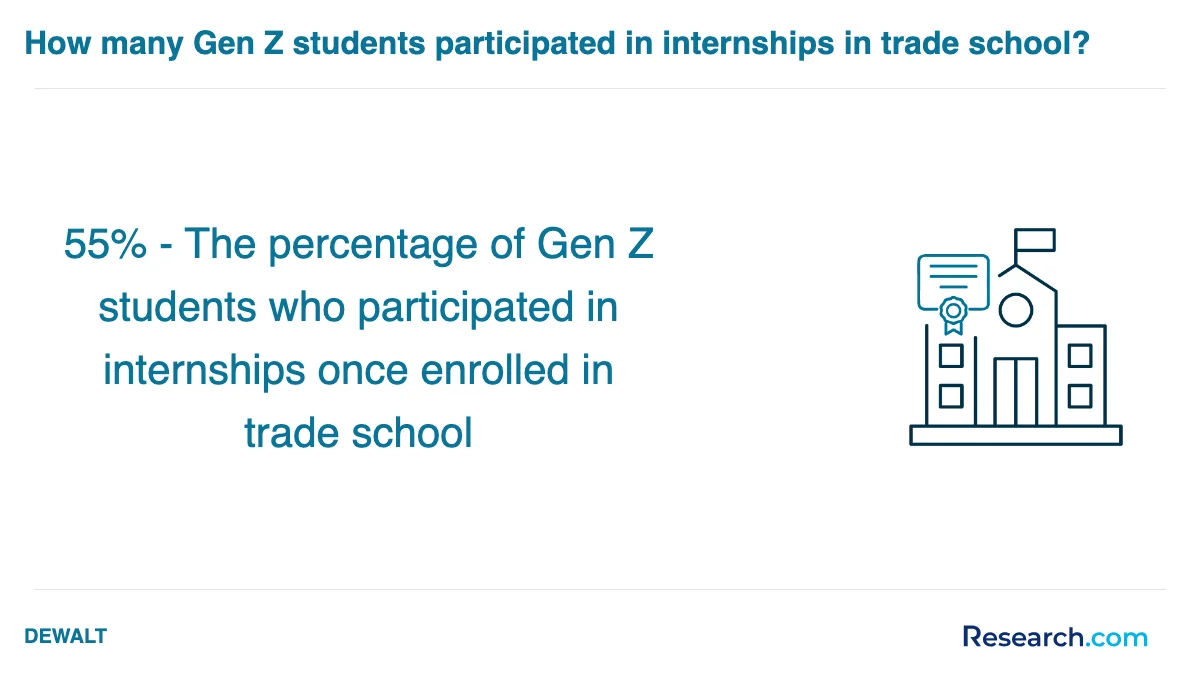
Students pursuing trade school programs in Yakima often find relief through a variety of financial aid options tailored to ease their educational journey. At Perry Technical Institute, a popular choice locally, nearly 90% of students rely on aid like the Pell Grant or Federal Supplemental Educational Opportunity Grant, which can significantly reduce out-of-pocket costs. Graduates recall feeling empowered when applying early for FAFSA or WASFA, ensuring they accessed these benefits right as applications opened each October.
State-level support is especially strong in Washington, where the Washington College Grant can fully cover tuition for eligible students with family incomes below $78,500. Many Yakima students have described the grant as a game-changer, enabling them to focus on hands-on learning instead of financial stress. Even families earning up to $131,000 benefit from partial awards, widening access to quality trade education.
For those aiming at apprenticeships or certificates, the Washington State Opportunity Scholarship grants up to $1,500 per quarter, offering crucial aid to continue studies without pausing income. Local students often share how resources like ANEW and dedicated school financial aid offices-such as Perry Tech's-provide vital guidance, making complex financial options manageable and boosting confidence throughout their training.
Enrolling in a trade school program in Yakima usually starts with several clear prerequisites that prepare students for success. Most students find that possessing a high school diploma, GED, or an equivalent credential is essential before beginning their studies at places like Perry Technical Institute. Graduates often recall that turning 16 was the first milestone-they had to be at least that age to join most programs.
Many students appreciate knowing the additional requirements upfront, which can vary by program. For example:
- The Automotive Technology program requires a valid driver's license and a three-year driving history, ensuring students are ready for practical work on the road.
- HVAC/R enrollees also need a driver's license, reflecting the hands-on nature of the training.
- Medical Assistant hopefuls often share that passing a criminal background check was a necessary step before starting clinical work.
- Professional Truck Driving candidates must be at least 21, provide a driving abstract, hold a valid license, and clear DOT medical and drug tests, highlighting the program's strict safety standards.
At Yakima Valley Technical Skills Center, requirements fluctuate between disciplines, especially in healthcare and public safety, which keeps each program tailored and effective. Many graduates emphasize how completing official applications and sometimes entrance assessments helped them focus and commit early on.
For those seeking financial help, programs like the Washington State Opportunity Scholarship reward Washington residents who meet income limits and academic conditions. These steps create a clear pathway, lifting students toward rewarding careers while fostering a positive and practical learning environment in Yakima's trade schools.
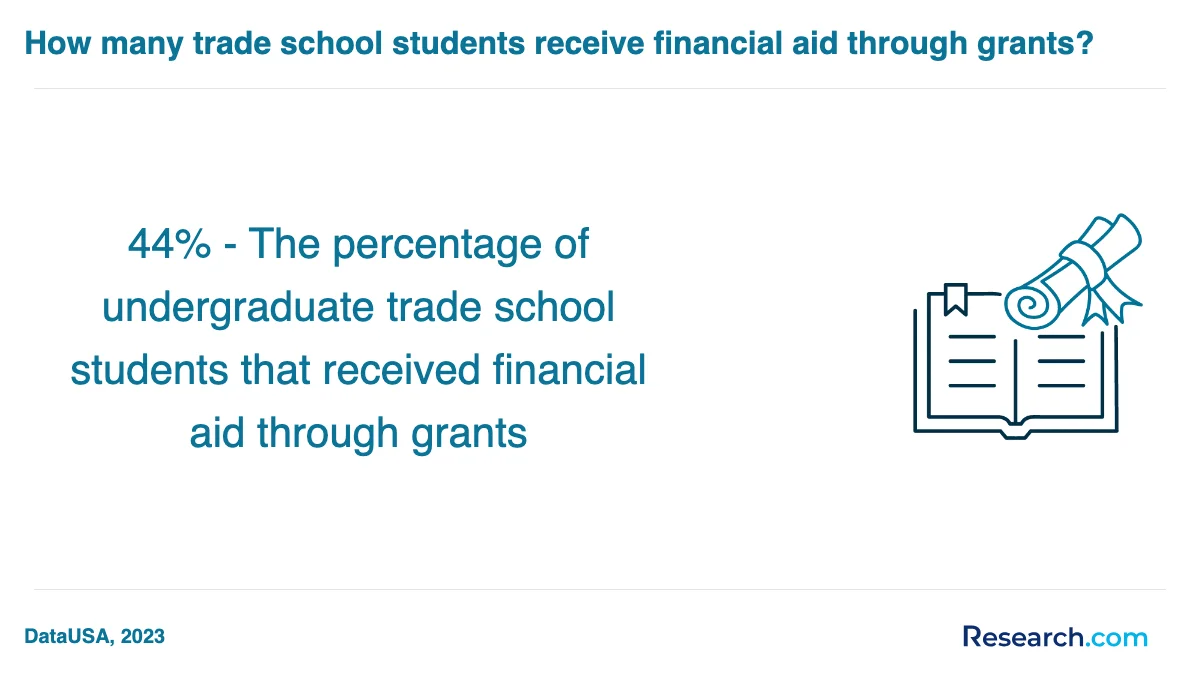
Trade school programs in Yakima typically offer a dynamic mix of courses designed to launch students directly into skilled careers. Graduates from Perry Technical Institute and YV-Tech often share how hands-on experiences paired with classroom learning made a huge difference in their confidence and job readiness.
Popular courses emphasize:
- Technical and skilled trades: automotive technology, collision repair, construction trades like carpentry and electrical wiring-equipping students with practical skills aligned to current industry standards.
- Healthcare training: medical assisting, nursing, dental assisting, and physical therapy technician programs combine clinical practice with theory, preparing students for real patient care scenarios.
- Business and technology: business administration, computer technician, and cybersecurity courses respond to increasing digital demands by teaching IT support, network security, and office management skills.
- Specialized certifications: programs in culinary arts, cosmetology, fire science, law enforcement, and industrial mechanics often culminate with industry-recognized credentials like ServSafe, boosting job prospects.
Many graduates recall stepping into real workshops and labs at Yakima's leading schools, experiencing personalized guidance that built their expertise. This blend of rigorous training with modern tools ensures students feel prepared and optimistic about entering the workforce in Yakima and beyond.
Yakima trade school programs offer a wide range of specializations tailored to local industry needs, giving students hands-on skills that lead directly to employment. Graduates from popular trade schools often highlight programs in automotive collision repair and automotive technology, which fit perfectly with Yakima's focus on transportation and agricultural machinery. Those who completed courses in diesel and heavy equipment technology have found rewarding roles servicing the large farming and construction equipment common in the region.
Many students appreciate the opportunity to train in advanced manufacturing sectors such as aerospace and metal fabrication-fields supported by partnerships like the AJAC Manufacturing Academy, which aligns curriculum with real industry demands.
- Carpentry and electrical construction remain popular, equipping learners for the robust building trades market.
- Healthcare roles like nursing or physical therapy technician connect students to Yakima's growing medical community.
- Culinary arts and cosmetology provide creative outlets that lead to dynamic service careers.
Experiencing these programs firsthand, graduates share how flexible studies in business administration or cybersecurity support local companies and public services.
For prospective students pondering their future, exploring trade school versus college can offer clarity on how these specializations translate directly into Yakima's vibrant job market.
Choosing the best trade school programs in Yakima often hinges on accreditation and hands-on learning opportunities. Graduates from local institutions like Perry Technical Institute frequently share how the blend of workshops and internships helped them feel confident stepping into their trades. Schools that partner with Yakima employers ensure training stays relevant to real-world job demands, which many find reassuring when starting their careers.
Cost is another vital consideration; tuition can vary widely, with some programs around $51,756 a year. However, prospective students often feel optimistic when exploring scholarships and financial aid tailored for Yakima residents, which significantly eases the burden. Visiting campuses and hearing stories from current students can provide genuine insight into the school's atmosphere and support systems, all of which matter deeply when comparing Yakima trade schools.
Researching the specific trade you want, such as welding or HVAC, alongside exploring resources like automobile technician trade schools, helps clarify career pathways and aligns well with local job market trends.
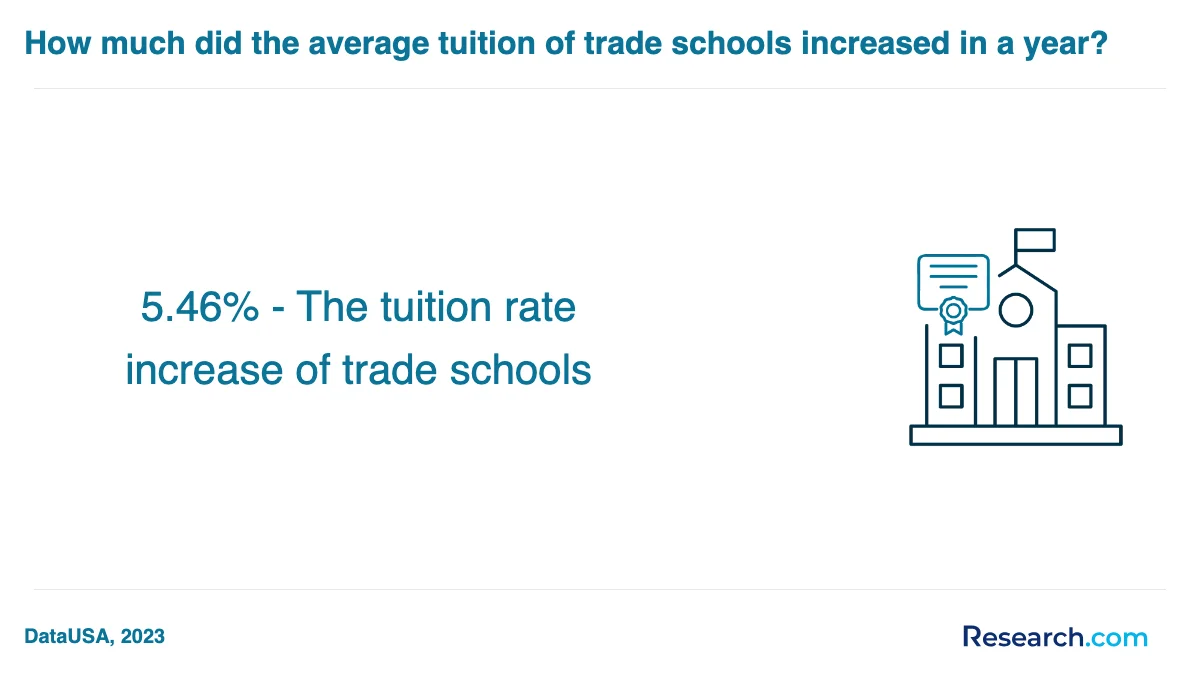
Trade school graduates in Yakima are stepping into a variety of thriving industries that align with the city's economic strengths. Many find rewarding career opportunities in advanced manufacturing, a sector employing thousands locally and offering competitive salaries. Graduates from Perry Technical Institute and AJAC Manufacturing Academy often share how hands-on training and apprenticeships open doors in aerospace, plastics, and metal fabrication, fostering confidence and skill mastery needed for these fields. The AJAC Career Navigation Program exemplifies strong Yakima technical school job placement rates, guiding students with personalized resume building and direct employer connections.
The diversity of available roles extends well beyond manufacturing to transportation and skilled trades. Students gain practical experience in areas like automotive technology, carpentry, HVAC, and welding. Graduates often describe a sense of accomplishment knowing their training leads to industry-recognized certificates that boost their employability.
Consider a graduate who moved smoothly into a commercial driving job after extensive driver training, or another who launched a career in electrical construction thanks to tailored programs in Yakima. These clear pathways combine with employment training services, such as WIOA's Adult Training Program, to bolster long-term success.
For anyone curious about the career opportunities for trade school graduates in Yakima, understanding the value of vocational education is key. Exploring what is the value of vocational education reveals how regional programs prepare students not only for immediate employment but also for evolving industry demands and growth.
The job market for trade school graduates in Yakima is notably promising, driven by strong local employer demand and targeted training programs. Graduates from popular trade schools report positive outcomes, often securing roles as maintenance technicians, mechanics, or warehouse specialists within months of completing their studies. This trend reflects Yakima trade school graduate employment rates that consistently outpace broader regional averages, providing real hope for students seeking stable careers.
Many graduates benefit from unique opportunities such as reverse job fairs, where businesses seek candidates with hands-on skills and ready-to-work attitudes. Workforce development initiatives, like those aligned with the Workforce Innovation and Opportunity Act (WIOA), supplement training by offering paid on-the-job experiences that sharpen real-world skills and open pathways to advancement.
Students studying in Yakima often highlight advantages such as:
- Direct employer connections through local events and collaborations
- Work-based training emphasizing practical certifications
- Support services like resume help and placement programs
For those considering specialized pathways, exploring the most affordable baking and pastry arts online programs can expand options beyond traditional trades, showcasing Yakima's evolving landscape of career opportunities for trade school graduates.
Best Trade School & Training Programs - Leading Certification Courses in Yakima for 2026
# 1 position
Yakima Valley College - Veterinary/Animal Health Technology/Technician and Veterinary Assistant.
associateYakima Valley College offers a program in Veterinary/Animal Health Technology/Technician and Veterinary Assistant that trains students to assist veterinarians and animal health professionals. The curriculum covers patient care, clinical procedures, animal nursing, radiology, anesthesiology, surgical assisting, and office administration. The program is accredited by the Northwest Commission on Colleges and Universities. Annual in-state tuition is $5,163, providing an affordable path to specialized veterinary support roles.
# 2 position
Yakima Valley College - Computer Science.
associateYakima Valley College offers a Computer Science program with a hybrid format, including some distance-education options. The curriculum emphasizes computer theory, problem-solving, and system design from a scientific viewpoint. Students learn computational science principles, programming, and practical applications. The program’s annual in-state tuition is $5,163. It is accredited by the Northwest Commission on Colleges and Universities.
# 3 position
Yakima Valley College - Computer Systems Networking and Telecommunications.
associateYakima Valley College offers a hybrid program in Computer Systems Networking and Telecommunications, focusing on the design, implementation, and management of linked computer systems and software. The curriculum includes operating systems, systems design, networking theory, security, and troubleshooting. The program prepares students for roles as network specialists and managers. Annual in-state tuition is $5,163. The program is accredited by the Northwest Commission on Colleges and Universities.
# 4 position
Yakima Valley College - Criminal Justice/Law Enforcement Administration.
associateYakima Valley College offers a hybrid Criminal Justice/Law Enforcement Administration program designed to prepare students for managing public law enforcement agencies. The curriculum covers law enforcement history, operational leadership, labor relations, incident response, legal responsibilities, budgeting, public relations, and organizational leadership. The program’s annual in-state tuition is $5,163. It is accredited by the Northwest Commission on Colleges and Universities, providing a recognized credential in this field.
# 5 position
Yakima Valley College - Heating, Air Conditioning, Ventilation and Refrigeration Maintenance Technology/Technician.
associateYakima Valley College offers a hybrid program in Heating, Air Conditioning, Ventilation and Refrigeration Maintenance Technology/Technician. The curriculum prepares students to repair, install, service, and maintain HVAC and refrigeration systems, emphasizing diagnostic techniques and the use of testing equipment. Instruction covers mechanics, electricity, and electronics principles relevant to the trade. The annual in-state tuition is $5,163. The program is accredited by the Northwest Commission on Colleges and Universities.
# 6 position
Yakima Valley College - Automobile/Automotive Mechanics Technology/Technician.
associateYakima Valley College offers a hybrid program in Automobile/Automotive Mechanics Technology/Technician, preparing students to repair, service, and maintain various automobile systems. Instruction covers brake, electrical, engine performance and repair, suspension, steering, transmissions, drive trains, and heating and air conditioning systems. The program is accredited by the Northwest Commission on Colleges and Universities. Annual in-state tuition is $5,163, with some distance-education options available.
# 7 position
Yakima Valley College - Computer Numerically Controlled (CNC) Machinist Technology/CNC Machinist.
associateYakima Valley College offers a hybrid Computer Numerically Controlled (CNC) Machinist Technology program that trains students to operate CNC machine tools, including lathes and mills. The curriculum covers CNC terminology, programming, setup, operations, troubleshooting, blueprint reading, machining, technical mathematics, CAD/CAM systems, and safety practices. The program’s annual in-state tuition is $5,163. It is accredited by the Northwest Commission on Colleges and Universities.
# 8 position
Yakima Valley College - Business Administration and Management, General.
associateYakima Valley College offers a hybrid Business Administration and Management, General program designed to prepare students to plan, organize, direct, and control organizational functions. The curriculum covers management theory, human resources, accounting, purchasing, logistics, marketing, and business decision-making. Annual in-state tuition is $5,163. Graduates typically earn a median income of $19,239 one year after completing the program. The program is accredited by the Northwest Commission on Colleges and Universities.
# 9 position
Yakima Valley College - Office Management and Supervision.
associateYakima Valley College offers a hybrid Office Management and Supervision program designed to prepare students for managing business office operations and personnel. The curriculum covers employee supervision, labor relations, budgeting, scheduling, office systems, records management, facilities design, and public relations. The program is accredited by the Northwest Commission on Colleges and Universities. Annual in-state tuition is $5,163, and median earnings one year after completion are $19,239.75.
# 10 position
Yakima Valley College - Accounting Technology/Technician and Bookkeeping.
associateYakima Valley College offers a hybrid Accounting Technology/Technician and Bookkeeping program designed to prepare students for technical administrative roles supporting professional accountants. The curriculum includes training in posting transactions, record-keeping systems, accounting software, and general accounting principles. The program's annual in-state tuition is $5,163. It is accredited by the Northwest Commission on Colleges and Universities.
Frequently Asked Questions about trade school programs
After completing trade school in Yakima, preparing for the job market involves several key steps. First, graduates should focus on obtaining relevant certifications or licenses required for their field, as many trades demand official credentials for employment. According to the Washington State Employment Security Department, trade school graduates in Yakima typically experience a 5% faster job placement rate when they hold industry-recognized certificates. Networking is also crucial; connecting with local employers and attending job fairs can open doors in Yakima's robust sectors such as construction and healthcare. Additionally, crafting a clear resume that highlights hands-on experience gained during training is essential for standing out to recruiters.
Employers in Yakima highly value practical skills and dependability in trade school graduates. According to the Washington State Workforce Training and Education Coordinating Board, proficiency in technical abilities such as welding, electrical systems, and HVAC is critical. Additionally, strong problem-solving skills enable workers to adapt to on-the-job challenges efficiently.
Communication and teamwork are also essential soft skills, as nearly 70% of local employers report these as priorities when hiring. Time management and a strong work ethic further enhance employability, reflecting industry demands for reliability and productivity. Candidates who combine technical knowledge with these interpersonal skills tend to succeed in Yakima's competitive trade job market.
Finding internships in Yakima that align with your trade school program involves leveraging local resources and industry connections. Start by consulting your trade school's career services, as many institutions in Yakima maintain partnerships with regional employers.
The Yakima Workforce Development Council offers programs supporting internships and apprenticeships, especially in sectors like manufacturing, healthcare, and construction-fields popular among trade students.
Additionally, searching the Washington State Department of Labor & Industries website can reveal registered apprenticeship opportunities in Yakima.
Networking at local job fairs and industry events also helps, as nearly 60% of internships in Yakima come through employer referrals.
Online platforms such as the Yakima Herald Jobs portal often post trade-related internships specific to the area.
In Yakima, a trade school diploma significantly enhances career mobility and advancement opportunities. According to the Washington State Employment Security Department, technical and trade jobs in Yakima often require specialized certifications or diplomas, which serve as proof of skills and knowledge. Graduates with trade school credentials typically experience faster job placement compared to those without formal qualifications.
Trade diplomas also open doors to higher wages; the U.S. Bureau of Labor Statistics reports that skilled workers in fields like HVAC, welding, and healthcare earn median salaries 10-20% higher than entry-level positions without credentials. Employers in Yakima frequently promote diploma holders to supervisory or specialized technical roles, fostering career growth.
Moreover, trade schools in Yakima often partner with local industries, enabling students to gain internships or apprenticeships that improve real-world experience and networking. This connection increases chances of career advancement, reflecting a practical pathway from education to well-paying jobs within the region.
In Yakima, part-time job opportunities that complement trade school education often align with the skills students are developing. For example, students in automotive or HVAC programs frequently find part-time roles at local repair shops, gaining practical experience while earning. Similarly, those studying construction trades can seek work with contractors or in maintenance roles. According to the U.S. Bureau of Labor Statistics, the Yakima metropolitan area has a growing demand in skilled labor sectors, creating multiple entry-level positions suitable for part-time hours.
Popular part-time roles include apprentice electrician, medical assistant, and pharmacy technician positions. These jobs offer hands-on training vital for skill reinforcement. Yakima's strong agricultural and manufacturing economy also provides opportunities in equipment operation and maintenance. Working part-time in these fields not only supports income but also builds relevant industry connections, crucial for future employment.
Yes, there are numerous degree programs available near Yakima, WA, offering a range of academic fields and levels. Universities and colleges in the area provide diverse opportunities for students seeking higher education, including options at both public and private institutions. Utilizing resources like Research.com can assist you in identifying programs near me that align with your academic interests and career goals.
- Best Trade School & Training Programs - Leading Certification Courses in Walla Walla for 2026
- Best Trade School & Training Programs - Leading Certification Courses in Los Angeles for 2026
- Best Trade School & Training Programs - Leading Certification Courses in Kyle for 2026
- Best Trade School & Training Programs - Leading Certification Courses in Emporia for 2026
- Best Trade School & Training Programs - Leading Certification Courses in Springfield for 2026
- Non-Profit Technical School - Perry Technical Institute https://www.perrytech.edu/
- Workforce Education https://yvcc.edu/academics/workforce-education.php
- Home - YV-Tech School https://yvtech.ysd7.org/
- AJAC Manufacturing Academy | Yakima https://www.ajactraining.org/programs/manufacturing-academy/yakima/
- Apprenticeships and Trade Schools - Hanford High https://hanford.rsd.edu/academics/collegecareercenter/apprenticeships
- Career and Technical Education - OIC of Washington https://oicofwa.org/programs/education/employment/
- Career Pathways - BatesTech - BatesTech https://www.batestech.edu/career-pathways/
- Employment & Training https://www.mypfp.org/services/employment-training/