
Best Trade School & Training Programs - Leading Certification Courses in Baltimore for 2026

Co-Founder and Chief Data Scientist
Choosing the right trade school in Baltimore can be a life-changing decision. Whether you’re aiming for a new skill or a rewarding career, this article will guide you through the best options available for 2026.
The Research.com team of data scientists has created a trade school programs ranking to help you make an informed choice about which programs truly stand out. Exploring these schools can open doors to valuable diplomas or certifications, boosting your confidence and career prospects.
Take this step toward a brighter future, knowing that the right education is within your reach.
Key benefits of finishing trade school programs trade school in Baltimore
- Trade school graduates in Baltimore can earn impressive salaries, such as $98,140 for electrical power-line installers, $100,570 for transportation managers, and $103,790 for petroleum refinery operators, showing strong financial potential.
- Popular career paths include HVAC, welding, automotive technology, and medical assisting, with graduates from local trade schools seeing steady income growth from about $37,830 one year after graduation to $45,750 five years later.
- Online trade school programs offer flexibility and convenience, allowing students to balance work or family while learning, making it easier for busy Baltimore students to earn certifications and start rewarding careers sooner.
- Best Trade School & Training Programs - Leading Certification Courses in Baltimore for 2026
- What can I expect from trade school programs trade schools in Baltimore?
- Where can I work after finishing trade school programs trade schools in Baltimore?
What can I expect from trade school programs trade schools in Baltimore?
The average cost of a trade school program in Baltimore is around $6,000, making it a competitively affordable option compared to traditional four-year colleges. Graduates from well-known institutions like North American Trade Schools often note that this investment covers not only classroom instruction but also extensive hands-on training in real-world settings. For instance, students working through programs in HVAC-R or commercial truck driving spend significant time in labs and simulated environments, building confidence and practical skills.
Many students appreciate the flexibility offered by Baltimore programs, with day and evening classes designed to fit around work or family commitments. This scheduling ease helps maintain balance while progressing toward career goals.
Programs typically range from 160 to 1,800 hours, and many students report feeling well-supported with career counseling and job placement assistance. This focused guidance often leads to quick transitions from education to employment, a key reason graduates often feel optimistic and prepared entering Baltimore's competitive job market.
Where can I work after finishing trade school programs trade schools in Baltimore?
After finishing a trade school program in Baltimore, graduates find a wide range of employment opportunities across thriving local industries. Many secure entry-level roles in construction, HVAC, welding, commercial truck driving, allied health, and office administration, reflecting Baltimore's diverse job market and strong demand for skilled workers.
For example, graduates of construction programs often join residential or commercial crews working on infrastructure projects and housing developments, gaining hands-on experience with trusted Baltimore contractors. HVAC program completers frequently land positions as technicians maintaining climate control systems in apartment complexes and commercial facilities, enjoying steady, well-paying work.
Welding graduates feel confident entering Baltimore's manufacturing sector, where companies urgently seek skilled welders for structural and pipe welding. Those trained in commercial truck driving thrive in regional logistics, supporting Baltimore's bustling supply chains as delivery or OTR drivers. Allied health and office assistant graduates find roles in clinics, hospitals, and administrative offices, areas known for growth and job stability.
Trade school alumni consistently report satisfaction with the practical skills gained and the direct pathway to Baltimore employers seeking certified, experienced candidates.
After completing a trade school program in Baltimore, graduates typically earn a competitive salary, with the average annual pay around $66,719, or roughly $32.08 per hour, based on recent data. Many graduates from popular Baltimore trade schools share that securing jobs in skilled trades brings both financial stability and pride in their work. For instance, HVAC technicians from local programs often report starting salaries near $30.23 per hour, reflecting strong demand in the area.
Diesel mechanics trained in Baltimore earn approximately $23.92 per hour on average, while entry-level apprentices usually start near $47,137 per year. Graduates frequently describe how their hands-on training and certifications open doors to rewarding careers with increasing pay as experience grows. Many find that salaries for experienced workers in Maryland can climb above $79,000 annually, with top earners surpassing $97,000.
This range shows how choosing a specific trade and advancing through additional certifications can significantly improve earning potential right in Baltimore's thriving job market.
- Admission usually requires a high school diploma or GED and proof of being at least 18 years old, with some programs needing a doctor's note or a valid driver's license.
- Trade school programs in Baltimore include welding, commercial truck driving, HVAC, building construction, allied health, and office administration.
- Tuition ranges from $5,000 to $20,000, with shorter programs on the lower end and longer technical programs on the higher end; some training may be free for eligible Baltimore County residents.
- Entry-level salaries for graduates typically range from $40,000 to $55,000 per year, with experienced workers earning $60,000 to $80,000 or more.
- Programs often feature hands-on training and align with industry certification standards to help students gain practical skills and job placement support.
Trade school programs in Baltimore typically take anywhere from a few weeks to two years to complete, depending on the trade and the school. Graduates from North American Trade Schools often share how their programs, like Electrical Technology or HVAC Technology, usually span 9 to 12 months, allowing them to quickly enter the workforce with hands-on skills.
Some students appreciate shorter options, especially in fields like commercial truck driving. For example, completing the Commercial Truck Driving course at North American Trade Schools can take as little as 48 hours or up to 160 hours, making it ideal for those eager to start a new career rapidly.
Others opt for more comprehensive training, such as the Trades Development Program at Towson University, which takes two years and covers multiple trades. Graduates from this program often highlight feeling well-prepared thanks to the broad, full-time curriculum focusing on trades like plumbing, carpentry, and electrical work.
Programs in healthcare and office assistance at schools like All-State Career typically last under a year, providing flexible timelines tailored to individual career goals in Baltimore's workforce.
The key distinction between online and on-campus trade school programs in Baltimore lies in their delivery and learning experience. Online programs, such as those offered by Morgan State University and Ed2Go, provide flexible access to coursework through platforms like Canvas. Graduates of these programs often appreciate the ability to balance education with jobs or family duties by studying anytime and anywhere with internet access. They engage with instructors and peers through emails, discussion boards, and video calls, which suits self-disciplined students who thrive on independence.
On the other hand, Baltimore's on-campus programs, like those at North American Trade Schools, focus on hands-on training in workshops and labs. Graduates often highlight the value of immediate instructor feedback and real-world practice with tools and equipment that prepare them directly for skilled trades such as automotive repair or HVAC. The in-person environment also fosters teamwork and networking, which many find motivating and rewarding in their career development.
The average trade school cost in Baltimore typically falls around $6,000 for many programs, with course lengths spanning from 160 to 1,800 hours. Students attending public trade schools in the area often see yearly tuition between $6,000 and $11,000, which aligns well with experiences shared by graduates from Baltimore City Community College. These students often highlight the affordability combined with high-quality training in healthcare and skilled trades.
Baltimore trade school tuition and fees, however, can rise significantly in private institutions, where annual costs range from $16,000 to $21,000. Graduates from such private schools frequently mention the higher expenses but recognize the value in specialized programs and smaller class sizes. It's crucial for prospective students to also budget for additional expenses like books, materials (about $500-$1,000), and equipment which can add up to $5,000 depending on the trade.
Many Baltimore-area community college graduates report net prices after financial aid ranging from approximately $9,855 at Harford Community College to $11,807 at Baltimore City Community College. These figures make trade schools an attractive alternative to four-year universities, especially for those looking to enter the workforce quickly with practical skills.
For students exploring options, there are also great resources available, including cheap online maintenance technician trade school programs, which can provide further cost-effective pathways to career advancement.

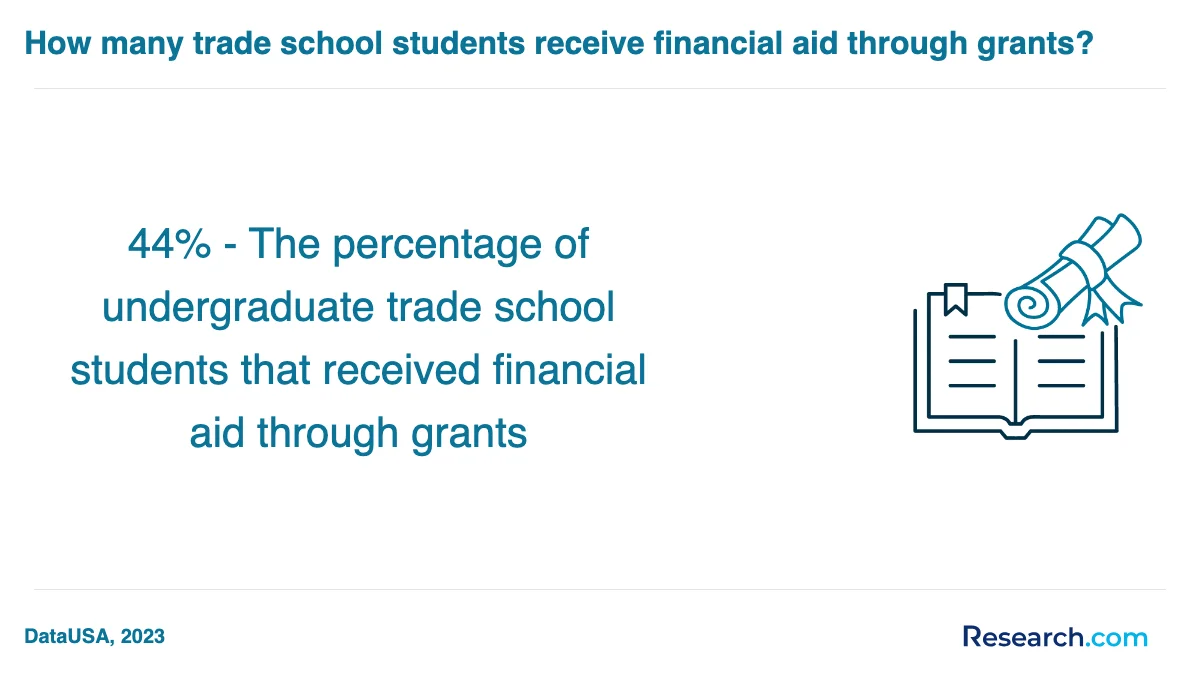
Trade school students in Baltimore have access to a broad range of financial aid options that make pursuing technical education more attainable and less stressful. Many graduates from well-known institutions like North American Trade Schools and Baltimore City Community College share how completing the FAFSA opened doors to federal grants such as the Federal Pell Grant and the Federal Supplemental Educational Opportunity Grant (FSEOG), both of which provide essential funds that do not require repayment.
State support is also significant, with programs like the Howard P. Rawlings Educational Assistance Grant and the Guaranteed Access Grant helping full-time students who meet income criteria cover tuition costs. For those attending private trade schools, the Jack F. Tolbert Memorial Student Grant offers targeted relief, which many Baltimore students have relied on to reduce out-of-pocket expenses.
Veterans and active military members frequently highlight the GI Bill® benefits as a game-changer, enabling them to comfortably manage tuition and related expenses while focusing on their training. Additionally, local community colleges participate in the Maryland Community College Promise Scholarship, a powerful resource that recent high school graduates praise for enabling tuition-free study when criteria are met. These financial aid avenues collectively ease financial burdens and empower Baltimore trade school students to confidently pursue their career goals.
Enrolling in a trade school program in Baltimore typically requires applicants to meet several clear prerequisites designed to ensure their success and readiness. Most programs expect students to be at least 18 years old and to hold a high school diploma or GED. For example, graduates from popular Baltimore trade schools recall completing an application that gathers education and employment history, followed by an interview with an admissions advisor or program director.
Applicants often face a skills assessment or entrance test focused on reading, math, or critical thinking, which helps verify their preparedness. Those who attended schools focusing on plumbing or HVAC found these tests manageable with proper preparation. Retesting options are typically available if initial scores fall short.
Some programs require additional steps such as:
- Submitting a valid driver's license and, for driving-related trades, maintaining a clean driving record
- Providing a doctor's note verifying physical ability to perform job tasks
- Passing drug screenings and physical exams for certain trades
- Demonstrating reliable transportation, vital for apprenticeships involving off-campus training or multiple worksites
Graduates emphasize how these requirements create a supportive, professional learning environment that mirrors real-world trade demands, preparing them confidently for employment in Baltimore's skilled trades market.
Trade school programs in Baltimore typically include a diverse array of courses tailored to meet local industry demands, blending hands-on training with practical skills. Graduates from North American Trade Schools (NATS) often share how programs like Building Construction Technology and Electrical Technology provide them with real-world competencies, such as blueprint reading and electrical system troubleshooting, that prepare them for immediate employment.
Students appreciate the hands-on experience gained in courses like:
- Combination Welding
- Diesel Technology focusing on engine diagnostics
- Commercial Truck Driving
- Heating, Refrigeration, Ventilation and Air Conditioning (HRVAC) Technology
All-State Career Baltimore expands options with healthcare-related programs including Medical Assisting, Dental Assisting, and Medical Billing and Coding, where students develop valuable clinical and administrative skills. Apprenticeship opportunities through ABC Greater Baltimore offer paid on-the-job training in trades such as carpentry, electrical work, and plumbing, which graduates value for combining classroom learning with real employer experience.
For those pursuing technology careers, Per Scholas Baltimore's free, intensive programs in Cloud Computing and IT Fundamentals have empowered many to confidently enter Baltimore's growing tech industry.
Baltimore trade school programs offer a variety of specializations tailored to meet the city's dynamic job market and student needs. Graduates from North American Trade Schools often share how hands-on experience in skilled trades such as automotive technology, HVAC, electrical work, and welding made them confident and job-ready in a competitive market. These practical programs combine classroom theory with real-world application, preparing students for immediate employment in high-demand sectors.
Healthcare programs at institutions like All-State Career Baltimore equip students for roles in medical assisting, dental assisting, and pharmacy technology. Graduates regularly praise the tailored curriculum that aligns with local healthcare employers' needs. Similarly, Baltimore City Community College provides pathways in business and technology fields, including cybersecurity and digital forensics, fitting for students aiming to excel in administrative or IT careers.
Construction-focused programs through ABC Greater Baltimore offer apprenticeships and certified craft courses, helping students thrive in essential roles such as electricians and plumbers-key contributors to Baltimore's infrastructure growth. Additionally, programs in transportation, including commercial driver's license training, extend career choices. Many students note that these 6 month programs that pay well provide quick and practical routes to fulfilling jobs within the city.
When selecting the best trade school programs in Baltimore, start by assessing your career goals and the local job market to pinpoint in-demand industries. Graduates from well-known Baltimore schools often stress the importance of accredited programs, such as those accredited by ACCSC, to ensure quality education that supports licensing and employment. Schools like Cortiva Institute illustrate how hands-on training, through on-campus spas or real-world internships, profoundly prepares students for success. Comparing Baltimore trade schools also means examining graduation rates and job placement statistics, which many students find reflective of a school's reputation and their own potential outcomes. Flexibility is another key factor; part-time or evening classes offered in Baltimore allow students to balance education with work or family commitments. Finally, consider costs carefully-some institutions, such as North American Trade Schools, list tuition around $5,495, while others vary. For those exploring options in beauty and cosmetology, the cheapest cosmetology schools with online courses provide additional affordable pathways.

Trade school graduates in Baltimore find a wealth of career opportunities for trade school graduates in Baltimore across industries tailored to local economic needs. Skilled trades, such as construction, electrical work, plumbing, HVAC, and welding, remain among the highest growth sectors. Graduates from popular trade schools in Baltimore often share how hands-on apprenticeships, like those in carpentry or sheet metal, directly led to fulfilling jobs through partnerships with local employers.
Healthcare programs in Baltimore prepare students for roles in medical assisting, dental assisting, and pharmacy technology, meeting the demand in nearby hospitals and clinics. Graduates feel confident stepping into these essential positions given the sector's stability.
- High demand skilled trades jobs Baltimore include Commercial Truck Driver Training for versatile driving careers supporting the city's bustling port.
- Office administration training offers career options in business and government sectors, with graduates praising the practical skills learned.
Additionally, several students explore cheapest online certificate programs in home repair to enhance their qualifications, showing how accessible upskilling extends career prospects further in Baltimore's competitive market.
The job outlook for trade school graduates in Baltimore remains robust, particularly in healthcare and skilled technical fields. Graduates from well-known Baltimore trade schools frequently share success stories of securing positions in healthcare support roles and technical trades such as HVAC, welding, and electrical work. These careers benefit from local industry growth, with healthcare employment increasing by over 7% recently, making it a promising path for those completing trade programs.
In Baltimore's skilled trades employment opportunities, construction and skilled trades continue to show strong demand despite some fluctuations in workforce numbers. Graduates often find opportunities in building and grounds maintenance, which is growing steadily. Employers in Baltimore value certifications from local trade schools for these hands-on roles, often offering competitive wages compared to other sectors.
Many graduates appreciate the practical training that Baltimore trade schools provide, which aligns with current job market needs. For anyone weighing further education options, understanding why is trade school better than college can clarify how these programs directly translate into job placements and career advancement locally.
Best Trade School & Training Programs - Leading Certification Courses in Baltimore for 2026
# 1 position
Community College of Baltimore County - Criminal Justice/Police Science.
associateThe Criminal Justice/Police Science program at Community College of Baltimore County prepares students for law enforcement roles, including patrol, investigations, traffic and crowd control, witness interviewing, evidence management, and report writing. The program focuses on crime prevention methods and weapon operation. Annual in-state tuition is $4,380. Graduates typically earn a median income of $40,129 one year after completion. The program is accredited by the Middle States Commission on Higher Education.
# 2 position
Community College of Baltimore County - Computer and Information Systems Security/Auditing/Information Assurance.
associateThe Computer and Information Systems Security/Auditing/Information Assurance program at Community College of Baltimore County prepares students to assess security needs, recommend safeguards, and manage security systems. The curriculum covers computer architecture, programming, networking, cryptography, auditing, law, risk assessment, and investigation techniques. Annual in-state tuition is $4,380. Graduates earn a median salary of $36,590 one year after completion. The program is accredited by the Middle States Commission on Higher Education.
# 3 position
Community College of Baltimore County - Veterinary/Animal Health Technology/Technician and Veterinary Assistant.
associateThe Community College of Baltimore County offers a Veterinary/Animal Health Technology/Technician and Veterinary Assistant program that prepares students to assist veterinarians and related professionals in patient care and clinical procedures. The curriculum covers animal nursing, health, nutrition, handling, clinical pathology, radiology, anesthesiology, dental prophylaxis, surgical assisting, laboratory procedures, office administration, and owner communication. The program is accredited by the Middle States Commission on Higher Education. Annual in-state tuition is $4,380.
# 4 position
Community College of Baltimore County - Computer and Information Sciences, General.
associateThe Computer and Information Sciences, General program at Community College of Baltimore County offers a comprehensive study of computing, computer science, and information science systems. The program features an annual in-state tuition of $4,380 and is accredited by the Middle States Commission on Higher Education. It provides foundational knowledge applicable to various computer and information science fields without focusing on specific titles or specializations.
# 5 position
Community College of Baltimore County - Computer Systems Networking and Telecommunications.
associateThe Computer Systems Networking and Telecommunications program at Community College of Baltimore County prepares students to work as network specialists and managers. It covers the design, implementation, and management of interconnected computer systems and software to enhance productivity. Instruction includes operating systems, systems design, networking theory, network management, security, configuration, and troubleshooting. The program's annual in-state tuition is $4,380. It is accredited by the Middle States Commission on Higher Education.
# 6 position
Community College of Baltimore County - Automobile/Automotive Mechanics Technology/Technician.
associateThe Community College of Baltimore County offers a hybrid program in Automobile/Automotive Mechanics Technology/Technician. This program prepares students to repair, service, and maintain various automobile systems including brakes, electrical, engines, transmissions, and HVAC. The annual in-state tuition is $4,380. The program is accredited by the Middle States Commission on Higher Education, ensuring recognized educational standards.
# 7 position
Community College of Baltimore County - Business Administration and Management, General.
associateThe Business Administration and Management, General program at Community College of Baltimore County offers a hybrid format with some distance-education options. It prepares students to plan, organize, direct, and control various business functions. The curriculum includes management theory, human resources, accounting, logistics, marketing, and business decision-making. Annual in-state tuition is $4,380. The program is accredited by the Middle States Commission on Higher Education.
# 8 position
Community College of Baltimore County - Accounting.
associateThe Accounting program at Community College of Baltimore County prepares students for accounting professions and related business functions. It covers principles such as financial, managerial, cost, and tax accounting, auditing, and business information systems. The program includes instruction on ethics, professional standards, and applications in various organizations. Annual in-state tuition is $4,380. Median earnings one year after completion are $32,902.65. The program is accredited by the Middle States Commission on Higher Education.
# 9 position
Community College of Baltimore County - Accounting Technology/Technician and Bookkeeping.
associateThe Accounting Technology/Technician and Bookkeeping program at Community College of Baltimore County prepares students to provide technical administrative support to accountants and financial personnel. Coursework includes posting transactions, record-keeping systems, accounting software operation, and general accounting principles. The annual in-state tuition is $4,380. Graduates have a median earning of $32,902.65 one year after completion. The program is accredited by the Middle States Commission on Higher Education.
# 10 position
Community College of Baltimore County - Automobile/Automotive Mechanics Technology/Technician.
certificate or diplomaThe Automobile/Automotive Mechanics Technology/Technician program at the Community College of Baltimore County offers a hybrid format with some distance-education options. It prepares students to repair, service, and maintain various automobile systems, including brakes, electrical, engine performance, and transmissions. The program is accredited by the Middle States Commission on Higher Education. Annual in-state tuition is $4,380.
Frequently Asked Questions about trade school programs
Preparing for the job market after completing trade school in Baltimore involves several strategic steps. First, graduates should leverage the career services offered by their schools, which often include resume workshops, interview practice, and job placement assistance. According to the Maryland Department of Labor, skilled trades like HVAC and electrical work have a projected 10% job growth by 2028 in the Baltimore area.
Networking is crucial; attending local trade fairs and joining industry associations can open doors to employment opportunities. Baltimore's strong focus on construction and manufacturing sectors means hands-on experience and certifications significantly improve job prospects. Additionally, pursuing state certifications or licenses required for specific trades enhances credibility and earning potential in the local market.
Employers in Baltimore value trade school graduates who combine strong technical skills with practical experience. According to the Maryland Department of Labor, proficiency in areas like electrical work, HVAC technology, and welding ranks high due to local industry demand. Additionally, employers often seek candidates with solid problem-solving abilities and hands-on knowledge gained through internships or apprenticeships.
Soft skills are equally important. Communication, teamwork, and punctuality frequently appear in job postings across the Baltimore area, as reported by the National Association of Manufacturers. These skills enable graduates to adapt quickly and collaborate effectively on-site.
Data from Baltimore workforce studies reveal that mastery of safety protocols and familiarity with digital tools relevant to specific trades further increase employability. Overall, a blend of technical competence and strong interpersonal abilities is crucial for success in Baltimore's competitive trade job market.
Finding internships in Baltimore relevant to your trade school program involves leveraging local resources and connections. Start by consulting your trade school's career services, as many maintain partnerships with Baltimore businesses offering internships aligned with specific trades.
The Baltimore Workforce Development Center offers listings and support for internships in fields like construction, healthcare, and IT. According to the Maryland Department of Labor, approximately 3,500 internships are available annually in Baltimore, with many targeted to vocational training students.
Networking also plays a vital role; attend local trade fairs and industry meetups to connect directly with employers. Checking with city-focused job platforms such as BaltimoreJobs.com can uncover additional openings not widely advertised.
In Baltimore, a trade school diploma can significantly enhance career mobility and advancement opportunities. According to the Maryland Higher Education Commission, graduates from local trade schools often find employment within six months, with many entering industries experiencing skilled labor shortages, such as construction and healthcare. This credential signals practical skills and industry readiness, making graduates attractive to employers seeking efficient workforce entry.
Trade school diplomas frequently lead to wage increases; the Georgetown Center on Education and the Workforce reports that workers with certificates from technical programs can earn 10-15% more than those with only a high school diploma. This advantage supports upward career movement within Baltimore's competitive job market.
Furthermore, Baltimore's growing infrastructure projects and healthcare sector demand skilled workers, creating pathways for diploma holders to advance into supervisory or specialized technical roles. Local workforce development studies show that networking and apprenticeship opportunities tied to trade schools often accelerate professional growth.
In Baltimore, part-time job opportunities that align well with trade school education are abundant, particularly in sectors like construction, automotive repair, and healthcare. According to the Maryland Department of Labor, part-time roles such as apprenticeships or assistant technician positions enable students to apply hands-on skills while earning income. For example, students studying electrical or plumbing trades often find part-time work with local contractors, gaining practical experience that complements their classroom learning.
Additionally, Baltimore's healthcare industry offers part-time roles such as medical assistants or pharmacy aides, which suit those attending health-related trade programs. These jobs not only boost resumes but also provide crucial industry exposure. Employment projections suggest a 5% growth in these sectors over the next five years, enhancing opportunities for trade students balancing work and study.
To choose the best degree program near me, especially near Baltimore, MD, it is crucial to consider the specific field of study you're interested in and evaluate the programs based on factors such as accreditation, faculty expertise, and available resources. In the Baltimore area, several universities offer diverse degree options, and examining their programs in terms of curriculum, facilities, and career services can provide valuable insights. Additionally, consulting resources like Research.com can help you access program rankings and reviews, aiding in an informed decision.
- Best Trade School & Training Programs - Leading Certification Courses in Hamburg for 2026
- Best Trade School & Training Programs - Leading Certification Courses in Akron for 2026
- Best Trade School & Training Programs - Leading Certification Courses in Adrian for 2026
- Best Trade School & Training Programs - Leading Certification Courses in Florence for 2026
- North American Trade Schools in Baltimore, MD https://natradeschools.edu/
- Trade School Programs in Baltimore, MD | All-State Career https://www.allstatecareer.edu/campuses/maryland/baltimore.html
- Client Challenge https://www.baltimorecityschools.org/CTE
- Degrees, Certificates & Career Pathways / Degrees, Certificates & Career Pathways https://www.bccc.edu/careerpathways
- Skilled-Trades Apprenticeships https://www.ccbcmd.edu/Programs-and-Courses/Continuing-Education/Workforce/Skilled-Trades-Apprenticeships/index.html


