Most Affordable Certificate Programs - Leading Certification Courses in Bedford for 2026

Co-Founder and Chief Data Scientist
Looking for the most affordable certificate programs in Bedford for 2026? This article is here to guide you. Our Research.com team of data scientists has created a trade school certificate programs ranking to help you find the best options worth considering.
Choosing the right program can open doors to new career opportunities and give you valuable skills fast. Whether you want to start fresh or upgrade your qualifications, this guide makes it easier to decide.
Investing in a trade school diploma or certification can be a smart step toward a rewarding future.
Key benefits of getting trade school certificate in Bedford
- Expected salary: Trade school graduates in Bedford can earn competitive wages, such as $71,632 for computer technicians, $38.17 per hour in practical nursing, and between $50,000 to $70,000 annually in fields like automotive technology, HVAC, carpentry, and welding.
- Popular career paths: Many graduates find rewarding jobs in skilled trades like electrical work, plumbing, advanced manufacturing, and healthcare, with strong local demand and excellent job retention rates.
- Online certification benefits: Earning a trade school certificate online offers flexibility and convenience, allowing students to balance learning with work or family, making it easier to achieve career goals without relocating.
- Most Affordable Certificate Programs - Leading Certification Courses in Bedford for 2026
- What can I expect from trade school certification programs in Bedford?
- Where can I work with trade school certification in Bedford?
What can I expect from trade school certification programs in Bedford?
Students exploring trade school certification programs in Bedford often want to know the average cost involved. While exact figures vary by program and institution, graduates commonly report that these programs range between $1,500 and $5,000 for certification, depending on the field of study and whether additional materials or exams are required. For example, a graduate from a culinary arts certificate mentioned the affordability made pursuing her passion feel achievable without overwhelming debt.
Many programs, like those at the Susie G. Gibson Science and Technology Center, incorporate hands-on training and industry-recognized certifications without exorbitant tuition fees. Students appreciate that costs often cover access to workshops, internships, and sometimes dual enrollment college credits, increasing the overall value.
Graduates from welding or healthcare-related certifications highlight the transparency of costs upfront helped them plan financially and focus on skills development rather than unexpected expenses. Flexibility in scheduling also allows working professionals to balance costs with income, further easing financial concerns.
Where can I work with trade school certification in Bedford?
After completing a trade school certification program in Bedford, graduates commonly find employment across several thriving sectors that actively recruit locally. Many healthcare certificate holders from institutions like Middlesex Community College quickly secure roles in hospitals, clinics, or private practices, where strong demand means steady, rewarding employment. Graduates often share a sense of fulfillment working as medical assistants or EKG technicians, providing essential patient care.
Skilled trades graduates from schools such as Old Colony Technical Institute frequently join manufacturing firms or construction companies. These roles-welding, plumbing, carpentry-offer competitive starting wages and visible career advancement, especially through apprenticeships. Several completers recall the pride of contributing to Bedford's infrastructure while gaining invaluable hands-on experience.
For those trained in business, IT, or office administration, Bedford's expanding small business community offers many positions-office assistants, junior accountants, or IT support-that allow for immediate workforce entry and skill growth. Graduates appreciate the tangible impact they make behind the scenes in these professional environments.
Public service and education support certifications open doors to rewarding roles within schools and local nonprofits, places where many enjoy meaningful community engagement. Programs at Greater New Bedford Vocational Technical Institute help connect graduates to these opportunities, enhancing the likelihood of smooth transitions into fulfilling careers.
After completing a trade school certification program in Bedford, many graduates report feeling confident about their earning potential. The average annual salary in Massachusetts for trade school grads is around $73,335, or about $35.26 per hour, reflecting real opportunities in local industries like construction and healthcare support. For instance, graduates from popular Bedford programs in electrical work or HVAC often start close to $55,200 annually, yet with experience they can advance quickly to earning nearly $89,000 or more.
Apprenticeships linked to trade schools amplify earnings by allowing apprentices to earn while learning, with about 93% remaining employed post-program. Many report starting salaries near $77,000. Vocational education teachers with Bedford ties earn averages over $77,859, demonstrating versatile career options.
Graduates frequently share that the practical skills gained translate directly into stable jobs and rising paychecks, making the investment in Bedford trade schools feel both rewarding and practical in real life.
- "Getting my HVAC certification in Bedford was a game changer. The hands-on training prepared me perfectly for real-world challenges, and the instructors were incredibly supportive. Within months of graduating, I landed a great position at a local company. It felt rewarding to learn something practical that truly opened doors." - Ethan
- "The electrical trade program here in Bedford was intense but totally worth it. I loved the small class sizes and personalized attention, which boosted my confidence. Now I work as an electrician, helping upgrade homes across town. Studying at this school gave me both skills and pride in my work." - Maya
- "Completing the plumbing certification in Bedford changed my life. I appreciated the focus on sustainable practices and the friendly environment. After graduating, I immediately found work at a respected firm. The experience not only gave me knowledge but a renewed sense of purpose and independence." - Carlos
- Applicants must be at least 18 years old and have a high school diploma or equivalent, with some programs requiring basic skills and a background check.
- Most certificate programs in Bedford take less than a year to complete, with evening and weekend options available for working adults.
- Program costs range from $1,500 to $7,000, but some grant-funded options may be free for qualifying Massachusetts residents.
- Entry-level salaries for graduates typically range from $35,000 to $55,000 per year, with potential to earn $60,000 to $85,000 or more in skilled trades and allied health careers.
- Many programs include job placement assistance and hands-on training to improve employment outcomes.
- Credits from certificate programs can often transfer toward associate or bachelor's degrees for further advancement.
Trade school certification programs in Bedford typically take between six months and two years to complete, depending on the field and study pace. Graduates from popular programs often share how finishing within one year allowed them to quickly transition into their new careers, especially in hands-on areas like medical assisting or HVAC.
For example, a medical assistant graduate describes completing their program in about nine months, balancing evening classes with part-time work. This shorter timeframe was crucial for them to start earning sooner without sacrificing family time.
Other students pursuing cosmetology or nail technology certifications appreciate programs that wrap up in under a year, around 5 to 8 months, enabling them to rapidly enter Bedford's bustling beauty industry.
More specialized certifications, such as practical nursing or automotive technology, usually require longer commitments-often 14 to 24 months. However, many find that the focused curriculum, free from unrelated general education courses, keeps them motivated and engaged throughout the process.
The fundamental difference between online and on-campus trade school certification programs in Bedford revolves around how instruction is delivered and experienced. Graduates from Middlesex Community College's online program often highlight the flexibility of completing coursework on their own schedules, which is ideal for those balancing work and family. They describe the convenience of asynchronous classes, where they can watch lectures and submit assignments without the pressure of fixed class times.
Conversely, students at institutions like Old Colony Career Technical Institute emphasize the invaluable hands-on training they received, especially in trades like welding and carpentry. These graduates recall the confidence gained from working directly with equipment under expert supervision, an experience difficult to replicate online. On-campus programs also foster local connections through job placement support, which graduates find motivating and practical as they transition into the workforce.
Both options require similar admissions standards, but the choice often comes down to lifestyle and learning preferences-whether flexibility or immersive, face-to-face training matters more to the individual student.
The average trade school cost in Bedford for certification programs tends to fluctuate based on the program's intensity and credit requirements, but a typical full certificate at institutions like Bucks County Community College runs about $6,480 for 24 credit hours when factoring in tuition and mandatory fees. Graduates from healthcare and culinary arts programs often recall budgeting not only for tuition but additional course fees ranging from $45 to $180 per practical class, making careful financial planning essential. Bedford trade school tuition and fees include per-credit charges plus supplemental costs such as activity, technology, and online course support fees, which collectively add up but are generally transparent.
Many students pursuing shorter, non-credit courses, such as electrical licensure or business certifications, find the cost much more approachable-some completing a 6-hour electrical continuing education course reported paying just $50. Business certificates from nearby colleges can range between $565 and $1,535, balancing affordability and professional growth. This diversity in pricing reflects the varying commitment levels and course offerings available locally, which helps students choose according to their career goals and budget.
For those researching options beyond Bedford community colleges, resources like top community college online listings provide broader perspectives on tuition and program quality. Many graduates emphasize that understanding the full scope of fees combined with textbooks and supplies, around $100 per course, aids in eliminating surprises and promotes confident enrollment decisions.

Students pursuing trade school certification programs in Bedford, such as those at Middlesex Community College (MCC), frequently find financial aid crucial to managing costs. Nearly 53 percent of MCC students receive aid, which turns daunting expenses into achievable goals. Many graduates share how completing the Free Application for Federal Student Aid (FAFSA) unlocked various forms of support, including federal and state grants, scholarships, and loans tailored to their financial situation.
Massachusetts residents benefit from specific programs like MassEducate and MassReconnect, allowing those without a bachelor's degree to attend MCC tuition-free-an opportunity many local learners celebrate as life-changing. Graduates often mention how the Massachusetts Community College Access Grant eased financial burdens by covering tuition and fees for families earning $36,000 or less. Similarly, the MASSGrant program supports full-time students with financial need, creating a safety net essential for staying in school.
For hands-on trades, Individual Training Accounts (ITAs) through MassHire Career Centers may cover training costs based on income and residency, which alumni say makes specialized skills more accessible. Veterans also find relief through tuition waivers, and many students appreciate federal tax credits like the American Opportunity Tax Credit, which lower final expenses. Bedford students frequently recommend early contact with MCC's Financial Aid Office for personalized guidance that turns financial uncertainty into confidence.
Enrolling in a trade school certification program in Bedford requires meeting several clear prerequisites that ensure you are prepared to succeed both academically and professionally. Most programs expect you to have a high school diploma or equivalent (such as a GED), be at least 18 years old, and demonstrate basic math, reading, and writing skills. These foundational requirements help ensure you're ready to handle the curriculum and the practical challenges ahead.
Graduates from popular Bedford institutions like the Greater New Bedford Vocational Technical Institute often share how important consistent attendance and commitment are. For example, programs such as MACWIC Level 1 training, offered through MassHire Greater New Bedford, require students to be present daily, punctual, and fully engaged. Missing days or lacking focus can seriously hinder progress.
- Minimum instructional hours, such as completing 110 hands-on training hours at GNBVTI, are common prerequisites before receiving certificates.
- Many programs require passing tiered exams to advance, ensuring mastery of each level's skills.
- Specialized tracks like marine technology demand completion of foundational safety and tool-usage courses before advancing.
Financial aid may be available but typically depends on meeting these enrollment criteria and showing readiness to enter the workforce. Graduates often note that meeting these standards not only improves their confidence but also opens doors to direct placement assistance, making the effort worthwhile and the journey rewarding.
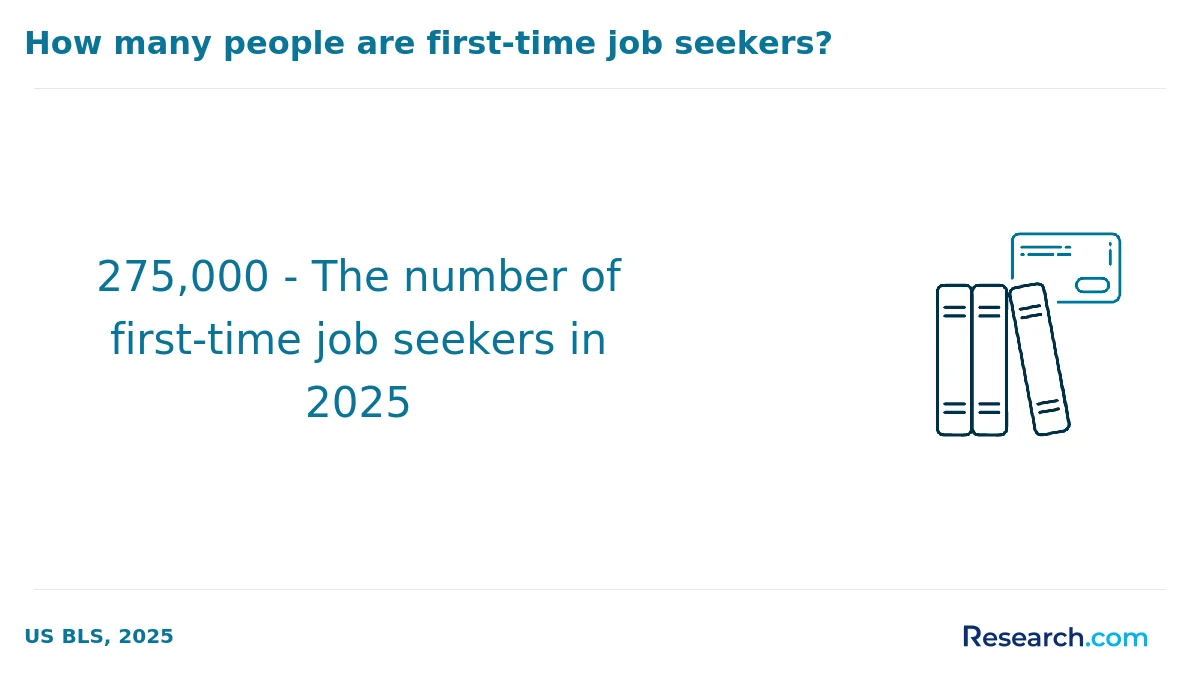
Trade school certification courses in Bedford commonly focus on practical, career-ready skills that meet local industry demands. Graduates from Middlesex Community College's Bedford campus often highlight hands-on experience with programs like the Electronics Technician, which covers solid technical foundations such as electronics basics, SolidWorks CAD, soldering standards, and OSHA safety. Others appreciate the concise Business Computer Application Certificate, gaining valuable office software competencies essential for administrative roles.
Other certificate programs offered in Bedford trade schools provide diverse pathways, such as FAA Certification Ground School, teaching vital aviation knowledge including weather theory, emergency protocols, and drone safety-ideal for those pursuing FAA licensing. Business-focused learners find courses in technical writing and entrepreneurship especially useful, with options tailored to digital and photography-based careers.
Trade schools like the Greater New Bedford Vocational Technical Institute extend offerings into skilled trades such as Carpentry, Welding, Plumbing, and Electrical. Evening classes and licensure renewals offer flexible schedules, attracting working adults aiming to upskill or comply with state requirements.
For those considering HVAC specialization, several students mention the advantages of most affordable hvac trade school programs online as complementary options to Bedford's local training.
Choosing the best trade school programs in Bedford starts with verifying accreditation and state board recognition to ensure certifications are valid for local employers. Graduates from Bedford's technical colleges often highlight how programs aligned with State Board requirements provided confidence when applying for electrical licensure or similar credentials.
Cost transparency is vital when comparing Bedford trade certification costs. Prospective students frequently share relief when discovering grant options or financial aid targeting underemployed residents, reducing upfront expenses. Alongside tuition, consider materials and exam fees to avoid surprises.
Graduates often praise trade schools offering hands-on training and flexible schedules, which fit busy lifestyles and promote practical skill-building. Popular Bedford colleges emphasize industry connections, internships, and apprenticeship opportunities that lead directly to jobs.
Lastly, researching programs that include credentials like OSHA 10 or Certified Manufacturing Associate helps align learning with regional employment trends. Many find that exploring easiest trade jobs to study that pay the most complements their decision process by illustrating viable career paths after certification.
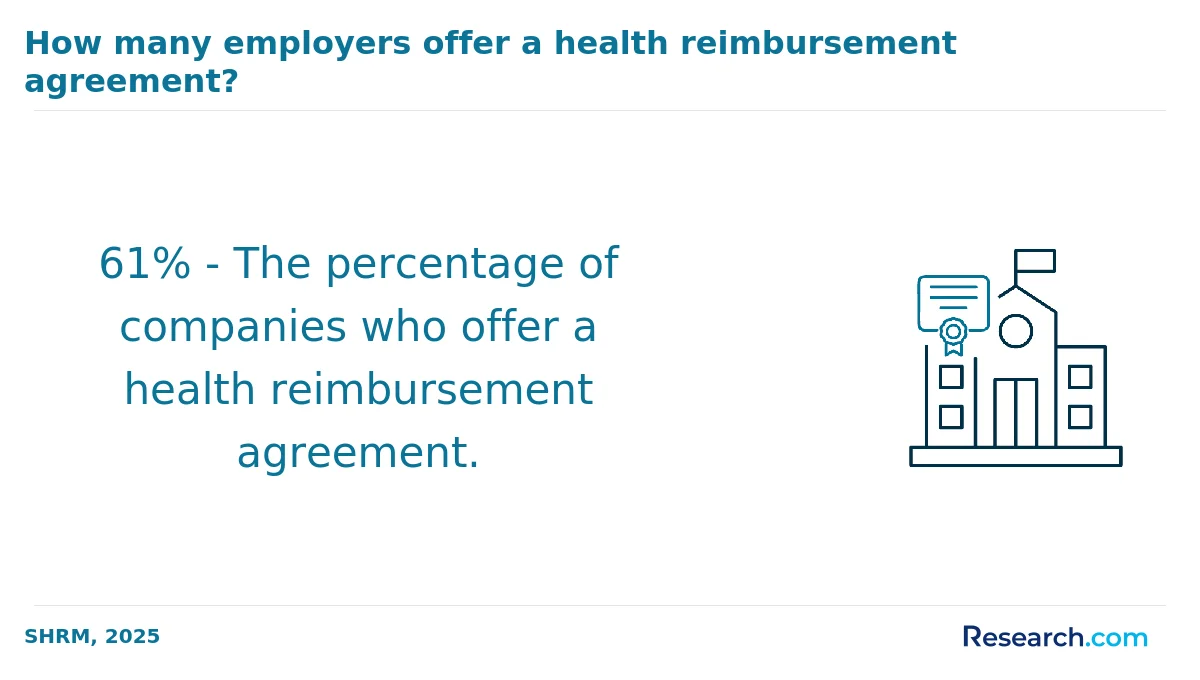
Trade school certification program graduates in Bedford have access to diverse career paths that match local industry demands. Many find rewarding opportunities in skilled trades such as welding, carpentry, plumbing, and automotive technology. Graduates from institutions like Old Colony Career Technical Institute and Greater New Bedford Vocational Technical Institute share how hands-on training and placement support made stepping into these roles feel achievable and promising. Local manufacturers and construction companies actively seek such skilled workers, reflecting strong trade school career opportunities in Bedford.
Healthcare certificates from campuses such as Middlesex Community College enable immediate employment as medical assistants or EKG technicians in clinics and hospitals, fostering confidence and stable incomes. Business, IT, and office management credentials unlock options for administrative and support roles across the region, appealing to those seeking flexibility. Bedford vocational program graduate jobs also exist in public service sectors like law enforcement and emergency services, where graduates can directly contribute to community safety.
For students curious about automotive careers, exploring auto mechanic certification programs can be a gateway to steady employment and skill development.
Bedford trade school graduate employment rates reflect a dynamic job market where industry-recognized certifications often carry more weight than traditional degrees. Graduates from local institutions like Middlesex Community College share experiences of swift hiring in healthcare, IT, and advanced manufacturing sectors, which consistently seek certified professionals. This demand is underscored by labor data highlighting that about 25% of Bedford job postings explicitly require certification, offering wages above the Massachusetts average.
These career opportunities for certified professionals in Bedford are further strengthened by registered apprenticeship programs, which boast a 93% employment retention rate post-completion and an average annual salary of $77,000. Graduates commonly note the advantage of "earn while you learn" models, which combine hands-on experience with credentialing, a crucial factor for those balancing work and study.
Local career centers and trade schools actively bridge the gap between training and employment, enhancing job placement success. For anyone exploring a career in the trades, Bedford offers a supportive environment where certification leads to rewarding and stable roles.
Most Affordable Certificate Programs - Leading Certification Courses in Bedford for 2026
# 1 position
Middlesex Community College - Dental Assisting/Assistant.
certificate or diplomaThe Dental Assisting/Assistant program at Middlesex Community College is a hybrid course designed to prepare students for patient care, dental radiography, and office administrative tasks under dentist supervision. The curriculum covers medical record-keeping, equipment maintenance, sterilization, chairside assisting, and patient care. The annual in-state tuition is $6,048. Graduates earn a median salary of $55,428 one year after completing the program. The program is accredited by the New England Commission on Higher Education.
# 2 position
Middlesex Community College - Phlebotomy Technician/Phlebotomist.
certificate or diplomaThe Phlebotomy Technician/Phlebotomist program at Middlesex Community College is a hybrid program that prepares students to draw blood samples using various techniques under professional supervision. It covers vascular anatomy, blood physiology, venipuncture, specimen handling, and safety procedures. The program has an annual in-state tuition of $6,048 and is accredited by the New England Commission on Higher Education.
# 3 position
Middlesex Community College - Nursing Assistant/Aide and Patient Care Assistant/Aide.
certificate or diplomaThe Nursing Assistant/Aide and Patient Care Assistant/Aide program at Middlesex Community College offers a hybrid format with some distance-education options. It prepares students to perform routine nursing-related tasks under the supervision of a registered or licensed practical nurse in hospitals or long-term care facilities. The program is accredited by the New England Commission on Higher Education. Annual in-state tuition is $6,048.
Frequently Asked Questions about trade school certificates
After completing trade school certification programs in Bedford, effectively preparing for the job market is essential. Begin by updating your résumé to highlight your specific technical skills and certifications relevant to local industries. According to the Bureau of Labor Statistics, skilled trade jobs in Massachusetts have a projected growth rate of 6% over the next decade, indicating strong demand.
Networking is critical; connect with local employers through job fairs and workforce development centers in Bedford, such as the Merrimack Valley Workforce Board. These resources often offer job placement assistance and career counseling.
Additionally, obtaining apprenticeships or internships can provide practical experience and enhance employability. Many trade programs in Bedford have partnerships with local businesses to facilitate such opportunities, improving graduate job placement rates significantly.
Employers in Bedford highly value practical technical skills in trade school certification graduates. Proficiency in areas such as electrical systems, plumbing, HVAC, or automotive repair is often prioritized. According to the U.S. Bureau of Labor Statistics, employers in these fields look for hands-on experience and the ability to apply knowledge effectively on the job.
Beyond technical competence, soft skills are critical. Communication, problem-solving, and teamwork are among the top attributes employers seek, as noted by a 2023 survey from the National Skills Coalition.
Reliability and punctuality also rank high, with local Bedford employers emphasizing these traits during hiring.
Understanding workplace safety standards is another essential skill, given the emphasis on compliance in trade industries.
Finding internships in Bedford relevant to your trade school certification program involves several strategic steps. Start by visiting local trade schools and community colleges, which often have partnerships with businesses offering internships. The Bedford Workforce Development Center is another valuable resource, providing listings and guidance tailored to regional trades.
Another effective method is to explore online platforms like Handshake and Internships.com, filtering for opportunities in Bedford and your specific trade. According to the National Association of Colleges and Employers, nearly 60% of successful internships are found through school connections or direct employer websites.
Networking with local trade unions and attending career fairs can also increase your chances. Bedford's local chamber of commerce and industry-specific groups regularly post openings and host events connecting interns with employers.
Trade school certification programs in Bedford offer practical skills that align closely with local industry demands, enhancing career mobility for graduates. Employers often seek candidates with recognized certifications because they demonstrate verified competencies, increasing job placement rates by up to 25% according to recent workforce reports from the Massachusetts Executive Office of Labor and Workforce Development. These certifications can also lead to higher wages; a Bedford Trades Industry Survey noted that certified workers typically earn 15 to 20% more than uncertified peers. Additionally, trade certifications provide clear pathways for advancement, allowing professionals to qualify for supervisory roles or specialized positions more quickly than through on-the-job experience alone.
Part-time job opportunities in Bedford can effectively complement trade school certification programs by providing practical experience alongside formal education. Many students seek roles in fields such as automotive repair, electrical work, or healthcare support, which align closely with their study areas.
According to data from the U.S. Bureau of Labor Statistics and regional job boards, entry-level positions like technician assistants, medical aides, and maintenance helpers are commonly available. These roles allow students to apply their skills in real-world settings while earning income.
Furthermore, employers in Bedford often value candidates with both certification and part-time work experience, enhancing employment prospects after program completion.
To find the most affordable degree program near me, consider researching local colleges and universities that offer degree programs with competitive tuition rates. For options specifically near Bedford, MA, you might explore institutions in the Greater Boston area which could provide a range of programs with varying costs. Research.com can serve as a helpful resource in identifying and comparing different programs and tuition fees to find the most suitable and cost-effective option for you.
- Learn, Earn, and Succeed with Registered Apprenticeship | Mass.gov https://www.mass.gov/info-details/learn-earn-and-succeed-with-registered-apprenticeship
- Fees - Bedford https://www.bedford.edu.au/how-to-apply/international-students/fees/
- Trade School vs. College: Weighing cost, timelines & More https://www.midwesttech.edu/resources/careers/trade-school-vs-college-a-guide-to-weighing-your-options/
- Trade School vs. Traditional University | North American Trade Schools https://nats.ca/Home/NewsArticle/trade-school-vs-traditional-university/
- T Levels | The Bedford College Group | Further & Higher Education https://bedfordcollegegroup.ac.uk/study/school-leavers/tlevels/
- Trade School vs College: What You Need to Know - Tlingit & Haida https://tlingitandhaida.gov/news/trade-school-vs-college-what-you-need-to-know/
- The Role of Vocational Education in Social Mobility - Mas National Mas National https://masnational.com.au/blog/the-role-of-vocational-education-in-social-mobility/
- Vocational vs. Trade School: Choosing the Right Path https://www.genesiscareer.edu/vocational-vs-trade-school-guide/
- Part Time Student Jobs in Bedford - Updated Daily | Part Time Student Job Vacancies Bedford https://www.totaljobs.com/jobs/part-time-student/in-bedford
- Voc-tech tension - MassINC https://massinc.org/2017/04/13/voc-tech-tension/