
Most Affordable Associate Degree Programs - Leading Certification Courses in Utah for 2026

Co-Founder and Chief Data Scientist
Choosing the right associate degree program can feel overwhelming, especially when budget matters. This article introduces the most affordable associate degree programs in Utah for 2026, designed to guide you through your options with confidence.
The ranking featured here was developed by the Research.com team of data scientists to help you identify trade school programs that offer great value and strong outcomes.
Discover opportunities that fit your goals and finances while building skills for a rewarding career path. Taking this step can open doors to new possibilities and personal growth.
Key benefits of associate degrees in Utah
- Associate degree holders in Utah can expect solid salaries, such as $44,178 annually for Operations Administrative Assistants and $42,713 for Technical Administrative Assistants, with typical earnings between $28,000 and $44,000 depending on the career.
- Graduates from Utah schools like Weber State University earn around $40,214 early in their careers, while Southern Utah University graduates may start near $24,258, showing diverse rewarding career paths across the state.
- Choosing an online associate degree offers flexibility and convenience, allowing students to balance studies with other commitments while gaining valuable skills that employers appreciate in Utah's growing job market.
- Most Affordable Associate Degree Programs - Leading Certification Courses in Utah for 2026
- What can I expect from associate degree programs in Utah?
- Where can I work after finishing associate degree programs in Utah?
What can I expect from associate degree programs in Utah?
The average cost of an associate degree program in Utah is notably affordable, with in-state tuition often ranging from about $1,965 to under $3,000 per year. For many students attending schools like Snow College, this means managing education expenses without overwhelming debt. Graduates frequently share how this affordability allowed them to focus more on learning than on financial stress. At Utah Tech University, students appreciate the under $3,000 yearly tuition, especially when combined with widespread financial aid options, including federal and state grants, scholarships, and work-study programs.
Students can expect flexible pathways as well, with many associate degrees available fully online, accommodating those balancing jobs or family. This flexibility resonates deeply with working adults and parents, who find joy in progressing their education without leaving home. Beyond cost, the transferable credits from Utah State University's associate programs open doors to bachelor's degrees, making the investment even more valuable for long-term career goals.
Where can I work after finishing associate degree programs in Utah?
After finishing an associate degree program in Utah, many graduates find themselves stepping confidently into well-paying, in-demand roles. For instance, graduates from Salt Lake Community College often share how their IT degrees landed them entry-level tech jobs as help desk analysts or network technicians right in the heart of Salt Lake City's booming Silicon Slopes. This area is thriving with opportunities in information technology and cybersecurity, perfect for those eager to start a technology career locally.
Nursing and medical assisting programs at Utah Valley University illustrate another common path-graduates quickly secure roles as registered nurses or medical assistants in hospitals and clinics statewide. The growing healthcare needs due to Utah's increasing population create consistent demand, making job searches less stressful and more hopeful.
On the manufacturing and skilled trades side, graduates from Weber State report starting as manufacturing technicians or electricians, enjoying strong wages around $20 to $28 per hour and steady work in growing industries. Overall, pursuing an associate degree in Utah connects students directly with employers hungry for skilled workers, opening doors to meaningful and stable careers close to home.
After finishing an associate degree program in Utah, you can expect an average annual salary of about $37,623, which breaks down to roughly $18.09 per hour. For many graduates from popular institutions like Weber State University, early career earnings can be even higher-with some reporting starting salaries near $40,214 annually. Picture yourself stepping into an administrative assistant role, where pay ranges between $42,713 and $44,178 a year, reflecting tangible financial progress just two years after starting college.
Keep in mind that wages vary widely depending on your chosen field. Technical roles or healthcare technician positions tend to offer better pay, while entry-level administrative or production assistant jobs might begin closer to $15 to $17 per hour. The positive takeaway is clear: earning an associate degree in Utah opens doors to competitive salaries that can support a comfortable lifestyle, especially when you consider how many graduates find steady employment shortly after completing their studies.
- Emily: Earning my Associate Degree in Nursing at a Utah trade school was life-changing. The hands-on training and supportive instructors prepared me perfectly for the hospital environment. Now, as a licensed nurse, I feel confident and valued in my career, knowing my education truly made a difference.
- Jason: I completed my Associate Degree in Automotive Technology in Utah, and it's been a game-changer. The practical skills I gained at the trade school helped me land a great job at a local dealership. I love fixing cars and having a stable, rewarding career right here in Utah.
- Maria: Studying Graphic Design at a Utah trade school gave me the creative skills and technical know-how to succeed. The small class sizes meant personalized learning and real-world projects. Now, working for a marketing firm, I feel proud that my associate degree opened doors I never imagined.
- Most Utah colleges require a high school diploma or GED, with some allowing provisional acceptance for lower GPAs; TOEFL iBT scores of 61 or higher are needed for non-native English speakers.
- Associate degrees require at least 60 college-level credits, including general education and sometimes foreign language courses, with a minimum 2.0 cumulative GPA to graduate.
- Annual tuition for Utah residents ranges from about $4,900 at Utah State University Eastern to $8,779 at Utah State University's main campus, with no typical application fees for residents.
- Starting salaries for associate degree holders in Utah generally range from $32,000 to $39,000 per year, rising to $45,000-$55,000 in high-demand fields over time.
Completing an associate degree program in Utah generally takes about two years when attending full-time, which means enrolling in at least 12 credits each semester. For many students at popular schools like Utah Valley University, this pace allows them to finish in just four semesters, balancing coursework with personal responsibilities.
Graduates often reflect on how managing approximately 60-63 credits for Associate of Arts or Science degrees felt achievable within this timeframe, providing a clear path to an early career or further education. However, some technical and trade-focused programs require more credits-up to 85-which can extend the timeline slightly, yet students still find satisfaction knowing they are building specialized skills.
Part-time students experience a different rhythm. They may take longer than two years, but schools in Utah, such as community colleges, offer flexible schedules and allow up to five years for degree completion. This flexibility empowers students to pursue their goals without sacrificing work or family time, making the journey both realistic and rewarding.
Choosing between online and on-campus associate degree programs in Utah often comes down to how you want to experience college life. Graduates from the University of Utah who took online courses appreciated the freedom to study around their family and work schedules, logging in at midnight if needed to finish assignments. It's flexible, designed for students juggling busy lives or those living far from campus.
On the other hand, students physically attending Salt Lake Community College describe the energy of campus-meeting peers face-to-face, accessing the gym, joining clubs, and enjoying spontaneous study groups. There's a sense of belonging and routine that online studies can't fully replicate.
Tuition differences add another layer: online programs, like UOnline, charge a flat rate for all Utah and out-of-state students, making education more affordable for nonresidents. Meanwhile, on-campus tuition varies, often costing more for those from outside Utah.
Both paths share rigorous academics and respected degrees, so your choice often hinges on lifestyle and personal connections rather than quality alone.
The average cost of associate degree programs in Utah varies significantly depending on the chosen school and residency status. Graduates from Utah State University report tuition costs around $8,780 for a typical two-year path, while those attending Utah Valley University pay closer to $12,032. These figures reflect tuition alone and exclude mandatory fees and living expenses, which easily increase the total cost. Many students who live on campus or independently face annual costs reaching up to $24,132 due to housing, food, and other essentials, making budgeting a critical part of the educational journey.
Utah community college tuition and fees provide a more affordable alternative for students aiming to minimize debt. Community colleges and online programs offer competitive pricing that many find accessible and manageable, which helps explains why some graduates feel a strong sense of financial relief and accomplishment upon completion. Non-resident students, however, encounter steeper tuition rates-sometimes exceeding $18,000 annually-that can push total yearly expenses near $36,000, a significant investment requiring careful planning.
Many graduates emphasize the importance of exploring state and federal financial aid options, scholarships, and grants that substantially lower out-of-pocket costs. The right aid package can transform the experience, making education at these popular Utah institutions feel much more attainable and rewarding. For those interested in expedited career-ready credentials, exploring top paying 6 month certificate programs online provides encouraging alternatives with potentially quicker returns on investment.
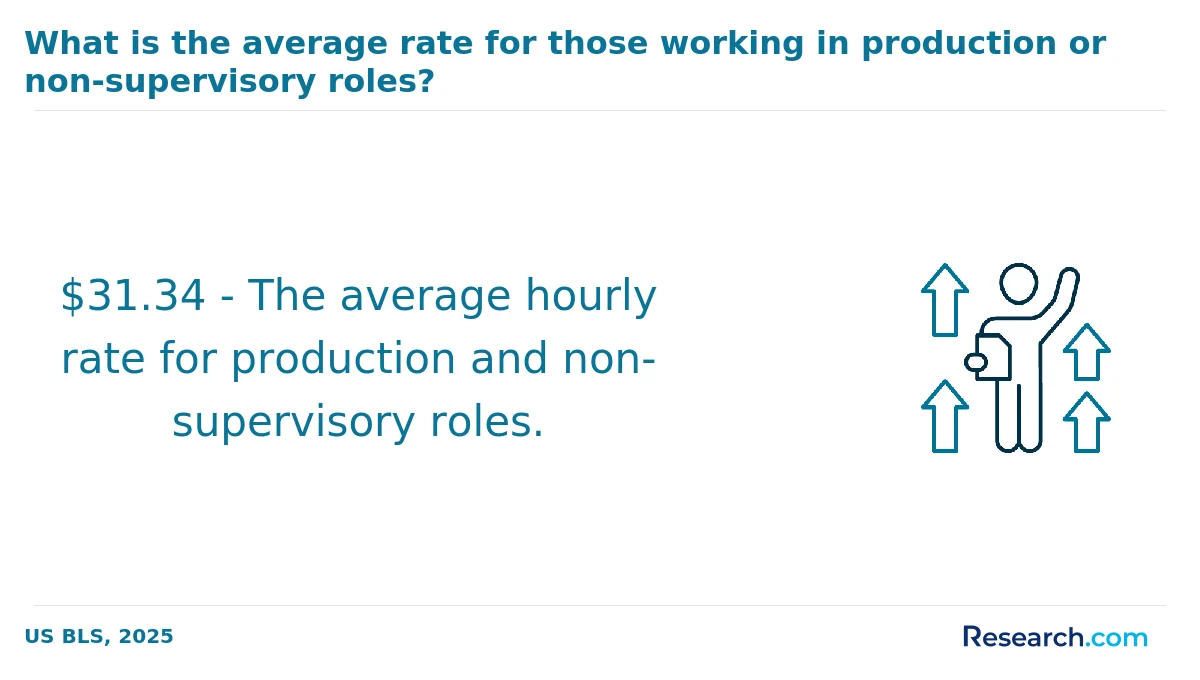
Students pursuing associate degrees in Utah often find federal financial aid to be a lifeline, especially through the FAFSA application. Completing the FAFSA opens doors to funding like the Federal Pell Grant, which many graduates from Utah State University have praised for easing their tuition burdens without the stress of repayment.
Work-study programs are another vital option, allowing students at schools like Salt Lake Community College to balance earning money with gaining real work experience on or near campus. This kind of support not only helps cover expenses but also builds skills employers value.
Scholarships add an exciting layer of opportunity. At Utah Valley University, for example, admitted students are thrilled to find merit-based awards and tuition waivers that recognize their academic achievements or community involvement. These forms of aid, especially when applied for before priority deadlines, often transform the college journey into an attainable and empowering experience for those pursuing their associate degrees in Utah.
To enroll in an associate degree program in Utah, students must first demonstrate a solid academic foundation, typically through a high school diploma or recognized equivalent such as a GED, HiSET, or TASC certification. Graduates from Utah's public colleges often recall how this initial step felt both reassuring and motivating, knowing it reflected their readiness to tackle college-level work.
GPA requirements vary significantly across institutions. For example, applicants to Utah State University often need at least a 2.8 GPA, while some students with GPAs as low as 2.0 can pursue alternative admission routes. At Southern Utah University, even provisional acceptance is possible for those with lower GPAs, providing hope and opportunity for determined learners.
- Standardized tests like the ACT or SAT are mostly optional, easing stress for many hopefuls.
- English proficiency proof, such as a TOEFL iBT score of 61, is essential for non-native speakers, opening doors to a diverse student community.
Students remember how meeting these requirements made their goal feel tangible, turning the dream of earning an associate degree at Utah Tech or another school into an achievable reality.
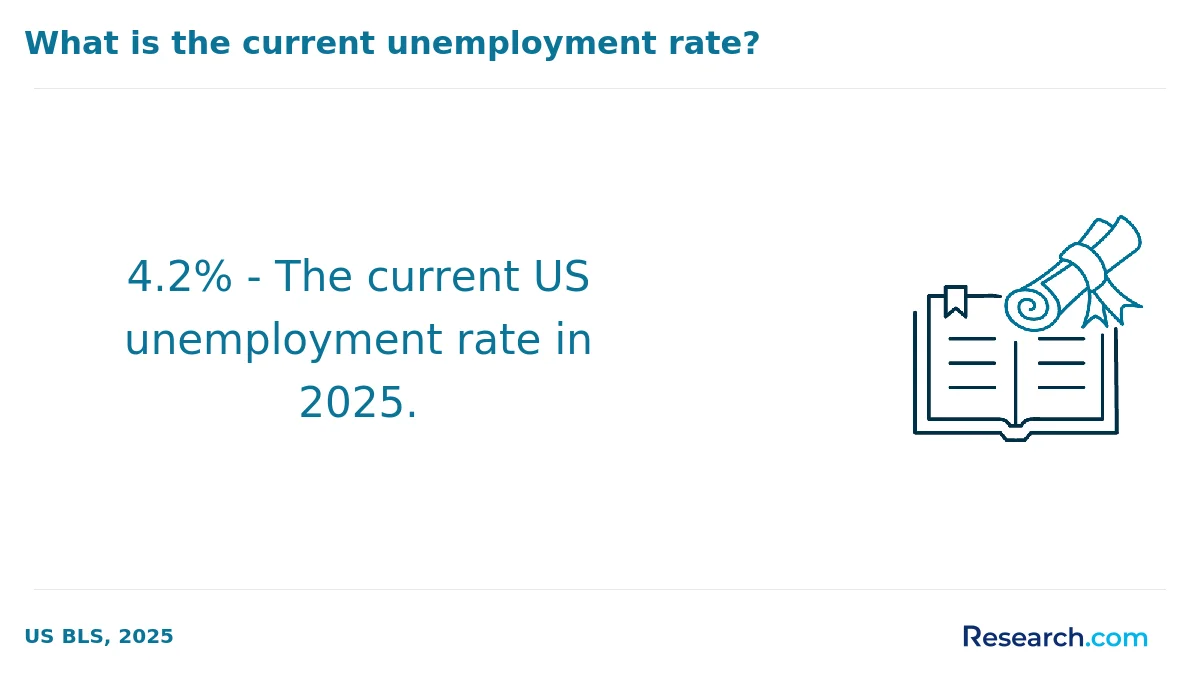
Typical associate degree courses in Utah balance general education with focused major studies, enabling students to build broad academic skills alongside specialized knowledge. Graduates from Utah Tech University and Utah Valley University often reflect on how completing general education requirements gave them confidence in critical thinking and effective communication.
Utah general education requirements for associate degrees usually include:
- English composition (3-7 credits)
- Mathematics (3-5 credits)
- American Institutions like U.S. history or government (3-6 credits)
- Life sciences (3-10 credits)
- Physical sciences (3-5 credits)
- Fine arts (3 credits)
- Literature or humanities (3 credits)
- Social and behavioral sciences (3 credits)
Electives ensure flexibility, letting students pursue passions or explore interests beyond their major. For those aiming to continue education, the requirement at Utah Tech to complete at least 20 credits in residence provides a sense of community and belonging. For students considering further study, the easiest master degree pathways can be a motivating next step after their associate degree journey.
Choosing the best associate degree program in Utah hinges on factors like accreditation and program reputation. Graduates from Salt Lake Community College often share how its regional accreditation gave them confidence in transferring credits and pursuing further studies. Weber State University alumni speak highly of the sense of achievement from well-ranked programs that boosted their early-career salaries, reflecting real value.
Cost plays a huge role. Many students appreciate Salt Lake Community College for its competitive tuition, which fits well with those managing tight budgets. To dig deeper into affordability, consider exploring resources like the cheapest associate programs online to find suitable options.
Flexibility is equally important. Graduates balancing family duties rave about online and hybrid course options offered by several Utah colleges, helping them maintain a healthy life-study balance. Finally, focus on career outcomes: programs tied to local employers or hands-on training often lead to rewarding jobs, making your investment worthwhile when choosing the best affordable associate degree programs in Utah.
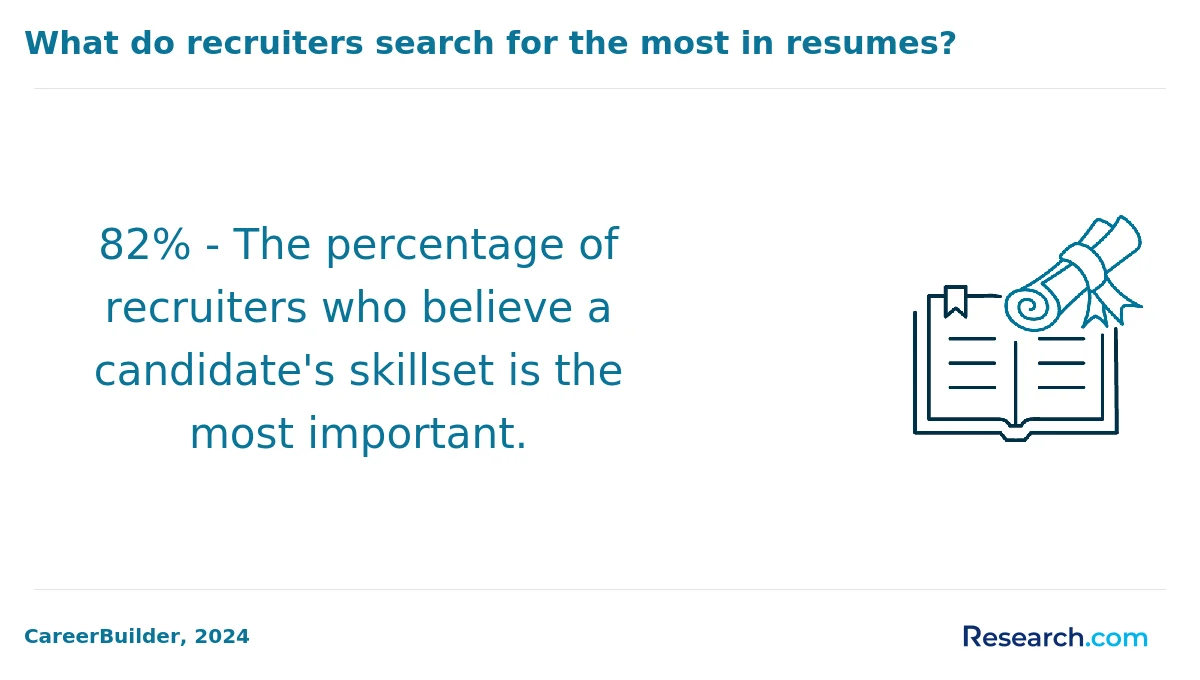
Associate degree graduates in Utah find themselves stepping into diverse career paths fueled by the state's expanding industries. Many graduates from popular institutions in Utah share stories of quickly landing roles in healthcare as Registered Nurses or Dental Hygienists, thanks to high demand and solid training they received. Practical skills gained at these schools open doors to dynamic career paths that don't require a four-year degree but still offer strong earning potential and job satisfaction.
Examples of rewarding career options for those pursuing Utah associate degree career paths include:
- Healthcare jobs like Respiratory Therapist and Physical Therapist Assistant, especially amid Utah's growing population
- Business roles such as Executive Assistant and Project Coordinator, leveraging communication and tech skills
- Technology support positions, including Technical Support Analyst or Service Desk Technician
- Education support roles like Teaching Assistant and Education Coordinator, particularly in K-12 settings
- Skilled trades like Electrician or Welding Technician, where hands-on training from associate programs matters
Graduates often emphasize the convenience and practicality of studying locally at well-regarded colleges. Many highlight programs that focus on real-world experience, helping them transition smoothly to the workforce. If you're exploring affordable options, Utah also boasts accredited online colleges offering free enrollment applications, empowering students to start careers without financial barriers.
With over 1,600 associate degree-level jobs advertised statewide regularly, opportunities are abundant. The high demand jobs with associate degree in Utah reflect the state's commitment to skills-based hiring and career-focused education.
The job market for associate degree graduates in Utah is notably favorable, characterized by a 3.3% unemployment rate well below the national average. This robust environment translates into strong Utah associate degree employment outlooks, especially in high-demand fields like education, health services, and leisure and hospitality. Graduates from popular institutions in Utah report quickly finding roles such as medical assistants or early childhood educators, directly applying their skills.
Many graduates from these programs witness tangible benefits, including:
- Average hourly wages around $21.54, or roughly $44,800 annually for full-time work
- Higher earning potential for graduates with Associate of Applied Science (AAS) degrees starting with quarterly earnings over $9,000
- Positive workforce outcomes reported by 85% of associate degree holders within six months of graduation
These outcomes are often observed by students attending Utah's top colleges, where practical training combines with growing job opportunities. For those considering career pathways from associate degrees, tapping into resources like the best trade jobs can provide clarity and confidence in navigating the strong associate degree job opportunities in Utah.
Most Affordable Associate Degree Programs - Leading Certification Courses in Utah for 2026
# 1 position
Ensign College - Information Technology.
associateEnsign College offers a hybrid Information Technology program focusing on designing technological information systems to support business and research data needs. The curriculum covers computer hardware, software components, algorithms, databases, telecommunications, user tactics, application testing, and human interface design. The program’s annual in-state tuition is $3,888. It is accredited by the Northwest Commission on Colleges and Universities, providing a recognized credential in IT education.
# 2 position
Ensign College - Computer Systems Networking and Telecommunications.
associateEnsign College offers a Computer Systems Networking and Telecommunications program with a hybrid format that includes some distance education options. The program emphasizes the design, implementation, and management of linked computer systems, peripherals, and software to enhance efficiency and productivity. It covers operating systems, networking theory, network management, security, and troubleshooting. Annual in-state tuition is $3,888. The program is accredited by the Northwest Commission on Colleges and Universities.
# 3 position
Ensign College - Computer and Information Systems Security/Auditing/Information Assurance.
associateEnsign College offers a hybrid program in Computer and Information Systems Security/Auditing/Information Assurance designed to prepare students to assess and manage security needs of computer and network systems. The curriculum covers computer architecture, programming, networking, cryptography, security auditing, law, risk assessment, contingency planning, investigation techniques, and troubleshooting. Annual in-state tuition is $3,888. The program is accredited by the Northwest Commission on Colleges and Universities.
# 4 position
Ensign College - Legal Assistant/Paralegal.
associateThe Legal Assistant/Paralegal program at Ensign College offers a hybrid learning format, combining distance education with on-site instruction. It prepares students for research, drafting, investigatory, and administrative tasks under attorney supervision. The curriculum covers legal research, document drafting, pleading, courthouse procedures, and legal specializations. Annual in-state tuition is $3,888. The program is accredited by the Northwest Commission on Colleges and Universities.
# 5 position
Ensign College - Interior Design.
associateThe Interior Design program at Ensign College offers a hybrid format with some distance-education options. It prepares students to professionally plan, design, and furnish interior spaces using artistic principles and technical skills. The curriculum covers computer applications, drafting, lighting, acoustics, furniture, textiles, and building codes. Annual in-state tuition is $3,888. Median earnings one year after completion are approximately $23,918. The program is accredited by the Northwest Commission on Colleges and Universities.
# 6 position
Ensign College - Accounting.
associateThe Accounting program at Ensign College is fully online, offering flexible 100% distance learning. It prepares students to practice accounting and perform related business functions through comprehensive instruction in various accounting principles, auditing, tax accounting, and professional ethics. The program is accredited by the Northwest Commission on Colleges and Universities. Annual in-state tuition is $3,888, providing an accessible option for students pursuing accounting education remotely.
# 7 position
Ensign College - Marketing/Marketing Management, General.
associateEnsign College offers a Marketing/Marketing Management, General program that prepares students to manage consumer audiences and product distribution. The curriculum covers buyer behavior, marketing research principles, demand analysis, pricing theory, and strategic planning. Students also learn about advertising, sales operations, consumer relations, and retailing. The annual in-state tuition is $3,888. The program is accredited by the Northwest Commission on Colleges and Universities.
# 8 position
Salt Lake Community College - Computer and Information Sciences, General.
associateSalt Lake Community College offers a hybrid program in Computer and Information Sciences, General, focusing on computing, computer science, and information science systems. The annual in-state tuition is $4,257. Graduates earn a median salary of $55,961 one year after completing the program. This undifferentiated program is accredited by the Northwest Commission on Colleges and Universities and includes some distance-education options.
# 9 position
Salt Lake Community College - Automobile/Automotive Mechanics Technology/Technician.
associateSalt Lake Community College offers a hybrid Automobile/Automotive Mechanics Technology/Technician program that prepares students to repair, service, and maintain various automobile systems. Instruction covers brake systems, electrical systems, engine performance and repair, suspension and steering, transmissions, and heating and air conditioning. The program's annual in-state tuition is $4,257, and graduates earn a median salary of $51,047 one year after completion. It is accredited by the Northwest Commission on Colleges and Universities.
# 10 position
Salt Lake Community College - Criminal Justice/Safety Studies.
associateSalt Lake Community College offers a hybrid Criminal Justice/Safety Studies program that covers criminal law, policy, and the organization of police and correctional systems. The curriculum addresses the administration of justice, judiciary, and public attitudes toward criminal justice issues. Annual in-state tuition is $4,257. Graduates earn a median salary of $44,042 one year after completion. The program is accredited by the Northwest Commission on Colleges and Universities.
Frequently Asked Questions about associate degree programs
After earning an associate degree in Utah, job market preparation should begin with skill alignment. Research from the Utah Department of Workforce Services shows that healthcare, IT, and skilled trades are strong employment sectors for graduates. Tailoring your resume to highlight relevant skills gained during your degree is essential.
Networking plays a critical role. Many Utah community colleges offer career fairs and alumni connections that can lead to job opportunities. Additionally, utilizing the Utah Public Job Board can provide localized listings.
Consider internships or part-time positions in your field to gain experience. According to the National Center for Education Statistics, associate degree holders with related experience find jobs faster and earn higher salaries in Utah's competitive market.
Employers in Utah highly value both technical abilities and soft skills in associate degree graduates. Key technical skills include proficiency in computer applications, especially Microsoft Office and basic data analysis, which align with the state's growing tech and healthcare sectors. According to the Utah Department of Workforce Services, over 70% of job postings for associate-level roles ask for strong problem-solving skills and attention to detail.
Soft skills such as effective communication, teamwork, and adaptability are also essential. A report by the Utah Workforce Research found that 85% of employers rate communication skills as critical for workplace success. Furthermore, reliability and a strong work ethic are frequently emphasized in hiring decisions across industries.
Finding internships in Utah that match your associate degree program requires a strategic approach. Begin by utilizing the career services at your college or community college, as many institutions maintain partnerships with local businesses. For example, Salt Lake Community College offers resources connecting students to internships in healthcare, technology, and business fields.
Additionally, explore Utah's Department of Workforce Services, which lists internship opportunities across multiple industries. According to the bureau's 2023 report, internships in technical fields increased by 15% over the previous year, reflecting strong local demand.
Networking through professional organizations related to your field can uncover hidden internship options. Websites like Handshake also aggregate internship listings tailored to Utah students, making them a valuable tool. Planning early and actively engaging with these resources improves your chances of securing meaningful internships.
In Utah, earning an associate degree can significantly enhance career mobility and advancement opportunities. According to the Utah System of Higher Education, individuals with associate degrees earn approximately 25% more on average than those with only a high school diploma. Many technical and healthcare fields in Utah value associate degrees for entry-level positions, making it easier for graduates to enter stable industries.
Additionally, an associate degree often serves as a stepping stone toward bachelor's degrees, supporting further advancement. Utah's strong community college network facilitates credit transfers, helping students progress efficiently. The Utah Department of Workforce Services highlights that nearly 60% of associate degree holders report better job security and promotion potential within five years of graduation.
Part-time job opportunities in Utah that complement associate degree education are often found in healthcare, technology, and business sectors. For example, students with an associate degree in nursing can work as certified nursing assistants or medical aides. According to the Utah Department of Workforce Services, healthcare support jobs are growing rapidly in the state, offering flexible schedules for students.
Technology-related roles such as IT support specialists or web developers also align well with associate degrees in computer science or information technology. Many employers in Utah value practical skills alongside formal education.
Additionally, retail management or administrative assistant positions benefit those studying business or management programs. These jobs offer experience directly linked to degree content and improve workplace skills.
To find the most affordable degree program near me in Utah, start by researching the universities near Utah, specifically focusing on in-state tuition rates and available financial aid. Consider using resources like Research.com to compare tuition costs, program offerings, and student reviews for a comprehensive understanding. It is also beneficial to look into community college transfer options and scholarship opportunities to minimize expenses while obtaining a quality education.
- Most Affordable Associate Degree Programs - Leading Certification Courses in Nevada for 2026
- Most Affordable Associate Degree Programs - Leading Certification Courses in Arizona for 2026
- Most Affordable Associate Degree Programs - Leading Certification Courses in Colorado for 2026
- Most Affordable Associate Degree Programs - Leading Certification Courses in California for 2026
- Most Affordable Associate Degree Programs - Leading Certification Courses in Oregon for 2026
- Most Affordable Associate Degree Programs - Leading Certification Courses in Washington for 2026
- Most Affordable Associate Degree Programs - Leading Certification Courses in Nebraska for 2026
- Most Affordable Associate Degree Programs - Leading Certification Courses in South Dakota for 2026
- Most Affordable Associate Degree Programs - Leading Certification Courses in North Dakota for 2026
- Most Affordable Associate Degree Programs - Leading Certification Courses in Kansas for 2026
- Turning An Associate Degree into a Bachelor’s Degree https://bachelors-completion.northeastern.edu/knowledge-hub/turn-associate-degree-to-bachelors-degree/
- How Should I List Multiple Degrees After My Name? | ProFellow https://www.profellow.com/askdrjohnson/how-should-i-list-multiple-degrees-after-my-name/
- Online vs Traditional School: A Look at the Pros and Cons https://www.uopeople.edu/blog/online-colleges-vs-traditional-colleges/
- Programs: Majors/Minors/Graduate/Associate - SUU https://www.suu.edu/programs/
- Accelerated Business Degree AS | SLCC https://www.slcc.edu/workforce-training/program/accelerated-business-as.aspx
- How to Properly List Your Academic Degrees and Credentials - ASET - The Neurodiagnostic Society https://www.aset.org/docs/individuals/how-to-properly-list-your-academic-degrees-and-credentials/
- Should I Intern if I'm in an Associate's Program? | Career Advice & Interview Tips | WayUp Guide https://www.wayup.com/guide/intern-im-associates-program/
- University Studies, A.A. | Utah Valley University Academic Catalog https://catalog.uvu.edu/education/student-leadership-success-studies/university-studies-aa/
- Utah Young Women More Concerned About Barriers to College Than Young Men Are, Reports USU UWLP https://www.usu.edu/today/story/utah-young-women-more-concerned-about-barriers-to-college-than-young-men-are-reports-usu-uwlp
- Financial Assistance | Huntsman | USU https://huntsman.usu.edu/mmis/financial-aid


