Most Affordable Associate Degree Programs - Leading Certification Courses in Kansas for 2026

Co-Founder and Chief Data Scientist
Choosing the right associate degree program in Kansas can feel overwhelming, but it doesn’t have to be. This article introduces a helpful ranking created by the Research.com team of data scientists to guide you through the most affordable options for 2026.
By exploring these programs, you’ll gain insight into quality trade schools that offer valuable skills without breaking the bank. Earning an associate degree opens doors to new opportunities and career growth, making your educational journey both practical and rewarding.
Take the first step toward a brighter future by learning which programs truly stand out.
Key benefits of associate degrees in Kansas
- Associate degree graduates in Kansas can earn strong salaries, from about $43,900 annually on average to over $159,120 for roles like air traffic controllers and around $134,100 for commercial pilots.
- Popular career paths for graduates include nursing, criminal justice, cybersecurity, and hospitality management, with most salaries near $49,500 yearly, offering solid opportunities across diverse fields.
- Completing an online associate degree from a respected Kansas school offers flexibility and convenience, helping students balance work and life while still reaching their education goals effectively.
- Most Affordable Associate Degree Programs - Leading Certification Courses in Kansas for 2026
- What can I expect from associate degree programs in Kansas?
- Where can I work after finishing associate degree programs in Kansas?
What can I expect from associate degree programs in Kansas?
Students looking at associate degree programs in Kansas will find them quite affordable compared to four-year universities. On average, community college tuition and fees come in much lower, making it easier for many to manage costs without piling up debt. For example, graduates from Seward County Community College often mention how the lower annual tuition helped them focus more on studying and less on financial stress.
Many students appreciate that with around two years of full-time study-typically about 60 credit hours-they can earn their associate degree without breaking the bank. Schools like Pittsburg State University, while mainly offering in-person classes, still maintain relatively reasonable tuition for associate programs.
Beyond just cost, students value the small classroom settings and the flexible options, including a mix of online classes, which means they can work or take care of family while pursuing their degree. This balance makes the overall experience not just affordable but also manageable and enjoyable for many Kansans.
Where can I work after finishing associate degree programs in Kansas?
After finishing an associate degree program in Kansas, you'll find plenty of career options waiting for you across the state. Graduates from popular schools in Wichita or Kansas City often share how quickly they landed jobs as registered nurses, radiologic technologists, or occupational therapy assistants at local healthcare facilities. Imagine working your first night shift at a hospital in Kansas City, knowing your skills are making a real difference.
Others with business or tech degrees have stepped into roles as IT support specialists or crime data analysts for companies right in downtown Wichita. Trade graduates talk about the satisfaction of fixing HVAC systems or wiring homes in smaller Kansas towns, where their expertise is essential and well-appreciated. The demand is strong everywhere-from bustling urban centers to quiet rural communities.
Many grads also land positions with local governments, helping keep public services running smoothly. With over 3,400 current job listings statewide specifically for associate degree holders, there's a real sense of opportunity and stability for people just like you starting out in Kansas.
Graduates from popular associate degree programs in Kansas often find themselves pleasantly surprised by their earnings. On average, they make about $49,500 a year, which is a solid 18% more than those with just a high school diploma in the state. Imagine a recent graduate from a Kansas community college stepping into a job that pays nearly $50k-it's not just a paycheck, but a real boost in financial independence.
Many grads share how their specific programs prepared them for higher-paying roles. For instance, air traffic controllers in the Kansas City area can earn an impressive $159,120 annually, while commercial pilots might make around $134,100. Even careers like elevator installers pull in over $120,000 a year, showing there are plenty of lucrative options waiting for associate degree holders.
Daily life feels more secure when you know your technical skills can land you roles like electrical drafters or cargo supervisors, earning upwards of $82,000. Graduates from well-known Kansas schools often mention feeling proud and confident walking into these jobs, knowing their education truly pays off.
- Jessica: Earning my Associate Degree in Nursing from a Kansas trade school was life-changing. The hands-on training prepared me thoroughly for my role as a registered nurse. I felt confident stepping into the workforce quickly, and the supportive instructors made every challenge manageable.
- Marcus: Getting my Associate Degree in Automotive Technology in Kansas was a smart choice. The practical skills I learned helped me land a job at a local dealership within months. The small class sizes allowed me to connect closely with experts, making the learning experience both effective and enjoyable.
- Sophia: Studying Business Administration at a Kansas technical college boosted my confidence and job prospects. The curriculum balanced theory with real-world application, leading to a fulfilling role in local management. I appreciated how the school's focus on career readiness made transition to employment smooth and rewarding.
- Admission typically requires a high school diploma, GED, or equivalent, with no minimum ACT or SAT scores usually needed for community college programs.
- Associate degree programs require at least 60 credit hours, with Applied Science degrees including 15 credit hours of general education and 30 credit hours of technical coursework.
- Average annual tuition and fees for in-state students at Kansas community colleges range from $3,500 to $4,000, totaling about $7,000 to $8,000 for a two-year program.
- Financial aid options such as state grants and scholarships are available to help manage costs.
- Median annual wages for associate degree holders in Kansas range from $38,000 to $52,000, with health-related roles often offering higher salaries and strong job growth.
Completing an associate degree program in Kansas usually takes about two years for full-time students. That's because most schools, like those popular community colleges in the state, structure the degree around roughly 60 to 65 credit hours. Many graduates recall packing 12 to 15 credits each semester, which helped them finish right on time and jumpstart their careers quickly.
For those balancing work or family, part-time study is common and might stretch the timeline to three or even five years. Take, for example, a student at a Kansas technical school who chose evening and weekend classes to manage their job and family commitments without feeling overwhelmed.
Some Kansas schools offer accelerated or hybrid programs, where courses run five to eight weeks or combine online and in-person sessions. Graduates often appreciate this flexibility, sharing how it let them move faster or fit school around busy lives.
Students with prior credits or certifications sometimes shave off even more time by transferring those in, which is a great way to make every hour count in your education journey.
The main difference between online and on-campus associate degree programs in Kansas is all about how and where you learn. In online programs, like those offered by popular schools such as Johnson County Community College or Wichita State University's campus, students handle all their classes and assignments online. Imagine logging in after your day job or while the kids nap, fitting your studies around real life. Graduates often say this flexibility helped them balance work, family, and school without feeling overwhelmed.
On the flip side, on-campus programs require you to be physically present. At schools like Kansas City Kansas Community College, that means walking into classrooms, joining labs, and connecting face-to-face with instructors and classmates. Some grads mention how the energy of campus life and instant interactions kept them motivated and more engaged.
Online students enjoy cost savings by skipping commute and housing expenses, while on-campus attendees appreciate easier access to campus resources. Both paths lead to solid degrees trusted by employers across Kansas-but it really comes down to how you want to experience college life.
The average cost of associate degree in Kansas typically depends on whether you attend a community college, a private college, or enroll in an online program. Most students choose to study at a community college because it's the most affordable option. For example, Kansas community college tuition and fees 2026 rates show that for colleges like Garden City Community College, annual tuition and fees for in-state students hover around $3,960, which keeps education accessible and budget-friendly.
Graduates from these community colleges often share how manageable the costs helped them focus on their studies rather than worrying about massive debt. Many live off-campus or with family to save even more, although housing and meal plans on campus add an extra $7,200 to $8,800 annually. This means total yearly expenses can range from approximately $11,160 to $12,760 if you live on campus, still much less compared to larger universities.
Private colleges or online schools tend to cost more. For instance, the online associate degree program at Kansas Christian College charges about $12,000 per year, not including extras like housing or supplies. Students who want more flexibility sometimes explore those options despite the higher price. For those curious about efficient learning formats, exploring 6 month online courses that pay well can be a smart move.
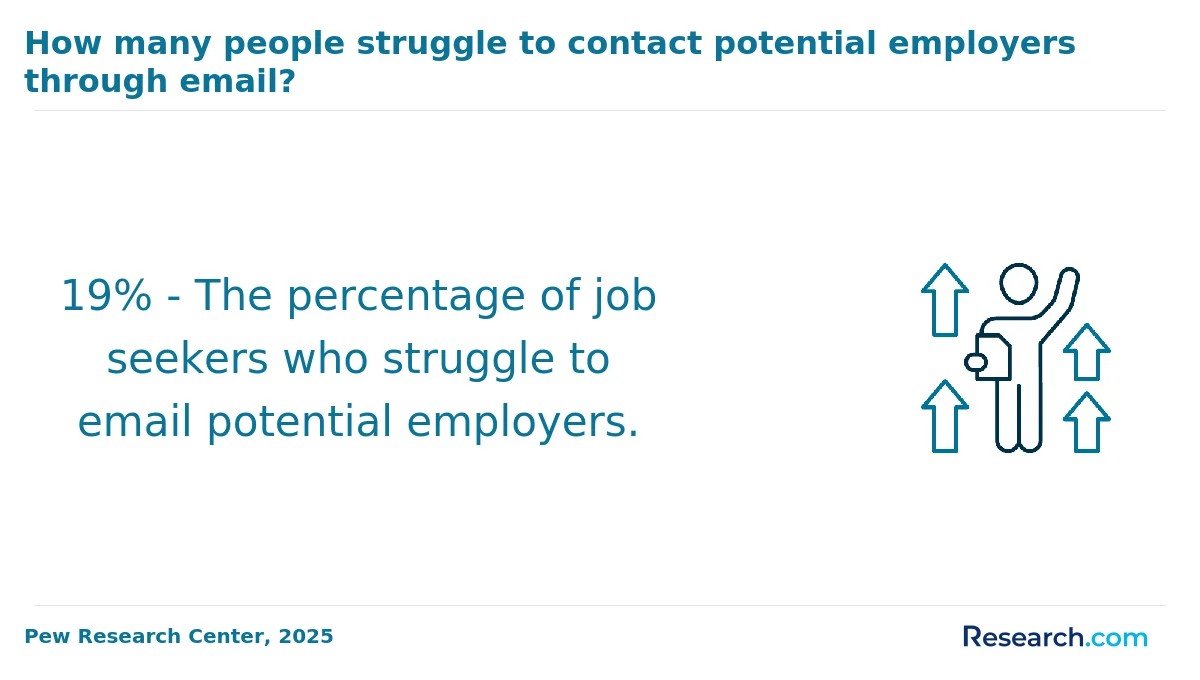
If you're aiming for an associate degree in Kansas, there's good news-financial aid options are plentiful and designed to ease your journey. One of the biggest helps is the Free Application for Federal Student Aid (FAFSA). Graduates from popular schools like Johnson County Community College often share how filing FAFSA each year unlocked federal aid like Pell Grants, covering thousands of dollars based on financial need.
State aid is a game-changer too. Take the Kansas Promise Act Scholarship, for example. It's a last-dollar scholarship that covers what's left after other aid-tuition, fees, books, and supplies included. This helped several grads at community colleges around Wichita stay focused on studies instead of worrying about expenses. Just remember you need to live and work in Kansas for two years post-graduation.
Besides that, there's Federal Work-Study, letting you earn while you learn through campus jobs, and institutional scholarships at schools like Kansas City Kansas Community College that reward achievements and leadership. Many students say combining these supports made their college experience truly possible and rewarding.
If you're aiming to enroll in an associate degree program in Kansas, the first thing most schools want to see is your high school diploma or GED. It's the basic ticket in-whether you're heading to a place like Kansas City Kansas Community College or the University of Kansas. Graduates often mention how presenting official transcripts was a smooth step when applying.
Here's what you'll typically need to have ready:
- Your high school diploma, GED, or HiSET scores.
- Official transcripts from high school and any former colleges, especially if you're transferring.
- A minimum GPA around 2.0, though some programs might expect a bit higher.
- A completed application form, sometimes accompanied by a personal statement or resume.
Many students share how programs that prepare for four-year transfers often require certain high school courses in math, English, or science. And if you're heading into healthcare or tech tracks, you might need to pass placement tests or show specific course completions. Non-native English speakers usually provide proof of English skills through tests-something that helps ensure everyone's ready to thrive.
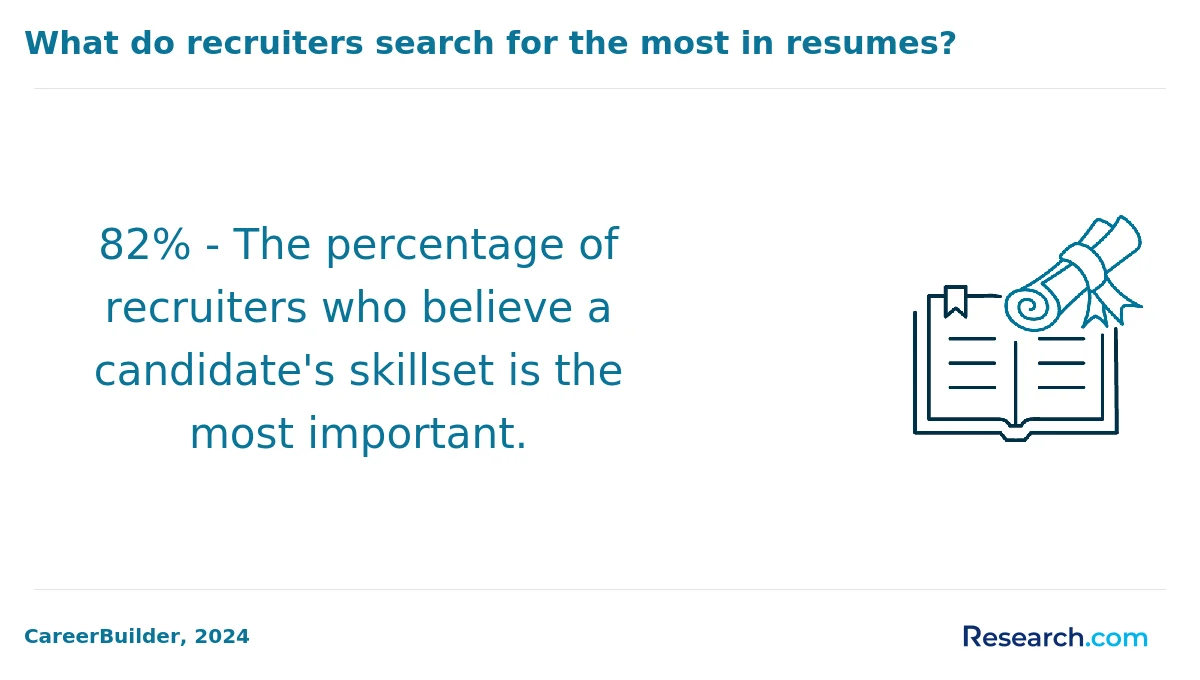
When you dive into associate degree programs in Kansas, you'll quickly find that the core courses focus on solid foundational skills. Students at popular Kansas schools often share how these classes made a real difference in their confidence and readiness for further study or work. The common courses in Kansas associate degree programs usually include:
- English Composition, where students improve their writing through courses like English Composition I and a second communication course.
- Mathematics, often Intermediate Algebra or higher, with options like College Algebra or Statistics for those planning to transfer.
- Science classes that include labs, such as biology or physical science, which are especially emphasized in Associate of Science programs.
- Social and Behavioral Sciences, featuring subjects like Psychology and Political Science to give a well-rounded understanding of society.
- Arts and Humanities courses, covering History, Literature, and more to broaden cultural awareness.
- Physical Education or Wellness requirements in some programs to encourage healthy lifestyles.
These general education requirements for associate degrees in Kansas ensure students develop skills that really stick. Graduates often say that blending these courses with specialized technical training made their college experience both challenging and enjoyable. Many students choose from a variety of colleges offering open enrollment across the state, which makes getting started easier and more accessible.
When choosing the best associate degree program in Kansas, start by checking accreditation and program outcomes. Graduates from Johnson County Community College often share how their high NCLEX pass rates gave them confidence entering nursing careers, proving the program's quality. On the other hand, students aiming for IT or education degrees value programs with strong ties to local employers and easy transfer options to four-year schools, which helps keep future goals clear.
Cost is a big factor too. Many students rave about affordable options at places like Barton Community College, which balance quality education without breaking the bank. For those juggling work and study, programs offering evening or online classes bring needed flexibility-something many Kansas community colleges excel in.
If you want to compare Kansas community colleges for associate degrees, focus on real student support like tutoring and career counseling, which can make a real difference. To explore further, consider checking out cheap associate programs online that offer comparable benefits with added convenience.
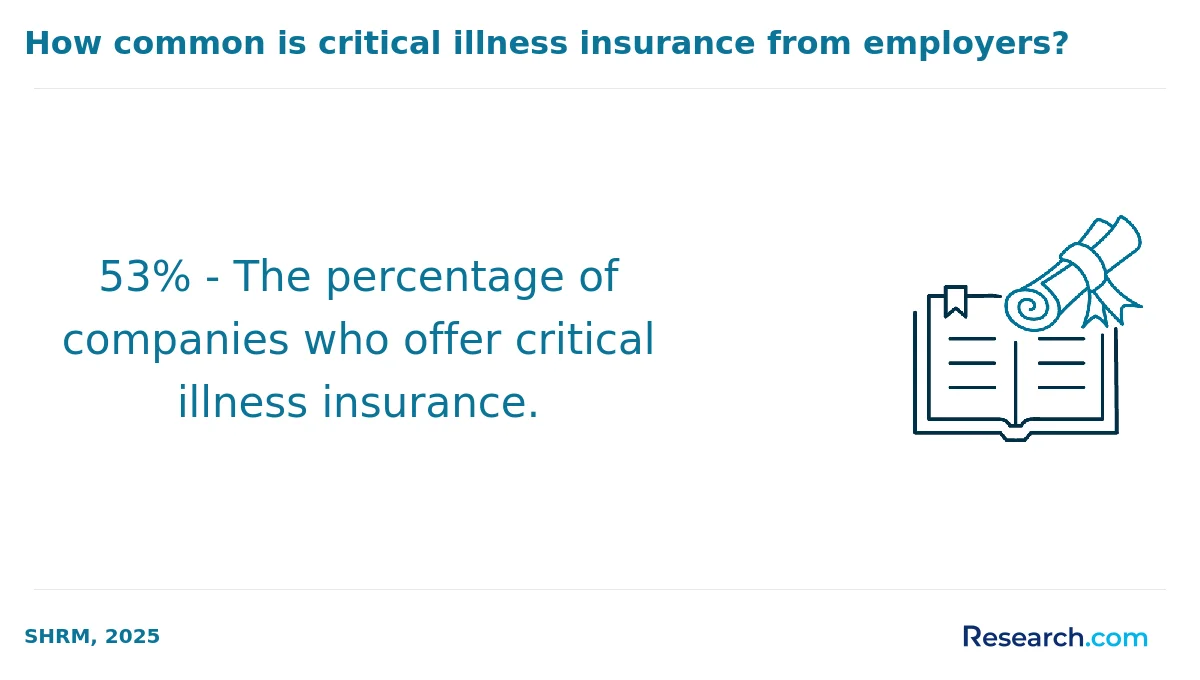
In Kansas, associate degree graduates find career opportunities in several thriving fields that suit a variety of interests and skills. Many who studied at popular community colleges have jumped into healthcare roles like registered nurse, dental hygienist, or radiologic technologist, enjoying stable jobs with competitive pay. Others have discovered rewarding paths in business as administrative assistants or accountants, where a two-year degree is often the key to unlocking these positions.
For those creative or tech-minded, there are plenty of chances to work as web developers, designers, or IT support specialists. Graduates often share how their programs at Kansas colleges equipped them with real-world skills, helping them feel confident stepping into these roles. Skilled trades and public service careers, including broadcast announcer or technician, also welcome associate degree holders, reflecting the diversity of career opportunities with associate degree in Kansas.
Some students even pursue further education after their associate degree, curious about accelerated options like a 1 year phd. This flexibility adds excitement to planning a future career.
The Kansas job outlook for associate degree graduates looks promising, with the state expecting to add around 3,500 new jobs requiring two-year degrees by 2030-a 13.6% increase from 2020. Graduates from popular associate degree schools in Kansas often find themselves in strong demand, especially in sectors like healthcare, IT, advanced manufacturing, and skilled trades. Many graduates share that staying in Kansas feels rewarding since the state retains more associate degree holders in its local workforce compared to bachelor's degree holders, who often move away.
Job seekers with an associate degree should feel confident because employers in Kansas are actively searching for candidates with practical, technical skills. Real stories from graduates show how quickly they land positions in growing fields after completing their programs. The state's need for workers trained in these areas is driven by industrial modernization and upcoming retirements.
Here's why associate degree job opportunities in Kansas are so attractive:
- The employment rate among recent associate degree holders nationally is about 78%, reflecting strong job stability.
- Kansas expects nearly 9,000 labor force exits in this group over the next decade, creating fresh openings.
- Popular associate degree programs prepare students for fast-entry into careers without the lengthy schooling of higher degrees.
Still, Kansas colleges can't produce enough graduates to fill all openings, so those finishing their associate degrees locally have excellent chances. If you're exploring options, consider checking out dual degree undergraduate programs, which can offer broader paths and higher earning potential. Overall, the associate degree job opportunities in Kansas provide a clear gateway for anyone ready to jump into the workforce with valuable training and confidence.
Most Affordable Associate Degree Programs - Leading Certification Courses in Kansas for 2026
# 1 position
Coffeyville Community College - Computer Systems Networking and Telecommunications.
associateCoffeyville Community College offers a hybrid program in Computer Systems Networking and Telecommunications, focusing on the design, implementation, and management of linked computer systems and software to enhance efficiency. The curriculum covers operating systems, systems design, networking theory, security, and troubleshooting. The program prepares students for roles as network specialists and managers. Annual in-state tuition is $3,040. The program is accredited by the Higher Learning Commission.
# 2 position
Coffeyville Community College - Electrician.
associateCoffeyville Community College offers a Hybrid Electrician program that prepares students to install, operate, maintain, and repair electrical systems including residential, commercial, and industrial wiring. The curriculum covers electronics principles, power transmission, safety, job estimation, electrical testing, and relevant codes. The program is accredited by the Higher Learning Commission. Annual in-state tuition is $3,040. This program combines technical knowledge with practical skills essential for the electrical trade.
# 3 position
Coffeyville Community College - Automobile/Automotive Mechanics Technology/Technician.
associateCoffeyville Community College offers a hybrid Automobile/Automotive Mechanics Technology/Technician program that prepares students to repair, service, and maintain various automobile systems, including brakes, electrical, engines, suspensions, transmissions, and heating and air conditioning. The program includes both in-person and distance-education options. Annual in-state tuition is $3,040. The program is accredited by the Higher Learning Commission.
# 4 position
Coffeyville Community College - Welding Technology/Welder.
associateCoffeyville Community College offers a Welding Technology/Welder program with a hybrid format that includes some distance education. The program prepares students to apply technical skills in various welding methods such as arc welding, resistance welding, and brazing. Tuition for in-state students is $3,040 annually. Graduates earn a median salary of $25,992 one year after completion. The program is accredited by the Higher Learning Commission.
# 5 position
Hutchinson Community College - Computer Systems Networking and Telecommunications.
associateHutchinson Community College offers a hybrid program in Computer Systems Networking and Telecommunications, focusing on designing, implementing, and managing linked computer systems and software. The curriculum covers operating systems, network theory, security, and troubleshooting to prepare students for roles as network specialists and managers. The annual in-state tuition is $3,420. The program is accredited by the Higher Learning Commission.
# 6 position
Hutchinson Community College - Legal Assistant/Paralegal.
associateHutchinson Community College offers a Legal Assistant/Paralegal program designed to prepare students for roles involving research, drafting, investigatory, record-keeping, and administrative tasks under attorney supervision. The curriculum includes legal research, document drafting, appraising, pleading, courthouse procedures, and legal specializations. The annual in-state tuition is $3,420. The program is accredited by the Higher Learning Commission.
# 7 position
Hutchinson Community College - Criminal Justice/Police Science.
associateHutchinson Community College offers a Criminal Justice/Police Science program in a hybrid format that includes some distance education options. The program prepares students for law enforcement duties such as patrol, investigations, traffic and crowd control, evidence management, and crime prevention. Annual in-state tuition is $3,420. The program is accredited by the Higher Learning Commission, ensuring it meets quality educational standards.
# 8 position
Hutchinson Community College - Electrician.
associateHutchinson Community College offers a hybrid Electrician program designed to prepare students for installing, operating, maintaining, and repairing electrical systems in residential, commercial, and industrial settings. The curriculum covers electronics, wiring, power transmission, safety, electrical testing, and relevant codes. The annual in-state tuition is $3,420. The program is accredited by the Higher Learning Commission and includes both technical knowledge and practical skills.
# 9 position
Hutchinson Community College - Automobile/Automotive Mechanics Technology/Technician.
associateHutchinson Community College offers a hybrid program in Automobile/Automotive Mechanics Technology/Technician that prepares students to repair, service, and maintain various automobiles. The curriculum covers brake systems, electrical systems, engine performance and repair, suspension and steering, transmissions, and heating and air conditioning systems. The annual in-state tuition is $3,420. The program is accredited by the Higher Learning Commission.
# 10 position
Hutchinson Community College - Welding Technology/Welder.
associateHutchinson Community College offers a Hybrid Welding Technology/Welder program that trains students in technical skills such as arc welding, resistance welding, brazing, soldering, and cutting. The curriculum covers welding metallurgy, heat treating, structural design, safety, and applicable codes and standards. The program’s annual in-state tuition is $3,420. It is accredited by the Higher Learning Commission, providing a recognized credential for students pursuing welding careers.
Frequently Asked Questions about associate degree programs
After completing an associate degree in Kansas, preparing for the job market involves several strategic steps. First, graduates should utilize resources offered by Kansas community colleges, such as career counseling and job placement services, which often connect students with local employers.
It is also important to build a strong resume highlighting relevant skills and practical experience gained during the program. Internship and cooperative education opportunities, common in Kansas associate degree curricula, can provide valuable hands-on experience favored by employers.
According to the Kansas Department of Labor, the state's fastest-growing occupations for associate degree holders are in healthcare, information technology, and advanced manufacturing, which may guide job-seeking efforts.
Networking through local professional associations and attending job fairs can increase employment chances. Lastly, some graduates choose to pursue certifications in their field to enhance job prospects and earning potential.
Employers in Kansas highly value both technical and soft skills in associate degree graduates. According to the Kansas Department of Labor, technical skills such as proficiency in healthcare technology, manufacturing equipment operation, and information technology are in strong demand. For example, in healthcare, knowledge of electronic medical records is crucial.
Soft skills remain essential, with communication, problem-solving, and teamwork frequently cited by regional employers. The Kansas Chamber's 2023 workforce survey highlights that 78% of employers prioritize effective communication and adaptability.
Time management and critical thinking also play vital roles across industries, enhancing an employee's ability to meet deadlines and analyze challenges efficiently. Graduates who combine these skills tend to have better job prospects in Kansas's evolving job market.
Finding internships in Kansas related to your associate degree program involves several practical steps. Start by visiting your college's career services office, as many Kansas community colleges partner with local businesses to offer internships. According to the Kansas Board of Regents, nearly 70% of community colleges facilitate internship placements each year.
Explore online resources such as the Kansas Department of Labor's website, which lists internship openings across industries statewide. Networking is also key; joining industry groups or attending career fairs in cities like Wichita or Topeka can connect you with internship employers. Additionally, sites like Handshake are commonly used by Kansas colleges to post internships suitable for associate degree students.
An associate degree in Kansas serves as a valuable stepping stone for career mobility and advancement. Many Kansas employers recognize these degrees as evidence of specialized skills and commitment, especially in technical fields like healthcare, information technology, and manufacturing.
According to the Kansas Board of Regents, workers with associate degrees earn on average 20% more than those with only a high school diploma. This wage boost often accompanies increased job responsibilities and access to higher-level positions.
Additionally, Kansas community colleges have partnerships with local businesses, enabling graduates to secure internships and job placements that foster career growth. Many programs also provide transferable credits, making it easier to continue education toward a bachelor's degree, which further enhances advancement opportunities.
In Kansas, several part-time job opportunities align well with associate degree education, providing both income and relevant experience. Healthcare remains a strong sector; positions such as medical assistants, phlebotomists, and dental hygienists often require associate degrees and allow flexible part-time schedules. According to the Kansas Department of Labor, healthcare occupations grew by 10% between 2018 and 2028, indicating strong demand.
Retail management and administrative support roles are also common, particularly for those with associate degrees in business administration or office technology. These jobs sharpen organizational and communication skills while accommodating part-time hours.
Additionally, technical roles like computer support specialists and paralegals are growing, with median wages above the state average, offering part-time options for degree holders in related fields. This diversity helps students balance work and study effectively.
For those searching for the most affordable degree programs near Kansas, there are several community colleges and public universities that offer cost-effective education options. These institutions provide programs in various fields, including business, healthcare, and technology, with some programs available partially or fully online for added flexibility. Resources like Research.com can be particularly useful in finding affordable colleges and degree opportunities tailored to your preferences "near Kansas" or even "near me".
- Most Affordable Associate Degree Programs - Leading Certification Courses in Nebraska for 2026
- Most Affordable Associate Degree Programs - Leading Certification Courses in Colorado for 2026
- Most Affordable Associate Degree Programs - Leading Certification Courses in South Dakota for 2026
- Most Affordable Associate Degree Programs - Leading Certification Courses in Minnesota for 2026
- Most Affordable Associate Degree Programs - Leading Certification Courses in Mississippi for 2026
- Most Affordable Associate Degree Programs - Leading Certification Courses in Alabama for 2026
- Most Affordable Associate Degree Programs - Leading Certification Courses in North Dakota for 2026
- Most Affordable Associate Degree Programs - Leading Certification Courses in Indiana for 2026
- Most Affordable Associate Degree Programs - Leading Certification Courses in Florida for 2026
- Most Affordable Associate Degree Programs - Leading Certification Courses in South Carolina for 2026
- Nces - Ipeds https://nces.ed.gov/ipeds/
- Associate of Arts Degree | Shocker Pathway | WSU Tech | Wichita Kansas https://wsutech.edu/shockerpathway/aa-degree/
- FAME | KCKCC https://www.kckcc.edu/academics/divisions/career-technical-education/fame.html
- Traditional vs Online Degrees 2025: Which One is Better for You? https://www.pw.live/online-degree/exams/traditional-vs-online-degree
- Here’s How an Associate Degree Can Advance Your Career https://flex.wisconsin.edu/stories-news/heres-how-an-associate-degree-can-advance-your-career/
- Associate in Arts, General Education Requirements | Barton Community College https://www.bartonccc.edu/programs/generaleducation/aa
- Why You Should Consider an Online Associate Degree Program - Lakewood University https://lakewood.edu/online-associate-degree-benefits/
- Associate Degree Programs | Academics | Miami Dade College https://www.mdc.edu/academics/programs/associate.aspx
- Certificate vs. associate degree: What is the difference? https://www.boisestate.edu/online/2024/02/15/certificate-vs-associate-degree-what-is-the-difference/
- Kansas Technical Schools | Technical Programs In Topeka, KS | Washburn Tech https://www.washburntech.edu/career-programs/index.html