Most Affordable Trade School & Training Programs - Leading Certification Courses in Raleigh for 2026

Co-Founder and Chief Data Scientist
Choosing the right trade school in Raleigh can be a game-changer for your future. This article introduces the most affordable trade schools in the area for 2026, spotlighting options that offer great value and quality education.
The trade school programs ranking, developed by the Research.com team of data scientists, helps you navigate your choices with confidence. Their analysis highlights which programs stand out as smart investments for your career goals.
Whether you’re looking for a diploma or certification, gaining skills through a trade school can open doors to rewarding job opportunities. Let this guide inspire you to take the next step toward a fulfilling career path.
Key benefits of finishing trade school programs trade school in Raleigh
- Trade school graduates in Raleigh can expect competitive salaries, with typical annual earnings ranging from $45,900 to $110,000 depending on the career, including roles like CNC machinists, HVAC technicians, and underground utility foremen.
- Popular career paths for trade school graduates include welding, automotive technology, electrical work, and specialized technical roles, all offering strong job prospects and chances for growth in Raleigh's skilled trades market.
- Completing a trade school diploma or certification online offers flexibility and convenience, allowing students to balance work and study while still gaining valuable skills recognized by local employers in Raleigh's trade industries.
- Most Affordable Trade School & Training Programs - Leading Certification Courses in Raleigh for 2026
- What can I expect from trade school programs trade schools in Raleigh?
- Where can I work after finishing trade school programs trade schools in Raleigh?
What can I expect from trade school programs trade schools in Raleigh?
The average cost of a trade school program in Raleigh is about $12,000, making it an affordable path compared to traditional four-year degrees. Graduates often recall how this investment paved the way for practical, career-focused training without the heavy financial burden of lengthy college programs. At popular institutions like Wake Technical Community College, students benefit from accelerated courses that can be completed in just a few months, allowing them to enter the workforce swiftly and with confidence.
Students in Raleigh's trade schools embrace hands-on learning every day, working directly with tools, equipment, and realistic simulations guided by industry professionals. They describe small classes that foster supportive environments where questions are welcomed and skills are mastered effectively. Many find reassurance in the flexible scheduling options, including evening and weekend classes, which help balance work and family responsibilities seamlessly.
Career support services also play a vital role, with graduates often sharing how resume workshops and job placement assistance connected them to promising local employers and apprenticeships, jumpstarting their new careers with enthusiasm and hope.
Where can I work after finishing trade school programs trade schools in Raleigh?
After finishing a trade school program in Raleigh, graduates quickly find themselves stepping into rewarding careers across thriving industries. For example, skilled trades alumni from well-known Raleigh schools often begin working as electricians, plumbers, or HVAC technicians, contributing to the city's rapid urban growth while earning strong starting wages around $36,000. Many share how their hands-on training made them confident and job-ready on day one.
Healthcare program graduates enthusiastically describe landing positions in local hospitals and clinics as medical assistants or dental hygienists, inspired by Raleigh's expanding healthcare sector projecting over 24,000 new jobs by 2032. These roles not only offer job security but a fulfilling chance to make a real difference in their communities.
Those completing tech-focused training in Raleigh's vibrant trade schools tap into the city's booming tech hub, joining companies ranging from established firms like IBM to dynamic startups. Graduates celebrate the possibility of earning a median salary of $110,000 while growing their skills in exciting fields like cybersecurity and IT support.
Support is available through local workforce agencies, helping graduates connect with employers and advance their careers with confidence. Trade school success in Raleigh means building a future filled with purpose, opportunity, and stability.
Completing a trade school program in Raleigh opens the door to a rewarding career with solid earnings. Graduates from well-known local schools like Rowan-Cabarrus Community College and Wilkes Community College often begin with annual salaries between $31,000 and $32,500. Imagine starting your first job with pay that supports a comfortable lifestyle while gaining valuable skills.
Some graduates from Johnston Community College find themselves earning closer to $39,000 right out of the gate, showing that dedication to your craft pays off quickly. As you build experience, many tradespeople in Raleigh reach averages near $65,000 yearly, giving you the financial freedom to plan for a bright future.
For those aiming higher, specialized roles like Underground Utility Foreman offer impressive salaries from $95,000 to $110,000, rewarding those who go the extra mile with certifications and hands-on expertise. Whether just starting or advancing, Raleigh trade school graduates see their hard work translate into well-paying, fulfilling careers that truly change lives.
- Admission typically requires a high school diploma or GED, with some schools requiring applicants to be at least 18 and pass a qualifying test.
- Applicants must submit official transcripts and may need to take placement tests in English, reading, writing, and math if they lack standardized test scores.
- Annual tuition for in-state students at Wake Technical Community College is around $2,500, with total program costs usually between $5,000 and $15,000.
- Many trade programs qualify for federal and state financial aid, and some local scholarships or grants may be available to reduce costs.
- Starting salaries for trade school graduates in Raleigh typically range from $35,000 to $50,000, with experienced professionals earning $60,000 or more.
- High-demand trades include HVAC technicians, electricians, and medical technologists, with strong local employer recruitment and hands-on training opportunities.
Completing a trade school program in Raleigh can be a fast and rewarding pathway to a new career. Many graduates from Wake Technical Community College share how they achieved their goals in just two years through associate degree programs, balancing classes with everyday life while gaining valuable skills quickly. For those eager to start even sooner, short-term certificate programs-often finished in 3 to 6 months-open doors to high-demand fields like healthcare and IT, allowing students to step confidently into the workforce in a single semester.
Some students find that apprenticeship programs through initiatives like the North Carolina Triangle Apprenticeship Program offer a unique blend of paid work and classroom learning, typically lasting from one to four years. This hands-on experience builds both confidence and expertise, transforming learners into skilled professionals ready to thrive.
At private colleges such as Miller-Motte, many complete diplomas within 9 to 18 months, shining a light on how flexible and achievable trade education in Raleigh can be. These real stories inspire future students to pursue their passions without delay.
Choosing between online and on-campus trade school programs in Raleigh means deciding how you want to shape your learning journey. Online programs, like those at Wake Technical Community College, give you the freedom to study whenever it fits your busy life. Imagine balancing work and family while earning skills at your own pace, all without the daily commute. Many graduates praise this flexibility, especially as they juggle multiple responsibilities.
On the other hand, on-campus programs light up the path for those craving hands-on experience. Picture stepping into a workshop full of real tools and guided by instructors who offer immediate feedback-something essential for trades like automotive repair or culinary arts. Graduates often highlight how this in-person connection boosted their confidence and prepared them for real-world challenges.
Both routes in Raleigh empower students to grow and succeed-whether through the independence of online learning or the energetic buzz of campus life tailored for skill mastery.
The average trade school cost in Raleigh NC typically hovers around $12,000 for a full program, making it an achievable step toward a rewarding career. Many graduates from well-known Raleigh institutions recount how investing in a trade school education led them to hands-on skills in healthcare, technology, or skilled trades, empowering them to quickly enter the workforce. The option to attend public trade schools, such as community colleges, offers even more affordable tuition with Wake Technical Community College charging $76 per credit hour for in-state students. This means total tuition often ranges between $2,280 and $4,560 for certificate or diploma programs, a budget-friendly choice that opens doors without overwhelming financial burdens.
Considering Raleigh NC trade school tuition and fees, students find wide-ranging options that suit their needs and goals. Private schools may charge between $15,000 and $30,000 per year, while public schools remain more accessible with costs between $3,000 and $10,000 annually. Beyond tuition, prospective learners often budget for books and supplies, typically $500 to $1,000 yearly, plus accommodation costs if needed. The positive stories from graduates highlight how proper planning and financial aid, including scholarships and grants, often transform what seems like a financial challenge into an inspiring journey toward career success.
Those exploring program options are encouraged to research thoroughly and visit trusted resources like the top construction trade schools to find tailored programs that combine affordability with excellent training. Ultimately, Raleigh's trade schools provide a motivating environment where hard work paired with manageable costs fuels futures filled with opportunity and growth.

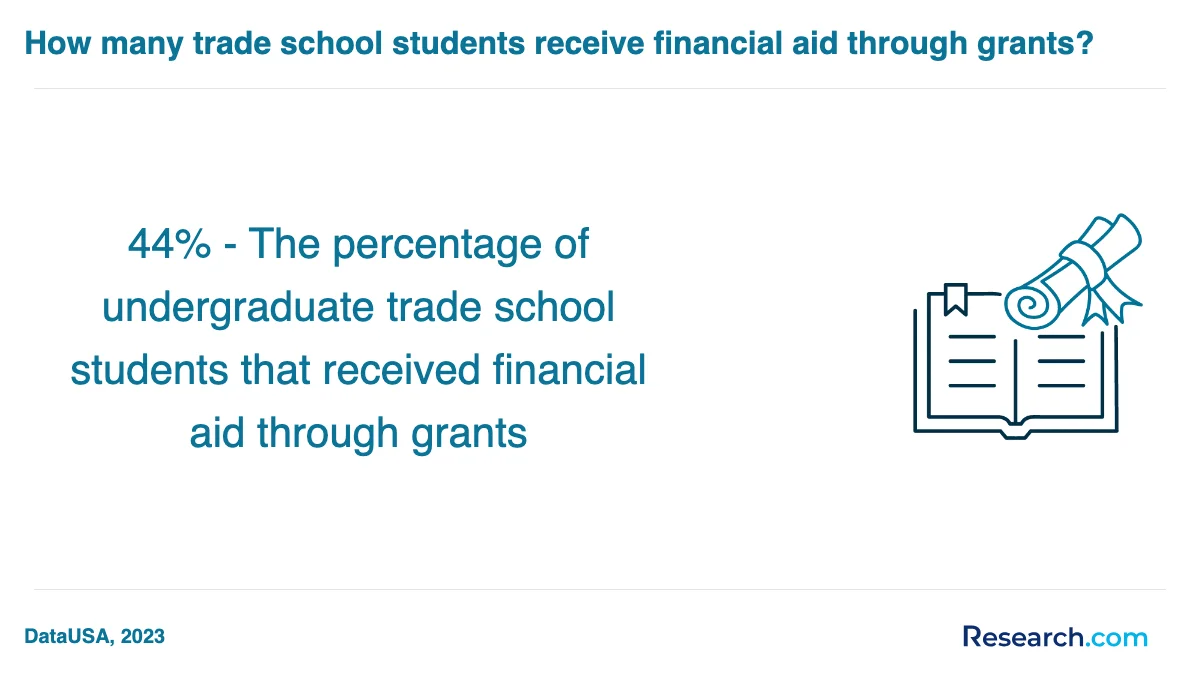
Students pursuing trade school programs in Raleigh discover a wealth of financial aid designed to support their journey toward skilled careers. Graduates often recall how completing the FAFSA opened doors to federal assistance like the Federal Pell Grant, which offers up to $7,395 to help cover tuition and essential expenses-funding that feels like a true lifeline for many. Local community colleges and technical schools frequently guide students through this process, making it accessible and hopeful.
State scholarships bring added relief for Raleigh students, especially those passionate about construction trades. Many recall applying for the North Carolina Home Builders Educational & Charitable Foundation's $1,000 scholarship, an award that transformed their ability to focus on learning welding, plumbing, or electrical work without being overwhelmed by costs.
The Golden LEAF Scholars Program, with up to $2,250 annually for eligible curriculum students, inspires those from rural or economically challenged counties around Raleigh to chase their ambitions with confidence. Veterans and active-duty service members find additional encouragement through military benefits, while payment plans at local schools ease budgeting pressures, turning financial hurdles into stepping stones.
Enrolling in a trade school program in Raleigh is an exciting step toward a rewarding career, and meeting a few key prerequisites can make your path smooth and empowering. Most schools ask for proof of a high school diploma or GED, establishing a solid foundation for your hands-on learning journey. Imagine a graduate who started just like you, showing up with their diploma and a spark of determination, ready to master new skills.
Applicants often need to:
- Submit an application form along with documents like birth certificates and school transcripts
- Possibly take part in an interview or assessment to showcase their passion and goals
- Meet minimum age requirements, generally 17 or 18, ensuring readiness and compliance with local laws
- Be mindful of application deadlines that typically fall between late fall and early winter
A graduate from a popular Raleigh trade school shared how the interview boosted their confidence and motivation, turning nervous questions into a conversation about future success. These steps are designed not to deter but to prepare you for a fulfilling career. With these prerequisites met, your journey at a Raleigh trade school becomes an inspiring chapter filled with learning, growth, and opportunity.

Trade school programs in Raleigh offer a dynamic mix of courses that prepare you for hands-on careers with real-world impact. Graduates from schools like Wake Technical Community College share how their training in skilled trades transformed their confidence and career readiness.
Typical courses include:
- Welding - mastering metal cutting, rigging, and safety that open doors in construction and manufacturing
- Plumbing - covering residential basics through advanced industrial systems, empowering students to handle real plumbing challenges
- HVAC/R - practical skills in servicing, maintaining, and troubleshooting heating and cooling systems, often leading to sought-after certifications like HVAC Excellence
- Forklift and heavy equipment technology - gaining vital skills for various industrial roles
- Business studies, IT, dental assisting, medical support, and commercial driving (CDL) - short-term, intensive courses designed to prepare graduates quickly for the workforce
Students from local trade schools often emphasize the hands-on approach, mixing classroom learning with real-world scenarios. For instance, those enrolled in HVAC/R programs describe working directly with industry-standard equipment, boosting their confidence for job placements. This focus on practical skills makes Raleigh's trade schools a launchpad for passionate individuals ready to thrive.
Raleigh's trade school programs offer a diverse range of specializations that empower students to build rewarding careers. Graduates from popular Raleigh schools often speak about hands-on experiences in fields like welding, where they master metalworking skills crucial for construction and manufacturing. Many enjoy HVAC and refrigeration training, gaining certifications that open doors to well-paid technician roles. Plumbing courses stand out for their practical focus, with programs like the six-month curriculum at the School of Skilled Trades teaching real-world systems and safety procedures.
Automotive and transport technology is booming here, too. Wake Technical Community College's Forklift Technician Diploma Program, for instance, combines paid shop training with skill-building, a popular path for those seeking immediate income. Other students thrive in healthcare support roles such as dental assisting, blending clinical practice with education. Business tracks in marketing and accounting also draw students aiming for dynamic office careers in Raleigh's growing economy.
For students exploring options, Raleigh provides pathways tailored to local industries. Apprenticeships in pipefitting and HVAC create connections with employers, enriching job prospects. Additionally, individuals can explore low cost carpentry training courses online, expanding opportunities beyond the classroom.
Choosing the best trade school programs in Raleigh starts with focusing on what truly inspires you. Graduates from Wake Technical Community College often share how hands-on training and real-world internships helped them confidently step into their careers, making learning engaging and practical. When you explore Raleigh trade school cost comparison, consider not just tuition but scholarships and veteran benefits that can ease the financial journey. Many local programs emphasize personalized support, which students describe as a mentor-like experience that fuels motivation and success.
Look for accredited schools where your credentials will hold real value in the job market. Imagine joining a program that partners with industry leaders, giving you a chance to build connections while sharpening your skills. Some Raleigh schools shine in providing emergency financial aid and work-study programs, allowing students to balance life and learning. For those interested in affordable options, explore the most affordable online freight broker training to discover flexible pathways that fit your lifestyle.
Trade school graduates in Raleigh find a wealth of rewarding career opportunities that align with local industry demands. Many graduates move promptly into flourishing roles by gaining hands-on experience through well-designed programs at schools like Miller-Motte College and the School of Skilled Trades. Here, students train for in-demand careers such as nursing, plumbing, HVAC, and welding-fields where practical skills truly shine. Graduate success stories often highlight quick job placements with competitive wages, especially in the Raleigh skilled trades job market, which continues to expand thanks to steady growth projections.
Programs in automotive and diesel technology open doors to positions in dealerships and repair shops, while IT certifications prepare students for growing tech roles across Raleigh's businesses and government. Graduates from beauty industry programs like Paul Mitchell School of Raleigh thrive in salons and spas, inspired by their creativity and client connections. Many schools partner with local employers, boosting confidence in career readiness.
- Healthcare roles such as medical assisting and allied health
- Skilled trades including plumbing, electrical work, and welding
- Automotive and diesel mechanic positions with apprenticeship options
- Information technology jobs focusing on cybersecurity and networking
- Cosmetology careers in salons and personal care services
For those interested in niche trades, some students explore paths with specialized certifications or look into affordable flooring installers training online to expand their skill set. This personalized, practical approach creates exciting pathways tailored to your goals and local opportunities.
The job market for trade school graduates in Raleigh is thriving, offering exciting opportunities across multiple high-demand industries. Graduates from Raleigh's well-regarded vocational programs often find rewarding roles in fields like construction, welding, and healthcare technology, thanks to strong local employment trends for vocational programs. Many graduates share success stories of quickly securing jobs where their hands-on skills are valued and the pay is competitive, allowing them to enjoy financial independence shortly after completing their training.
Key sectors fueling this vibrant job market include:
- Construction and skilled trades such as electrical work, HVAC, and commercial truck driving-industries actively recruiting qualified professionals for high-paying, practical roles
- Health Care and Social Assistance, where trained allied health workers and medical technicians are in growing demand
- Information Technology support, reflecting Raleigh's expanding tech landscape and infrastructure investments
Graduates from popular trade schools in Raleigh often describe hands-on learning experiences that directly prepare them for these roles, making the transition from classroom to career seamless. With a 6.1% job openings rate statewide-higher than the national average-there's a palpable sense of opportunity and optimism among students pursuing trade careers here.
For those wondering about the financial outlook, check out the average trade school graduate salary to see how your new skills can translate into a rewarding livelihood in Raleigh's dynamic job market.
Most Affordable Trade School & Training Programs - Leading Certification Courses in Raleigh for 2026
# 1 position
Wake Technical Community College - Diagnostic Medical Sonography/Sonographer and Ultrasound Technician.
associateWake Technical Community College offers a hybrid program in Diagnostic Medical Sonography/Sonographer and Ultrasound Technician, preparing students to perform medical ultrasound techniques under physician supervision. The curriculum covers patient care, sonographic data collection and processing, equipment operation, and professional ethics. Annual in-state tuition is $2,336. Graduates have a median earning of $51,707 one year after completion. The program is accredited by the Southern Association of Colleges and Schools Commission on Colleges.
# 2 position
Wake Technical Community College - Information Technology.
associateWake Technical Community College offers a hybrid Information Technology program focusing on designing technological systems to support business and research data needs. The curriculum covers computer hardware and software, algorithms, databases, telecommunications, user tactics, application testing, and human interface design. Annual in-state tuition is $2,336. The program is accredited by the Southern Association of Colleges and Schools Commission on Colleges. Median earnings one year after completion reach $48,280.
# 3 position
Wake Technical Community College - Accounting.
associateWake Technical Community College offers a hybrid Accounting program designed to prepare students for professional practice in accounting and related business functions. The curriculum covers accounting principles, financial and managerial accounting, auditing, tax accounting, and business information systems. The program is accredited by the Southern Association of Colleges and Schools Commission on Colleges. Annual in-state tuition is $2,336, and median earnings one year after completion reach $44,616.
# 4 position
Wake Technical Community College - Computer Systems Networking and Telecommunications.
associateWake Technical Community College offers a fully online program in Computer Systems Networking and Telecommunications, focusing on the design, implementation, and management of computer networks and related software. The curriculum covers operating systems, networking theory, security, and troubleshooting. The program’s annual in-state tuition is $2,336. Graduates earn a median salary of $41,596 one year after completion. It is accredited by the Southern Association of Colleges and Schools Commission on Colleges.
# 5 position
Wake Technical Community College - Computer and Information Systems Security/Auditing/Information Assurance.
associateWake Technical Community College offers a hybrid program in Computer and Information Systems Security/Auditing/Information Assurance. The curriculum covers computer architecture, programming, networking, cryptography, security auditing, risk assessment, and legal regulations. The annual in-state tuition is $2,336. Graduates have a median earning of $41,135 one year after completion. The program is accredited by the Southern Association of Colleges and Schools Commission on Colleges.
# 6 position
Wake Technical Community College - Business Administration and Management, General.
associateWake Technical Community College offers a Business Administration and Management, General program that prepares students to plan, organize, direct, and control business functions. The curriculum covers management theory, human resources, accounting, purchasing, logistics, marketing, and decision-making. The program is accredited by the Southern Association of Colleges and Schools Commission on Colleges. Annual in-state tuition is $2,336, and median earnings one year after completion are $37,124.
# 7 position
Wake Technical Community College - Office Management and Supervision.
associateWake Technical Community College offers a program in Office Management and Supervision that prepares students to manage business office operations and personnel. The curriculum includes employee supervision, labor relations, budgeting, scheduling, office systems, records management, and business data evaluation. The annual in-state tuition is $2,336. Graduates have a median earning of $37,124 one year after completion. The program is accredited by the Southern Association of Colleges and Schools Commission on Colleges.
# 8 position
Wake Technical Community College - Electrician.
associateWake Technical Community College offers a hybrid Electrician program that prepares individuals to install, operate, maintain, and repair electric apparatus and systems in residential, commercial, and industrial settings. The curriculum covers electronics, wiring, power transmission, safety, job estimation, electrical testing, inspection, and relevant codes and standards. The program is accredited by the Southern Association of Colleges and Schools Commission on Colleges. Annual in-state tuition is $2,336.
# 9 position
Wake Technical Community College - Heating, Air Conditioning, Ventilation and Refrigeration Maintenance Technology/Technician.
associateWake Technical Community College offers a hybrid Heating, Air Conditioning, Ventilation and Refrigeration Maintenance Technology/Technician program. It prepares students to repair, install, service, and maintain HVAC and refrigeration systems using diagnostic techniques and testing equipment. The program covers mechanics, electricity, and electronics principles related to these systems. Annual in-state tuition is $2,336. The program is accredited by the Southern Association of Colleges and Schools Commission on Colleges.
# 10 position
Wake Technical Community College - Welding Technology/Welder.
associateWake Technical Community College offers a Welding Technology/Welder program with a hybrid format that includes some distance education. The curriculum covers arc welding, resistance welding, brazing, soldering, cutting, high-energy beam welding, welding metallurgy, structural design, safety, and applicable codes. Annual in-state tuition is $2,336. The program is accredited by the Southern Association of Colleges and Schools Commission on Colleges.
Frequently Asked Questions about trade school programs
Preparing for the job market after completing trade school in Raleigh involves several key steps. First, graduates should focus on building a strong resume that highlights their technical skills and certifications earned during their program. According to the North Carolina Department of Commerce, over 75% of trade school graduates in Raleigh secure employment within six months, emphasizing the value of specialized training.
Networking is crucial; attending local job fairs and joining industry groups in the Raleigh area can connect graduates with potential employers.
Additionally, gaining relevant apprenticeships or internships can provide hands-on experience, enhancing job prospects.
Staying updated with licensing requirements and continuing education also ensures long-term career growth in skilled trades.
Employers in Raleigh highly value trade school graduates who possess strong technical skills relevant to their field. According to the U.S. Bureau of Labor Statistics and Raleigh workforce reports, skills in areas like electrical work, HVAC, plumbing, and welding are in high demand. Proficiency with industry-standard tools and machinery is essential for immediate job readiness.
Beyond technical ability, employers also seek effective communication and problem-solving skills. The NC Department of Commerce highlights that adaptability and teamwork are crucial for success on construction and manufacturing sites.
Attention to safety protocols and compliance with local regulations is another top priority, ensuring graduates can maintain workplace safety standards. Raleigh employers often prefer candidates who demonstrate reliability and time management, reflecting the region's growing infrastructure projects and service industries.
Finding internships in Raleigh that align with your trade school program involves several practical steps. Begin by contacting your school's career services office, as many trade schools in Raleigh maintain partnerships with local businesses in industries like construction, automotive technology, and healthcare. According to the Raleigh Chamber of Commerce, over 50 local companies actively offer internships annually.
Utilize online job platforms such as Handshake and Indeed, filtering searches to Raleigh and your specific trade. Local organizations like the North Carolina Department of Commerce publish internship opportunities tailored to skilled trades. Networking at community job fairs and industry events is also essential, as many internships are filled through direct connections.
Some Raleigh trade schools also provide access to cooperative education (co-op) programs, which integrate paid internships into the curriculum. Staying proactive and regularly checking multiple sources can increase your chances of securing a relevant position.
In Raleigh, earning a trade school diploma significantly enhances career mobility by equipping students with practical skills in high-demand fields such as electrical work, HVAC, and healthcare support. According to the North Carolina Department of Commerce, occupations requiring specialized vocational training are projected to grow 12% by 2030, outpacing many traditional sectors.
Trade diplomas often lead to faster job placement compared to four-year degrees, with many graduates entering the workforce within six months post-completion. This quick transition supports upward mobility through certifications linked to wage increases and promotions.
Local employers in Raleigh value trade credentials, which can lead to apprenticeships and expanded responsibilities, further advancing careers within industries crucial to the region's economy.
Part-time job opportunities in Raleigh can effectively complement trade school education by providing practical experience and income. Positions in construction, electrical work, and HVAC often align with trade skills, offering on-the-job learning alongside coursework. According to the U.S. Bureau of Labor Statistics, Raleigh's construction industry grew by over 12% from 2017 to 2022, increasing available part-time roles.
Retail and warehouse jobs near industrial areas also help students develop soft skills such as customer service and inventory management. The North Carolina Department of Commerce notes part-time retail positions in Raleigh typically pay between $11 and $15 per hour, which can ease financial burdens.
Additionally, apprenticeships and internship programs sponsored by local Raleigh trade unions present structured opportunities to gain valuable hands-on experience while studying part time.
Yes, there are affordable degree programs available near Raleigh, NC. Various universities and community colleges near me offer competitive tuition rates and financial aid options to make higher education more accessible. Institutions such as North Carolina State University and Wake Technical Community College provide cost-effective degree options, and Research.com can be a helpful resource for finding more programs in this area.
- Career & Vocational School in Raleigh | Gwinnett Colleges & Institute https://www.gwinnettcollege.edu/locations/raleigh/
- Workforce Development | Raleighnc.gov https://raleighnc.gov/doing-business/services/workforce-development
- Career Fields | Wake Tech https://www.waketech.edu/programs-courses/fields
- Career Development / College/Trade Schools https://www.wcpss.net/Page/56056
- The School of Skilled Trades - Vocational School in NC https://schoolofskilledtrades.org/
- Career and Technical Education Pathway | NC DPI https://www.dpi.nc.gov/students-families/enhanced-opportunities/advanced-learning-and-gifted-education/career-and-college-promise/career-and-technical-education-pathway
- CTE Programs: 6 Benefits of Considering Trade School https://www.cfnc.org/news/cte-programs/
- Skilled Trades Pathway | DURHAM https://www.dpsnc.net/o/dps/page/skilled-trades-pathway