Most Affordable Associate Degree Programs - Leading Certification Courses in Nebraska for 2026

Co-Founder and Chief Data Scientist
Choosing the right associate degree program in Nebraska can feel overwhelming, but this article is here to help. We gathered insights from a ranking created by the Research.com team of data scientists to guide you toward the most affordable and valuable trade school programs in 2026.
Getting an associate degree opens doors to new career opportunities and personal growth. By reading this article, you’ll find trustworthy information to make an informed decision that fits your goals and budget. Take the first step toward a brighter future today.
Key benefits of associate degrees in Nebraska
- Associate degree graduates in Nebraska can earn competitive salaries, such as $94,260 for dental hygienists and $101,990 for radiation therapists, offering a great return on investment.
- Popular career paths include healthcare roles like respiratory therapists and diagnostic medical sonographers, as well as technical fields like electrical engineering technology, providing diverse job opportunities.
- Completing an online associate degree offers flexibility and convenience, allowing students to balance work and study, which many Nebraska students find helpful for advancing their careers without relocating.
- Most Affordable Associate Degree Programs - Leading Certification Courses in Nebraska for 2026
- What can I expect from associate degree programs in Nebraska?
- Where can I work after finishing associate degree programs in Nebraska?
What can I expect from associate degree programs in Nebraska?
The average cost of an associate degree program in Nebraska typically ranges between $8,000 and $15,000 for in-state students attending public community colleges. Graduates from schools like Southeast Community College often share how affordable tuition combined with flexible online options made achieving their degree feasible without overwhelming debt.
Many students find that this balance of cost and quality education allows them to focus on their studies while managing work or family commitments. For instance, those enrolled at Bellevue University appreciate the convenience of fully online associate programs that maintain a practical curriculum aligned with local workforce needs.
Private institutions generally have higher tuition rates, but they often offer scholarships and financial aid, making the investment worthwhile through strong job placement rates. Graduates highlight feelings of confidence and preparedness as they secure employment or transfer credits toward bachelor's degrees.
Overall, students can expect a cost-effective education in Nebraska that supports career advancement, flexible learning, and personal growth without excessive financial strain.
Where can I work after finishing associate degree programs in Nebraska?
Graduates from associate degree programs in Nebraska often find themselves stepping confidently into rewarding careers across healthcare, technology, business, and skilled trades. Picture a recent graduate from a Nebraska community college walking into a hospital nearly the same day they finish their nursing program-ready to contribute as a registered nurse in bustling city clinics or rural care facilities. Their training opens doors not just locally but throughout the state's growing healthcare network, offering both job security and satisfaction.
Others, equipped with associate degrees in information systems or cybersecurity from Nebraska's technical schools, might enthusiastically join IT teams at regional companies, troubleshooting systems or supporting networks. Their hands-on education fits perfectly with Nebraska's expanding technology needs, making their skills highly sought after.
Meanwhile, graduates trained in HVAC, welding, or automotive technology often find themselves working with confident independence in manufacturing plants or construction projects, their skills directly boosting Nebraska's economy. These real-world success stories from Nebraska's associate degree holders highlight strong employment prospects and a path to a stable, fulfilling future.
Graduates from associate degree programs in Nebraska often find themselves stepping into the workforce with confidence, knowing their education brings tangible financial benefits. For example, those finishing a business associate degree from popular schools like Metropolitan Community College often report starting salaries near $56,000 annually, which feels rewarding after just two years of study. It's inspiring to hear from recent graduates who landed roles paying around $44,000 right out of school, allowing them to support their families while planning for the future.
In healthcare and technical programs offered at Nebraska's well-regarded community colleges, many graduates experience even stronger earning potential. Imagine finishing a dental hygiene or radiation therapy associate degree and joining the workforce with salaries approaching or exceeding $90,000, reflecting the growing demand in these fields. These roles don't just offer a paycheck; they bring pride and excitement, helping graduates feel their skills are highly valued locally.
Nebraska's steady salary growth trends suggest that today's graduates will earn increasingly competitive wages, empowering them to build meaningful careers rooted in their community.
- Jesse: Earning my Associate in Welding from Northeast Community College was a game-changer. The hands-on training made me confident and job-ready. Within months, I secured a position at a local fabrication shop, proud to build Nebraska's future one weld at a time. Trade school paid off beyond expectations!
- Amanda: Pursuing an Associate in Business at Metropolitan Community College provided me with real-world skills and strong networking. The supportive faculty and flexible schedule balanced with my family life were invaluable. Now, I'm thriving as an office manager in Omaha, all thanks to this practical and empowering education.
- Carlos: Getting my Associate in Information Technology at Central Community College was both a challenge and a passion fulfilled. The instructors' expertise and small class sizes gave me personalized attention. I'm now working at a tech firm in Lincoln, grateful for how trade school helped me launch a stable and rewarding career.
- Applicants need a high school diploma or GED and may have to submit placement test scores such as ACT, SAT, or ACCUPLACER.
- Some programs like nursing require additional criteria including minimum GPA, prerequisite courses, and entrance exams like TEAS.
- Nebraska residents pay between $3,000 and $4,500 annually for tuition and fees, while non-residents often pay double or more.
- Total yearly costs including books and living expenses can range from $10,000 to $15,000 for full-time students.
- Starting salaries for associate degree graduates range from $38,000 to $55,000 per year, with median salaries rising to around $68,000 in fields like registered nursing.
Completing an associate degree in Nebraska generally takes about two years of full-time study, which matches the 60 to 65 credit hours required by popular schools such as Southeast Community College and Metropolitan Community College. Graduates often recall balancing 12 to 15 credit hours each semester while managing busy lives, which made the standard timeline realistic yet challenging.
However, many students find their pace varies. Some attend part-time due to work or family commitments, extending their journey beyond two years but gaining valuable flexibility. Others in healthcare or technical fields encounter hands-on trainings or clinical rotations, sometimes leading to slower progress yet deeper, practical learning experiences that build confidence for future careers.
Online and accelerated programs offered by these Nebraska institutions empower students to move faster when ready, fitting studies into packed schedules. Graduates often appreciate the option to shorten their timeline through transfer credits from previous education or military experience, making degree completion feel personal, manageable, and rewarding.
The core difference between online and on-campus associate degree programs in Nebraska is how you experience learning. Imagine a working parent enrolled through the University of Nebraska-Lincoln, accessing lectures after the kids are asleep, appreciating the flexibility to study anytime without a commute. This asynchronous style lets students fit education around their busy lives, a huge advantage for many. On the other hand, an on-campus student at a community college in Nebraska feels the energy of being physically present-joining lively class discussions, using campus labs, and making instant connections with peers and instructors in person.
Cost also plays a big role. Online learners often save money on housing and transportation, reducing overall expenses while still receiving financial aid like their on-campus counterparts. However, the on-campus experience offers hands-on learning opportunities, especially in programs requiring labs or practicums, which can be more challenging to replicate online. Graduates from both paths often feel proud and equipped, noting that employers in Nebraska value accredited degrees equally, whether earned remotely or face-to-face.
The average associate degree cost in Nebraska typically ranges between $4,200 and $6,300 for residents attending public community colleges. This estimate is based on tuition rates of about $70 to $105 per credit hour, with most programs requiring around 60 credits. Many graduates recall feeling a strong sense of accomplishment knowing they invested wisely in an affordable education, especially when attending well-known schools like Metropolitan Community College, where tuition is as low as $71 per credit hour. Others who chose Southeast Community College experienced higher tuition fees of $105 per credit hour but appreciated the breadth of course options available.
Non-resident students generally face steeper expenses, with tuition costs reaching up to $7,560 for a complete 60-credit degree at some community colleges in Nebraska. However, graduates from these programs highlight that Nebraska community college tuition and fees represent excellent value compared to many other states, especially factoring in potential scholarships and financial aid opportunities.
Beyond tuition, students often remember unexpected additional fees such as facility and student activity fees, roughly $20 per credit hour combined, plus living expenses which can fluctuate widely. On-campus housing might exceed $3,000 per semester, while off-campus options can be more budget-friendly. Those eager to explore further education paths often research the best 1 year masters programs to build on their associate degree efficiently and affordably.

Associate degree students in Nebraska often find relief through several accessible financial aid options. For instance, a graduate from Metropolitan Community College recalls how the Free Application for Federal Student Aid (FAFSA) opened the door to the Federal Pell Grant, which covered a significant part of tuition without the burden of repayment. Pell Grants alone can range up to $7,395 per year, providing essential support for those balancing school with work.
Many students attending the University of Nebraska Omaha benefit from the Nebraska Opportunity Grant, which specifically targets in-state residents with financial need enrolled at least half-time. One attendee shared how this grant, combined with the University Tuition Assistance Grant (UTAG), eased financial worries during their studies.
The Nebraska Promise program is another beacon, covering full tuition for qualifying students with family incomes under $65,000 who maintain full-time enrollment. Graduates highlight that applying early and meeting the May 1 FAFSA deadline made the difference in securing this aid, turning the dream of college into reality.
Beyond grants, part-time jobs through the Federal Work-Study Program create opportunities to earn while learning. Many find this dual approach not only financially helpful but empowering, blending experience with education. Scholarships tied to specific fields or populations add further hope and personalized support.
Enrolling in an associate degree program in Nebraska typically starts with a clear set of prerequisites that students find encouraging because they offer a structured path forward. Most graduates from popular Nebraska community colleges share that having a high school diploma or GED is the first step, something many feel proud to achieve after their initial educational journey.
Students often highlight these key requirements:
- Submission of official high school transcripts to verify completion
- A minimum cumulative GPA, usually between 2.0 and 3.0, providing a realistic benchmark for readiness
- Standardized test scores like ACT or SAT, with examples like an ACT composite of 20+ making the eligibility feel attainable for many
For those drawn to vocational fields such as nursing, the prerequisites become more defined. Graduates mention the confidence gained from holding necessary licenses (like an LPN) and meeting scores on entrance tests, which set a clear, motivating goal during application.
The story often continues with developmental courses offered when students need extra support in math or English, helping them catch up without stress. Transfer students appreciate transparent GPA requirements (typically around 2.0), making the transition into Nebraska's associate programs smoother and more hopeful.
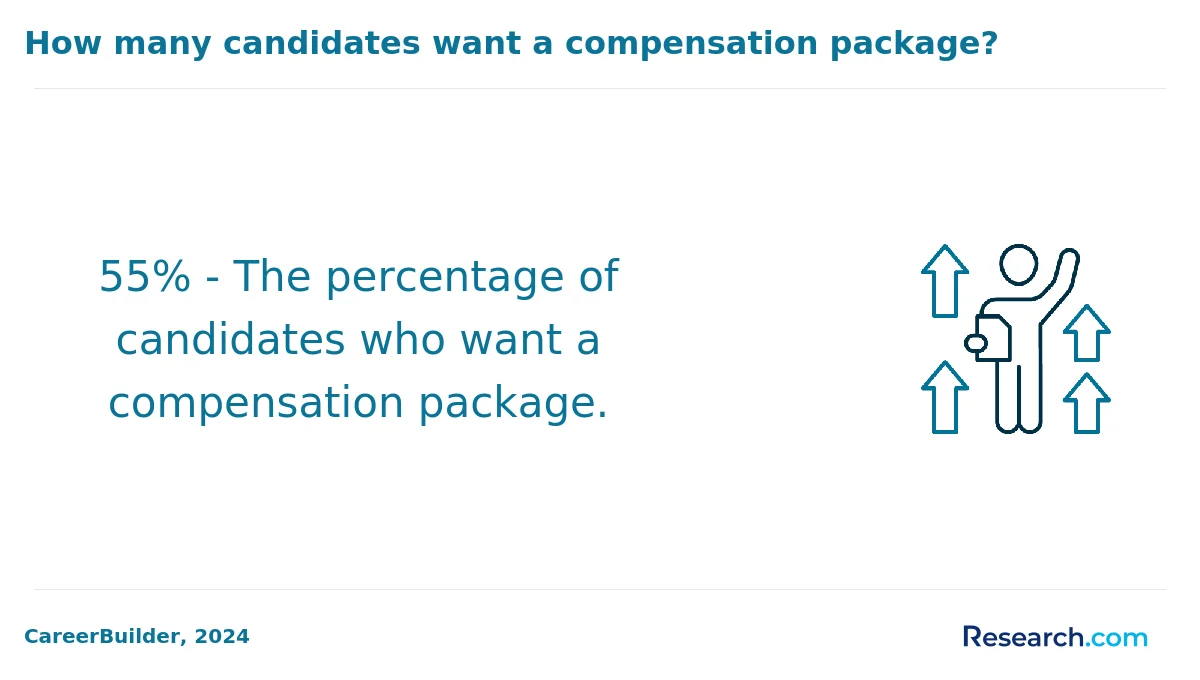
In Nebraska, common associate degree courses blend general education with program-specific learning, designed to prepare students well for the workforce or further study. Graduates from schools like Western Nebraska Community College recall completing substantial general education credits-around 28 to 31 hours-covering areas such as quantitative reasoning, communication, and cultural studies. This balanced approach encourages critical thinking and collaboration, skills highly valued across many careers.
Students pursuing the Associate of Applied Science often experience a curriculum with fewer general education courses-typically 15 credit hours-and a stronger focus on hands-on technical training. This shift supports rapid career entry in fields like healthcare or business technology. Nurses earning the ADN degree balance 27 general education credits with rigorous clinical practice, showcasing how Nebraska community college associate degree curriculum adapts to industry demands.
The curriculum's design encourages flexibility and relevance, making education feel personal and practical. Many graduates appreciate how courses align with local workforce needs, blending foundational knowledge with specialized skills. For those seeking advanced education alternatives, exploring easy masters programs to get into offers a promising path beyond the associate degree.
- Quantitative/Logical Reasoning (math, statistics)
- Effective Communication (composition, speech)
- Critical Inquiry and Creative Problem Solving
- Cultural, Aesthetic, and Creative Arts
- Human Behavior and Society (psychology, sociology)
Finding the best associate degree programs in Nebraska starts with verifying program accreditation to ensure credits transfer smoothly and degrees hold value. Graduates from Metropolitan Community College often highlight the peace of mind they felt knowing their credits counted toward bachelor's programs nearby. Cost remains a top concern; many students recommend knowing hidden fees beyond tuition, which typically runs around $70 per credit hour in-state at MCC. This consideration is crucial when learning how to choose affordable Nebraska associate degrees, especially when balancing finances.
Flexibility is another key factor, as many students juggle jobs or family. Central Community College's online offerings enabled one graduate to pursue their degree while working full-time, showing that balancing life and study is possible without sacrificing quality. Support services, like academic advising and transfer centers, also play a vital role for those aiming to continue education or enter the workforce confidently. When selecting a program, look at outcomes like graduation rates and student-to-faculty ratios to ensure you join a supportive environment.
Finally, consider programs designed for clear transfer paths or career alignment. Nebraska colleges often craft degrees for smooth transitions, which can be essential if you plan to advance. For those seeking guides on related educational opportunities, exploring easy master's degrees that pay well can offer insight into future career investments.
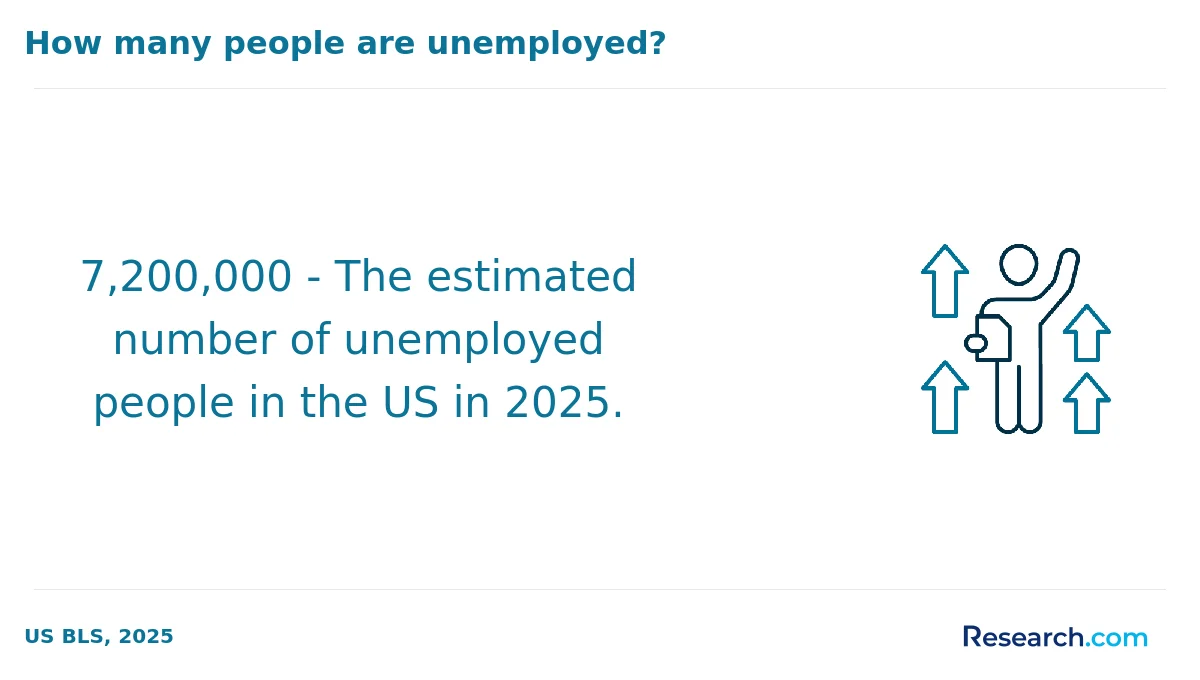
Associate degree graduates in Nebraska are discovering diverse career opportunities with an associate degree in Nebraska that span thriving industries like healthcare, business, and IT. Graduates from well-known local schools often share how their education opened doors to rewarding roles such as registered nurse, dental hygienist, and IT support specialist. For example, many who studied at popular community colleges have landed jobs coordinating projects or working as accounting specialists in Nebraska businesses, enjoying both stable incomes and growth potential.
Positions in healthcare are particularly promising given Nebraska's expanding medical sector. Similarly, the information technology field offers some of the highest paying associate degree jobs Nebraska, with roles like information security analyst earning six-figure salaries in management companies. Engineering technicians and early childhood educators also find fulfilling roles requiring associate degrees and technical training.
Exploring options through resources like the best ranked online schools can help students choose programs tailored to these lucrative paths.
The job market for associate degree graduates in Nebraska is promising and adaptable, reflecting a diverse economy with real opportunities. Graduates from popular local programs often share stories of quickly stepping into roles such as medical laboratory technicians or administrative assistants, leveraging their credentials to secure stable positions with competitive wages. Many find rewarding experiences in healthcare, where demand grows alongside Nebraska's aging population.
Employment opportunities with an associate degree in Nebraska frequently center on industries like healthcare, information technology, skilled trades, and business administration. Common pathways include:
- Registered nursing assistants earning strong starting salaries.
- Transmission system control operators making upwards of $59 an hour.
- Accounting associates helping local businesses manage finances efficiently.
Graduates from well-known Nebraska associate degree schools often highlight supportive faculty and hands-on training as key to their success, viewing their education as a springboard to advancement. This positive outlook aligns with projections that sectors such as healthcare and technology will continue expanding well into the next decade. For those researching options, exploring the top accredited universities in the us can offer additional pathways and flexible learning opportunities while staying rooted in Nebraska's strong job market.
Most Affordable Associate Degree Programs - Leading Certification Courses in Nebraska for 2026
# 1 position
Metropolitan Community College Area - Electrician.
associateThe Electrician program at Metropolitan Community College Area offers a hybrid format with some distance education options. It prepares students to install, operate, maintain, and repair electrical systems and apparatus in residential, commercial, and industrial settings. The curriculum covers electronics principles, wiring, power transmission, safety, and applicable codes. Annual in-state tuition is $3,285, and median earnings one year after completion reach $64,751. The program is accredited by the Higher Learning Commission.
# 2 position
Metropolitan Community College Area - Automobile/Automotive Mechanics Technology/Technician.
associateThe Automobile/Automotive Mechanics Technology/Technician program at Metropolitan Community College Area offers a hybrid learning format. It prepares students to repair, service, and maintain various automobile systems, including brakes, electrical, engines, transmissions, and heating/air conditioning. The program is accredited by the Higher Learning Commission. Annual in-state tuition is $3,285, and median earnings one year after completion reach $52,060.
# 3 position
Metropolitan Community College Area - Computer and Information Sciences, General.
associateThe Computer and Information Sciences, General program at Metropolitan Community College Area is fully online, offering flexible distance learning. The annual in-state tuition is $3,285. This general program covers computing, computer science, and information science and systems without focusing on specific specializations. Graduates have a median earnings of $48,719 one year after completion. The program is accredited by the Higher Learning Commission.
# 4 position
Metropolitan Community College Area - Legal Assistant/Paralegal.
associateThe Legal Assistant/Paralegal program at Metropolitan Community College Area is a hybrid course designed to prepare students for research, drafting, investigatory, and administrative tasks under attorney supervision. The curriculum includes legal research, document drafting, pleading, courthouse procedures, and legal specializations. Annual in-state tuition is $3,285. The program is accredited by the Higher Learning Commission, providing recognized credentials for students pursuing a legal support career.
# 5 position
Metropolitan Community College Area - Heating, Air Conditioning, Ventilation and Refrigeration Maintenance Technology/Technician.
associateThe Heating, Air Conditioning, Ventilation and Refrigeration Maintenance Technology/Technician program at Metropolitan Community College Area prepares students to repair, install, service, and maintain heating, air conditioning, and refrigeration systems. The hybrid program includes instruction in diagnostic techniques, testing equipment use, and principles of mechanics, electricity, and electronics. Annual in-state tuition is $3,285. The program is accredited by the Higher Learning Commission.
# 6 position
Metropolitan Community College Area - Industrial Mechanics and Maintenance Technology/Technician.
associateThe Industrial Mechanics and Maintenance Technology/Technician program at Metropolitan Community College Area offers hybrid learning with some distance-education options. It prepares students to repair and maintain industrial machinery and equipment, including cranes, pumps, engines, pneumatic tools, conveyor systems, and refinery systems. The program’s annual in-state tuition is $3,285. It is accredited by the Higher Learning Commission.
# 7 position
Metropolitan Community College Area - Welding Technology/Welder.
associateThe Welding Technology/Welder program at Metropolitan Community College Area offers hybrid learning with some distance-education options. It prepares students to work with various welding techniques, including arc welding, brazing, cutting, and welding metallurgy. The program covers safety, structural design, and industry codes and standards. Annual in-state tuition is $3,285. The program is accredited by the Higher Learning Commission.
# 8 position
Metropolitan Community College Area - Medical Insurance Coding Specialist/Coder.
associateThe Medical Insurance Coding Specialist/Coder program at Metropolitan Community College Area is fully online, offering specialized training in medical data entry, classification, and record-keeping related to diagnostic, treatment, billing, and insurance documentation. The curriculum covers medical records software, anatomy, medical terminology, coding procedures, and relevant Medicare regulations. Annual in-state tuition is $3,285. The program is accredited by the Higher Learning Commission, with median earnings of $44,112 one year after completion.
# 9 position
Metropolitan Community College Area - Accounting.
associateThe Accounting program at Metropolitan Community College Area prepares students for careers in accounting and related business functions. It covers principles and theory, financial and managerial accounting, cost accounting, tax accounting, auditing, and reporting procedures. Students learn about business information systems, professional standards, ethics, and applications in various organizations. Annual in-state tuition is $3,285. The program is accredited by the Higher Learning Commission.
# 10 position
Metropolitan Community College Area - Business Administration and Management, General.
associateMetropolitan Community College Area offers a fully online Business Administration and Management, General program. It prepares students to plan, organize, and direct organizational functions, covering management theory, human resources, accounting, purchasing, marketing, and business decision-making. The program is accredited by the Higher Learning Commission. Annual in-state tuition is $3,285, and median earnings one year after completion are $43,956.
Frequently Asked Questions about associate degree programs
After completing an associate degree in Nebraska, preparing for the job market involves a mix of practical steps and strategic planning. First, gain hands-on experience through internships or part-time jobs related to your field. According to the Nebraska Department of Labor, associate degree holders have an employment rate of about 72% within a year of graduation, highlighting the value of relevant work experience.
Next, develop a professional resume that clearly showcases your skills and training. Nebraska Career Coaches recommend using the local career centers for workshops and networking events, which can connect you with employers actively hiring graduates. Additionally, consider obtaining industry certifications to boost your credentials.
Engaging with Nebraska's community colleges for career services and alumni networks can also increase your chances of finding suitable employment. Staying informed about labor market trends in Nebraska's strong sectors such as healthcare and manufacturing is essential for targeting your job search effectively.
Employers in Nebraska highly value practical skills when hiring associate degree graduates. According to the Nebraska Department of Labor, technical skills related to information technology, healthcare, and advanced manufacturing are among the most in-demand. For example, proficiency in Microsoft Office, basic coding, and medical billing are frequently requested.
Soft skills are equally important. Communication, problem-solving, and teamwork frequently top employer surveys such as those by the Nebraska Department of Economic Development. Over 70% of local employers prioritize strong interpersonal abilities in entry-level workers.
Additionally, adaptability and a willingness to learn remain crucial as Nebraska's job market evolves rapidly in industries like agriculture and logistics.
Finding internships in Nebraska relevant to your associate degree program involves several strategic steps. Start by contacting your college's career services office, which often lists local internship opportunities tailored to specific programs. For example, Nebraska's community colleges collaborate with industries in Omaha, Lincoln, and other cities to provide hands-on experience.
Online platforms such as Nebraska Department of Labor's website also feature internship listings, with some sectors like healthcare and manufacturing offering over 500 openings annually. Networking events and career fairs held by educational institutions in Nebraska are excellent places to meet employers.
Additionally, check professional associations related to your field for regional internship postings. Many associate degree students in Nebraska secure internships through these local connections, boosting employability upon graduation.
In Nebraska, obtaining an associate degree significantly enhances career mobility and advancement opportunities. According to the Nebraska Department of Labor, individuals with an associate degree earn on average 20% more annually than those with only a high school diploma. Many employers value the specialized skills and practical knowledge gained through these programs, particularly in healthcare, information technology, and manufacturing industries, which are prominent in Nebraska's economy.
Furthermore, an associate degree can serve as a stepping stone for further education, allowing students to transfer credits toward a bachelor's degree. This flexibility supports long-term career growth and increased earning potential. The Nebraska Community College Association reports growing enrollment in associate programs, reflecting their role in workforce development.
Statistically, associate degree holders in Nebraska have a lower unemployment rate compared to those without postsecondary education, enhancing job security amid economic fluctuations. Thus, an associate degree is a practical and accessible path to improved career prospects within the state.
Part-time job opportunities in Nebraska can effectively complement associate degree education by providing practical experience and additional income. Popular roles for students include healthcare assistants, administrative support, and IT help desk positions, aligning with common associate degree fields such as nursing, business, and information technology. According to the Nebraska Department of Labor, healthcare support jobs are expected to grow 15% from 2022 to 2032, making part-time roles in this sector both accessible and beneficial.
Retail and hospitality sectors also offer flexible part-time positions, useful for developing customer service and management skills. These jobs typically provide adaptable schedules accommodating class times.
Students pursuing technical programs may find opportunities in internships or entry-level technician roles, especially near urban centers like Omaha and Lincoln. The Nebraska Workforce Development office highlights that employers value associate degrees combined with relevant work experience, enhancing future employability and career advancement.
To find the most affordable degree program near you in Nebraska, start by researching local universities and community colleges that offer a range of programs with budget-friendly tuition rates. Use Research.com as a helpful resource to compare different institutions and their associated costs, ensuring you identify options that fit within your financial constraints. Consider visiting campuses and speaking with admissions officers near Nebraska to gather additional information on scholarships, grants, and financial aid opportunities that can further reduce the cost of your education.
- Most Affordable Associate Degree Programs - Leading Certification Courses in Kansas for 2026
- Most Affordable Associate Degree Programs - Leading Certification Courses in South Dakota for 2026
- Most Affordable Associate Degree Programs - Leading Certification Courses in Colorado for 2026
- Most Affordable Associate Degree Programs - Leading Certification Courses in Minnesota for 2026
- Most Affordable Associate Degree Programs - Leading Certification Courses in North Dakota for 2026
- Most Affordable Associate Degree Programs - Leading Certification Courses in Indiana for 2026
- Most Affordable Associate Degree Programs - Leading Certification Courses in Mississippi for 2026
- Most Affordable Associate Degree Programs - Leading Certification Courses in Alabama for 2026
- Most Affordable Associate Degree Programs - Leading Certification Courses in Florida for 2026
- Most Affordable Associate Degree Programs - Leading Certification Courses in North Carolina for 2026
- Is Getting an Associate Degree Worth It? And for What Fields? | NSHSS | National Society of High School Scholars https://www.nshss.org/resources/blog/blog-posts/is-getting-an-associate-degree-worth-it-and-for-what-fields/
- What Are Employers Looking for When Reviewing College Students’ Resumes? https://www.naceweb.org/talent-acquisition/candidate-selection/what-are-employers-looking-for-when-reviewing-college-students-resumes
- Online Associate Degree Programs https://www.ashworthcollege.edu/associate-degrees/
- Nces - Ipeds https://nces.ed.gov/ipeds/
- Search Programs and Trainings https://northeast.edu/degrees-and-programs/
- Collegescorecard https://collegescorecard.ed.gov/
- Entry Level Opportunities | Nebraska Medicine Omaha, NE https://www.nebraskamed.com/careers/entry-level
- Research - Highest Paying Masters Degrees https://research.com/degrees/highest-paying-masters-degrees
- Metropolitan Community College Tuition https://www.mccneb.edu/getting-started/tuition-financial-aid/tuition
- What Comes After Associate Degree: Here Are Your Options https://potomac.edu/do-you-feel-complete-after-earning-an-associates-degree/