Best Trade School & Training Programs - Leading Certification Courses in Bristol for 2026

Co-Founder and Chief Data Scientist
Choosing the right trade school in Bristol can shape your future career and open doors to in-demand skills. This article introduces a trade school programs ranking created by the Research.com team of data scientists to guide you in making an informed decision.
Whether you’re aiming for a diploma or certification, knowing which programs offer the best value is essential. Exploring these options can boost your confidence and help you find a path that fits your goals.
Investing in trade education is a smart step toward a rewarding and stable career.
Key benefits of finishing trade school programs trade school in Bristol
- The expected salary for trade school graduates in Bristol ranges from about $27,000 to $36,400 in the early years, with some experienced professionals earning over $48,800 annually, showing promising financial growth.
- Popular career paths include roles such as engineering technicians, HVAC installers, licensed practical nurses (LPNs), and electrical or plumbing apprentices, offering diverse opportunities for hands-on work and steady employment.
- Online trade school diplomas provide flexibility, allowing students to balance work and study, which is especially helpful for remote learners in Bristol seeking a convenient, efficient education without sacrificing quality.
- Best Trade School & Training Programs - Leading Certification Courses in Bristol for 2026
- What can I expect from trade school programs trade schools in Bristol?
- Where can I work after finishing trade school programs trade schools in Bristol?
What can I expect from trade school programs trade schools in Bristol?
The average cost of a trade school program in Bristol generally reflects the focused, hands-on nature of education offered at institutions like Bristol Technical Education Center. Graduates often recall investing both time and resources into a comprehensive experience that includes practical lab work, workshops, and real-world simulations. While exact tuition varies by program length and specialization, many find that the cost is balanced by the significant return on investment-graduates enter high-demand fields equipped with industry-recognized skills and certifications.
Students frequently describe the value of full-time day programs lasting around ten months, where the immersive environment and expert instructors justify the expenses. Those pursuing programs such as Precision Machining or Culinary Arts often share stories of how their hands-on training translated quickly into job-ready competencies, making the program's cost feel like a strategic career step rather than just an expense. Additionally, adults returning to school appreciate flexible options like evening apprenticeships, which allow them to manage costs alongside work and family commitments.
Ultimately, while the tuition price tag can seem substantial upfront, the combination of direct job placement, college credit opportunities, and practical skills often leads students to view the financial commitment as worthwhile for long-term success in Bristol's workforce.
Where can I work after finishing trade school programs trade schools in Bristol?
Graduates from trade school programs in Bristol quickly find themselves welcomed into a variety of thriving local industries. Many step into roles as electricians, HVAC technicians, plumbers, or automotive mechanics, often securing positions through hands-on apprenticeships offered by well-known schools like the Industrial Management & Training Institute. These apprenticeships are more than just training-they're stepping stones to immediate employment with trusted local employers who value the reputation of Bristol's trade schools.
For example, recent graduates report starting work with utility companies, specialized service firms, or residential plumbing businesses just weeks after completing their programs. The pride of earning certifications that translate directly into real-world jobs brings a strong sense of accomplishment and optimism.
Bristol's growing need for skilled tradespeople means that many graduates enjoy competitive starting wages and opportunities to advance quickly. Students envision their futures not only working as skilled technicians but also moving into leadership or management within construction, facilities maintenance, or automotive service companies.
Others find rewarding pathways in technical support or manufacturing roles, harnessing their practical skills to support city-wide infrastructure and industries. The steady demand in Bristol's job market creates a hopeful outlook for anyone completing trade school training here.
After finishing a trade school program in Bristol, many graduates find themselves stepping into the workforce with starting wages around $16.89 per hour for entry-level roles such as customer service associates or cashiers. However, those who pursued specialized technical programs at well-known Bristol schools quickly see their earning potential rise, sometimes reaching up to $45.00 per hour. Graduates often share how this jump fuels their excitement for building a rewarding career.
Trade school alumni from Bristol who trained in fields like electrical work or plumbing report starting salaries close to regional averages-around $56,900 annually for electricians and $56,330 for plumbers. Many recall how gaining certifications and real-world experience opened doors to higher wages and job stability, inspiring confidence to plan long-term.
Some graduates preparing for specialized roles, such as aircraft mechanics or medical assistants, see median annual wages between $45,000 and $75,000. This range echoes stories of peers advancing quickly thanks to hands-on training and local industry demand.
- Admission is competitive and typically requires submitting applications by March 15 for high school programs and providing a high school diploma or equivalent for adult programs.
- Applicants need to pass interviews, submit academic records or references, and complete background checks and health forms, especially for healthcare-related programs.
- Programs last one to two years, focus on fields like automotive technology, HVAC, culinary arts, and welding, and run from late August to mid-June.
- Tuition ranges from $5,000 to $15,000 per year for in-state students, with additional fees around $40 for certain applications, and financial aid options may be available.
- Graduates typically earn between $40,000 and $55,000 annually soon after completing a program, with potential to earn over $60,000 as they gain experience and certifications.
Completing a trade school program in Bristol commonly takes between 10 months and two years, depending on the field. Graduates from Bristol Technical Education Center often recall the pace of their studies-one-year full-time programs like Culinary Arts or Welding immersing them deeply for about 10 months, creating a strong sense of achievement within a short, focused timeframe.
More advanced programs, such as Automotive Technology or HVAC, extend to two years, allowing students to develop robust skills while balancing hands-on training with theory. Many students appreciate this balanced timeline, feeling prepared and confident entering the workforce.
Post-graduate students pursuing technology certificates often find that meeting 900 instructional hours sharpens their expertise, making the extra commitment worthwhile. For high school students, the 720-hour requirement feels manageable and motivating, fitting well into their academic schedules.
Apprenticeships add another layer, with some students enjoying the flexibility of evening classes spread over several years, blending work and study. Overall, Bristol's trade schools offer varied paths that align well with students' goals and lifestyles.
The key difference between online and on-campus trade school programs in Bristol lies in how students engage with their coursework and the learning environment. Graduates of Bristol Community College's online programs often describe the freedom to study late at night or during lunch breaks as a game-changer, fitting their education seamlessly around busy work schedules or family life. They appreciate 24/7 access to tutoring, which feels like having a safety net whenever challenges arise.
In contrast, those who took classes at the Bristol Technical Education Center highlight the energizing, hands-on experience of working directly with tools and equipment in real time. Face-to-face mentoring and immediate feedback from instructors create a vibrant atmosphere that many find motivating and supportive. The chance to build camaraderie with peers during in-person sessions often sparks a sense of belonging that enhances their commitment to learning.
Both paths require navigating similar admissions and financial aid processes, but students aiming for fully online study often work closely with advisors to tailor schedules that meet program needs without missing essential on-campus components.
The average trade school cost in Bristol varies, but students considering local options can expect tuition and fees around $18,750 per year at institutions like Pennco Tech-Bristol. Graduates often share how these figures reflect the sticker price before financial aid, which many find to be a key factor in making programs affordable. One student's story highlights how the initial cost seemed daunting, but after scholarships and grants, the actual amount paid dropped dramatically, making the investment feel worthwhile and manageable.
Looking more broadly, trade school tuition in Bristol aligns with national trends, typically ranging between $12,000 and $20,000 annually. This mirrors the experiences of many students who have pursued in-demand fields such as healthcare or skilled trades locally. For example, graduates from Bristol Technical Education Center report an average net price closer to $7,168 after financial aid, a figure that brings relief and optimism to those balancing budgets and career goals.
Additional costs such as books and supplies also factor into the total expense, sometimes adding several hundred to a few thousand dollars. Those considering different trades should plan accordingly and explore every available financial resource, including payment plans. Many have benefited from options like federal grants or scholarships, which reduce financial burden and help students focus on learning.
Prospective students might also explore niche programs through resources like cheap baking and pastry arts online programs to find specialized training that fits their budget and career aspirations.

Trade school students in Bristol often find financial aid more accessible than they expect, thanks to multiple support options beginning with the Free Application for Federal Student Aid (FAFSA). Graduates from Pennco Tech recall how completing the FAFSA unlocked federal grants like the Pell Grant-providing up to $7,395-which made balancing tuition and living expenses much less stressful. For those with exceptional financial need, additional federal supplements like the FSEOG have been lifesavers, easing the burden during intense training periods.
Many Bristol students also tap into scholarships tailored specifically for career-focused study, such as the Fair Chance Trade School Scholarship or the Pacific Gas & Electric Company PrideNetwork ERG Scholarship, which have helped recent graduates cover critical costs. Veterans attending Bristol trade schools frequently benefit from targeted aid programs designed to honor their service, often enabling them to focus fully on their education without financial distraction.
Students report that tuition waivers offered by local institutions can dramatically reduce cost barriers, while financial aid appeals provide a hopeful path for those whose circumstances evolve mid-study. These layered supports create an encouraging environment for trade students eager to succeed.
To enroll in a trade school program in Bristol, such as the well-regarded Bristol Technical Education Center, applicants must meet clear prerequisites tailored to their background. High school students typically apply in grades 11 or 12, ensuring they can balance their home school academics with vocational training. Graduates often recall managing this dual schedule positively, finding pride in earning both academic and technical credits simultaneously.
Key prerequisites include:
- Enrollment in the appropriate high school grade-grade 11 is mandatory for programs like Health Technology.
- Completion of a formal application before the priority deadline, usually March 15.
- Capacity to maintain core academic courses (English, math, science) while attending BTEC.
Post-graduate and adult learners must have completed high school and often participate in interviews or open house events, adding a personal touch to their applications. Graduates emphasize how attending these events helped them gain confidence and insight into their chosen trade. Selection can be competitive, occasionally involving weighted factors or lotteries, which keeps the experience fair and encouraging.
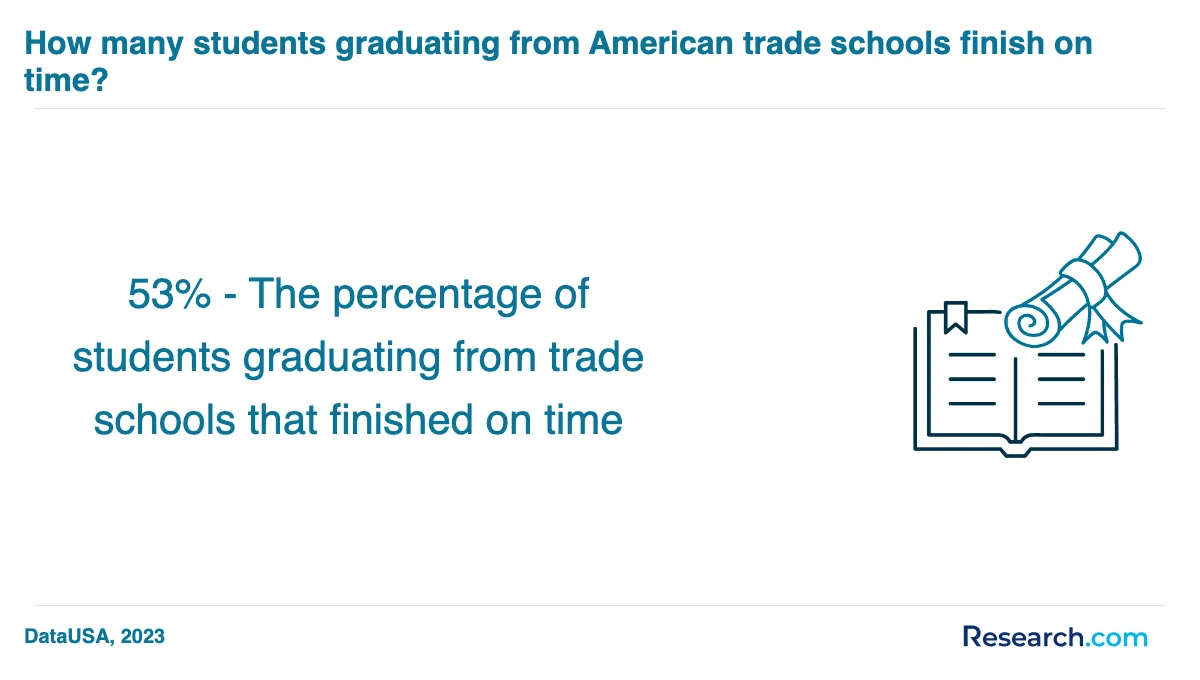
Trade school programs in Bristol typically include courses designed to equip students with practical, job-ready skills that resonate with local industry needs. Graduates from popular institutions like Bristol Technical Education Center often share how immersive programs such as Automotive Technology, HVAC, and Health Technology prepared them thoroughly through hands-on training.
Common courses you can expect at Bristol trade schools include:
- Automotive Technology
- Heating, Ventilation & Air Conditioning (HVAC)
- Health Technology
- Culinary Arts
- Mechatronics
- Precision Machining
- Welding & Metal Fabrication
Many students highlight the value of the intensive 10-month schedules, especially at Bristol TEC, where post-graduates complete 900 hours of instruction, ensuring deep engagement with each skill set. Others appreciate the apprenticeship opportunities available through centers like the Industrial Management & Training Institute, which offer specialized programs in electrical, plumbing, and solar technology-fields that continue to grow in Bristol.
Beyond core trades, additional courses in areas such as Advanced Manufacturing, Information Technology, and Business Management reflect the evolving economic landscape. Students often express confidence entering the workforce with certifications recognized by local employers, feeling a strong connection between their training and real-world career opportunities.
Trade school programs in Bristol offer a broad spectrum of specializations tailored to equip students with hands-on skills that align with local industry needs. Graduates from institutions like the Bristol Technical Education Center often share how programs such as Automotive Technology taught them to seamlessly diagnose and repair modern vehicles, blending mechanical know-how with electronic systems expertise. Similarly, students excited about culinary creativity find the Culinary Arts program rewarding, gaining skills in professional cooking and kitchen management that quickly open doors in restaurants and hospitality.
Other popular pathways include:
- Health Technology, where high school juniors can prepare for roles like medical assistants and nursing support;
- HVAC/R, which offers practical skills in climate control systems essential to residential and commercial sectors;
- Robotics and Automation, immersing learners in programming and industrial automation critical for advanced manufacturing;
- Precision Machining Technology, teaching operation of lathes and computer-controlled equipment;
- Welding and Metal Fabrication, focusing on blueprint reading and fabrication processes.
Apprenticeship programs through local bodies add electrician and plumbing training, blending classroom and on-the-job learning that prepares students well for licensure and careers in skilled trades. Many graduates reflect on how their experiences brought confidence and excitement about entering the workforce immediately.
For those curious about the economic prospects, exploring highest paying trades can clarify how these skills translate into rewarding careers. Bristol's trade schools stand out by emphasizing practical learning combined with industry certifications, making the journey both accessible and deeply relevant to the evolving demands of local employers.
Choosing the right trade school in Bristol means focusing on what truly matters for your future success. Graduates from well-known schools often highlight how accreditation and program relevance shaped their career paths. When applying trade school selection criteria Bristol, consider whether the program offers hands-on training or apprenticeships that mirror real workplace demands. For instance, students at popular vocational colleges in Bristol recall how direct industry connections helped them secure jobs right after graduation.
Budgeting is equally important. Many students advise prospective learners to compare Bristol trade school programs cost to find affordable options without sacrificing quality. Financial aid availability and scholarships can ease the burden, especially when tuition differences are significant. Finally, critically examine career support services-such as job placement assistance and employer networking opportunities-as these factors dramatically influence graduate outcomes.
For those curious about which fields offer the strongest prospects, review data on which trades are most in demand to better align your chosen program with expanding industries and maximize your investment.

Trade school graduates in Bristol find a wealth of career opportunities after trade school in Bristol that align with hands-on, in-demand skills. Many who attend the Bristol Technical Education Center and regional trade schools step directly into roles as automotive technicians, culinary professionals, or healthcare support staff. Graduates often share stories of landing jobs quickly, feeling confident thanks to the real-world training received. For example, those completing Automotive Technology programs become sought-after mechanics or service advisors in local dealerships.
Trade school programs and jobs in Bristol also extend to specialized fields like HVAC/R, where graduates become technicians focused on energy-efficient systems, or to advanced manufacturing sectors through Robotics and Automation. Popular programs in Precision Machining and Welding open doors to stable careers in manufacturing and infrastructure, with graduates appreciating the strong job placement aid offered by schools.
Students exploring careers in welding might explore most affordable online welding trade school programs to expand their training options.
- Automotive service technicians and mechanics
- Line cooks, pastry chefs, and kitchen managers
- Medical assistants and patient care technicians
- HVAC technicians and installers
- Robotics and automation specialists
- Machinists, CNC operators, and welders
The job market for trade school graduates in Bristol is notably strong, driven by local industries eager to hire skilled workers. Many graduates from institutions like the Bristol Technical Education Center find themselves quickly employed due to the hands-on training they receive. These graduates often share stories of immediate job offers in fields such as cosmetology, HVAC, and medical assisting, highlighting the positive outlook for those completing trade programs nearby.
In fact, the Bristol trade school graduate employment rates reflect a regional demand that outpaces supply, thanks to a growing skills gap. Employers frequently seek:
- Electricians ready to handle local infrastructure projects
- Plumbers and carpenters to support ongoing construction
- HVAC technicians to meet rising residential and commercial needs
Studying in Bristol means access to career services that connect students with reputable companies, reinforcing the job outlook for trade school graduates in Bristol. For those seeking a fast start, exploring 6-month certificate programs that pay well can be a strategic choice to enter the workforce with confidence and reduced student debt.
Best Trade School & Training Programs - Leading Certification Courses in Bristol for 2026
# 1 position
Pennco Tech-Bristol - Automobile/Automotive Mechanics Technology/Technician.
associatePennco Tech-Bristol offers a hybrid program in Automobile/Automotive Mechanics Technology/Technician that prepares students to repair, service, and maintain various automobile systems. The curriculum includes brake systems, electrical systems, engine performance and repair, suspension and steering, transmissions, and heating and air conditioning. The program is accredited by the Accrediting Commission of Career Schools and Colleges. Median earnings one year after completion are $34,100.
# 2 position
Pennco Tech-Bristol - Heating, Air Conditioning, Ventilation and Refrigeration Maintenance Technology/Technician.
certificate or diplomaPennco Tech-Bristol offers a hybrid program in Heating, Air Conditioning, Ventilation and Refrigeration Maintenance Technology/Technician. The curriculum trains students to repair, install, service, and maintain heating, air conditioning, and refrigeration systems. Instruction covers diagnostic techniques, testing equipment, and principles of mechanics, electricity, and electronics related to these systems. Graduates have median earnings of $38,417 one year after completion. The program is accredited by the Accrediting Commission of Career Schools and Colleges.
# 3 position
Pennco Tech-Bristol - Automobile/Automotive Mechanics Technology/Technician.
certificate or diplomaPennco Tech-Bristol offers a hybrid program in Automobile/Automotive Mechanics Technology/Technician, preparing students to repair, service, and maintain various automobile systems. The curriculum includes brake systems, electrical systems, engine performance and repair, suspension and steering, transmissions, and heating and air conditioning. Graduates have median earnings of $34,100 one year after completion. The program is accredited by the Accrediting Commission of Career Schools and Colleges.
# 4 position
Pennco Tech-Bristol - Electrician.
certificate or diplomaThe Electrician program at Pennco Tech-Bristol offers a hybrid format with some distance-education options. It prepares students to install, operate, maintain, and repair electric systems and apparatus in residential, commercial, and industrial settings. Instruction covers electronics, wiring, power transmission, safety, electrical testing, and applicable codes. Graduates have median earnings of $33,494 one year after completion. The program is accredited by the Accrediting Commission of Career Schools and Colleges.
# 5 position
Pennco Tech-Bristol - Plumbing Technology/Plumber.
certificate or diplomaPennco Tech-Bristol offers a hybrid Plumbing Technology/Plumber program that prepares students to become licensed plumbers. The curriculum covers installation and maintenance of piping systems for various applications, including steam, natural gas, and hot water. Instruction includes technical mathematics, blueprint reading, welding, plumbing codes, and system inspection. Graduates earn a median salary of $31,668 one year after completion. The program is accredited by the Accrediting Commission of Career Schools and Colleges.
# 6 position
Pennco Tech-Bristol - Medical Administrative/Executive Assistant and Medical Secretary.
certificate or diplomaPennco Tech-Bristol offers a hybrid Medical Administrative/Executive Assistant and Medical Secretary program designed to prepare students for roles supporting physicians, nurses, and healthcare administrators. The curriculum covers medical terminology, business communications, healthcare operations, scheduling, software applications, and professional ethics. Graduates earn a median salary of $28,145 one year after completion. The program is accredited by the Accrediting Commission of Career Schools and Colleges.
Frequently Asked Questions about trade school programs
Preparing for the job market after completing trade school in Bristol involves several strategic steps. Graduates should focus on building a strong portfolio that highlights practical skills gained during training. According to the U.S. Bureau of Labor Statistics, employment in skilled trades grows faster than average, making hands-on experience highly valuable.
Networking is crucial; attending local industry events and joining professional associations can connect graduates with potential employers. Many trade schools in Bristol provide job placement assistance and apprenticeships, which significantly increase job prospects.
Also, obtaining relevant certifications can improve employability. For example, certifications from the National Center for Construction Education and Research (NCCER) are recognized nationwide and help graduates stand out in competitive fields.
Employers in Bristol highly value trade school graduates who demonstrate strong technical skills specific to their industry. According to the National Center for Education Statistics, proficiency in areas such as electrical work, HVAC, plumbing, and welding remain in high demand.
Beyond technical expertise, communication skills are critical. A 2023 survey by the National Association of Workforce Development Professionals found that 78% of employers prefer candidates who can clearly explain tasks and safety procedures.
Problem-solving abilities also rank highly. Employers seek graduates able to adapt in dynamic environments and resolve issues efficiently.
Finally, reliability and teamwork are essential soft skills identified by over 70% of Bristol's local employers in recent workforce reports from the U.S. Bureau of Labor Statistics.
Finding internships in Bristol that align with your trade school program requires proactive research and networking. Start by visiting your trade school's career services, as many have partnerships with local employers who offer internships specifically for students in technical fields. According to the National Association of Colleges and Employers (NACE), about 60% of trade school students secure internships through school connections.
Additionally, use online job boards like Indeed or Handshake to filter internships by location and industry. Engaging directly with Bristol's local businesses through job fairs and industry meetups can also increase your chances of finding relevant hands-on opportunities.
Obtaining a trade school diploma in Bristol significantly enhances career mobility and advancement opportunities. According to the National Center for Education Statistics, graduates from trade programs earn an average of 20-30% more than those without postsecondary credentials in similar fields. Trade diplomas offer practical skills that are highly valued in the local labor market, especially in sectors like electrical work, plumbing, and HVAC.
Employers in Bristol often prefer candidates with certified technical training, leading to faster promotions and job stability. The U.S. Bureau of Labor Statistics highlights that skilled trades are among the fastest-growing occupations, supporting long-term career growth.
Additionally, many Bristol trade schools provide apprenticeships and strong industry connections, which ease transitions from training to employment. This helps graduates build professional networks crucial for advancement.
Part-time job opportunities in Bristol can effectively complement trade school education by providing practical experience and income. Common roles include apprenticeships in construction, electrical work, and plumbing, allowing students to apply skills gained in classrooms directly to real-world projects. Retail positions and customer service jobs are also prevalent, especially for trade students focusing on business or IT-related fields, offering flexible hours and valuable communication experience.
According to recent data from the UK Office for National Statistics, Bristol's part-time employment rate for young adults is around 30%, reflecting a robust market for students balancing education and work. Moreover, sectors like hospitality and warehousing frequently hire part-time workers, aligning with schedules of trade school students.
To choose the best degree program near me in Bristol, PA, you should consider the field of study you are interested in and research accredited programs that offer strong curricula and job placement rates. There are universities and institutions near Bristol, PA that provide a variety of degree options in fields such as technology, healthcare, and business. Resources like Research.com can be helpful in comparing programs and universities based on academic reputation and faculty expertise.
- Vocational courses – Technical and vocational qualifications - City of Bristol College https://www.cityofbristol.ac.uk/vocational-courses/
- Programs – Bristol Technical Education Center https://bristol.cttech.org/programs/
- Career Services | Bristol Community College https://bristolcc.edu/studentservices/resources/careerservices/
- Exploring career options | Careers Service | University of Bristol https://www.bristol.ac.uk/careers/career-options/
- Careers Education - City Academy Bristol https://cityacademybristol.clf.uk/careers-education/
- Bristol, CT | Apprenticeship Programs | Industrial Management & Training Institute https://imti.edu/bristol-ct
- Training for work https://www.bristol.gov.uk/bristol-local-offer/young-people/education-training-and-work/training-for-work
- Cotham School - Choosing a career https://www.cotham.bristol.sch.uk/page/