
Most Affordable Trade School & Training Programs - Leading Certification Courses in Bedford for 2026

Co-Founder and Chief Data Scientist
If you're exploring options for trade schools in Bedford, this article is designed just for you. It introduces a trade school programs ranking developed by the Research.com team of data scientists to help you make an informed decision about which programs stand out in 2026.
Choosing the right trade school can open doors to fulfilling careers and valuable skills. This guide highlights affordable options, making it easier to find quality education without financial stress.
Whether you're starting fresh or changing paths, a trade school diploma or certification can boost your future prospects with confidence.
Key benefits of finishing trade school programs trade school in Bedford
- Trade school graduates in Bedford can earn solid salaries, with computer technicians making about $71,632 yearly and top earners reaching up to $109,212. This means great financial opportunities right after finishing school.
- Popular career paths include healthcare, automotive technology, skilled construction trades, and vocational education, offering diverse options that match many interests and strengths.
- Online trade school programs provide flexible learning schedules, allowing students to balance life and work easily while gaining valuable certifications, much like successful online graduates from well-known Bedford trade schools.
- Most Affordable Trade School & Training Programs - Leading Certification Courses in Bedford for 2026
- What can I expect from trade school programs trade schools in Bedford?
- Where can I work after finishing trade school programs trade schools in Bedford?
What can I expect from trade school programs trade schools in Bedford?
The average cost of a trade school program in Bedford varies depending on the field and specific institution, but many students find it to be an affordable alternative to traditional college routes. Graduates from Bedford's well-known programs in welding, cosmetology, and health sciences often report tuition expenses ranging from moderate to manageable, especially when compared to four-year universities. This affordability aligns with the practical, career-focused nature of these schools.
Students frequently describe their investment as worthwhile, given the hands-on learning and industry credentials they earn, such as OSHA safety certifications or Microsoft Office Specialist credentials. For example, graduates from the Susie G. Gibson Science and Technology Center emphasize how their focused training directly translated into well-paying jobs soon after completion.
Locally respected trade programs also sometimes offer financial aid or partnership opportunities with community colleges, helping reduce costs further while earning college credits. This creates a streamlined, economical path toward stable, skilled employment or further academic advancement in Bedford's thriving technical sectors.
Where can I work after finishing trade school programs trade schools in Bedford?
After finishing a trade school program in Bedford, graduates find themselves stepping confidently into rewarding careers across varied industries. For example, those who trained at Greater New Bedford Regional Vocational Technical High School often secure positions as Licensed Practical Nurses (LPNs) in nearby hospitals or long-term care facilities, where their hands-on skills are immediately valued. The surge in healthcare demand means these graduates experience a strong sense of purpose making tangible impacts on patients' lives.
Others who mastered technical skills like CNC machining or maintenance at Bedford-area schools quickly join local manufacturing firms, thriving in dynamic environments where their precision and problem-solving abilities drive productivity.
Graduates from culinary arts programs frequently become chefs or kitchen managers in Bedford's bustling hospitality sector, enjoying the creativity and teamwork their roles offer. Many also turn to teaching culinary arts at local vocational schools, sharing their passion with the next generation.
Education-focused trade graduates often find fulfilling roles as teaching assistants or adult educators, shaping young minds and supporting community growth. Career centers in Bedford bolster these transitions, helping graduates connect with employers and build meaningful careers rooted in real-world skills and neighborhood needs.
After finishing a trade school program in Bedford, many graduates find themselves earning competitive wages much sooner than peers pursuing traditional four-year degrees. Graduates from popular local trade schools often share how landing a job as a Technology Support Specialist or a Certified Network Engineer can start at an hourly wage of about $41, which feels rewarding right out of training. Imagine entering the workforce confidently, knowing that mid-career earnings can rise past $50 per hour, offering both financial stability and exciting career growth.
For those exploring skilled trades like HVAC or welding, Bedford-area graduates frequently see starting salaries ranging from $40,000 to $70,000 annually. Many tell stories of quickly advancing as their experience deepens, turning their trade school investment into steady income. Even careers in education support or maintenance offer reliable pay, with positions such as head custodians earning around $25,000 per year-enough to launch a comfortable living locally.
Trade school grads appreciate that their shorter training period means they start earning and building their futures sooner, tapping into Bedford's strong demand for skilled professionals.
- Admission for trade schools in Bedford typically starts in early fall, with applications opening September 1 and acceptances sent out by March.
- Short licensure courses, like a 12-hour construction supervisor renewal, cost about $175 plus materials, while longer 200-hour programs offer affordable options with evening and weekend classes.
- Graduates in skilled trades such as automotive technology can expect starting salaries between $40,000 and $55,000 annually, with experienced workers earning $60,000 to $75,000 or more.
- Many programs provide license certifications in fields like electrical code, plumbing, and OSHA safety, meeting Massachusetts state requirements to boost employability.
- Co-op and placement programs allow students to gain paid work experience during their studies, often leading to full-time job offers after graduation.
Completing a trade school program in Bedford can be surprisingly swift, especially for those eager to start working soon. High school students at the Bedford County Technical Center typically spend two to three years mastering their skills, which feels rewarding as they transition confidently into careers. Graduates often share how immersive their hands-on learning felt, making the waiting period fly by.
For adults, options like the Allegany College of Maryland partnership offer even shorter routes. Many have earned technical certificates in under six months by balancing part-time evening classes, which sparks excitement as they see real progress within weeks. Imagine finishing a 200-hour medical technician course while managing a job-many find this pace motivating and doable.
Others pursuing specialized fields such as automotive or marine technology at the Greater New Bedford Vocational Technical Institute find their training compressed into a few months. This accelerated approach lets learners quickly gain certifications and certifications, fueling a strong sense of achievement and readiness.
Programs like those at North Lawrence Career Center often wrap up in a single academic year. Students appreciate this timeline, feeling they can swiftly step into trades like construction or landscaping without years of delay. The combination of focused instruction and flexible scheduling in Bedford's trade schools helps nurture enthusiasm and confidence every step of the way.
Online trade school programs in Bedford offer students the chance to complete coursework remotely, providing unmatched flexibility for those juggling work or family. Graduates from these programs often mention the freedom to study on their own schedules as a major benefit, allowing them to pursue certifications without sacrificing their current responsibilities.
On-campus programs, by contrast, immerse students in a structured environment where face-to-face interaction and hands-on learning come to life. For example, students at Bedford County Technical Center value being able to directly collaborate with instructors and peers, which helps them gain confidence through live labs and workshops that online courses can't fully replicate.
Many Bedford trade schools now offer hybrid options, blending online theory with essential in-person requirements. Graduates appreciate this blend, especially in fields like healthcare or skilled trades, where practical experience in labs or clinical settings is crucial-even if much of the coursework happens online.
The average trade school tuition in Bedford generally lands around $15,000 for a full program, reflecting a balance between affordability and quality education. Graduates from popular trade schools in Bedford often share that while public and community colleges offer more budget-friendly options averaging about $8,730 per year, private, for-profit institutions can approach fees closer to $16,050 annually. This variation is important to keep in mind when considering the Bedford trade school program costs breakdown, especially since nonprofit career colleges may demand even higher investments nearing $19,300 per year. Many students reflect positively on how these costs still translate into strong career preparation and opportunities in sought-after fields.
Looking at specific programs, some graduates who pursued automotive technology diplomas recall paying between $5,000 and $12,000, appreciating the manageable investment for hands-on training. Others studying welding found costs ranging from $5,000 to $15,000, which felt reasonable given the specialized equipment and expertise gained. Medical assisting programs can be quite flexible, costing anywhere from $2,000 to $20,000 based on whether courses are online or in-person and how long the training lasts.
Many Bedford-area trade schools also acknowledge financial challenges by offering financial aid, scholarships, and payment plans that helped graduates feel relief and confidence while managing their educational expenses. When comparing options, always consider additional fees such as books, uniforms, and technology. For those exploring career paths in these fields, resources on trade jobs can align well with your educational choices and budget planning.
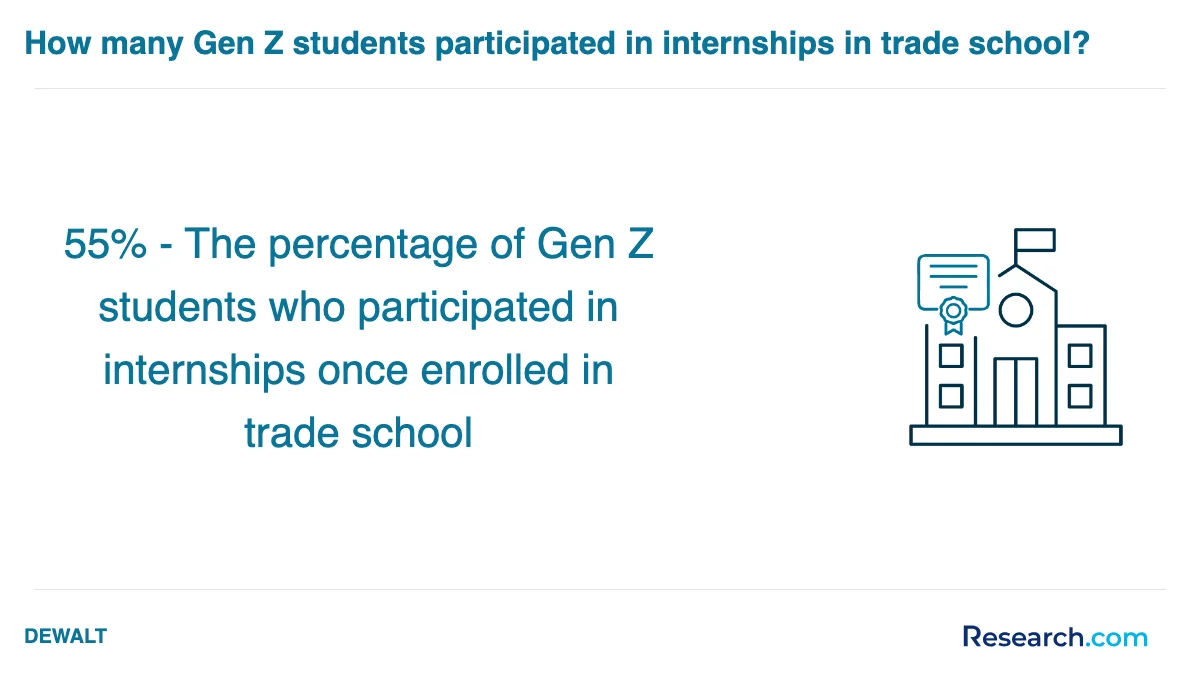
Trade school students in Bedford often find financial aid options essential for making education affordable and accessible. Graduates from programs like those at Middlesex Community College (MCC) frequently share how completing the FAFSA opened doors to grants and scholarships they hadn't anticipated, easing the stress of tuition payments.
The Tennessee Promise program especially stands out for recent high school graduates, covering remaining tuition and fees after other aid is applied. Many describe this last-dollar scholarship as a game-changer that allowed them to focus fully on skill-building without financial worry.
Adults returning to training appreciate specialized scholarships, such as the Dr. Wynetta A. Frazier "Sister to Sister" Scholarship, which supports mature African American women balancing education with life responsibilities. Veteran students also benefit from scholarships offering up to $20,000 to advance career skills.
Local trade programs tied to Bedford public high schools and MCC often leverage state initiatives like MassEducate and MassReconnect. These help Massachusetts residents without bachelor's degrees attend for free, fueling optimism among students striving for better careers through trade education.
Enrolling in a trade school program in Bedford, such as the well-regarded Greater New Bedford Regional Vocational Technical High School (GNBVT), typically starts with meeting basic academic prerequisites. Most students enter at the 9th-grade level after completing middle school, and their latest records-including attendance and discipline from 7th grade onward-are carefully reviewed. This ensures candidates are prepared for the hands-on, focused learning these programs offer.
Beyond academics, Bedford trade schools value genuine student interest and engagement. Graduates often recall attending open houses or info sessions, which boosted their chances in the weighted lottery admissions system. Sharing personal essays or participating in interviews gives schools insight into a student's passion and dedication.
Recommendations from teachers and counselors also carry weight, helping paint a picture of a student's readiness and character. For specialized tracks, like early college pathways, expect requirements such as a minimum 3.0 GPA and completion of courses like Algebra II.
Key points to keep in mind:
- Completion of middle school and submission of recent academic records
- Active participation in school tours, open houses, or info events
- Essays or interviews showcasing motivation
- Teacher or counselor recommendations
- Additional academic criteria for specialized programs
Meeting these criteria by early spring deadlines opens doors to exciting workshops, skilled trades, and promising career paths in Bedford's vibrant technical education scene.

Trade school programs in Bedford typically revolve around hands-on training in fields that meet local workforce demands. Graduates from the Bedford County Technical Center, for example, often share how training in Automotive Technology gave them the confidence to start working in repair shops immediately after graduation.
Common courses include:
- Automotive Technology, where students learn vehicle diagnostics and repairs
- Health and Medical Sciences, including EKG certification and clinical nursing experiences
- Carpentry and Welding, focusing on practical construction skills
- Culinary Arts, designed to prepare students for kitchens and hospitality roles
- Business and Information Technology, for those aiming at office administration and tech support
Evening and continuing education courses offer flexibility to adult learners busy balancing work and study. Classes like OSHA safety training and Plumbing Code not only upgrade skills but also open doors for promotions in familiar industries.
Many students appreciate that Bedford's programs provide industry-recognized credentials, making it easier to secure skilled jobs right after finishing their courses. This practical approach makes education feel relevant and motivational every step of the way.
Trade school programs in Bedford offer diverse specializations that cater to students eager to jumpstart rewarding careers. Graduates from these programs often share stories of gaining practical skills in fields such as Agriculture, Business and Information Technology, and Health and Medical Sciences, thanks to hands-on training at institutions like the Susie G. Gibson Science and Technology Center. Many students appreciate the immersive experience, whether working on real-world projects in Technology Education or preparing for careers in Trade and Industrial sectors.
Opportunities at Bedford High School highlight pathways in Business Management, Finance, and Marketing, where students build confidence through roles simulating office environments and learn personal financial literacy. Others find their passion in technical trades like Architecture & Construction and Manufacturing, areas known for offering excellent employment prospects.
Students who explore affordable online trade schools programs for electricians have also found flexible, budget-friendly routes to certification. Many graduates emphasize the value of internships that help them acquire paid experience and establish industry connections prior to entering the workforce.
- Agriculture
- Business and Information Technology
- Health and Medical Sciences
- Technology Education
- Trade and Industrial fields
- Architecture & Construction
- Manufacturing
- Finance and Marketing
Choosing the best trade school programs in Bedford starts with pinpointing your career goals and matching them to fields that truly excite you. Graduates from local schools often describe how hands-on training in well-equipped workshops boosted their confidence and prepared them for real jobs. Many find that programs with strong ties to Bedford employers, offering internships or apprenticeships, open doors to steady careers right after graduation. When considering Bedford trade school tuition and costs, it's important to look beyond sticker price-scholarships and financial aid can make a significant difference. Some schools in the area use a lottery system for admission, which adds fairness but means planning ahead is key. Exploring school websites or attending open houses lets you see modern labs and technology firsthand, helping you imagine yourself learning there. For those wanting to explore affordability without sacrificing quality, checking out affordable online construction trade school programs can also expand your options.

Trade school graduates in Bedford find a wealth of career opportunities tailored to local industry demands. Many graduates step confidently into roles such as electricians, HVAC technicians, medical assistants, and automotive technicians, benefiting from the region's strong workforce connections. A typical graduate from Bedford's popular vocational programs shares how hands-on internships and real-world projects gave them a clear advantage when applying for jobs.
Programs emphasize practical skills and certifications that employers in Bedford actively seek, opening doors to positions with competitive salaries and room for advancement. Career opportunities for Bedford trade school graduates often include fields like:
- Architecture & Construction
- Manufacturing and Engineering
- Health Science and Medical Support
- Business and Finance Management
Students involved in Bedford vocational program job prospects often praise the co-op placements that transition directly into employment. For example, graduates of health science pathways routinely find entry-level healthcare roles locally, where demand remains high.
Further, for those interested in technical trades, affordable online classes for welding trade school programs offer flexible options to enhance skills while maintaining job connections, making it easier to build a career in Bedford's manufacturing sector.
The Bedford trade school job market is vibrant and expanding, fueled by Massachusetts' strong investment in career and technical education. Graduates from local trade schools often share stories of quickly securing roles as HVAC technicians, pipefitters, or construction workers, thanks to the area's demand for skilled labor. Employment opportunities for trade school graduates in Bedford are diverse, spanning advanced manufacturing, electrical work, and emerging clean energy sectors, where practical experience from hands-on programs is highly valued.
Popular trade schools in Bedford emphasize real-world training and industry connections, preparing students for immediate entry into well-paying jobs. Apprenticeship programs further enhance prospects; graduates report that completing these programs increases their chances of staying employed, often with salaries averaging $77,000 annually. Students have found paid on-the-job trainings through local partnerships that smooth the path from study to stable employment.
The growth in specialized fields like offshore wind and grid modernization creates fresh opportunities. Many Bedford trade school graduates benefit from programs linked to the Massachusetts Clean Energy Center, which connect them to internships and jobs that promise long-term career growth. For students exploring options, a construction trade program online can complement local offerings and widen job market access.
Most Affordable Trade School & Training Programs - Leading Certification Courses in Bedford for 2026
# 1 position
Middlesex Community College - Diagnostic Medical Sonography/Sonographer and Ultrasound Technician.
associateMiddlesex Community College offers a Diagnostic Medical Sonography/Sonographer and Ultrasound Technician program with a hybrid format, including some distance-education options. The program prepares students to use medical ultrasound techniques for diagnostic purposes under physician supervision. It covers patient care, sonographic data processing, and equipment operation. Annual in-state tuition is $6,048. Graduates have median earnings of $63,037 one year after completion. The program is accredited by the New England Commission on Higher Education.
# 2 position
Middlesex Community College - Computer and Information Sciences, General.
associateMiddlesex Community College offers a program in Computer and Information Sciences, General, focusing on computing, computer science, and information science systems. The program is accredited by the New England Commission on Higher Education. Annual in-state tuition for this program is $6,048. This program is undifferentiated by specific titles or content and should not be confused with specialized computer science or information science programs.
# 3 position
Middlesex Community College - Legal Assistant/Paralegal.
associateThe Legal Assistant/Paralegal program at Middlesex Community College is a hybrid program offering some distance-education options. It prepares students to perform research, drafting, investigatory, record-keeping, and related administrative tasks under attorney supervision. Instruction includes legal research, document drafting, courthouse procedures, and legal specializations. The program is accredited by the New England Commission on Higher Education. Annual in-state tuition is $6,048.
# 4 position
Middlesex Community College - Automobile/Automotive Mechanics Technology/Technician.
associateMiddlesex Community College offers a hybrid program in Automobile/Automotive Mechanics Technology/Technician, preparing students to repair, service, and maintain various automobile systems. The curriculum includes brake systems, electrical systems, engine performance and repair, suspension, steering, transmissions, and heating and air conditioning. The program is accredited by the New England Commission on Higher Education. Annual in-state tuition is $6,048.
# 5 position
Middlesex Community College - Dental Assisting/Assistant.
associateMiddlesex Community College offers a hybrid Dental Assisting/Assistant program that prepares students for patient care, dental radiographs, and office administrative duties under dentist supervision. The curriculum includes medical record-keeping, scheduling, equipment maintenance, sterilization, basic radiography, chairside assisting, and supervised practice. The program is accredited by the New England Commission on Higher Education, with an annual in-state tuition of $6,048 and median earnings of $55,428 one year after completion.
# 6 position
Middlesex Community College - Criminal Justice/Safety Studies.
associateMiddlesex Community College offers a Criminal Justice/Safety Studies program that covers the criminal justice system, its organizational components, and legal and public policy contexts. The curriculum includes criminal law, police and correctional systems, administration of justice, judiciary, and public attitudes on criminal justice issues. Annual in-state tuition is $6,048. Graduates earn a median income of $41,796 one year after completing the program. The program is accredited by the New England Commission on Higher Education.
# 7 position
Middlesex Community College - Business Administration and Management, General.
associateMiddlesex Community College offers a fully online Business Administration and Management, General program designed to prepare students to plan, organize, direct, and control organizational functions. The curriculum covers management theory, human resources, accounting, purchasing, logistics, marketing, and business decision-making. The annual in-state tuition is $6,048. Graduates report median earnings of $36,446 one year after completing the program. The program is accredited by the New England Commission on Higher Education.
# 8 position
Middlesex Community College - Dental Assisting/Assistant.
certificate or diplomaThe Dental Assisting/Assistant program at Middlesex Community College is a hybrid course designed to prepare students for patient care, dental radiography, and office administrative tasks under dentist supervision. The curriculum covers medical record-keeping, equipment maintenance, sterilization, chairside assisting, and patient care. The annual in-state tuition is $6,048. Graduates earn a median salary of $55,428 one year after completing the program. The program is accredited by the New England Commission on Higher Education.
# 9 position
Middlesex Community College - Phlebotomy Technician/Phlebotomist.
certificate or diplomaThe Phlebotomy Technician/Phlebotomist program at Middlesex Community College is a hybrid program that prepares students to draw blood samples using various techniques under professional supervision. It covers vascular anatomy, blood physiology, venipuncture, specimen handling, and safety procedures. The program has an annual in-state tuition of $6,048 and is accredited by the New England Commission on Higher Education.
# 10 position
Middlesex Community College - Nursing Assistant/Aide and Patient Care Assistant/Aide.
certificate or diplomaThe Nursing Assistant/Aide and Patient Care Assistant/Aide program at Middlesex Community College offers a hybrid format with some distance-education options. It prepares students to perform routine nursing-related tasks under the supervision of a registered or licensed practical nurse in hospitals or long-term care facilities. The program is accredited by the New England Commission on Higher Education. Annual in-state tuition is $6,048.
Frequently Asked Questions about trade school programs
After completing a trade school program in Bedford, preparing for the job market involves several key steps. Graduates should start by updating their resumes to highlight practical skills and certifications obtained during training.
Networking with local employers and attending job fairs can significantly increase employment opportunities. According to the U.S. Bureau of Labor Statistics, trades such as electrical work and plumbing show steady growth in Bedford, offering promising job prospects.
It's also important to pursue any required state licensure or certifications, as many trades require these for legal practice. Additionally, gaining on-the-job experience through apprenticeships or internships can improve job readiness and employer appeal.
Employers in Bedford prioritize a mix of technical and soft skills when hiring trade school graduates. According to the U.S. Bureau of Labor Statistics, proficiency in hands-on skills such as electrical work, welding, and HVAC system maintenance ranks high due to Bedford's growing construction and manufacturing sectors.
Additionally, communication and teamwork are essential. A survey by the National Association of Manufacturers found that 82% of local employers value workers who can collaborate effectively on job sites.
Problem-solving and adaptability are also critical, as many industries require quick decision-making and flexibility in dynamic work environments. Time management and reliability frequently appear among top employer expectations in regional labor reports.
Finding internships in Bedford that align with your trade school program requires a strategic approach. Start by contacting the career services department of your trade school, as many local employers collaborate directly with these institutions to offer practical internship opportunities.
Additionally, explore Bedford's local industry sectors related to your trade, such as manufacturing, automotive, healthcare, or construction. The Bedford Chamber of Commerce website often lists internship openings and can be a valuable resource for localized opportunities.
Online job platforms like Indeed and Handshake also feature internships specific to Bedford, with many employers seeking interns who have relevant trade skills. According to the National Association of Colleges and Employers (NACE), 60% of trade students secure internships through school connections or local networking.
Networking through local trade unions, professional associations, and job fairs held in Bedford can further increase your chances of finding a suitable internship. Regularly attending these events helps build contacts within your industry and may lead to personalized internship offers.
Lastly, reach out directly to companies where you wish to intern. Bedford's small-to-mid-size businesses are often receptive to motivated trade students who demonstrate eagerness to learn. Tailoring your resume to highlight your specific trade skills will improve your prospects.
In Bedford, earning a trade school diploma can significantly enhance career mobility and advancement. Trade schools focus on practical skills, which employers highly value in industries such as construction, healthcare, and manufacturing. According to the Bureau of Labor Statistics, many trade occupations in Bedford are projected to grow by up to 12% over the next decade, indicating rising demand.
Graduates with trade diplomas often experience faster job placement compared to those with traditional degrees. The Bedford Workforce Development Board reports that over 70% of trade school graduates secure employment within six months. Additionally, specialized certifications attained through trade schools can lead to higher wages and promotional opportunities.
Trade school diplomas also provide flexibility, allowing individuals to transition between related fields more easily. This adaptability is crucial in Bedford's evolving job market and supports long-term career growth.
Students attending trade schools in Bedford have access to a range of part-time job opportunities that align well with their educational goals. Popular options include apprenticeships in construction, electrical work, and HVAC maintenance, which offer hands-on experience and often pay between $12 and $18 per hour according to the U.S. Bureau of Labor Statistics.
Retail positions in hardware stores and automotive shops also provide practical knowledge relevant for trade students, with median wages around $11 to $15 per hour locally, based on recent Bedford employment reports. These roles help students build customer service and technical skills.
Additionally, administrative roles within trade companies allow students to understand business operations while earning. Local workforce development agencies suggest that combining study and relevant part-time work improves job placement rates after graduation.
To find the most affordable degree program near you, consider exploring accredited community colleges, state universities, or online courses. If you're specifically searching near Bedford, MA, look into local institutions such as Middlesex Community College or UMass Lowell, which offer various programs. Utilize resources like Research.com to compare tuition rates and ensure you are selecting a program that is both affordable and meets your educational goals.
- Career and Technical Education - Bedford County Public Schools https://bedford.sharpschool.net/academics/curriculum_instruction/cte
- Home | Bedford County Technical Center https://www.bedfordctc.org/
- BEDFORD COLLEGE - training provider https://findapprenticeshiptraining.apprenticeships.education.gov.uk/courses/261/providers/10000610
- Higher Technical Qualifications | University of Bedfordshire https://www.beds.ac.uk/howtoapply/courses/higher-technical-qualifications/
- Career & Technical Education - Bedford High School https://bhs.bedford.k12.oh.us/academics/career-technical-education-cte
- Career Vocational Technical Education - New Bedford High School https://nbhs.newbedfordschools.org/departments___programs/departments/career_vocational_technical_education
- Post 16 and 18 Choices | Bedford Academy https://www.bedfordacademy.co.uk/post-16-choices/499.html
- Wixams Academy - Careers Education CEIAG https://wixamsacademy.co.uk/Curriculum/Careers-Education-CEIAG/
- Technical Trades Work and Learning Program for Students | MassCEC https://www.masscec.com/technical-trades-students
- Work Experience & Internships in Central Bedfordshire - Careers, education & training advice in Central Bedfordshire https://www.findyourfuture.org.uk/work-experience-internships


