
Most Affordable Associate Degree Programs - Leading Certification Courses in Sanford for 2026

Co-Founder and Chief Data Scientist
Choosing the right associate degree program in Sanford can feel overwhelming, but it doesn’t have to be. This article introduces an associate degree programs ranking created by the Research.com team of data scientists, designed to guide you toward the most affordable and valuable options available.
By exploring these ranked programs, you’ll gain insight into which trade schools truly stand out, helping you make an informed decision for your future. An associate degree opens doors to new opportunities, skill development, and career growth.
You’re taking an important step, and this article is here to support you every step of the way.
Key benefits of associate degrees in Sanford
- Associate degree graduates in Sanford can earn competitive salaries, such as $62,050 per year in Nursing, $65,624 annually as an Associate Scientist, and about $17,680 per year for Sales Associates, giving you options across various fields.
- Popular career paths include healthcare roles like Dental Hygiene and Nursing, technical jobs like biotechnology, and business-related positions, offering a variety of rewarding opportunities for your interests.
- Online associate degrees provide flexibility and convenience, allowing graduates to balance work and study while gaining valuable skills, making education more accessible and tailored to your lifestyle.
- Most Affordable Associate Degree Programs - Leading Certification Courses in Sanford for 2026
- What can I expect from associate degree programs in Sanford?
- Where can I work after finishing associate degree programs in Sanford?
What can I expect from associate degree programs in Sanford?
The average cost of an associate degree program in Sanford is notably affordable, especially when compared to four-year institutions. Many students attending Central Carolina Community College or Sandhills Community College find that tuition remains manageable thanks to North Carolina's Career & College Promise program. Eligible high school students often complete college credits or even full associate degrees tuition-free, easing the financial burden right from the start.
Graduates frequently mention how the low tuition combined with accessible financial aid makes balancing education and work possible. One graduate from Sandhills recalled paying significantly less out of pocket than friends attending larger universities while still receiving personalized attention in classes with a 13:1 student-to-faculty ratio. Another graduate from Central Carolina valued the flexibility of online courses available through Fayetteville Technical Community College, which allowed them to keep a steady job during their studies.
This blend of affordability, flexible options, and strong local support helps students focus on learning and career goals without the stress of overwhelming debt.
Where can I work after finishing associate degree programs in Sanford?
Graduates of associate degree programs in Sanford find opportunities across diverse industries thanks to the city's strong job market. Many alumni from Sanford's well-regarded technical colleges begin careers in healthcare roles like dental hygienists or respiratory therapists, positions frequently posted by local hospitals. These jobs not only provide stable incomes but also meaningful work that positively impacts community health.
Others who studied industrial technology or manufacturing at Sanford's colleges enter manufacturing firms as senior associates or production managers, earning competitive wages between $34 and $51 per hour. These roles are hands-on, offering graduates a chance to be directly involved in the manufacturing processes that power Sanford's economy.
Associate degree holders in business or office administration often secure administrative roles, such as elections information coordinators or child support agents, with starting salaries over $49,000 annually. These positions foster career growth and benefits like health insurance, making them appealing for steady, long-term employment.
Many graduates appreciate how Sanford's programs prepare them to start without prior experience, easing the transition into entry-level jobs with real responsibility and skill application right away.
Graduates from associate degree programs in Sanford can reasonably expect starting salaries ranging from about $24,000 to $53,000 annually, depending on their field. For example, those who completed an Associate Business Degree at a recognized Sanford institution report earning roughly $53,269 per year, or $25.61 an hour. This makes business one of the more lucrative paths, especially as graduates build experience and expertise.
Others who chose administrative or support roles, such as staff associates, typically start near $47,183 annually, with seasoned staff earning up to $67,777. Graduates from local Sanford colleges pursuing retail positions as sales associates commonly see salaries between $24,155 and $31,112, with top performers occasionally reaching $66,700.
Healthcare-focused associates, such as pharmacy associates, often start in the $24,000 to $36,500 range. Many graduates appreciate how Sanford's associate degree programs quickly open doors to these income brackets, allowing them to support themselves and advance steadily.
- Jessica: Earning my Associate Degree in Nursing at Sanford Trade School was life-changing. The hands-on training equipped me perfectly for my role at the local clinic. The supportive instructors and small class sizes made learning personal and rewarding. I felt truly prepared and confident stepping into my new nursing career.
- Marcus: Getting my Associate Degree in Automotive Technology here in Sanford exceeded all expectations. The practical workshops and experienced mentors gave me real skills right from day one. Thanks to this program, I secured a great position at a nearby repair shop and enjoy every day working in a field I love.
- Leah: Choosing the Associate Degree in Business Administration from Sanford's trade school was the smartest decision. The curriculum balanced theory with practice, and career services helped me land an office manager job downtown quickly. Studying here boosted my confidence and made my career dreams a reality.
- Sanford has several accredited community colleges offering associate degree programs in business, healthcare, technology, and criminal justice.
- Applicants need a high school diploma or GED, with most programs not requiring standardized test scores and offering full-time or part-time study options.
- The average cost for a two-year associate degree ranges from $4,000 to $5,000, with annual tuition between $2,000 and $2,500 at community colleges in North Carolina.
- Up to 70% of associate degree programs are available online, especially in healthcare administration, cybersecurity, business management, and IT.
- Entry-level salaries for graduates start around $26,600 per year, with many programs offering industry certifications to increase job readiness.
- Most community colleges have agreements with four-year universities to allow credit transfers and continued education toward bachelor's degrees.
Most associate degree programs in Sanford typically take about two years of full-time study to complete. Graduates from local Sanford community colleges often share how enrolling with around 15 to 16 credit hours per semester made their goal achievable within this timeframe. This balanced course load allows students to handle both general education and field-specific classes without feeling overwhelmed.
Some students, balancing work or family, choose part-time attendance, stretching their studies to three years or more. For example, a parent working evenings found part-time enrollment allowed steady progress without sacrificing income.
On the other hand, accelerated programs offered by Sanford schools excite highly motivated students. Grad students describe finishing in as little as 12 to 18 months by taking heavier course loads and summer classes. Fast-track options are especially popular among those eager to enter the workforce quickly.
Trade schools in Sanford add flexible cohort models where intensive, structured training can wrap up in 12 months, offering a positive, focused learning experience for hands-on careers.
The key difference between online and on-campus associate degree programs in Sanford lies in how and where you attend classes. Online programs offer flexibility; you can study from home or anywhere, fitting coursework around jobs or family commitments. Graduates from schools like Central Carolina Community College appreciate this freedom, often balancing work and study without the stress of commuting. Digital platforms like Brightspace make learning interactive with video lectures and virtual labs, which helps maintain engagement even from a distance.
By contrast, on-campus programs at Sanford schools provide direct, face-to-face interaction with instructors and peers. Many students value this hands-on experience, especially in labs or workshops, and enjoy the structured routine of a set class schedule. Attending in person also means easier access to campus resources, which some find encouraging and motivating. For example, graduates from Sandhills Community College often mention how the community atmosphere helped them stay focused and supported throughout their studies in health sciences or business.
Both modes offer the same core curriculum and credit value, ensuring your diploma from Sanford is equally respected whether earned online or on campus.
The average associate degree cost in Sanford NC primarily hinges on attending local community colleges like Central Carolina Community College or Sandhills Community College. Graduates often remark on the affordability of these schools, where in-state tuition typically ranges from $2,500 to $3,000 per year. This means the total Sanford community college tuition and fees for completing a two-year associate degree generally fall between $5,000 and $6,000-allowing students to pursue their goals without overwhelming debt.
Many students appreciate that these tuition costs include access to quality instruction and campus resources, making it a practical choice for those balancing work and studies. While private four-year institutions nearby charge much higher fees, often exceeding $24,000 annually, these schools usually focus on bachelor's degrees rather than associate programs. Therefore, for those committed to earning an associate degree in Sanford, community colleges offer the most budget-friendly route.
Online options add more flexibility but tend to be pricier. For example, notable affordable online programs like Rio Salado College and South Texas College charge around $7,500 to $8,000 per year, a figure generally above Sanford's community college rates. Students looking to evaluate their time and financial commitments might explore quickest degree college options for working adults to find the best fit for their needs.
Ultimately, actual expenses can vary due to residency status, program choices, or extra fees for materials. Yet, many find that available scholarships and financial aid opportunities make associate degrees in Sanford even more accessible and rewarding.
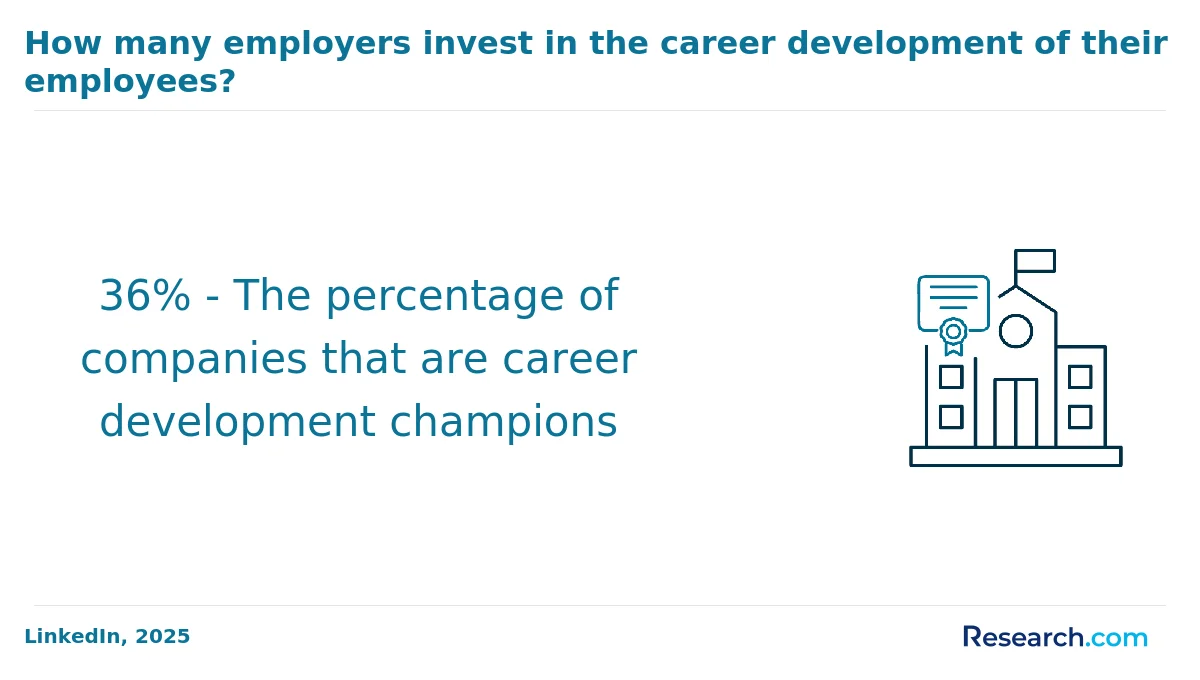
Students pursuing associate degrees in Sanford typically start their financial aid journey by completing the FAFSA, unlocking access to federal Pell Grants, which many graduates recall as a crucial lifeline that didn't require repayment. State grants like the North Carolina Community College Grant and the Education Lottery Scholarship provide additional support specifically for residents, making attending local schools like Central Carolina Community College far more affordable.
Scholarships here often come as a mix of merit- and need-based awards. Graduates frequently mention how programs like the Next NC Scholarship, offering $5,000 annually to eligible in-state students, eased their financial burden significantly. Work-study opportunities also stand out, allowing students to earn while gaining relevant job experience-something many have found invaluable when stepping into the workforce.
For those committed to serving in high-demand jobs within North Carolina, the Forgivable Education Loans for Service (FELS) program offers loans up to $3,000 per year that can be forgiven upon fulfilling service obligations, turning education costs into an investment in local communities.
To enroll in an associate degree program in Sanford, you must first have a high school diploma or a recognized equivalent like the GED®. Graduates from local community colleges often recall how submitting official transcripts directly from their high schools ensured smooth admission without delays.
Next, completing the North Carolina Residency Determination Service (RDS) is essential for eligibility in state tuition rates. Many Sanford students highlight how completing this step early removed financial uncertainty during application.
Applicants also need to provide official transcripts from all previous schools. For example, students transferring credits from other colleges found this helped with accurate course placement.
Some newcomers may need placement tests in reading, writing, or math, especially if ACT® or SAT® scores are missing or below standards. This guided them in enrolling in appropriate preparatory classes, boosting confidence.
Specialized programs, like nursing, require additional prerequisites such as passing the ATI TEAS Exam and maintaining at least a 2.0 GPA. Technical programs commonly expect completion of courses like Algebra I.
Finally, maintaining good academic standing with a minimum 2.0 GPA is necessary throughout enrollment, a challenge graduates say motivated them to stay focused and succeed.
Associate degree course list Sanford NC typically centers on a foundation of core classes combined with major-specific electives. Students at Central Carolina Community College or Sandhills Community College often start by completing about 60 semester hours of credit focusing on general education requirements for Sanford associate degrees. These include courses in English composition, mathematics, natural sciences, social and behavioral sciences, and humanities and fine arts, creating a solid base that supports transfer opportunities to four-year universities.
Graduates frequently mention how the general education requirements give them broader perspectives useful beyond their chosen fields. For example, a healthcare-focused student at Sandhills appreciates how communication courses helped improve their patient interactions. Electives are chosen to suit degree goals: science majors dive deeper into biology, chemistry, or physics, while arts students might select history, psychology, or sociology. Career-oriented pathways, like those in the Associate in Applied Science, include tech and business-related courses tailored to Sanford's job market.
Many students also combine these programs with short-term certificates to gain practical skills quickly, matching local workforce demands. The smaller class sizes, roughly 13:1 at Sandhills, support personalized learning and encourage active participation. For those wondering what's the easiest online degree to get, Sanford's community colleges offer approachable, well-structured options that balance flexibility with rigor.
Start by ensuring the program you choose is offered by a regionally accredited college, as many graduates from Sanford's popular community colleges attest to the value accreditation brings when transferring credits to four-year universities. Flexible scheduling options matter too-graduates often mention how taking a mix of in-person and online classes allowed them to balance work and family demands seamlessly. If your goal is to continue education later, check if the program supports easy credit transfer under North Carolina's Comprehensive Articulation Agreement. This is a common feature at Sanford schools and appreciated by students aiming for a University of North Carolina campus.
Next, compare Sanford community college costs carefully. Students frequently highlight how understanding tuition fees and financial aid upfront relieved their stress and helped them plan their finances better. Some programs offer unique tuition caps or scholarships, which make a real difference. To explore funding options beyond Sanford, you can also look into the best affordable associate programs online.
Finally, consider programs with strong career connections-local internships or employer partnerships can turn classroom learning into real-world success. Small class sizes and experienced instructors in Sanford colleges often translate into supportive environments where students feel motivated and ready for their next step.
Associate degree job opportunities in Sanford NC cover a range of industries that reflect the city's diverse economy. Healthcare is a prime sector, where graduates from local programs quickly find roles such as Registered Nurses, especially after passing the NCLEX-RN, working in facilities like Sanford Health & Rehabilitation. Many graduates appreciate the Nurse Licensure Compact's flexibility, allowing them to work across multiple states without extra licensure hassles. Others pursue careers as occupational therapy assistants, enjoying competitive pay and steady growth.
Business-oriented graduates from Sanford's popular associate degree schools often land roles as quality assurance analysts or care managers. These positions provide a solid entry point and room for advancement thanks to the area's active manufacturing and service industries. The arts and liberal studies pathway offers adaptable options where graduates take up roles like teacher assistants or content creators, tapping into Sanford's vibrant community organizations.
Technical careers hold promise too. Manufacturing hubs in Sanford create demand for graduates in applied science and engineering technology, with roles like process technicians being common. Many students find these hands-on jobs rewarding and accessible.
Pragmatic planners considering options should note the availability of low tuition schools online that accept financial aid, which can complement local studies and reduce expenses, making career advancement in Sanford more attainable.
The job market for associate degree graduates in Sanford is strong and diversified, with local employers actively seeking candidates from popular associate degree schools in the area. Graduates report quick job placements in healthcare roles such as dental hygienists and occupational therapy assistants, where wages are competitive and growth is steady. For instance, occupational therapy assistants earn a median salary of $70,940 in North Carolina, reflecting substantial returns on training investments.
Manufacturing and business sectors also welcome associate degree holders, offering positions like senior manufacturing associate and assistant production manager that start over $51,000 annually. Graduates from Sanford's well-regarded community colleges mention how their studies in business or computer science created direct pathways into these roles, matching the highest paying associate degree jobs in Sanford.
Technical jobs such as CMMS administrators and help desk technicians provide clear entry points with hourly wages between $32 and $42, making these careers attractive for many graduates.
Key highlights include:
- Over 1,200 local job listings targeting associate degree holders
- Strong growth projections, particularly in healthcare and manufacturing sectors
- Positive feedback from graduates about job readiness and salary prospects
For those still exploring options, many turn to trade schools online to supplement their training and improve their market competitiveness in Sanford's job market.
Most Affordable Associate Degree Programs - Leading Certification Courses in Sanford for 2026
# 1 position
Seminole State College of Florida - Legal Assistant/Paralegal.
associateThe Legal Assistant/Paralegal program at Seminole State College of Florida is offered in a hybrid format, combining in-person and distance education. It prepares students to perform legal research, drafting, investigations, and administrative tasks under attorney supervision. The program covers legal procedures, document drafting, and specializations. Accredited by the Southern Association of Colleges and Schools Commission on Colleges, it has an annual in-state tuition of $3,227 and a median graduate earning of $44,783 one year after completion.
# 2 position
Seminole State College of Florida - Business Administration and Management, General.
associateSeminole State College of Florida offers a hybrid Business Administration and Management, General program designed to prepare students for planning, organizing, directing, and controlling business functions. The curriculum covers management theory, human resources, accounting, purchasing, logistics, marketing, and decision-making. Annual in-state tuition is $3,227. Graduates earn a median salary of $39,151 one year after completion. The program is accredited by the Southern Association of Colleges and Schools Commission on Colleges.
# 3 position
Seminole State College of Florida - Office Management and Supervision.
associateThe Office Management and Supervision program at Seminole State College of Florida offers a hybrid learning format, combining in-person and distance education. The program prepares students to manage business office operations and personnel, covering topics such as employee supervision, labor relations, budgeting, and office systems management. Annual in-state tuition is $3,227. Graduates earn a median salary of $39,151 one year after completion. The program is accredited by the Southern Association of Colleges and Schools Commission on Colleges.
# 4 position
Seminole State College of Florida - Information Technology.
associateSeminole State College of Florida offers an Information Technology program focused on designing technological information systems to support business and research data communications. The curriculum includes computer hardware and software principles, algorithms, databases, telecommunications, application testing, and human interface design. The program's annual in-state tuition is $3,227. It is accredited by the Southern Association of Colleges and Schools Commission on Colleges.
# 5 position
Seminole State College of Florida - Criminal Justice/Law Enforcement Administration.
associateThe Criminal Justice/Law Enforcement Administration program at Seminole State College of Florida prepares students to manage public law enforcement agencies. It covers law enforcement history, operational command, labor relations, incident response, legal responsibilities, budgeting, and organizational leadership. The program is accredited by the Southern Association of Colleges and Schools Commission on Colleges. Annual in-state tuition is $3,227, and median earnings one year after completion are $36,589.
# 6 position
Seminole State College of Florida - Accounting Technology/Technician and Bookkeeping.
associateSeminole State College of Florida offers a hybrid Accounting Technology/Technician and Bookkeeping program that prepares students to provide technical administrative support to accountants and financial personnel. The curriculum includes instruction in posting transactions, record-keeping systems, accounting software, and general accounting principles. Annual in-state tuition is $3,227. The program is accredited by the Southern Association of Colleges and Schools Commission on Colleges.
# 7 position
Seminole State College of Florida - Marketing/Marketing Management, General.
associateSeminole State College of Florida offers a hybrid Marketing/Marketing Management, General program designed to prepare students for managing the development of consumer audiences and product distribution. The curriculum covers buyer behavior, marketing research principles, demand analysis, pricing theory, strategic planning, advertising, sales management, consumer relations, and retailing. The program’s annual in-state tuition is $3,227. It is accredited by the Southern Association of Colleges and Schools Commission on Colleges.
# 8 position
Seminole State College of Florida - Physical Therapy Assistant.
associateThe Physical Therapy Assistant program at Seminole State College of Florida is a hybrid course preparing students to assist physical therapists in treatment care plans, patient training, and clinical documentation. It covers applied anatomy, physiology, biomechanics, neuroscience, and ethics. The annual in-state tuition is $3,227, and median earnings one year after completion are $36,389. The program is accredited by the Southern Association of Colleges and Schools Commission on Colleges.
# 9 position
Seminole State College of Florida - Interior Design.
associateSeminole State College of Florida offers a Hybrid Interior Design program with an annual in-state tuition of $3,227. The curriculum covers applied visual arts for planning and furnishing residential and commercial spaces, including computer applications, drafting, interior lighting, acoustics, and color coordination. Students learn furniture, textiles, building codes, and design history. Graduates earn a median salary of $31,347 one year after completion. The program is accredited by the Southern Association of Colleges and Schools Commission on Colleges.
Frequently Asked Questions about associate degree programs
After earning an associate degree in Sanford, preparing for the job market involves several strategic steps. First, take advantage of local career services offered by community colleges, which often provide resume workshops and job placement assistance. According to the U.S. Bureau of Labor Statistics, nearly 55% of associate degree holders find employment within six months of graduation when utilizing these resources.
Networking remains essential. Joining professional groups related to your field in Sanford can open doors to job opportunities. Additionally, gaining relevant internships or part-time roles during study helps build practical experience favored by employers.
Finally, consider certifications that complement your degree to increase your competitiveness in Sanford's job market.
Employers in Sanford value associate degree graduates who combine technical proficiency with strong interpersonal skills. According to the National Association of Colleges and Employers (NACE), the top competencies include critical thinking, problem-solving, and effective communication.
In fields popular in Sanford, such as healthcare and information technology, practical skills like medical coding, basic IT troubleshooting, and familiarity with industry software are highly desirable.
Additionally, teamwork and adaptability rank among crucial soft skills as businesses face rapidly changing environments post-pandemic. The Sanford Chamber of Commerce highlights that nearly 70% of local employers prioritize candidates who demonstrate reliability and time management.
These combined skills enhance an associate degree graduate's employability within the competitive Sanford job market.
Finding internships in Sanford that match your associate degree program involves several practical steps. Start by visiting the career services offices at local colleges like Seminole State College, which often maintain internship listings tailored to their academic programs. Many Sanford employers participate in cooperative education efforts, especially in healthcare, business, and technology sectors, providing hands-on opportunities.
Utilize online platforms such as Handshake and the Florida Department of Economic Opportunity, which regularly update internships available in Sanford. Networking events hosted by the Sanford Chamber of Commerce can also connect you directly with employers.
According to the National Association of Colleges and Employers (NACE), about 60% of internships in Florida are paid, improving financial accessibility for students.
An associate degree in Sanford can significantly improve career mobility and advancement opportunities. According to the National Center for Education Statistics, individuals with an associate degree earn approximately 20% more annually than those with only a high school diploma. In Sanford's growing industries, such as healthcare and information technology, many employers recognize the degree as a key credential for entry-level and mid-level roles.
Local workforce reports also highlight that associate degree holders in Sanford experience faster job promotions compared to workers without postsecondary education. The hands-on skills gained through these programs align closely with regional employer needs, increasing job stability and career growth.
Furthermore, associate degrees often serve as a stepping stone to bachelor's programs, expanding long-term educational and professional advancement. With Sanford's emphasis on community college partnerships, students can transfer credits efficiently and continue progressing in their careers.
Sanford offers a variety of part-time job opportunities that complement associate degree education. Many students with associate degrees in healthcare can find positions as medical assistants or pharmacy technicians, roles expected to grow by 12% to 19% nationally through 2030, according to the U.S. Bureau of Labor Statistics. Retail and customer service jobs remain widely available, supporting business or communications studies. Positions in local libraries or administrative offices also offer relevant experience for degrees in office management or IT.
Work-study programs at Sanford Community College provide hands-on experience and flexible schedules. Additionally, internships in nearby healthcare facilities and tech firms support applied learning while working part-time.
To find the most affordable degree program near you, start by researching local colleges and universities near Sanford, FL, which offer a range of programs in various fields. Use resources such as Research.com to compare tuition costs, financial aid options, and additional fees across different institutions. By looking for institutions with scholarship opportunities or flexible payment plans near me, you'll be able to identify the most cost-effective educational pathway.
- Benefits of a College Degree on Salary & Earning Potential | UMass Global https://www.umassglobal.edu/blog-news/how-college-impacts-salary-and-future-earning-potential
- Advancement Potential of Different Degrees and Majors - Resource Center Article https://nextmile.instride.com/resource/upward-mobility-degree-major
- Student Programs | Sanford Health https://www.sanfordhealth.org/student-programs
- Saving the Associate of Arts Degree: How an A.A. Degree Can Become a Better Path to Labor Market Success | American Enterprise Institute - AEI https://www.aei.org/research-products/report/saving-the-associate-of-arts-degree-how-an-a-a-degree-can-become-a-better-path-to-labor-market-success/
- Research - Most Affordable Online Associate Degrees https://research.com/degrees/most-affordable-online-associate-degrees
- Virtual University of Pakistan https://www.vu.edu.pk/AboutUs/ProgramsOffered
- Traditional vs Online Degrees 2025: Which One is Better for You? https://www.pw.live/online-degree/exams/traditional-vs-online-degree
- Why You Should Consider an Online Associate Degree Program - Lakewood University https://lakewood.edu/online-associate-degree-benefits/
- Associate degree - Wikipedia https://en.wikipedia.org/wiki/Associate_degree
- Academic Applications | Oxford University Careers Service https://www.careers.ox.ac.uk/academic-applications


