
Most Affordable Trade School & Training Programs - Leading Certification Courses in Pensacola for 2026

Co-Founder and Chief Data Scientist
Choosing the right trade school in Pensacola can be an exciting step toward a rewarding career. This article introduces a trade school programs ranking developed by the Research.com team of data scientists to help you make an informed decision. Whether you're aiming for a diploma or certification, knowing which programs offer the best value is essential.
Reading this guide will give you confidence in selecting schools that fit your goals, budget, and lifestyle. Taking this path opens doors to skills, opportunities, and a bright future.
Key benefits of finishing trade school programs trade school in Pensacola
Trade school graduates in Pensacola can expect competitive salaries, with roles like mobile heavy equipment mechanics earning around $56,980 annually and apprentices starting near $40,878. These earnings offer a strong foundation for a secure financial future.
- Popular career paths include HVAC, automotive technology, welding, and sales representatives, all providing solid job opportunities and growth potential in the local market.
- Online trade school programs offer flexible learning, allowing students to balance work and study effectively, often leading to timely certification and quicker entry into rewarding careers.
- Most Affordable Trade School & Training Programs - Leading Certification Courses in Pensacola for 2026
- What can I expect from trade school programs trade schools in Pensacola?
- Where can I work after finishing trade school programs trade schools in Pensacola?
What can I expect from trade school programs trade schools in Pensacola?
The average cost of attending a trade school program in Pensacola is notably affordable, with Pensacola State College charging around $104.58 per credit hour for in-state students, inclusive of most fees. Graduates often reflect on how this lower tuition compared to traditional four-year degrees allowed them to pursue their training without overwhelming debt. For many, this financial accessibility made it possible to balance work and study, especially with flexible part-time or evening class options.
Students at schools like George Stone Technical College and Fortis Institute frequently share how this modest investment opened doors to quick entry into rewarding careers. The availability of federal aid, scholarships, and grants further eased financial burdens, which many found encouraging. In real-life terms, the cost meant that a motivated learner could complete a welding or healthcare program within a year or two, gaining not only skills but also confidence to thrive in Pensacola's job market.
Where can I work after finishing trade school programs trade schools in Pensacola?
After finishing a trade school program in Pensacola, many graduates find themselves welcomed into a variety of rewarding roles that draw on their hands-on skills. For example, graduates skilled as HVAC technicians often secure jobs with local companies maintaining heating and cooling systems, essential in Pensacola's warm climate. Others move into electrical trades, starting as electrician helpers and growing into licensed electricians, working on residential or commercial projects.
Many alumni recall the satisfaction of working as general maintenance technicians, taking pride in keeping apartments, hotels, and hospitals running smoothly. Trade schools here equip students with practical know-how, allowing them to easily step into construction trades like masonry or carpentry, roles regularly available due to steady infrastructure work. Some with specialized training advance to supervisory positions, such as project coordinators for utility companies. Culinary graduates also share stories of teaching cooking classes or joining the vibrant restaurant scene, finding joy in sharing their passion with others.
Graduates appreciate that trade schools in Pensacola connect them to employers like Pensacola State College and public agencies, offering a stable and meaningful career path rooted in the local community.
After finishing a trade school program in Pensacola, many graduates find their starting salaries range between $27,000 and $41,000 per year. For example, those who completed programs at well-known local schools like Pensacola State College often step into roles such as maintenance technicians or truck drivers with salaries close to $27,300, while others in culinary or cosmetic arts see starting pay closer to $40,000.
Many graduates recall feeling encouraged when their first paycheck reflected a solid entry-level wage, providing immediate financial independence. As they gain experience, it's common to see hourly wages rise from about $13.65 to $19.57, with hands-on skills opening doors to supervisory positions earning upwards of $54,000 annually.
Some former students, especially those pursuing specialized technical skills, report hourly rates nearing $37, illustrating the value Pensacola's trade schools place on practical, in-demand knowledge. This progression often brings a strong sense of accomplishment, knowing that their education led directly to a stable, rewarding career.
- Most Pensacola trade schools require a high school diploma or equivalent, but some allow enrollment at age 16 if students have legally withdrawn from high school.
- Admissions typically do not require test scores or minimum GPAs, though some programs may ask for basic skills assessments like the TABE.
- Programs usually take about one year for full-time students, with part-time and evening classes available for flexibility.
- Tuition at public schools is more affordable than private schools, and financial aid and scholarships are commonly offered.
- Starting salaries for graduates in trades like electricity and welding range from $35,000 to $45,000, with experienced professionals earning up to $65,000 annually.
- Many schools offer industry certifications and maintain employer connections to help graduates find jobs quickly after completion.
Completing a trade school program in Pensacola typically takes between 9 months and 2 years, depending on the field and schedule you choose. Many students at Pensacola State College find themselves finishing the Welding Technology Career Certificate within a year, balancing hands-on learning and industry certification in just 1,050 hours. This timeline often feels encouraging to those eager to enter the workforce quickly.
For others attending George Stone Technical College, the norm is about a year for full-time study, though flexibility with part-time or evening classes means some extend their journey closer to two years. Graduates from specialized programs, like the Master Automotive Service Technology, often appreciate the deeper training despite the longer commitment, which can reach 1,800 hours.
Students value the option to start classes either at the beginning of the academic year or on a rolling basis, helping them fit education smoothly into their lives. The sense of accomplishment upon receiving a certificate or diploma fuels many to keep going, even when further certification is required.
The difference between online and on-campus trade school programs in Pensacola comes down to flexibility and hands-on experience. Graduates from the University of West Florida appreciate the freedom of online courses, where they manage studies around work or family, completing HVAC or electrician training at their own pace. This flexibility feels empowering but requires strong self-discipline.
In contrast, those who attend George Stone Technical College often describe a rich, tactile learning environment. Being physically present in labs or workshops with industry-standard tools solidifies their skills in welding or automotive technology. This immersive approach builds confidence through direct instructor support and real-time practice.
Some Pensacola students find balance in hybrid programs like Fortis' nursing courses, where less than half the work is online, and essential clinical hours happen on campus. This blend allows students to enjoy convenience while still gaining vital hands-on training.
When considering the average trade school cost in Pensacola, most students find that tuition and fees typically range between $3,000 and $15,000 depending on the program and residency status. Many graduates share how affordability was a key factor when choosing their path, especially at institutions like Pensacola State College, known for its reasonable in-state tuition of around $2,704 annually. This public college offers workforce programs that can feel very accessible for those wanting hands-on training without the burden of excessive debt.
Programs such as the Welding Technology at George Stone Technical College highlight the difference residency can make, with costs for Florida residents around $4,950 but rising to about $13,056 for non-residents, including supplies. These relatable figures put the whole Pensacola trade school tuition and fees picture into perspective, allowing prospective students to plan carefully. Graduates from medical assisting and automotive technology programs often remark on balancing cost with quality instruction, noting that the $5,000 to $15,000 price range fits well for specialized training lengths.
Statewide averages confirm these experiences, with Florida trade schools charging roughly $12,978 for tuition and fees per academic year. With this knowledge, students can also explore financial aid and scholarships to lighten the load. For those seeking alternatives, options such as cheap online electrical lineman programs provide a modern way to gain skills at a manageable price.
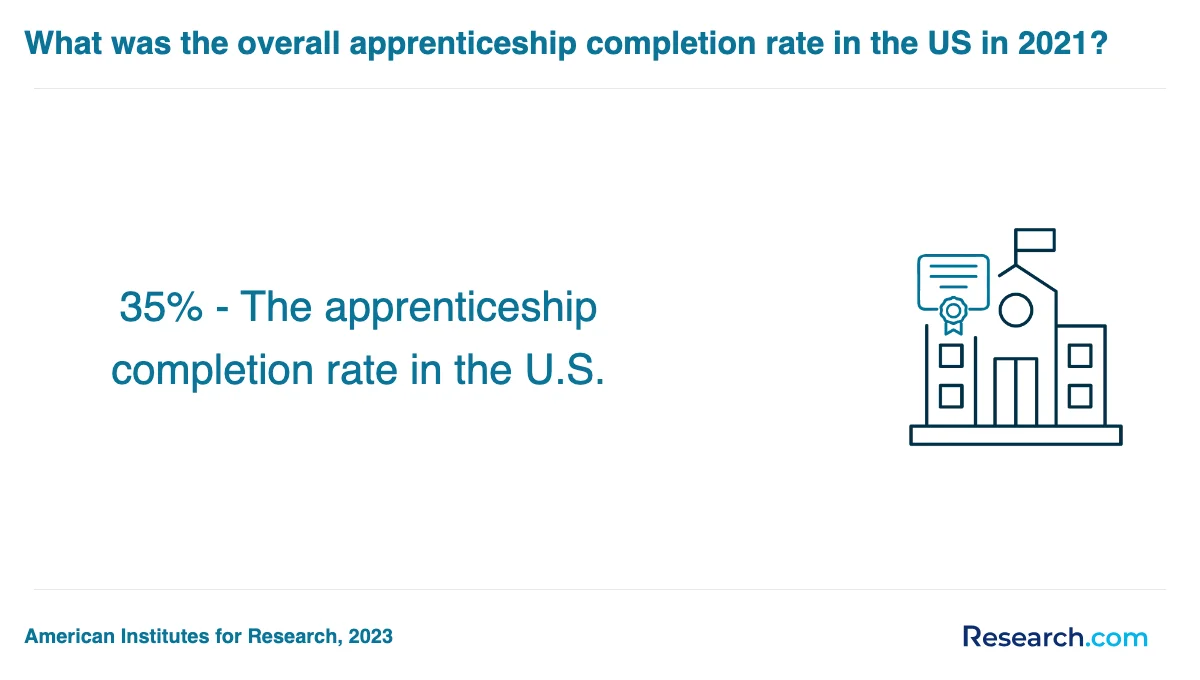
Many trade school students in Pensacola find financial aid to be a crucial support on their path to skilled careers. Completing the Free Application for Federal Student Aid (FAFSA) is often the first step, opening doors to federal grants like Pell Grants and FSEOG. For instance, graduates from Pensacola State College often share how Pell Grants significantly eased their tuition burden, allowing them to focus fully on programs such as Manufacturing Design & Fabrication.
Beyond federal aid, institutional scholarships play a vital role. Pensacola State College's scholarship portal offers numerous opportunities, including awards like the Cantonment Rotary Club Ted Ciano Vocational Endowed Scholarship. Many students recall how securing this scholarship not only provided financial relief but also boosted their confidence by recognizing their dedication to technical fields.
Local support also enriches this ecosystem, exemplified by the Pensacola Interstate Fair's John E. Frenkel, Sr. Educational Grant. Graduating high school seniors from Escambia and Santa Rosa counties have found this $1,250 grant invaluable, helping them confidently step into trade programs without overwhelming debt.
Throughout their journey, students appreciate the guidance from financial aid officers at their schools, who make the sometimes complex application process feel manageable and personal. These combined resources make pursuing technical training in Pensacola both attainable and rewarding.
Enrolling in a trade school program in Pensacola is often more accessible than many expect, reflecting the welcoming spirit of institutions like George Stone Technical College. Most graduates recall feeling encouraged by the open admissions policies, which typically require only a high school diploma or GED. This flexibility allows many to pursue their dreams without the stress of standardized tests or GPA worries.
Some key prerequisites include:
- A high school diploma or equivalent credential in most cases.
- Being at least 16 years old for certain vocational certificates.
- Additional requirements such as background checks or drug screenings for specialized programs like emergency medical services or firefighting.
Graduates often share how these straightforward requirements made the entry process feel achievable, opening doors to meaningful careers. For example, those in military-focused tracks through ROTC appreciate the focus on citizenship and physical readiness. While basic skills exit requirements exist in some fields, students typically experience these as motivating milestones rather than obstacles on their path.
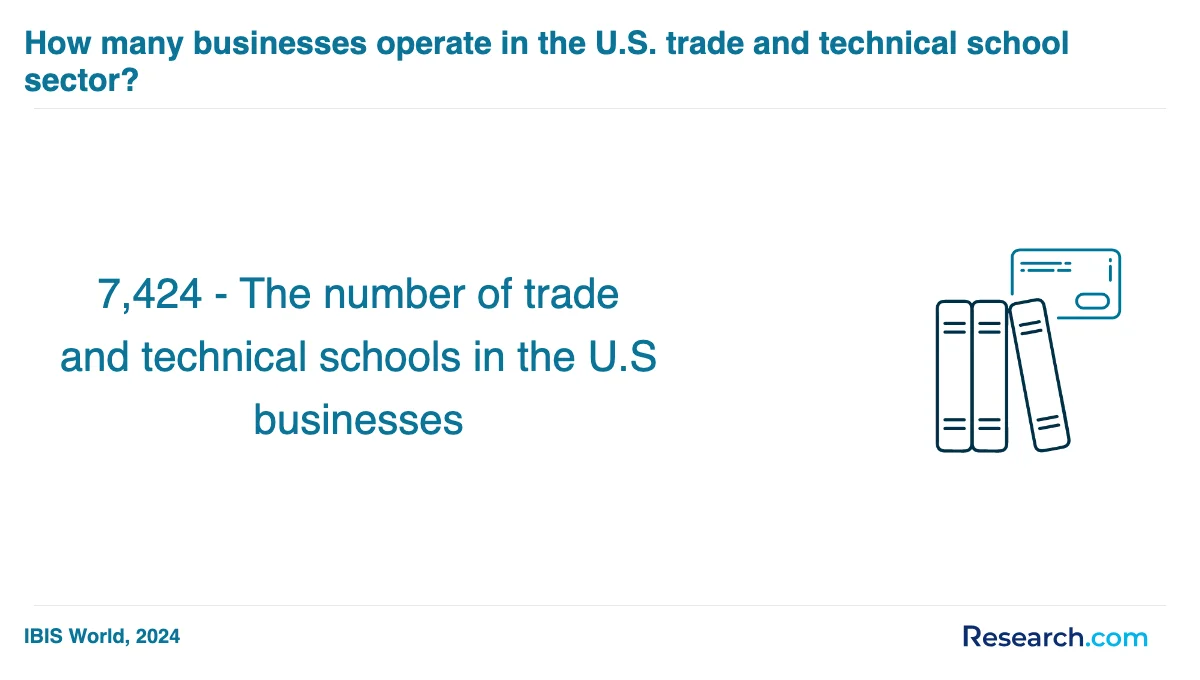
Trade school programs in Pensacola typically offer a diverse array of courses that prepare students for practical, in-demand careers. Graduates often reflect on hands-on experiences at schools like George Stone Technical College and Pensacola State College where they gained confidence through real-world applications.
Many students find themselves immersed in technical paths such as:
- Welding Technology and Advanced Welding, mastering the art of fusing metals with precision.
- Automotive Service and Collision Technology, building expertise in vehicle repair and diagnostics.
- Cybersecurity and Network Systems Administration, responding to the growing need for IT professionals safeguarding digital environments.
Others appreciate programs in healthcare and public safety like Emergency Medical Services, where quick decisions can save lives, or Medical Administrative Specialist roles supporting vital operations.
In addition, Pensacola's trade schools provide specialized courses including HVAC/R, Plumbing, and Residential Electrician training at places like the University of West Florida, helping students enter skilled trades that power local infrastructure.
Hospitality and culinary arts programs also thrive, offering pathways in Professional Culinary Arts & Hospitality, inviting students to build rewarding careers through creativity and service.
Such courses often combine classroom learning with hands-on training, ensuring graduates feel ready and eager to start meaningful careers within a year, making the journey both accessible and inspiring.
Trade school programs in Pensacola offer a rich variety of specializations that cater to students seeking hands-on skills and stable career paths. Graduates from George Stone Technical College often share how programs in Automotive Service Technology, Welding, and HVAC/R prepared them for immediate employment, giving them confidence in their chosen trade. Similarly, those passionate about healthcare find strong support through Fortis College's Nursing, Medical Assisting, and Dental Assisting programs, which remain in high demand and provide rewarding career opportunities.
Information technology specializations like Cybersecurity and Network Support Services are popular with students looking to join fast-growing industries. The appeal of these fields is underscored by the availability of flexible options such as online programs offered by the University of West Florida, allowing working adults to advance their skills without disrupting their lives.
- Skilled trades: Welding, Automotive Service Technology, Electricity
- Healthcare fields: Nursing, Medical Assisting, Massage Therapy
- Information technology: Cybersecurity, Network Support Services
- Culinary arts: Baking & Pastry, Professional Culinary Arts & Hospitality
- Other specialties: Marine Service Technologies, Criminal Justice, Emergency Medical Services
Many students appreciate how these programs combine classroom learning with practical apprenticeships, fostering both knowledge and real-world experience. This balance is a strong draw, as it aligns with current workforce needs and boosts the confidence of those pursuing some of the best paying trade jobs.
To choose the best trade school programs in Pensacola, start by confirming that a program holds proper accreditation and state approval, ensuring quality education and financial aid eligibility. Graduates from Pensacola State College often praise its hands-on training and relevant specialization options, which reflect real job market demands. Many highlight how attending a program trusted by employers helped them transition smoothly into their careers.
When you compare Pensacola trade school costs, look beyond tuition alone. For example, Pensacola State College charges $104.58 per credit hour for in-state students, but many find available scholarships and grants significantly lower their net expenses. Considering all financial aid options can make a tangible difference in affordability.
Flexibility also matters-graduates often share how evening and hybrid classes allowed them to balance work and study effectively. Proven graduation and job placement rates indicate a program's success in preparing students for local industries, crucial for feeling confident about your investment.
Finally, explore student feedback and partnerships schools maintain with local businesses. Many successful students benefitted from internships and direct hiring pipelines. To further refine your choice, investigate affordable online hvac trade school programs that offer quality training without geographic constraints.

Trade school career paths in Pensacola offer a rich variety of opportunities tailored to today's workforce. Graduates from well-known institutions like George Stone Technical College and Fortis College often find themselves stepping into in-demand roles in healthcare, skilled trades, and service industries. For instance, many have successfully entered healthcare fields such as medical assisting, dental assisting, and nursing, where the demand continues to expand due to an aging population.
Others who thrive in hands-on environments pursue careers in HVAC/R, plumbing, welding, or electrical technician roles. Programs are designed to prepare students for real-world conditions, helping them gain certifications that open doors locally. Careers in manufacturing and advanced manufacturing also attract graduates with interests in CNC machining and quality inspection, vital to Pensacola's economy.
Many graduates appreciate the creative freedom and flexibility offered by fields like cosmetology, massage therapy, and business services, often leading to entrepreneurship. For those curious about what is the easiest trade to learn that pays well, these options often come highly recommended for combining passion with economic stability.
The job market for trade school graduates in Pensacola is vibrant and full of promise, especially for those entering skilled trades. Graduates from local trade schools often share how quickly they find opportunities in construction, HVAC, welding, and electrical fields, supported by Pensacola's expanding infrastructure and commercial projects. This growth anchors a positive employment outlook, a reflection of the increasing demand for hands-on expertise. The Pensacola skilled trades employment outlook shows a remarkable 376% surge in hiring between late 2024 and early 2025, highlighting the city's readiness to welcome skilled workers.
Many graduates describe moving from classroom learning to well-paying jobs earning around $25 per hour or more in trades like installation and maintenance, which make up a significant share of local jobs. Healthcare technical roles also provide attractive wages near $42 per hour, reflecting diverse paths for trade school alumni in the area.
Key factors fueling this good news include:
- Strong local demand fueled by ongoing construction and manufacturing growth
- A labor market forecast in Florida that outpaces national averages through 2028
- Trade schools offering credentials aligned directly with employer needs
If you're considering certification programs, some graduates recommend exploring options like cheap floor installer certification online, combining flexibility with relevant skills for Pensacola's market.
Most Affordable Trade School & Training Programs - Leading Certification Courses in Pensacola for 2026
# 1 position
Pensacola State College - Diagnostic Medical Sonography/Sonographer and Ultrasound Technician.
associatePensacola State College offers a Diagnostic Medical Sonography/Sonographer and Ultrasound Technician program with a hybrid format, including some distance education. The program trains students to use medical ultrasound techniques for diagnosing various conditions, covering patient care, data processing, and professional ethics. Annual in-state tuition is $2,348. Graduates have median earnings of $52,274 one year after completion. The program is accredited by the Southern Association of Colleges and Schools Commission on Colleges.
# 2 position
Pensacola State College - Veterinary/Animal Health Technology/Technician and Veterinary Assistant.
associatePensacola State College offers a program in Veterinary/Animal Health Technology/Technician and Veterinary Assistant designed to train individuals in patient management and clinical assistance under veterinary supervision. The curriculum covers animal nursing, health, nutrition, clinical pathology, radiology, anesthesiology, dental care, surgical assistance, laboratory procedures, and office administration. The program is accredited by the Southern Association of Colleges and Schools Commission on Colleges. Annual in-state tuition is $2,348.
# 3 position
Pensacola State College - Information Technology.
associatePensacola State College offers a hybrid Information Technology program focusing on the design of technological information systems. The curriculum covers computer hardware and software, algorithms, databases, telecommunications, application testing, and human interface design. The program is accredited by the Southern Association of Colleges and Schools Commission on Colleges. Annual in-state tuition is $2,348.
# 4 position
Pensacola State College - Computer and Information Systems Security/Auditing/Information Assurance.
associatePensacola State College offers a hybrid program in Computer and Information Systems Security/Auditing/Information Assurance. The curriculum prepares students to evaluate security needs, recommend safeguards, and manage security systems and procedures. Coursework includes computer architecture, programming, networking, cryptography, security auditing, law, risk assessment, contingency planning, investigation techniques, and troubleshooting. Annual in-state tuition is $2,348. The program is accredited by the Southern Association of Colleges and Schools Commission on Colleges.
# 5 position
Pensacola State College - Legal Assistant/Paralegal.
associateThe Legal Assistant/Paralegal program at Pensacola State College is a hybrid program offering some distance education options. It prepares students to assist attorneys by performing research, drafting legal documents, and handling investigatory and administrative tasks. Instruction covers legal research, drafting, pleading, courthouse procedures, and legal specializations. The annual in-state tuition is $2,348. The program is accredited by the Southern Association of Colleges and Schools Commission on Colleges.
# 6 position
Pensacola State College - Physical Fitness Technician.
associatePensacola State College offers a Physical Fitness Technician program with a hybrid format that includes some distance education. The curriculum covers human anatomy and physiology, fitness techniques, exercise science, personal training, nutrition, and customer service. Graduates are prepared for roles in health clubs, wellness centers, recreation facilities, hospitals, and corporate fitness programs. Annual in-state tuition is $2,348. The program is accredited by the Southern Association of Colleges and Schools Commission on Colleges.
# 7 position
Pensacola State College - Criminal Justice/Law Enforcement Administration.
associatePensacola State College offers a Criminal Justice/Law Enforcement Administration program designed to prepare students for managing public law enforcement agencies. The curriculum covers law enforcement history, operational command leadership, labor relations, incident response, legal responsibilities, budgeting, and public relations. Annual in-state tuition is $2,348. The program is accredited by the Southern Association of Colleges and Schools Commission on Colleges.
# 8 position
Pensacola State College - Business Administration and Management, General.
associatePensacola State College offers a hybrid Business Administration and Management, General program designed to prepare students to plan, organize, and manage organizational functions. The curriculum covers management theory, human resources, accounting, purchasing, logistics, marketing, and business decision-making. Annual in-state tuition is $2,348. The program is accredited by the Southern Association of Colleges and Schools Commission on Colleges.
# 9 position
Pensacola State College - Accounting Technology/Technician and Bookkeeping.
associatePensacola State College offers a program in Accounting Technology/Technician and Bookkeeping designed to prepare individuals for technical administrative roles supporting professional accountants and financial personnel. The curriculum covers posting transactions, record-keeping systems, accounting software operation, and general accounting principles. Annual in-state tuition is $2,348. Graduates have median earnings of $29,855 one year after completion. The program is accredited by the Southern Association of Colleges and Schools Commission on Colleges.
# 10 position
Pensacola State College - Physical Therapy Assistant.
associatePensacola State College offers a Physical Therapy Assistant program with a hybrid format, combining distance education and in-person training. The program prepares students to assist physical therapists by implementing treatment plans, training patients, and documenting progress. Tuition for in-state students is $2,348 annually. Graduates earn a median income of $28,107 one year after completion. The program is accredited by the Southern Association of Colleges and Schools Commission on Colleges.
Frequently Asked Questions about trade school programs
Preparing for the job market after completing trade school in Pensacola involves several key steps. Graduates should begin by obtaining all necessary certifications relevant to their field, as many employers require proof of competency. Networking locally is also crucial; Pensacola's growing industries, such as construction and healthcare, often rely on community connections to fill positions.
Utilizing resources like the Florida Department of Economic Opportunity can provide insight into job trends and salary expectations. According to 2023 data, trade school graduates in Pensacola have an average employment rate of about 78% within six months of finishing programs, with opportunities expanding in skilled trades.
Developing a professional resume highlighting hands-on experience gained during schooling helps catch employers' attention. Additionally, engaging with local workforce centers or job fairs increases exposure to potential employers. Continuing education and on-the-job training remain essential to stay competitive in evolving fields.
Employers in Pensacola often prioritize practical skills when hiring trade school graduates. According to local workforce reports, technical proficiency in fields like HVAC, welding, and electrical work ranks highest. These skills ensure graduates can perform hands-on tasks efficiently.
Additionally, employers value soft skills such as communication, problem-solving, and teamwork. A 2023 survey by the Florida Department of Economic Opportunity highlights that 68% of employers seek candidates who can collaborate effectively on job sites.
Time management and adaptability are also crucial, as trade jobs often require working under tight schedules and changing conditions. Pensacola's growing industries emphasize these skills in entry-level trades.
Finding internships in Pensacola related to your trade school program involves leveraging local resources and networking opportunities. Start by contacting your trade school's career services office, which often partners with businesses in industries such as automotive, healthcare, and construction.
Employers in Pensacola frequently offer internships through programs supported by the Florida Department of Education and the Workforce Innovation and Opportunity Act. These programs connect students with paid internships, especially in skilled trades.
You can also explore local job boards and websites like EmployFlorida.com for internship listings updated regularly. Additionally, attending job fairs and connecting with the Pensacola Chamber of Commerce can increase your chances of finding relevant positions.
According to recent regional reports, trades such as HVAC, welding, and electrical work have growing internship availability tied to local demand, making early outreach critical.
Obtaining a trade school diploma in Pensacola can significantly enhance career mobility and advancement opportunities. According to data from the Florida Department of Education, many local employers prioritize candidates with specialized training credentials over general degrees, especially in fields like HVAC, welding, and healthcare. Trade diplomas often lead to quicker job placements, with average employment rates exceeding 80% within six months of graduation in the region.
These programs focus on practical skills, allowing graduates to fill high-demand roles in Pensacola's growing industries. Furthermore, certifications earned can qualify individuals for higher wages and supervisory positions more rapidly than traditional educational paths.
Trade school graduates frequently benefit from targeted apprenticeship opportunities and local industry partnerships, which foster professional networking and career progression.
Part-time job opportunities in Pensacola that complement trade school education often align with hands-on skills students develop. For example, those studying automotive technology can find work as junior mechanics or vehicle detailers at local repair shops. Positions in hospitality, retail, or construction also suit students in culinary arts, cosmetology, or electrical programs.
According to the U.S. Bureau of Labor Statistics, Pensacola's part-time job market in retail and food service is robust, making these sectors accessible for trade students seeking flexible work hours. Local healthcare facilities similarly offer entry-level roles for those training in allied health fields.
These jobs offer practical experience, help build professional networks, and provide income while pursuing education, enhancing overall career readiness in Pensacola's competitive job market.
Yes, there are affordable degree programs near me, including options near Pensacola, FL. In this region, the University of West Florida and Pensacola State College are known for offering budget-friendly undergraduate and graduate degrees across various fields. To explore and compare degree options, such resources like Research.com can be helpful to identify the most suitable and affordable programs.
- Most Affordable Trade School & Training Programs - Leading Certification Courses in Ocala for 2026
- Most Affordable Trade School & Training Programs - Leading Certification Courses in Statesboro for 2026
- Most Affordable Trade School & Training Programs - Leading Certification Courses in Tulsa for 2026
- Most Affordable Trade School & Training Programs - Leading Certification Courses in Olathe for 2026
- Most Affordable Trade School & Training Programs - Leading Certification Courses in Overland Park for 2026
- Most Affordable Trade School & Training Programs - Leading Certification Courses in Topeka for 2026
- Trade School in Pensacola, Florida | Fortis https://www.fortis.edu/campuses/florida/pensacola.html
- Vocational Training | University of West Florida https://uwf.edu/continuinged/programs/career-training/vocational-training/
- What Is a Trade School? Benefits of Career-Focused Training https://intercoast.edu/articles/what-is-a-trade-school/
- Vocational Certificate (VC) – Pensacola State College https://www.pensacolastate.edu/program-type/_vocational-certificate/
- Home | Locklin Technical College https://www.locklintech.com/
- George Stone Technical College / Homepage https://www.escambiaschools.org/gstc
- Workforce and Talent | Pensacola Forward https://www.pensacolaforward.com/page/workforce-talent/


