Best Associate Degree Programs - Leading Certification Courses in Columbia for 2026

Co-Founder and Chief Data Scientist
Choosing the right associate degree program can shape your future career and open new opportunities. If you're considering studying in Columbia, this article will guide you through the best options available for 2026.
The ranking presented here was developed by the Research.com team of data scientists to help you make an informed choice about trade school programs worth considering. By exploring these carefully evaluated programs, you can find the path that suits your goals and interests.
Getting an associate degree is a valuable step toward building skills, confidence, and a fulfilling career. Let’s explore the top programs that could change your life for the better.
Key benefits of associate degrees in Columbia
- Expected salary: Associate degree graduates in Columbia can earn between $29,100 and $58,156 per year, with many roles offering competitive wages like Collections Specialists earning $23-$25 per hour and Program Associates up to $74,940 annually.
- Popular career paths: Graduates from schools like Columbia College and Ranken Technical College have strong early-career salaries around $47,000, working in fields such as healthcare, business, technology, and skilled trades, providing diverse and rewarding options.
- Online education benefits: Online associate degrees offer flexibility for busy students, letting them balance work and study while still accessing quality programs, which can lead to similar career opportunities and salaries as on-campus graduates.
- Best Associate Degree Programs - Leading Certification Courses in Columbia for 2026
- What can I expect from associate degree programs in Columbia?
- Where can I work after finishing associate degree programs in Columbia?
What can I expect from associate degree programs in Columbia?
The average cost of pursuing an associate degree in Columbia typically ranges between $4,000 and $9,000 per year, depending on the institution and program. Many graduates from community colleges appreciate how affordable their education was compared to four-year options, making their investment feel rewarding and manageable. For example, students at Columbia-area community colleges often find that the cost includes tuition, fees, and sometimes materials, but still remains well within reach for those balancing jobs and family responsibilities.
Graduates share that the convenience of evening and online classes at local schools helped them stay on track without sacrificing income, enhancing their sense of accomplishment. Those enrolled in hands-on programs, such as Culinary Arts or Dental Laboratory Technology, note that the price reflects valuable skills training alongside general education, making it easier to transition into careers quickly.
Many also highlight transfer agreements like the A2B program at Columbia College of Missouri, which provide cost savings by allowing students to complete two years affordably before moving on to a bachelor's degree. This pathway fosters confidence and financial smartness.
Where can I work after finishing associate degree programs in Columbia?
After completing an associate degree program in Columbia, many graduates find themselves stepping confidently into rewarding careers across diverse local industries. For example, those graduating from healthcare programs often secure roles like Physical Therapist Assistant or Dental Hygienist within Columbia's bustling medical community. These positions offer not only competitive wages but also a sense of fulfillment through helping others in well-established local hospitals and clinics.
Business graduates share stories of quickly landing jobs as Administrative Assistants or Human Resources Assistants at institutions such as the University of Missouri. They appreciate the stability and benefits that accompany these roles, like health insurance and paid leave-making their daily work both meaningful and secure.
Technology-focused associate degrees open doors to IT support or junior developer roles within Columbia's growing tech sector. Many alumni describe the excitement of solving real problems for local companies, finding their skills immediately valued.
Others take pride in contributing to public services, working as Community Support Specialists or Educational Program Associates, making a tangible difference in their community with organizations they respected while studying locally.
After completing an associate degree program in Columbia, Missouri, many graduates find themselves stepping into a rewarding earning potential. On average, you can expect to make about $38,765 annually, which is roughly $18.64 per hour. This figure provides a solid foundation, but individual experiences vary based on career choice and skill set. For instance, graduates from Columbia College Missouri often report early career salaries near $47,199, reflecting the value of education from recognized local institutions.
Imagine starting as a Sales Support Associate earning between $26,566 and $41,767 per year or taking on technical roles such as medical or laboratory technician jobs that pay from $22.00 up to $34.74 an hour. These opportunities highlight the diverse paths open to associate degree holders in Columbia. Graduates pursuing office or educational support roles share stories of steady hourly wages between $17.75 and $23.08, fostering both financial stability and career growth.
Many feel encouraged knowing specialized community and health support roles offer rates close to $25.54 to $26.81 per hour. Technical college graduates in the area often find themselves nearing $48,000 early in their careers, showcasing how valuable these programs are for those looking to build skills and earn well. These real-life examples from Columbia's graduates demonstrate a promising future that motivates students to embark on their own educational journeys with confidence and optimism.
- "Earning my Associate degree in Graphic Design at a Columbia trade school was a game changer! The hands-on learning and industry connections helped me land a designer role quickly. I truly felt prepared and confident stepping into the creative job market." - Alejandro
- "Studying Culinary Arts here in Columbia was more than just classes-it was a community that supported my passion. The practical experience made job hunting easier, and now I'm happily working as a sous chef at a local restaurant. I highly recommend trade schools for real-world skills." - María
- "My Associate degree in Computer Networking gave me the technical edge I needed. Columbia's trade school environment focused on applied learning, which boosted my confidence and employability. Landing a tech support position soon after graduation was incredibly rewarding." - Carlos
- Associate degree programs in Columbia typically require completing at least 60 semester hours, including general education and major-specific courses.
- Students must maintain a minimum cumulative GPA of 2.0 and complete at least 15 semester hours at the degree-granting institution.
- High school students in dual credit programs often need a cumulative GPA of 2.75 or higher and 90% attendance to qualify.
- The CORE 42 transfer curriculum guarantees that 42 credit hours of an Associate of Arts degree transfer to any Missouri public college or university.
- Tuition and fees for public community colleges in Columbia generally range from $4,000 to $8,000 per year, totaling $8,000 to $16,000 for the full program.
- Starting salaries for associate degree holders in Columbia range from $35,000 to $45,000 annually, with experienced workers earning up to $60,000.
An associate degree program in Columbia usually takes about two years for full-time students, who often complete around 60 to 65 credit hours. Many graduates from Columbia College Missouri and other local institutions recall enrolling in 12 to 15 credit hours each semester to stay on track. This steady pace helped them balance studies with busy personal lives.
Part-time students, managing work or family duties, tend to extend their study time beyond two years. One graduate shared how taking fewer classes each semester allowed them to focus deeply despite a hectic schedule, making the journey feel manageable and rewarding.
Programs with hands-on training-like those in healthcare-may add extra weeks to graduation, reflecting the real-world skills students eagerly acquire. Online and accelerated options at Columbia schools offer flexibility, helping motivated learners tailor their pace, sometimes finishing sooner by embracing intensive 5-to-8-week courses.
Transfer credits and prior experience can further speed the path. Many appreciate how Columbia College Missouri's credit transfer policies and flexible sessions ease their journey, giving a genuine sense of progress and accomplishment.
The difference between online and on-campus associate degree programs in Columbia often comes down to flexibility and environment. Graduates who chose online programs at places like Columbia College praise the freedom to study anytime, fitting coursework around jobs or family life, especially with accelerated eight-week sessions. This self-paced format lets students access lectures at midnight or early morning, offering a sense of control and relief from rigid schedules.
In contrast, on-campus students at the University of Missouri-Columbia enjoy the energy of face-to-face classes and spontaneous conversations after lectures. The fixed class times build a routine many find motivating, creating close connections with peers and instructors. For some, being physically present on campus sparks a deeper sense of belonging and community, making the learning experience more vibrant and engaging.
Both paths deliver respected degrees and support services, yet choosing between them reflects personal priorities-whether chasing convenience or immersing oneself fully in campus life.
The average associate degree cost in Columbia 2026 reflects a range of experiences depending on where students choose to enroll. Many local students find that public two-year colleges, such as Metropolitan Community College, provide affordable pathways with in-district tuition at about $121 per credit hour. This typically results in roughly $7,260 for the entire 60-credit hour associate program, creating an encouraging scenario for those balancing school with work or family responsibilities. Graduates often share how this manageable price point helped them focus on advancing their careers without overwhelming debt.
For those who prefer flexibility or broader program choices, Columbia College offers associate degrees both online and on campus, pricing tuition around $344 per credit hour, adding up to approximately $20,640 for the full degree. While higher, students appreciate the quality and accessibility, especially when combined with widespread availability of scholarships and financial aid, which significantly affect Columbia associate degree tuition and fees. This financial support can transform the experience, easing concerns about cost and allowing students to pursue their education with confidence.
Thinking ahead, many prospective students weigh costs alongside outcomes, often consulting resources that highlight best college majors to get a job. Stories from graduates who successfully completed their degrees at these institutions reinforce that choosing the right program and understanding tuition helps turn the investment in an associate degree into rewarding career opportunities.
Students enrolling in associate degree programs in Columbia find meaningful financial support through a blend of federal, state, and institutional aid. For example, the Access Missouri Financial Assistance Program offers many local students awards ranging from $500 to $1,700 annually at public two-year colleges, helping ease the pressure of tuition costs. Graduates often reflect on how this need-based grant made full-time study manageable, allowing them to focus on their courses without constant financial stress.
At institutions like Columbia College, aid can be even more substantial. Eligible students with an Expected Family Contribution of $12,000 or less may receive up to $2,850 per year, a lifeline that enabled some to continue their education uninterrupted. These scholarships require dedication to deadlines and maintaining full-time enrollment, but students frequently share how the reward justified the effort.
Transfer students benefit, too. Those moving on to bachelor's programs soon after completing an associate degree may qualify for a $1,000 Associate Degree Transfer Grant, helping ease the cost of advancing their academic journey. Starting aid begins with completing FAFSA, which unlocks access to a variety of supports tailored to Columbia's associate degree learners.
To enroll in an associate degree program in Columbia, Missouri, students must first secure a high school diploma or its equivalent, like a GED. Graduates from Columbia College often share how this step felt like the gateway to their college journey, giving them confidence and a solid academic foundation.
Academic performance plays a crucial role. Most programs require a minimum 2.0 GPA, yet more specialized tracks-such as nursing programs at Moberly Area Community College-expect at least a 2.7 GPA. This higher standard challenges students while reassuring them their skills are ready for rigorous study.
Applicants are also commonly asked to complete placement tests to ensure readiness in subjects like English and math. For instance, those entering dual credit programs may take the Accuplacer exam, while nursing candidates face the ATI TEAS exam, encouraging students to showcase their true potential.
Other prerequisites include submission of official transcripts and sometimes background checks or proof of English proficiency. At Columbia College, students appreciate the clarity in residency rules, requiring at least 15 credit hours on campus, which helps them build a genuine connection to their academic community.
- High school diploma or GED
- Minimum GPA (2.0 or higher, depending on program)
- Placement assessment tests (Accuplacer or ATI TEAS)
- Official transcripts and possible background checks
- Residency credit requirements for graduation
In Columbia, students pursuing associate degrees often begin with a robust foundation of general education requirements for Columbia associate degrees, typically involving 28 to 32 quarter hours. These foundational courses cover key areas such as humanities, mathematics, sciences, and social sciences-subjects that prepare students for both professional pursuits and everyday life. Many graduates recall how classes like English composition and college algebra built their confidence and critical thinking skills before diving into specialized fields.
As the curriculum narrows, common associate degree courses in Columbia include focused, hands-on training tailored to specific careers. For example, Dental Laboratory Technology students spend significant time mastering dental materials and prosthetics, while Culinary Arts majors embrace everything from cooking fundamentals to event cuisine planning, gaining practical kitchen experience alongside theory. Business Administration and Information Technology programs cover crucial industry skills, including management, accounting, programming, and network security, reflecting the modern workplace demands.
Students often find joy in the balance of theory and practice, supported by programs designed to meet local job market needs. This blend of coursework leads many toward rewarding careers or further study. For those exploring advanced options, considering the easiest phd degree might also be helpful in planning long-term academic journeys.
Choosing the best associate degree programs in Columbia starts with verifying accreditation. Graduates from regionally accredited schools here often feel confident their credits will transfer smoothly, especially when planning to continue their education later. For example, those who attended State Technical College of Missouri appreciated how the accreditation opened doors for further study.
Cost comparison of associate degrees in Columbia plays a vital role, as affordability can vary widely. Alumni frequently recall budgeting carefully after discovering net prices, such as State Technical College of Missouri's $7,358 net price, which helped them avoid unexpected debt. Combining cost awareness with quality programs creates a sense of security, easing financial stress.
Program reputation influences how students connect with their studies. Graduates from Ozarks Technical Community College often mention the hands-on experience and supportive faculty that made them feel prepared and valued. These positive emotions are tied to the strong community and real-world skills fostered through such programs.
Researching student outcomes, like retention and graduation rates, is essential. High rates at local schools signal that students are supported and succeed-a fact that reassures many prospective students. Understanding these details offers a clearer picture of what to expect after enrollment.
Finally, consider exploring options such as a fastest online master's degree pathways, which can provide flexible progression after earning an associate degree, enhancing long-term career possibilities.
Associate degree graduates in Columbia find diverse career opportunities across several thriving sectors. Many who pursued programs at well-known local colleges have stepped confidently into roles in healthcare, such as dental hygienists or physical therapist assistants-positions that blend technical skill with the rewarding experience of directly supporting patient well-being. Graduates with an Associate of Applied Science in Behavioral Health Support often share how jobs as Community Support Specialists provide not just steady pay but fulfilling daily impact, with benefits that encourage ongoing personal growth.
In the business realm, those holding associate degrees frequently secure positions like administrative assistant or customer service representative, where they build vital skills and enjoy salary ranges reflective of their growing responsibilities. Several graduates from Columbia's popular associate degree schools highlight the clear pathways for advancement within local companies and financial institutions.
Technology fields continue to open new doors, with graduates in Computer Information Systems embracing careers in programming or IT support amid a market that's expanding steadily through 2029. For students curious about options, exploring the best ranked online universities can add flexibility in balancing education and work.
Opportunities also exist within Columbia's universities, where administrative roles offer competitive wages and professional development, supporting those who wish to stay connected to academic environments. These varied associate degree jobs in Columbia MO illustrate how practical training leads to meaningful and stable employment.
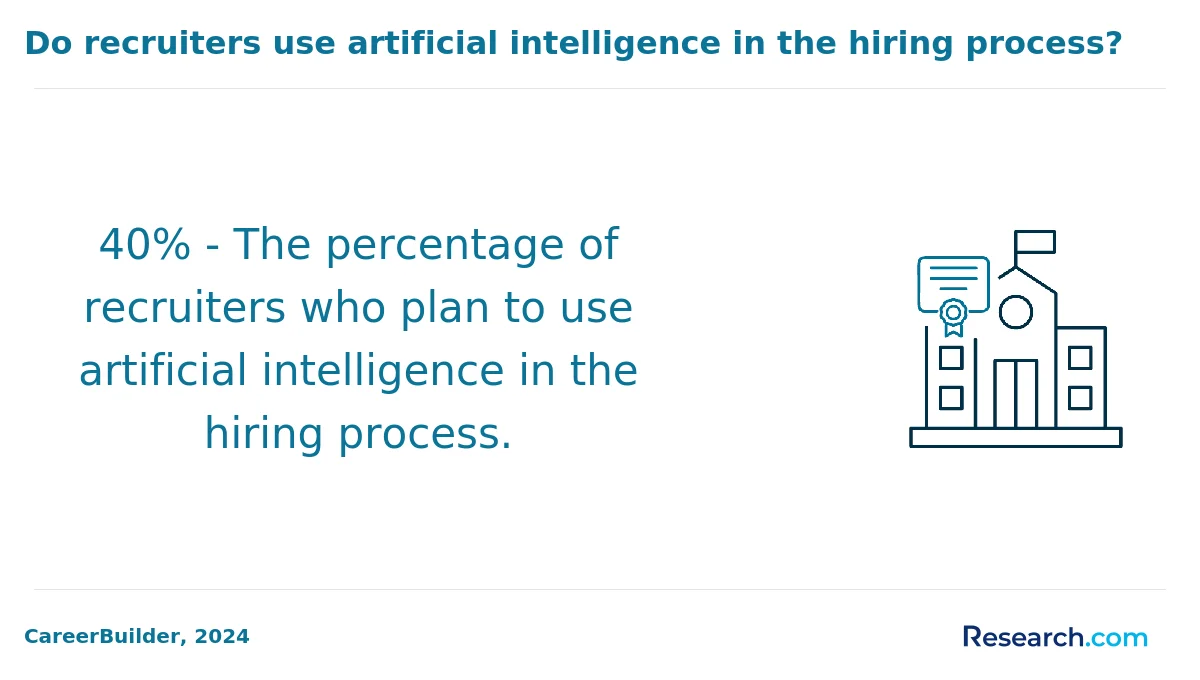
The job market for associate degree graduates in Columbia is robust and diverse, reflecting an encouraging landscape for those completing two-year programs at local colleges. Graduates often share experiences of quickly securing roles in healthcare fields such as physical therapist assistant, dental hygienist, and registered nurse, where wages frequently exceed $25 per hour. This strong demand is a testament to the ongoing associate degree job growth in Columbia, notably within healthcare and business sectors.
Many students from popular associate degree schools in Columbia find meaningful employment through an array of opportunities, including:
- Human resources assistant positions with hourly wages between $18 and $28
- Educational program associate roles at institutions like the University of Missouri earning up to $23 per hour
- Skilled agricultural and cultivation technician jobs supporting the region's farming industry
Such roles often come with benefits like health insurance and tuition reimbursement, creating an empowering environment for new graduates. For those aiming to maximize returns on education investments, exploring the cheapest online schools for working adults can be a wise choice, balancing affordability and quality.
Looking toward 2026, the Columbia associate degree median salary 2026 projections remain promising, encouraging recent graduates to envision sustainable, well-paid careers right in their community.
Best Associate Degree Programs - Leading Certification Courses in Columbia for 2026
# 1 position
Columbia College - Criminal Justice/Law Enforcement Administration.
associateColumbia College offers a fully online Criminal Justice/Law Enforcement Administration program designed to prepare students for leadership roles in public law enforcement. The curriculum covers law enforcement history, operational command, public police administration, labor relations, incident response, legal responsibilities, budgeting, and organizational leadership. The program is accredited by the Higher Learning Commission. Annual in-state tuition is $24,326, and median earnings one year after completion are $47,941.
# 2 position
Columbia College - Computer and Information Sciences, General.
associateColumbia College offers a fully online program in Computer and Information Sciences, General, focusing on computing, computer science, and information systems. The program is accredited by the Higher Learning Commission. Annual in-state tuition is $24,326. Graduates report median earnings of $47,167 one year after completion. The curriculum covers general computing topics without specialization in specific computer science or information science areas.
Frequently Asked Questions about associate degree programs
After completing an associate degree in Columbia, preparing for the job market requires strategic planning. The Bureau of Labor Statistics reports that about 60% of jobs requiring an associate degree pay a median salary of $50,000 or more annually. To maximize employability, students should focus on building practical skills through internships or apprenticeships during study.
Networking is essential. Joining professional associations related to your field can open doors to job opportunities. Employers often seek candidates with relevant experience and soft skills like communication and teamwork. Career services at local colleges also offer valuable job placement support and resume workshops.
Additionally, continuing education or certifications can enhance job prospects. Many roles in technical fields demand up-to-date knowledge, so staying current with industry trends is beneficial. Preparing effectively increases the chances of a smooth transition into the workforce in Columbia's competitive job market.
Employers in Columbia highly value associate degree graduates who demonstrate strong technical skills related to their field of study. According to the National Association of Colleges and Employers (NACE), 69% of employers prioritize proficiency in software applications and industry-specific tools.
In addition to technical abilities, communication skills are critical. A study by the Columbia Workforce Development Board reveals that over 80% of local employers seek graduates who can clearly convey ideas and work collaboratively in team settings.
Problem-solving and critical thinking are also in demand, with 75% of Columbia employers expressing a preference for candidates who can independently analyze issues and propose solutions effectively.
Time management and adaptability further enhance employability, as the dynamic job market in Columbia often requires flexibility and efficient project handling.
Finding internships in Columbia relevant to your associate degree program requires a strategic approach. Start by exploring career services provided by community colleges and technical schools in Columbia, which often maintain local employer connections. According to the National Association of Colleges and Employers, approximately 60% of internships are secured through college resources.
Networking plays a crucial role; attend job fairs, professional meetups, and use platforms like LinkedIn to connect with local businesses. Many internships in Columbia focus on healthcare, IT, and business sectors, reflecting local industry strengths. The Missouri Department of Higher Education and Workforce Development provides listings of internship opportunities and employer partnerships specifically tailored for students.
Additionally, check with regional workforce centers in Columbia, as they often post internship opportunities linked to your field of study.
An associate degree in Columbia plays a significant role in enhancing career mobility and advancement. According to the U.S. Bureau of Labor Statistics, individuals with an associate degree earn approximately 18% more annually than those with only a high school diploma. This credential often serves as a stepping stone to more specialized roles and managerial positions within various industries.
Employers in Columbia value the practical skills and foundational knowledge gained through associate degree programs. This education can lead to promotions or transitions into higher-paying jobs, particularly in healthcare, technology, and business sectors.
Additionally, associate degrees provide a pathway for further education, enabling students to transfer credits toward bachelor's degrees. This flexibility supports long-term career growth and adaptability in the evolving job market.
Columbia offers various part-time job opportunities that can effectively complement associate degree education, especially in fields such as healthcare, information technology, and business. For students pursuing an associate degree in healthcare, positions like medical assistants or pharmacy technicians are commonly available and provide practical experience alongside studies. According to the U.S. Bureau of Labor Statistics, healthcare occupations are projected to grow by 13% through 2032, emphasizing local job availability.
In the IT sector, roles such as help desk support or junior network technicians offer hands-on experience, which is invaluable for associate degree students. Retail and administrative assistant jobs also help students hone customer service and organizational skills relevant across many disciplines.
Part-time work averaging 15 to 20 hours per week is typical, allowing students to balance work and study effectively. Local job boards and college career centers are useful resources to find such opportunities in Columbia.
To find the best degree program near me in Columbia, MO, you can begin by identifying local universities and colleges that offer programs of interest. Research.com is a valuable resource for comparing different programs based on factors like faculty expertise and research opportunities. Additionally, visiting these institutions or attending local college fairs can provide insight into the best programs suited to your career goals.
- Best Trade School & Training Programs - Leading Certification Courses in Springfield for 2026
- Best Trade School & Training Programs - Leading Certification Courses in Emporia for 2026
- Best Trade School & Training Programs - Leading Certification Courses in Little Rock for 2026
- Best Trade School & Training Programs - Leading Certification Courses in Florence for 2026
- Best Trade School & Training Programs - Leading Certification Courses in Angola for 2026
- Best Trade School & Training Programs - Leading Certification Courses in Adrian for 2026
- Best Trade School & Training Programs - Leading Certification Courses in Akron for 2026
- Best Trade School & Training Programs - Leading Certification Courses in Kyle for 2026
- Associate Degrees - BC Transfer Guide https://www.bctransferguide.ca/learn-more-about/associate-degrees/
- How to Go from an Associate’s Degree to a Bachelor’s Degree | George Fox University https://www.georgefox.edu/adult-degree/articles/associate-to-bachelor-degree.html
- Research - Easiest Phd Degree Programs https://research.com/degrees/easiest-phd-degree-programs
- Sample Cover Letters | Columbia Career Education https://www.careereducation.columbia.edu/resources/sample-cover-letters
- Associate in Arts (AA) | Columbia College https://www.ccis.edu/degrees/arts-associate
- Online Associate Degree Programs https://www.ashworthcollege.edu/associate-degrees/
- Top 5 Highest Paying Jobs Colombia 2025: Salary & Requirements | Blog https://www.ttecjobs.com/en/top-5-highest-paying-jobs-in-colombia-2025-salaries-and-requirements
- General AA-DTA (AA-DTA) https://lowercolumbia.edu/publications/catalog/programs/General-AADTA-General/
- Associate degree - Wikipedia https://en.wikipedia.org/wiki/Associate_degree
- Traditional vs Online Degrees 2025: Which One is Better for You? https://www.pw.live/online-degree/exams/traditional-vs-online-degree