
Most Affordable Associate Degree Programs - Leading Certification Courses in Puerto Rico for 2026

Co-Founder and Chief Data Scientist
Choosing the right associate degree program in Puerto Rico can feel overwhelming, but this article is here to help. We've gathered valuable insights from a ranking created by the Research.com team of data scientists, guiding you through the most affordable and worthwhile options for 2026.
Whether you want to boost your career or start fresh, an associate degree offers practical skills and new opportunities. Reading this article will empower you to make informed decisions, saving time and money while investing in your future with confidence.
Key benefits of associate degrees in Puerto Rico
- Competitive salaries: Graduates with an associate degree in Puerto Rico can earn from around $13,900 yearly for financial associates up to $84,625 for high-demand roles like SAP Analysts, showing solid income potential across different fields.
- Popular career paths: Many graduates find rewarding jobs in business, IT, communications, and health support, matching local employer needs and offering steady growth opportunities.
- Online education benefits: Completing an associate degree online from a well-known Puerto Rican school offers flexibility and convenience, making it easier for busy students to balance work and study effectively.
- Most Affordable Associate Degree Programs - Leading Certification Courses in Puerto Rico for 2026
- What can I expect from associate degree programs in Puerto Rico?
- Where can I work after finishing associate degree programs in Puerto Rico?
What can I expect from associate degree programs in Puerto Rico?
The average tuition for associate degree programs in Puerto Rico is $6,057 for state residents and $7,878 for out-of-state students, based on 2025 data. Graduates from well-known institutions often share that despite these costs, financial aid plays a crucial role in making education affordable. With 83.62% of students receiving grants or scholarships averaging $5,826, many find the out-of-pocket expense significantly reduced, enabling a focus on studies rather than financial stress.
Students at popular schools report moderate class sizes with about 17 students per instructor, allowing for personalized support. This ensures a balance between group collaboration and individual attention, especially in career-driven fields like nursing or business.
For example, nursing students frequently recount how their hands-on clinical practice prepares them well for licensing exams, while business program graduates appreciate courses in management and accounting that translate directly to job readiness locally.
Programs are primarily taught in Spanish, reflecting daily life in Puerto Rico, but some materials may be available in English, easing transitions for bilingual learners.
Where can I work after finishing associate degree programs in Puerto Rico?
Graduates of associate degree programs in Puerto Rico find strong employment opportunities across diverse sectors. Many secure roles in healthcare, working as registered nurses, radiologic technologists, or medical sonographers-professions in high demand at local facilities. For instance, graduates from EDIC College in Bayamón frequently share how their hands-on training with ultrasound and X-ray equipment helped them quickly enter specialized medical positions.
Technical fields also show promising prospects. Associate degree holders often become computer network support specialists or web developers, supporting business and government IT infrastructures. Several graduates from prominent technical schools express satisfaction with their ability to adapt and contribute immediately in these fast-growing roles.
In service industries like hospitality and retail, associate degrees open doors to supervisory and administrative positions. Many who studied business administration at well-known Puerto Rican colleges report satisfaction in leveraging their qualifications to advance quickly within local companies. Overall, the blend of practical experience and recognized credentials fosters confidence and upward mobility among graduates.
Graduates from associate degree programs in Puerto Rico report entering the workforce with promising salaries well above the $9.50 minimum wage. For example, manufacturing associates from well-known local institutions earn an average of $18.99 per hour, translating to nearly $39,500 annually. This level of pay provides immediate financial relief compared to minimum wage jobs and supports a stable lifestyle in Puerto Rico.
Customer service associates, often hired by local businesses and call centers, receive hourly wages between $17.07 and $19.47. This means annual earnings can range from $35,500 to $40,500, a boost that graduates value after completing their studies at popular campuses offering associate programs.
Some graduates entering fields like accounting or insurance find salaried roles, earning between $40,000 and $61,000 annually. This includes compliance clerks and accounting associates, who benefit from specialized training offered by respected Puerto Rican colleges. Health-focused roles such as Student Health Officers start around $36,000 per year, illustrating how diverse associate degrees can open rewarding career paths.
Graduates frequently share enthusiasm about the financial confidence gained from their education, noting that these earnings enable independence and professional growth locally without needing to relocate.
- Carlos: Earning my Associate Degree in Electrical Technology from a trade school in Puerto Rico was transformative. The hands-on training prepared me perfectly for work in local industries. I quickly found a stable job, and now I feel empowered knowing my skills directly contribute to Puerto Rico's infrastructure growth.
- Yolanda: Studying Early Childhood Education at a Puerto Rican institution gave me both knowledge and confidence. The supportive faculty and practical experience helped me land a joyful role at a community center. This degree truly opened doors for making a difference in children's lives while securing a rewarding career.
- Javier: Getting my Associate Degree in Culinary Arts in Puerto Rico was more than just education; it was a cultural journey. The trade school environment fostered creativity, and the strong local connections helped me quickly start as a chef. I'm proud to contribute to Puerto Rico's rich culinary tradition.
- Admission requires a high school diploma and a GPA between 2.30 and 3.00, with some programs needing SAT or PAA scores.
- Applicants often must provide transcripts, health certificates, criminal background checks, and may need letters of recommendation or interviews for certain fields.
- Tuition typically ranges from $2,000 to $5,000 per year at public institutions in Puerto Rico, making degrees generally more affordable than on the US mainland.
- Top employment fields include healthcare, business administration, and technical roles, with starting salaries between $18,000 and $28,000 annually.
- Graduates can expect to earn 10% to 30% more than those with only a high school diploma, depending on their occupation.
An associate degree program in Puerto Rico generally takes about two years of full-time study to complete, consistent with nationwide standards. Graduates from popular associate degree schools in Puerto Rico often recall balancing a typical course load of 12 to 18 credits per semester, reaching the required 60 to 70 credits over this period with a manageable pace.
Many students embrace full-time enrollment, finishing in two years, which brings a sense of accomplishment and clear progress. Others, juggling work or family, choose part-time, taking three to four years but enjoying a flexible schedule that fits their lifestyle.
Some graduates share how accelerated programs allowed them to finish within 12 to 18 months by attending summer sessions and taking heavier course loads-an intense but rewarding experience for highly motivated learners at prominent institutions in Puerto Rico.
Those entering with transfer credits found themselves happily ahead, cutting down time and costs, a welcome relief echoed by many.
Trade school students often complete technical programs in about 18 months when opting for full-time, immersive studies, especially in healthcare or IT fields, proving that dedication can speed up their journey.
Choosing between online and on-campus associate degree programs in Puerto Rico means deciding how you want to experience your education. Online students often appreciate the flexibility to study on their own schedule, a key advantage highlighted by graduates from popular institutions like the Universidad del Este. These students balance coursework with family or part-time work by accessing lectures and assignments anytime, anywhere with internet access.
In contrast, on-campus students at colleges such as the Universidad de Puerto Rico Río Piedras enjoy daily in-person engagement, which fosters immediate feedback and strong networking opportunities. Many report that hands-on activities and face-to-face interactions help them feel more connected and motivated throughout their studies.
Cost is another important factor. Online associate degrees typically reduce expenses related to commuting and campus fees, making them attractive for budget-conscious students. However, reliable internet and basic digital skills are essential, and online learners gain valuable tech proficiency that many graduates find beneficial in the modern workforce.
The average cost of an associate degree program in Puerto Rico presents a unique and affordable opportunity compared to many parts of the United States. Tuition and fees for Puerto Rico associate programs generally fall around $6,057 for state residents and $7,878 for out-of-state students. However, this range can vary widely depending on the specific institution. For example, students attending Universidad Pentecostal Mizpa benefit from tuition rates as low as $4,560 per year, while those enrolling at EDP University of Puerto Rico campuses might see prices reaching $14,125 annually.
Graduates from Puerto Rican trade schools often share a sense of relief and accomplishment, noting how financial aid played a crucial role in managing these expenses. Over 83% of undergraduate students receive scholarships or grants, with average aid totaling $5,826. This aids in significantly lowering costs, as seen at Instituto Tecnologico de Puerto Rico-Recinto de Manati, where the advertised tuition of $7,590 can translate to a net price of just $2,418 after aid.
Students from households earning less than $30,000 often pay even less, around $2,351, making these programs highly accessible. For those balancing work and school, exploring options like an accelerated online degree for working adults can provide additional flexibility while pursuing an affordable education. The financial landscape of Puerto Rico's associate degree programs offers tangible affordability and accessibility for many hopeful students.
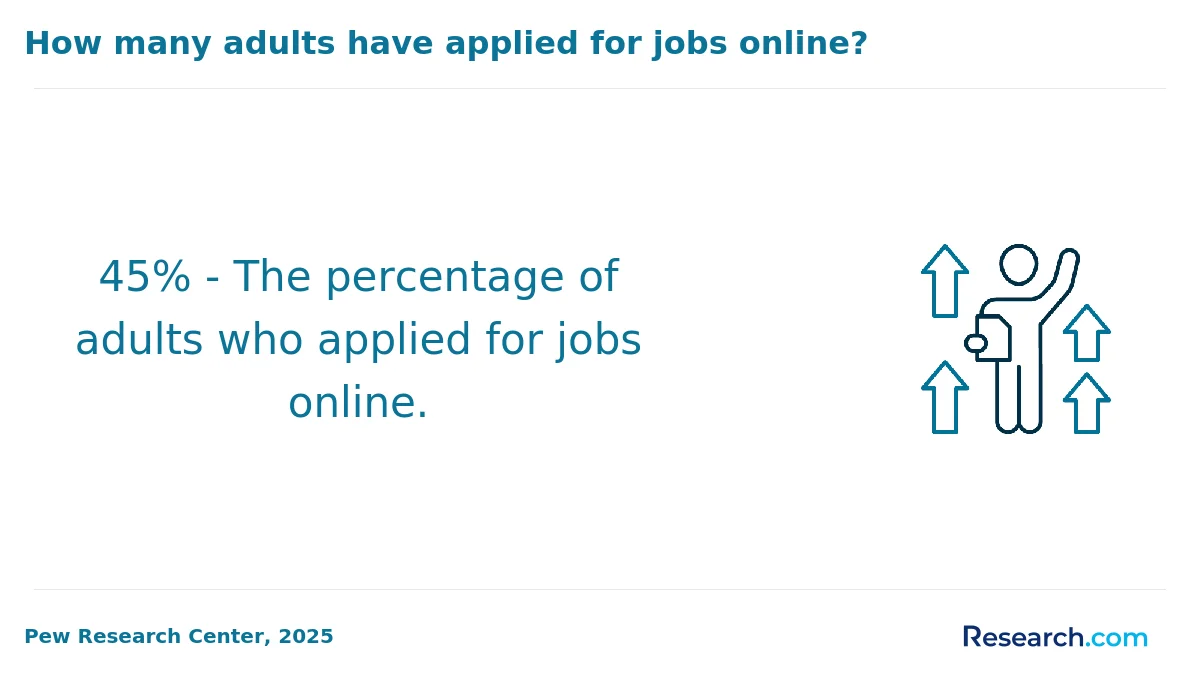
Associate degree students in Puerto Rico can access multiple financial aid sources that significantly lessen the financial burden of higher education. By submitting the FAFSA, students at institutions like the University of Puerto Rico unlock eligibility for federal aid such as the Federal Pell Grant, a need-based and non-repayable award that many students rely on to cover tuition expenses.
Graduates often recall how subsidized and unsubsidized federal student loans-offering up to $3,500 and $2,000 respectively in the first year-provided flexible options to manage costs without immediate repayment pressure. These loan limits align with those available across U.S. accredited colleges, ensuring Puerto Rican students receive equitable support.
Additionally, institutional scholarships play a key role. For example, the University of Puerto Rico Mayagüez's Fundación Ceiba Scholarship covers full tuition for eligible engineering or entrepreneurship majors demonstrating financial need and academic dedication. Students describe this as a transformative opportunity enabling focus on studies without financial stress.
Beyond institutional aid, targeted scholarships such as the 3M Minority Students in STEM Scholarship offer $2,500 to Hispanic students, while the Posse Arts Puerto Rico Initiative supports artistic leaders with full tuition. Meeting criteria like a 3.0 GPA, community involvement, and academic excellence often unlock these vital resources.
To enroll in an associate degree program in Puerto Rico, applicants must provide proof of high school completion, typically an official transcript or graduation certificate. Most schools expect a minimum GPA between 2.00 and 3.00. For instance, graduates from Universidad Interamericana recall presenting a 2.50 GPA transcript, while those aiming for specialized programs like the Physical Therapist Assistant degree at NUC University needed at least a 3.00 GPA.
Standardized tests such as the PAA or SAT may be required, although exceptions exist, especially during health crises like the Covid-19 pandemic. Applicants who skip these tests still must meet GPA standards.
Additional prerequisites often include:
- Completed admission application
- Certificate of Health and immunization records
- Criminal Record Certificate from Puerto Rico Police Department
- Proof of relevant vaccinations and doping tests for health programs
- Age minimum of 18 years for clinical practice
- Basic English proficiency for bilingual coursework
Graduates frequently share that fulfilling these steps made them feel well-prepared and confident entering their programs, knowing they complied with state and institutional requirements. The structured process at popular institutions supports students eager to advance their education smoothly.
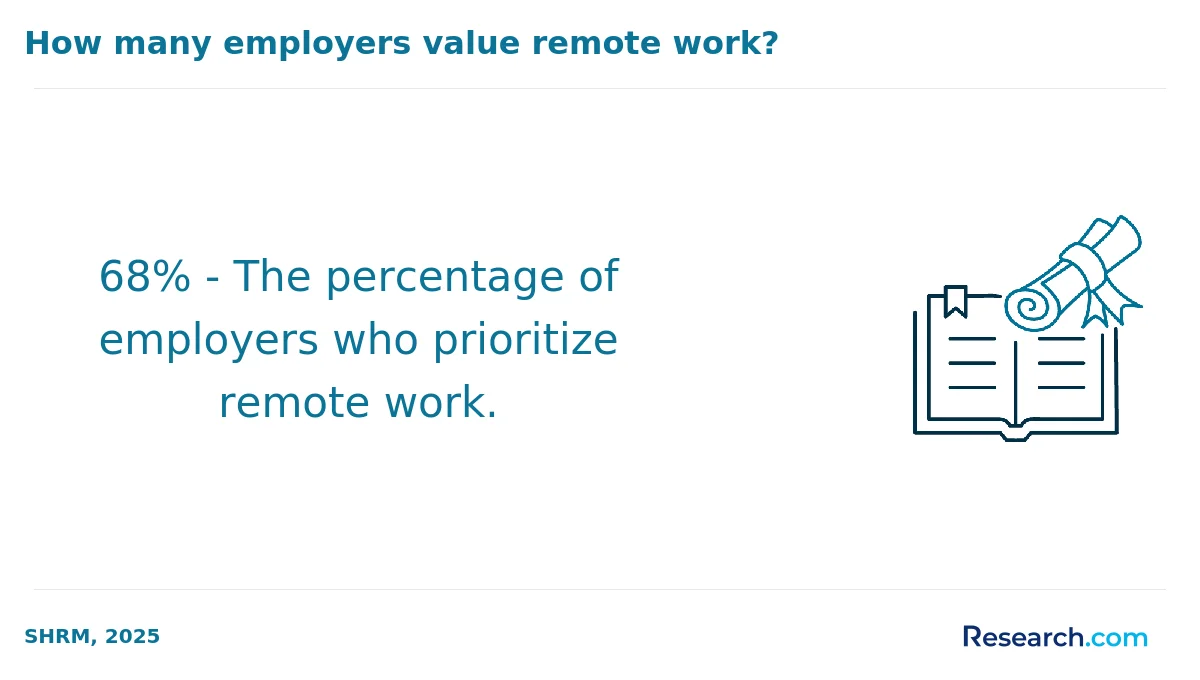
Associate degree programs in Puerto Rico typically combine general education with specialized major coursework tailored to workforce demands. For example, at the University of Puerto Rico at Arecibo, students complete about 18 credits in general education, covering foundational subjects like English, Spanish, Mathematics, Humanities, Natural Sciences, and Social Sciences. This distribution fosters critical skills such as bilingual communication and scientific reasoning, essential for career success on the island. Graduates often highlight how these interdisciplinary competencies make day-to-day tasks and problem-solving easier in professional settings.
Regarding Puerto Rico associate degree curriculum requirements, programs like the Associate Degree in Nursing at Inter American University of Puerto Rico Metropolitan Campus illustrate an effective blend: 41 credits focus on nursing-specific courses, including Fundamentals in Nursing, Maternal-Neonatal Care, and Pharmacology. This rigorous structure, paired with 24 credits in general education, equips students with both practical skills and academic knowledge. Graduates frequently report feeling confident entering the healthcare field, thanks to this targeted preparation.
Other health-related degrees, such as those in radiological technology and medical sonography, integrate around 30 general education credits with 36 professional credits. This combination ensures students develop technical expertise while maintaining a strong academic foundation. For those exploring available options, identifying the easiest associate degree to obtain in Puerto Rico can be aided by resources like easiest associate degree to obtain, helping students find programs that fit their goals and strengths.
Choosing the best associate degree program in Puerto Rico requires prioritizing accreditation first. Graduates from the University of Puerto Rico system often praise how their credits seamlessly transferred when pursuing further studies, a direct benefit of accredited programs. This acknowledgment by employers and other universities safeguards your investment and future opportunities.
Cost is another decisive factor. Graduates who attended Instituto Tecnologico de Puerto Rico-San Juan highlight the advantage of attending an institution with a net price often below $1,000 per year, making education affordable without sacrificing quality. Comparing net prices rather than sticker prices helps anticipate the genuine financial commitment and avoid surprises.
Program alignment with career goals also matters. For example, business-minded students tend to favor schools offering specializations in business administration, noting how faculty expertise and tailored curricula boosted their practical skills and job readiness. This alignment enhances motivation and satisfaction during studies.
Student services and campus vibe influence success too. Many graduates from National University College recall positive experiences with academic advising and career counseling, which provided crucial support throughout their studies. Flexible admissions and options like evening or online classes accommodate working students balancing responsibilities.
When evaluating options, data-driven comparisons involving these factors will guide you toward the best associate degree programs in Puerto Rico and help identify the most affordable choices. Explore educational paths further by reviewing the most affordable doctoral programs to plan your academic trajectory.
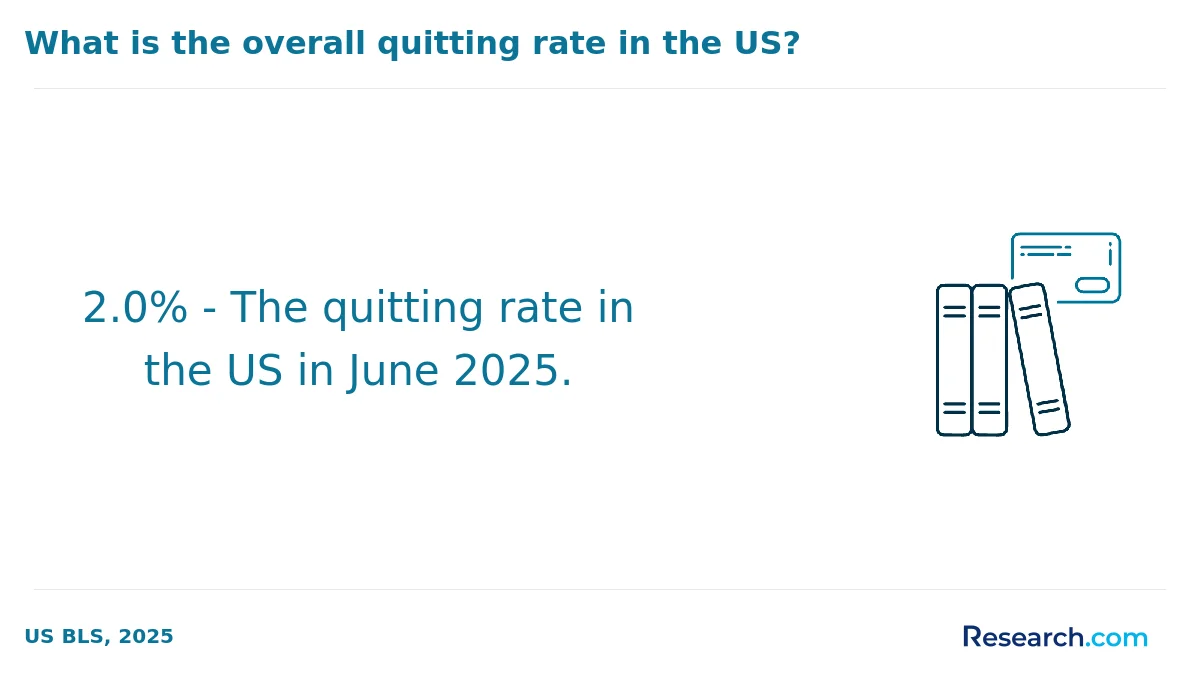
Associate degree jobs in Puerto Rico span several key industries, making these programs a practical choice for those seeking fast entry into the workforce. Graduates from popular local schools often report success in healthcare roles such as Medical Sonography and Radiological Technology. These positions involve operating advanced diagnostic equipment and contribute directly to patient care, with entry-level salaries starting near $36,000 annually. For example, graduates skilled in ultrasound exams have found stable employment in clinics across the island.
Business and administrative roles also present abundant career opportunities for Puerto Rico associate degree graduates. Programs in business administration and secretarial sciences prepare students for positions in office management, accounting, and customer service, with wages ranging from $17 to $20 per hour and some salaries up to $61,000 yearly. Many graduates feel empowered taking on roles as junior analysts or compliance clerks in growing companies throughout Puerto Rico.
The technology sector, though smaller, is expanding. Associate degree holders in IT and technical support are increasingly valued in Puerto Rico's evolving economy. With over 450 job listings statewide, students seeking to maximize their career options often explore online community colleges that accept fafsa to supplement their education or gain additional certifications.
The job opportunities for associate degree graduates in Puerto Rico remain robust, with consistent demand in healthcare, technology, and business sectors. Graduates from popular institutions in Puerto Rico often secure roles such as healthcare technician, assistant manager, or computer network support specialist shortly after completing their programs. These roles reflect the practical skills and technical training emphasized by these local schools. Experienced graduates report transition success stories, highlighting competitive wages and benefits like health insurance and paid time off.
Employment outlook for associate degree holders in Puerto Rico shows steady availability of over 450 relevant job postings at any given time, signaling reliable career entry points. Many associate degree holders find their education leads to roles with prospects for advancement and increased earnings compared to high school diploma holders.
- Healthcare jobs, including dental hygienists and respiratory therapists, offer strong median wages.
- Technology fields provide access to IT and network administration jobs, valued for their hands-on experience.
- Benefits such as remote work options add to job appeal.
For those seeking career options suited to their preferences, exploring career options for introverts may also provide useful guidance alongside associate degree pathways in Puerto Rico.
Most Affordable Associate Degree Programs - Leading Certification Courses in Puerto Rico for 2026
# 1 position
Inter American University of Puerto Rico-Ponce - Business Administration and Management, General.
associateThe Business Administration and Management, General program at Inter American University of Puerto Rico-Ponce is fully online, preparing students to manage organizational functions and processes. It includes courses in management theory, human resources, accounting, logistics, marketing, and decision-making. The program is accredited by the Middle States Commission on Higher Education. Annual in-state tuition is $5,580, and median earnings one year after completion are $21,380.
# 2 position
Inter American University of Puerto Rico-Ponce - Office Management and Supervision.
associateThe Office Management and Supervision program at Inter American University of Puerto Rico-Ponce is fully online and focuses on training individuals to manage business office operations and personnel. It covers topics such as employee supervision, labor relations, budgeting, scheduling, office systems, records management, and public relations. The program is accredited by the Middle States Commission on Higher Education, with an annual in-state tuition of $5,580 and median earnings of $21,380 one year after completion.
# 3 position
Inter American University of Puerto Rico-Ponce - Computer Science.
associateThe Computer Science program at Inter American University of Puerto Rico-Ponce offers a hybrid format with some distance-education options. It emphasizes computer theory, problem-solving, and the design of computer systems and user interfaces from a scientific perspective. Instruction covers computational science principles, programming, and practical applications. Annual in-state tuition is $5,580. The program is accredited by the Middle States Commission on Higher Education.
# 4 position
Inter American University of Puerto Rico-Ponce - Criminal Justice/Safety Studies.
associateThe Criminal Justice/Safety Studies program at Inter American University of Puerto Rico-Ponce offers a hybrid format with some distance education options. It covers criminal law, policy, police and correctional systems, administration of justice, and public attitudes toward criminal justice. The program is accredited by the Middle States Commission on Higher Education. Annual in-state tuition is $5,580.
# 5 position
Inter American University of Puerto Rico-Ponce - Criminal Justice/Police Science.
associateThe Criminal Justice/Police Science program at Inter American University of Puerto Rico-Ponce offers a hybrid format with some distance-education options. It prepares students for police and public security roles, covering patrol, investigations, traffic and crowd control, evidence management, and crime prevention. The program costs $5,580 annually for in-state students and is accredited by the Middle States Commission on Higher Education.
# 6 position
Inter American University of Puerto Rico-Ponce - Accounting.
associateThe Accounting program at Inter American University of Puerto Rico-Ponce is fully online, offering distance-only instruction. It prepares students for accounting professions and related business functions, covering principles such as financial, managerial, cost, and tax accounting, auditing, and professional ethics. The program includes training in business information systems and accounting research methods. Annual in-state tuition is $5,580. It is accredited by the Middle States Commission on Higher Education.
# 7 position
Inter American University of Puerto Rico-Ponce - Physical Therapy Assistant.
associateThe Physical Therapy Assistant program at Inter American University of Puerto Rico-Ponce is offered in a hybrid format, combining distance education with on-site learning. It trains students to assist physical therapists by implementing treatment plans, conducting interventions, and monitoring patient progress. Tuition for in-state students is $5,580 annually. The curriculum covers anatomy, physiology, biomechanics, clinical documentation, and professional ethics. The program is accredited by the Middle States Commission on Higher Education.
# 8 position
Dewey University-Hato Rey - Medical Insurance Specialist/Medical Biller.
associateDewey University-Hato Rey offers a Medical Insurance Specialist/Medical Biller program in a hybrid format, preparing students to manage medical and health insurance operations in various healthcare settings. The curriculum includes health insurance processes, law, policy, office administration, software applications, billing, medical terminology, and communication skills. The program is accredited by the Accrediting Bureau of Health Education Schools. Annual in-state tuition is $6,970, with median earnings of $16,262 one year after completion.
# 9 position
Dewey University-Hato Rey - Physical Therapy Assistant.
associateDewey University-Hato Rey offers a Physical Therapy Assistant program with a hybrid format, allowing some distance education. The program trains students to assist physical therapists by implementing treatment plans, conducting interventions, and monitoring patient progress. Coursework covers anatomy, physiology, biomechanics, neuroscience, and professional ethics. Annual in-state tuition is $6,970. Graduates earn a median salary of $11,681 one year after completion. The program is accredited by the Accrediting Bureau of Health Education Schools.
# 10 position
Dewey University-Hato Rey - Accounting.
associateThe Accounting program at Dewey University-Hato Rey offers a hybrid format with some distance-education options. It prepares students to practice accounting and perform related business functions. The curriculum includes principles and theory, financial, managerial, cost, tax, and auditing accounting, along with budget control, legal aspects, reporting, business information systems, research methods, professional standards, and ethics. Annual in-state tuition is $6,970. The program is accredited by the Accrediting Bureau of Health Education Schools.
Frequently Asked Questions about associate degree programs
Preparing for the job market after earning an associate degree in Puerto Rico involves several strategic steps. According to the U.S. Bureau of Labor Statistics, about 60% of associate degree holders find employment in fields related to their studies within six months. Graduates should focus on developing practical skills through internships or part-time jobs that complement their academic credentials. Networking remains crucial; engaging with local industry groups and attending job fairs in Puerto Rico can open doors.
Additionally, utilizing resources at community colleges, such as career counseling and resume workshops, can enhance job readiness. Employers in Puerto Rico increasingly value soft skills like communication and teamwork alongside technical abilities. Keeping updated on industry trends and considering certifications related to one's field can also improve employment prospects.
Employers in Puerto Rico highly value associate degree graduates who demonstrate strong technical and interpersonal skills. According to the Puerto Rico Department of Labor and Human Resources, skills like proficiency in computer applications, basic accounting, and bilingual communication-especially in English and Spanish-are critical for many entry-level positions.
Additionally, soft skills such as problem-solving, teamwork, and time management are frequently cited by employers as essential. A 2023 report by the Puerto Rico Manufacturers Association emphasized the importance of adaptability and critical thinking, particularly in healthcare, business, and technology sectors.
Overall, graduates who combine practical job skills with strong communication and organizational abilities tend to be more competitive in the local job market.
Finding internships in Puerto Rico relevant to your associate degree program starts with exploring opportunities through local colleges and universities. Many institutions have career services that connect students with businesses across various industries.
Puerto Rico's Department of Labor periodically lists internship openings, especially in fields like healthcare, business, and technology. Checking their official site can provide up-to-date internship announcements.
You can also leverage online platforms like the U.S. government's USAJOBS for federal internships open to residents of Puerto Rico. These positions often provide hands-on experience in public administration and social services.
Networking is crucial. Joining professional associations aligned with your field can help you meet potential employers offering internships. According to a 2023 report from the Puerto Rico Science, Technology & Research Trust, internships in tech fields have grown by 12% over the past two years, signaling expanding opportunities.
An associate degree in Puerto Rico plays a significant role in enhancing career mobility and advancement. According to the U.S. Bureau of Labor Statistics and local workforce studies, individuals with an associate degree tend to earn about 20% more than those with only a high school diploma. This degree often qualifies graduates for mid-level technical and administrative positions in growing sectors such as healthcare, manufacturing, and information technology.
In addition, many employers in Puerto Rico place value on the practical skills gained through associate degrees, resulting in improved job security and promotion opportunities. Institutions such as the Puerto Rico Department of Labor report consistent demand for associate degree holders, supporting upward social mobility within the island's competitive job market.
Furthermore, associate degrees provide a pathway to further education, allowing students to transfer credits toward bachelor's programs, which can lead to higher-level roles and increased earning potential. This flexibility contributes to long-term professional growth and adaptability in a changing economy.
In Puerto Rico, part-time job opportunities that complement associate degree education often align with the fields of study pursued by students. For instance, students in healthcare-related associate programs can find part-time roles as medical assistants, pharmacy technicians, or dental hygienists. According to the U.S. Bureau of Labor Statistics, healthcare support jobs in Puerto Rico are projected to grow moderately over the next decade.
Similarly, business or information technology students may secure positions in retail management, customer service, or technical support, which provide practical experience relevant to their studies. The flexibility of many part-time roles also helps students balance work and education effectively.
Moreover, industries such as hospitality and administration offer numerous part-time openings, which can sharpen communication and organizational skills. The minimum wage in Puerto Rico was $8.50 per hour as of 2023, which applies to many entry-level positions suitable for associate degree students. Choosing part-time work closely related to one's academic focus both enhances resumes and builds professional networks in the local job market.
Yes, there are many affordable degree programs near Puerto Rico, especially within its own region, that cater to various fields of study. Research.com can be a helpful resource for identifying programs ranked by affordability and quality. Universities both near me and near Puerto Rico can offer competitive tuition rates and financial aid options to help students pursue higher education.
- What Comes After Associate Degree: Here Are Your Options https://potomac.edu/do-you-feel-complete-after-earning-an-associates-degree/
- 20 In-Demand Jobs You Can Get With a Two-Year Degree | BestColleges https://www.bestcolleges.com/blog/in-demand-jobs-you-can-get-with-a-two-year-degree/
- How Converting Your Associate's Degree Into a Bachelor’s Degree Can Impact Your Salary | Regis College https://www.regiscollege.edu/blog/completing-your-degree/how-converting-your-associates-degree-bachelors-degree-can-impact-your
- Costos Test Page | Ana G. Méndez University https://agmu.edu/en/content/costos-test-page
- Nces https://nces.ed.gov/
- List of professional designations in the United States - Wikipedia https://en.wikipedia.org/wiki/List_of_professional_designations_in_the_United_States
- Top 5 Skills Employers Look For | Nth Degree https://newmanu.edu/top-5-skills-employers-look-for
- Research - Our Methodology https://research.com/our-methodology
- Employment Opportunities | Discover Puerto Rico https://www.discoverpuertorico.com/industry/info/employment-opportunities
- USAJOBS - Search https://www.usajobs.gov/Search/Results


