Most Affordable Associate Degree Programs - Leading Certification Courses in Pratt for 2026

Co-Founder and Chief Data Scientist
Choosing the right associate degree program in Pratt can feel overwhelming, but it doesn’t have to be. This article will guide you through the most affordable options for 2026, helping you find a path that fits both your budget and career goals.
The ranking featured here was created by the Research.com team of data scientists to offer clear, trustworthy insights into local trade school programs. Reading this will empower you with useful information, making it easier to decide which programs truly offer value.
Getting an associate degree is a smart step toward a brighter future, and knowing your options can make all the difference.
Key benefits of associate degrees in Pratt
- Associate degree graduates in Pratt can earn strong salaries, such as $65,667 yearly in engineering, $39,384 in social work, and up to $70,000 for registered nurses, providing great financial opportunities early in their careers.
- Popular career paths for graduates include healthcare, business, engineering, and social services, with many Pratt Community College alumni outperforming even bachelor's degree holders in local earnings.
- Online associate degrees offer flexibility and convenience, helping students balance work and study, making it easier to achieve a valuable credential without sacrificing current responsibilities.
- Most Affordable Associate Degree Programs - Leading Certification Courses in Pratt for 2026
- What can I expect from associate degree programs in Pratt?
- Where can I work after finishing associate degree programs in Pratt?
What can I expect from associate degree programs in Pratt?
The average cost of earning an associate degree in Pratt is impressively affordable, with in-state tuition and fees at Pratt Community College hovering around $4,036. Graduates often recall how this reasonable expense allowed them to focus more on learning than on financial strain. Room and board add about $6,304 to the total, making the entire two-year educational journey manageable compared to many other regions.
Students expect a balanced experience combining general education with specialized courses tailored to their chosen fields, whether nursing, business, or technology. For instance, nursing students benefit from hands-on clinical work arranged through local partnerships-making the classroom lessons tangible and engaging.
Many graduates cherish the supportive campus atmosphere, where tutoring and career counseling ease challenges and inspire confidence. The open admissions policy means there's a welcoming place for anyone ready to pursue higher education in Pratt, fueling ambition without overwhelming barriers.
Where can I work after finishing associate degree programs in Pratt?
After finishing an associate degree program in Pratt, graduates find themselves stepping into a vibrant job market eager for their skills. Many local employers value the specialized training provided by schools like Pratt Community College, opening doors in both public and private sectors. Imagine starting your day as a healthcare support professional or nursing clinical associate at a nearby clinic, putting your ADN training straight to work in a real-world setting.
Others might become retail sales associates, administrative assistants, or maintenance staff, roles that are plentiful and respect the hands-on knowledge gained through an associate degree. For those who pursued technical trades, positions such as welding or CDL driving instructors at local institutions offer rewarding careers that blend teaching with practical expertise.
Graduates often share how their education made them feel confident and prepared for tangible roles such as bus drivers, delivery drivers, or case managers-careers where every day brings new people and challenges. Whether working behind the scenes in office management or directly impacting lives as student success coaches, the associate degree in Pratt truly transforms passion into opportunity.
After finishing an associate degree program in Pratt, graduates often find themselves stepping into a workforce that rewards their skills with competitive salaries. For instance, those who complete programs at Pratt Community College (PCC) regularly report starting salaries around $51,877 annually, which translates to about $24.94 per hour. This isn't just a number-it's a paycheck that supports real ambitions and dreams.
Consider a graduate entering the engineering field in Pratt, where associate degree holders can earn approximately $65,667 per year. That figure reflects strong demand for technical expertise and shows how specialized training at local schools can boost earning potential. On the other hand, social work graduates might start closer to $39,384 annually, a solid foundation for careers dedicated to community support and meaningful impact.
Many students at PCC find pride in knowing that their associate degree could bring higher earnings than a bachelor's degree from some state universities. Management-track roles offer hourly wages near $18.96 plus profit sharing, translating to financial growth in tangible terms. This mix of steady income and potential bonuses makes the investment in an associate degree both exciting and rewarding.
- "Studying automotive technology at Pratt truly transformed my career. The hands-on training made me confident, and I was hired immediately after graduation at a local repair shop. The practical skills I gained are invaluable-trade school gave me a fast track to a stable, rewarding job." - Marcus
- "Getting my associate in graphic design from Pratt opened doors I never imagined. The supportive instructors and real-world projects helped me build a strong portfolio. Now I'm happily working in a marketing agency, doing creative work I love every day. Trade school exceeded my expectations!" - Emily
- "Enrolling in the culinary arts program at Pratt was the best decision I made. The immersive classes and internships helped me develop confidence and expertise. I now manage a successful kitchen, and the sense of pride and accomplishment I feel is incredible. Trade school prepared me perfectly." - Jamal
- Applicants need a high school diploma or equivalent and must submit official transcripts; art and design programs require a visual portfolio.
- Associate degrees require about 64 credit hours and usually take two years of full-time study to complete.
- Many programs allow easy transfer to four-year universities with a minimum GPA, such as 2.0 for general transfers and 2.7 for art and design students.
- The average annual cost for in-state students at community colleges is $3,000 to $5,000, excluding books and personal expenses.
- Starting salaries for graduates typically range from $35,000 to $45,000 per year, varying by field and experience.
Completing an associate degree program in Pratt, especially at institutions like Pratt Community College, commonly takes about two years for full-time students. Many graduates recall enrolling in 12 to 15 credit hours per semester, steadily progressing through roughly 60 to 65 credit hours needed to earn their degree. This steady pace allows them to graduate within the expected timeline while balancing studies and personal life.
Yet, the journey varies. Part-time students, juggling work or family, often extend their studies over three or more years, appreciating the flexibility to learn without overwhelming pressure. Some who pursued technical programs at Pratt found the hands-on focus rewarding, completing their practical training and stepping confidently into local jobs in about two years.
Others benefited from transferring credits or prior work experience, which expedited their progress, making graduation feel even more attainable. In all, the experience of studying in Pratt feels personal, adaptable, and encouraging for students eager to advance their education while managing real-world demands.
Choosing between online and on-campus associate degree programs in Pratt often comes down to how you want to fit education into your life. Graduates from Pratt Community College's on-campus programs talk about the energizing atmosphere of attending classes in person-collaborating directly with instructors, accessing labs, studios, and campus support, and enjoying that traditional college vibe with peers. For example, nursing students appreciate hands-on practice that only an on-site setting can provide.
In contrast, online associate degree students, such as those enrolled through the EDUKAN consortium, highlight the freedom to study from anywhere-whether at home or work-without the stress of commuting. Many working adults and parents find this flexibility invaluable, choosing short courses that fit their schedules and sticking to consistent tuition regardless of location. Graduates often share relief at saving money on housing and materials, helping them stay focused on finishing their degree.
Both paths lead to the same credential but shape very different daily rhythms. On-campus study draws those craving a social, immersive college experience, while online learning suits self-driven individuals balancing life's many demands in Pratt.
The average associate degree cost in Pratt centers largely around Pratt Community College (PCC), where Kansas residents pay roughly $12,948 annually, including tuition, fees, room and board, and books. This means students budgeting for a two-year program typically face an expense close to $25,896. Graduates often recall how manageable these costs felt compared to larger universities, especially as PCC offers a public, community-oriented environment where affordability meets quality.
Breaking it down further, Pratt Kansas community college tuition and fees amount to about $2,584 and $2,142 per year, respectively, making the financial commitment transparent and predictable. Students often find this clarity empowering, allowing them to plan ahead confidently. The room and board options, paired with a standard 14-meal plan, enhance the community feel at PCC, supporting a balanced student life without unexpected costs.
Books and supplies add an estimated $1,500 annually, a factor every student acknowledges must be part of realistic cost preparation. Many graduates fondly reflect on how these expenses, while present, were well worth the hands-on training and career-focused education they received. This affordability encourages local students to invest in their futures without the overwhelming debt that can come with larger institutions.
For those exploring alternatives, it's worth considering programs beyond Pratt's borders, such as 6-month certificate programs that lead to high paying careers, which may offer faster routes to employment. Overall, PCC remains a solid choice for those prioritizing value and community support in their pursuit of an associate degree.
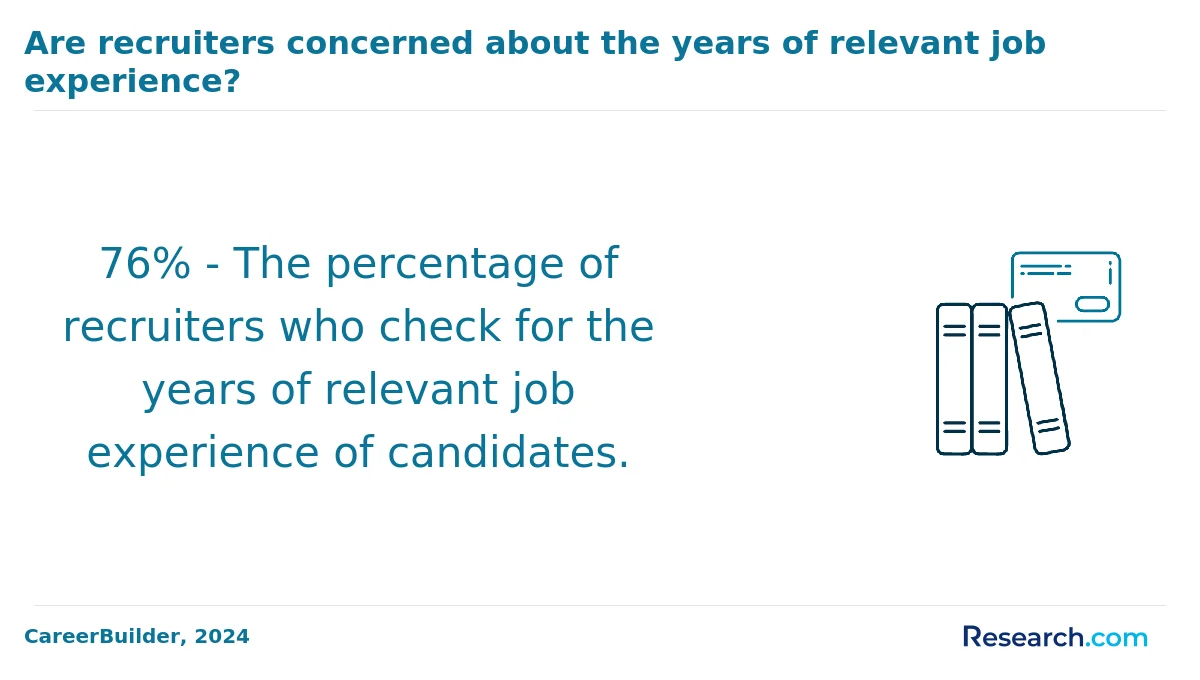
Many students at Pratt Community College (PCC) find financial aid to be a lifeline when pursuing their associate degrees. By completing the Free Application for Federal Student Aid (FAFSA), they unlock access to federal grants like the Pell Grant, work-study options, and low-interest federal loans. One graduate recalls how the Pell Grant covered a large portion of their tuition, easing the stress of balancing school and part-time jobs.
State support is another critical resource. The Kansas Promise Act Scholarship is especially celebrated among associate degree students in Pratt, as it covers tuition, fees, and even books for eligible students. Imagine a student from PCC who qualified through this program-relieved not only financially but motivated by the commitment to live and work in Kansas after graduation.
Additional grants, such as those from the Kansas Board of Regents, support high-demand technical programs, offering both financial relief and a pathway into thriving local industries. The competitive nature of these aids encourages students at PCC to apply early and prepare thoroughly, knowing that each dollar saved makes their educational journey more manageable and rewarding.
To enroll in an associate degree program at Pratt, a high school diploma or GED is essential-this is the first step graduates often emphasize when reflecting on their application journeys. Imagine submitting your official transcripts carefully, knowing these documents unlock your future at one of Pratt's vibrant associate degree schools.
Many appreciate that standardized test scores like the SAT or ACT are optional, allowing applicants to avoid unnecessary stress or choose to submit scores only if they boost their profile. For aspiring artists, crafting a compelling visual portfolio is a unique challenge and opportunity. Graduates recall how their portfolios vividly expressed their creativity and passion, often becoming the centerpiece of their applications.
English proficiency is another key prerequisite for non-native speakers, evaluated through TOEFL or IELTS scores-a hurdle some overcame through dedicated preparation, opening doors at Pratt's diverse programs.
- Complete online application with fee ($50 for U.S. residents, $90 for internationals).
- Visual portfolio for art and design applicants to showcase talent.
- Submission of all official high school or GED transcripts.
- English proficiency scores if applicable.
- Transfer students provide college transcripts, with extra documents required if credits or GPA are insufficient.
Meeting these prerequisites ensures your application stands out, capturing the essence of your potential to thrive in Pratt's dynamic learning environment.
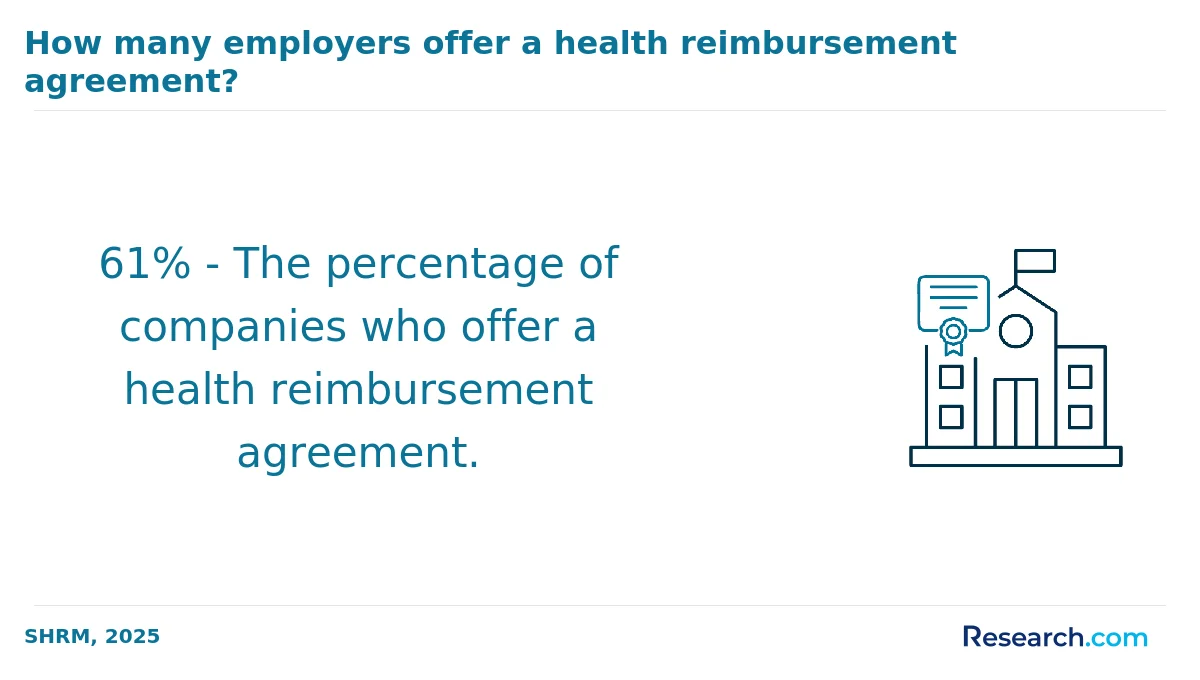
Core courses in Pratt associate degree programs form a balanced blend of foundational skills and career-specific knowledge. Graduates from Pratt Community College often recall how the typical curriculum for Pratt Community College associate degrees began with essential classes like English Composition I or Writing for the Workplace, which sharpened their communication skills. Mathematics options-ranging from Tech Math to College Algebra or Elementary Statistics-catered to different career paths, ensuring each student felt prepared for real-world challenges.
Many students found taking social and behavioral sciences or arts and humanities courses enjoyable, as these classes not only fulfilled general education requirements but also broadened their perspectives. Business-focused programs stood out for their practical coursework:
- Administrative Management
- Intro to Business
- Accounting I and II
- Marketing and Business Law
Hands-on classes like Microcomputer Office Applications and Web Page Design brought technical skills to life, making learning engaging and relevant. The structure, typically requiring 64 to 65 credit hours over two years, strikes a perfect balance between ambition and manageability, inspiring students to either enter a rewarding workforce or continue education seamlessly.
For those curious about advanced degrees, exploring the easiest doctoral degree options can shed light on future academic possibilities.
Choosing the best associate degree program in Pratt begins with clearly defining your career goals and interests. Graduates from Pratt Community College often reflect on how selecting programs in nursing or technology aligned perfectly with Pratt's job market needs, leading to fulfilling careers. The college's range of over 40 majors, including practical nursing and business, lets you explore paths that match your passion and local opportunities.
Consider how to compare associate degree costs in Pratt carefully. For many students, the affordability of Pratt Community College, with a total tuition around $3,912 per year, means less financial stress and the ability to focus on learning. Graduates often express relief and gratitude for the support they received through financial aid options like FAFSA. Checking out programs' accreditation, such as the Higher Learning Commission status Pratt maintains, is essential to ensure credits transfer smoothly if you pursue further degrees.
Flexible scheduling and strong student support make a significant difference too. Many find that the 22:1 student-to-faculty ratio fosters personalized guidance and helps first-generation college attendees thrive. To discover affordable paths that suit your lifestyle, exploring the cheapest online associate degrees can also open up remote options that fit your schedule.
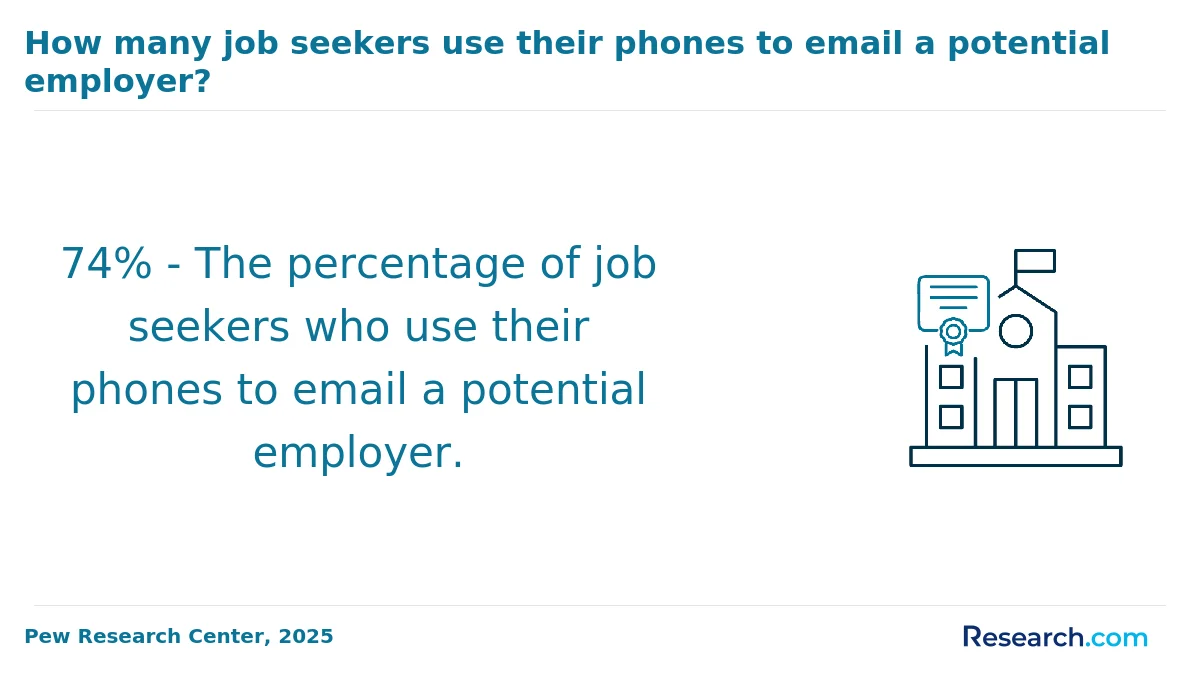
Associate degree jobs in Pratt Kansas open doors to diverse career opportunities that reflect the local economy's vibrant sectors. Graduates from Pratt Community College often find themselves stepping into roles like Accounts Payable Clerk or Health Information Clerk at Pratt Regional Medical Center, where practical skills in healthcare administration translate into real-world impact. Others thrive in business-related positions such as administrative assistants or financial aid staff, gaining experience that fuels their professional growth.
Retail and customer service roles abound, with positions like Sales Associate and Personal Shopper at well-known stores creating valuable learning environments for interpersonal and management skills. Technical careers, including roles like Scale Operator at agricultural cooperatives or construction laborers, showcase how hands-on training from local programs prepares graduates for solid, upwardly mobile work.
Many students from Pratt Community College emphasize how their programs not only equip them for immediate work but also prepare them for industry certifications and long-term success. For those considering further advancement, exploring options such as a one year online doctorate can extend career pathways beyond the associate degree level.
Career opportunities for Pratt Community College graduates highlight a dynamic job market where foundational education meets community demand, fostering both personal achievement and professional fulfillment.
The job market for associate degree graduates in Pratt is notably robust, with local employers consistently seeking candidates who hold these credentials. Graduates from Pratt Community College and other popular associate degree schools in Pratt often find exciting opportunities in sectors like healthcare, business administration, and office technology. For example, roles such as Accounts Payable Clerk at Pratt Regional Medical Center or Financial Aid Admin Assistant at educational institutions are frequently available and favor applicants with associate degrees.
Many graduates share how the practical skills gained in programs related to accounting, applied science, and business administration translate directly into job readiness and confidence. The local job market typically lists between 500 and 800 openings, including positions at Walmart and Great Western Dining, making it accessible for associate degree holders to step into rewarding careers.
- Entry-level and mid-level jobs encourage computer and business skills
- Steady employment due to regional economic stability
- Higher wages and lower unemployment compared to high school diploma holders
For those wondering where to start, exploring the most popular online trade schools can enhance options beyond local offerings, complementing the strong foundation that Pratt's programs provide.
Most Affordable Associate Degree Programs - Leading Certification Courses in Pratt for 2026
# 1 position
Pratt Community College - Computer Systems Networking and Telecommunications.
associatePratt Community College offers a hybrid Computer Systems Networking and Telecommunications program emphasizing the design, implementation, and management of interconnected computer systems. The curriculum covers operating systems, networking theory, security, and troubleshooting to prepare students for roles as network specialists and managers. Annual in-state tuition is $4,064. The program is accredited by the Higher Learning Commission, providing flexible learning options through some distance education components.
# 2 position
Pratt Community College - Electrical and Power Transmission Installation/Installer, General.
associatePratt Community College offers a fully online program in Electrical and Power Transmission Installation/Installer, General. This program prepares students to install residential, commercial, and industrial electrical systems and power transmission lines. Coursework covers electricity, safety, wiring, insulation, grounding, blueprint interpretation, equipment operation, and relevant codes. The annual in-state tuition is $4,064, and median earnings one year after completion are $57,325. The program is accredited by the Higher Learning Commission.
# 3 position
Pratt Community College - Automobile/Automotive Mechanics Technology/Technician.
associatePratt Community College offers a hybrid Automobile/Automotive Mechanics Technology/Technician program that prepares students to repair, service, and maintain various automobile systems. The curriculum covers brake systems, electrical systems, engine performance and repair, suspension, steering, transmissions, drive trains, and heating and air conditioning. The annual in-state tuition is $4,064. This program is accredited by the Higher Learning Commission.
# 4 position
Pratt Community College - Welding Technology/Welder.
associatePratt Community College offers a Welding Technology/Welder program with a hybrid format, including some distance-education options. The program prepares students to apply technical skills in various welding methods such as arc welding, resistance welding, brazing, and soldering. It covers welding metallurgy, safety, structural design, and applicable codes. Annual in-state tuition is $4,064. The program is accredited by the Higher Learning Commission.
Frequently Asked Questions about associate degree programs
Preparing for the job market after earning an associate degree in Pratt involves several key steps. First, graduates should leverage career services offered by local colleges, which often provide resume workshops, interview preparation, and job fairs tailored for associate degree holders. According to the U.S. Bureau of Labor Statistics, individuals with associate degrees have a 14% higher employment rate compared to those with only a high school diploma.
Networking locally is also essential. Building connections through internships or part-time jobs during study can lead to job opportunities post-graduation. Additionally, staying updated on industry trends, especially in fields like healthcare or skilled trades popular in Pratt, improves employability.
Finally, continuous skill development, such as certifications or short-term courses, can enhance career prospects for associate degree graduates.
Employers in Pratt highly value both technical and soft skills in associate degree graduates. According to the National Association of Colleges and Employers (NACE), critical thinking, problem-solving, and communication are among the top soft skills sought nationwide, which also reflect trends locally.
In Pratt, industries such as healthcare, manufacturing, and information technology dominate, so skills like computer literacy, basic coding, and knowledge of medical terminology are frequently requested. Data from the Pratt Workforce Center in 2023 shows over 60% of employers expect proficiency in teamwork and adaptability.
Having relevant certifications alongside an associate degree can also enhance job prospects. Overall, demonstrating both technical expertise and professional interpersonal abilities significantly improves graduates' employability in Pratt's job market.
Finding internships in Pratt relevant to your associate degree program involves a combination of local resources and proactive outreach. Community colleges in Pratt often maintain partnerships with nearby businesses that offer internship opportunities tailored to specific fields. Contacting your college's career services can provide access to exclusive listings and personalized guidance.
The Pratt Area Chamber of Commerce is another valuable resource for internship seekers, connecting students with employers across industries such as healthcare, manufacturing, and information technology. National databases including the U.S. Department of Labor's internship listings can also be filtered by location.
Networking through local events and job fairs increases your chances of landing an internship. According to the National Association of Colleges and Employers, over 60% of internships are secured through direct connections or college programs, making local engagement crucial.
In Pratt, earning an associate degree significantly enhances career mobility and advancement opportunities. According to data from the National Center for Education Statistics, individuals with associate degrees earn approximately 20% more than those with only a high school diploma.
Local employers in Pratt often recognize associate degrees as qualifications for technical and administrative positions, which can lead to promotions and higher salaries. Fields such as healthcare, manufacturing, and business administration particularly value these credentials.
Additionally, an associate degree serves as a stepping stone for further education, enabling students to transfer credits toward a bachelor's degree, further improving career prospects over time.
Studies from the Kansas Board of Regents show that associate degree holders in Pratt have a 15% higher employment rate within their field compared to those without postsecondary credentials.
In Pratt, part-time job opportunities that align well with associate degree education include roles in healthcare, retail, and administrative support. Healthcare positions such as medical assistants or pharmacy technicians are often available and can complement degrees in nursing or health sciences. According to the U.S. Bureau of Labor Statistics, these roles typically require some formal education, making part-time work a practical way to gain experience while studying.
Retail jobs in stores like local pharmacies and grocery chains provide flexible schedules and customer service experience beneficial for business or communications majors. Administrative assistant roles in offices throughout Pratt also offer valuable skills related to various associate degree programs. These positions can earn between $12 and $16 per hour, helping students support their education financially.
To choose the most affordable degree program near Pratt, KS, start by identifying your field of interest and researching local community colleges and universities that offer relevant programs. Use resources like Research.com to compare tuition rates, financial aid options, and program quality. Visiting or contacting admissions offices "near me" can provide insights into costs and help identify flexible and affordable degree options suitable for your needs.
- Internships and Trainee Programs | Careers at Sony Pictures Entertainm https://www.sonypicturesjobs.com/internships
- Research - Most Affordable Online Associate Degrees https://research.com/degrees/most-affordable-online-associate-degrees
- Why You Should Consider an Online Associate Degree Program - Lakewood University https://lakewood.edu/online-associate-degree-benefits/
- Tuition and Fees | Pratt Institute Catalog https://pratt-gr.catalog.prod.coursedog.com/sfs/tuition
- Degree Requirements | Pratt Community College https://prattcc.edu/degree-requirements
- Financial Aid | Pratt Institute Catalog https://pratt-ug.catalog.prod.coursedog.com/financial/finaid
- Learn the Top Six “Soft Skills” Employers Look for in College Graduates https://admissions.usf.edu/blog/learn-the-top-six-soft-skills-employers-look-for-in-college-graduates
- Pratt Institute - Wikipedia https://en.wikipedia.org/wiki/Pratt_Institute
- Associate Degree programs - United International Business School (UIBS) https://www.uibs.org/undergraduate/associate/
- How to Apply (Undergraduate) - Pratt Institute https://www.pratt.edu/admissions/undergraduate-admissions/apply/