
Most Affordable Associate Degree Programs - Leading Certification Courses in Dallas for 2026

Co-Founder and Chief Data Scientist
Choosing the right associate degree program in Dallas can feel overwhelming, but it doesn’t have to be. This article presents a carefully crafted ranking of the most affordable associate degree programs, developed by the Research.com team of data scientists. Their analysis helps you identify trade school options that offer real value for your investment.
By exploring these programs, you’ll discover accessible pathways to new skills and career opportunities. Earning an associate degree is a positive step toward your future, and this guide aims to support your informed decision every step of the way.
Key benefits of associate degrees in Dallas
- Strong salary potential: Associate degree graduates in Dallas earn competitive wages, such as commercial pilots making $188,920 and business roles with hourly rates around $40, resulting in annual salaries above $80,000.
- Popular career paths: Graduates often find rewarding jobs in fields like aviation, law enforcement, healthcare, and business management, offering clear opportunities for growth and professional success.
- Flexible online options: Online associate degrees from Dallas-area schools provide convenience and affordability, allowing students to balance work and study easily while earning the same valued credentials as on-campus programs.
- Most Affordable Associate Degree Programs - Leading Certification Courses in Dallas for 2026
- What can I expect from associate degree programs in Dallas?
- Where can I work after finishing associate degree programs in Dallas?
What can I expect from associate degree programs in Dallas?
The average cost of completing an associate degree program in Dallas varies but generally remains affordable compared to four-year universities. Graduates from Dallas College often share that tuition expenses hover around a few thousand dollars per year, making it a smart investment for those balancing work and school. One graduate recounted how the availability of online courses allowed them to maintain a full-time job while steadily progressing, which helped minimize additional living costs.
Many students appreciate the flexibility and cost-effectiveness of programs at Dallas College, where credit transfer policies can further reduce expenses by accepting prior coursework. Private institutions like Dallas Baptist University may have higher tuition, but graduates note the smaller class sizes and personalized support as factors that enrich their learning experience and justify the cost.
Financial aid, scholarships, and payment plans are common at these schools, providing pathways for students from diverse economic backgrounds to pursue their goals. This blend of affordability and quality creates an environment where many reflect positively on their educational journey in Dallas.
Where can I work after finishing associate degree programs in Dallas?
After finishing an associate degree program in Dallas, many graduates find themselves stepping confidently into vibrant careers across diverse industries. From the business district to healthcare centers, the practical skills gained at Dallas colleges open doors to roles like administrative assistant, accounting clerk, or customer service representative. Graduates often describe feeling a rewarding sense of purpose as they support companies behind the scenes or directly assist clients.
In healthcare, some graduates from local programs quickly move into positions such as health information management specialist, where their attention to detail makes a real difference in patient care. Others explore education, working as substitute teachers in Dallas schools, enjoying the chance to inspire younger generations while continuing their studies or building experience.
Creative fields also beckon those with artistic flair. Graduates from Dallas's creative arts programs have shared stories of landing jobs as graphic designers or technical writers, transforming ideas into compelling visuals and clear content. Many appreciate how local employers value their associate degrees, rewarding them with stable wages and opportunities to grow.
Human resources roles, including HR managers and equal opportunity representatives, offer dynamic work environments often praised by alumni for the chance to impact company culture meaningfully. The diversity of roles available across sales, hospitality, and entry-level management highlights how an associate degree from Dallas serves as a gateway to varied and fulfilling career paths.
After finishing an associate degree program in Dallas, many graduates notice a meaningful boost in their earnings compared to high school-only paths. For example, graduates from well-known Dallas community colleges often report seeing median annual salaries around $49,500, an 18% increase that makes hard work and dedication feel rewarding.
Some graduates pursue specialized roles in healthcare or law enforcement, where salaries can be remarkably higher. Imagine a graduate from a medical radiography program proudly stepping into a radiation therapist role, earning over $116,000 annually. Others who studied criminal justice may find themselves supervising police officers with salaries surpassing $120,000, reinforcing their confidence and pride in their career choice.
For many, typical jobs like program associates offer steady income near $48,000, enough to cover living expenses and build a comfortable life in Dallas. These stories from local schools highlight how an associate degree can open doors-turning ambitions into real opportunities and financial independence.
- Maria: Earning my associate degree in Nursing from a Dallas trade school was life-changing. The hands-on training prepared me for real-world challenges, and the small class sizes made learning personal and supportive. Thanks to this degree, I now confidently work as a registered nurse in a local hospital, loving every day.
- Jamal: Getting my Associate in Information Technology in Dallas accelerated my career fast. The practical skills and internship opportunities gave me an edge to land a great IT support role downtown. Studying at a trade school meant no wasted time-just focused learning that truly opened doors.
- Sophia: Choosing to study Business Administration at a Dallas community college was the best decision. The curriculum balanced theory with real projects, and faculty knew the local market well. Now I'm thriving in retail management, grateful for the confidence and network this associate degree gave me.
- Applicants need a high school diploma, GED, or equivalent and must complete admissions paperwork, a personal interview, and sometimes entrance tests or online readiness evaluations.
- Students must complete at least 60 credit hours, with 25% done in residence, and maintain a minimum 2.0 GPA to graduate.
- Tuition at Dallas College is about $1,770 per year for in-district students, with total two-year costs between $4,000 and $8,000 including fees and books.
- Financial aid options include federal Pell Grants and Texas-specific scholarships to help cover program costs.
- Graduates in nursing can start with salaries around $60,000, rising to $75,000+ with experience; business and IT fields start between $35,000 and $45,000 with growth potential.
Completing an associate degree program in Dallas generally takes about two years of full-time study, as most graduates from Dallas College and Dallas Baptist University confirm. These programs typically require 60 to 70 credit hours, with students enrolling in around 15 to 16 credits each semester to stay on track. Many find this pace manageable, allowing them to balance studies with work or family commitments without overwhelming stress.
Some graduates who took summer classes or chose accelerated paths often finish in as little as 18 months. For instance, trade school students pursuing workforce-focused associate degrees sometimes complete their programs within 16 to 20 months, which adds a sense of accomplishment and excitement about entering the job market sooner.
Part-time students generally take longer, stretching their studies beyond two years, but many appreciate the flexibility this offers. Meeting with an academic advisor early helps students create tailored plans that fit their unique lives, ensuring steady progress and confidence throughout their educational journey in Dallas.
Choosing between online and on-campus associate degree programs in Dallas largely depends on how you prefer to balance life and learning. Students at Dallas College often describe the online experience as freeing-they appreciate the ability to study after putting the kids to bed or during work breaks, thanks to the mix of real-time classes and self-paced lessons. This flexibility helps many handle family or job responsibilities without missing a beat.
On the other hand, graduates from traditional on-campus programs talk about the energizing atmosphere of face-to-face classes and hands-on labs, which foster deeper connections with professors and peers. Attending classes at a Dallas campus gives a sense of community that's hard to replicate online.
Financially, online programs at Dallas College usually cost less per credit hour, making education more accessible, while still providing access to virtual libraries and tutoring. Meanwhile, on-campus students enjoy the tangible resources of libraries and study spaces right at their fingertips, helping them feel fully supported throughout their journey.
For many Dallas residents pursuing an associate degree, the average cost of associate degree in Dallas significantly depends on where they enroll. Attending a public community college like Dallas College offers a particularly accessible path, with in-district tuition set at $99 per credit hour. Graduates recall stretching their budgets thoughtfully, completing roughly 60 credit hours to total tuition expenses near $5,940, a manageable investment for residents within the district. This tuition estimate also aligns with the broader range of Dallas associate degree tuition and fees, which typically hover between $4,000 and $8,000 over two years for in-district students at public institutions.
Beyond tuition, graduates often reflect on how additional costs-such as textbooks and living expenses-shape their financial planning, but many find hope in local support programs. The Dallas College Promise, along with scholarships and financial aid, frequently helps students reduce out-of-pocket expenditures, making the journey toward their degrees feel more attainable. Out-of-district and private colleges in Dallas often present higher price tags, with some private institutions charging upwards of $10,000 annually, which shifts students to community colleges for affordability and quality education.
Students balancing education with work emphasize the value of affordable tuition paired with flexible schedules, sometimes exploring online certifications that pay well for additional skills. The experience of managing Dallas associate degree tuition and fees while pursuing personal and professional growth fosters ambition and resilience among aspiring graduates.
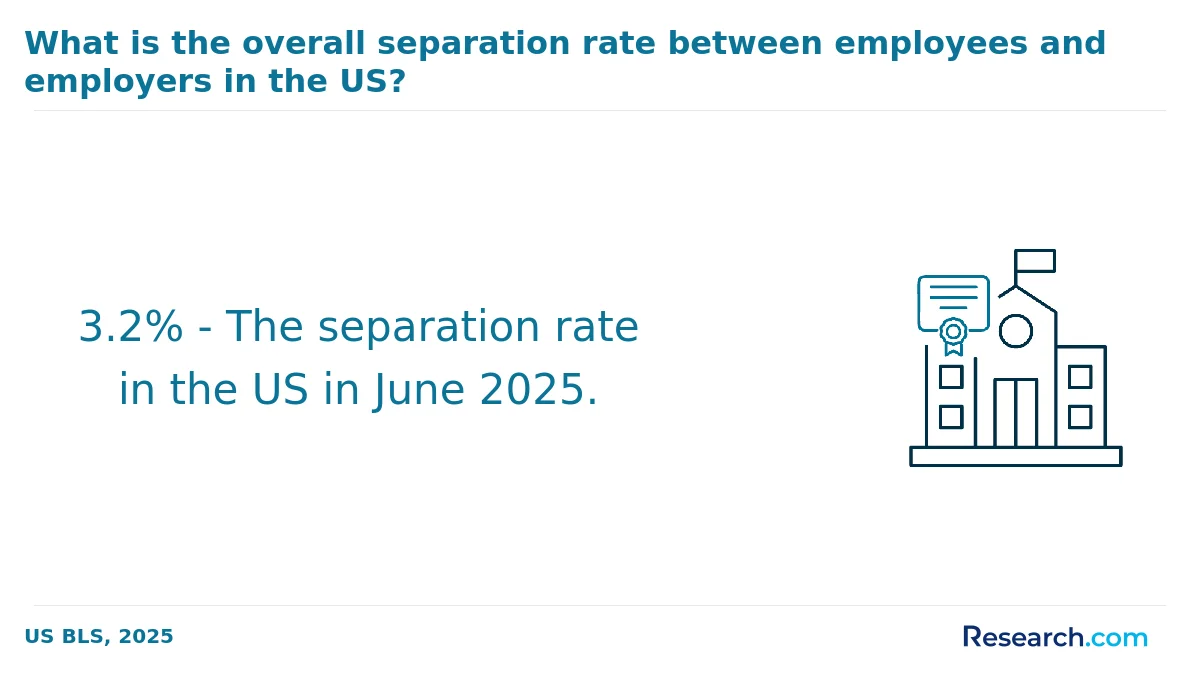
Students pursuing associate degrees in Dallas often find relief through multiple financial aid options tailored to their needs. Many begin with the Free Application for Federal Student Aid (FAFSA), unlocking access to the Federal Pell Grant-offering up to $7,395 for eligible students in the 2025-2026 academic year. Graduates recall how this grant significantly eased their tuition burden, allowing them to focus more on their studies at Dallas College and other local institutions.
Texas residents benefit further from state programs like the Texas Educational Opportunity Grant (TEOG), designed specifically for public two-year college students showing financial need. This aid has empowered many students from Dallas-area communities to enroll without the constant weight of financial pressure.
Locally, the Dallas County Promise acts as a powerful "last-dollar" grant. Alumni often share how this program covered remaining tuition costs after other aid was applied, making college more attainable. While it doesn't cover fees or living expenses, the assurance of tuition coverage at popular schools in Dallas lifts a heavy financial worry off students' shoulders.
Maintaining eligibility requires meeting academic progress standards and timely applications, but many say navigating these steps with supportive financial aid offices made the process manageable and hopeful.
Additional scholarships from colleges and local organizations present even more opportunities, turning dreams of an associate degree into reality for many Dallas students.
Enrolling in an associate degree program in Dallas requires meeting several key prerequisites that set the foundation for your college journey. Graduates from popular Dallas institutions often recall how these steps ensured they were ready to succeed and made the process feel more manageable.
First, you must have completed high school or earned a GED, which unlocks the door to applying. Official transcripts from all previous schools are essential and must be submitted promptly before graduation can be considered.
Additionally, passing the Texas Success Initiative (TSI) assessments in reading, writing, and math is mandatory. Many students appreciated how local scholarships, like Dallas County Promise, helped them access developmental courses when their initial scores needed improvement.
Other important requirements include:
- Completing at least 60 credit hours for programs like the Associate of Applied Science (A.A.S.) at Dallas College
- Maintaining a minimum GPA of 2.0 in all required courses
- Finishing at least 15 general education credit hours across humanities, math, and sciences
- Completing 25% of credit hours directly at a Dallas institution
- Ensuring 15 credit hours are unique for those pursuing multiple associate degrees
By meeting these benchmarks, many students find a clear and motivating path toward their academic and career ambitions right here in Dallas.
Associate degree course requirements in Dallas often blend foundational knowledge with practical application, creating a well-rounded academic journey. Graduates from institutions like Dallas Baptist University or Dallas College recall how their programs started with a solid block of core classes-typically around 42 credit hours-covering essential subjects such as English composition, mathematics, history, and social sciences. These common classes for Dallas associate programs don't just impart facts; they sharpen critical thinking, writing, and problem-solving skills crucial in any field.
Beyond this core, students explore electives and specialized courses tailored to their interests. For instance, those studying for an Associate of Science may dive into biology or chemistry, while business-minded students engage with introductory economics and management. The flexibility in course delivery, with options for in-person, online, or hybrid learning, allows many to balance studies with work or family life. This adaptability is particularly valued, and many take advantage of new terms offered up to four times a year.
For those researching their options, programs with open accessibility are highly attractive; you might consider exploring options through online college open enrollment to find the best fit that suits your lifestyle and goals.
- General education courses including English composition, mathematics, history, and social sciences
- Core courses spanning anthropology, biology, chemistry, communications, art, and architecture
- Electives tailored to Associate of Science, Arts, or specialized tracks like engineering or teacher preparation
- Flexible course delivery formats: in-person, online, and hybrid
Choosing the best associate degree program in Dallas begins with evaluating accreditation and program offerings. Graduates from Dallas College value its strong reputation and affordable net price, especially in nursing and business fields, while Franklin University's flexible online programs resonate with working adults seeking balance. Considering how to compare Dallas associate degree costs, it's important to factor in tuition differences between nonprofit and for-profit schools and explore financial aid options, which many students have found essential to managing expenses.
Program flexibility often shapes student satisfaction, with many appreciating evening or remote classes that fit busy lifestyles. A nursing graduate recalls how Dallas College - El Centro's hands-on training and supportive community fostered confidence and career readiness. Looking ahead, you should also consider student outcomes: graduation rates and job placement statistics signal the practical value of your investment.
If you wonder what are the fastest online associate degrees available?, some Dallas programs offer accelerated tracks, letting motivated students finish sooner without sacrificing quality.
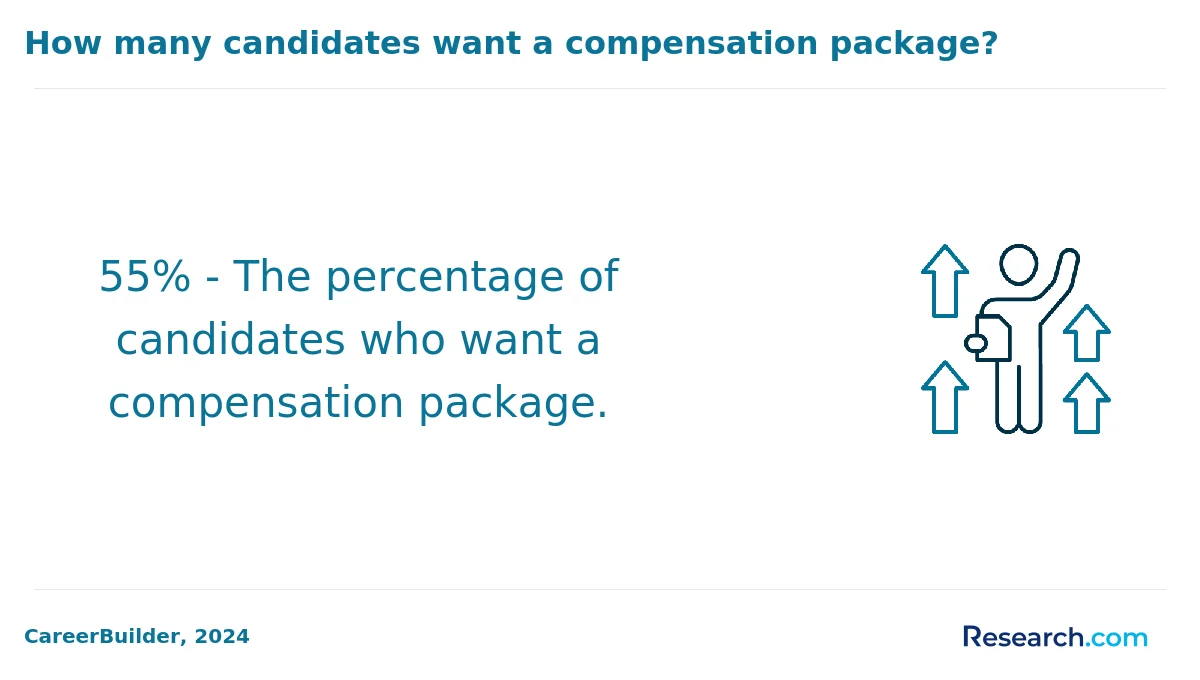
Dallas offers a vibrant landscape for associate degree graduates, with many finding rewarding associate degree jobs in Dallas across multiple industries. Healthcare roles such as dental hygienist, occupational therapy assistant, and neurodiagnostic technologist attract graduates from local programs who appreciate the hands-on training and strong community demand. Graduates describe their schooling at Dallas-area colleges as empowering, providing both skills and confidence to enter these in-demand professions.
The business world also welcomes associate degree holders into positions like administrative assistant, data entry clerk, and human resources analyst. Many graduates recall starting in entry-level roles and quickly advancing thanks to Dallas employers valuing practical knowledge paired with an associate degree. These pathways feel accessible and motivating for those balancing school and life commitments.
For those exploring the highest-paying careers with associate degree in Dallas, skilled trades such as automotive technology, HVAC, and electronics represent promising options, supported by specialized Dallas career colleges focused on these fields. The positive experiences of graduates highlight competitive wages and real opportunities to grow in these essential sectors.
Education roles, including substitute teaching and support staff, provide a meaningful stepping stone for many who studied locally and plan to pursue full certification. The supportive environment of Dallas schools encourages continuing development beyond the associate level.
Students exploring their options can also explore affordable online colleges to supplement or complement their local studies, making their educational journey flexible and suited to individual needs.
The associate degree job opportunities in Dallas remain vibrant and diverse, reflecting the city's strong economic foundation. Graduates from local institutions such as Dallas College often find themselves in healthcare roles, particularly as registered nurses, where annual salaries range from $81,000 to $96,000. Many graduates share how their hands-on training and internships in Dallas healthcare facilities paved the way for these stable, well-paying jobs.
Beyond healthcare, business administration and human resource positions are steadily growing. Graduates frequently remark on how courses tailored to Dallas's expanding economy prepared them for roles with salaries of $64 per hour and a promising 13% job growth projection. Practical experience gained through Dallas-based programs in organizational management proves invaluable.
For those pursuing sales or customer service, Dallas offers lucrative options with salaries typically between $37,000 and $72,000, often boosted by commissions. The Dallas employment trends for associate degree holders clearly suggest a supportive environment where job growth is fueled by the city's business-friendly climate and lower living expenses.
Students considering an associate degree might also explore what is the highest paying trade in trade school? by visiting what is the highest paying trade in trade school?, which highlights promising career paths and wage potentials.
Most Affordable Associate Degree Programs - Leading Certification Courses in Dallas for 2026
# 1 position
Gaston College - Veterinary/Animal Health Technology/Technician and Veterinary Assistant.
associateGaston College offers a Veterinary/Animal Health Technology/Technician and Veterinary Assistant program preparing students to assist veterinarians and zoological professionals with patient care and clinical procedures. The curriculum covers animal nursing, health, nutrition, clinical pathology, radiology, anesthesiology, dental prophylaxis, surgical assisting, laboratory procedures, and office administration. The program is accredited by the Southern Association of Colleges and Schools Commission on Colleges. Annual in-state tuition is $3,186.
# 2 position
Gaston College - Information Technology.
associateThe Information Technology program at Gaston College is fully online, focusing on designing technological information systems to support business and research data needs. It covers computer hardware and software, algorithms, databases, telecommunications, application testing, and human interface design. The annual in-state tuition is $3,186. The program is accredited by the Southern Association of Colleges and Schools Commission on Colleges.
# 3 position
Gaston College - Legal Assistant/Paralegal.
associateThe Legal Assistant/Paralegal program at Gaston College is a hybrid program designed to prepare students for research, drafting, investigatory, record-keeping, and administrative tasks under attorney supervision. The curriculum covers legal research, document drafting, pleading, courthouse procedures, and legal specializations. Annual in-state tuition is $3,186. The program is accredited by the Southern Association of Colleges and Schools Commission on Colleges.
# 4 position
Gaston College - Criminal Justice/Safety Studies.
associateGaston College offers a Hybrid Criminal Justice/Safety Studies program focusing on the criminal justice system, organizational components, and legal and public policy contexts. The curriculum covers criminal law, police and correctional systems, administration of justice, the judiciary, and public attitudes on justice issues. The annual in-state tuition is $3,186. The program is accredited by the Southern Association of Colleges and Schools Commission on Colleges.
# 5 position
Gaston College - Electrician.
associateThe Electrician program at Gaston College offers a hybrid learning format with some distance-education options. It prepares students to install, operate, maintain, and repair electric apparatus and systems used in residential, commercial, and industrial settings. The curriculum covers electronics principles, wiring, power transmission, safety, testing, inspection, and applicable codes. Annual in-state tuition is $3,186. The program is accredited by the Southern Association of Colleges and Schools Commission on Colleges.
# 6 position
Gaston College - Automobile/Automotive Mechanics Technology/Technician.
associateGaston College offers a hybrid program in Automobile/Automotive Mechanics Technology/Technician designed to prepare students to repair, service, and maintain various automobile systems. The curriculum covers brake systems, electrical systems, engine performance and repair, suspension and steering, transmissions, and heating and air conditioning. The program’s annual in-state tuition is $3,186. It is accredited by the Southern Association of Colleges and Schools Commission on Colleges.
# 7 position
Gaston College - Business Administration and Management, General.
associateGaston College offers a fully online Business Administration and Management, General program designed to prepare students to plan, organize, direct, and control business functions. The curriculum covers management theory, human resources, accounting, purchasing, logistics, marketing, and decision-making. Annual in-state tuition is $3,186. The program is accredited by the Southern Association of Colleges and Schools Commission on Colleges. Median earnings one year after completion reach $36,747.
# 8 position
Gaston College - Office Management and Supervision.
associateGaston College offers a fully online program in Office Management and Supervision, designed to prepare students for managing business office operations and personnel. The curriculum covers employee supervision, labor relations, budgeting, scheduling, office systems, records management, and public relations. Accredited by the Southern Association of Colleges and Schools Commission on Colleges, the program's annual in-state tuition is $3,186. Graduates earn a median salary of $36,747 one year after completion.
# 9 position
Gaston College - Accounting.
associateThe Accounting program at Gaston College prepares students to practice accounting and perform related business functions. It includes instruction in accounting principles, financial and managerial accounting, cost accounting, tax accounting, auditing, and business information systems. The program covers professional standards, ethics, and applications for various organizations. Annual in-state tuition is $3,186. The program is accredited by the Southern Association of Colleges and Schools Commission on Colleges.
# 10 position
Gaston College - Medical Office Management/Administration.
associateGaston College offers a Medical Office Management/Administration program with a hybrid format, combining distance education and on-campus learning. The program prepares students to manage business functions in medical or clinical offices, covering operations, financial record-keeping, personnel supervision, healthcare policy, scheduling, and applicable laws. Annual in-state tuition is $3,186. Graduates have a median earning of $32,602 one year after completion. The program is accredited by the Southern Association of Colleges and Schools Commission on Colleges.
Frequently Asked Questions about associate degree programs
After earning an associate degree in Dallas, preparing for the job market involves several strategic steps. First, graduates should utilize local workforce resources such as the Texas Workforce Commission, which offers job listings and career counseling tailored to Dallas-area industries. Dallas has growing sectors like healthcare, technology, and manufacturing, so focusing on skills aligned with these fields enhances employability. According to the Bureau of Labor Statistics, Dallas-Fort Worth's unemployment rate was approximately 3.7% in early 2024, signaling steady job opportunities for degree holders.
Networking is crucial; attending job fairs and connecting with community college career centers can open doors. Additionally, refining resumes to highlight relevant internships or technical skills gained during the program improves competitiveness. Many Dallas employers also favor certifications alongside degrees, so pursuing industry-recognized credentials can increase earning potential. Continuous learning and utilizing Dallas's robust economic environment help associate degree graduates transition effectively into the workforce.
Employers in Dallas highly value both technical and soft skills in associate degree graduates. According to the Dallas Regional Chamber, key technical skills include proficiency in computer applications, such as Microsoft Office and basic coding, alongside hands-on abilities relevant to healthcare, manufacturing, and information technology fields.
Communication and teamwork are critical soft skills. Employers report that nearly 70% of local job openings require strong interpersonal skills and adaptability, as highlighted by the Texas Workforce Commission.
Problem-solving and critical thinking also stand out, with many Dallas businesses seeking graduates who can analyze situations and work independently. These competencies improve employability and career growth opportunities in the region's diverse job market.
Finding internships in Dallas relevant to your associate degree program starts with utilizing local resources such as college career centers, which often maintain connections with Dallas-area employers. Many community colleges host job fairs specifically tailored to students seeking internships. Additionally, websites like Internships.com and the Texas Workforce Commission provide listings targeted at the Dallas metro area.
Dallas has a robust job market with over 300,000 business establishments, including strong sectors like healthcare, technology, and finance, which often offer internship opportunities for associate degree students (U.S. Bureau of Labor Statistics, 2023). Networking through professional organizations and LinkedIn also increases your chances of securing relevant internships.
An associate degree in Dallas can significantly enhance career mobility and advancement opportunities. According to the Texas Workforce Commission, individuals with an associate degree earn approximately 20% more than those with only a high school diploma. This credential often serves as a stepping stone for entry into skilled positions across industries such as healthcare, technology, and manufacturing.
Employers in the Dallas area increasingly value the practical skills and specialized training offered by associate degrees. Many local companies prefer candidates with this degree for mid-level roles, which allows graduates to move upward faster compared to those without postsecondary education.
Additionally, associate degrees provide foundational credits that can transfer toward a bachelor's degree, making it easier for learners to pursue further education while working. This flexibility supports long-term career growth and adaptation to Dallas's evolving job market.
Dallas offers various part-time job opportunities that align well with associate degree education, helping students gain relevant experience while studying. Fields such as healthcare, IT, and business administration provide roles like medical assistants, help desk technicians, and administrative support. According to the U.S. Bureau of Labor Statistics, Dallas has a growing demand for healthcare support workers, making part-time positions accessible for students pursuing related associate degrees.
Retail and customer service jobs are also common and flexible options, allowing students to maintain work-study balance. Additionally, the Dallas Economic Development department highlights opportunities in logistics and manufacturing, sectors that often seek entry-level skilled workers with associate degrees or technical training.
To find the most affordable degree program near me in Dallas, NC, you can start by exploring local community colleges and universities, which often provide cost-effective education options. Programs near Dallas, NC may offer financial aid and scholarship opportunities, helping to reduce tuition costs further. Research.com is a helpful resource for comparing tuition rates and program rankings, allowing you to make an informed decision based on affordability and academic offerings.
- Learn the Top Six “Soft Skills” Employers Look for in College Graduates https://admissions.usf.edu/blog/learn-the-top-six-soft-skills-employers-look-for-in-college-graduates
- Associate degree - Wikipedia https://en.wikipedia.org/wiki/Associate_degree
- Addressing Dallas County's Workforce Challenges https://www.commitpartnership.org/insights/latest-learnings/addressing-dallas-countys-workforce-challenges-through-education-and-partnerships
- A comprehensive overview of the Associate Degree https://www.crimsoneducation.org/za/blog/what-is-an-associate-degree
- Research - Our Methodology https://research.com/our-methodology
- Explore the Different types of Credentials. | GEAR UP https://gearup.wa.gov/student-credentials
- Petersonsdata https://petersonsdata.com/
- Collegescorecard https://collegescorecard.ed.gov/
- Take the Next Step Towards a Better Career, with Asher College Dallas - Asher College https://asher.edu/take-the-next-step-towards-a-better-career-with-asher-college-dallas/
- Top 5 Skills Employers Look For | Nth Degree https://newmanu.edu/top-5-skills-employers-look-for


