
Best Trade School & Training Programs - Leading Certification Courses in Jacksonville for 2026

Co-Founder and Chief Data Scientist
Choosing the right trade school in Jacksonville can be a big step toward a rewarding career.
This article presents a carefully crafted trade school programs ranking developed by the Research.com team of data scientists to guide you in making a well-informed decision.
By exploring top programs in your area, you’ll discover opportunities that match your goals and interests.
Obtaining a trade school diploma or certification can open doors to stable work and personal growth.
We’re here to help you take that next step with confidence and excitement.
Key benefits of finishing trade school programs trade school in Jacksonville
- Trade school graduates in Jacksonville can expect strong salaries, with roles like HVAC technicians, machinists, and electrical instructors earning between $40,000 and $62,000 annually, making it a smart financial choice.
- Popular career paths include shipyard mechanical trades, building maintenance, and field service jobs, all in high demand locally and offering good benefits such as health insurance and 401(k) matching.
- Online trade school programs offer flexible learning schedules, allowing graduates to balance work and study, often speeding up certification compared to traditional on-campus options.
- Best Trade School & Training Programs - Leading Certification Courses in Jacksonville for 2026
- What can I expect from trade school programs trade schools in Jacksonville?
- Where can I work after finishing trade school programs trade schools in Jacksonville?
What can I expect from trade school programs trade schools in Jacksonville?
Trade school programs in Jacksonville typically cost between $10,000 and $25,000, depending on the length and specialization. Graduates from well-known schools report that this investment feels justified when they quickly secure skilled positions in fields like welding, HVAC, or automotive technology. One graduate shared how completing a nine-month HVAC program at a local trade school enabled a smooth career transition with minimal debt.
Students can expect relatively short program durations, often under a year, which contributes to manageable tuition expenses. For example, commercial truck driving programs lasting eight weeks may cost closer to the lower end of the range. Such condensed formats allow students to enter the workforce faster, reducing overall costs related to lost income during training.
Popular trade schools in Jacksonville emphasize a balance between classroom instruction and hands-on practice, which many students find rewarding and confidence-building. Graduates frequently mention the practical skills gained, which directly prepare them for certification exams and real job demands, making their tuition dollars well spent.
Where can I work after finishing trade school programs trade schools in Jacksonville?
After completing a trade school program in Jacksonville, graduates often find robust job opportunities across industries like construction, manufacturing, healthcare, automotive, and information technology. For instance, graduates from well-regarded local trade schools specializing in welding or pipefitting frequently secure roles with construction firms, shipyards, or manufacturing plants, working as welders or structural welders. Many share enthusiasm about Jacksonville's steady demand due to the city's active shipbuilding sector, which creates a reliable pipeline of jobs.
Those completing HVAC/R programs from colleges in Jacksonville report rewarding entry-level positions with HVAC companies or facility management teams, where hands-on skills translate directly into stable employment. Electrician and electro-mechanical technology graduates often join electrical contractors or utility companies, stepping into roles like apprentice or service electricians with eagerness because of plentiful listings in these trades.
Automotive technology students typically enter dealerships or repair shops, finding roles that match their hands-on training. Healthcare-related program graduates, including medical assistants, benefit from externships offered by Jacksonville's clinics and hospitals, easing transitions into careers that feel meaningful and secure.
Graduates of trade school programs in Jacksonville can expect to earn a competitive salary soon after completing their education. On average, trade school graduates in the city earn about $62,218 per year, or roughly $29.91 per hour. This aligns well with the pay rates across key skilled trades popular at local institutions, such as electricians, HVAC technicians, and welders.
For example, many graduates from well-known Jacksonville trade schools report starting out around $21.49 per hour in skilled trades, with some advancing to as much as $30.74 per hour as they gain experience. Apprenticeship programs stand out, offering an average annual salary of about $73,657, exceeding the national average by roughly 3%, thanks to the combination of paid training and classroom learning.
Other roles tied to trade training, like training specialists, typically earn around $51,424 annually. These figures reflect real outcomes seen by recent graduates who valued the practical, hands-on education provided by Jacksonville's trade schools and found strong job opportunities with employers in the region.
- A high school diploma or GED is typically required to enroll in trade school programs in Jacksonville.
- Program lengths usually range from 7 to 12 months, offering certificates, diplomas, and associate degrees.
- The total cost of attendance varies from $7,000 to $30,000 depending on the school and program length.
- Financial aid options include federal student aid, state scholarships like Bright Futures, and veteran support.
- Graduates can expect entry-level salaries between $35,000 and $50,000 per year, with experienced professionals earning $60,000 or more.
Most trade school programs in Jacksonville typically take between 7 and 9 months to complete, especially in fields like welding, HVAC, and electrical work. Graduates from local schools often share how this timeline allowed them to quickly gain practical skills and enter the job market with confidence. For example, students from Florida State College at Jacksonville appreciate the hands-on training that enabled them to start paid work shortly after graduation.
Some programs can be much shorter. Workforce certificate options at FSCJ, which many students find appealing, can be completed in as little as eight weeks. These fast-track courses target specific skills, helping graduates swiftly boost their qualifications and secure better positions.
On the other hand, apprenticeship-based programs, like the Electrical Training Alliance's four-year sequence, blend on-the-job learning with classroom studies. Graduates often emphasize the value of earning while learning and the solid career foundation this approach provides.
Associate degrees in technical trades, such as Welding Technology, generally take about 14 months full-time, balancing theory and practice. In Jacksonville, this range of program lengths offers flexibility to meet diverse student needs and career goals.
The primary distinction between online and on-campus trade school programs in Jacksonville lies in the mode of instruction and flexibility. Online programs, offered by institutions like Florida State College at Jacksonville (FSCJ) and Jacksonville University, allow students to complete courses remotely, often at their own pace. Graduates from these programs frequently share how the flexible scheduling enabled them to juggle work and family commitments effectively, accelerating their studies while staying on track with the academic calendar.
Conversely, on-campus programs demand physical attendance, which is vital for hands-on trades such as welding and HVAC. Many students express satisfaction with the direct, real-time feedback they receive during practical labs at Jacksonville's vocational schools. This in-person experience builds confidence and skill proficiency that they find hard to replicate through online formats.
Some schools have adopted hybrid models, combining online theory with in-person labs, which former students appreciate for balancing convenience and skill mastery in Jacksonville's trade education landscape.
The average trade school tuition in Jacksonville typically ranges from $20,000 to $27,000 for entire programs, reflecting the cost realities local students encounter. For instance, graduates from Concorde Career Institute report paying around $27,062 in net price for 2025, which includes tuition, fees, and average financial aid adjustments. Meanwhile, Fortis College in nearby Orange Park shows a slightly lower net price of $23,817, and Jones Technical Institute (J-Tech) in Jacksonville offers programs costing about $20,645. These figures give prospective students tangible benchmarks when estimating Jacksonville trade school program costs 2026.
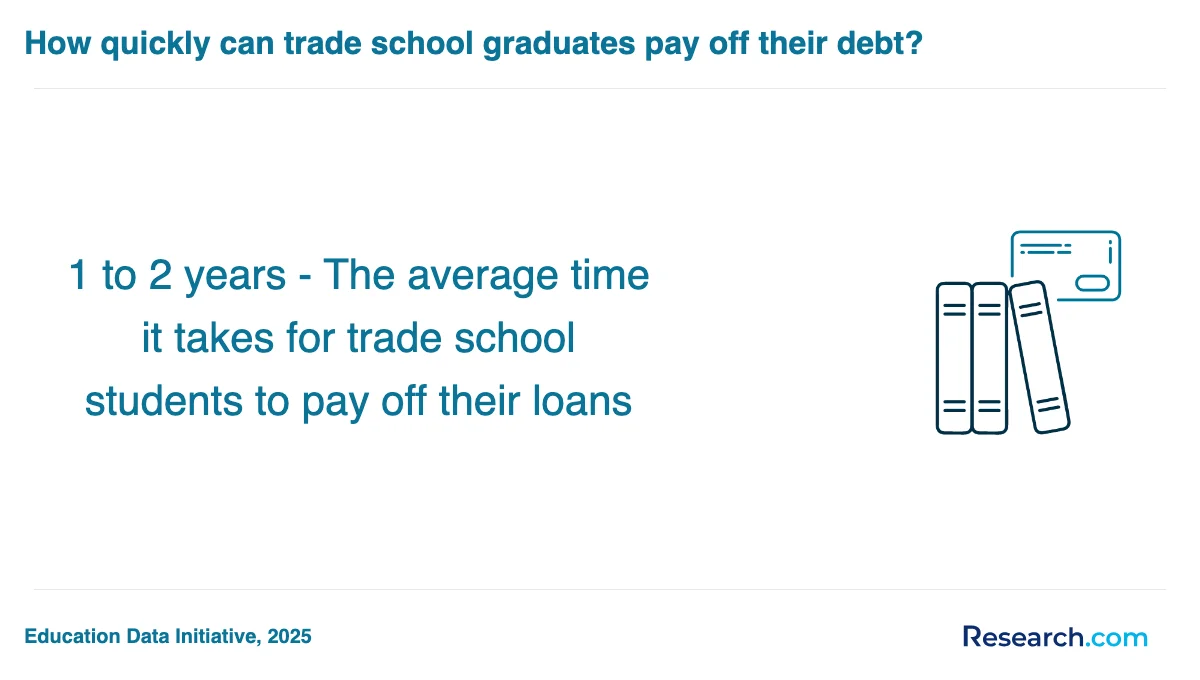
Most graduates appreciate the manageable total investment compared to four-year degrees, often completing their training within one to two years. The cost consistency with state averages provides reassurance to many, as Florida's public trade schools usually fall between $9,500 and $23,000 annually, while private schools reach up to $37,500. This means students can find programs in Jacksonville that fit well within this spectrum depending on their preferences and career goals.
Financial aid options such as federal Pell Grants and scholarships often ease the burden, empowering students to pursue skilled careers with confidence. For those seeking specialized options, exploring affordable freight broker training online can also broaden opportunities beyond local on-campus programs, providing flexibility and cost-effectiveness.

Trade school students in Jacksonville typically rely on a mix of financial aid options to manage their education costs. Federal aid is a cornerstone, with many qualifying for the Federal Pell Grant, which offers up to $7,395 annually without requiring repayment. Graduates from popular Jacksonville trade schools often recall how completing the FAFSA unlocked access to this crucial funding.
Scholarships also play a vital role, especially those targeted toward skilled trades. Many local students share how merit-based scholarships or school-specific awards helped them reduce out-of-pocket expenses significantly, making their training more affordable and less stressful.
The availability of Florida state grants such as the Family Empowerment Scholarship (FES) provides additional relief, particularly for Jacksonville residents attending in-demand trade programs. Veterans and military families benefit from programs like the GI Bill® and MyCAA, often covering full tuition and fees.
Work-study options and flexible payment plans offered by Jacksonville trade schools create real opportunities for students to balance earning and learning, making education feel more achievable and less financially daunting.
To enroll in a trade school program in Jacksonville, the primary prerequisite is a high school diploma or a GED. Graduates from popular institutions like Florida State College at Jacksonville consistently emphasize the importance of providing official transcripts or GED certificates to meet this mandatory baseline.
Additional requirements vary by program type and institution:
- Technical certificate programs often require meeting general admissions criteria and may demand a minimum GPA or specific prerequisite courses.
- Healthcare programs, such as nursing at the University of North Florida, require completion of science and general education courses with no grade lower than a "C" and enforce minimum GPA thresholds-such as a 3.00 cumulative GPA and preferably 3.60 in prerequisite courses.
- Apprenticeship-based trades like plumbing require candidates to be at least 18 years old and present government-issued ID, with some programs requesting interviews, questionnaires, or references.
Many students recount how contacting admissions and participating in campus tours-whether in-person or virtual-helped them navigate these prerequisites confidently, making the application process less daunting and more engaging.

Trade school programs in Jacksonville focus on hands-on, career-driven courses designed to prepare students for immediate entry into skilled trades. Welding technology is a standout, with graduates from local programs like Tulsa Welding School praising the blend of metal cutting, fabrication, and pipefitting skills acquired in 7 to 14 months. These hands-on experiences build confidence for certification exams and job readiness.
Electrical training is another prominent course, often combining classroom learning with apprenticeships. Students from programs such as the Electrical Training Alliance of Jacksonville regularly highlight the real-world exposure to residential and industrial electrical systems, along with the opportunity to earn college credits over a four-year paid apprenticeship.
- HVAC/R programs teach diagnostic and repair skills, preparing students for certifications like HVAC Excellence in practical settings.
- Automotive technology courses focus on vehicle maintenance and ASE-aligned diagnostics, reflected in positive graduate outcomes.
- Plumbing and maintenance technician programs emphasize specialist knowledge and troubleshooting, enhancing both technical and problem-solving skills.
Trade school programs in Jacksonville cover a broad spectrum of specializations aligned with local industry needs, giving students practical paths to rewarding careers. Graduates from J-Tech Institute often highlight the automotive technology program, which includes training in vehicle diagnostics and repair to prepare for ASE certification-an essential credential for automotive professionals. For those passionate about heavy-duty equipment, the Diesel Technology program offers hands-on learning with trucks and diesel engines, providing a tangible skillset in high demand.
Welding careers thrive through Jacksonville's Tulsa Welding School programs, where students complete intensive 7-to-9.5-month courses in structural and pipe welding. These grads find immediate employment in maritime and construction sectors, experiencing the pride of mastering complex welding techniques.
Additional sought-after tracks at J-Tech and TWS include CDL Commercial Truck Driving and HVAC/R, both offering practical learning that equips students for certifications such as EPA. Florida State College at Jacksonville (FSCJ) expands options with engineering technology, CNC machining, and environmental science, suited for students aiming at versatile technical careers.
Other specializations include marine and RV technician training, electricity, and medical assisting. High school students benefit from Duval County Public Schools' Career & Technical Education, which supports nearly 70 academy options and thousands of local industry certifications annually, fostering early career readiness.
This diversity reflects strong local demand for careers in the trades, helping students in Jacksonville find education built for immediate job placement and long-term success.
Choosing the best trade school program in Jacksonville starts with verifying accreditation, as this ensures the school meets rigorous academic standards and that your credentials will be valued by employers. Graduates from Florida State College at Jacksonville (FSCJ), known for its Southern Association of Colleges and Schools Commission on Colleges accreditation, often highlight their confidence in the legitimacy of their qualifications. This trust translates to smoother job placements and transfer opportunities.
Evaluating the program variety helps align your training with local job demand. For example, graduates from J-Tech Institute appreciate the hands-on welding and HVAC/R training that matches Jacksonville's industrial needs. Those seeking greater scheduling flexibility often choose FSCJ's wide range of certificate and degree options, including online classes suited to working adults. This is essential when assessing best trade school programs in Jacksonville.
Another critical factor is career support. Strong job placement rates and apprenticeship opportunities at schools like TWS make a tangible difference for students stepping into the workforce. Comparing such services is key when considering how to compare trade schools in Jacksonville. For a detailed distinction, understanding the difference between a vocational school vs trade certificate program can clarify what suits your career path best.
Trade school career opportunities in Jacksonville offer practical, high-demand paths across multiple industries tailored to the city's economic landscape. Graduates from local programs like Tulsa Welding School are able to step confidently into skilled trades jobs in Jacksonville Florida, taking roles as welders or pipefitters after completing training in structural and flux core welding. HVAC/R programs equip students for EPA-certified technician roles, essential for Jacksonville's climate-driven maintenance needs. Automotive and diesel mechanics find well-supported routes through programs aligned with industry certifications, making employment transitions smooth.
Students drawn to Jacksonville's logistics sector benefit from commercial truck driving programs at schools like J-Tech Institute, earning Class A CDL licenses to enter a transportation hub primed for growth. In technology, certifications from Florida State College at Jacksonville help graduates secure jobs in network administration and cybersecurity, fields with robust salary prospects.
Healthcare pathways-ranging from medical assistant to practical nurse-address workforce demands in the expanding local health system. Graduates consistently highlight how hands-on training and clear certification standards translate to immediate employability and career satisfaction. For those weighing options, exploring what trade school job pays the most can clarify lucrative targets within Jacksonville's trade school career opportunities.
The job outlook for trade school graduates in Jacksonville is currently very promising, backed by over 290 job openings related to skilled trades such as HVAC technicians, machinists, and electrical instructors. Graduates from local institutions like Florida State College at Jacksonville find themselves well-positioned for immediate employment due to strong partnerships with area employers and hands-on training focused on real-world readiness. Skilled trades employment opportunities Jacksonville 2026 are expected to remain strong, driven by demand for professionals in electrical work, HVAC, healthcare, and business administration.
Many graduates share positive experiences, highlighting how internships and externships with companies like Bank of America and JPMorgan Chase helped them secure jobs quickly. Entry-level roles including apprentice plumbers and electrical helpers are also abundant, allowing newcomers to build solid career foundations.
Trade programs emphasize rapid completion-some certificates in under a year-so students can start earning sooner, which helps avoid student debt and accelerates career growth. For those seeking competitive paths, exploring the best paying 6 month certificate programs online can complement Jacksonville's dynamic job market.
Best Trade School & Training Programs - Leading Certification Courses in Jacksonville for 2026
# 1 position
Florida State College at Jacksonville - Dental Assisting/Assistant.
certificate or diplomaFlorida State College at Jacksonville offers a hybrid Dental Assisting/Assistant program designed to prepare students for patient care, dental radiography, and office administrative tasks under professional supervision. The curriculum covers medical record-keeping, scheduling, equipment maintenance, sterilization, chairside assisting, and taking dental impressions. The program's annual in-state tuition is $2,878 and it is accredited by the Southern Association of Colleges and Schools Commission on Colleges.
# 2 position
Florida State College at Jacksonville - Computer and Information Systems Security/Auditing/Information Assurance.
associateFlorida State College at Jacksonville offers a hybrid program in Computer and Information Systems Security/Auditing/Information Assurance. The curriculum covers security needs assessment, safeguard recommendations, and management of security systems. Instruction includes computer architecture, programming, networking, cryptography, risk assessment, and investigation techniques. The program’s annual in-state tuition is $2,878. Graduates earn a median salary of $47,420 one year after completion. It is accredited by the Southern Association of Colleges and Schools Commission on Colleges.
# 3 position
Florida State College at Jacksonville - Business Administration and Management, General.
associateFlorida State College at Jacksonville offers a fully online Business Administration and Management, General program designed to prepare students to plan, organize, and control organizational functions. The curriculum includes management theory, human resources, accounting, purchasing, marketing, and business decision-making. The program is accredited by the Southern Association of Colleges and Schools Commission on Colleges. Annual in-state tuition is $2,878, and median earnings one year after completion are $41,507.
# 4 position
Florida State College at Jacksonville - Office Management and Supervision.
associateFlorida State College at Jacksonville offers a fully online Office Management and Supervision program designed to prepare students to manage business office operations and personnel. The curriculum covers employee supervision, labor relations, budgeting, scheduling, office systems, records management, facility design, and public relations. The annual in-state tuition is $2,878. The program is accredited by the Southern Association of Colleges and Schools Commission on Colleges. Median earnings one year after completion are $41,507.
# 5 position
Florida State College at Jacksonville - Legal Assistant/Paralegal.
associateFlorida State College at Jacksonville offers a Legal Assistant/Paralegal program designed to prepare students for roles supporting attorneys with research, drafting, investigatory, record-keeping, and administrative tasks. The hybrid program includes instruction in legal research, document drafting, courthouse procedures, and legal specializations. Annual in-state tuition is $2,878. The program is accredited by the Southern Association of Colleges and Schools Commission on Colleges.
# 6 position
Florida State College at Jacksonville - Criminal Justice/Law Enforcement Administration.
associateFlorida State College at Jacksonville offers a fully online Criminal Justice/Law Enforcement Administration program designed to prepare students for managing public law enforcement agencies. The curriculum covers law enforcement history, operational leadership, labor relations, incident response, budgeting, and legal responsibilities. The program’s annual in-state tuition is $2,878. It is accredited by the Southern Association of Colleges and Schools Commission on Colleges.
# 7 position
Florida State College at Jacksonville - Interior Design.
associateFlorida State College at Jacksonville offers a fully online Interior Design program that prepares students to plan, design, equip, and furnish residential and commercial spaces. The curriculum covers computer applications, drafting, lighting, acoustics, furniture, textiles, and building codes. The program is accredited by the Southern Association of Colleges and Schools Commission on Colleges. Annual in-state tuition is $2,878 for this distance-only course.
# 8 position
Florida State College at Jacksonville - Physical Therapy Assistant.
associateFlorida State College at Jacksonville offers a Physical Therapy Assistant program with a hybrid format, combining in-person and distance-education options. The program trains students to implement physical therapy care plans, conduct treatment interventions, and document patient progress under supervision. Coursework includes anatomy, physiology, biomechanics, neuroscience, and professional ethics. Annual in-state tuition is $2,878. Graduates earn a median salary of $37,407 one year after completion. The program is accredited by the Southern Association of Colleges and Schools Commission on Colleges.
# 9 position
Florida State College at Jacksonville - Accounting Technology/Technician and Bookkeeping.
associateFlorida State College at Jacksonville offers a fully online Accounting Technology/Technician and Bookkeeping program designed to prepare students for technical administrative roles supporting accountants and financial personnel. The curriculum covers posting transactions, record-keeping systems, accounting software, and fundamental accounting principles. The annual in-state tuition is $2,878. The program is accredited by the Southern Association of Colleges and Schools Commission on Colleges.
# 10 position
Florida State College at Jacksonville - Heating, Air Conditioning, Ventilation and Refrigeration Maintenance Technology/Technician.
certificate or diplomaFlorida State College at Jacksonville offers a hybrid program in Heating, Air Conditioning, Ventilation and Refrigeration Maintenance Technology/Technician. The curriculum equips students with technical skills to repair, install, service, and maintain heating and refrigeration systems, including diagnostic techniques and the use of testing equipment. Annual in-state tuition is $2,878. The program is accredited by the Southern Association of Colleges and Schools Commission on Colleges.
Frequently Asked Questions about trade school programs
After completing trade school in Jacksonville, preparing for the job market involves several key steps. First, graduates should obtain all necessary certifications and licenses related to their trade, which improves job prospects and compliance with Florida regulations. According to the Florida Department of Education, holding industry-recognized credentials can increase employment rates by up to 20% for technical fields.
Networking is also crucial. Joining local trade associations or attending job fairs hosted by Jacksonville workforce agencies can lead to valuable connections. The Jacksonville Workforce Partnership reports that nearly 65% of trade school graduates find employment through networking or referrals.
Additionally, developing a professional resume highlighting hands-on experience and internships gained during training helps attract employers in competitive markets. Utilizing resources like the CareerSource Northeast Florida program can assist with job placement and interview preparation.
Employers in Jacksonville highly value technical skills that align with their industries. According to the U.S. Bureau of Labor Statistics and local workforce reports, trade school graduates with expertise in electrical systems, HVAC, plumbing, and welding are in strong demand. These skills directly correspond to Florida's growing construction and manufacturing sectors.
Soft skills are equally important. Jacksonville employers often seek graduates who demonstrate problem-solving abilities, teamwork, and strong communication skills. The National Association of Manufacturers reports that nearly 90% of hiring managers prioritize these traits in trade professionals.
Hands-on experience gained through internships or apprenticeships also improves job prospects significantly.
Finding internships in Jacksonville relevant to your trade school program involves multiple steps. Start by consulting the career services office at your trade school, as many maintain connections with local employers who offer internships aligned with specific trades.
You can also explore opportunities through Jacksonville's regional workforce boards, such as the WorkSource Northeast Florida, which regularly lists internships and apprenticeships in various skilled trades.
According to the U.S. Bureau of Labor Statistics, sectors like construction, healthcare, and automotive services in Jacksonville are growing, increasing demand for trade interns. Networking at industry events and using local job platforms like Employ Florida can further enhance your chances.
Lastly, consider reaching out directly to companies in your field of study to inquire about internship openings, as many positions are not publicly advertised.
In Jacksonville, a trade school diploma can significantly enhance career mobility and advancement opportunities. According to data from the Florida Department of Education, individuals with vocational credentials in fields like construction, healthcare, and automotive technology often experience faster job placement compared to those with only a high school diploma. Trade school graduates in Jacksonville typically earn a median annual wage above the city's average for entry-level workers, reflecting increased earning potential.
Employers in Jacksonville value hands-on skills, which trade schools emphasize, making graduates more competitive for promotions and specialized roles. The upward mobility rate for trade school diploma holders is notably higher in skilled trades sectors, per local labor market reports.
Jacksonville offers various part-time job options that align well with trade school education. Students enrolled in automotive programs, for example, often find work as mechanics' assistants or at local auto repair shops. These roles provide hands-on experience and reinforce classroom learning. According to the U.S. Bureau of Labor Statistics, Jacksonville's automotive service technicians earn an average hourly wage of about $18, which is beneficial for students funding their studies.
For those in healthcare trades, part-time positions such as medical assistants or pharmacy clerks in Jacksonville's hospitals and clinics are common. These jobs not only supplement income but also build practical skills.
Additionally, trade students in construction-related fields can seek part-time labor or apprentice roles with local contractors. The Florida Department of Economic Opportunity reports steady growth in Jacksonville's construction sector, enhancing job prospects for trade learners.
To find the best degree program near you in Jacksonville, FL, consider utilizing online resources like Research.com to compare programs. You can also visit local universities and community colleges to explore their academic offerings and speak with admissions counselors. Many programs provide flexibility in study areas, so identifying institutions near Jacksonville, FL, that align with your career goals and preferred learning style is crucial to making an informed decision.
- Trade Schools, What Are The Benefits - InterCoast Colleges https://intercoast.edu/articles/benefits-of-trade-schools/
- Trade School Near Jacksonville, Florida | Fortis https://www.fortis.edu/campuses/florida/orange-park.html
- Trade Schools In Florida | Become With Lantern https://www.learnhowtobecome.org/trade-schools-in-florida/
- Jacksonville.gov - Workforce Training Programs https://www.jacksonville.gov/departments/office-of-economic-development/business-development/business-resources/workforce-training-programs
- Career Campus - Arc Jax https://arcjacksonville.org/careercampus/
- Client Challenge https://www.duvalschools.org/page/career-and-technical-education-explore-choices
- Concorde Career Institute Jacksonville Florida | Concorde Career Institute https://www.concorde.edu/campus/jacksonville-florida


