Most Affordable Trade School & Training Programs - Leading Certification Courses in Spartanburg for 2026

Co-Founder and Chief Data Scientist
If you're considering trade schools in Spartanburg, this article is here to guide you through the most affordable options for 2026. Choosing the right program can feel overwhelming, but having clear, trustworthy information makes a big difference.
The Research.com team of data scientists has created a detailed trade school programs ranking to help you identify which schools and programs offer the best value. This ranking is designed to support your decision process with reliable data you can trust.
Investing in a trade school diploma or certification opens doors to rewarding careers and personal growth. Reading this article will give you confidence and clarity as you take this important step.
Key benefits of finishing trade school programs trade school in Spartanburg
- Trade school graduates in Spartanburg can earn competitive salaries, with entry-level positions ranging from $33,600 to $60,900 annually and top skilled trades reaching $74,538, making it a smart financial choice.
- Popular career paths include HVAC technicians, electricians, welders, and automotive service technicians, offering diverse opportunities to work in hands-on, rewarding jobs that build valuable skills.
- Online trade school programs provide flexible learning options, allowing students to balance work and family while earning certifications, making education accessible and convenient without sacrificing quality.
- Most Affordable Trade School & Training Programs - Leading Certification Courses in Spartanburg for 2026
- What can I expect from trade school programs trade schools in Spartanburg?
- Where can I work after finishing trade school programs trade schools in Spartanburg?
What can I expect from trade school programs trade schools in Spartanburg?
The average cost of a trade school program in Spartanburg is generally more affordable than traditional four-year colleges, making it an attractive option for many students. At Spartanburg Community College (SCC), for example, tuition fees vary depending on the program but tend to be budget-friendly, with certificate programs often costing a few thousand dollars and diploma or associate degrees ranging higher but remaining manageable.
Graduates commonly share that their investment included not just classroom instruction but valuable hands-on training, which enhanced their readiness for local industries like manufacturing and automotive technology. Many students appreciate that financial aid, scholarships, and even employer tuition assistance through cooperative education programs help ease the cost burden.
Students pursuing short-term certificates, such as an 80-hour forklift certification, experience swift progress and often find that their initial costs are quickly offset by early job opportunities. Meanwhile, those enrolling in longer programs benefit from flexible payment options and scheduling geared toward working adults, making education in Spartanburg both achievable and economically sensible.
Where can I work after finishing trade school programs trade schools in Spartanburg?
Graduates of trade school programs in Spartanburg quickly find themselves employed across a variety of thriving industries. Many secure roles with local manufacturers, automotive service shops, or construction firms thanks to strong regional demand in manufacturing and skilled trades. For instance, those trained in welding or machine tool technology often join large manufacturing plants where their skills are essential for production and equipment upkeep. Others with HVAC or automotive technology backgrounds step into positions at service providers that ensure Spartanburg's infrastructure and vehicles run smoothly.
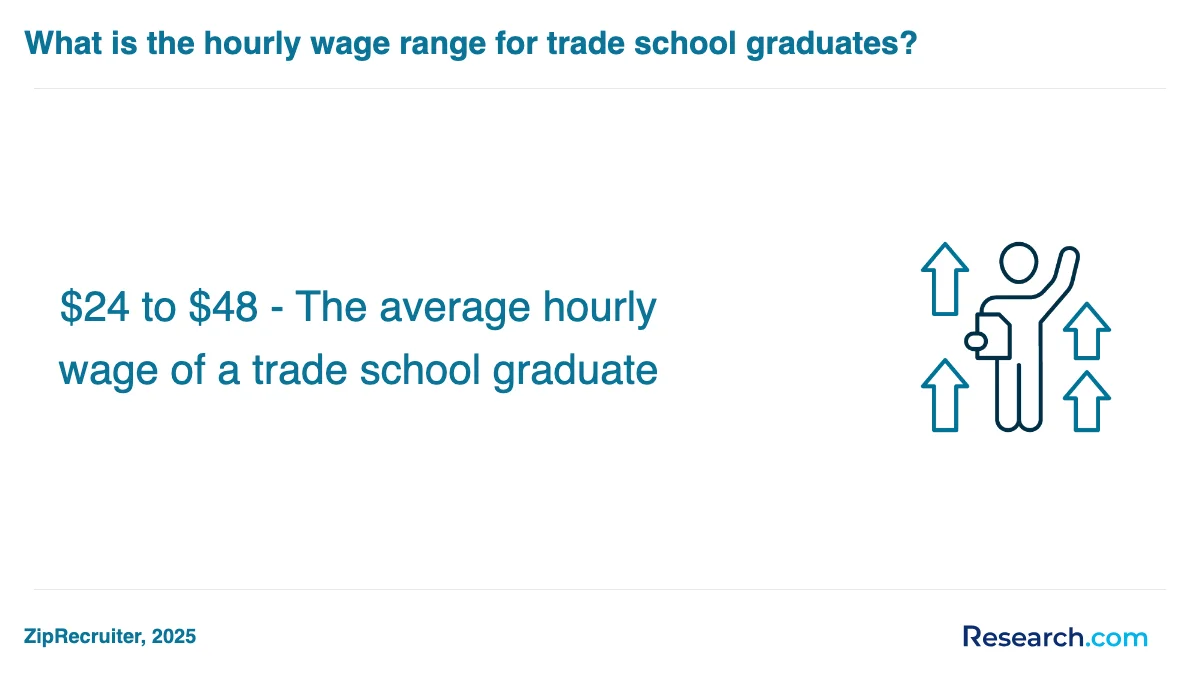
Trade schools in Spartanburg, well-known for programs in automated manufacturing technology and electronics engineering, prepare students for job openings like maintenance technicians, mill operators, and concrete laborers. Apprenticeship Carolina partnerships further increase success rates by linking graduates to paid apprenticeships offering hands-on experience and skill advancement. Graduates report feeling confident and valued as they start with competitive wages ranging from $17 to $33 per hour, often leading to full-time roles with benefits at reputable local companies such as Square One Construction and Daniel Builders.
After finishing a trade school program in Spartanburg, graduates can anticipate an average salary around $62,311 per year, or roughly $29.96 per hour. This aligns well with the practical experience many gain through hands-on training at popular Spartanburg trade schools, where students transition smoothly into well-paying roles.
Graduates often share how starting salaries near $46,900 at the lower end quickly rise with skill development and certifications. For example, those entering automotive repair or HVAC fields report satisfaction as their wages grow past $75,000 within a few years. In specialized areas such as architecture and engineering technology, hourly rates can reach approximately $39.61, reflecting local demand for these skills.
Though wages in Spartanburg might be slightly below the national average, graduates express confidence in the steady job opportunities and overtime possibilities. Many appreciate the short training periods that lead to financially rewarding careers without the burden of extensive college debt, making trade school an empowering choice for those focused on practical success.
- Most trade school programs require a high school diploma or GED, but some certificate programs allow enrollment without one if students complete adult education before graduation.
- Dual enrollment is available for high school juniors and seniors who meet GPA and counselor approval, letting them start trade courses early.
- Application deadlines are critical, as programs have limited spaces and some give priority based on grade level.
- Tuition for a one-year certificate at Spartanburg Community College ranges from $5,000 to $6,500 for in-state students, not including fees and materials.
- Entry-level salaries for trade school graduates typically range from $32,000 to $42,000 annually, with experienced professionals earning $50,000 or more.
Trade school programs in Spartanburg typically range from a few months up to two years, depending on the credential and field chosen. Graduates from Spartanburg Community College often share how certificate programs, such as welding or forklift operation, enable quick workforce entry-many finish these programs within six to eight months. Some have even completed short courses like forklift safety in just a few days, making it easier to quickly boost skills or change careers.
For those pursuing a more comprehensive education, associate degrees in areas like mechatronics or dental hygiene usually require about two years of full-time study at Spartanburg Community College. Students appreciate how this timeframe balances practical training and academics, preparing them well for technical roles.
Programs such as barbering at the Master Skills Center are fixed two-year commitments, designed to ready students for licensure, often taken alongside high school studies. Many find this combination rewarding, fostering confidence as they earn credentials and work toward their careers.
Online trade school programs in Spartanburg, such as those at Spartanburg Community College (SCCOnline) and Spartanburg Methodist College (SMC Online), offer flexibility that suits students balancing work, family, or other responsibilities. Graduates often share how asynchronous classes allowed them to study at their own pace without the stress of fixed schedules, making education more accessible. These programs also reduce costs significantly; for example, SCCOnline tuition is 60-100% less compared to many other online schools, plus financial aid options help ease the burden.
On the other hand, traditional on-campus programs require attending classes in person. Many students appreciate the structured environment and direct interaction with instructors and peers, which strengthens hands-on skills vital for trade careers. At Spartanburg trade schools, access to labs and equipment provides immediate practical experience that some trades simply demand.
Increasingly, hybrid options that combine online learning with on-campus sessions provide students the best of both worlds. This blend helps those who need flexibility but also want valuable face-to-face training, a balance often praised by Spartanburg graduates pursuing skilled trades.
The average trade school tuition in Spartanburg reflects a range influenced by both public and private institutions. Public schools like Spartanburg Community College offer tuition around $6,198 per year, which provides an accessible option for many students. One graduate shared how this affordability allowed them to focus on mastering technical skills without the pressure of overwhelming debt, making the Spartanburg trade school cost breakdown an encouraging factor for those pursuing vocational education.
Private schools often carry higher tuition costs; for instance, Converse College charges approximately $22,746 annually, with additional fees and supplies pushing total expenses well beyond $25,000. Despite the higher price, graduates from these schools emphasize the value of personalized instruction and comprehensive resources that contribute to their career readiness and confidence upon entering the workforce.
Throughout Spartanburg and across South Carolina, public trade school program costs typically range from $5,000 to $10,000, while private options may span $10,000 to $25,000. Additional essentials-such as books, supplies, and specialized equipment-can add anywhere from $500 to $6,000, depending on the chosen field. Many students find that exploring financial aid options mitigates these costs effectively. For those exploring flexible alternatives, enrolling in a cheap online solar technician course emerges as a promising path for affordable, career-focused training alongside traditional programs.
Trade school students in Spartanburg benefit from a variety of financial aid options that make pursuing their education more affordable. By submitting the Free Application for Federal Student Aid (FAFSA), students unlock access to federal grants like the Pell Grant, federal loans, and work-study programs. For example, Spartanburg Community College (SCC) requires FAFSA completion to qualify for its full tuition scholarships and access federal and state grants, giving students significant relief on costs.
South Carolina residents attending technical colleges such as SCC frequently take advantage of state aid programs like the South Carolina Lottery Tuition Assistance Program (LTAP), which greatly reduces tuition expenses. Additionally, scholarships such as the South Carolina Needs-Based Grant help provide extra support. Graduates from Spartanburg Methodist College (SMC) often share how full tuition scholarships covered by blending federal, state, and institutional aid made their education financially manageable, leaving only fees and housing to worry about.
Veterans in Spartanburg also benefit from programs such as the Post-9/11 GI Bill® and the Yellow Ribbon Program at select schools, easing the burden for military families. Early applications are key, as many awards are distributed on a first-come, first-served basis, ensuring proactive students maximize their funding opportunities.
To enroll in a trade school program in Spartanburg, most students first need a high school diploma or GED. This requirement is consistent across popular institutions like Spartanburg Community College (SCC), where graduates often share how this step was crucial in opening doors to careers in welding, HVAC, and industrial electricity. For those aged 18 or older without these credentials, SCC offers provisional acceptance into select certificate programs, but students must simultaneously attend an adult education program to earn their diploma or GED before graduating.
Additional prerequisites may apply depending on the program:
- Basic keyboarding skills for administrative office technology-students without experience take a dedicated course during their first semester.
- A criminal background check for early childhood care and education programs, ensuring compliance with state regulations.
- Placement tests to assess readiness and recommend preparatory coursework if necessary.
Proof of residency is commonly required for local tuition rates or scholarships, with documents like utility bills or lease agreements accepted. Many Spartanburg trade school enrollees recall submitting these papers early and how it helped secure their spot in competitive programs. Early application is highly recommended as spots fill quickly in high-demand fields, making proactive planning a key to success.

Trade school programs in Spartanburg primarily focus on practical, career-ready skills across multiple high-demand fields. Graduates frequently share how hands-on training in courses like Automotive Technology equips them with the confidence to diagnose and repair vehicles efficiently, a skill highly valued by local employers.
Students at Spartanburg Community College, a leading trade institution, have access to a broad spectrum of programs including:
- HVAC: Learning to install and maintain climate control systems while mastering industry safety standards.
- Welding: Developing diverse welding techniques essential for construction and manufacturing roles.
- Machine Tool Technology: Training for machinists with a focus on metal cutting and quality control.
- Electrical Technology: Preparing students to read blueprints, run wiring, and ensure code compliance.
- Plumbing: Covering residential to industrial systems along with necessary math skills.
Beyond these trades, many students benefit from programs in Mechatronics, Electronics Engineering Technology, and Automated Manufacturing Technology, which blend classroom learning with valuable industry experience through Spartanburg's Technical Scholars Program. Graduates often emphasize how this combination accelerates their job readiness and boosts employer confidence.
Trade schools in Spartanburg also offer flexibility, with many courses available both in-person and online, catering to diverse learning needs. This approach helps students balance education with personal commitments while gaining skills that lead to over 85% employment within six months of graduation.
Trade school programs in Spartanburg cover a diverse range of specializations tailored to meet local industry demands and student interests. Graduates from Spartanburg Community College (SCC), a leading institution in workforce development, often praise hands-on programs such as Automotive Technology, Welding, HVAC (Heating, Ventilation, and Air Conditioning), Mechatronics, and Machine Tool Technology. These fields prepare students to enter the workforce quickly with practical skills. For example, some graduates share how the Automotive Technology program enabled them to confidently diagnose and repair vehicles shortly after completing their studies.
Many students appreciate SCC's Technical Scholars Program, which blends classroom learning with part-time work at sponsor companies. This approach not only hones practical skills but may include tuition assistance, making education more affordable and motivating students.
Additional specialized programs include Electronics Engineering Technology and Automated Manufacturing Technology, meeting the growing need for technicians in advanced manufacturing. Others find foundational workforce training at RD Anderson in areas like construction and health sciences.
Students considering trade schools in Spartanburg can also weigh their options in the broader trade vs college debate to align their education with career goals.
Choosing the best trade school programs in Spartanburg starts with identifying your career goals, whether in welding, automotive technology, or HVAC. Graduates from Spartanburg Community College often highlight how hands-on instruction and real-world projects made their training engaging and directly relevant to local employers. To compare Spartanburg trade schools effectively, prioritize programs with strong accreditation and positive outcomes data. Schools like Swofford Career Center provide excellent certification success rates, which boost graduates' confidence when entering the workforce.
Look for programs that integrate practical experience through partnerships with Spartanburg businesses. These connections often lead to direct job offers and enriched learning environments. Additionally, understand the cost and financial aid availability, such as scholarships or work-study options, to manage expenses.
For students considering flexible options, exploring an affordable baking and pastry arts course online can also complement hands-on local training paths.

Trade school graduates in Spartanburg have numerous trade school career opportunities in Spartanburg, with programs tailored to meet local industry demands. Popular technical programs at Spartanburg Community College prepare students for hands-on roles such as machinists, industrial maintenance technicians, automotive technicians, and HVAC specialists. Graduates often share their positive experiences of gaining real-world skills through employer partnerships, making the transition into the workforce smooth and rewarding.
Career paths frequently include:
- Manufacturing and industrial technology jobs supporting Spartanburg's strong economic base
- Automotive service roles leveraging proximity to major automotive manufacturers
- Welding and HVAC technician positions with certification options
- Healthcare support roles through programs like Project SEARCH, providing immersive on-the-job learning
These Spartanburg technical program job prospects allow graduates to enter high-demand fields with confidence. Additionally, for those interested in specialized areas like appliance repair, exploring affordable online appliance repair courses can complement local training and expand employability.
The job market for trade school graduates in Spartanburg is notably strong, especially for those completing programs at local institutions such as Spartanburg Community College. Graduates often find steady employment quickly, with over 85% securing jobs within six months of completing their training. This success is largely due to the region's demand for skilled trade employment opportunities Spartanburg SC, particularly in industries like manufacturing, welding, dental hygiene, and computer science.
Trade school programs emphasize practical skills aligned with employer needs, supported by hands-on training and industry partnerships. Graduates frequently share positive experiences about entering roles in automotive, logistics, healthcare, and IT sectors. Apprenticeship programs such as those offered by Apprenticeship Carolina enhance these prospects by providing real-world experience and career advancement pathways.
For prospective students considering trade education in Spartanburg, exploring options like the most affordable online carpentry trade school programs can also open doors in the skilled trades, combining affordability with access to a growing local job market.
Most Affordable Trade School & Training Programs - Leading Certification Courses in Spartanburg for 2026
# 1 position
Spartanburg Community College - Automobile/Automotive Mechanics Technology/Technician.
associateSpartanburg Community College offers a hybrid Automobile/Automotive Mechanics Technology/Technician program with some distance-education options. The program prepares students to repair, service, and maintain all types of automobiles, covering brake systems, electrical systems, engine performance and repair, suspension, steering, transmissions, and heating and air conditioning. Annual in-state tuition is $5,046. Graduates earn a median income of $37,401.70 one year after completion. The program is accredited by the Southern Association of Colleges and Schools Commission on Colleges.
# 2 position
Spartanburg Community College - Accounting.
associateSpartanburg Community College offers a hybrid Accounting program designed to prepare students for the profession and related business functions. The curriculum covers accounting principles, financial and managerial accounting, tax accounting, auditing, and business information systems. The program includes instruction on professional standards, ethics, and applications for various organizations. Annual in-state tuition is $5,046. The program is accredited by the Southern Association of Colleges and Schools Commission on Colleges.
# 3 position
Spartanburg Community College - Business Administration and Management, General.
associateSpartanburg Community College offers a fully online Business Administration and Management, General program designed to prepare students to plan, organize, direct, and control business functions. The curriculum covers management theory, human resources, accounting, purchasing, logistics, marketing, and business decision-making. Annual in-state tuition is $5,046. The program is accredited by the Southern Association of Colleges and Schools Commission on Colleges. Median earnings one year after completion are $31,087.
# 4 position
Spartanburg Community College - Welding Technology/Welder.
certificate or diplomaSpartanburg Community College offers a Welding Technology/Welder program with a hybrid format, including some distance-education options. The program trains students in welding techniques such as arc welding, resistance welding, brazing, soldering, and high-energy beam welding. Tuition for in-state students is $5,046 annually. Graduates earn a median salary of $38,147 one year after completion. The program is accredited by the Southern Association of Colleges and Schools Commission on Colleges.
# 5 position
Spartanburg Community College - Heating, Air Conditioning, Ventilation and Refrigeration Maintenance Technology/Technician.
certificate or diplomaSpartanburg Community College offers a Hybrid Heating, Air Conditioning, Ventilation and Refrigeration Maintenance Technology/Technician program. It prepares students to repair, install, service, and maintain HVAC and refrigeration systems, focusing on diagnostic techniques, testing equipment, and principles of mechanics, electricity, and electronics. The annual in-state tuition is $5,046. The program is accredited by the Southern Association of Colleges and Schools Commission on Colleges.
# 6 position
Spartanburg Community College - Automobile/Automotive Mechanics Technology/Technician.
certificate or diplomaSpartanburg Community College offers a hybrid Automobile/Automotive Mechanics Technology/Technician program designed to prepare students to repair, service, and maintain various automobiles. The curriculum covers brake systems, electrical systems, engine performance and repair, suspension and steering, transmissions, and heating and air conditioning systems. Annual in-state tuition is $5,046. The program is accredited by the Southern Association of Colleges and Schools Commission on Colleges. Median earnings one year after completion are $37,401.70.
# 7 position
Spartanburg Community College - Dental Assisting/Assistant.
certificate or diplomaSpartanburg Community College offers a hybrid Dental Assisting/Assistant program that prepares students to provide patient care, take dental radiographs, and assist dentists and hygienists. The curriculum covers medical record-keeping, office duties, scheduling, equipment maintenance, sterilization, chairside assisting, and supervised practice. Annual in-state tuition is $5,046. Graduates earn a median salary of $23,162.50 one year after completion. The program is accredited by the Southern Association of Colleges and Schools Commission on Colleges.
# 8 position
Spartanburg Methodist College - Criminal Justice/Law Enforcement Administration.
associateSpartanburg Methodist College offers a fully online Criminal Justice/Law Enforcement Administration program designed to prepare students for leadership roles in public law enforcement agencies. The curriculum covers law enforcement history, operational command, labor relations, incident response, legal responsibilities, budgeting, and organizational leadership. Annual in-state tuition is $19,350. The program is accredited by the Southern Association of Colleges and Schools Commission on Colleges.
# 9 position
Spartanburg Methodist College - Business Administration and Management, General.
associateSpartanburg Methodist College offers a fully online Business Administration and Management, General program. The curriculum prepares students to plan, organize, direct, and control business functions, including management theory, human resources, accounting, purchasing, logistics, marketing, and decision-making. The program is accredited by the Southern Association of Colleges and Schools Commission on Colleges. Annual in-state tuition is $19,350.
Frequently Asked Questions about trade school programs
After completing trade school in Spartanburg, preparing for the job market involves several important steps. First, students should obtain any relevant industry certifications, as many employers require them for technical roles. For example, certifications in HVAC, welding, or electrical work enhance employability. Networking is also key; local trade organizations and Spartanburg's workforce development centers offer connections to employers actively hiring skilled workers.
According to the South Carolina Department of Employment and Workforce, Spartanburg's trade occupations show steady demand, with job growth projected around 4% annually. Apprenticeships and internships during or immediately after school improve work experience and job prospects. Additionally, creating a clear resume focused on technical skills and practical experience is essential to stand out in the job market.
Employers in Spartanburg increasingly value technical skills gained through trade school programs, such as welding, automotive repair, and electrical work. According to the U.S. Bureau of Labor Statistics, skilled trades like these are expected to grow by 8% through 2030, highlighting demand for qualified graduates.
Beyond technical abilities, employers emphasize strong problem-solving skills and adaptability. A 2023 survey by the National Skills Coalition found that 72% of employers in the region prioritize these traits to handle evolving job responsibilities effectively.
Communication skills and teamwork are also crucial, as many trade jobs require collaboration and clear interaction with supervisors and clients. Detailed attention and work ethic remain key, particularly in hands-on roles.
Finding internships related to your trade school program in Spartanburg begins with leveraging local resources and industry connections. Spartanburg has a growing manufacturing and automotive sector, providing opportunities in areas such as welding, automotive repair, and electrical work. The Spartanburg Area Chamber of Commerce and Upstate SC Alliance offer listings and networking events connecting students with employers.
Community colleges and trade schools in Spartanburg often maintain partnerships with local businesses to facilitate internship placements. For example, Spartanburg Community College hosts career fairs and internship programs tailored to technical careers.
Additionally, online platforms like Handshake and Indeed list internships specific to the Spartanburg region, with dozens of openings in skilled trades each year according to recent job market analyses from the South Carolina Department of Employment and Workforce.
Contacting local unions or trade associations can also help locate apprenticeship and internship opportunities, providing both hands-on experience and professional mentorship.
In Spartanburg, obtaining a trade school diploma can significantly enhance career mobility and advancement opportunities. Local industries, such as manufacturing, healthcare, and automotive services, actively seek skilled workers with practical training. According to the South Carolina Technical College System, graduates from trade programs in Spartanburg see employment rates exceeding 85% within six months of completion.
Trade diplomas often lead to certified qualifications recognized by employers, making it easier to secure higher-paying positions and promotions. The U.S. Bureau of Labor Statistics highlights that workers with specialized technical education can earn 10-20% more than those with only a high school diploma.
Additionally, many employers in Spartanburg prioritize candidates with trade certifications for supervisory or specialized roles, improving long-term career growth. This combination of demand and recognized skills creates a stable path for upward mobility within local job markets.
Part-time job opportunities in Spartanburg that complement trade school education often align with the skills students are developing. For example, those studying automotive technology can seek positions at local repair shops or dealerships, gaining hands-on experience while earning income. According to the U.S. Bureau of Labor Statistics, automotive service technician roles in South Carolina grew by 6% between 2020 and 2030.
Electrical and HVAC trade students find part-time roles as apprentices or helpers, which provide real-world exposure and networking benefits. Additionally, healthcare-related trade programs often lead to part-time jobs as medical assistants or pharmacy technicians in Spartanburg's clinics and hospitals.
Retail and warehouse jobs remain popular, allowing students in various trades to maintain flexible schedules. Local job boards such as Spartanburg Economic Futures report several openings for roles matching trade skills, supporting both learning and financial needs.
There are several affordable degree programs available both near you and near Spartanburg, SC. Many universities and colleges in this area offer competitive tuition rates and financial aid options to make higher education more accessible to students. Research.com can be a helpful resource to explore various academic programs and their costs, ensuring you find a suitable option that meets your educational and financial needs.
- Most Affordable Trade School & Training Programs - Leading Certification Courses in Statesboro for 2026
- Most Affordable Trade School & Training Programs - Leading Certification Courses in Ocala for 2026
- Most Affordable Trade School & Training Programs - Leading Certification Courses in Dearborn for 2026
- Industrial and Trade Programs | Spartanburg Community College https://www.sccsc.edu/academics/industrial-trade/
- Swofford Career Center - Spartanburg County School District Two https://www.spart2.org/departments/instruction/c_a_t_e_career_and_technology_education/swofford_career_center
- Swofford Career Center http://www.swoffordcareercenter.org/
- Bring your family to experience Daniel Morgan Technology Center like never before! | Spartanburg District 7 https://www.spartanburg7.org/article/1851301
- Client Challenge https://www.spart5.net/page/academies-clusters
- Master Skills Center Offers Different Path for Spartanburg County Stud https://www.harrisonsusa.com/blogs/our-stories/master-skills-center-offers-different-path-for-spartanburg-county-students
- Tri-County Technical College in Upstate SC | TCTC http://www.tctc.edu/
- FAQ - College Town Spartanburg https://www.collegetownspartanburg.com/faq
- Credit for Work or Life Experience - USC Upstate https://uscupstate.edu/admissions/transfer-student/credit-for-work-or-life-experience/
- Internships, Apprenticeships, & Co-Ops | OneSpartanburg, Inc. https://www.onespartanburginc.com/internships