
Best Associate Degree Programs - Leading Certification Courses in New Orleans for 2026

Co-Founder and Chief Data Scientist
Choosing the right associate degree program in New Orleans can shape your future career and open new opportunities. This article presents a carefully crafted associate degree programs ranking developed by the Research.com team of data scientists to guide you through the best options available.
Whether you're starting fresh or looking to boost your skills, exploring these programs can help you find the perfect fit for your goals. An associate degree offers practical benefits and a solid foundation for success, making it a smart step forward in your education journey.
Key benefits of associate degrees in New Orleans
Getting an associate degree in New Orleans offers great salary potential, with careers like chemical technicians earning up to $88,800, dental hygienists around $83,420, and marketing associates making about $55,600 annually. These figures show strong earning possibilities right after graduation.
Popular career paths include technical roles such as engineering technologists and healthcare jobs like dental hygienists, reflecting real opportunities for graduates from local schools who want a rewarding and stable profession.
Choosing an online associate degree can be flexible and convenient, allowing students to balance work and study while accessing quality education similar to traditional schools, helping graduates succeed on their own terms.
- Best Associate Degree Programs - Leading Certification Courses in New Orleans for 2026
- What can I expect from associate degree programs in New Orleans?
- Where can I work after finishing associate degree programs in New Orleans?
What can I expect from associate degree programs in New Orleans?
The average cost of an associate degree program in New Orleans typically ranges from around $4,000 to $8,000 for in-district community college students, with some variation depending on the institution and residency status. For example, graduates from Delgado Community College often reflect on the affordability that helped them start their careers without heavy debt while balancing part-time jobs or family commitments.
At Loyola University New Orleans, students pursuing online associate degrees note that tuition is higher than community colleges but comes with flexible payment options and the convenience of remote classes. This balance allows many to study while working full-time, making the investment manageable over two years.
Students should expect to budget not only for tuition but also for textbooks, fees, and supplies, although online formats sometimes reduce these costs. Many find that the value gained-practical skills and credentials recognized by local employers-justifies the expense.
Financial aid and scholarships are commonly pursued by New Orleans students, easing the upfront burden and adding to a positive, achievable college experience.
Where can I work after finishing associate degree programs in New Orleans?
Graduates from associate degree programs in New Orleans often step directly into rewarding careers that match the city's vibrant economy. For instance, healthcare remains a prime field-many graduates from local nursing programs quickly find roles as registered nurses or respiratory therapists at hospitals that value their skills and sometimes even offer sign-on bonuses. This hands-on experience provides a clear sense of career stability and growth.
Others from business-focused associate degrees commonly land jobs as administrative assistants or customer service representatives in bustling local offices, where they apply their training to real-world challenges like managing schedules or supporting sales teams. These roles offer steady work and opportunities to build valuable professional networks.
Technical programs from well-known New Orleans institutions also lead to work in manufacturing or energy companies where graduates design, check, and maintain essential systems. Hospitality graduates often discover positions in hotel management or event coordination-immersing themselves in the city's thriving tourism scene.
These paths showcase how an associate degree from a New Orleans school translates into meaningful, accessible employment options right after graduation.
Graduates with an associate degree in New Orleans typically start with median annual salaries around $49,500, which is significantly higher than what many high school graduates earn locally. For example, many students who completed their programs at well-known New Orleans community colleges find themselves earning between $16.99 and $19.52 per hour shortly after graduation, leading to yearly salaries near $40,600 when working full time.
Recent grads often land roles like operations or medical administrative assistants, where earnings range from about $38,000 to $41,500. These positions are common for graduates from popular local institutions and provide a solid financial foundation.
While some entry-level roles might start closer to $26,500 a year, those with few years of experience or specialized skills in fields such as healthcare technology or cybersecurity often see salaries climb near $53,000. This showcases the value that area employers place on associate degree holders in technical fields.
Choosing an associate degree program in New Orleans is a practical decision, reflecting real opportunities for steady employment and competitive pay that many graduates experience soon after finishing their studies.
- Jamal: Earning my Associate Degree in Culinary Arts from a New Orleans trade school opened the door to a fulfilling career as a chef. The hands-on training and close-knit community truly prepared me for the fast-paced restaurant world, making the city's vibrant food scene my professional playground.
- Leah: Studying Business Administration at a local New Orleans college gave me practical skills and confidence. The supportive instructors and real-world projects helped me land a great marketing role. I'm grateful for the balance of theory and application that trade school provided - it truly changed my life.
- Andre: I completed my Associate Degree in Electrical Technology in New Orleans, and it was one of the best decisions I've made. The focused curriculum and expert guidance made studying rewarding, and finding work on local construction projects felt like a natural step. Proud to build my future here.
- Admission to most community colleges in New Orleans is open with only a high school diploma or GED required, and no minimum ACT or GPA scores.
- An associate degree in Louisiana usually requires completing at least 60 credit hours, with 39 in general education and 21 in major-specific courses.
- Students must earn a grade of "C" or better in each course to have credits count toward graduation and ensure transferability to four-year public universities.
- Graduates with a Louisiana Transfer Associate Degree enter four-year public universities as juniors.
- Tuition and fees for an associate degree at public community colleges in New Orleans average $4,000-$5,000 per year as of 2025.
- Entry-level salaries for associate degree holders in healthcare, business, and technology range from $40,000 to $55,000 annually in the New Orleans metro area.
Most students pursuing an associate degree in New Orleans at schools like Delgado Community College can expect to complete their programs in about two years if they study full-time. This usually involves taking 12 to 15 credit hours each semester, roughly five courses, across two 16-week semesters annually. Graduates often describe this pace as manageable and rewarding, fitting well with their goals to enter the workforce efficiently.
However, many students balance jobs or family commitments and attend part-time, stretching their timeline to three years or more. This reality is common in New Orleans, and graduates frequently share how part-time study requires discipline but ultimately makes education accessible alongside life's demands.
Some schools offer accelerated or flexible options, such as year-round courses or online classes, letting motivated students finish in as little as 18 months. Others benefit from transferring credits or prior work experience, shortening their path. These adaptations make completing an associate degree in New Orleans a realistic and positive experience for a broad range of learners.
The main difference between online and on-campus associate degree programs in New Orleans lies in how and where learning happens. Online students at places like Delgado Community College enjoy the flexibility of accessing lectures and assignments anytime, making it easier to balance work or family. One graduate appreciated logging in late at night after work, something impossible with fixed, in-person classes. On-campus students, meanwhile, attend classes physically, engaging directly with professors and peers, which many find energizing for hands-on fields like criminal justice or paralegal studies.
Personal interaction is another crucial factor. Those on campus benefit from face-to-face networking and group projects, which can open doors to internships locally. Graduates often mention that these connections made their job searches smoother. Online learners rely mostly on virtual meetings and forums, which work well but can feel less immediate.
Tuition at Delgado remains the same for both formats-about $138.96 per credit hour-but online students save on commuting and housing costs. This practical choice has helped many students manage expenses while earning a respected degree in as little as four semesters.
For those considering an associate degree in New Orleans, the average associate degree cost in New Orleans mainly depends on the type of institution. Many local students opt for public community colleges like Delgado Community College, where tuition runs about $138.96 per credit hour. With programs typically requiring around 60 credit hours, graduates find themselves paying roughly $8,338 for tuition alone over two years. This affordability often makes community colleges the go-to choice for students wanting quality education without excessive debt.
Graduates from these schools often describe a sense of relief and accomplishment, knowing their investment was manageable and practical. Whether attending classes on campus or online, many appreciate that the cost structure is straightforward and predictable, making it easier to plan finances. This approach fits well with the average student's budget and helps avoid the stress of unexpected tuition hikes.
When comparing New Orleans associate degree tuition and fees at four-year public institutions like the University of New Orleans, costs rise notably. Full-time students pay about $9,454 annually, totaling nearly $18,908 for two years-more than double a community college's expenses. Private schools such as Xavier University charge even higher tuition, nearing $12,418 per semester, which can approach $50,000 over two years.
Many students rely on financial aid to bridge these gaps. Louisiana's M.J. Foster Promise Program and federal aid options play a vital role in making these degrees more accessible. For those eager to accelerate their timeline and save money, exploring programs like an accelerated associate degree pathway can be a game-changer.
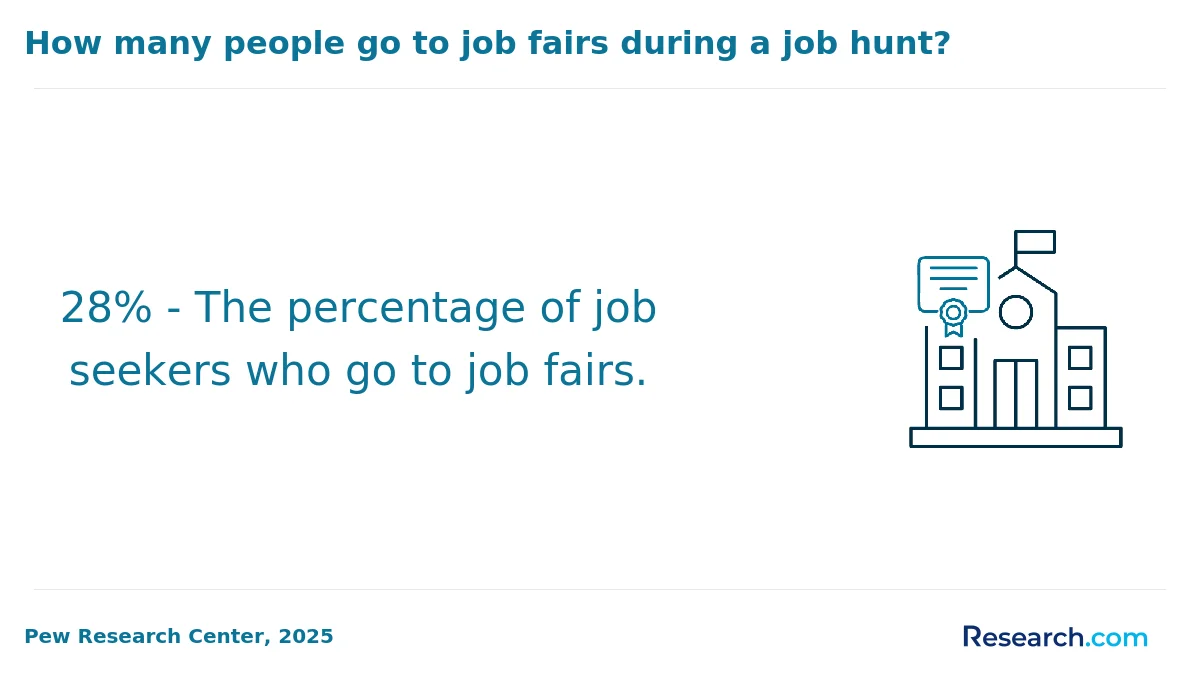
Students pursuing associate degrees in New Orleans can rely on several key financial aid sources to ease their education costs. The Free Application for Federal Student Aid (FAFSA) is essential, unlocking eligibility for federal grants, loans, and work-study jobs. For instance, a typical student at the University of New Orleans might secure a Pell Grant-up to $7,395 for 2025-2026 depending on financial need-which can significantly reduce out-of-pocket tuition expenses.
Louisiana residents benefit from state programs like the Taylor Opportunity Program for Students (TOPS), a merit-based scholarship covering tuition at popular local schools such as Southern University at New Orleans. Many students find TOPS a game changer, allowing them to focus more on classes and less on bills.
The M.J. Foster Promise Program also helps by covering up to $3,200 yearly in tuition and supplies at two-year colleges. Institutional aid at UNO averages $14,247 for in-state students over four years, often blending scholarships and grants, which graduates recall as vital support during challenging times.
Programs like the Generation Hope New Orleans Scholar provide up to $2,400 for teen parents, reflecting real community support for diverse student needs.
To enroll in an associate degree program in New Orleans, the essential prerequisite is a high school diploma or GED. This requirement is standard across community colleges such as Delgado Community College, which practices an open admissions policy. Many graduates recall how easily they got accepted once they had their diploma in hand, making the process feel approachable and encouraging for those returning to education.
Applicants generally do not need ACT or SAT scores, nor is there a minimum GPA for general admission. However, if you're aiming for a specialized program-like nursing or allied health-expect additional steps, such as:
- Specific prerequisite courses
- Higher GPA requirements
- Placement or entrance exams
For many students, this means checking with the program's admissions office or website for extra guidance before applying. Since some graduates successfully navigated these steps by leveraging local resources, you can too.
Additionally, students considering financial aid must complete the FAFSA and may need extra documentation depending on their personal circumstances. Overall, New Orleans associate degree programs offer a straightforward path, making higher education accessible for many in the community.
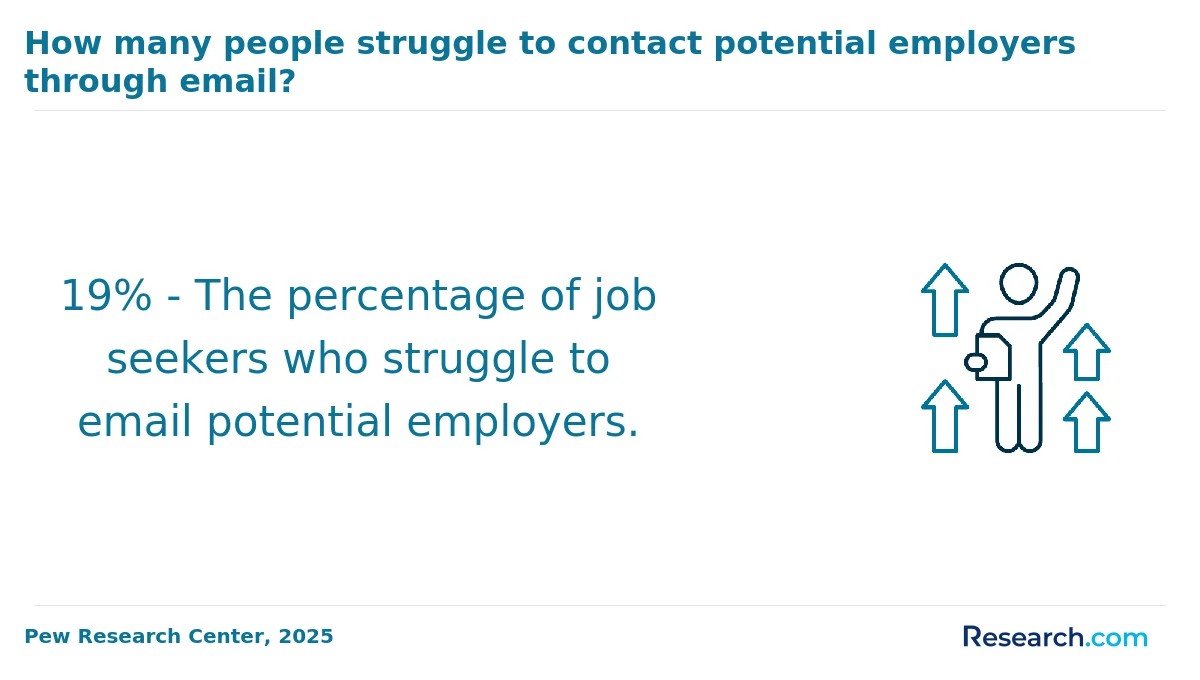
Core courses in associate degree programs New Orleans generally include essential subjects designed to build strong academic foundations. Graduates from Loyola University New Orleans, for example, report taking about 36 credit hours of core courses that teach critical thinking, communication, and professional skills. These core classes typically cover English composition, mathematics, natural sciences, humanities, and social sciences, providing a well-rounded education that supports students across all majors.
Typical classes for New Orleans associate degrees vary depending on the major but share practical relevance. Students pursuing psychology at Loyola might take introduction to psychology, developmental psychology, and research methods, while those at Orleans Technical College engage in hands-on training in building maintenance, carpentry, or plumbing. This combination of classroom learning and real-world applications prepares students for both workforce entry and further transfer opportunities.
For those aiming to transfer, programs like the Associate of Arts/Science Louisiana Transfer at the University of New Orleans ensure completion of all lower-division general education requirements, letting students transition smoothly into bachelor's degrees. Many students appreciate this structured path, which balances academic rigor with career preparation.
Those curious about further education can explore easiest phd degree programs online to plan a future beyond their associate degrees.
Start by prioritizing accreditation to ensure your credits transfer smoothly if you decide to pursue a bachelor's later. Graduates from Delgado Community College and Southern University at New Orleans often praise how their accredited programs helped them secure local jobs quickly. Next, consider the format and flexibility-whether evening, weekend, hybrid, or fully online classes fit your lifestyle. Students attending UIU-New Orleans appreciate balancing work and study through hybrid schedules, while many Southern University grads value the convenience of online options. To wisely choose among these options, compare tuition costs for associate degrees New Orleans offers, remembering that community colleges typically provide the most affordable rates and financial aid options.
Look into support services like tutoring and career counseling that help graduates transition into work or transfer to four-year programs. Finally, check each program's reputation and job placement rates to find one that opens doors locally. If you want to explore broader opportunities, also consider reviewing cheapest phd online programs available nationwide to plan a long-term career path.
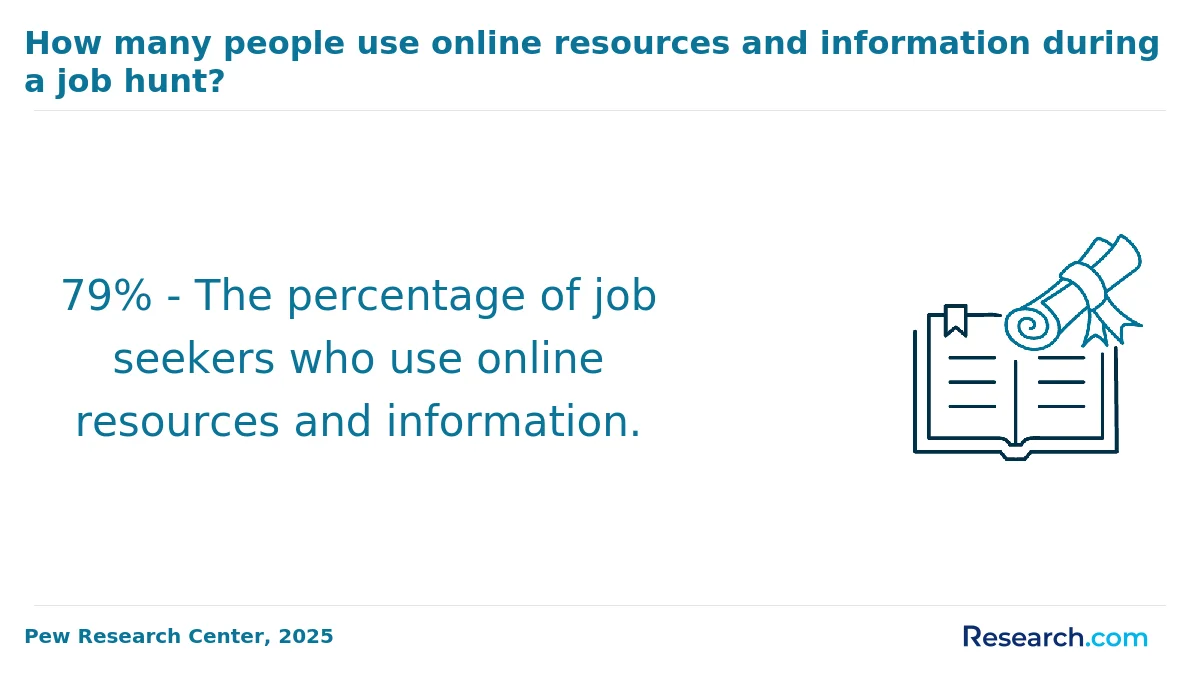
Associate degree graduates in New Orleans find a wide range of career paths grounded in local industry demands. Healthcare roles dominate, with many graduates working as registered nurses, respiratory therapists, or medical office assistants in busy hospitals and clinics. These positions often come with attractive benefits and sometimes sign-on bonuses, reflecting high local demand.
Business and administrative fields offer opportunities such as customer service, human resources, and legal support, often serving as stepping stones to advanced roles and certifications. Graduates from popular New Orleans associate degree programs describe the satisfaction of securing stable jobs while building skills for future growth.
Public service roles like substitute teachers and hospital navigators provide steady work and community impact, favored by many who studied at technical colleges nearby. Technical careers include designers in engineering firms and procurement specialists, where hands-on training from regional schools proves valuable.
- Healthcare professionals such as RNs and therapists
- Business roles including customer service and HR specialists
- Public sector jobs like substitute teaching and hospital navigation
- Technical trades and design positions in local industries
Students looking to pursue practical careers with strong employment prospects often seek the best accredited online schools with free application to start their journey. Job data indicates that exploring the highest paying jobs for associate degree graduates in New Orleans aligns well with these options, making an associate degree a smart investment in the area's economy.
The job market for associate degree graduates in New Orleans shows strong potential, with over 600 active job postings seeking candidates with two-year degrees. Graduates from local schools often find opportunities in healthcare, business, and technical fields. For example, many healthcare employers in New Orleans are looking for registered nurses and medical assistants, roles that offer both competitive wages and room for advancement. Graduates from popular associate degree programs here report feeling confident as they enter these roles, benefiting from the city's steady demand and rewarding career paths. This demand reflects broader New Orleans employment trends for associate degree graduates, with businesses valuing the practical skills gained through these programs.
Job seekers can explore diverse roles including:
- Customer service and administrative positions
- Industrial technicians and designers
- Procurement specialists in manufacturing
Wages range from $14 to $55 per hour, allowing graduates to maintain a comfortable lifestyle. Many students from well-known local schools highlight how their associate degrees have opened doors in competitive areas like hospitality management and legal services. For those still exploring programs, it helps to check out the most popular vocational schools online to find flexible options that fit a New Orleans career plan.
Best Associate Degree Programs - Leading Certification Courses in New Orleans for 2026
# 1 position
Delgado Community College - Physical Therapy Assistant.
associateDelgado Community College offers a Physical Therapy Assistant program with a hybrid format, combining in-person and distance education. The curriculum includes applied anatomy, physiology, biomechanics, clinical documentation, neuroscience, and professional ethics. Graduates earn a median income of $45,773 one year after completion. The annual in-state tuition is $4,678. The program is accredited by the Southern Association of Colleges and Schools Commission on Colleges.
# 2 position
Delgado Community College - Automobile/Automotive Mechanics Technology/Technician.
associateThe Automobile/Automotive Mechanics Technology/Technician program at Delgado Community College is a hybrid program with some distance-education options. It prepares students to repair, service, and maintain various automobile systems, including brakes, electrical, engines, transmissions, suspension, steering, and heating and air conditioning. The annual in-state tuition is $4,678. Graduates earn a median salary of $37,769 one year after completion. The program is accredited by the Southern Association of Colleges and Schools Commission on Colleges.
# 3 position
Delgado Community College - Veterinary/Animal Health Technology/Technician and Veterinary Assistant.
associateDelgado Community College offers a program in Veterinary/Animal Health Technology/Technician and Veterinary Assistant that prepares students to assist veterinarians and animal health professionals with patient care and clinical procedures. The curriculum includes animal nursing, health and nutrition, clinical pathology, radiology, anesthesiology, surgical assisting, and office administration. The program is accredited by the Southern Association of Colleges and Schools Commission on Colleges. Annual in-state tuition is $4,678.
# 4 position
Delgado Community College - Information Technology.
associateDelgado Community College offers a hybrid Information Technology program emphasizing the design of technological information systems as solutions for business and research data needs. The curriculum covers computer hardware and software principles, algorithms, databases, telecommunications, user tactics, application testing, and human interface design. The program's annual in-state tuition is $4,678. It is accredited by the Southern Association of Colleges and Schools Commission on Colleges.
# 5 position
Delgado Community College - Computer Systems Networking and Telecommunications.
associateDelgado Community College offers a hybrid program in Computer Systems Networking and Telecommunications that prepares students to manage and optimize linked computer systems, networks, and related software. The curriculum covers operating systems, networking theory, security, and troubleshooting. The program has an annual in-state tuition of $4,678 and is accredited by the Southern Association of Colleges and Schools Commission on Colleges.
# 6 position
Delgado Community College - Legal Assistant/Paralegal.
associateDelgado Community College offers a Legal Assistant/Paralegal program preparing students for research, drafting, investigatory, record-keeping, and administrative tasks under attorney supervision. The curriculum includes legal research, document drafting, pleading, courthouse procedures, and legal specializations. The program’s annual in-state tuition is $4,678. It is accredited by the Southern Association of Colleges and Schools Commission on Colleges.
# 7 position
Delgado Community College - Accounting Technology/Technician and Bookkeeping.
associateDelgado Community College offers a program in Accounting Technology/Technician and Bookkeeping that prepares students to provide technical support to accountants and financial personnel. The curriculum includes posting transactions, record-keeping systems, accounting software operation, and general accounting principles. The annual in-state tuition is $4,678. Graduates have median earnings of $29,506 one year after completion. The program is accredited by the Southern Association of Colleges and Schools Commission on Colleges.
# 8 position
Delgado Community College - Criminal Justice/Police Science.
associateDelgado Community College offers a program in Criminal Justice/Police Science that prepares students for duties such as patrol, investigations, traffic and crowd control, and public relations. Coursework includes evidence management, crime prevention, weapon operation, and report preparation. The program’s annual in-state tuition is $4,678. Graduates earn a median income of $29,276 one year after completion. It is accredited by the Southern Association of Colleges and Schools Commission on Colleges.
# 9 position
Delgado Community College - Business Administration and Management, General.
associateDelgado Community College offers a program in Business Administration and Management, General, designed to prepare students to plan, organize, direct, and control organizational functions. The curriculum includes management theory, human resources, accounting, purchasing, logistics, marketing, and business decision-making. The program is accredited by the Southern Association of Colleges and Schools Commission on Colleges. Annual in-state tuition is $4,678, and median earnings one year after completion are $27,509.
Frequently Asked Questions about associate degree programs
After completing an associate degree in New Orleans, preparing for the job market involves several critical steps. First, graduates should take advantage of career services offered by local community colleges, which often provide resume workshops, interview preparation, and job placement assistance. Networking is also essential; joining local professional groups in sectors like healthcare, technology, or hospitality can open doors to employment opportunities.
According to the U.S. Bureau of Labor Statistics, associate degree holders in Louisiana experience an average unemployment rate of 5.2%, slightly lower than the state average. Gaining relevant certifications alongside your degree can further increase job prospects, especially in industries popular in New Orleans, such as culinary arts and hospitality. Internships and part-time jobs connected to your field can provide practical experience, making you more competitive.
Employers in New Orleans value a combination of technical and soft skills in associate degree graduates. According to the National Skills Coalition, critical thinking and problem-solving rank highly among desired abilities. In local industries like healthcare and hospitality, proficiency in digital literacy and communication skills are crucial. The Louisiana Workforce Commission highlights teamwork and adaptability as essential, especially given the region's dynamic job market.
Technical skills tailored to the specific field, such as knowledge of health informatics or basic IT competencies, increase a graduate's employability. Additionally, punctuality and a strong work ethic are consistently emphasized by New Orleans employers across various sectors.
Finding internships in New Orleans relevant to your associate degree program involves several strategic steps. First, contact your college's career services office, as many community colleges in New Orleans have partnerships with local businesses. According to the New Orleans Business Alliance, sectors such as healthcare, hospitality, and technology offer numerous internship opportunities.
Additionally, utilize online resources like the Louisiana Workforce Commission's job portal, which lists internships by region and industry. Networking through local events and professional associations can also increase your chances, as 67% of internships in Louisiana result from personal connections, per the National Association of Colleges and Employers (NACE).
Finally, reach out directly to companies in your field, including hospitals, tech startups, and tourism firms, to inquire about internship positions tailored to your associate degree specialization.
In New Orleans, earning an associate degree significantly improves career mobility and advancement opportunities. According to the U.S. Bureau of Labor Statistics, workers with an associate degree earn approximately 19% more annually than those with only a high school diploma. This degree often qualifies graduates for middle-skill jobs prevalent in New Orleans' growing sectors, such as healthcare, information technology, and skilled trades.
Local employers frequently recognize associate degrees as valuable credentials, which can lead to promotions and higher-paying roles. Additionally, community colleges in the region offer transfer programs supporting continued education toward bachelor's degrees, further enhancing career prospects.
Research from the Louisiana Workforce Commission highlights that associate degree holders experience a 10% higher employment rate locally compared to individuals without postsecondary credentials.
Part-time job opportunities in New Orleans that complement associate degree education are diverse and often aligned with the city's economic sectors. Students pursuing healthcare-related programs can find roles as medical assistants or pharmacy technicians, which offer valuable hands-on experience while earning an average hourly wage of around $14. According to the U.S. Bureau of Labor Statistics, the hospitality industry, a major employer in New Orleans, provides part-time openings in hotel management and event coordination that align with business associate degrees.
Additionally, roles in administrative support and IT help desks are common for students in business or information technology programs. Local job platforms like Indeed and the Louisiana Workforce Commission report a steady demand for part-time work in these fields. These jobs not only supplement income but also build practical skills relevant to students' academic tracks.
There are numerous degree programs available near me for those residing near New Orleans, LA, across various fields such as business, engineering, and the arts. Several reputable universities, including Tulane University and the University of New Orleans, offer diverse academic programs catering to students' diverse interests and career goals. For a detailed list of best degree programs in various fields, Research.com can be a helpful resource to explore the academic options available.
- Best Trade School & Training Programs - Leading Certification Courses in Little Rock for 2026
- Best Trade School & Training Programs - Leading Certification Courses in Springfield for 2026
- Best Trade School & Training Programs - Leading Certification Courses in Emporia for 2026
- Best Trade School & Training Programs - Leading Certification Courses in Florence for 2026
- What Comes After Associate Degree: Here Are Your Options https://potomac.edu/do-you-feel-complete-after-earning-an-associates-degree/
- Application Requirements | Loyola University New Orleans https://law.loyno.edu/application-requirements
- What is an associate’s degree? | Top Universities https://www.topuniversities.com/blog/what-associates-degree
- Top 5 Skills Employers Look For | Nth Degree https://newmanu.edu/top-5-skills-employers-look-for
- Online vs Traditional Degrees: Similarities and Differences https://www.aiu.edu/blog/online-vs-traditional-degrees/
- Research - Our Methodology https://research.com/our-methodology
- Delgado Community College https://www.dcc.edu/student-services/fye/flex-pace.aspx
- Nursing School Cost & Tuition | Chamberlain https://www.chamberlain.edu/admissions/tuition-expenses
- Office of Registrar - Louisiana Transfer Degree https://www.lsuhsc.edu/registrar/lta.aspx
- Occupational Employment and Wages in New Orleans-Metairie - May 2024 : Southwest Information Office : U.S. Bureau of Labor Statistics https://www.bls.gov/regions/southwest/news-release/occupationalemploymentandwages_neworleans.htm


